BTDT Homeschool

The Been There Done That Homeschool Podcast was created to give back to the secular homeschool community. We are Maria and Nicole and have 5 children between our two families. We have both homeschooled from the very beginning - 30+ years! This is not a conservative homeschool story. There will be wine, an occasional expletive and we may occasionally go off topic as most moms do. Be prepared to laugh and cry while you walk with us as we tell our stories, share tips and advice for what's worked for us and what hasn't. So sit back and enjoy!

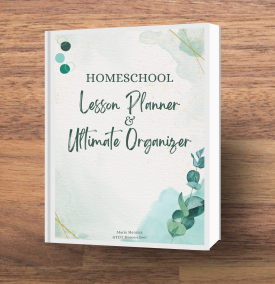
Homeschool Lesson Planner and Ultimate Organizer

BTDT Homeschool Lesson Planner and Ultimate Organizer

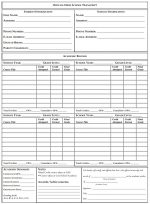
We’re excited to introduce the BTDT Homeschool Lesson Planner & Ultimate Organizer—your go-to companion for a smoother, more organized homeschooling experience! With 187 pages designed to adapt to your unique needs, this planner is all about making your homeschooling journey more manageable and enjoyable.

Think of this planner as your personal assistant, crafted specifically for homeschooling families like yours. Whether you’re teaching one child or juggling a bustling household, this tool helps you stay organized and track your progress with ease.

No more scattered records or forgotten tasks! Our planner brings everything together in one place, so you can access all your important information throughout the school year. It’s user-friendly and flexible, whether you prefer a child-led unschooling approach or a more scheduled routine.

With our planner, you can focus on what really matters—educating your children—while staying on top of your homeschooling schedule. It’s designed to help you track anything and everything, from your lessons and grades to extracurricular activities and budget, giving you a clear overview of your children’s progress every step of the way.

See a Video Walk-Through:

Page by Page view of the BTDT Homeschool Lesson Planner & Ultimate Organizer

What is included in this planner?

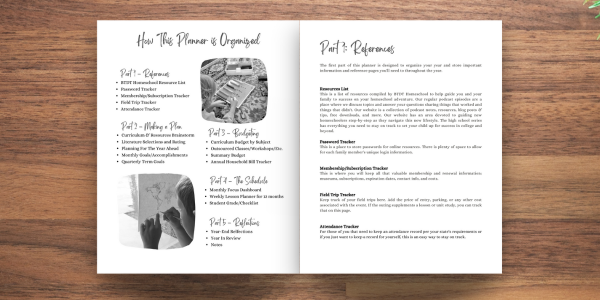
We’ve taken the time to include detailed instructions on how to use this planner effectively, but let me give you a friendly overview of how it’s organized: 

PART 1: REFERENCES  

  • Resources list – Including: Homeschool Podcast Episodes, 10 steps to Getting Started, Tips & Inspiration, 12 Steps to Homeschooling High School, Free Downloads including Transcript Templates, and more to help in your homechool journey.  
  • Password Tracker 
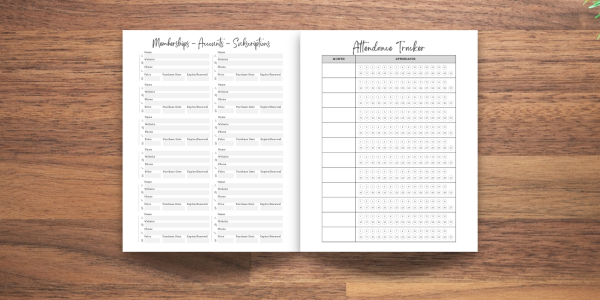
  • Membership/Subscription Tracker 
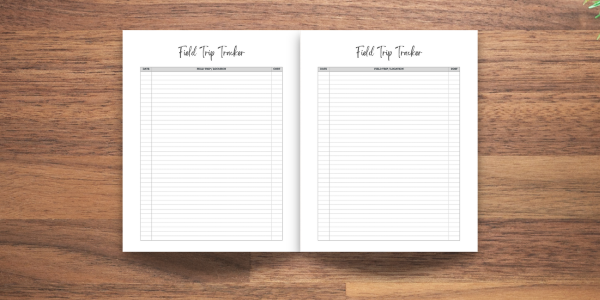
  • Field Trip Tracker 
  • Attendance Tracker 

BTDT Homeschool was created with a heartfelt mission: to empower and give back to the secular homeschool community.

Through our informative podcasts, blog posts, daily inspiration, and a wide range of free printable tools, we aim to empower you on your homeschooling journey.

New to Homeschooling>>>

APPLESPOTIFYAMAZONYOUTUBE

PART 2: MAKING A PLAN  

  • Curriculum & Resources Brainstorm 
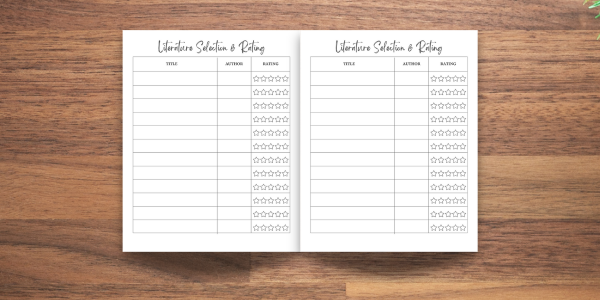
  • Literature Selections and Rating 
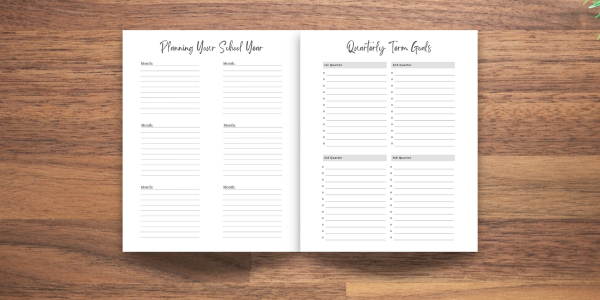
  • Planning For the Year Ahead 
  • Monthly Goals and Accomplishments 
  • Quarterly Term Goals 

PART 3: BUDGETING  

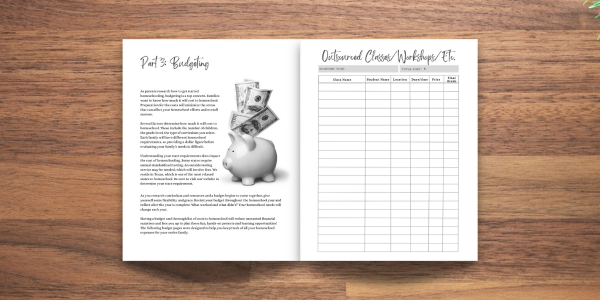
As parents research how to get started homeschooling, budgeting is a top concern. Families want to know how much it will cost to homeschool. Preparation for the costs will minimize the stress that can affect your homeschool efforts and overall success.  

Several factors determine how much it will cost to homeschool. These include the number of children, the grade level, the type of curriculum you select. Each family will have different homeschool requirements, so providing a dollar figure before evaluating your family’s needs is difficult. Your Homeschool Budget is listed in an organized way so you can stay on track and not bust the bank:  

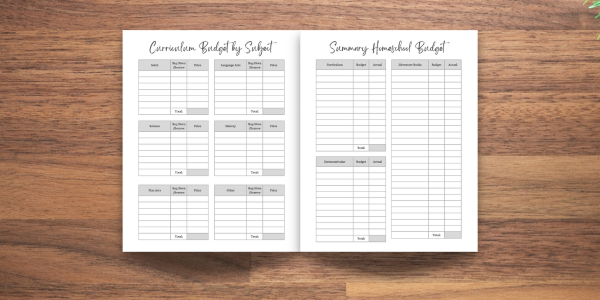
  • Curriculum Budget by Subject  
  • Outsourced Classes/Workshops/Etc.  
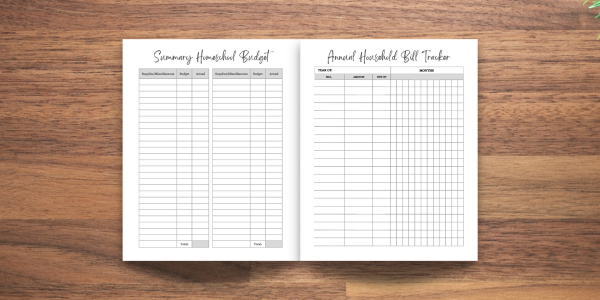
  • Summary Budget  
  • Annual Household Bill Tracker  

PART 4: THE SCHEDULE  

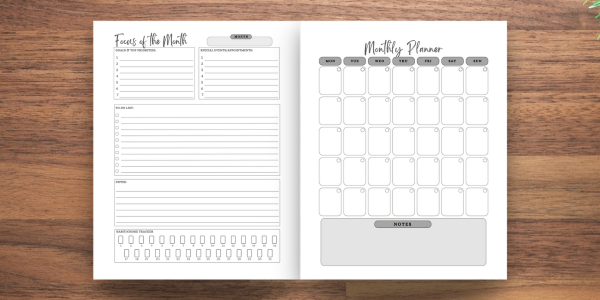
  • Monthly Focus Dashboard 
  • Monthly Schedule 
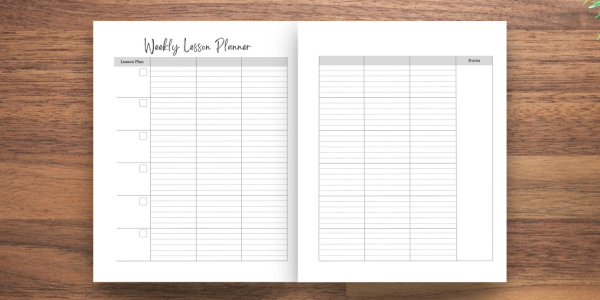
  • Weekly Lesson Planner for 12 Months 
  • Grade Tracker/Student Checklist 

PART 5: REFLECTIONS  

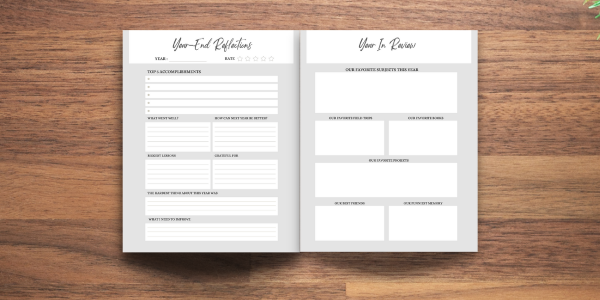
  • Year-End Reflections 
  • Year In Review 
  • Notes 

Get yours today!

Transform your homeschooling journey by staying organized and on track with the ultimate organizer! With 187 pages, staying on top of your schedule has never been easier, giving you the freedom to focus on what truly matters – educating your children.

Homeschool Lesson Planner and Ultimate Organizer

$11.95

LGBTQ+ History

LGBTQ+

LGBTQ+ History

Teaching LGBTQ+ history, inclusion, and celebrating differences in your Homeschool

Are you just starting your homeschooling journey? We’re here to help! Begin with our Get Started in Homeschooling page and Homeschooling FAQ to make the transition smoother. If you’re guiding a young child, explore our How to Homeschool Kindergarten. to make those first steps special. For middle schoolers, don’t miss our Middle School page packed with tips and advice. And if you’re heading into the high school years, our Essential Steps to Homeschool High School will guide you every step of the way!

The LGBTQ+ population is often left out of history curricula. It’s a fact that LGBTQ+ History is documented as far back as 9,000 BCE!

World History Timeline of LGBTQ+ History

LGBTQ+ people are everywhere, and it’s important for children to grow up seeing them as normal people. As homeschool parents, we have a responsibility to provide our children with a full and inclusive education. With almost 8 billion people in the world, diverse in skin color, language, culture, and life experiences, it’s essential to equip our children with the knowledge and vocabulary to understand and respect others.

Embracing Differences

Exposing young children to diversity teaches them about kindness and inclusivity. This can be a natural part of everyday living as children develop relationships outside their family. Another way to ensure diversity in children’s lives is by choosing toys, books, and media that reflect all types of people. Ensure that these include images of people with various backgrounds, ages, abilities, and characters that break stereotypes.

Use art supplies that come in a wide range of skin, eye, and hair colors.

Addressing LGBTQ+ Inclusivity

It’s disappointing that the LGBTQ+ community is often overlooked in educational curricula. However, as parents, we have a wonderful opportunity to teach our children about this essential topic in a warm and age-appropriate way. Inclusivity, diversity, and respect are values that can shape the next generation. Join us as we explore simple ways to help your child become a world citizen and LGBTQ+ ally.

Incorporating toys like this Inclusive Doll Set help children become more aware of differences from an early age

Strategies for Teaching Inclusivity

1. Open and Honest Conversations

  • Create a safe space where your child feels free to ask questions about differences openly and honestly as they arise.
  • Answer their questions truthfully, and if you don’t know the answers, seek them out together.
  • Use language and relatable examples that suit their age.
  • Emphasize the importance of treating everyone with respect and kindness, regardless of gender identity or sexual orientation.

2. Introduce LGBTQ+ Inclusive Books

3. Celebrate LGBTQ+ History and Achievements

  • LGBTQ+ history is often overlooked, but we can bring its stories to life for our children.
  • Highlight LGBTQ activists, artists, and leaders who have made positive impacts on our world.
  • For older children, offer LGBTQ history reference books that provide valuable insights and can serve as references for research projects.

BTDT Homeschool was created with a heartfelt mission: to empower and give back to the secular homeschool community.
Podcasts, Blog posts, Daily Inspiration, and a wide range of Free Resources

New Episode every Thursday!

Latest Episode:

4. Encourage Active Support and Allyship

  • Empower your child to become an active ally. Teach them to challenge stereotypes, stand up against discrimination, and support their LGBTQ+ peers.
  • Emphasize the importance of embracing diversity, fostering inclusivity, and creating a world where everyone feels valued and accepted.

You have the power to guide your children to become compassionate and informed Global Citizens. Help them shape a future where everyone is embraced and respected for exactly who they are.

Many parents want to raise children who are LGBTQ+ allies, but it isn’t always clear how to do that, particularly for non-LGBTQ+ families. This can feel difficult, especially if you weren’t taught that in your own household growing up. This Age-Appropriate Booklist will help your child gain the tools they will need. Teaching your children to be an effective ally is about teaching them to listen to others. Her’es my youngest ally getting ready for a Pride Parade:

Raising Allies!

Recommended Books

The following collection of books will help your children learn about the struggles and triumphs of the LGBTQ+ community. They promote respect for diversity, teach about bias and prejudice, and encourage social action. Below, you’ll find age-appropriate recommendations, including both fiction and nonfiction, as well as historical resources.

Categories:

Recommended Books:
Ages 4-8

This is the perfect age to normalize LGBTQ+ people and relationships. Consider how you speak about relationships with your kids as well. Use neutral and inclusive language as much as possible. This way your kids are accepting of other people they will meet, but it will also help them accept themselves if they are LGBTQ+.

Heather Has Two Mommies is a great read for children of two mommies, two daddies, or for any kid whose parents want their child to learn about families different from their own.

Non-Fiction

  1. This Day in June
  2. When You Look Out the Window: How Phyllis Lyon and Del Martin Built a Community
  3. Pride: The Story of Harvey Milk and the Rainbow Flag (also download the FREE Pride discussion guide pdf)
  4. Sewing the Rainbow
  5. Stonewall: A Building. An Uprising. A Revolution
  6. Who Are You?: The Kid’s Guide to Gender Identity
  7. It Feels Good to Be Yourself: A Book About Gender Identity
  8. I Am Jazz

Fiction

  1. Heather Has Two Mommies
  2. Love Makes a Family
  3. And Tango Makes Three
  4. Stella Brings the Family
  5. Uncle Bobby’s Wedding
  6. Papa, Daddy, and Riley
  7. Prince & Knight
  8. Maiden & Princess
  9. King & King
  10. When Aidan Became a Brother
  11. Red: A Crayon’s Story
  12. A Day in the Life of Marlon Bundo
  13. A Day of Pride
  14. From the Stars in the Sky to the Fish in the Sea
  15. Sparkle Boy
  16. Julian is a Mermaid
  17. Love is Love
  18. Rainbow: A First Book of Pride
  19. A Family is a Family is a Family
  20. In Our Mother’s House
  21. We Are Family
  22. The Bravest Knight Who Ever Lived
  23. Promised Land Tales Series

Ages 9-12

Ages 9 to 12 is the time when lots of people start to realize they are part of the LGBTQ+ community. It’s so important to continue to provide your kids with stories with diverse characters.

George is a sweet book that has helped a lot of kids struggling to understand identity. When conflict arises and George feels like everything is falling apart for her, she isn’t sure where to turn, so she turns to her friend Kelly, who is supportive, caring, and compassionate with George. She doesn’t judge or care about what others will say – she encourages George to be herself.

Non-Fiction

  1. Gay & Lesbian History for Kids: The Century-Long Struggle for LGBT Rights, with 21 Activities
  2. Queer Heroes: Meet 53 LGBTQ Heroes from Past & Present!
  3. Rainbow Revolutionaries: Fifty LGBTQ+ People Who Made History
  4. The Stonewall Riots: Coming Out in the Streets
  5. Pride: Celebrating Diversity & Community
  6. You Be You! The Kid’s Guide to Gender, Sexuality, and Family

Fiction

  1. Rick
  2. They She He Me: Free to Be!
  3. George
  4. Better Nate Than Ever
  5. Drama
  6. Ivy Aberdeen’s Letter to the World
  7. The Mighty Heart of Sunny St. James
  8. Star Crossed
  9. The Whispers
  10. Drum Roll, Please
  11. Gracefully Grayson
  12. Lily and Dunkin
  13. King and the Dragonflies
  14. Lumberjanes
  15. The Misadventures of the Family Fletcher
  16. The Family Fletcher Takes Rock Island
  17. This Would Make a Good Story Someday
  18. Middle School’s a Drag, You Better Werk!
  19. The Misfits Series
  20. Hurricane Child
  21. The Mysterious Edge of the Heroic World
  22. The Parker Inheritance
  23. Witch Boy Graphic Novel Series
  24. Snapdragon
  25. The Tea Dragon Society
  26. The Moon Within

Ages 13+

Non-Fiction

  1. This Book Is Gay
  2. LGBTQ: The Survival Guide for Lesbian, Gay, Bisexual, Transgender, and Questioning Teens
  3. Beyond the Gender Binary
  4. The New Queer Conscience
  5. Queer Games Avant-Garde: How LGBTQ Game Makers are Reimagining the Medium of Video Games
  6. Out!: How to be Your Authentic Self
  7. David Bowie Made Me Gay: 100 Years of LGBT Music

Fiction

  1. How to Make a Wish
  2. Darius the Great Series
  3. Aristotle and Dante Discover the Secrets of the Universe
  4. Simon Snow Trilogy
  5. Cemetery Boys
  6. The Gentleman’s Guide to Vice and Virtue
  7. The House in the Cerulean Sea
  8. I Wish You All the Best
  9. If I Was Your Girl
  10. Simon vs The Homo Sapiens Agenda
  11. Leah on the Offbeat
  12. The Mermaid, the Witch, and the Sea
  13. Odd One Out
  14. The Stars and the Blackness Between Them
  15. Yesterday is History
  16. History is All You Left Me
  17. Juliet Takes a Breath
  18. Like a Love Story
  19. We Are Totally Normal
  20. The Dangerous Art of Blending In
  21. The Handsome Girl & Her Beautiful Boy
  22. The Miseducation of Cameron Post
  23. As The Crow Flies
  24. Not Your Sidekick
  25. Anger Is a Gift: A Novel
  26. The Summer of Jordi Perez (And the Best Burger in Los Angeles)
  27. You Should See Me in a Crown
  28. Like Water
  29. Beautiful Music for Ugly Children
  30. The Stars Beneath Our Feet
  31. The Priory of the Orange Tree
  32. Elatsoe
  33. The Invisible Life of Addie LaRue
  34. The Black Flamingo
  35. Heartstopper Series

LGBTQ+ History Books

A Queer History of the United States for Young People thoughtfully explores identities and social norms and discusses LGBTQ icons in American history, as well as already famous individuals whose sexualities or identities were only recently made public.
  1. The Gay Revolution: The Story of the Struggle
  2. Making Gay History: The Half-Century Fight for Lesbian and Gay Equal Rights
  3. The Lavender Scare: The Cold War Persecution of Gays and Lesbians in the Federal Government
  4. Pride: The Story of the LGBTQ Equality Movement – you’ll want a hard copy of this. It’s very visual and the ebook just doesn’t work quite right.
  5. Stonewall: Breaking Out in the Fight for Gay Rights
  6. We Are Everywhere: Protest, Power, and Pride in the History of Queer Liberation
  7. Our Gay History in Fifty States
  8. The Book of Pride: LGBTQ Heroes Who Changed the World
  9. A Queer History of the United States for Young People
  10. Gay & Lesbian History for Kids: The Century-Long Struggle for LGBT Rights, with 21 Activities
  11. A Little Gay History: Desire and Diversity Across the World
  12. Understanding and Teaching U.S. Lesbian, Gay, Bisexual, and Transgender History  (for teaching high school)
  13. Love Wins: The Lovers and Lawyers Who Fought the Landmark Case for Marriage Equality
  14. Transgender History, second edition: The Roots of Today’s Revolution
  15. The Stonewall Reader
  16. A Desired Past: A Short History of Same-Sex Love in America

1924 – The Society for Human Rights is founded by Henry Gerber in Chicago. It is the first documented gay rights organization.

1950 – The Mattachine Society is formed by activist Harry Hay and is one of the first sustained gay rights groups in the United States. The Society focuses on social acceptance and other support for homosexuals.

April 1952 – The American Psychiatric Association’s diagnostic manual lists homosexuality as a sociopathic personality disturbance.

April 27, 1953 – President Dwight D. Eisenhower signs an executive order that bans homosexuals from working for the federal government, saying they are a security risk.

September 1955 – The first known lesbian rights organization in the United States forms in San Francisco. Daughters of Bilitis (DOB). They host private social functions, fearing police raids, threats of violence and discrimination in bars and clubs.

July 1961 – Illinois becomes the first state to decriminalize homosexuality by repealing their sodomy laws.

September 11, 1961 – The first US-televised documentary about homosexuality airs on a local station in California.

June 28, 1969 – Police raid the Stonewall Inn in New York City. Protests and demonstrations begin, and it later becomes known as the impetus for the gay civil rights movement in the United States.

1969 – The “Los Angeles Advocate,” founded in 1967, is renamed “The Advocate.” It is considered the oldest continuing LGBTQ publication that began as a newsletter published by the activist group Personal Rights in Defense and Education (PRIDE) in 1966.

June 28, 1970 – Community members in New York City march through the local streets to recognize the one-year anniversary of the Stonewall riots. This event is named Christopher Street Liberation Day and is now considered the first gay pride parade.

1973 – Lambda Legal becomes the first legal organization established to fight for the equal rights of gays and lesbians. Lambda also becomes their own first client after being denied non-profit status; the New York Supreme Court eventually rules that Lambda Legal can exist as a non-profit.

January 1, 1973 – Maryland becomes the first state to statutorily ban same-sex marriage.

March 26, 1973 – First meeting of “Parents and Friends of Gays,” which goes national as Parents, Families and Friends of Lesbians and Gays (PFLAG) in 1982.

December 15, 1973 – By a vote of 5,854 to 3,810, the American Psychiatric Association removes homosexuality from its list of mental disorders in the DSM-II Diagnostic and Statistical Manual of Mental Disorders.

1974 – Kathy Kozachenko becomes the first openly LGBTQ American elected to any public office when she wins a seat on the Ann Arbor, Michigan City Council.

1974 – Elaine Noble is the first openly gay candidate elected to a state office when she is elected to the Massachusetts State legislature.

January 14, 1975 – The first federal gay rights bill is introduced to address discrimination based on sexual orientation. The bill later goes to the Judiciary Committee but is never brought for consideration.

March 1975 – Technical Sergeant Leonard P. Matlovich reveals his sexual orientation to his commanding officer and is forcibly discharged from the Air Force six months later. Matlovich is a Vietnam War veteran and was awarded both the Purple Heart and the Bronze Star. In 1980, the Court of Appeals rules that the dismissal was improper. Matlovich is awarded his back pay and a retroactive promotion.

1976 – After undergoing gender reassignment surgery in 1975, ophthalmologist and professional tennis player Renee Richards is banned from competing in the women’s US Open because of a “women-born-women” rule. Richards challenges the decision and in 1977 and the New York Supreme Court rules in her favor. Richards competes in the 1977 US Open but is defeated in the first round by Virginia Wade.

January 9, 1978 – Harvey Milk is inaugurated as San Francisco city supervisor, and is the first openly gay man to be elected to a political office in California. In November, Milk and Mayor George Moscone are murdered by Dan White, who had recently resigned from his San Francisco board position and wanted Moscone to reappoint him. White later serves just over five years in prison for voluntary manslaughter.

1978 – Inspired by Milk to develop a symbol of pride and hope for the LGBTQ community, Gilbert Baker designs and stitches together the first rainbow flag.

October 14, 1979 – The first National March on Washington for Lesbian and Gay Rights takes place. It draws an estimated 75,000 to 125,000 individuals marching for LGBTQ rights.

March 2, 1982 – Wisconsin becomes the first state to outlaw discrimination based on sexual orientation.

1983 – Lambda Legal wins People v. West 12 Tenants Corp., the first HIV/AIDS discrimination lawsuit. Neighbors attempted to evict Dr. Joseph Sonnabend from the building because he was treating HIV-positive patients.

October 11, 1988 – The first National Coming Out Day is observed.

November 30, 1993 – President Bill Clinton signs a military policy directive that prohibits openly gay and lesbian Americans from serving in the military, but also prohibits the harassment of “closeted” homosexuals. The policy is known as “Don’t Ask, Don’t Tell.

November 1995 – The Hate Crimes Sentencing Enhancement Act goes into effect as part of the Violent Crime Control and Law Enforcement Act of 1994. The law allows a judge to impose harsher sentences if there is evidence showing that a victim was selected because of the “actual or perceived race, color, religion, national origin, ethnicity, gender, disability, or sexual orientation of any person.”

September 21, 1996 – President Clinton signs the Defense of Marriage Act, banning federal recognition of same-sex marriage and defining marriage as “a legal union between one man and one woman as husband and wife.”

December 3, 1996 – Hawaii’s Judge Chang rules that the state does not have a legal right to deprive same-sex couples of the right to marry, making Hawaii the first state to recognize that gay and lesbian couples are entitled to the same privileges as heterosexual married couples.

April 1997 – Comedian Ellen DeGeneres comes out as a lesbian on the cover of Time magazine, stating, “Yep, I’m Gay.”

April 30, 1997 – DeGeneres’ character, Ellen Morgan, on her self-titled TV series “Ellen,” becomes the first leading character to come out on a prime-time network television show.

April 1, 1998 – Martin Luther King Jr.’s widow, Coretta Scott King, asks the civil rights community to help in the effort to extinguish homophobia.

October 6-7, 1998 – Matthew Shepard is tied to a fence and beaten near Laramie, Wyoming. He is eventually found by a cyclist, who initially mistakes him for a scarecrow. He later dies due to his injuries sustained in the beating.

October 9, 1998 – Russell Henderson and Aaron McKinney from Laramie, Wyoming, make their first court appearance after being arrested for the attempted murder of Shepard. Eventually, they each receive two life sentences for killing Shepard.

June 2003 – The US Supreme Court strikes down the “homosexual conduct” law, which decriminalizes same-sex sexual conduct, with their opinion in Lawrence v. Texas. The decision also reverses Bowers v. Hardwick, a 1986 US Supreme Court ruling that upheld Georgia’s sodomy law.

May 17, 2004 – The first legal same-sex marriage in the United States takes place in Massachusetts.

September 6, 2005 – The California legislature becomes the first to pass a bill allowing marriage between same-sex couples. Governor Arnold Schwarzenegger vetoes the bill.

October 25, 2006 – The New Jersey Supreme Court rules that state lawmakers must provide the rights and benefits of marriage to gay and lesbian couples.

May 15, 2008 – The California Supreme Court rules in re: Marriage Cases that limiting marriage to opposite-sex couples is unconstitutional.

November 4, 2008 – Voters approve Proposition 8 in California, which makes same-sex marriage illegal. The proposition is later found to be unconstitutional by a federal judge.

August 12, 2009 – Milk is posthumously awarded the Medal of Freedom by President Barack Obama.

October 28, 2009 – Obama signs the Matthew Shepard and James Byrd Jr. Hate Crimes Prevention Act into law.

September 20, 2011 – “Don’t Ask, Don’t Tell” is repealed, ending a ban on gay men and lesbians from serving openly in the military.

May 9, 2012 – In an ABC interview, Obama becomes the first sitting US president to publicly support the freedom for LGBTQ couples to marry.

September 4, 2012 – The Democratic Party becomes the first major US political party in history to publicly support same-sex marriage on a national platform at the Democratic National Convention.

November 6, 2012 – Tammy Baldwin becomes the first openly gay politician and the first Wisconsin woman to be elected to the US Senate.

June 26, 2013 – In United States v. Windsor, the US Supreme Court strikes down section 3 of the Defense of Marriage Act, ruling that legally married same-sex couples are entitled to federal benefits. The high court also dismisses a case involving California’s proposition 8.

October 6, 2014 – The United States Supreme Court denies review in five different marriage cases, allowing lower court rulings to stand, and therefore allowing same-sex couples to marry in Utah, Oklahoma, Virginia, Indiana and Wisconsin. The decision opens the door for the right to marry in Colorado, Kansas, North Carolina, South Carolina, West Virginia and Wyoming.

June 9, 2015 – Secretary of Defense Ash Carter announces that the Military Equal Opportunity policy has been adjusted to include gay and lesbian military members.

April 28, 2015 – The US Supreme Court hears oral arguments on the question of the freedom to marry in Kentucky, Tennessee, Ohio and Michigan. On June 26 the Supreme Court rules that states cannot ban same-sex marriage. The 5-4 ruling had Justice Anthony Kennedy writing for the majority. Each of the four conservative justices writes their own dissent.

July 27, 2015 – Boy Scouts of America President Robert Gates announces, “the national executive board ratified a resolution removing the national restriction on openly gay leaders and employees.”

May 17, 2016 – The Senate confirms Eric Fanning to be secretary of the Army, making him the first openly gay secretary of a US military branch. Fanning previously served as Defense Secretary Carter’s chief of staff, and also served as undersecretary of the Air Force and deputy undersecretary of the Navy.

June 24, 2016 – Obama announces the designation of the first national monument to lesbian, gay, bisexual and transgender (LGBTQ) rights. The Stonewall National Monument will encompass Christopher Park, the Stonewall Inn and the surrounding streets and sidewalks that were the sites of the 1969 Stonewall uprising.

June 30, 2016 – Secretary of Defense Carter announces that the Pentagon is lifting the ban on transgender people serving openly in the US military.

August 5-21, 2016 – A record number of “out” athletes compete in the summer Olympic Games in Rio de Janeiro. The Human Rights Campaign estimates that there are at least 41 openly lesbian, gay and bisexual Olympians – up from 23 that participated in London 2012.

November 9, 2016 – Kate Brown is sworn in as governor of Oregon, a day after she was officially elected to the office. Brown becomes the highest-ranking LGBTQ person elected to office in the United States. Brown took over the governorship in February 2016 (without an election), after Democrat John Kitzhaber resigned amidst a criminal investigation.

April 4, 2017 – The 7th Circuit Court of Appeals rules that the Civil Rights Act prohibits workplace discrimination against LGBTQ employees, after Kimberly Hively sues Ivy Tech Community College for violating Title VII of the act by denying her employment.

June 27, 2017 – District of Columbia residents can now choose a gender-neutral option of their driver’s license. DC residents become the first people in the United States to be able to choose X as their gender marker instead of male or female on driver’s licenses and identification cards. Similar policies exist in Canada, India, Bangladesh, Australia, New Zealand and Nepal.

June 30, 2017 – The US Department of Defense announces a six-month delay in allowing transgendered individuals to enlist in the United States military. Defense Secretary Jim Mattis writes that they “will use this additional time to evaluate more carefully the impact of such accessions on readiness and lethality.” Approximately a month later, President Donald Trump announces via Twitter that the “United States Government will not accept or allow Transgender individuals to serve in any capacity in the US Military…”

November 7, 2017 – Virginia voters elect the state’s first openly transgender candidate to the Virginia House of Delegates. Danica Roem unseats incumbent delegate Bob Marshall, who had been elected 13 times over 26 years. Roem becomes the first openly transgender candidate elected to a state legislature in American history.

February 26, 2018 – The Pentagon confirms that the first transgender person has signed a contract to join the US military.

March 4, 2018 – Daniela Vega, the star of Oscar-winning foreign film “A Fantastic Woman,” becomes the first openly transgender presenter in Academy Awards history when she introduces a performance by Sufjan Stevens, whose song “Mystery of Love” from the “Call Me By Your Name” soundtrack, is nominated for best original song.

March 23, 2018 – The Trump administration announces a new policy that bans most transgender people from serving in military. After several court battles, the Supreme Court allows the ban to go into effect in January 2019.

November 6, 2018 – Democratic US Representative Jared Polis wins the Colorado governor’s race, becoming the nation’s first openly gay man to be elected governor.

June 30, 2019 – New York Governor Andrew Cuomo signs a law banning the use of the so-called gay and trans panic legal defense strategy. The tactic asks a jury to find that a victim’s sexual orientation or gender identity is to blame for a defendant’s violent reaction. New York follows California, Rhode Island, Illinois, Nevada and Connecticut as the sixth state to pass such a law.

September 22, 2019 – Billy Porter becomes the first openly gay Black man to win the Emmy for best lead actor in a drama series.

February 10, 2020 – The 9th Circuit Court of Appeals upholds a ruling that the state of Idaho must provide gender confirmation surgery for Adree Edmo, an inmate in the custody of the Idaho Department of Correction. The ruling marks the first time a federal appeals court has ruled that a state must provide gender assignment surgery to an incarcerated person. According to the court opinion, “the gender confirmation surgery (GCS) was medically necessary for Edmo, and ordered the State to provide the surgery.” In July 2020, Edmo receives her gender confirmation surgery and a May 2020 appeal by Attorney General of Idaho, Lawrence Wasden, is denied as moot by the US Supreme Court in October 2020.

June 15, 2020 – The Supreme Court rules that federal law protects LGBTQ workers from discrimination. The landmark ruling extends protections to millions of workers nationwide and is a defeat for the Trump administration, which argued that Title VII of the Civil Rights Act that bars discrimination based on sex did not extend to claims of gender identity and sexual orientation.

August 26, 2020 – The 4th Circuit Court of Appeals rules in favor of former student, Gavin Grimm in a more than four-year fight over restroom policies for transgender students. The ruling states that policies segregating transgender students from their peers is unconstitutional and violate federal law prohibiting sex discrimination in education. The decision relies in part on the Supreme Court’s decision in June 2020, stating that discrimination against people based on their gender identity or sexual orientation violates Title VII of the Civil Rights Act of 1964. In 2021, the Supreme Court chooses not to review the opinion by the 4th US Circuit Court of Appeals.

November 3-4, 2020 – The general election results in three legislative firsts. Sarah McBride wins the Senate race for Delaware District 1, and will become the nation’s first person who identifies as transgender to serve as a state senator. Ritchie Torres and Mondaire Jones, elected to serve New York’s 15th and 17th districts, will become the first Black men elected to Congress who identify as gay. Mauree Turner wins the race for Oklahoma state House for District 88, and will become the first nonbinary state legislator in US history and first Muslim lawmaker in Oklahoma.

January 25, 2021 – President Joe Biden signs an executive order repealing the 2019 Trump-era ban on most transgender Americans joining the military. “This is reinstating a position that the previous commanders and, as well as the secretaries, have supported. And what I’m doing is enabling all qualified Americans to serve their country in uniform,” Biden said, speaking from the Oval Office just before signing the executive order.

February 2, 2021 – Secretary of Transportation Pete Buttigieg becomes the first openly gay Cabinet member confirmed by the Senate.

March 24, 2021 – Dr. Rachel Levine, assistant secretary for health in the Department of Health and Human Services becomes the first out transgender federal official to be confirmed by the Senate.

June 21, 2021 – Carl Nassib, a defensive lineman with the Las Vegas Raiders, becomes the first active NFL player in league history to announce that he is gay.

June 30, 2021 – The State Department announces it will be updating its procedures to allow applicants to self-select their sex marker for passports and that it “will no longer require medical certification” if an applicant’s self-selected sex marker doesn’t match the sex listed on other official identity documents.

October 27, 2021 – The State Department announces that the US has issued the first US passport with an X gender marker. “As the Secretary announced in June, the Department is moving towards adding an X gender marker for non-binary, intersex, and gender non-conforming persons applying for a U.S. passport or CRBA,” State spokesperson Ned Price says in a statement.

October 19, 2022 – The Social Security Administration announces that people can now choose their gender marker in their Social Security records.

LGBTQ is an acronym meaning lesbian, gay, bisexual, transgender and queer or questioning. The term sometimes is extended to LGBTQIA, to include intersex and asexual groups. Queer is an umbrella term for non-straight people; intersex refers to those whose sex is not clearly defined because of genetic, hormonal, or biological differences; and asexual describes those who don’t experience sexual attraction.

For more information about teaching inclusivity in your homeschool or becoming more politically active, visit HRC (Human Rights Campaign)

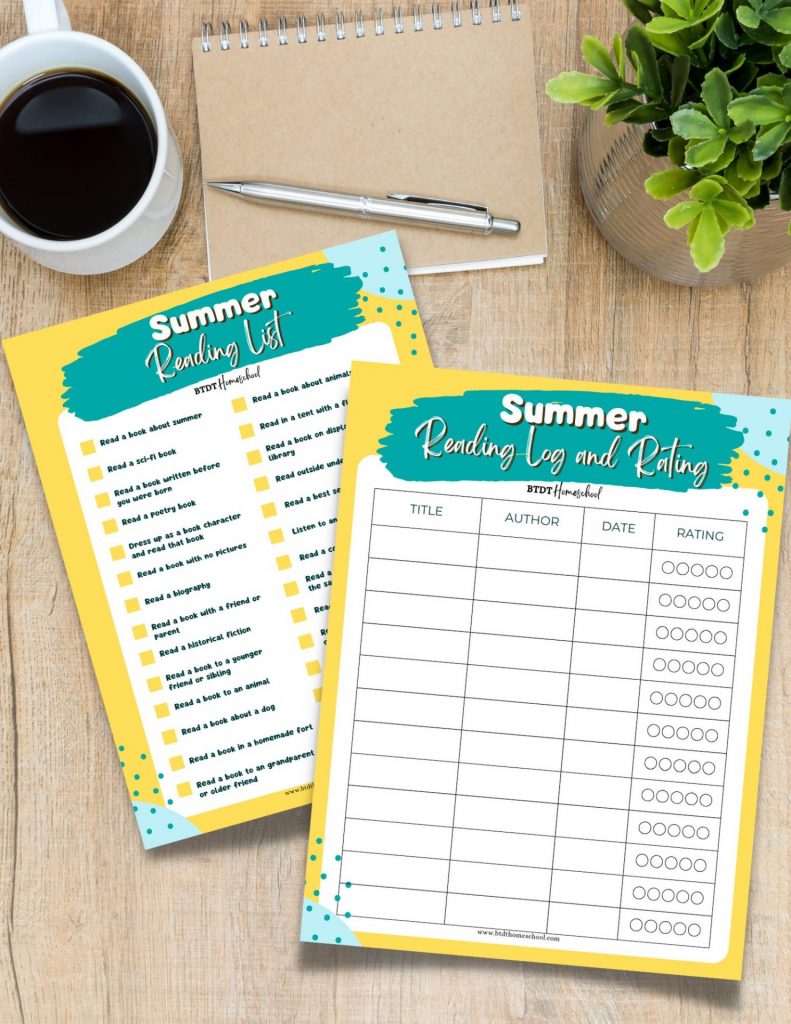
Free Summer Reading Challenge Bundle

Summer Reading List

Stay motivated throughout the summer with this FREE Summer Reading Challenge List and Reading Log, complete with a Book Rating column!

Ensure that your kids fall in love with reading and maintain their reading skills by marking off each task on their summer reading list.

For those of you that take the summer off and don’t homeschool year-round, here’s a fantastic method to keep your kids actively engaged and allow their imagination to soar. Regular reading not only fosters a love for books but also helps children maintain and enhance the reading skills that you have diligently nurtured. By encouraging consistent reading habits, we can encourage their joy in reading and ensure that new readers, in particular, retain the valuable skills they have acquired through your dedicated efforts.

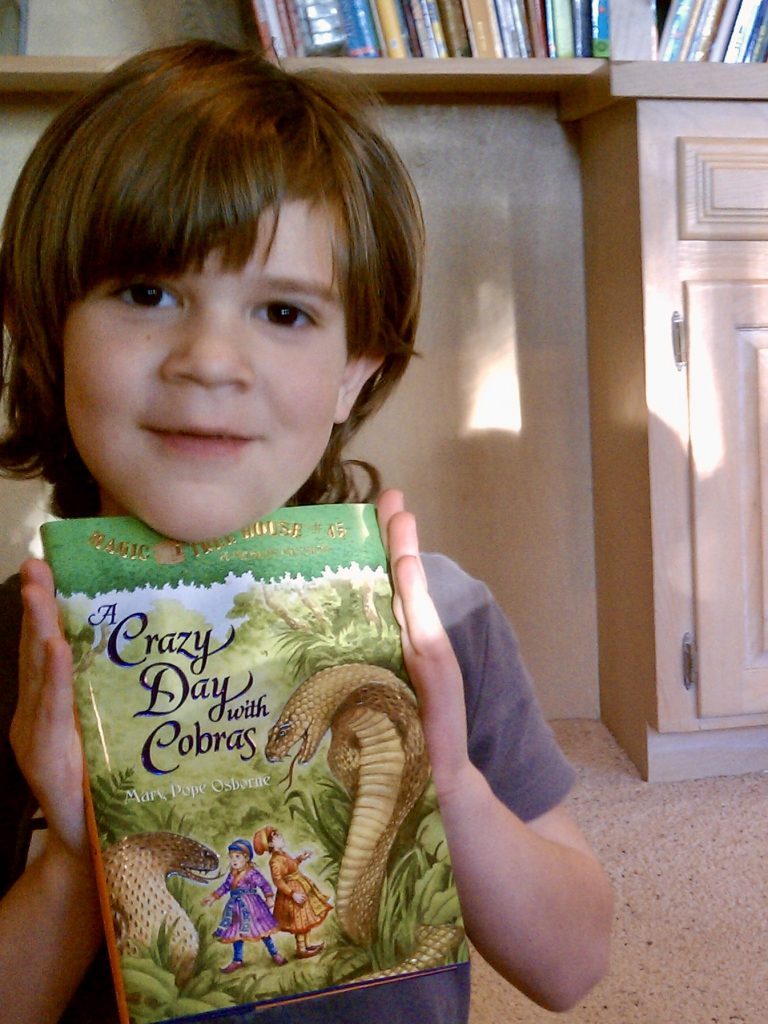
To get your kids excited about reading, we’ve put together a winning combination of suggestions that is sure to inspire them. They just may never put the books down! One of our favorites is Calvin and Hobbes:

See our TOP 50 Books for New Readers.

Reading

BTDT Homeschool was created with a heartfelt mission: to empower and give back to the secular homeschool community.

Through our informative podcasts, blog posts, daily inspiration, and a wide range of free printable tools, we aim to empower you on your homeschooling journey.

New to Homeschooling>>>

APPLESPOTIFYAMAZONYOUTUBE
Books for New Readers

Learn How to Teach Your Child To Read>>

FREE PRINTABLE

Summer Reading List
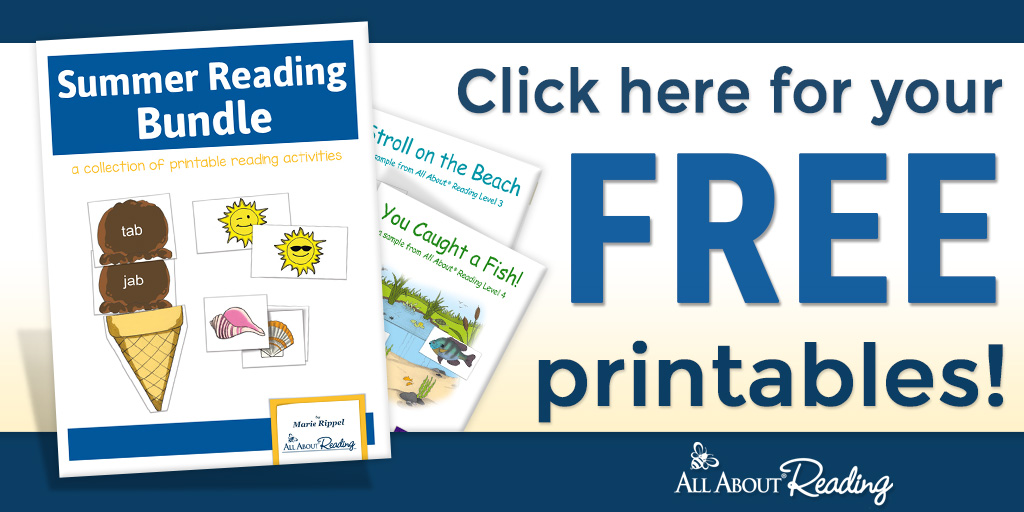
Free Summer Reading Bundle

Also, get your free reading bundle from All About Reading:

Summer Reading Bundle

034. Deschooling 101: A Vital Step to a Successful Homeschool

Deschool

Deschooling 101

Today, we’re exploring what deschooling means, why it’s an essential step in transitioning to homeschooling, and practical strategies for effectively implementing it. Join us in Episode 34 to discover how this vital process can set you up for a successful and enriching homeschooling experience.

Episode 034:

Click above to listen here or listen on your favorite podcast platform:

Are you just starting your homeschooling journey? We’re here to help! Begin with our Get Started in Homeschooling page and Homeschooling FAQ to make the transition smoother. If you’re guiding a young child, explore our How to Homeschool Kindergarten. to make those first steps special. For middle schoolers, don’t miss our Middle School page packed with tips and advice. And if you’re heading into the high school years, our Essential Steps to Homeschool High School will guide you every step of the way!

Show Notes

Congratulations on your courageous decision to withdraw your child from the traditional school system and embrace the thrilling adventure of homeschooling! As you navigate this new territory, it’s natural to feel overwhelmed and uncertain about the next steps, with questions about which curriculum to use and how to get started. While your eagerness to dive right in is commendable, it’s vital not to overlook a critical step: deschooling.

A lot of people mix up the term “deschooling” with “unschooling.” These are not the same things. Unschooling is an actual Homeschool Philosophy and method, while deschooling is a separate, essential process.

What Is Deschooling? (3:25)

Deschooling is all about taking a break from the traditional curriculum and structured lessons. The idea is to give your child some time to decompress from the regular school environment and rediscover their love for learning. It’s like a breather for them. During this period, they get to explore their interests, engage in unstructured play, pursue their hobbies, and follow their curiosity wherever it takes them. It’s a chance for them to recharge and find joy in learning again.

We want to clarify that deschooling is not mandatory for homeschooling, but it is highly recommended and plays a vital role in your overall success. The duration of deschooling may vary depending on specific circumstances. If you’re withdrawing your child from school due to a traumatic experience or a challenging situation, they might require more time for the deschooling process than others. Each child’s needs and circumstances are unique, so it’s essential to be flexible and allow them the time they need to transition effectively into homeschooling.

In the homeschooling realm, deschooling acts like a superhero cape that equips your child with the tools they need to thrive. It’s a temporary period of transition and adjustment that sets the stage for a successful homeschooling journey. Rushing into homeschooling without deschooling can potentially lead to problems or setbacks. Taking the time to deschool is an absolute game-changer.

Deschooling marks a pivotal moment in your homeschooling journey—it’s an opportunity to break free from conventional educational norms and embrace a more personalized and meaningful approach. It’s about finding that spark of excitement for learning again and letting your child be their awesome, unique self. You’re giving them the freedom to take charge of their education and embark on a wonderful adventure. So, take the leap, trust the process, and witness the incredible growth and fulfillment that come with deschooling.

This period is also beneficial for the homeschooling parent. It gives you time to get your ducks in a row, conduct research, and figure out your homeschooling philosophy or style. You have time to figure things out and order supplies. There’s no need to keep your child in a bad situation because you think you don’t have a plan. Pull them out, deschool, and take the time to sort everything out before diving into this new adventure. You will not harm your child or make them “behind” by taking this necessary time to deschool.

YES! This time of transition and adjustment is crucial for a successful homeschooling journey. Rushing into homeschooling without deschooling, especially after a traumatic experience, can set you up for failure. Take the time to deschool—it’s like laying a solid foundation for everything that follows. By giving your child the chance to decompress, rediscover their love for learning, and break free from the traditional school mindset, you’re setting them up for success. So, slow down, take a breather, and let the deschooling magic work its wonders.

Embracing Emotional Healing:

Deschooling provides a much-needed space for emotional healing. It allows your child to process any negative experiences from their time in traditional school, regain their confidence, and rediscover their love for learning. Rushing into homeschooling without this healing phase can lead to emotional burnout and resistance to education.

Breaking Free from the School Mindset:

Deschooling helps you and your child break free from the rigid mindset imposed by traditional schooling. It’s a chance to let go of the pressures, comparisons, and fixed ideas of what education should be. Rushing into homeschooling without deschooling may result in replicating the school environment at home, hindering the opportunity for a truly customized and enriching educational experience. You have the freedom to explore various learning approaches and adapt to your child’s unique needs and interests.

Uncovering Interests and Passions:

Deschooling allows your child to explore their interests and passions outside the boundaries of a set curriculum. It’s a time for them to engage in self-directed learning, dive deep into subjects they are curious about, and discover their unique talents. Rushing into homeschooling without deschooling may limit your child’s opportunity to explore and uncover their true passions.

Creativity:

Deschooling unleashes your child’s creative powers. With no predetermined curriculum, they can delve into artistic pursuits, hands-on projects, imaginative play, and self-expression that fuels their passion and sparks their imagination.

Establishing New Routines and Rhythms:

Deschooling helps your family establish new routines and rhythms that work for your homeschooling lifestyle. It allows you to find a balance between structured learning and flexible exploration. Rushing into homeschooling without deschooling can result in feeling overwhelmed, disorganized, and struggling to find a sustainable rhythm.

Strengthening Family Connections:

Deschooling provides a precious opportunity to strengthen the bond within your family. It’s a time to reconnect, communicate, and build a solid foundation for your homeschooling journey. Rushing into homeschooling without deschooling may strain relationships and lead to additional stress and tension. Since people are often starting this process due to existing stress, don’t make it harder on yourself!

Fostering Self-Directed Learning:

Deschooling empowers your child to become a self-directed learner. They take charge of their education, set their own goals, and develop essential skills such as autonomy, critical thinking, and problem-solving.

Developing a Growth Mindset:

Deschooling fosters a growth mindset, where your child learns to embrace challenges, persevere, and view mistakes as valuable learning opportunities. Rushing into homeschooling without deschooling can inadvertently reinforce a fixed mindset, where mistakes are seen as failures and hinder the development of resilience and a love for learning. Up to this point, your children have been schooled; we want to educate them. Don’t confuse the two.

Encouraging Real-World Experiences:

Deschooling opens the door to real-world experiences. Your child can explore their community, engage in hands-on activities, participate in practical life skills, and discover the wonders of the world outside the classroom.

Cultivating a Lifelong Love for Learning:

Deschooling ignites a lifelong love for learning. By allowing your child to pursue their interests and passions, education becomes an exciting adventure filled with curiosity, exploration, and continuous growth.

In this exciting chapter of your homeschooling adventure, you’ll witness your child’s natural love for learning flourish as they uncover their unique passions and strengths. Deschooling empowers your family to create a vibrant educational atmosphere where curiosity reigns and creativity thrives. By stepping away from the traditional structures of education, you’ll discover a whole new world of possibilities where your child can truly shine.

Top 10 Books Every Homeschooler Should Read. Be sure to download the Free Companion Workbook.

How Do I Deschool? (15:09)

You may be wondering what your child should do all day without the traditional school structure. Fear not! Instead of worrying about how to fill their days, let your child’s interests and curiosity guide their learning journey. By fostering a nurturing environment that supports their passions, encouraging them to explore nature, dive into books, and engage in hands-on activities, you’ll witness the magic of deschooling unfold before your eyes. So, embrace this adventure, cherish the moments of discovery, and watch as your child thrives in a world of endless possibilities.

Let Imagination Take Flight

Encourage your child to let their imagination run wild, whether it’s creating their own stories, building epic forts, or designing intricate worlds. Imagination is a super valuable tool for exploration, problem-solving, and creative expression. And here’s the cool part—it’s not just for the little ones. Even your older children can benefit big time from this process. If they’ve been stuck in a school environment for most of their lives, it’s even more crucial for them to rediscover that natural curiosity that might have been buried deep down over the years. Let’s bring back that sense of wonder and let their imaginations soar! And I know for a lot of you with older students, you feel a lot of pressure as high school looms or possibly they are already in high school, but I assure you that you have more time than you realize. There’s so much time wasted in a school environment that you won’t need once you are homeschooling.  Your older students will be amazed at what they can accomplish in a shorter amount of time per day, freeing them up to things they never had time for before.

Pursue Passions and Hobbies

Deschooling is the perfect time for your child to dive deep into their passions and hobbies. Whether it’s painting, playing a musical instrument, coding, or baking, deschooling will allow them the freedom and time to explore and develop their skills.

Explore the Great Outdoors

Nature is a treasure trove of learning opportunities. Encourage your child to spend time outside observing plants, animals, and the wonders of the natural world. Nature walks, gardening, or even a simple picnic can spark curiosity and foster a sense of wonder. Learn more about incorporating nature study in your homeschool.

Dive Into the World of Books

Books are gateways to new worlds, ideas, and perspectives. Encourage your child to read for pleasure, exploring a variety of genres and subjects that captivate their interest. Visit the local library or create cozy reading nooks at home to ignite their love for literature.

View the Top 50 Books for New Readers
View The Favorite Books for Middle Schoolers
Be sure you spend time reading too! You can start with TOP 10 Books Every Homeschooler Should Read

Engage in Hands-On Experiments

Science experiments, Art projects, and DIY crafts are fantastic ways to engage your child’s curiosity and foster a love for learning. Encourage hands-on exploration, whether it’s building a volcano, creating a masterpiece, or conducting simple science experiments.

Pursue Community Involvement

Deschooling provides an opportunity to connect with the community and engage in meaningful experiences. Encourage your child to volunteer, join clubs or organizations, and participate in community events that align with their interests. Download your Free Extracurricular and Volunteer Workbook

Watch Documentaries

This is a great time when you actually can say, go watch TV!  There’s a million educational resources out there in shows and movies and documentaries to explore that you may not usually have time for anyway.  Try Donuts and Documentaries Mondays!

Take Field Trips

Deschooling can also be a time to “sell” a reluctant kid on homeschooling.  Maybe they needed to come home for reasons they don’t quite understand or are on board with?  This is a great time to show them what one of our favorite benefits of homeschooling is- getting to have hands-on experiences in museums and parks and other places during the day, when we have these places all to ourselves!

100 Awesome Homeschool Field Trip Ideas
100 Field Trip Ideas: Adding field trips to your homeschool will make learning come alive for your children and create lifelong memories. Download your Free Field Trip Bundle!

Deschooling opens up a world of possibilities for your child’s day-to-day activities. Rather than worrying about filling every minute with structured tasks, embrace the freedom and flexibility that deschooling offers. Encourage your child to follow their passions, explore the world around them, and indulge in activities that spark joy and curiosity.  Remember, deschooling is a time of self-discovery, growth, and nurturing a love for learning. And remember, deschooling is for you, too.  This is when you can be doing some thinking about what your worldview is, what your goals are for your kids, what homeschooling style you think would suit your family.  You can be doing a ton of reading and researching during this time. So, let go of expectations, embrace the adventure, and watch as your child’s days unfold with wonder, excitement, and endless opportunities for growth. 

How long should we deschool? (24:19)

Deschooling is a personalized process that should be tailored to your child’s unique needs and readiness. The duration of deschooling can vary, but it’s crucial to observe your child’s readiness indicators, their level of independence, and their learning goals. By embracing flexibility and keeping a pulse on their interests and curiosity, you’ll be able to determine the right time to introduce a curriculum that complements their learning journey. 

Discovering Geography and Culture Through Food: We’ve enjoyed Universal Yums for years. Bring food to your lessons. Get a new country every month!

Some people like to throw out suggestions like one month for every year of school, but this is really a very personal choice. Don’t just deschool for winter break or over the summer- often you were going to take that break anyway, so it may not be enough of a definitive time to give you the results you want.  Remember, homeschooling is a dynamic and adaptable adventure, and finding the perfect balance between deschooling and starting a curriculum will set the stage for a fulfilling educational experience.

You may just want to ease into the next thing, too.  Perhaps you had a student who was really struggling with just one subject.  It’s totally ok to just do math, or really just focus on reading comprehension for a while and just slowly roll back into some kind of structured homeschool day, one subject at a time.

Do Schools Kill Creativity? | Sir Ken Robinson is One of the most profound and highest rated TED Talks. Sir Ken Robinson makes an entertaining and profoundly moving case for creating an education system that nurtures (rather than undermines) creativity.

Sir Ken Robinson Ted Talk

The Deschooling Effect: Reconnecting with Your Child This article explores the positive impact of deschooling on parent-child relationships and emphasizes the importance of reconnecting with your child during the transition.

This Week’s FREEBIE:

033. Homeschool Conferences and Conventions

Homeschool Conference

Homeschool Conferences & Conventions

Why Should I attend a homeschool conference?
What should I expect at a conference?
Why is the Texas Homeschool Expo different?

Mark your calendars for June 9-10, 2023 in Grapevine, Texas:

Join us at the amazing TEXAS HOMESCHOOL EXPO, where we’re transforming traditional homeschool conventions. On Saturday at 4 PM, we’ll be hosting a special BTDT Homeschool Session on planning your four-year high school journey. Don’t miss out on the chance to visit our booth and get free resources! We’re excited to see you at the expo and have a fantastic time together. Explore all the booths, enter exciting giveaways, and be surprised by a new offering from BTDT Homeschool!
Drop by, say hello, and register for a chance to win!

Episode 031:

Show Notes

Are you wanting to see curriculum and resources up close and find homeschool connections? Or are you a long time homeschooler looking to renew or refresh your homeschool? Homeschool conventions are events that bring together homeschooling families, educators, and experts to provide a wealth of knowledge and support. They offer an incredible opportunity to connect with the homeschooling community, gather valuable resources, and gain insights into various aspects of homeschooling. They typically offer a variety of workshops, seminars, keynote speeches, and vendor exhibits, providing attendees with a treasure trove of information, practical tips, and inspiration for their homeschooling journey.

If you are brand new to homeschooling, be sure to visit the Getting Started Page

Different Types of Homeschool Conferences

Regional Homeschool Conferences: These conferences are organized at a regional level and cater to homeschooling families in a specific geographic area.

National Homeschool Conferences: National homeschool conferences are larger-scale events that attract attendees from across the country. They feature renowned speakers, a wide range of workshops covering various topics in homeschooling, with typically a diverse selection of vendors.

Online Homeschool Conferences: In the digital age, online homeschool conferences have gained popularity. These virtual events offer the flexibility of attending sessions and accessing resources from the comfort of your own home. Online conferences typically include live webinars, pre-recorded sessions, discussion forums, and digital vendor exhibits.

Faith-Based Homeschool Conferences: Faith-based homeschool conferences focus on incorporating religious values into homeschooling. They often feature speakers and workshops that address the integration of faith and academics, curriculum options aligned with specific religious beliefs, and resources for homeschooling from a faith-based perspective.

Secular Homeschool Conferences: Secular homeschool conferences cater to homeschooling families who follow a secular approach to education. These conferences typically focus on academic subjects, curriculum choices, teaching methodologies, and resources that are free from religious affiliations or doctrines.

Unschooling Conferences: Unschooling conferences cater to families who follow the unschooling philosophy, which emphasizes child-led learning and the exploration of personal interests. These conferences provide workshops, discussions, and resources that are specifically tailored to unschooling approaches and philosophies.

Informal Local Meet-ups:  Sometimes local co-ops or groups will host a homeschool 101 or other type of info session that is like a small scale homeschool conference. You may get to hear parents speak about different homeschool styles and philosophies and people bring their curricula and programs so that others can look at the resources.  This is a great way to learn a little and be able to get your hands on things you are interested in in a no-pressure, no-sale environment.

Why should I attend a homeschool conference? (5:17)

Let’s explore some of the benefits of attending a homeschool conference.

Get Energized and Inspired:

Homeschool conferences are like supercharged batteries for your homeschooling journey! You’ll be surrounded by enthusiastic speakers, workshops, and sessions that will reignite your excitement. Say goodbye to burnout and hello to fresh ideas, new approaches, and a renewed passion for homeschooling!  You’ll also gain encouragement and inspiration from other parents who are experiencing the same challenges and achievements as you are.

Make Connections:

One of the coolest things about homeschool conferences is the chance to meet and mingle with other homeschooling families. It’s a fantastic opportunity to make friends, swap stories, and build a support network. Homeschooling can sometimes feel like a solo mission, but at a homeschool conference, you’ll find your people! Surround yourself with like-minded individuals who understand the joys and challenges of homeschooling. Share your victories, seek advice, and find the support and encouragement you need to keep rocking your homeschooling journey. You’ll be amazed at how much you can learn from others who share your homeschooling adventure. 

What is a Homeschool Lifestyle?

Discover Resources:

Forget about hours of online searching! At homeschool conferences, you’ll find so many resources all in one place! From awesome curriculum options to hands-on materials, educational games, and even online courses, it’s really exciting for me to explore the vendor exhibits. It’s like being a kid in a candy store, but with educational goodies!

Level Up Your Skills:

As a homeschooling parent, you’re always looking for ways to improve your teaching skills. Homeschool conferences offer workshops and sessions designed to help you level up as an educator. Learn new teaching techniques, discover educational trends, and gain valuable insights into child development – all geared towards making your homeschooling experience even more awesome.

What to expect at a homeschool conference? (7:48)

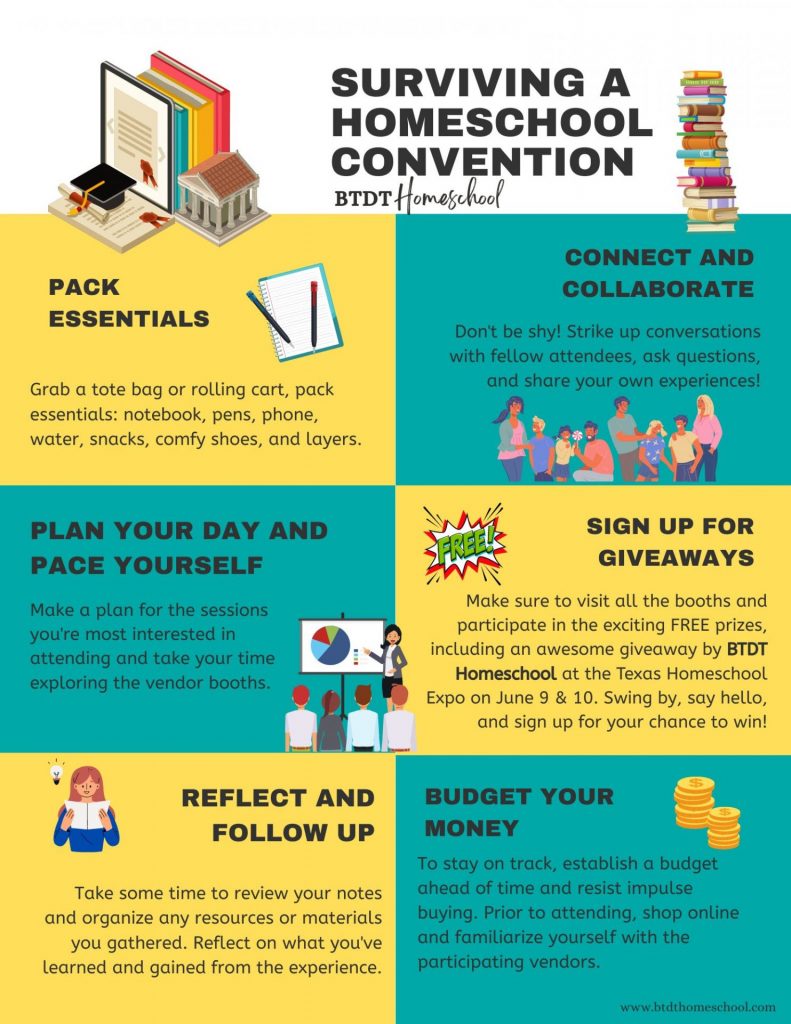
It’s easy to get overwhelmed at a homeschool conference. Here are some super handy tips to help you navigate your way through like a pro.  With a little bit of planning and a whole lot of enthusiasm, you’ll make the most out of this incredible opportunity. 

Find a Homeschool Convention Near you

  1. Decide which conference you want to attend and do Your Pre-Conference Homework:

Take a look at the conference schedule and highlight the sessions, workshops, and speakers that catch your eye. Make a game plan of what you want to attend and prioritize your top choices. This way, you won’t miss out on any must-see sessions.  Are you going alone, with a friend, or bringing your family (a lot of conventions are family friendly with family activities and sessions).

  1. Pack Your Essentials:

When attending a homeschool conference, it’s important to come prepared. Pack a backpack or tote bag with essentials such as a notebook, pens, ipad or digital device to take notes, a water bottle, snacks, and a comfortable pair of shoes and layers- sometimes venues are either too hot or too cold!. You’ll be doing lots of walking, taking notes, and engaging in exciting conversations, so being prepared will keep you focused and energized throughout the day.

  1. Connect and Collaborate:

One of the best parts of a homeschool conference is the opportunity to connect and collaborate with other homeschoolers. Don’t be shy! Strike up conversations with fellow attendees, ask questions, and share your own experiences. You just may find your new best friend!

  1. Take Breaks and Pace Yourself:

Homeschool conferences can be exhilarating, with so much to see and do. But remember, it’s okay to take breaks and pace yourself. Find a quiet corner to relax and recharge. Take a breather outside or grab a snack to refuel. Giving yourself time to rest will ensure you have the energy to fully enjoy the conference without feeling overwhelmed.  Be flexible with your schedule.  Some of the sessions you may want to attend may be at capacity.  Have a couple choices, and ask for an updated schedule when you arrive in case things have changed.

  1. Sign up for giveaways:

We are going to have one in our booth so be sure to stop by! A lot of exhibitors have gone to a virtual sign up using something like a QR code, but some people have actually pre printed some labels with contact information for signing up. Also, bring a tote or something to carry goodies away in! Some vendors will be giving things like this away too. Remember that a lot of the vendors and speakers are often homeschoolers themselves, or were homeschooled.  Bring all your questions and ask away! 

  1. Budget your money:

Set a budget in advance, and try not to make impulse purchases.  Shop online and know which vendors will be there before you  so you have a list of things you want to look at.  Also, ask vendors if they will ship free so you don’t have to carry things around!

  1. Follow Up and Reflect:

After the conference, take some time to follow up and reflect on your experience. You can connect with the speakers and presenters you enjoyed and thank them for their valuable insights. Review your notes and organize any resources or materials you collected. Reflect on what you learned and think about how you can implement those ideas into your homeschooling journey.

Why is the Texas Homeschool Expo different? (13:30)

Texas Homeschool Expo

We’ve mentioned it before, but wanted to talk about this exciting upcoming event. The highly anticipated Texas Homeschool Expo Conference is just around the corner, and we couldn’t be more thrilled! It’s a fantastic opportunity to gather valuable insights, connect with like-minded families, and explore an array of resources. This 2 day event will take place June 9th and 10th at the Grapevine Convention Center in the DFW metro area.  

At the expo, you’ll find a variety of workshops, speaker sessions (including ours!), and exhibits (including ours!) that cater to different homeschooling styles and approaches. From curriculum choices to teaching methods to local activity purveyors, there’s something for everyone. Whether you follow a structured curriculum or embrace a more eclectic approach, the Texas Homeschool Expo is going to have resources and support to meet your needs.

Unlike other homeschooling events, the Texas Homeschool Expo is committed to inclusivity and secular education. It’s important to note that this event is not affiliated with any political, religious, or government entity. That means it’s a safe and welcoming space for homeschoolers from all walks of life, regardless of their beliefs or backgrounds. The Texas Homeschool Expo is all about celebrating the diversity within the homeschooling community. It’s a place where families can come together to share their experiences, learn from one another, and explore a wide range of secular educational resources. The focus is on providing a well-rounded education that meets the needs of each individual child, free from any specific religious or political agenda.

Secular homeschoolers can sometimes feel like they are a minority within a minority. So, if you’re searching for a homeschooling event that embraces inclusivity, secular education, and celebrates the diverse homeschooling community in Texas, you’ll find it at the Texas Homeschool Expo. This event is all about empowering families to make informed choices about their children’s education.

We’re going to be hosting a BTDT Homeschool Session on Saturday at 4 PM and it’s going to be invaluable for your high school journey. We’re going to be giving away a super handy high school course planning tool to everyone who comes to our session. So make sure to join us at our session and snag this fantastic resource. Also be sure to drop by the BTDT Homeschool booth. We’ll be there to give you some extra support and heaps of inspiration. Mark your calendar and make sure to join us at the conference. 

We hope you will consider attending a homeschool conference or convention and gain valuable insights, connect with like-minded families, and access a wealth of resources to enhance your homeschooling journey. It’s an opportunity to learn, grow, and find support, ultimately enriching your homeschooling experience and fostering a strong sense of community.

Lorem ipsum dolor sit amet, consectetur adipiscing elit. Ut elit tellus, luctus nec ullamcorper mattis, pulvinar dapibus leo.

Lorem ipsum dolor sit amet, consectetur adipiscing elit. Ut elit tellus, luctus nec ullamcorper mattis, pulvinar dapibus leo.

Lorem ipsum dolor sit amet, consectetur adipiscing elit. Ut elit tellus, luctus nec ullamcorper mattis, pulvinar dapibus leo.

Lorem ipsum dolor sit amet, consectetur adipiscing elit. Ut elit tellus, luctus nec ullamcorper mattis, pulvinar dapibus leo.

032. College Entrance Exams

College Exams Homeschool

College Entrance Exams

Curious about what the TSI and Accuplacer tests are all about? Not sure how the PSAT, SAT, and ACT differ from each other? And how do you best prepare your child for entrance exams? Join us this week as we explore these questions and more, providing you with the information and tips you need to help your child succeed!

College Exams Homeschool

Episode 032:

Are you just starting your homeschooling journey? We’re here to help! Begin with our Get Started in Homeschooling page and Homeschooling FAQ to make the transition smoother. If you’re guiding a young child, explore our How to Homeschool Kindergarten. to make those first steps special. For middle schoolers, don’t miss our Middle School page packed with tips and advice. And if you’re heading into the high school years, our Essential Steps to Homeschool High School will guide you every step of the way!

Show Notes

There are often misconceptions surrounding homeschoolers and their performance on College Entrance Exams. People tend to believe that homeschoolers lack the necessary structure and resources to excel in these exams but that’s far from the truth! Homeschoolers are rocking these exams. It’s time to shatter those stereotypes and uncover the unique strengths of homeschoolers that make them stand out in the admissions process. But why?

If you’re new to homeschooling high school, be sure to check out the Essential Steps to Homeschool High School. This episode is part of our High School series, offering expert advice, comprehensive documentation, and resources like Free Transcript Templates to help you stay organized.

12 Steps to Homeschooling High School
top 5 reasons homeschoolers are performing so well on exams:
  1. Personalized learning: Homeschoolers tailor their education to their strengths and interests, focusing on subjects they’re passionate about.
  2. Independent thinking: Homeschooling fosters critical thinking skills and problem-solving abilities which gives them an edge on the challenges of these exams.
  3. Freedom to explore: Homeschoolers are not bound by a standardized curriculum, allowing them to go beyond the basics and develop a deeper understanding of subjects.
  4. Individualized attention: With one-on-one instruction or small groups, homeschoolers receive personalized feedback and guidance to address their weaknesses and improve.
  5. Genuine love for learning: Homeschooling encourages a love for learning, making the study process more enjoyable and resulting in a deeper understanding of the material.

In a world that’s obsessed with multiple-choice exams and bubble sheets, homeschoolers really do have the opportunity to break free from the shackles of standardized testing and embark on a truly personalized learning journey. They have the luxury of learning at their own pace.

One of the biggest benefits to homeschooling is not being subject to standardized tests and assessments.  Of course, as you get into the high school years, and college looms in the future, standardized testing becomes a reality. For many homeschoolers, this may be their very first standardized test.   As a homeschool parent, you should carefully plan your college testing strategy based on your student’s needs and their academic goals. No matter which one(s) your family chooses, it is important to prepare your student for them, in order to help them achieve the best results possible and to eliminate the stress involved. Testing can be very stressful for some students and adequately preparing them for them is a key to success. Scoring well on these tests can open the door to scholarships and entering your programs of choice in many colleges.

Homeschoolers often utilize a variety of resources and strategies to tackle these exams. They can take advantage of online courses, tutoring services, or study groups – there are even 

some specifically designed for homeschoolers. Additionally, many homeschooling families encourage their children to engage in extracurricular activities, volunteer work, and internships – and these are going to provide valuable real-life experiences that enhance their overall knowledge and aptitude.

It’s important to note that colleges and universities are increasingly recognizing the unique qualities and strengths that homeschoolers bring to their campuses. Admission officers are looking beyond traditional measures of success and embracing the diversity of educational backgrounds. They understand that homeschoolers often possess remarkable qualities such as self-motivation, independent thinking, and a strong sense of responsibility.

What is the TSI/Accuplacer test? (9:58)

So, you may have heard about the TSI and Accuplacer Tests. The TSI (Texas Success Initiative) is a placement test used by colleges and universities in Texas to assess students’ readiness for college-level courses. (We live in Texas, so this is the exam our kids take.) The TSI covers three main areas: reading, writing, and math. It helps determine if you’re ready to jump right into college-level classes or if you might need some extra support in certain areas. 

The Accuplacer is another common placement test used by many colleges and universities across the US. Similar to the TSI, the Accuplacer assesses your skills in reading, writing, and math. It helps colleges determine which courses are the best fit for you based on your skill level.  Both the TSI and Accuplacer are usually taken before starting college to ensure you’re placed in appropriate courses. They’re not something to stress too much about. They’re designed to help colleges provide the right support and resources to set you up for success in your academic journey. 

Sections of the Accuplacer test can be used for the TSI (Texas Success Initiative). The TSI test assesses students’ readiness for college-level courses in Texas, and it may include sections from the Accuplacer test. The specific sections used for the TSI can vary depending on the institution and their requirements. So, when preparing for the TSI, it’s a good idea to familiarize yourself with the content and format of the Accuplacer test, as the TSI may include similar sections. By practicing and reviewing material related to reading, writing, and math covered in the Accuplacer, you can better prepare yourself for the TSI and increase your chances of success.

For both of these tests, if you don’t score high enough in certain areas, you might have to take “pre” (not for college credit) classes in reading, writing or math before you can enroll in the college level classes (or you can go home and study a little more and retake the test until you get a high enough score).   Dual credit students aren’t often eligible for Pre or remedial courses, so sometimes not passing a section of this test may not limit you from school entry, but may mean you can’t take all available classes.  The Accuplacer and TSI can be taken as many times as you like, though there may be a charge.    

One cool thing about the TSI  is you don’t have to take every part at the same time. You have the flexibility to take each section separately and this can be beneficial especially for younger students wanting to start dual enrollment courses so they’re not overwhelmed with the one big long exam. 

Often in the public schools, students take this sometime during the spring or summer of their sophomore year so they can start dual enrollment classes during their junior years. But many homeschoolers are taking this exam younger and younger.  Some students take this exam following graduation if they don’t want to do dual enrollment in high school or if they plan to enter community college after they graduate. We talk about dual enrollment in depth in our last high school series episode so check that out if you want to find out more information about that.

Cost is minimal (Somewhere around $15 per section or $29, depending on the testing center).  Some offer it for free.  Some charge an additional $25 reservation fee.  Check with your institution’s  testing center for the particular school for which you’re taking the test.

Where to Find More Information and Practice Links: https://accuplacer.collegeboard.org/

difference between the PSAT, SAT, ACT, and CLT? (15:26)

One aspect of applying for college is submitting a college entrance exam score. A college entrance exam measures your achievement in core academic areas important for your college and career success. In addition to giving you an indication of your college readiness, your score can help match your interests with different majors and allow more educational and financial opportunities. These tests can be a very important part of the admissions process and can open the door to more educational and financial opportunities. Often time scholarships and merit aid are attached to test scores.  While many schools have transitioned to test optional admission, especially during Covid, that might not always apply to homeschooled students.

       
Let’s start with the PSAT. The Preliminary Scholastic Aptitude Test is a good preparation for the SAT and can sometimes yield college scholarships for top scorers.  The exam comes in 3 forms- the PSAT 8/9, the PSAT/NMSQT and the PSAT 10.  The latter 2 are actually the same test, they are just taken at different times of the year.  The PSAT 8/9 acts as a baseline for college readiness, while the other two are more progress based.

PSAT 8/9, 10

If you’re a homeschooler in the 8th, 9th, or 10th grade, consider registering for the PSAT 8/9 or PSAT 10. Check with local schools or test centers to find out about registration procedures and test dates in your area. 

PSAT/NMSQT

The PSAT (Preliminary SAT) //NMSQT (National Merit Scholarship Qualifying Test) is like a warm-up for the big SAT exam. It’s a test that high schoolers usually take in their sophomore or junior year. Think of it as a practice round to get you ready for the real deal. But here’s the cool part: the PSAT/NMSQT also gives you a shot at the National Merit Scholarship Program. If you do really well on the test, you might just qualify for some awesome scholarships. So, it’s not just a practice run, it’s also a chance to score some serious cash for college.

The test is about 2 hours and 45 minutes long and covers reading, writing, language, and math. It’s a great opportunity to see where you stand and what areas you need to work on. Plus, you’ll get valuable feedback to help you improve for the SAT.

Homeschoolers can usually participate in the PSAT/NMSQT by reaching out to local schools or testing centers. They are sometimes legally obligated to accommodate homeschool students but can be tricky, so don’t hesitate to inquire about available test dates and registration procedures. You may also want to find out from other local homeschoolers if there is a preferred method for this- I know some of our friends have had better luck working through local private schools for this. Colleges do not see these scores, so they are just for students to gain testing experience and identify what areas they need to work on before they take the SAT. 

Cost: The cost of the PSAT/NMSQT varies, so it’s best to contact the school where you plan to take the exam to get accurate fee information.  It typically runs in the $18 range, but since you must order through a school, it may depend on the overall cost the school is incurring. They have to order the test for you. 

Test Dates: The PSAT/NMSQT is typically administered once a year in October. However, it’s essential to confirm the exact test dates and registration deadlines with the school where you are taking it.

Scoring: Scoring range is between 320 and 1520

More Info: For more comprehensive information, check out the College Board’s PSAT/NMSQT page. They offer detailed insights into the exam and related resources.

The Parents Guide to PSAT/NMSQT

National Merit Scholarship Program

How Does the National Merit Scholarship Program Work?

National Merit Scholarship Program: The PSAT/NMSQT serves as the qualifying test for the National Merit Scholarship Program. If you achieve exceptional scores, you can be considered for prestigious scholarships.  The program recognizes students who have demonstrated outstanding academic ability and potential. If you’re among the top scorers in your state, you’ll earn the prestigious title of National Merit Semifinalist. As a Semifinalist, you’ll have the opportunity to move forward and compete for the Finalist status. This involves submitting additional information, such as your academic record, extracurricular activities, and an essay. Then from the pool of Finalists, around 7,500 students are selected as National Merit Scholarship winners. These winners receive scholarship awards that can be used toward their college education. The scholarship amounts vary, but they can range from a one-time payment to renewable awards covering multiple years. 

Test takers who score in the top 1% of the PSAT become Semifinalists, a significant accomplishment. Each year the NMSC awards semi finalist status to around 16,000 high school students. So some homeschool advisors do recommend taking an honest assessment here though- if you think your child has a great chance to do well on the test, go for it.  If, on the other hand, you are fairly certain your kiddo is not going to score that high, you may be better off forgoing this test, and putting some time and money into solid test prep for the SAT/ACT later.  

Visit the National Merit website to learn more about eligibility criteria, benefits, and the selection process.

SAT vs. ACT

Most college-bound students take either the SAT or the ACT. Both the SAT and ACT exams are important for college admissions, and some students choose to take both to have more options. They have their own unique formats and scoring systems, so it’s a good idea to familiarize yourself with the specific requirements of the colleges you’re interested in. Remember, these exams are just one part of your college application. They give colleges a snapshot of your academic abilities, but they don’t define your worth or potential.  We talked a lot in our record keeping episode about other things that go into your college documents.

SAT (Scholastic Aptitude Test)

The SAT runs around 3 hours and features three subject areas – Math, Reading, and Writing. Each of the three sections is scored on a scale from 200-800. The test may include an optional 30-minute essay. SAT registration for homeschoolers is available online at the college board website.  SATs are offered on school day testing and Saturday testing. Starting in the Spring of 2023 the SAT will be moving to digital format.

Unlike the accuplacer/TSI, the SAT has to be taken all at once, and in a fairly strict, monitored and stressful environment.   It can be taken multiple times.  Most colleges consider a student’s best section scores across all administration dates (a process called superscoring). Some may require you to send all scores; others may ask for just one. Be sure to visit the website of the college that’s right for your student and check their score policy.

When: Usually taken spring of your junior year in high school or in the fall of your senior year.   We like to start in the junior year to give our students time to retake the test if they want to improve their grades, 

Cost:  $60 with the essay (many colleges want to see the essay- you can check and see if it is required).  

How to Sign-up:  You sign up for the SAT through the College Board website.   The test is only given on certain dates, and in certain locations (usually at a local high school), and there are registration deadlines a couple of weeks in advance of the test. 

Where to Find More Information and Practice Links:  the College Board website.  

ACT-American College Testing

The ACT (American College Testing) is a standardized exam that covers four main sections: English, Math, Reading, and Science. The ACT exam does have an optional writing section, which includes an essay. While the essay is not a mandatory part of the ACT, some colleges and universities may require or recommend it as part of their admissions process. So, it’s worth checking the requirements of the colleges you’re interested in to see if they require the ACT essay.

Each section is designed to assess different skills. In the English section, you’ll tackle grammar, punctuation, and writing style. Math will put your problem-solving and mathematical reasoning to the test. The Reading section involves comprehending passages and answering related questions. And the Science section examines your ability to analyze and interpret scientific data.

Now, here’s the cool part: you don’t lose points for wrong answers! So, even if you’re not sure about a question, it’s worth taking a guess. 

Test Dates: The ACT exam is administered multiple times throughout the year. Check the official ACT website (www.act.org) for upcoming test dates.

When: Typically taken during their junior or senior year. It’s advisable to plan ahead and consider your college application timeline. Many students choose to take the ACT in the spring of their junior year to allow for potential retakes if desired.

Where: ACT exams are held at designated test centers across the United States and in various international locations. You can find a nearby test center by using the test center search tool on the ACT website.

Duration: The ACT exam typically takes approximately 3 hours and 35 minutes to complete, including the optional Writing section.

Scoring: Scoring range is between 1 and 36

Cost: The basic registration fee for the ACT without the optional Writing section is $66. If you choose to include the Writing section, the fee increases to $91. However, keep in mind that costs may vary, so it’s best to refer to the ACT website for the most up-to-date pricing information.

Traditionally, the ACT exam has been administered on paper. The test booklet and answer sheet are provided to students, and they fill in their responses on the answer sheet using a pencil. However, starting in September 2020, the ACT introduced an online version of the exam called the “ACT Online.” This online version allows students to take the test on a computer at designated test centers. This online version provides an alternative for test takers who prefer or require a digital format. 

For more detailed information: registration instructions and resources to prepare for the ACT, visit the official ACT website. 

The Princeton Review- What is the ACT?

Comparing Both Exams

SAT and ACT remain the preferred testing choices by most colleges, but how do you decide which one to take? The SAT had long been seen as more of an aptitude test whereas the ACT has been more closely associated with testing students on their understanding of their high school curriculum. While some students take both tests, experts say that isn’t always necessary, and preparing for both presents a challenge due to the differences in each test. Each requires different strategies, and it’s best to become well-versed in one instead of going back and forth between the two. To help students make their decision, you can begin by taking a full-length practice test for each exam and see which is best suited for them.

It’s easy to say take both and see what you score better on but what I would say is take both and see what you prefer.  The two exams may appeal to different types of students, experts say, though it’s important students understand possible misconceptions. Because the ACT includes a science section, some say that typically leads students who excel in science and math to favor that test. The science section, however, is a combination of reading comprehension and data interpretation, experts say, adding that similar questions are embedded in other sections on the SAT. So your reading still has to be pretty high for you to understand the science in that section. One test may not be stronger for one set of kids versus another. 

Also, for both tests, some students avoid the writing test, because they do not think that they are adequate writers. The reality of applying to colleges is that providing a personal writing sample will occur at some point. Even if they don’t require the writing portion of the test, colleges may require a writing test during new student orientation, or somewhere along the college application process.

SAT EXAM

  1.  More time per question
  2. (170 questions, 3 hours and 20 minutes)
  1.  May have tricky questions
  2.  Nine short sections, plus essay
  3.  Experimental section
  4. No trigonometry
  5.  No science section
  6.  Vocabulary questions
  7.  Guessing penalty
  8. The SAT tests critical thinking and problem solving skills

ACT EXAM

  1. Less time per question
  2. (215 questions, 2 hours and 55 minutes)
  3. Straightforward questions
  4.  Four long sections, plus essay
  5. No experimental section
  6.  Trigonometry questions
  7. Science section
  8.  No vocabulary questions
  9.  No guessing penalty
  10. The ACT is a content-based test

CLT-Classic Learning Test 

The CLT is a relatively new college entrance exam that’s gaining some buzz. The CLT is designed to assess a student’s critical thinking, logic, and reading comprehension skills. It takes a unique approach to testing, focusing on classical literature, history, and philosophy rather than the traditional content covered in other exams. The CLT is gaining popularity among homeschoolers and students who appreciate a more classical approach to education. It’s a great option if you have a strong foundation in liberal arts and want to showcase your critical thinking abilities to colleges that recognize the CLT.

CLT8, CLT10, and CLT

The CLT8, CLT10, and CLT exams are tailored to different grade levels, with the content becoming more advanced as students progress through school. If your student is in 8th grade, the CLT8 tests your skills at a level suitable for the age and grade. For 10th graders, there’s the CLT10, which is a bit more challenging to match progress in high school. The standard CLT exam is for 11th and 12th graders, covering a wide range of subjects and assessing readiness for college.

The CLT is entirely computer-based, which means they will be taking the test online. This can be a good option for students that prefer digital interfaces and typing over traditional paper and pencil exams. The CLT exam consists of three sections: Verbal Reasoning, Grammar/Writing, and Quantitative Reasoning. There are passages to read, questions to answer, and even some essay writing. It’s a comprehensive test that challenges your student’s ability to think critically and articulate your thoughts effectively.

When: Typically taken in junior and senior years. However, it can also be taken by motivated students in lower grades who wish to challenge themselves with CLT8 and CLT10.

Test Dates: Offered multiple times throughout the year. You can check the official CLT website for upcoming test dates and registration deadlines.

Location: Designated test centers across the United States and select international locations. Visit the CLT website to find a test center near you.

Duration: The CLT exam consists of multiple sections, and the total testing time varies based on the level of the exam. Generally, it takes around 2-3 hours to complete.

Scoring: The CLT exam scoring ranges from 0 to 120. The scores are percentile-based, meaning they reflect how you performed in comparison to other test takers.

Cost: The CLT cost $54, the CLT 10 costs $44, and the CLT8 costs $34. 

Sign-up: To sign up for the CLT exam, visit the official CLT website and create an account to select desired test date and location, complete the registration process, and pay the exam fee.

Visit the official website for information about upcoming test dates, registration fees, and test preparation resources. 

How do I prepare my child for exams? (37:54)

BEFORE THE TEST

You might be wondering about the best way to study and when to start studying for a college readiness assessment. There are four things you should consider doing when it comes to studying for a college readiness assessment. These practices will help you build confidence leading up to the test and prevent cramming or burnout.

  1. Take a practice test—Taking a practice test allows you to familiarize yourself with the format and types of questions asked. After you take a practice test, note your strengths but, more importantly, identify areas for improvement.
  1. Plan your practice and study time—Set aside small amounts of time for studying over an extended period. Keep a calendar of your schedule, but make sure to keep it flexible for surprise homework assignments, extracurricular activities, and fun.
  2. Keep a positive attitude—Practice positive thinking: imagine yourself sitting in the quiet test room, bubbling your answers on the scantron, meeting the challenge of the exam.
  3. Take a look at test prep options—They can help you become more familiar with the test format, gain confidence, and be ready on test day.

PREPARING 

Helping your child practice for the specific test they will be taking is a great way to help them improve their test scores. There are many resources available to help your student prepare. There are a lot of tests available, each with their own test dates and necessary prep. 

All of the tests we have mentioned today have corresponding test study guides and books with practice tests.  Khan Academy has free test prep.  There are also a wide variety of test prep companies and tutors out there that can help provide services to teach your student strategies to use for the tests. 

One of the best ways to help your student feel confident on test day is to make sure that they know what to expect for the test. Different tests are organized in different ways, so students need to understand the structure of the test they will be taking. 

Khan Academy Test Prep

Number 2 Online

What is an Adaptive Test?

Students should also be aware of whether or not the test they will be taking is an adaptive test. Adaptive tests are customized for each student with questions that get easier or harder depending on whether or not the student is answering the questions correctly.

Adaptive tests can seem very difficult, even when students are doing very well. Students need to be prepared for this, so they don’t get frustrated by the more difficult questions on an adaptive test.

Pricing can range from free for some of the prep to being quite expensive. Don’t be intimidated if you have a small budget, you can get test prep books from the library, or even pick up these used books. 

STUDY SKILLS

Homeschool parents can help their students learn study skills and strategies for success on the specific test that they will be taking.

Crash Course has an entire “Study Skills” playlist

TEST DAY

To help your student be successful on testing day, there are a few things they should keep in mind.

BE PREPARED – Make sure you know exactly where the test center is located and how to get there before test day. You may need to arrive early, so make sure you leave enough time for unexpected delays.

SLEEP – Make sure you get a good night’s sleep before test day, so you are well-rested and energized during the test.

BREAKFAST – Eat a good breakfast before the test. This ensures that your brain is receiving all the nutrients it needs to function properly when test-taking. Eating something with protein like peanut butter is the best way to help you stay full and think clearly during the test.

CLOTHING – Choose your clothes carefully for test day. You want to make sure your clothes are comfortable and won’t be distracting. Wear layers so that you can adjust to the temperature of the room.

SUPPLIES – Make sure you bring all the supplies that you will need. Copy of registration, ID, permitted calculator, watch, pencils, snacks or drink.  Bring a sharpened No. 2 pencil with a good eraser.

HYDRATE – Bring a water bottle. This can be helpful if you get thirsty during testing. If the test doesn’t allow for easy access to water bottles, make sure to take frequent water breaks anyway, as staying hydrated is important.

NO RUSHING – When test day comes, get to the test center early and take some deep breaths to relax before the test begins. Once you are on the test, Pace yourself—don’t spend too much time on a single question. Eliminate as many incorrect answers as you can, then make an educated guess.  Remain calm and confident- you’ve prepared for this!

We hope we’ve given you some helpful tips and information about all the different test options out there and how to prepare your student.  

It’s a step towards building confidence, evaluating your progress, and preparing for future college entrance exams.

Freebies This Week:

031. Planning Your Homeschool Year

Planning Your Homeschool Year

Episode 031:

Are you just starting your homeschooling journey? We’re here to help! Begin with our Get Started in Homeschooling page and Homeschooling FAQ to make the transition smoother. If you’re guiding a young child, explore our How to Homeschool Kindergarten. to make those first steps special. For middle schoolers, don’t miss our Middle School page packed with tips and advice. And if you’re heading into the high school years, our Essential Steps to Homeschool High School will guide you every step of the way!

Show Notes

We are getting to that time of year! Some of us are bored with our current curriculum or program and ready to move on to the next level or try something new. Some of you might be brand new to the idea of homeschooling and organizing your school year. If you follow a traditional homeschool schedule, you may be counting down the days until summer break. Some of us may be stressed out because our friends are asking which class we all want to do together in the fall, and we are still thinking about next week.

Top 25 Homeschool Essentials
TOP 25 Homeschool Essentials List that you should incorporate in your homeschool space to kick off your school year.

Homeschool planning can seem like an overwhelming endeavor—especially if you’re not sure where to start. In this episode, we are going to help you to feel confident as you embark on your homeschool journey and help you to organize your year. We’ve compiled some helpful insights to make this process more simple and stress-free to create a solid homeschool plan for the upcoming school year.

 Here are some great ways to jump into your planning in a simple, non-stress way:

1. Create a Mission Statement

Before you dive deep into creating an entire homeschool plan, we encourage you to reflect on the reason you chose homeschooling for your family. From there, you should develop a mission statement, which is a long-term overarching vision for your homeschooling journey. This statement should be rooted in your key values and apply to everyone involved. For example: “To instill creativity, curiosity, and a love of learning through meaningful educational experiences both at home and in the world.”

2. Set Student Goals

Now that you’ve established your “why” for homeschooling, you can move on to setting goals for each child. Goals are more specific, measurable, and time-bound objectives that you want your kids to accomplish in the year ahead. It’s easy to become overly ambitious when homeschool planning. Having goals will help you prioritize your lessons and keep your students on the right track. 

BTDT Amazon Wishlist
We’ve compiled all our favorite things:
Complete BTDT Homeschool Amazon Wishlist>>

Here are a few quick tips for successful goal-setting:

* Focus on each child’s individual strengths, weaknesses, and interests

* Pick no more than three goals to pursue (too many can get overwhelming)

* Be sure to track progress and revisit goals on a regular basis

Knowing your goals will help you with the next phase of homeschool planning—selecting subjects.

How do you create lifelong learners? How do you create habits that work for the entire family? How do you create an environment that inspires learners? Learn How to Create A Complete Learning Lifestyle

3. Choose Your Subjects

Once you have your goals in mind for each student, you’re ready to choose which subjects to focus on this year. While this may be dictated by the homeschooling laws in your state, there’s usually some room for discretion. Using your state’s regulations and your goals as a guide, write down a list of the subjects you plan to teach each student.

Some people like to stick to the basics: reading, writing, and arithmetic and build from there.  If you have high schoolers, you may want to go back to look at your 4 year plan and check off credits.  

4. Select Materials

The next step in the homeschool planning process is deciding what educational materials you’re going to use. Before you opt for the first curriculum a friend or group recommends, though, be sure to consider your mission statement, your homeschool style, and your child’s learning style. Having these in mind will help you find the best fit for your family.

7 Steps to Choosing Curriculum
Choosing the right curriculum can be overwhelming. Avoid wasting time and money on materials that don’t fit your family. Follow our 7 STEPS to Choosing Curriculum to find what works best and set your homeschool up for success.

We’re going to be diving into choosing curriculum and walking you through that process, but for today as we discuss making a plan and organizing your school year, these are basic things to consider before settling on any school materials: 

  • Would you prefer a prepackaged, “open-and-go” curriculum from a single publisher?
  • Do you work from home? How much parent involvement does the curriculum require?
  • What is your child’s learning style? Does your child work well independently? Are they easily distracted and need you there to refocus them?
  • Will you find free resources from the internet or library, or adopt an eclectic approach?
  • Are there outside opportunities, such as a co-op, online class, or college dual-enrollment that would be a good fit for your child?
  • Are you looking for an online school versus traditional homeschooling? This is a good fit for some people.  But it can also be restrictive if you want a more flexible schedule to do some of those daytime homeschool activities with friends when you need to be online. Most younger children are typically going to learn better with hands-on interactive learning so you may want to consider limiting too much computer time with those younger years. 
  •  If you are new, you also want to consider your worldview as well as homeschooling style, this will help narrow down choices immensely.  We talk about this in our getting started episode.
  • If you really want to see the curriculum in person, see if local friends have it, visit a homeschool store. Most people have a lot of luck on YouTube. Almost every curriculum has a YouTube review or you can see it up close
We wish we had known so much when we started homeschooling. If you’re a new homeschooling parent, navigating this journey can feel overwhelming. When we began, we knew nothing about homeschooling, which made it daunting.
Top 10 Things We Wish We Knew Before Homeschooling.

Remember, if you feel that a certain curriculum doesn’t meet your child’s needs, feel free to switch to something out at any point during the school year! You don’t have to stick with any materials that aren’t working for you. We also suggest choosing flexible curricula so that you can modify the materials however you see fit. I’ve often skipped parts of a lesson that I know was a skill already mastered. So don’t waste time on unnecessary filler. And on the flipside, when something from the lesson really piques your child’s interest, run with it! Spend extra time on that and dive deeper. They are going to enjoy learning and retain information when they are really interested. Remember, one of our ultimate goals is to create lifelong learners. Those moments of curiosity are opportunities. 

5. Organize Your Supplies

One of the biggest hindrances to a smooth-running school day is having to waste time looking for necessary supplies. The key to avoiding this? Have a specific spot where all of your school materials are neatly organized.

We encourage you to pick a place in your home that can be the designated “school supply area.” This can be an office space, closet, or even just a corner of the dining room. Then, get a shelf and storage bin for each student so they can easily grab their materials at the start of each day and return them once finished.

6. Develop a Schedule

Creating a schedule is another key aspect of homeschool planning. This ensures that you stay on track and maintain consistency throughout the year. There are a number of questions that you should ask yourself while developing your schedule, including:

  • Do you plan on homeschooling year-round, following a traditional academic year, or doing something else entirely?
  • How many days will you be schooling each week? Five days? Four?
  • Will you be teaching all subjects each day or adopting a loop schedule?
  • How many hours do you want to spend doing school work each day? Most people with a traditional school setting tend to be overly ambitious with this. When you have such a small student/teacher ratio you don’t have to spend as much time schooling.

We recommend:

how long does it take to homeschool

Keep in mind any important obligations, like extracurricular activities or jobs, when establishing your homeschool schedule. Be sure to make room for your non-negotiable fun things, like park days or clubs.  Consider your schedule’s big picture, too.  I knew that I was always going to have a hard time reining kids in after hiking group or co-op, so those days needed to be otherwise clear, or have one easy thing after.  The beauty of homeschooling is having that ability to manage your own time.  If you want to stack Monday and hit it hard in order to have a better week, go for it. 

7. Embrace Spontaneity

One of the greatest gifts that homeschooling offers is the flexibility to adjust your schedule as you wish. That said, it’s helpful to plan for spontaneity by allocating some breaks in your homeschool plan. Last-minute opportunity for a trip? Go for it! Kids feeling burnt out? Play some hooky and get back into schooling tomorrow—or even next week!  If you plan ahead for those spontaneous scenarios, it will allow you the freedom to enjoy some time off or handle unexpected life events without school-related stress.  This is one of the reasons that I really love to do school year round.  There is no pressure to stick to a calendar.

100 Awesome Homeschool Field Trip Ideas
Download your FREE Field Trip Pack

When should I plan for the next school year? (13:21)

The great news is that your homeschool plan doesn’t have to be fully fleshed out before you can get started. Of course, your goals should be planned before the start of the school year, but try not to get too hung up on this. You are the administrator and can adjust as circumstances change. Having your subject and curriculum plan in advance is also ideal, as it gives you time to become comfortable with your materials. On the other hand, one of the main benefits of homeschooling is having the ability to add or change subjects and curriculum during the school year. So, if you haven’t found that perfect writing program yet, just wait and add that subject in a bit later rather than make an impulsive decision.

When the actual lesson planning happens is a personal decision and that’s up to you. While it isn’t necessary to plan all of your lessons for the year in advance (as things will undoubtedly change), having a rough idea of what you want to cover at certain points throughout the year can be helpful. We suggest doing the actual lesson planning one week in advance. That way, you can easily make adjustments based on appointments, friend hang-outs, field trips, extracurriculars, and so on. 

My family is really project-based. Whether I created a curriculum myself or bought it, I always kept a running list of supplies that will be needed on my phone. Sometimes you’ll be too busy to pre-organize and there’s nothing worse than sitting down Sunday night to quickly write out your week and realize that you’re short of an ingredient or a supply for a project or activity. So when I’m at the store, doing my normal shopping, I will glance at my list to make sure I didn’t forget a supply for the upcoming week. 

I’m an all or nothing person- sometimes if I plan too much in advance and then get off schedule, I am likely to bag the whole thing!  So, rather than do too much and then get all frazzled, taking things in smaller chunks is a better method for me.  And you can have a long term plan and short term plan.. Whatever works for you.

The point is, don’t let homeschool planning be a source of anxiety. Take a deep breath and take it one step at a time. One week at a time. You’ve got this!

If you are new to homeschooling, you do have a couple considerations to make as you begin planning.  The first thing you’re going to need to do is familiarize yourself with your state’s homeschool requirements.  Are there subjects that you are required to teach?  Do you need to keep records or work towards an end of year test or portfolio evaluation?  Some states have strict requirements, some like ours are very vague.  

So you will need to decide if you will (or need to) follow the state’s curriculum outlines or do your own thing. 

Are you new because you have an up and coming homeschooler? As you planned, obviously the age of your child is going to matter. If you have a very young student (3-5), learning happens through life and play. This age should be non-pressure, non-stress for learning and is ideal to pick some simple goals – things like life skills, language development, large motor skills (climbing on the playground) and some basic fine motor skills (how to hold a crayon.). 

If you’ve not checked out our preschool page, be sure to do that. From there, you can listen to our preschool episode and the page has tons of ideas for facilitating learning through play in your home. We also have a lot of free resources you can download including morning and evening, routine charts, a nature scavenger hunt, and more!

Next, regardless of age or experience, consider putting together a general overview of what you will teach and learn throughout the year. Consider what subjects you want to make sure you cover – like core subjects-math, reading, and writing and what things you personally consider as extras. Involve  your child! Ask them and consider their interests and curiosities.

Think about what topics you would like to learn through a unit study. Unit studies are a great alternative, or a complement to a curriculum. They give you an opportunity to pursue an interest or curiosity to wherever it takes you, and this is where some of the best learning happens. I have always favored unit studies. We would incorporate them through the school year but before high school we have always schooled year round with short days and lots of breaks. When our main curriculum was complete, we would deep dive into all kinds of topics. Over the years, some of the unit studies we’ve done: 

penguins, civil rights leaders, volcanoes, the light spectrum, space, native American tribes, human anatomy, and more.  

Make sure that your goals are developmentally appropriate and personalized to your child. A vision board can be a great way to plan in a creative way and get your kids involved. A lot of homeschoolers like to create a vision board for the year. Involve your kids in this activity! Your child can cut/paste pictures or words of things they want to accomplish or attempt throughout the year. If you don’t want to do a vision board, just brainstorm together on a whiteboard or piece of paper. You can divide it up into sections to focus on, like academics, unit studies, social, physical fitness, financial, personal, etc. This is a great way to see what their goals are, and to help them figure out what steps they need to take to get there. If your child is needing inspiration, they can go to outschool.com and look through courses. 

You can go to our electives page on our website and look through some of the “out of the box” ideas for electives. Write a list of favorite topics or subjects they are curious about, then see how you can use these in your school year. 

What kind of extracurriculars do you want to be involved in? Board game group, scouts, co-ops, music, lessons, robotics club, book clubs. Does your teenager want to get their driver’s license, a part-time job, a volunteer job? What about an apprenticeship? What about social meet ups? And friend time? 

Sometimes I like to do a theme for the entire year. I talked about unit studies a minute ago and this is like an entire school year of unit study. One year we I did an entire American music history year. We learned about American music from the early native, to swing and ragtime to modern hip-hop. We made a leather skinned drum, read books about the Beatles and Scott Joplin, watched Jamie Foxx in the motion picture Ray and visited the rock ‘n’ roll Hall of Fame and Graceland. It was an entire year of a unit study I put together. We still did math, but almost everything else we learned was themed for the year. It’s by far our favorite school year ever. 

Homeschooling offers the opportunity to approach learning and teaching differently than the traditional school system. There are lots of educational methodologies that we can choose from – even that we can mix and match from – to provide a very well rounded, thorough learning experience for our child. 

Choosing curricula is the one step that tends to overwhelm, panic, and stress people out and can be one of the hardest steps to take while homeschool planning. There are SO many choices out there. There can be too many choices. Going online and searching homeschool curriculum is going to give you over one million results. That’s why we really recommend having some things (like worldview, homeschool style, what kind of materials you prefer) locked down in advance.  This will definitely help narrow your options.

We are going to have an episode specifically guiding you on how to choose curricula and we’re also going to be spending a lot of time reviewing and making curriculum suggestions. But in today’s episode, we really want to focus on organizing your calendar and setting up your child for success throughout the school year. You want to spend time figuring out WHAT you want to teach and HOW you want to teach it and this can help narrow down those options.

Timelines have long been used as a visual representation of historical events. Relate subjects together and view historical events as interrelated in your homeschool with our Book of Centuries and Timeline Figures. They are the perfect combination to make history come alive!

book of centuries
Book of Centuries

Get creative with their courses, projects and hands-on learning. There are also a lot of amazing classes and programs, digital and printable resources, and other unique options to choose from like Outschool or in your community.  

We have our own super cool Book of Centuries and timeline figures– those can be a fun way to add in history.  On our website, you can find all kinds of resources to help you plan from reading logs, to field trips writing review sheets, and high school documents. Most of it is totally free.

Maria’s Homemade Timeline:

Let’s also talk for a sec about physical planners. I like to spend my Sundays making my Blueprint for a beautiful week~that’s when I lay out my schoolwork, look over our activities and obligations, make my menu plan and grocery list, etc.  You can do this anyway you want. And we’ve talked about letting your older kids find the method that works best for them.  Our kids are growing up in a much more digital age than we did.  They may totally cringe at the idea of a paper system, so be flexible.

Planner

Homeschool planet

Trello

Google Keep

Cozi family calendar

Do I have to teach all subjects? (28:20)

People often ask if they need to teach every subject to their child. Again, you need go back to your state’s requirements.  Are there subjects that you are required to teach?  Do you need to keep records or work towards an end of year test or portfolio evaluation?  Most states allow you to make a lot of these decisions, but there are a few that have strict requirements. 

Some people also like to keep an eye on what public school standards are for each grade level.  We didn’t do this, but it may be something you want to do if you think your child may return to school at some point or if you just want a general idea or where you are.

Here is a very General Overview of what subjects are typically covered in school:

  • Languages –English language arts:  including reading, writing, grammar, poetry, prose, literature, creative writing, report writing as well as developing oral presentation and reporting skills.

Foreign languages: while typically introduced in high school, you can opt to begin these at any time in your homeschool.  We talk about this in our Q&A episode.

  • Mathematics – including the basics (adding, subtraction, multiplication, division, fractions, decimals), algebra, geometry, trigonometry, calculus.
  • Science – including Biology (plants, animals, human body), Physical sciences (physics, chemistry)
  • History – state history, world history and country specific history.
  • Geography – including earth sciences, astronomy, regional/cultural studies, map work and weather.
  • Technology – including product development, using/interacting with technology (PC, internet, home and kitchen appliances etc.), programming/software.
  • Economic sciences – including money management, entrepreneurship, investment, business and management skills (time management, project management).
  • Arts – including the practical application (painting, drawing, playing an instrument, theater, dance), appreciation and history of the arts and music environment.
  • Life skills – this can include everything else one needs to properly survive in the world e.g. Home maintenance, health and nutrition, first aid, safety skills, relationship skills, communication, conflict handling, study skills, etc.

Some of these subjects you are going to find repeat in some form or fashion every year.  There may be specific ones that you save for a certain age or level. 

Don’t waste a ton of time trying to teach something to a kindergartener that you can spend 5 minutes explaining to a second grader

So you do not need to teach all subjects, every year.  Pick and choose the things that you need to cover, the things you want to cover, and build your overall plan from there.

How do I organize my homeschool room? (33:33)

We have said many times that you really do not need a physical classroom or the perfect pinterest homeschool space to facilitate learning at home.  There are all kinds of ways that people creatively fit their homeschooling books and supplies into small spaces and learning does not at all have to happen at a desk or table. Ours often happens on the couch, or in bed. In fact, we’d caution against trying to replicate a school classroom in your home.  That can be a waste of time and money.  Instead, concentrate on things like making supplies accessible all the time for when inspiration hits. It’s just another way to keep learning fun. Remember, learning doesn’t stop when you close the curriculum, children are learning all the time.

Your learning space will depend on several factors. It will depend on the size of your homeschool space if you have it, how many children you have, and the type of homeschooling you and your family participate in. Check out our TOP 25 Homeschool Essentials:

One of the things I recommend, as well, especially if space is a concern, is having only the items out that you are using in that school year.  For a lot of us managing different aged or leveled children, this could mean you have a lot of books and resources going just for that year.  Do yourself a favor and stash stuff you are saving for later, or hand me down items for a younger sibling somewhere else and make it part of your yearly planning to rotate things in and out.

Top math Games
Games are a great way to learn math or take a break from boring worksheets. Our games are categorized to help master each math concept with fun! Check out our TOP MATH GAMES

Hopefully this episode has put you at ease and has inspired you to start planning your next homeschool year.  Homeschool planning does not need to be stressful but it can seem like an overwhelming endeavor.  We want you to feel confident as you embark on your homeschool journey.

Peek into Nicole and Maria’s homeschool rooms through the years:

This Week’s Freebie:

Top 25 Homeschool Essentials

Top 25 Homeschool Essentials

.

The new school year is right around the corner! Whether you’re a traditional homeschooling parent or diving into remote instruction for the first time this fall, creating an inviting and inspiring learning space at home is essential.

With important decisions to make about curriculum, homeschool schedules (scroll down to download our FREE printable Homeschool Planning Templates), and yearly calendars, the importance of setting up a dedicated learning environment can sometimes be overlooked.

For more tips on setting up your space and planning your homeschool year, visit our page and listen to our podcast episode, “Planning Your Homeschool Year.”

The good news is, you don’t need an entire room or even a large space to create an effective learning environment. If you have a spare room, fantastic! If not, that’s completely fine too. Consider making a room multi-purpose. A playroom can double as a homeschool space, or a rarely used formal dining area can be transformed into the perfect learning hub.

BTDT Homeschool was created with a heartfelt mission: to empower and give back to the secular homeschool community.

Through our informative podcasts, blog posts, daily inspiration, and a wide range of free printable tools, we aim to empower you on your homeschooling journey.

New to Homeschooling>>>

BTDT Homeschool Podcat
Create an Inviting Space

Feel free to transform the area where your learn-at-home adventures take place into an organized and beautiful space. While not essential, many homeschoolers find it both important and fun to create a color scheme. Take your kids to the paint store and explore color ideas together. Involve them in the process! If they’re anything like Our kids, they’ll definitely have some color preferences. Plus, the act of redoing a room can be a learning experience in itself!

Peek into Nicole and Maria’s Homeschool Spaces Over the Years:

Your homeschool room is your education hub, which means you can keep all books, supplies, arts, crafts, and other activities organized in one place. Be sure to teach your children to clean up after themselves. When they finish a project or activity, be sure it is clear to them where everything goes to make cleaning up easier for them and help you keep your sanity!

School Year Planner
Free Planning Templates

Top 25 Homeschool Essentials

With over 30 years of homeschooling experience, we’ve definitely made some bloopers when it comes to building the ideal learning environment for our families. We’ve bought things that were a waste of money (and space). There are also a lot of things we wish we incorporated early on which would have made our lives so much easier.

View Our complete wish list:

BTDT Amazon Wishlist
Complete BTDT Homeschool Supply Wish List

TOP 25 Homeschool Essentials for you to kick off your school year that you may want to incorporate or keep on hand or in your homeschool space:

1. Desk/Table

Desk/Table: Some kids very much need a workspace to function- so consider if you need a dedicated space for a desk or table that you can spread out on for bigger activities.  For many, that may also be your kitchen or dining room table.  If your table is doing double function, I recommend having a space nearby for stashing stuff so that your homeschool supplies don’t take over your space.

2. Maps & Posters

Include a world map, a variety of historical maps, specific country, state, or city map – depending on what you’re studying this year. Framing your map will make it look more attractive on your walls and we’ve also used a wet erase marker on our glass framed maps as reference points.

This is one of our favorite Maps to see all the details:
Laminated Giant Map of the World (46 x 80)

3. Globe

A globe is an indispensable homeschool essential that you will use more often than you think.  So many subjects have ties into geography and you will find yourself reaching for it several times a day. Since I’ve graduated high school, we’ve lost a planet and gained an ocean so be sure to find an up to date globe!

13″ World Globe with Stand, 720° Swivels in All Directions with Stainless Steel Stand

4. Bookshelves

Every homeschool space must have bookshelves. Whether they are used to store art supplies, books, games or other learning materials, shelves are essential to homeschooling organization.

Take a peek at our favorite low-cost Bookshelves. These are an important part of your homeschool space. Organize everything here. Everything should have a home.

5. Storage

Classroom space of any size needs plenty of storage. Rolling carts for supplies, workboxes, built-in cabinets and drawers, or cubby spaces with removable drawers. Baskets and buckets are great for being able to tote your work to other rooms.

Rolling Storage Cart and Organizer with 12 Drawers

6. Math Manipulatives

Linking cubes, counting bears, games, dice, rulers, compasses, locks, bears, anything really could work as a manipulative. I love this math set with tons of options for supporting our lessons.

Base Ten Blocks for Math – Place Value Blocks, Base 10 Math Manipulatives

Also, consider have math games on hand when you need a break from your curriculum:

Top math Games
Games are a great way to learn math or take a break from boring worksheets. Our TOP MATH GAMES are categorized to help master each math concept with fun! Plus get your FREE Multiplication Wheels

7. Magnetic White Board and Calendar

The calendar board is perfect for everyone to see what’s going on at a glance. Thie large board comes in handy when you are trying to explain a lesson, or your kid want to make silly drawings for you to find!

Dry Erase Calendar Whiteboard Set of 3 Magnetic Calendars for Fridge: Monthly, Weekly Organizer & Daily

Magnetic Dry Erase White Board, 36 x 24-Inch: The magnetic feature is a great bonus, allowing me to attach notes and memos directly to the board. However, the included marker and eraser are not up to par and we recommend purchasing higher-quality WET Erase Markers.

8. Timeline

There are so many benefits of using a timeline in your homeschool. It is a powerful tool that can make our lives a lot easier and make history more fun for our kids. If you don’t have the space for an entire timeline wall, many homeschoolers opt to use a Book of Centuries which is a portable timeline you can store on your bookshelf. It can help them visualize how history connects together. Learn more about Timelines and Book of Centuries

Maria’s Homemade Timeline:

9. School Supplies

We always like to keep these necessary supplies accessible. Pencils, tape, sharpie, highlighters, scissors, clipboard, and paper (printer/construction/cardstock/photo)

10. Library Card

Whether it’s getting new books to read, resources for a research paper, or literature for read aloud time – the library is the place to be! You can even get free books, media, and resources right to your Kindle for FREE!

Kindle Fire is a favorite and cost-effective way for downloading free books from the library.
> View our Top 50 Books for New Readers
> Favorite Middle School Books
> Top 10 Books Every Homeschooler Should Read

11. Printer

I use my printer every single day, so having a good one is a must. I even print photos, like our first day of school pictures, right after I take them!

We highly recommend this Canon Wireless All-in-One Color Inkjet Printer. It’s cost-effective and perfect for mobile and tablet printing—something we’ve used and been very happy with.

If you print a lot and are tired of high ink costs, check out the Epson EcoTank. This printer is incredibly reliable and one of the best value options on the market. Plus, printing directly from your phone is super handy!

12. Laptop / Computer / Tablet

Even if you are not doing school online, we live in a technology age and having access to it is essential. You can research a topic, put books on hold at the library, download resources, supplement your instruction with a video, teach software and computer skills, and typing. Technology is an essential part of our world.

The HP Stream 11 is a solid cost-effective laptop running Window 11

13. Laminator

Although not essential for some, we use our laminator all the time! For student and teach IDs, special documents, reusable worksheets (use with a wet erase marker!), weekly meal plan, and more! One year, my kids made an elaborate boardgame and laminated all the pieces and it has stood the test of time. The Scotch Thermal Laminator, 2 Roller System is a great cost-effective choice for everyday or occasional use.

14. Wet Erase Markers

Despite all the talk about dry erase markers, I find them incredibly difficult to wipe off laminated sheets or pockets. I prefer wet-erase markers; with a damp cloth, I can wipe them off completely clean.

There is all this talk about dry erase markers, but I find them incredibly difficult to wipe off laminated sheets or pockets. I prefer WET ERASE MARKERS that way, I can wipe them off completely clean with a damp cloth.

15. Electric Pencil Sharpener

You won’t regret getting one of these. From regular #2 pencils to colored map pencils, a Bostitch electric pencil sharpener will save hours of your life (and sanity!)

16. Art Supplies

We always like to have accessible items to inspire art projects and creativity. Art supplies like different mediums, beads, playdough, colored pens and pencils, markers, crayons, paints, collage supplies, glue, pipe cleaners, popsicle sticks, tape, or any other supplies for specific projects complement your studies.

17. Art Cart

We love our Rolling Utility Cart with Hanging Cups & Hooks! Another thing we use every single day. You can use it as a portable art creation station or fill it with your kid’s favorite art and craft supplies or use it as a morning cart with your start of the day activities read-alouds and more. I like to rotate things in and out of the cart regularly and the kids are always excited to see what’s in the cart every morning.

18. School Activity / Art Display

Both you and your child will want to see their work recognized and cherished, making the Kids Artwork Picture Frame with Hinge a must-have. We love this frame and the ease of changing out their creations. As you dive into your homeschool year, you’ll quickly find that assignments and projects can take over your house. Display the current creations and replace them when new ones are made. (Psst… keep a bin in a closet or the garage to store them after display, and go through the bin at the end of the year).

19. Science Tools / Activities

Science tools like saved nature items, resources guides, and items for experiments and STEM learning like this Microscope Kit and Binoculars made for kids. Spark your children’s curiosity and imagination by creating an environment filled with hands-on exploration. How do you ignite a love and wonder for STEM in your homeschool? What are our favorite experiments? How do you create young critical thinkers? There are a lot of ideas and supply suggestions in our Hands-On Science Ideas Page. Plus, get 3 FREE Science Freebies!

20. School Supply Organizer

As you start to gather all of your school supplies, you are going to need a functional place to store and use them. This Desktop Storage Caddy is our favorite.

21. Bluetooth Speaker

Whether it’s playing music, listening to an audio lesson, or listening to your literature book while you multi-task and tend to the baby or prep dinner, having a speaker to play from your phone is very handy. This Anker Bluetooth Speaker is a favorite that packs a lot of punch without the high price tag!

22. Headphones

Sometimes, while you’re working with one child, another might be working independently on an online math or foreign language lesson or listening to music. This can sometimes disrupt other activities in the same space. Interestingly, some children focus better with music, even when it’s loud! I’m always surprised by how my kids can listen to loud music and still concentrate better.

These Sony Headphones come highly recommended by my daughter’s music appreciation professor. They offer excellent sound quality at a fraction of the cost of similar headphones! Under $20 – on sale now!

23. Accessible Outlets and Chargers

Make sure you have plenty of places to plug things in, maybe a charging station set up so that if you are using a device, it is not dead on arrival. Nothing is worse than sitting down for an online resource and find out the battery is out. This 7-Port USB 3.0 Hub, IVETTO Data USB Hub Splitter has allowed us to charge everyone’s device at the same time at our designated “charging station”.

24. Comfy Seating

Whether or not you have room space, consider a cozy corner for reading.  Maybe some fun/comfy seating, or a large fluffy rug. Our Gaiam Classic Balance Ball Chair was a favorite with not only my kids but all their friends when they came over too! Bean Bag Chairs are always a cozy reading spot for kids.

25. Curriculum that fits your family

For most homeschool families, solid curriculum is one of most important homeschool essentials. It’s important to remember that there is no “one size fits all” for every homeschool and I would caution you if someone is promising the “perfect” curriculum. You have to consider your children – how do they learn best? What is your homeschool Philosophy? What about your own personality/teaching style? Learn more about choosing the right fit: 7 STEPS TO CHOOSING CURRICULUM:

7 Steps to Choosing Curriculum

030. Early Elementary Hands-On Science

Science

Episode 030:

Are you just starting your homeschooling journey? We’re here to help! Begin with our Get Started in Homeschooling page and Homeschooling FAQ to make the transition smoother. If you’re guiding a young child, explore our How to Homeschool Kindergarten. to make those first steps special. For middle schoolers, don’t miss our Middle School page packed with tips and advice. And if you’re heading into the high school years, our Essential Steps to Homeschool High School will guide you every step of the way!

Show Notes

Spark your children’s curiosity and imagination by creating an environment with hands-on exploration in your homeschool. 

When you begin formal education in your homeschool, you may approach each of these subjects individually-we often did math daily at a certain time, science, a couple days a week, etc. With STEM you have an opportunity to combine these subjects and integrate them in a way that makes these skills more useful in everyday life. This integration of STEM subjects can result in kids that are able to think differently by harnessing a powerful combination of knowledge, critical thinking skills, and drive to improve and excel.

By incorporating STEM into our homeschool, we teach our kids to approach problems using scientific methods and we help them to learn analytical and information gathering skills. These valuable skills can be applied to all kinds of subjects and life situations.

Celestial Hike
Teach your child to gain an appreciation of the vastness of our solar system and the distances between the planets. We walk you through the entire Celestial Hike HERE

NATIONAL GEOGRAPHIC Earth Science Kit – Over 15 Science Experiments & STEM Activities for Kids, Crystal Growing, Erupting Volcanos, 2 Dig Kits & 10 Genuine Specimens, a Great STEM Science Kit:

STEM is hands-on which makes it interesting and fun and it can inspire students to be more innovative and creative and to want to invent or build things.  STEM helps students develop critical thinking skills to solve real world problems, and inspires them to become lifelong learners, which we talk about being our ultimate homeschooling goal here all the time. 

Cornstarch Speaker Experiment
It’s Alive! This Non-Newtonian Experiment is fun for all ages. Watch how oobleck behaves on top of a speaker. So creepy and fun!

Incorporating STEM (Science, Technology, Engineering, and Math) skills in your homeschool can also help kids become more competent, innovative, and independent. It also makes them more adaptable to technology as it improves and changes. This is especially vital when it comes to future employment opportunities in a world that is constantly evolving. It also makes them perfectly capable when it’s time to make a repair on a household appliance. 

LEGO Education WeDo 2.0 was a favorite with my kids. It really helped them learn how to program and ignited a love for STEM.

It comes with a Smarthub, motors, sensors, software. Everything you need to program the Legos you build!

STEM Labs for Middle Grades – (5th – 8th) 

The Bureau of Labor Statistics:

  • Between 2017 and 2027, the number of STEM jobs will grow 13 percent, compared to 9 percent for non-STEM jobs.
  • The average median hourly wage for STEM jobs is $38.85, compared to the median earnings for all other types of jobs in the US, which is $19.30.
  • Out of 100 STEM occupations, 93% of them had wages above the national average.
  • Millions of STEM jobs go unfilled due to lack of qualified candidates.

As homeschoolers, we have this unique opportunity where we can choose to focus our energies on building critical thinkers and preparing our kids for amazing opportunities and fulfilling careers down the line, as well as creating creative and innovative global citizens.  Our children really are the future.

How do I ignite a love and wonder for STEM in our homeschool? (6:02)

Like with many things homeschool- you don’t have to be an expert in these subjects in order to teach them. I encourage you to learn right alongside your children. It’s important to remember that your kids are watching you all the time. You are modeling behavior for them. Do you show a curiosity to try to find the answer and problem solve? What do you do when you notice something like a door handle in your house loose? Are you proactive and go get a screwdriver and try to figure out what is wrong and fix it? This is the kind of skill that you want your children to possess. Teach them to work through things and work with them Problem-solving. This kind of education goes well beyond a worksheet. 

Extreme Geyser Tube – Science Kit for Kids – Mentos & Soda Lab Experiment: You can get a geyser over 20 FEET TALL:

You can find all kinds of opportunities for outsourced classes, science museum workshops, scripted curriculum, extracurricular clubs like scouts, engineering and robotics groups, and other activities. Also, consider other things you are already doing every day that build STEM skills, such as building and creating things with Legos or blocks, utilizing a budget, using iPads/phones/computers and other technology, playing video games and virtual programming, visiting local science museums, fairs, and shows, participating on a robotics team, competing in a Future City competition, etc.

Here some ways to incorporate STEM into your homeschool:

  • Reading– Read aloud to your children and teach them to appreciate good literature. I know we talk about this in every episode, but this is just too important not to mention. Model a love of learning by reading yourself.  We should always be willing to expand our horizons and keep learning- this is a great and important way to be constantly learning and illustrate to your children this importance. 
  • Explore in nature– have a pet or ecosystem- we love things like ant farms, butterfly habitats, reptiles and fish are great ways to learn.
  • Grow Things– have a garden or small plants, grow insects to feed those reptiles.
  • Experiment- get a generic experiment book, keep science kit supplies on hand- things like magnifying glasses and guidebooks are handy (we will get into specific experiments a little later in this episode)
  • Collect things- keep a collection of things that interest you- nature items like rocks, bones, teeth or maybe toys like Legos or Transformers.
  • Visit Places- explore museums and nature centers (our kids enjoyed homeschool classes at the Heard nature museum) and historical sites.  We had our adventure kids club, magic school bus science club and did group trips to places. Do field trips to warehouses, labs, and factories. Learn how things are made (How It’s Made was one of our favorite shows when my kids were little!). Check out 100 Field Trip Ideas
  • Building, construction, and engineering. Have building toys available for free play- a great set of blocks (we loved Kapla planks), Legos, some tool, magnets, trains are wonderful inspiration. We loved Lego Wedo (combined programming with physics) and also recommend real tools and woodworking or other building methods. When my kids were a little older, they learned to solder, but when they were a little too young for that and after snap circuits, they loved breadboards, which is kind of a step before soldering. 
  • Reference materials and resources– keep a shelf of books that kids can page through or look things up in.
How It’s Made Videos

What are our favorite experiments for early elementary age students? (11:10)

Hands-on experiments are one of the greatest ways for kids to learn in a fun and exciting manner.  And let’s face it, the best experiments are the ones that are going to be big, loud, and messy! There’s also a lot of great experiments you can do in your kitchen. If you don’t want to destroy your house, you can do this in your driveway or park. Rest assured that if you don’t want to undertake this yourself, there are always cool opportunities out there in your community. Maybe you have a science, friend or you could find a science camp. There’s also a lot of great videos you can find free on YouTube or TikTok. We will link some of our favorites. 

We just got out a couple old experiment books that I bought and never used with my older kids that I agonized over having skipped only to find out she’d done most of these through years of elementary science classes at Dr. Reids!

Thinking Reeds provides a comprehensive math and science program for homeschoolers in Dallas, TX
Kristin Moon Science – Helping you understand, teach, and love science
Science Mom

18 ideas for activities or experiments

Disassembling toys. We also took apart electronics and more. We picked up old items at garage sales or off the side of the road drain vault, trash, day. It is really a great way to let kids take things apart. We learned so much and we didn’t even have to buy a curriculum!

Dry ice– There are so many things you can do with dry ice and you can often buy this at the grocery store.  Of course, you will want to take precautions and wear gloves. You can blow up a balloon, make a bubbly volcano, magically put out a candle, or even set a piece on a metal spoon, and it magically makes a musical instrument. So many more!

Rockets– we were part of Dallas Area Rocket Society for years, even when the kids were very young. But you can build or buy stomp air rockets or build your own kits of rockets with electric motors or chemical launching technology and launch them. Some cities have restrictions on where you can watch these rockets so you may want to check to see if your city has any restrictions. One of our favorite books that is out of PRINT inspired our love for rockets – The Magic Rocket that magically grows and saves a boy’s dog who is abducted by aliens. 

Volcanos – we talked about volcano birthday parties.  Who doesn’t love simple baking soda, vinegar, and food coloring explosions? We would do this in a cup, but also we had a really cool volcano kit – we even made a papier-mâché volcano once.

4M Kidzlabs Pocket Volcano, DIY STEM Chemistry Geology Lab Experiment:

Mentos and Diet Coke– this is an oldie but goodie!  Definitely do this one outside. We did this in a really cool Geiser tube we picked up for a couple dollars that went SO HIGH!

Coloring changing experiments– skittles and coffee filters, putting celery or carnations in colored water, layering oils and waters with food coloring

Elephant Toothpaste– this is a fun experiment that comes from mixing hydrogen peroxide, dish soap and yeast to get a big reaction

Rube Goldberg type machines– these are chain reaction type experiments that may combine pullies, cranks, setting up household items to create a chute movement.  Remember the guy who made an obstacle course for squirrels. See his Squirrel Obstacle Course in action

Along with that is actually Dominos or craft stick explosion type things.  You can also make an obstacle course or teach your dog to run an agility course.

Build Your Own Chain Reaction Machine:

Cornstarch and water – this is one of my kids favorite things to do- You can also teach them how to thicken gravy while you are at it. non-Newtonian fluids! This was absolutely one of our favorites. I need to post the video of when we took it one step beyond. I went to the thrift store and bought a cheap stereo speaker. I hooked it up to our stereo and put the cornstarch mixture on top of the speaker and turned up the bass. You won’t believe it, but the sonic waves actually picked up the cornstarch and danced. It was incredible. My kids say this is one of their favorite things that we did and Homeschool when they were younger.

https://btdthomeschool.com/cornstarch-speaker-experiment

Tons of things you can do with Sugar cubes, from building structures like pyramids, to wetting them to melt into solid forms.

Eggs-there are so many experiments to do with eggs from soaking in vinegar and corn syrup to learn about meiosis to creating safe egg drop baskets and enclosures. Hatching baby chicks, too.

Toothpick bridges are a fun physics project to test the strength or various structure. You can also build other structures and test strength of different triangular formations. This is when the kids were a little older, but it was a really cool experiment where they created a cage of toothpicks that surrounded an egg and then they did an egg drop to see if it broke or not. This is more for older students, but it was still a fun project.

Solar System Model Kit:

Make your own Lava lamp with food coloring, and Alka-Seltzer 

Slime was all the rage in my house for many years and my daughter was the fore most expert on what kind of chemicals needed to create different kinds of slimes

Growing your own mold– we’ve done this on bread or also testing bacteria levels of everyday object in a Petri dish. we also grew crystals from this really cool crystal kit:

Sprouting beans or growing plants from other things.  There are so many fruits and vegetables that you can grow from parts- celery, lettuce, onions, pineapple, avocado, anything with seeds, potatoes

Balloons are so much fun for all kinds of experiments from blowing them up with chemical reactions, to shaping them, and more. 

Steve Spangler books:

Fire Bubbles and Exploding Toothpaste: More Unforgettable Experiments that Make Science Fun

Naked Eggs and Flying Potatoes: Unforgettable Experiments That Make Science Fun

Janice VanCleave’s 201 Awesome, Magical, Bizarre, & Incredible Experiments

Janice VanCleave’s A+ Science Fair Projects

Magic School Bus

How do you create young critical thinkers? (25:19)

First let’s talk a little about logical and critical thinking. Logical thinking and critical thinking are very similar. Logical thinking can be defined as the act of analyzing a situation and then forming a reasonable or sensible solution or conclusion. Critical thinking tends to be a little more subjective. Critical thinking is the ability to evaluate information while also being aware of biases and assumptions. Critical thinkers should be more open-minded, be able to consider different perspectives and point to view.  They should be skeptical.  

Probably all of us have similar goals in that our children should be able to think and act independently and reasoning skills are a big part of that.  We want our kids to make good decisions, pick great friends, do their schoolwork, and make good decisions as a whole.  All of these require great logic and critical thinking skills. The more we practice the skills the more they become natural. 

Including thinking skills in everyday homeschooling is great to do. These specific tasks can elevate kids from just memorizing or remembering something to working with information by applying, analyzing, and coming up with creative solutions. Some people think that critical thinking skills are only applicable to subjects like science and math, but really these skills are vital for success in all subject areas, and also everyday life as well.

Raising Critical Thinkers: A Parent’s Guide to Growing Wise Kids in the Digital Age

I can’t stress enough how essential it is that children have hands-on opportunities for this to happen. So many times, I’ve had people ask me why my daughter likes to take apart the engine of her car and put it back together or how my 10-year-old 3-D printed a chassis, built and programmed a combat robot to battle with grown men. I can assure you, the idea of creating and building something started when they were toddlers. 

Children are going to remember and apply what they learn when their natural curiosity is ignited. I urge you to get up and share these moments and learning opportunities with your children. They are not always convenient. We are often busy with cooking dinner, having a conversation with our partner, or just plain tired. Learning does not stop when we close the schoolbooks. Young elementary age is the perfect time to run with these moments. Kids are not always going to be so forthcoming with their curiosity when they are older so foster it and cherish it because they do grow up and these moments and how you respond to their curious questions will stay with them.

Don’t just tell them to go do a project. Be there with them, hands on working through problems with them. They have to see you in this mindset. And honestly, as a single mom, some of this was financial restriction. For example, when my son was nine years old, he asked for a ramp for his skateboard. I couldn’t afford a ramp at the store. So, I got up, we went into the garage and found some scrap wood and we started to design one together. And it was messy, and we made some mistakes but every time that happened, my son learned how to do it better. When you show an interest in something like this, your children will, too, even at a young age.

Critical thinking encourages students to connect the dots between concepts, solve problems, think creatively, and apply knowledge in new ways.

Critical Thinking Detective

Here’s some Critical thinking exercises:

  • Brainstorm
    Brainstorming is a great critical-thinking exercise, especially when paired with visual elements.  Get a big board and ask kids to help you make a list or ideas for a topic.
  • Search out or host some group activities
    Group projects and discussions are a great way to encourage critical thinking.  Cooperative learning not only exposes students to the thought processes of others, but it exposes other viewpoints and expands their thinking and worldview by demonstrating that there may be multiple ways to approach a problem.  You can do this through things like book clubs, engineering groups, board game days, video gaming, etc.
  • Incorporating different points of view
    Some critical thinking exercises involve exploring a concept from multiple perspectives. This tactic establishes that an idea should be assessed from different points of view before an opinion is formed and it also gives students a chance to share their own viewpoints while acknowledging others.
  • Ask questions and encourage question asking
    Asking questions, especially open-ended/non yes no questions, gives kids a chance to learn and apply what they’ve previously learned. It also gives them an opportunity to problem-solve.
  • Encourage decision-making
    Allowing your kids to make their own decisions enables students to apply what they’ve learned to different situations, weigh the pros and cons of a variety of solutions, then decide which ideas work best before deciding which way to go with an idea or solution.
  • Encourage Connecting different ideas
    Connecting different ideas is key to teaching critical thinking. Asking questions that help children consider different situations and potential solutions can help them apply prior knowledge to new contexts.
  • Inspire creativity
    Imagination is key to so much. We should encourage our kids to seek out new ways for them to use information to create new ideas. They can also invent things, do art projects, build, write a story or poem, create a game, etc.  there are so many ways to do this.

Mind Benders Level 1 Workbook – Deductive Thinking Skills Puzzles (Grades PreK-K)

Hopefully we’ve given you some great tips and ideas to ignite a love and wonder for STEM and spark your children’s curiosity and creativity by creating an environment with hands-on exploration in your homeschool. 

Freebies

Cornstarch Speaker Experiment

Non-Newtonian Fluid Experiment

It’s Alive!

Cornstarch and Water on a Speaker

This is a fun experiment for all ages. We first did it when my kids were 3 & 6 years old! We love science and STEM activities and this was one of our favorite science experiments. We loved how the cornstarch mixture became a solid and a liquid at the same time. This classic oobleck science experiment is always a hit for kids, and makes the perfect quick science experiment!

What does non-Newtonian mean?

All fluids have a property known as viscosity that describes how the fluid flows – commonly thought of as how thick or thin a fluid is. For instance, honey is much more viscous than water. When a fluid’s viscosity is constant, it is referred to as a Newtonian fluid. Oobleck is an example of a fluid whose viscosity is not constant; it’s viscosity changes depending on the stress or forces applied to it. If you poke it with your finger and apply a large force, it becomes very viscous and stays in place. If you gently pour it, applying little force, it will flow like water. This kind of fluid is called a dilatant material or a shear thickening fluid. It becomes more viscous when agitated or compressed.

Another non-Newtonian liquid is ketchup. Ketchup behaves in the opposite way from Oobleck. You could even call it the “anti-Oobleck.” It becomes less viscous when agitated. Liquids like this are called shear thinning liquids. If you leave a bottle of Ketchup on a shelf, it becomes thicker or more viscous.

You’ll love how much fun it is to do with kids, and kids will love how messy it is. Since the experiment is messy, it’s best to do it outside, or use a drop cloth like we did.

You can transform your kitchen into an exciting laboratory and spend quality time with your kids while they explore science concepts through simple, hands-on activities. “Oobleck, Slime & Dancing Spaghetti: Twenty Terrific at Home Science Experiments Inspired by Favorite Children’s Books” combines beloved children’s stories with easy kitchen science experiments, making learning fun even if you aren’t a ‘science-y mom’:

Oobleck, Slime & Dancing Spaghetti: Twenty terrific at-home science experiments inspired by favorite children’s books by Jennifer Williams

The Scientific Method for Kids

Science is a logical system for exploring our world. Each science experiment should include:

  • Question: Kids should start every science experiment with a question, even if that question is just “what will happen?”
  • Experiment: This is where the fun part comes into play. Test the hypothesis to determine if it answers the question fully.
  • Recording and Analysis: As the test is completed, record what happened. Why did that happen?
  • Retest: Try different variables and try a new test to see if the original answer is confirmed or disproved. Every variable should be tested more than once.

Cornstarch Experiment Explanation

Cornstarch and water mixed acts both like a solid and a liquid. Cornstarch and water is a suspension mixture with a solid dispersed into a liquid. When you press the mixture quickly, the starch molecules close together.

This causes the water to get trapped between the starch chains and create a semi-rigid structure. When you press slowly, this starch chain “block” doesn’t happen and the mixture flows like a liquid.

Because the viscosity of the mixture changes with force rather than heat, the cornstarch mixture is known as a non-Newtonian fluid. Slime is another fun non-Newtonian fluid. Another favorite!

Science
Be sure to check out other STEM tips and fun. Episode 030. Hands-on Science is sure to inspire you and your kids!

BTDT Homeschool was created with a heartfelt mission: to empower and give back to the secular homeschool community.

Through our informative podcasts, blog posts, daily inspiration, and a wide range of free printable tools, we aim to empower you on your homeschooling journey.

New to Homeschooling>>>

APPLESPOTIFYAMAZONYOUTUBE

How to Make Your Non-Newtonian Fluid with Cornstarch

  1. Mix the corn starch and the water together at a ratio of about 10 parts starch to 1 part water.
  2. Start the mixture by adding about ½ of a cup of cornstarch to about 1 cup of water.
  3. Play with the mixture until it reaches the consistency that you want. You’re aiming for a texture that is runny when relaxed, but still firm enough to seize up when they hit the mixture.

Watch Our Video Experiment

What’s Happening

The corn starch mixture (oobleck) will be moved about as the speaker vibrates. Some parts of the speaker will vibrate much less than others (may even be stationary) and the particles which land there will stay there, once they have landed. So you get a build up of particles in the so-called nodes (where there is node displacement) and very few particles in the antinodes because they are constantly being kicked into motion. So, you can see the pattern of the standing waves on the speaker.
It’s a bit like the effect on a windy day, when leaves and rubbish find themselves in sheltered spots and are constantly being removed from the middle of the road, where the wind is strongest.
A ‘good’ loudspeaker unit should not have resonances and should, ideally, move backwards and forwards like an ideal piston – that’s why they are made with a conical shape which gives them strength even though they are very light.

More to explore

What is Jell-O?” from Scientific American
Ask the Experts: What Is Quicksand?” from Scientific American
States of Matter” overview from Idaho Public Television’s Dialogue for Kids
Slime and Goo activities from the American Chemical Society’s Science for Kids
Oobleck, Slime & Dancing Spaghetti: Twenty terrific at-home science experiments inspired by favorite children’s books by Jennifer Williams, ages 4–8
The Everything Kids’ Easy Science Experiments Book: Explore the world of science through quick and easy experiments! By J. Elizabeth Mills, ages 9–12

Digging Deeper

In addition to being a non-Newtonian fluid, Oobleck can be called a heterogeneous mixture. Usually one of two things happen when you mix a solid and a liquid: the solid either dissolves or it separates from the liquid. You have seen this before. For example, if you mix salt with water the salt disappears—it completely dissolves such that the water and salt can no longer be separated. Such a mixture is called a homogeneous mixture, or solution. In contrast, heterogeneous mixtures are not uniform in composition. If you mix particles larger than 1μm, such as sand with water the sand does not dissolve. After you stop mixing the sand eventually settles to the bottom of the container—it separates from the liquid. A heterogeneous mixture with suspended particles large enough to settle down to the bottom of the container upon standing (usually >1μm) is called a suspension. In the cornstarch-water mixture individual tiny particles of cornstarch are suspended throughout the water. The cornstarch pieces are very tiny, with an average size of 1500 nanometers in diameter. (A nanometer is very small — a human hair is about 100,000 nanometers wide!) In Oobleck, the cornstarch pieces are evenly spread throughout the water. These particles are so small that you cannot see them with the naked eye. Suspensions with dispersed particles smaller than 1μm are called a colloid, which means that the particles are so small that they cannot be separated from the mixture anymore. They won’t settle upon standing and can’t be filtered out. Although a colloid looks like the liquid is all one thing, you can see under a microscope that it is actually a mixture of particles suspended in a liquid.

Having the right particle size is important for making a colloid. If smaller particles are used, they will dissolve in the water and not be visible, even with a microscope. For example, think of how sugar dissolves in water, making a homogenous solution. On the other hand, if larger particles are used, such as grains of sand, they will not dissolve in the water. Instead, they separate from the water, and are so large that they form a heterogeneous mixture of particles that can be seen with the naked eye. Some particles are just the right size to make a colloid with water. Depending on the particle size of the cornstarch you used in your experiment, you either made a colloid or a suspension. You can easily find out by letting your cornstarch-water mixture sit for some time. If the cornstarch separates from the water, the cornstarch particles are large enough to settle down, which means you made a cornstarch-water suspension. If you do not see any separation at all, you have made yourself a colloid!

error

Listen to our latest episode & follow us :)

Scroll to Top