planning

047. Socialization: Will My Homeschooler Be a Weirdo?

The “S” Word Socialization

Will My Homeschooler Be a Weirdo?

Episode 047:

TWO WAYS TO LISTEN TO THIS EPISODE:
1. Click PLAY Button Above ^^ to listen here.
2. OR Listen on your favorite podcast platform:

Are you just starting your homeschooling journey? We’re here to help! Begin with our Get Started in Homeschooling page and Homeschooling FAQ to make the transition smoother. If you’re guiding a young child, explore our How to Homeschool Kindergarten. to make those first steps special. For middle schoolers, don’t miss our Middle School page packed with tips and advice. And if you’re heading into the high school years, our Essential Steps to Homeschool High School will guide you every step of the way!

Show Notes

Homeschooling is becoming more and more mainstream, but myths, misinformation, and misconceptions about homeschooling are still all too common. It’s inevitable that all homeschool parents will hear a comment like “Homeschoolers are weird and poorly socialized!” More likely, they will hear it 87,000 times.  Everyone from your partner, to grandparents, to the stranger in their grocery store checkout is going to have an opinion on it.  And you may have concerns and doubts about it, too, especially after hearing this question over and over again.

In today’s episode we are going to talk about the S-word! SOCIALIZATION. Socialization is a valid concern.  But it’s also one of the biggest myths about homeschooling.  The myth of socialization when it comes to homeschooling is a common misconception that suggests homeschooled children miss out on crucial social experiences. Some people are concerned that homeschoolers will never learn common social etiquette and participate in group activities. Or that they won’t learn how to do things like standing in a line, waiting your turn, sharing, and other manners and habits.  There are also concerns that they will miss social cues, not know how to talk to other people, or behave.  And there are concerns that homeschoolers won’t have opportunities they may get in public school- like clubs, sports, and other activities.

Homeschooling can provide a rich and diverse social environment.

Homeschooled children do engage in social activities such as sports, music – like band and orchestra, clubs, and community events. These activities enable them to interact with peers and adults from all kinds of backgrounds. Additionally, homeschoolers have flexible schedules which allow them to explore real-world learning opportunities. People are starting to notice, and studies are proving that these opportunities allow these kids to foster strong interpersonal skills unlike if they were in a classroom all day. They are out in their communities every day, shopping, running errands, going to the post office, talking to neighbors, hanging out with friends, and tons of other opportunities we’re going to get to. 

Everyone likes to talk about socialization like it’s only a positive thing, too, but the truth is, there’s a lot to be concerned with when it comes to socialization.  When people ask if we are concerned about socialization, we respond that of course, we are!  We are totally concerned about bullying, peer pressure, and exposure to age inappropriate content. Homeschooling offers a more personalized and positive socialization experience, as it allows children to avoid a lot of negative peer pressures and bullying that can sometimes occur in traditional school settings. Not that these things don’t happen to homeschoolers – they do, but it’s often easier to nip that behavior in the bud as it happens, because you are right there.  This is something that is so much easier to do in a family group setting than it is when you find out about something that happened at school days later. Also, being present and modeling appropriate social behaviors and teaching your child if they say or do something inappropriate, can be corrected right there on the spot.

Overall, homeschooling’s socialization myth has been debunked many times over by the multitude of opportunities for social growth and development available to homeschooled kids.

What is socialization and why is it important for everyone? (7:04)

One of the things you will notice when you start getting these comments about socialization is that people often throw that word out without actually knowing what it means or what they mean. Is socialization being in a classroom with 30 kids from your neighborhood really replicating what you’ll experience in real life?  Of course not, traditional school and maybe a nursing home are the only places this segregation happens.  In your job, in your neighborhood, in public, you are always going to be surrounded by people of all ages and so many different backgrounds.

And it’s not that we don’t think socialization is important. Socialization is crucial for everyone for several reasons:

  • Social Skills Development: These interactions develop important skills, like communication, cooperation, empathy, and conflict resolution. These skills are crucial for success in both personal and professional life.
  • Emotional Well-being: Socialization provides emotional support and a sense of belonging. It can help children develop a healthy self-esteem and mental well-being. Friendships and social bonds can provide a strong emotional safety net.
  • Cultural Awareness: Socializing with a diverse group of people exposes children to different cultures, backgrounds, and perspectives, which fosters more cultural awareness and embracing people of all walks of life. 
  • Learning from Others: Interacting with peers allows children to learn from others’ experiences and perspectives. It can broaden their horizons and encourage intellectual growth.
  • Teamwork and Collaboration: Many aspects of life, including work and sports, require the ability to work effectively in teams. Socialization provides opportunities to learn teamwork and collaboration skills.
  • Conflict Resolution: Socialization involves dealing with conflicts and disagreements, which are valuable life skills. Learning how to navigate conflicts constructively is essential for personal and professional relationships.
  • Preparation for the Real World: children will eventually need to navigate the real world outside of the classroom. Our communities are full of diverse people and social situations. Socialization prepares them for this reality. When you think about it, a classroom is actually an artificially structured system. There are probably a lot of parents of kids in public school who worry about their children making it in the real world. Homeschooled kids get far more opportunities to interact with all different kinds of people.
  • Networking: Building a social network from a young age can be beneficial in various aspects of life, including career opportunities and personal connections.
  • Coping with Peer Pressure: Socialization allows children to learn how to handle peer pressure and make informed decisions, which is especially important during the teen years.
  • Building Friendships: Friendships formed during childhood and adolescence can be some of the most enduring and meaningful relationships in a person’s life. Socialization helps children build and maintain these connections.

It’s important to strike a balance between socialization and academics, ensuring that kids have plenty of time with friends while still receiving a quality education. Homeschooling families are so creative and often find ways to combine socializing with learning to ensure that their children develop both academically and socially. 

What are some ways that homeschoolers find social opportunities? (10:53)

One of the things that we often tell people is that we do have a problem with socialization as homeschoolers.  And that problem is that with so many extra hours in our day, it’s easy to overschedule yourself.  We sometimes struggle to find time to be at home and get our work done! One of my initial reasons to homeschool is because I wanted to give my kids more opportunities Beyond what a school can offer – I wanted to give them the world — but the world is big and it can really fill your calendar quickly!

Scroll down to download our free full list of 100 Ways to Socialize your Homeschooler:

Homeschoolers have so many different avenues for socialization that can help them build meaningful relationships and develop those important social skills:

Local Homeschool Groups: search out local homeschooling support groups and co-ops where families meet regularly for educational and social activities. These groups often organize field trips, classes, and group projects.  

We’ve talked often about our park day groups which is really where we laid that foundation for friendships. And so many of the group activities and clubs we started later, came from these original park day groups.And we did so many parties with these now lifelong friends- not back to school parties, Easter Egg Hunts, Christmas potluck dinners, Halloween Parties, and Valentine exchanges. 

And later- we have been part of groups that put on dances- “what about the prom is a common homeschool question that we have all been asked.  Usually when we have kids so young, prom isn’t even on the horizon!  Well, they can go to the prom!  And there’s also Graduation- some mom friends and I worked so hard and put together a grand event– I think it was about 15 kids, and since my daughter also earned her associates degree in high school, we did the big ceremony at the community college too. And then I also hosted a big bash with all the kids she grew up with.  

Keep in mind that every kid is different, and they may not want a big graduation ceremony or a big party and that’s OK too. At 17 and 18, they probably have a pretty good idea how they want to celebrate. So, make sure you bring them to the table. That can be hard sometimes for parents because this is our celebration too.  Make sure you aren’t projecting your own feelings onto your kids. This is their moment. 

Extracurricular Activities: Homeschooled children can participate in extracurricular activities like sports teams, art classes, music lessons, dance classes, band, or theater groups within their community.

You should check out our FREE Extracurricular Workbook. We’ve listed over 100 ideas and step-by-step ways to help your child find some extracurriculars that they will love. 

Community Classes: Enrolling in classes at local community centers or libraries can help homeschoolers meet and interact with peers who share their interests. We love our libraries!  I started when my kids were toddlers, taking them to library story time. We’ve also done a lot of rec center classes- they are low cost and low commitment.  We’ve used that as a way to try things out without getting sucked into a multi month session if the kids want to quit after two classes.

Volunteer Work: Volunteering is also an excellent way for homeschoolers to give back to their community and make new friends. For years, we volunteered at an Alzheimer’s and dementia center and some of my kid’s friends are 90 years old. I absolutely love that my kids don’t care if you’re 2 years old or 90 years old. Age is irrelevant to them. We’ve often volunteered with other kids who are passionate about similar causes- we put together food bundles at food bank, we did a homeless coat drive, we got together with other families and wrote letters to veterans, we did a book drive for an underprivileged school and all the homeschool kids read the books to these young children. We also did meals on wheels when my kids were very young – Cameron was in his car seat, walking up and ringing the doorbell. Sometimes we would talk for a long time to these people. They were often very lonely.

My kids do a lot of nursing home gigs as Irish dancers especially during St. Patrick’s season- they absolutely love interacting with the seniors in these communities.  

Online Communities: There are also so many opportunities for homeschoolers to connect with others through online forums, social media groups, and virtual clubs or classes. We’ve talked about how online friends can be absolutely real and valuable.

Local Events and Clubs: you can also participate in community events and clubs, like 4-H, or you can participate in youth groups. My kids do Youth and Government through the YMCA.  Both of our kids have done scouting.  

Part-Time Jobs: Older teens can get a part-time job and learn a lot of valuable skills. They learn how to cooperate as a team and make new friends. A job can also provide exposure to a variety of situations as they learn to navigate working with others. And homeschoolers can work during the day. In high school, my daughter was able to earn her associates degree and work a full-time job to buy her first car, and still have plenty of time for friends. 

Family and Friends:  Don’t discount family!  One of the reasons I started homeschooling was because I had 2 kids under 2 and then 3 under 4.  I didn’t have the same social need for a preschooler that a parent of an only child might have.  My kids were a group almost from the beginning.

Time spent with extended family members and close friends are more social opportunities for homeschoolers. These family gatherings and playdates are the best!  And those private play days are such wonderful memories for me. Through the years, my kids’ best friends’ parents have been MY best friends. These are some of my favorite homeschool times. 

Field Trips: Homeschoolers often go on educational field trips to museums, zoos, historical sites, and nature reserves, where they can interact with both their peers and experts in various fields.

We love field trips and have an awesome episode with 100 Top Field Trips. Personally, I’d rather go on a field trip to learn hands on, than do a worksheet! I also created this super cool field trip guide you can download for free.

Online Classes: Some homeschoolers take online courses or virtual classes, where they can collaborate with teachers and students from around the world. We have loved Outschool!

Outschool is an educational platform offering over 100,000 Interactive Online Classes for every age group from 3 to 18 years. You can use it as full academic classes or supplements.
Learn More >>

It’s important to note that homeschooling can be tailored to each child’s needs and preferences, allowing families to create a socialization plan that aligns with their values and educational goals while providing ample opportunities for interaction with others.

Are traditionally schooled children better socialized than homeschooled kids? (26:18)

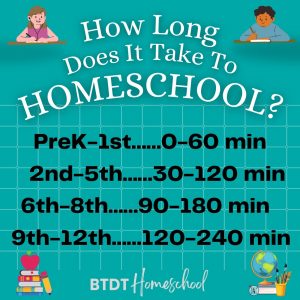
In those younger years homeschooling takes less than an hour. Even when our kids were earning their associates degree in high school, they never did more than 4 hours of school each day. This allows for more opportunities for positive social interactions. All of the social opportunities that we just talked about that homeschoolers are experiencing during the day when they’re not in a classroom, have given them experiences and more opportunities for socializing and learning these skills. 

It’s important to note that the social development of any child is influenced by a lot of factors, including their individual personality, their family environment, and the specific homeschooling or traditional school experience they receive.  And unfortunately, as homeschooled parents, the pressure is all on us.  Our kids are a reflection of us.  If your school kid grows up to be a troublemaker or outcast, you can blame the school environment. But nobody questions whether or not kids in school are socialized. Let me tell you, being put in a building with peers of your same age and socioeconomic background is not necessarily socializing. But for homeschoolers, it’s all on us.

So let’s talk about some of the differences in socialization between traditional school kids and homeschooled kids.

Here are some considerations:

Homeschooled Kids:

  • Varied Experiences: Homeschooled children have more flexibility to engage in a wide range of social experiences, including interacting with people of different ages, cultural backgrounds and perspectives, promoting diversity and tolerance.
  • Individualism: Homeschoolers feel minimal peer pressure to conform or fit in and are encouraged to express themselves and have a voice without social pressures. Homeschooling can provide more one-on-one time with parents or educators, potentially addressing specific social needs and positive guidance. 
  • Limited Negative Influences: Homeschooling can minimize children from negative peer pressures and bullying and provide guidance when needed.
  • Tailored Learning: Homeschooled children can learn at their own pace, especially those with learning differences, reducing the stress and social anxiety that can occur in a classroom setting. 

Traditionally Schooled Kids:

  • Structured Environment: Traditional schools provide a structured social environment with limited real-world experiences. Students learn to navigate various social situations and hierarchies with a large student teacher ratio affording minimal guidance. 
  • Peer Interaction: From an early age, kids learn how to be like others and conform, at the cost of neglecting or even never discovering what it is that makes them special. In a school environment, peer pressure can dictate things from how to look and sound to how to act in order to be accepted by the peer circle.

In Conclusion

There is a large body of research focused on determining whether homeschooled or traditional schooled kids are better-socialized. The research has found that being homeschooled does not harm socialization skills, and in fact, more and more studies are indicating that homeschooled children score more highly than children who attend school on measurements of socialization.

Ultimately, whether homeschooled or traditionally schooled children are “better” socially depends on the individual child, the quality of their educational environment, and their unique social needs. Some homeschooled children thrive socially, while others may face challenges.  It’s up to you to figure out what best works for your family and child. Similarly, traditionally schooled children can excel socially or encounter difficulties.  When someone asks you if you are worried your kids will be weird.  Ask them if they knew any weird kids from school. We all did! Here’s the thing.  My kids were going to be weirdos whether they went to school or not.  Sorry kids, but that is genetic!

The key is to provide opportunities for socialization and development. Many homeschooling families actively seek out socialization opportunities for their children to ensure they have well-rounded experiences. There is no one-size-fits-all answer to whether homeschooled kids are better socially than traditionally schooled kids. Social development is a complex and multifaceted process influenced by various factors, and both educational approaches can provide valuable social experiences when done thoughtfully and with the child’s best interests in mind.

It’s easy for those outside the homeschooling community to look at these students as “different” or “socially awkward.” But much of that sentiment results from simply not having any real knowledge of what homeschoolers actually do. Homeschool parents don’t tie their kids to a desk for 8 hours. They’re cuddled on the couch reading books, they’re learning at libraries, at museums, they’re interacting with residents at senior centers, with other families and fellow students. They’re experiencing real-life situations and conversing with many types of people from all walks of life. They play Little League, nerf battles, video games, text their friends, join clubs, and are free to be themselves with opportunities beyond what they could get in a school environment.

This Week’s Freebie:
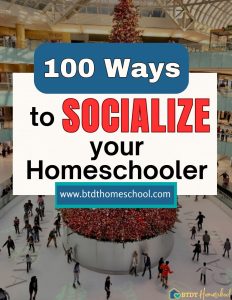
Download the Complete Socialization List HERE (pdf)

046. 12 Ways to Balance Your Home and Homeschool

046.
12 Ways to Balance Your Home and Homeschool

Balancing home life and homeschooling can be challenging. Many of us already juggle motherhood, relationships, housework, meals, work, and friendships. Adding homeschooling can feel overwhelming. Today, we’re sharing 12 practical strategies to help you balance it all effectively.

Episode 046:

TWO WAYS TO LISTEN TO THIS EPISODE:
1. Click PLAY Button Above ^^ to listen here.
2. OR Listen on your favorite podcast platform:

Are you just starting your homeschooling journey? We’re here to help! Begin with our Get Started in Homeschooling page and Homeschooling FAQ to make the transition smoother. If you’re guiding a young child, explore our How to Homeschool Kindergarten. to make those first steps special. For middle schoolers, don’t miss our Middle School page packed with tips and advice. And if you’re heading into the high school years, our Essential Steps to Homeschool High School will guide you every step of the way!

Show Notes

Sometimes there just isn’t enough time in the day for us to do everything or do everything well. As a parent taking on the role of educator, it requires careful planning and adaptability. The home becomes a multifaceted space, serving as both a nurturing environment for family life and a classroom for structured learning. Striking the right equilibrium demands flexibility in schedules, creativity in teaching methods, and patience in handling the inevitable ups and downs. 

While homeschooling does present its share of hurdles, the opportunity to be present and fully engage with your child’s education and witness their growth firsthand is an unparalleled privilege. Finding harmony between nurturing a thriving home life and fostering a successful homeschooling experience ultimately hinges on a few things: Your openness to be flexible, initiating open discussions with your family, finding a supportive network, and a commitment to making this happen. 

Finding balance while homeschooling can be challenging and sometimes it might mean lowering your expectations and setting clear priorities and picking your battles. Some people have this idea of some social media picture or Pinterest worthy home all the time and it’s just not realistic and it’s so important to not compare yourself with others. What tends to happen when we start playing the comparison game is that we compare our worst selves with someone else’s best self. Don’t do it! It’s not a battle you’re going to win and you’re going to drive yourself crazy and your family crazy with those kinds of unrealistic expectations.

In this season, you’re educating your children. You’re raising babies. You’re making memories. There are going to be times when you are in pure crisis mode 24/7. The house is going to get messy again and again, but your kids are only going to be at home for a few short years. Let’s keep things in perspective. It WILL get easier, especially as the kids get older. Next month could look very different than today. And don’t underestimate what you DO get done. If possible, write down what you have done so you can look back and visually all you are actually doing each day. It’s probably a lot more than you realize!

Husband walks in, “What did you do all day?”

So, let’s get to some ways to help you maintain and balance your entire household during these years:

1. Establish a Routine (10:12)

Create a daily or weekly schedule that outlines when you’ll focus on homeschooling, house chores, and family time. A routine helps set expectations. We have an entire episode dedicated to this called “Schedules, Routines and Rhythms” because not only is it one of the main things people ask about, but it is also one of the key things to running a smooth household.  

There are a lot of benefits from having an organized routine. It helps you stay on top of everything but, also, kids find comfort in knowing what happens next. If you’ve recently come out of a school environment, you may already be used to having some sort of structure to your day.  The great thing about homeschooling though, is that you have the opportunity to cater this to your unique family.  You don’t need to replicate a strict school schedule to have a gentle routine in place. We like to use the words “routines” or “rhythms” to imply a more laid back, less rigid flow to your day. Finding the right fit is definitely going to be different for every family. Blueprint For a Beautiful Week

2. Use Technology (11:44)

Use technology to your advantage. Technology is a timesaver when you use it to streamline tasks. Online grocery shopping, home management apps, and educational tools can help save time and stay organized.  Keep a family calendar:
Cozi
Google Keep
Trello
Some people like to use Alexa or Google home for grocery lists.  There is also online shopping- grocery store apps, or Shipt/Instacart.  

Since covid, so many stores feature online ordering and free pick up. You can keep a list going all the time and then click on the app when you are ready to buy and pick up. It’s so handy to take the shopping part out of your tasks and they load your groceries right into your car. Often this service is totally free once you hit the minimum pick up, but sometimes there is a slight cost- but still worth it!  This can help you save money, too- no impulse buying.  You can build your list right in front of you and make it fit your budget. 

Subscription services can help you save time and money, too. You can find companies where you can have dairy, produce, and cleaning supplies delivered, even pet food.  Amazon also has a subscription service you can set up for things you order often.

There are also a ton of meal planning services out there that will send you 2-3 meals per week with all of the ingredients and directions to make it.  These are so easy; your kids can do it.  It’s a great way to learn to cook! And it’s one less thing for mom to think about.

Subscriptions we have enjoyed for years:
Universal Yums has been a wonderful way to learn about people and food from all over the world

Misfits Market
Grove Collaborative
Oberweis Dairy

My college student turned me on to Google Keep and its handy for keeping different lists for today’s tasks, long term tasks, gift lists for each member of the family, a list of movies/shows to watch, podcast lists, to do lists- short term/long term, and you can make menu planning lists and grocery lists in there. 

Getting my family to use a digital calendar was the best thing I ever did, too.  Everyone knows to check Cozi before they ask me if they can do things with friends, and they put their own things on there so that we don’t double book.  My kids away from home still use it to plan trips home.

3. Time Management (15:40)

Teach your children about time management, so they understand the importance of balancing responsibilities and free time. In today’s fast-paced world, helping kids grasp the concept of time and learning how to manage it effectively is more crucial than ever. 

Teaching these skills to them isn’t about overloading them with schedules; it’s about empowering them with essential life skills. You can start by introducing age-appropriate tools like colorful timers or visual calendars, making time tangible for them. Lots of kids like magnet or sticker charts, or some kind of checklist. 

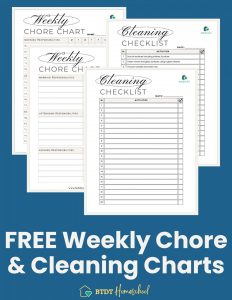
I love checklists and so do children! Recently, we posted on Facebook and Instagram pictures of one chart system I made where I used cardboard and clothes pins. We also have our free preschool routine charts, and I created several for the entire household for this week’s freebie. 

As homeschoolers, we often have a lot of social outlets and activities outside the home, but if you’re go-go go, you’re never going to have time to get your house picked up, so when things get really out of hand, you may need to limit outside activities. It’s hard to get a grasp on things in the house when you are never home!  

 The Pomodoro technique is a time management method that was developed by Francesco Cirillo in the 1980s- it involves using a kitchen timer to break work into intervals typically 25-minute breaks. Pomodoro is Italian for tomato which is the shape of the timer he used.  

You can also try setting tasks to things like getting the whole house clean in the time it takes to wash/dry your bed linens.  You can also do an entire family pick up time! Even just 10 minutes of everybody picking up at the same time and doing nothing else can be super helpful. 

4. Prioritize Tasks (19:51)

Identify the most crucial household tasks and focus on those. Not everything needs to be perfect; sometimes, good enough is okay. 

The Fly Lady routine of having a weekly blessing of your house was handy- take an hour each and vacuum just heavy traffic areas, quick dust of surfaces, spot clean any floors with mop, polish mirrors or doors, purge magazines, mail, paperwork, change sheets, empty all trash.  Then you could dedicate time on other days to doing other projects and your house is always semi clean. She also recommended things like keeping cleaner and wipes in every bathroom, so you could always do a quick clean in a pinch without grabbing items from somewhere else.

Think about doing a daily reset of your home, or a closing time at the end of the night. Do things like throw a load of laundry in first thing (and then fold the previous days), unload the dishwasher or rack and wash anything that was soaking from the night before. Fill water bottles and prep any food items for lunch or dinner.  These things in the morning keep the rest of the day running smoothly and you never run behind on laundry.  

5. Weekly Planning (23:26)

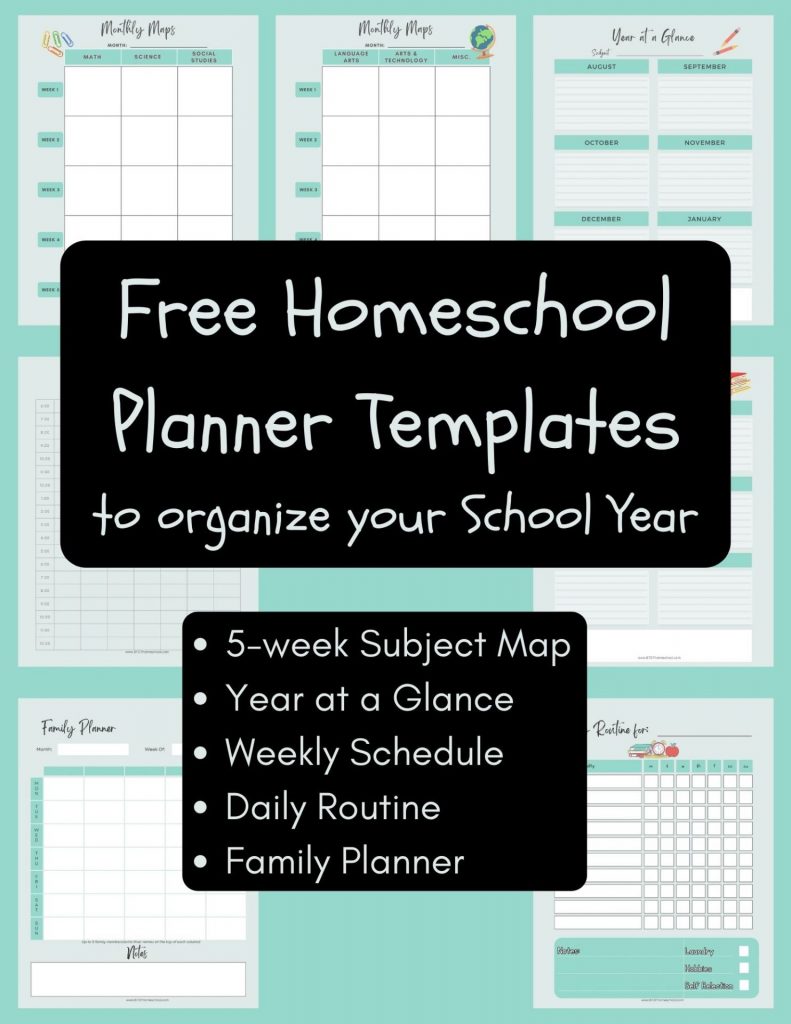
Dedicate a specific time each week to plan your homeschooling lessons and household tasks. This can help you stay organized and reduce last-minute stress. Look at your calendar, plan clothing and carpools, plan menu and meals, look if there are any supplies or things needed for classes or projects.  

Keep a checklist of cleaning or organizing things that you do every week and divide those tasks into daily chores. Paying bills every Monday, Tuesdays check your grocery order, Wednesdays I will check my Every Plate or Hello Fresh order and select items for delivery (I also like to be working out like 3 weeks, so if I ever forget to do this one week, I don’t just get sent their selections)

6. Meal Planning (24:40)

Plan meals in advance. This will save you a ton of time and money and make your week run so much smoother and reduce your stress. There’s nothing worse than walking in the door and everybody’s hungry and there’s nothing to eat or everything is frozen. Also, it’s easy to get sucked into being a short order cook if you start asking for ideas! Consider batch cooking or using slow cookers for easy, nutritious meals. One year, friends got together and prepped a ton of freezer meals as a group. It took all day, but it completely packed our freezers with easy go-to meals. These are super easy, and you just throw them in the crockpot in the morning. I recently posted 2 free freezer meal plans with grocery lists in the Homeschool freebies Facebook group I created. Scroll down for our FREE Meal Planner!

 I have a chalkboard in my kitchen with each day listed and every Sunday, I go through our calendar, determine which nights might be hectic each week and need a quick meal, a thermos meal, or maybe a crockpot meal that you toss in that morning. On weekends you can prepare easy go-to things for breakfasts and lunches during the week. Breakfast sandwiches, eggs, muffins, or pancakes can be made ahead and frozen and then reheated.  Parfaits in a jar or a huge batch of oatmeal refrigerated in individual glass bowls are easy, too.  This saves money and allows you to control the quality of the ingredients too. Acadiana’s Thrifty Mom Blog and Karissa at Home Instagram.

Both of us use our Instant Pots almost EVERY SINGLE DAY

If you don’t already have an Instant Pot, you have to check them out!
Read Reviews>>

If your kids also like to cook, put them in charge of one family dinner a week. You can also set themes for each evening.  Things for each day like a “Meatless Monday,” “Try it out Thursday,” “Cozy Crockpot Wednesday,” or “Movie night Friday.”  You can list all of your favorite meals for each category and have a ready bunch of recipes to pull from each week. Planning doesn’t have to take long but it definitely will reward you in the long run.

We created this group as a way to share FREE resources all over the world with NO SPAM:

BTDT Homeschool Free Resources
Get all the FREE Resources including the (2) 100-page Freezer Meal with Grocery Lists mentioned in this episode!
Join the Group for Free>>

7. Multitask Mindfully (29:17)

Look for opportunities to combine activities. For example, you can discuss math concepts while cooking together or practice reading during family story time.  Using a literature-based curriculum means always mixing subjects for maximum effort- writing a paper about history reading crosses two subjects out.  There are also so many family style curriculums that allow you to use one thing for all of the kids and then you can focus more one on one later with just things like math or reading instruction.

Use real-life events like cooking meals to help kids learn AND get dinner on the table. When we go to the grocery store, have the kids help write out the list. Then, while shopping, teach them how to compare prices and determine which item is the better value. Both cooking and shopping are sneaky ways to weave in math without having to print out another worksheet or find another practice activity. 

As I’ve gotten older, I put them in charge of an entire meal with a small budget. We head to the store, they choose all the ingredients, they prepare, and they clean up. Just because you close the schoolbooks when things are out of control and you need a tidy, clean house with food on the table, doesn’t mean that you’re abandoning learning.

You can multitask with non-school stuff, too!   When kids were younger, I’d make all the moms walk laps around the playground on park days.  Now that they are older, I try to fit that exercise time in while they are otherwise occupied.  For years, we had evening activities that took hours- instead of sitting in the car waiting, I joined a gym on that side of town near my kids studio and worked out while they were in class.

8. Involve Everyone (30:33)

Have your children and partner help you with household duties. After all, they live in the house too and it should never be solely your responsibility to take care of everything all of the time. Delegate and give up on perfection. The goal is to have it done to at least a passable standard. 

Perfection is overrated. Share the responsibility! Assign age-appropriate chores to children, teaching them valuable life skills in the process. Download our free resource this week- it’s going to help you stay on top of those chores and involve everyone in your family as you divvy out responsibilities. There are also lots of lists out there with age-appropriate chores on it for inspiration.  Over time and with lots of practice and patient instruction, kids can become very good at helping around the house. It is not always easy when they are learning how to complete a new chore but reminding yourself that it will pay off in the long run. Scroll down for our FREE Cleaning and Chore Charts!

9. Ask for Help (35:19)

Don’t hesitate to ask for help from friends and family when you need it.  Delegate some of the schoolwork to them or put them in charge of a certain subject – maybe math! And completely take that off your plate. 

Sometimes you can share responsibilities with other homeschool moms.  We’ve shared carpooling a lot with some of my close mom friends. One year when our oldest kids were in a summer camp, we created a younger sibling kid camp with several families. We would each take all the younger siblings for an entire day and we would do activities and give the other moms the day off.  We loved all day park days as much as our kids did, but every once in a while when the kids were having a great time playing, we would switch off with a mom — where she would leave early to go do some errands and I will drop off her child later in the day and vice versa. Sometimes having more kids at your house is easier than just having yours at home.  

You might also consider hiring occasional help, such as a house cleaner or babysitter.  When my kids were really little, I had a young homeschool tween come in a few hours a day as a mothers helper.  It was a win win- she got supervised babysitting experience, and I got time to get things done.

10. Set Boundaries (37:43)

Clearly communicate your work and homeschooling hours to family members. Let them know when you’re available for non-school-related activities. Don’t be afraid to be firm about not taking calls between 9am and noon if that’s your prime school hours. You are not sitting at home doing nothing eating bonbons watching TV, your job is important and valuable. Turn your phone to silent and be present with your kids. They deserve that.

This is a struggle for all stay-at-home parents- people often think you have all the time in the world to take their phone calls, or book appointments, and meet household contractors, etc., just because you are at home. But you have your own stuff to do!

This goes for homeschooling commitments, too!  It’s easy to get sucked into a lot of volunteer roles or teaching positions or other activity coordinating.  And if you’re a person who is good at leading things, you’ll get asked to do this over and over.  Learn to say no!  Don’t commit to things your kids hate or that don’t benefit your family.

11. Self-Care (40:50)

Prioritize self-care. Taking time for relaxing and your personal interests helps you stay balanced and it’s going to reduce the chance of burnout. A burnt out mom is scary! As much as I used to be a night owl and hate early mornings, I really relish getting up with my quiet and coffee before everyone else so I prioritize that in my life.

It definitely gets a little easier as they get older to be able to leave them to go do things.  I used to feel guilty about meeting other moms out for a moms night, or going to a book club.  But don’t!  Your kids aren’t going to suffer with one night in with dad or an evening of pizza while you are out with friends. 

The point is to take care of yourself. Even a rockstar homeschooling mom needs a break. Don’t be afraid to make that part of the routine.

12. Flexibility (44:10)

Embrace flexibility and be willing to adapt your schedule as needed. Some days may require more focus on homeschooling, while others might prioritize home maintenance or family time. Being a homeschool mom is tough. There are times when it’s the most rewarding thing ever, but there are others when you feel lucky to make it through the day without tears. 

It’s not always easy homeschooling, keeping house, and keeping your sanity, and it definitely takes time trying to figure out how to balance it all. Remember that balance is a dynamic process, and it may require adjustments as your family’s needs change. Balance is a little bit of a myth, because when we tilt activities toward one thing – even if it’s needed – it takes away from things on the other side of the spectrum. There’s no such thing as perfect balance all of the time. That’s life and it’s okay not to be perfect all the time. Be patient with yourself and your family, and don’t be afraid to seek support from friends and family or local resources to help maintain a harmonious home and family life while homeschooling. 

This Week’s Freebies:

Get your FREE Chore and Cleaning Charts
Get your FREE Meal Planner

Outschool: What is it and should I use it in my homeschool?

What is Outschool?

Outschool is an education platform that connects teachers of any subject with students around the world for a variety of engaging small-group classes online.  It gives kids the opportunity to explore their interests via interactive, live video by experienced, independent educators.

How Many Courses Does Outschool Offers?

Outschool offers variety of classes and over 100,000 Interactive Online Classes for every age group from 3 to 18 years. You can use it as full academic classes or supplements. You can also have your kids choose their favorites and dive into their interests. Below is the vast list of subjects your kids might be show interest in. The content appeals to all different types of learners and there are countless subjects.  To name a few: life skills (like Future Chef’s Baking Club), social studies (like indigenous studies taught by members of First Nations), organization (like Conquering the Clutter), the arts (like Dance with Me and crochet), Study Skills to get ready for high school and college, and a First Grade Sight Word Bootcamp taught with fun and games.

What Type of Courses Does Outschool Offers?

  • Arts – Drawing, photography, dance, Theatre, Film, Sewing
  • Coding & Tech – Coding, Video Game Design, Robotics, Engineering, Internet Safety, Animation
  • English – Creative Writing, Grammar, Spelling, Book Club, Essay Writing, Poetry, Literature
  • Health & Wellness – Hygiene, Emotions, Exercise, Mindfulness, Nutrition
  • Life Skills – Cooking, Financial Skills, Study Skills, Social Skills, Critical Thinking
  • Math – Elementary math, Algebra, Numbers, Geometry, Fractions, Calculus, Statistics, Probability
  • Music – Guitar, Piano, Singing, Composers, Music Theory, Composing, Recording
  • Science & Nature – Chemistry, Biology, Zoology, Physics, Astronomy, Anatomy, Marine Biology, Psychology
  • Social Studies – Geography, World History, American History, Anthropology, Economics, Politics
  • World Languages – Spanish, American Sign Language, French, Japanese, Latin, German, Chinese, Greek, Italian, Mandarin
  • Leaner Favorites – Dungeons And Dragons, Fortnite, Lego, Pokemon, Minecraft, Cats, Dogs, Unicorn, Adventure

How Are Teachers at Outschool?

I personally know several friends that teach classes on Outschool. Many are homeschoolers, and many are classes that my own children have taken and loved. In general, you can find varied teachers with different personalities and backgrounds. You can choose a teacher that fits best with your teaching preference and style. Some of the teachers are retired teachers and others are passionate parents who are passionate about a subject and are really good at teaching. 

I’ve been really happy with every teacher we have used. They have kept my kids engaged and wanting to learn more about what is being taught. Most teachers offer a demo class for $20 or even less ranging between $10-15. You can use multiple trial and error demo classes to choose the best teacher that suits your requirements. When looking for a class, I would really recommend reading all the reviews about the teacher. Parents are pretty honest, and kids are pretty vocal when they’re not happy with a class. 

Most of the teachers love teaching and are exceptionally good with kids. 

Outschool offers small size classes and recommended class size to teachers as below:

  • For kids ages 6 and below – class size should be up to six learners in one class.
  • And for kids ages between 6-12 – maximum of 9 kids at a time is a pretty good class size.
  • Finally, Kids ages 12 and above – up to 12 learners are recommended.
  • The flexible schedule classes are capable of teaching 18 students at a time.

How Much is Outschool Classes?

Students can sign up for classes at a variety of costs.  Most one-time courses go for around $10.00 to $15.00 per student, depending on the length and content. Students can also sign up for ongoing and semester courses, which are priced comparably to one-time courses.  One-on-one classes and tutoring go for between $15.00 and $130.00 per session. Teachers’ charges vary as per subject, age range, content, and time.

What are the potential drawbacks of Outschool?

Here are some reasons that Outschool might not be a good fit for your family:

  1. Teachers: Some of the teachers are individual contractors which can make the classes hit or miss. There’s no guarantee that the teacher is going to be a good fit for your child.
  2. Special Needs: If your child has special needs, it is up to the teacher to decide if they will accommodate your child in their class. This is very inconvenient since some kids have different learning abilities at different levels. However, you can always reach out to the teacher before registering to address this issue to see if it’s a good fit.
  3. Payment: Payment is required upfront. If you encounter a problem and want a refund, you need to make a strong case to get one approved.
  4. Technical Problems: Technology isn’t perfect and if you I have tech issues, you may miss a live class. Fortunately, many live classes are available after, so your child can catch up if they miss. The best way to avoid this is to test out your equipment before class begins to make sure everything is working properly. They’ve made this system pretty streamlined. 

Is Outschool Right For You?

Outschool is a good resource and opportunity for learning something you may not want to teach and outsource or learn more about a special interest topic. It’s also a great way to learn something new from somebody other than mom. 

Personally, we have had a great experience and loved all the classes at Outschool. My kids have enjoyed both the group classes as well as one-on-one classes. They both prefer live classes but have also enjoyed pre-recorded classes because they can do them at their own pace. 

Outschool has been a great time-saver tool and has allowed me time to work one on one with my children while my other child is in a class. There are also several classes my kids have done together. 

I recommend that you try a class before you choose an 8-week program. Read all the reviews and sign up for a one-time class and see if the teacher seems engaging and is a fit for your family.

041. Finding Confidence to Homeschool Your Children

Find Confidence To Homeschool Your children

Episode 041:

Are you just starting your homeschooling journey? We’re here to help! Begin with our Get Started in Homeschooling page and Homeschooling FAQ to make the transition smoother. If you’re guiding a young child, explore our How to Homeschool Kindergarten. to make those first steps special. For middle schoolers, don’t miss our Middle School page packed with tips and advice. And if you’re heading into the high school years, our Essential Steps to Homeschool High School will guide you every step of the way!

Show Notes:

We all want the best for our children. Whether you’re a new homeschooler or have been homeschooling for years, everyone experiences fear and worry at some point. Sometimes when we have friends whose children are excelling in a certain subject, or sport, and we see their highlight reel on social media, it can be intimidating. But we all have these moments! We all feel uncertain about all our life choices at one point or another, it’s not just homeschooling.

There are a lot of reasons why people feel uncertain. This may be a brand-new road for them or sometimes it’s a matter of how aware we are of our own shortcomings. I struggled in math for years, and now I was taking on the responsibility of TEACHING math?! Or we struggled wondering if we would have the patience required to sit through lessons. Was I capable? How in the world was I ever going to teach upper-level science when I didn’t even understand it myself? It’s completely normal to lack confidence in something that you’ve not experienced before. Even if you’ve struggled with a subject in the past, you can be an exceptional teacher because you’re passionate about learning and teaching it now.

A big reason that people struggle with this is when a concerned and unsupportive friend or family member, or even a spouse puts doubt in their heads and tells them that they are incapable of such an undertaking. There are all kinds of stereotypes about homeschoolers out there, but most are simply NOT true. You are capable of homeschooling your children, and setting them up for success in homeschool, in college, and in life. It may be best to spend less time with unsupportive people.

We talk about dealing with naysayers in Episode 011. All About Family

If you have an unsupportive spouse, it’s important to listen to each other and your concerns – both of you. Homeschooling is a family decision and it’s an entire lifestyle. Let the results of all that you and your kids accomplish speak for themselves. Be patient with your partner as they grow to accept and hopefully embrace this new life. Have confidence in yourself and move forward and know it takes some people longer than others to get on board. Remember, they also have your kids’ best interest at heart.

Socialization: Episode 047. Socialization: Will My Child be a Weirdo?

Remember that there is no one more qualified to teach your children than you are. You’ve been teaching them all their life. In this episode, we are going to be identifying some strategies to help build your confidence but really the best way to grow in confidence as a homeschool mom is to DO IT. When we’ve decided that this is the best path for our children, if we are so terrified of making mistakes that we never try homeschooling or quit at the first sign of challenge, that is the real failure. If you are new to homeschooling, check out our Homeschool FAQ Guide.

There are so many reasons that families choose to homeschool.  Some families have concerns about safety and their child’s well being and want to have more control over their socialization (possibly they have gotten caught up in the wrong crowd or bad influences that are affecting them negatively)  or they may want to incorporate their beliefs, whether that be religious or cultural beliefs. Children who have had negative experiences in traditional schools, like bullying or social challenges, or feeling like a failure when they couldn’t keep up can thrive in homeschool.

Some parents are interested in customizing their child’s educational experience to meet their child’s individual learning style, pace, and interests. Some parents believe that they can provide a higher quality of education than what is available in the local public or private schools or theory may prefer alternative education philosophies. This personalized approach can lead to better academic outcomes.

Especially for children with special learning needs or learning disabilities, homeschooling can provide a more supportive and tailored educational experience. Gifted children also benefit since you can provide a more challenging or advanced curriculum. 

Families with non-traditional lifestyles, such as frequent travel or remote living, may find homeschooling to be a more practical educational option.  Homeschooling offers flexibility in scheduling, allowing families to create a learning environment that accommodates travel, family commitments, and other activities. Homeschooling allows for increased family bonding and more time spent together, strengthening parent-child and sibling relationships.

Every family’s decision to homeschool is unique and personal. Each family’s reasons and motivations may differ based on their specific circumstances, values, and beliefs. We always like to point out that every homeschool family is different.  A lot of the time, we may be homeschooling for completely opposite reasons. But at the end of the day, we believe ALL parents CAN homeschool.  You really just have to want to.

Create an entire Homeschool Lifestyle!

How do I know when to start homeschooling? (13:23)

Deciding when to start homeschooling is a significant decision that depends on several factors, including your child’s age, developmental readiness, family circumstances, and your personal preferences. Here are some indicators that it might be the right time to start homeschooling:

Maybe you have always planned to homeschool?  Consider your child’s developmental stage and readiness for formal learning. Some children may be eager to learn and show signs of readiness at an early age, while others may benefit from more time in a less structured learning environment. Once you’ve made a decision to homeschool, I know how exciting it can be, but I would encourage you to not let your eagerness overshadow your child’s readiness. We see a lot of parents wanting to start formal lessons when their child is clearly showing signs that they aren’t ready. This can often lead to frustration for both you and them. Young children learn and retain information best through play-based learning. 

If you have concerns about the traditional education system, such as the curriculum, teaching methods, or class sizes, and safety homeschooling can provide an alternative approach that addresses these concerns.

If your child has specific learning needs or interests that are not adequately met in a traditional school setting, homeschooling can offer a more personalized and tailored learning experience.

Consider whether you have the time, energy, and willingness to take on the role of a homeschooling parent. Homeschooling requires dedication and active involvement in your child’s education. Lessons may not take long, but homeschooling is more than academics. Your kids need to get out in their community and be with friends hanging at the park or playing board games, getting hands-on at the museums. Remember, learning doesn’t stop when the school books close and choosing to homeschool is a lifestyle. 

Assess the availability of support networks, such as homeschooling communities, co-ops, and online resources. Connecting with other homeschooling families can provide valuable support and social opportunities for both you and your child.

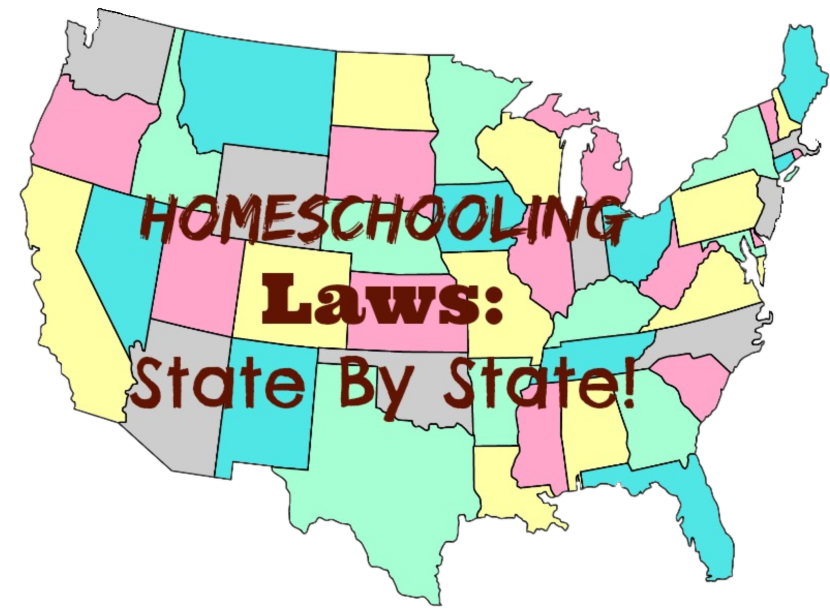
Ensure that you are aware of the homeschooling laws and regulations in your country or state. Familiarize yourself with any necessary paperwork or reporting requirements.

If you’re unsure, you can start with a trial period of homeschooling to see how it works for your family. This will allow you to assess whether homeschooling is a good fit before committing to it long-term.  If you’re pulling your child from a school environment that was not working for them, it’s important to spend some time going through the process of Deschooling.  We have an entire episode about that but in summary, it is a process to help your child transition into homeschooling if they’ve been in a school environment. If you are deschooling, download your FREE 90 Deschooling and Boredom Ideas List.

Remember that there is no one-size-fits-all answer, and the decision to homeschool should be based on what you believe is best for your child and family. Take the time to research, reflect, and discuss the idea with your partner and any other involved parties before making a final decision. But also remember that like we talked about in our deschooling episode, don’t be afraid to take that plunge. You don’t have to keep your kid in a bad situation because you feel like you don’t have a plan. You aren’t going to ruin a 4th grader by pulling them now and going through the process of Deschooling while you figure things out. 

How do I teach subjects I don’t know? (19:00)

You do not need to be an expert in any subject to adequately teach your children.  Teaching subjects you don’t know as a homeschooler can be a bit challenging, but it’s also an excellent opportunity for both you and your children to learn together. Here are some strategies to tackle this situation:

Scripted Curriculum:  Many curricula are totally scripted- the entire lesson is laid out for you with your questions and answers. This takes so much of the pressure off! And speaking of curricula- there’s a million options out there (we just did an episode on the 7 steps to choosing curriculum) so don’t feel like you need to come up with something on your own. Visit our Curriculum Guide>>

Hands on Learning:  So many children, especially young ones learn best with hands-on activities. We did so much of this with my kids. With math for instance, If you can count and recognize numbers you can teach a 3 year old math. Use objects to help your child visualize counting. Read books with numbers and counting. Point things out in everyday life.

Online Resources: Use online learning platforms, educational websites, and tutorials to learn the subject with your child. There are numerous resources available for various subjects, including math, science, coding, languages, and more. Khan academy is one we use often when we have trouble with a math or science problem and need a better explanation.  BrainPOP is an excellent resource that we have used for years.

BrainPOP
We LOVE BrainPOP!

Along with that is….Educational Apps and Software: Explore these tools that provide interactive learning experiences for your children. Many of these are designed to be self-guided, making it easier for your kids to explore subjects independently. While we don’t advocate for online programs for little kids, there are a lot of cute supplementary apps and programs that can help with things like reading. Starfall is a good option for younger kids.

Online Courses and local classes or tutoring: Consider enrolling your children in online courses or outsourcing to a local teacher or tutor who specializes in the subject you are unfamiliar with. This can provide them with expert guidance and support in their learning journey. We used both Outschool for all kinds of subjects and Thinking Reeds for upper-level science and math.

Co-ops with Other Homeschoolers: Connect with other homeschooling families who have expertise in the subjects you’re less familiar with. Organize study groups or cooperative learning sessions where kids can learn together under the guidance of parents with more knowledge in those areas. 

Library Resources: Utilize your local library to find books, DVDs, and other resources related to the subjects you want to teach. Libraries often offer educational programs and workshops, which can be beneficial for both you and your kids. Use Libby at your local library

Field Trips and Real-Life Experiences: Whenever possible, incorporate field trips and real-life experiences related to the subject. Visiting museums, science centers, historical sites, or nature reserves can enhance learning and understanding. We have an entire resource page on field trips that is totally awesome! Download your FREE Field Trip Packet

Documentaries and Educational Videos: Use educational documentaries and videos as supplementary learning materials. They can provide valuable insights and explanations on various topics. We love Crash Course, and Horrible Histories Videos, and Donuts and Documentaries Monday!

Horrible Histories explores the side of history that they don’t teach you about in school! From the Vicious Vikings and Awful Egyptians to the Slimy Stuarts and Terrible Tudors, Horrible Histories covers the funniest, yuckiest and most gruesome bits of history for kids.

Horrible Histories
Horrible Histories Video Series >>>
Horrible HistoriesBooks
Horrible Histories Book Series>>

Encourage Independent Learning: Foster a love for self-directed learning in your children. Provide them with the necessary tools and resources, and encourage them to explore subjects on their own with your support and guidance. Encourage your children to ask questions and explore their interests. Facilitate their curiosity-driven learning, and let their interests guide the direction of their studies.

Learn Alongside Your Children: Embrace the journey of learning together with your kids. Show them that it’s okay not to have all the answers, and that learning is a lifelong process. While you may not be an expert in a particular subject, you can still teach core skills like critical thinking, problem-solving, research, and communication. These skills are valuable in any subject area. It’s important to model that we are also continuing our education as adults- we never really stop.  Remember, homeschooling is about creating a nurturing and supportive learning environment. Embrace the opportunity to learn alongside your children, and you’ll not only gain knowledge in new subjects but also set a wonderful example of lifelong learning.

How do I build up my confidence as a homeschool parent? (27:18)

Building up your confidence as a homeschool parent is essential for creating a positive and effective learning environment for your children.  A lot of homeschool parents talk about how they NEVER believed they were capable! Maybe you didn’t do well in school yourself, but you are your child’s parent and the person who loves them the most in this world, so you are the best person to be teaching them! You will know what’s best for them and the fact that you know you want to homeschool is a sign of that.

  • Set Clear Goals: Define your objectives for homeschooling. Knowing what you want to achieve will give you a sense of purpose and direction, making it easier to stay confident in your decision.
  • Educate Yourself: Continuously learn about homeschooling methods, curriculum options, and child development. The more you know, the better equipped you’ll be to handle challenges and make informed decisions. Top 10 Books Every Homeschool Parent Should Read
  • Create a Supportive Learning Environment: Organize your homeschooling space to foster a positive and engaging learning environment for your children, which will also boost your confidence as you see them thrive.
  • Start Small: Begin with manageable tasks and gradually expand your responsibilities as you gain confidence. Don’t overwhelm yourself with too much at once.
  • Be Flexible: Homeschooling may require adjustments along the way. So Stay open to trying different approaches and adapting your methods as needed.
  • Join Homeschooling Communities: Connect with other homeschooling parents through online forums, social media groups, or local support networks. Sharing experiences, tips, and encouragement with like-minded individuals can be very empowering. Don’t hesitate to seek advice or guidance from experienced homeschooling parents, educational consultants, or even therapists. Having someone to talk to can help you gain perspective and new ideas. 
  • Attend Workshops and Conferences: Participate in homeschooling workshops, conferences, and seminars to gain new insights, meet other homeschooling parents, and stay motivated.
  • Celebrate Achievements: Recognize and celebrate both your children’s and your own accomplishments. Acknowledge the progress you make, no matter how small it may seem.
  • Embrace Mistakes: Understand that making mistakes is a natural part of the learning process. Instead of being discouraged, use them as opportunities for growth and improvement.
  • Reflect on Your Children’s Progress: Keep a record of your children’s achievements, their academic progress, and personal growth. Sometimes just Reviewing these positive outcomes can remind you of how far you’ve come and the significant value you bring to their education. 
  • Trust Yourself: Remember that you know your children better than anyone else. Trust your instincts and intuition when making decisions about their education.
  • Self-Care: Take time for yourself. Set aside time for relaxing, hobbies, exercise, and activities that recharge you. You know I love my sports! A well-rested and balanced mom is better equipped to handle all those homeschooling challenges.
  • Practice Patience: Be patient with yourself and your children. Homeschooling is a journey, and progress may not always be linear.

By incorporating these strategies, you can gradually build your confidence as a homeschool mom and provide your children with a fulfilling and enriching educational experience.  Confidence is a journey, and it’s okay to have moments of doubt. We all have these feelings at one time or another! Embrace the challenges, celebrate the successes, and enjoy the process of learning and growing together. Take some time to write down all the reasons why you have chosen to homeschool. In these moments when doubt and fear surface, go back and read and reflect on the big picture. It’s essential to remember all the reasons why you chose to homeschool in the first place. Homeschooling is not something you have to do, it’s something you choose to do because you know in your heart this is the right path for your family. 

This Week’s Free Resource:

040. Homeschool Extracurricular & Volunteering

High school extracurricular and volunteering

Extracurricular
& Volunteering

Episode 040:

Are you just starting your homeschooling journey? We’re here to help! Begin with our Get Started in Homeschooling page and Homeschooling FAQ to make the transition smoother. If you’re guiding a young child, explore our How to Homeschool Kindergarten. to make those first steps special. For middle schoolers, don’t miss our Middle School page packed with tips and advice. And if you’re heading into the high school years, our Essential Steps to Homeschool High School will guide you every step of the way!

Show Notes

If your student is college bound, you have probably spent a lot of time agonizing over putting together a transcript of robust classes and grades so that you can showcase the rigor and variety of education experience your child has been busy with.  But colleges and universities are not only interested in academics, but they also want to see well-rounded applicants who participate in a variety of activities and are active members in their community.  Admissions staff are often looking for students who understand how to build into a community because this can help build good college culture. Colleges like to know that homeschool high schoolers are not just sitting at home but know how to contribute to the world around them. There are all kinds of ways to build that “Total College Package” that will make your student a super desirable candidate. Volunteering and participating in a variety of extracurricular activities not only helps build good character, but they build great transcripts too! 

Get your FREE transcript templates>>

But remember there’s only one absolute must in all of this.  And that is to follow your state homeschool law. There are plenty of kids that get into college that were homeschooled without this extra, but it definitely helps you stand out. It’s also important to check the college requirements and put those into your plan. But beyond that, everything you do is your choice.

Look up Your State Homeschool Law

And even if your child is not college bound, participating in extracurriculars and community service is still an excellent way to figure out their future path and to contribute to society.  So don’t discount this important step of their educational journey. It will help create memories that these homeschool graduates can talk about in job interviews, too. Interviews often start with “Tell me about yourself”. Your new graduate that may not be college-bound will have plenty to talk about!

If you’re new to homeschooling high school, be sure to check out the Essential Steps to Homeschool High School. This episode is part of our High School series, offering expert advice, comprehensive documentation, and resources like Free Transcript Templates to help you stay organized.

12 Steps to Homeschooling High School

But there are so many more reasons to participate in these activities.

Skill Development:

These opportunities will help your teenager develop a wide range of skills beyond what is taught in the classroom. These activities can help enhance their leadership, teamwork, communication and time management skills. It also helps them home in on those critical thinking and problem-solving skills.

  • College Applications: Participating in extracurricular activities and volunteer work can significantly strengthen your college applications. Admissions officers often look for well-rounded applicants who have demonstrated their commitment and passion outside of academics. Your involvement in such activities can make you stand out from other applicants and showcase your dedication and interests.
  • Personal Growth: Extracurricular activities and volunteering offer opportunities for personal growth and self-discovery. Your high schooler can explore their interests, passions, and talents. These things are going to allow them to develop a sense of identity and purpose. These experiences can also help build their confidence. It really doesn’t matter what kind of extracurricular activities your kids choose to do, there are so many options, and each one is going to help them to develop resilience and learn to be adaptable – these are all really important qualities for success in life.  
  • Networking: Participating in extracurricular activities and volunteering can help you expand your social network. You’ll meet people with similar interests, make new friends, and connect with mentors who can provide guidance and support. Networking is valuable not only during high school but also in college and beyond, as these connections can lead to future opportunities.
  • Community Engagement: We have always made volunteering a big part of our homeschool. Volunteering allows your kids to give back to the community and make a positive impact on others’ lives. Volunteering cultivates empathy and compassion. It also gives you a sense of social responsibility, it exposes them to different social issues. These kinds of experiences really help our kids to understand the world beyond their immediate surroundings.
  • Exploration of Interests and Passions: Extracurricular activities provide a platform to explore and pursue your passions. Whether it’s joining a sports team, participating in a debate club, or engaging in artistic endeavors, these activities allow you to discover what you truly enjoy and what you may want to pursue further in the future.
  • Stress Relief and Balance: High school can be academically demanding and stressful. When our kids are involved in extracurricular activities and volunteering, it can provide a much-needed break and serve as a healthy outlet for relieving their stress. It can help create a balance between academics and other aspects of life, and it gives them a sense of overall well-being.

Remember, it’s important to choose activities that genuinely interest you and align with your values. Quality matters more than quantity, so focus on a few activities that you’re genuinely passionate about and commit to them wholeheartedly.

How many volunteer hours should a high schooler do? (10:13)

This number of volunteer hours that highschoolers do varies depending on their personal goals and how much time they have available. While there is no specific requirement, many aim to complete between 50 and 200 volunteer hours. A general guide is to aim for 10–15 hours per month during the school year, and as much as possible over the summer. Remember, there’s no specific number but it’s a good idea to shoot for enough to gain valuable experiences and make a positive impact. 

Here are a few factors to consider:

  • Personal Interest: Engage in volunteer activities that align with your interests and passions. Choose causes or organizations that resonate with you and where you believe you can contribute meaningfully. When you are genuinely interested in the work you’re doing, you are more likely to commit and enjoy the experience.
  • Time Availability: Consider your academic workload, extracurricular commitments, and other responsibilities when determining the number of volunteer hours you can realistically dedicate. Is your student working to try to save up for a car? That may be 20 hours a week really cutting into their free time for volunteering. It’s important to strike a balance with all your commitments while maintaining their academic performance and overall well-being.
  • Requirements and Recommendations: Some schools, scholarships, or programs may have specific requirements or recommendations for volunteer hours. It’s advisable to check with your school’s guidance counselor or college admissions offices to see if there are any guidelines to follow. However, keep in mind that the quality of your volunteer experiences is generally more important than the sheer number of hours.
  • Consistency and Longevity: Rather than focusing solely on the number of hours, consider the consistency and longevity of your volunteer commitment. Demonstrating long-term dedication to a cause or organization can be more impactful than sporadic involvement. It shows commitment, responsibility, and a deeper understanding of the cause you’re supporting.

Ultimately, the goal of volunteering is to make a positive impact and gain valuable experiences, so it’s more important to focus on the quality of your volunteer work rather than getting caught up in meeting a specific hour quota.

 Should extracurricular activities go on the transcript? (13:26)

So while you definitely want to include extracurricular activities with your application materials, the transcript is typically not the place for it.  You want to keep academic achievements and coursework as essential components of a transcript, while extracurricular activities highlight their involvement, skills achieved, and interests beyond the classroom.  These activities go on a resume or a second page or often, there is a space on the school application, or Common App where you can list all of this information.  Including this information can give colleges, universities, or future employers a well-rounded view of your abilities, dedication, and character.

High School Documentation Episode>>

Common App>>

When listing extracurricular activities on your resume or in your application documentation, consider providing the following details for each activity:

  • Name of the activity: Clearly state the name of the extracurricular activity.
  • Duration: Specify the period during which they participated in the activity (e.g., years or semesters).
  • Role or position: Indicate any leadership positions or significant responsibilities they held within the activity.
  • Description: Briefly describe the nature of the activity and their involvement. Highlight any notable achievements, awards, or recognition they received.

Remember, the goal is to provide a well-rounded picture of your high school experience, so focus on including activities that demonstrate your skills and passions! Examples of extracurricular activities you may want to include are sports, clubs, community service, volunteering, music or arts-related activities, leadership positions, part-time jobs, internships, or any other relevant activities. All of these can help you stand out and showcase your holistic development and commitment beyond academics.

 Do hobbies count as extracurricular subjects? (15:46)

So while hobbies may not typically fall under the traditional definition of extracurricular activities, they can still provide valuable insights into your interests, skills, and personal development. Especially if your hobbies are particularly relevant to your field of study or demonstrate important qualities, it may be worth considering including them.

Download your FREE Extracurricular Workbook and the ENTIRE list of 105 activities >>

Maybe they align with their academic interests or showcase skills that are transferable or applicable to their desired path? Have their hobbies had a significant impact on their personal growth, character development, or community involvement? If their hobbies have led to noteworthy achievements or contributions, they can and should be mentioned. It’s essential to maintain a balance and focus on including activities that provide the most comprehensive and compelling representation of your abilities, interests, and accomplishments.

Many people worry about extracurriculars because maybe they have a kid who isn’t sporty or particularly artsy or crafty.  That’s ok!  There are so many different avenues for extracurriculars and there are few rules about what counts.  It’s your homeschool- you decide what is important and worthy.

Cameron building a guitar.
Perfect hobby for a musician!

Sports

The first thing that typically comes to people’s minds are sports. And just because your student is homeschooled doesn’t mean they don’t have opportunities for team and individual sports.  While in some places homeschooled kids can participate with local school teams, in other areas support groups have formed homeschool teams in basketball, soccer, baseball, volleyball, track and field, swimming, tennis, martial arts, dance, cheer, and more. There are also independent teams- rec and club level in many communities that offer these same services.

Golf was a lot of fun for my daughter
My son really enjoys ballroom dancing

Group Activities 

Personal interest clubs – Dungeons & Dragons, board game club, programming club, engineering club. My son was a member of the Texas Robot combat club for a few years and built combat robots from the design and a CAD program to 3-D printing, the chassis to mounting the servo and programming the remote and weapon. He actually won a couple of really cool competitions.

Government groups/Speech & Debate:

Model United Nations (MUN) is an educational simulation activity in which students role-play as delegates to the United Nations (UN) and simulate UN committees or other international bodies. MUN aims to provide participants with an understanding of international relations, diplomacy, and the workings of the UN. During a Model UN conference, students represent different countries or entities and engage in debates and discussions on global issues. They research their assigned country’s policies, they prepare position papers, and engage in negotiations with other delegates to find solutions to complex problems. Participants must articulate their country’s positions, negotiate with other delegates, and draft resolutions that address the issues being discussed. 

Model United Nations: https://www.un.org/en/mun

Model UN Representing Italy
Resolution: Water Desalinization…PASSED!

In a Youth and Government program, participants take on roles such as legislators, judges, lobbyists, journalists, or executive branch officials. They simulate the functions of government bodies, such as the state legislature, judiciary, or executive branch, and work together to propose, debate, and enact legislation, make judicial decisions, or carry out executive functions. The program aims to provide young people with firsthand experience in how the government operates, and it helps foster a deeper understanding of democracy, civic engagement, and public policy. Participants gain insights into the legislative process, develop critical thinking and public speaking skills, learn about policy issues, and engage in debate and negotiation.

Youth and Government: https://www.ymca.org/what-we-do/youth-development/education-leadership/government

youth and government
Our Youth and Government Conference at the Texas State Capitol

These gave our kids “student council” experience, too, which they went on to use in college on their university student council groups or sorority/panhellenic leadership.

Robert’s Rules of Order

Robert’s Rules of Order is a book that outlines the rules of parliamentary procedure. It is used by many organizations to help them conduct their meetings in an orderly fashion. The book is  useful for youth organizations as it can help them learn how to run meetings for their clubs or organizations.

Academic competitions

Participating in academic competitions, such as mathletes, science fairs, and opportunities include Jr. Achievement, Scholastic Bowl or National Quiz Bowl, Math and Spelling Bees, and Odyssey of the Mind competitions, or speech and debate tournaments can challenge and showcase a student’s knowledge and skills in specific subjects.

Odyssey of the Mind: https://www.odysseyofthemind.com

Destination Imagination: https://www.destinationimagination.org

Shakespeare Competition: https://www.esuus.org/esu/programs/shakespeare_competition/about/

Poetry Out Loud: https://www.poetryoutloud.org

National Quiz Bowl: https://www.naqt.com/about/quiz-bowl.html

Mathletes: https://mathleteschallenge.com

Spelling Bee: https://spellingbee.com/faq/how-do-i-enroll-if-there-no-home-school-associationgroupco-op-my-area

Speech and Debate: https://www.speechanddebate.org/nationals/

Junior Achievement: https://jausa.ja.org

4-H Groups

High-school students can form 4 H clubs in your homeschool group. Your children can raise livestock, collect insects, decorate cakes, or learn woodworking. There are literally hundreds of projects for children to try. They can compete at the county fair with their annual project. Parents are closely involved with the whole process. Leadership is carefully taught as each club is run by the children using “Robert’s Rules of Order.” Only children vote in these meetings.

4-H: https://4-h.org

At our recent homeschool expo I met the guy who runs the lone Texas 4 H Center- just 1!  In Georgia we had several and they are worth the trip.  4 H is an awesome organization and they often will do group events for a very small group- like 10 people.  That can be 3 homeschool families!

Texas 4-H: https://texas4hcenter.tamu.edu

Georgia 4-H: https://georgia4h.org/4-h-centers/

Scouting

Scouting can be a great source of leadership training.  Merit badges include excellent units of study and mastery to add to your curriculum. An Eagle Scout for boy scouts is an amazing accomplishment and girl scouts have the Gold Award which is a prestigious honor that recognizes exceptional leadership, project management, and commitment to making a sustainable and positive impact in their community. Similar to the Eagle Scout rank, earning the Gold Award requires a Girl Scout to complete a series of requirements, including identifying a community issue, developing a project plan, gaining necessary approvals, implementing the project, and measuring its impact. It also involves demonstrating leadership skills, engaging with community members, and dedicating a significant amount of time and effort to the project.

BSA also offers Venture Scouting. This is a great option for teenagers that have never been involved in scouts or are continuing on. It is a co-ed program for young men and women aged 14-20. It focuses on adventure, leadership, and personal development through activities such as outdoor adventures, community service, and skill-building. And they offer Sea Scouts as a program that emphasizes nautical skills and water-based activities. It offers opportunities for young men and women aged 14-20 to learn about sailing, boating, and water safety while fostering leadership and teamwork.

Girl Scouts https://www.girlscouts.org

Boy Scouts: https://www.scouting.org

Navigators: https://www.navigatorsusa.org

Sea Scouts: https://seascout.org

Venturing Scouts: https://www.scouting.org/programs/venturing/

My daughter’s Venturing Scout Troop backpacking for 10 days in the Arizona Mountains:

My daughter was the lead navigator!

Civil Air Patrol

If your teenager enjoys the thought of helping others, wearing a uniform, and flying airplanes, then the Civil Air Patrol Cadet Program might be a good fit for them. This is an auxiliary organization of the U.S. Air Force. Cadets learn aeronautics, aviation, military drills, marching, survival skills, and first aid skills. Uniforms, gear, and equipment are included at no additional charge. Cadets are promoted on their own merits through testing and achievement.

Civil Air Patrol: https://www.gocivilairpatrol.com

I did this when I was in high school.  I was also part of an emergency services department as a ham radio operator.  I went out on calls and would do things like communicate with 911 and direct traffic.  It was an arm of our county sheriff’s department.  Check and see if your city has a similar program.

Community Programs and Classes, fine arts

Your student may enjoy being a part of a theater production or orchestra.  One of our kids is a musician, and took lessons and performed with School or Rock for years. He has since moved onto classical guitar, but it was a good stepping stone for him to get in front of an audience and learn stage performance. He wants to pursue music, and he loves jazz and classical music so he performs weekly at an open mic night here in North Texas. And he started to teach guitar to younger students. Some of our kids are fiddle players.

School of Irish Music: http://schoolofirishmusic.org

School of Rock: https://www.schoolofrock.com

Here is Cameron performing with one of his School of Rock Bands

Check your local recreation center catalog for a variety of classes. Fitness groups like Crossfit or a weightlifting class can be great, too.

Book Discussion Groups

Many homeschool students form book discussion groups. Book selection can be made by the students, with parental input. This gives the students a chance to learn more about “give and take” or Socratic discussion, public speaking, and how to defend their position in a non-threatening atmosphere.

Community Service

There are many ways teens can become involved in serving their community, such as hospital volunteer work, helping at an animal shelter, visiting a nursing home, doing yard work for an elderly neighbor, reading to neighborhood children, etc.

 They can get great experience working on a political campaign. We canvassed for a very popular senate election a few years ago.   Kids as young as 15 can be poll officials in our county election office.  During the 2020 presidential election the most experienced clerk was actually a young man in his 20s who had started working there in high school as a teen.

Journalism and publications: Students can create or join in a school newspaper, join a yearbook committee, or literary magazine, where they can develop their writing, editing, and design skills.

Leadership programs: Leadership programs such as Junior ROTC, National Honor Society, or leadership clubs provide opportunities to develop leadership abilities and contribute to the school community.

ROTC: https://www.usarmyjrotc.com

National Honor Society: https://www.nationalhonorsociety.org

Entrepreneurship or business clubs: Students interested in business and entrepreneurship can participate in clubs that focus on developing entrepreneurial skills, organizing business competitions, or engaging in fundraising activities.

Apprenticeships or Internships or part time jobs

Activities abound, but don’t overlook the unique opportunity you have to involve your teens in your adult life! Do you own a business? Train them to be your assistant. Are you a craftsman? Take on an apprentice! Our lovely podcast jingle was written and recorded by my lovely 16-year-old apprentice. Students can seek internships or part-time jobs in fields related to their interests or career goals, gaining practical experience and skills. Like I talked about my son teaching guitar lessons. 

So hopefully, if you aren’t already encouraging your child to explore extracurriculars and community service, we gave you some ideas of where to start!  These are the kinds of activities and experiences which really stay with you your entire life and have so many benefits all around.

This Week’s Freebie

Workbook Lists 205 Activities with Links>>

039. First Day of Homeschool

First Day of Homeschool

Episode 039:

Are you just starting your homeschooling journey? We’re here to help! Begin with our Get Started in Homeschooling page and Homeschooling FAQ to make the transition smoother. If you’re guiding a young child, explore our How to Homeschool Kindergarten. to make those first steps special. For middle schoolers, don’t miss our Middle School page packed with tips and advice. And if you’re heading into the high school years, our Essential Steps to Homeschool High School will guide you every step of the way!

Show Notes

It’s back to homeschool! Whether you like to school year-round, or follow a traditional school schedule, there’s usually a time when you take a significant break and start back with a new curriculum, new supplies, and lay out new goals for your year. Back-to-homeschool is such an exciting time! It’s the perfect time to establish a good routine. 

If you’re brand-new to homeschooling, be sure to visit our GETTING STARTED Page to walk you through Step by Step!

It’s a good idea on the first day to let your kids take some time to thumb through their new curricula and resources. Some families may be totally stoked by seeing their new year’s program coming together. But if your kids aren’t thrilled with flipping through their new books, it’s okay! Some kids might find it a little overwhelming to see an entire year of school work and all the books and projects laid out on the table- even all the FUN ones you selected you know they’ll love. 

And maybe you have children who have lost their joy for learning? If you have recently withdrawn your child from school, we talked about how essential it is to go through a process of Deschooling. Typically, when people are pulling their kids up from school it’s because they are in an environment that’s not working for them academically or emotionally and going through this step is really going to set your Homeschool up for success so don’t skip it! Deschooling 101 >>

But once you have gone through this, they still might not be completely thrilled about homeschool – hopefully they are! Remember, you’re a homeschooler! You have the power and flexibility to tap into their interests and excite their learning once more!  You have the opportunity to create a fun homeschool first day to get the momentum started. Planning Your Homeschool Year >>

School Year Planner
Download your Free Planner Templates

Find your families natural rhythm is Episode 009. Schedules, Routines, and Rhythms

How do you celebrate your first day of homeschool? (5:58)

Celebrating your first day of homeschooling can be so much fun.  You can set some great traditions and make some really special memories. But before we get into some of those fun traditions, we put together some tips that are going to really help set you up for success:

10 Top Tips for a Great First Day of Homeschool

1. Don’t plan to teach EVERYTHING on the first day

It’s really important to ease back into your school schedule slowly. A lot of seasoned homeschoolers would tell you to start with just a few subjects and slowly add in more later in the week or even over the next few weeks. Relax and enjoy those first few days of school. Your children will have a much better attitude about starting school.

2. Take a picture

Those kiddos in the camera lens are the reason for all of the hard work.  They are absolutely worth it. A lot of people like to take it while their child is in their PJs all day long, or on their front porch, or at the donut shop. Taking a picture really drives home how fast they are growing and how fleeting these years really are. Scroll down to get your FREE First Day of School Photo Signs

3. Plan a special breakfast

One of the great perks of homeschooling is that we have more freedom over our day. Take advantage of it by taking the time to go out for breakfast while other kids are waiting for the school bus. Or pick up some donuts and sit on your front porch while you wave at the school bus! You could also cook a special breakfast. Plan whatever feels special for your family – you could put together a waffle bar, have pancakes and sausage, make an omelet bar, or have that special sweet cereal that maybe you usually say no to. 

You can make Alphabet Letters with this
Pancake Pen >>

4. Plan a fun activity

  • Some people like to create a school year vision board together. If this is something you want to do, have all the supplies on hand and ready like posterboard and stencils or stickers. Together with your kids, you each can reflect on your personal goals for homeschooling. You can talk about what you hope to achieve and write them all down.
  • Take advantage of your flexible schedule and go on a field trip! Download your Free 100 Field Trip Pack with writing prompts.
  • Design a schedule for your homeschooling activities together with your kids. Make it visually appealing and display it prominently in your learning space.
  • A lot of people like to bake cookies or a back to school cake – Home Economics 101! You could also take some of those treats to a nearby fire or police station.
  • Decorate your classroom together.
  • We’ve always created a homeschool binder and use dividers between subjects. If this is something you also want to do, you can spend some time having your kids decorate their binder.   
  • You could create a treasure hunt for them to find their curriculum all over the house.
  • Board games are a great way to start. We always play a boardgame on the first day of school! We have a great List of Educational Games. Your kids may not even know they’re learning! You can even make your own with these FREE Boardgame Templates >>
  • Water balloon fight or Silly string fight
  • All those museums are finally empty and waiting for you so plan an outing and go see that new exhibit.
  • Enjoy a day at a park with your new homeschool group.
  • Do an Art Party or do self portraits. Free Art Party with The Art Sherpa >>
  • Have a Poetry Tea Time
  • Go swimming – most pools are still open and with public school back in session, they are all yours!
  • Meet friends at the park or at a coffee shop to play board games.
  • Spend the afternoon at the lake. Your kids can break in their new literature book in a hammock. 
  • Encourage journaling or artwork where you can express your thoughts and feelings about your first day. This can serve as a keepsake to look back on as you progress through your homeschooling adventure.
  • Do an activity related to your curriculum. You can get really creative with this! For example, if you’re studying history, you can create a timeline. If you’re learning about simple machines in science, build a Lego car and create a ramp and have a race. You could also do simple experiments. Make slime for chemistry or erupt volcanoes. You can go anywhere with this! More Free Science Ideas with downloadable activities
  • Outdoor exploration: go on a nature walk to celebrate your first day. Observe and document your findings. For little ones, we have a free nature scavenger hunt you can download.
  • Finally, if you’re not too exhausted, end your first day of homeschool with a family game night or watch a movie. You could even choose a movie related to a subject you’re learning about. 
The fancy journal I put in my son’s Not Back to School Basket last year. He LOVED it!

The possibilities are endless!

And don’t stop the homeschool fun after your special celebration! Make fun a priority as you create a relaxed learning environment for your kids to thrive. Learn how to keep learning fun >>

5. Complete First Day of School/All About Me Questions 

Get your FREE First Day of Homeschool Packet with Questionnaire >>

Kids grow and change impossibly fast. Sometimes it’s hard to see it day to day, so I have my kids complete a First Day interview every year on the first day of homeschool. I save it and we all reflect on the changes of the previous years after they fill it out. They are always so amazed on how much they have changed and grown and quite frankly, I am too! I just wrote a blog post called The Bittersweet Beauty of Homeschooling: from Little Feet to Flying Wings. One night last week I woke up in the middle of the night and couldn’t sleep. I bawled my eyes out when I wrote this post reminiscing when my kids were little. Sometimes in all of the chaos and the whirlwind of it all, it can be hard to see just how fast everything is moving. They change so fast, so document it.

The Bittersweet Beauty of Homeschooling

6. Don’t forget to plan for lunch

You will be busy all morning with the excitement of the new year, projects, games, and teaching so either plan something quick and easy or cook lunch as part of a homeschool lesson.  I usually plan something really simple. Or you could pack a lunch and have a picnic and chat about your first day and what you’re looking forward to this year.

7. Read together

Reading together is one of our favorite homeschool memories. Choose a new read-aloud together and start each morning reading a chapter to get in a groove of a new routine. Maybe set up a new read aloud space or cozy corner in your house, fill a new bookshelf or basket with some special new reads.  Get some fluffy blankets, or a bean bag chair, or a new light. Check out the Top 50 Books for New Readers and Favorite Books for Middle Schoolers

8. Get the kids moving

Homeschool does not mean sitting at a desk for 8 hours a day. But it can be a little less active than running around all summer. You can ease that transition by planning something to get the kids moving. Get out in nature and take a hike, do a YouTube yoga routine, turn off the music and have a dance party, go play tennis together, go biking, or roll some exercise dice. Take them to the gym or if they are driving, let them go to the gym by themself. 

Exercise Dice >>

You may also want to Arrange meet-ups with other homeschooling families or friends who are also starting their homeschooling journey. Share experiences, tips, and celebrate together.  This really sets the tone for how social homeschooling will be- this is great for kids new to homeschooling and worried about that aspect.

9.Be Prepared and Routine-Minded

Set up a comfortable and organized learning area or dedicated education space in your home. Decorate it with colorful posters, motivational quotes, and any other items that inspire you. Remember, you’re setting the stage, take time each night before bed or on Sunday night to gather your materials and lay out your week ahead. 

You are beginning to set the stage for your entire school year. Consistency is important, but know that things are going to go wrong, so instead of having a very rigid schedule, be more routine-minded.   Even if you’re not a brand new homeschooler, this is a new year and you’re still figuring things out so be gentle on yourself and be patient with your children. They are still learning the expectations you have of them so if things aren’t perfect, give them gentle reminders. It’s going to take some time. And chances are if you’re not a brand new homeschooler, the expectations are going to be more than the previous year as they are one year older. 

Carl Azuz student news: World from A to Z

10. Prep/Plan Dinner BEFORE

You will be TIRED so make this easy on yourself, prep the instant pot the night before. Or start a tradition by ordering pizza for dinner on the first day of homeschool. 

jello ce;;
The year we kicked off NOT Back to School by making a candy Jello Cell >>

What are some Not Back to School Traditions? (27:19)

Homeschooling provides the opportunity to create unique traditions that celebrate the start of a new academic year. We’ve done so many “not back to school traditions” through the years.  

“Not Back to School” party:

One thing we really loved (and still love) is a Not Back to School Party. These are so much fun and so easy to plan.  If there isn’t one in your area, throw one together yourself.  Organize a picnic in a local park or your backyard with other homeschooling families. It’s a chance to connect, share experiences, and build a sense of community.

Not Back to School Basket:

I always make a “not back to school” gift basket for my kids. I put it out when they are still sleeping so it’s always a surprise when they wake up in the morning to find all the goodies. I put in lots of snacks, science kits, their FREE school IDs (Homeschool Buyers Club), fancy pencils, phone chargers, silly string, or water balloons. They are older now, so sometimes I like to put in Starbucks or Amazon gift cards, a fancy journal, and buy them. They each get their own Nutella jar, and on the Nutella say you can print custom labels for each grade. Download your FREE Nutella School Labels >>

Magic Pencil with Erasures >>
I can’t wait for my mine to arrive!

A few of our Not Back to School Baskets over the years:

New Pajamas: 

We always make a big deal about getting new pajamas for homeschool.  It started out as a bit of a joke for our couch school, but the grandparents look forward to our silly pajama first day of school photo every year!

Time Capsule: 

Some people like to create a Time Capsule where everyone puts in items that represent their current interests, aspirations, and goals. You can bury it or store it away to open at the end of the year or on a future milestone. 

Top 25 Homeschool Essentials
View our Top 25 Homeschool Essentials

Theme Day: 

Choose a theme that relates to a subject or topic you’ll be studying during the year. Dress up, decorate your learning space accordingly, and engage in activities, games, or experiments centered around that theme.

Homeschool Olympics or field day: 

Organize a friendly competition with other homeschool families. You can set up an obstacle course and do all kinds of physical activities, you can do team challenges, or also intellectual games. It’s really a fun way to promote teamwork, sportsmanship, and friendly rivalry. 

Curriculum Unboxing: 

Treat the beginning of the academic year like an unboxing event. Gather all your learning materials, books, and resources, and unveil them with excitement. It adds an element of anticipation and enthusiasm.

Volunteer or Community Service Day: 

Dedicate a day to giving back to the community. Find a local organization or charity where you can volunteer together as a family, contributing your time and efforts for a good cause. A school backpack/supply drive or stuffing event is also a great way for our homeschoolers to see how lucky they are!

Reflection and Goal Setting:

Take time as a family to reflect on the previous school year and set goals for the upcoming one. Talk about everything you achieved, the challenges you faced, and all the aspirations you have about the new year. We talked earlier about creating a vision board. This could be part of that. If you do create one, display it in your homeschool room to remind you of your goals.

Remember, the traditions you establish can be as unique and individual as your homeschooling journey. They should reflect your family’s values, interests, and educational goals. Feel free to adapt and create new traditions that resonate with you and make the start of each homeschool year meaningful and exciting.

How to start your first lesson? (35:12)

Starting your very first homeschool lesson can set the tone for a successful and engaging learning experience. 

Here’s a step-by-step guide on how to begin:

Prepare the learning materials:

Gather all the necessary books, worksheets, or any other resources you’ll need for the lesson. Ensure that you have everything organized and readily accessible. There’s nothing worse than sitting down to do a project and finding out you are one ingredient short!

Set up the learning environment:

Create a comfortable and focused learning space. Remove distractions and provide a clean area for studying. Organize everything so it’s easily accessed and promotes a positive learning atmosphere. 

Review the lesson plan:

Take a few minutes to review the lesson plan or outline for the day. Familiarize yourself with the reading and activities you have planned.  It helps you answer the very important question- how much longer will this take?

Warm-up activity:

Start the lesson with a warm-up activity that captures their attention. This could be a short discussion, lighting a candle, or morning basket. It could be going over and reviewing what you learned the previous day or the previous school year if this is your very first day. You could also warm up by playing an educational game that’s relevant to the lesson.

When you’re ready to begin, start by introducing the new topic or concept. It would be a good idea to provide an overview of what will be covered and why it is important or interesting. Try to use real-life examples, visual aids, or stories to make the topic relatable and engaging. This is where we pull in things like our timeline for history, or lab journals for science. 

Interactive instruction:

Engage your child actively in the learning process. Use a variety of instructional methods, such as discussions, demonstrations, videos, hands-on activities, or interactive online resources. Encourage questions and discussion to foster deeper understanding. I also like to give my kids something to do with their hands while listening to readings- a handicraft basket, quiet toys, coloring, etc.

If you have kids that are old enough to be independent or if you need to have one working on one thing by themselves while you work with another, this is where you can  assign exercises, worksheets, or projects and provide guidance and support as needed.

Assess understanding:

Assess your child’s understanding periodically during the lesson. Use informal methods like questioning, discussions, or short quizzes to gauge comprehension. This will help you identify areas that may need further clarification or review.  

Wrap up the lesson:

Assign any independent work for the next day or that they need to work on one their own. Or have a discussion about what you’ll be doing the next day or in the future with this lesson.

Remember to be patient, flexible, and support your children as you navigate your lessons or curriculum. If things aren’t working, adapt your teaching style to suit their needs and learning preferences or incorporate other resources to help them understand the concept you’re trying to teach. By starting your first homeschool lesson with enthusiasm, organization, and effective communication, you’re going to establish a positive and productive learning environment for your entire family.

This Week’s Freebies:

038. How Do You Homeschool Kindergarten?

how do you homeschool kindergarten

How Do You Homeschool Kindergarten?

Episode 038:

Are you just starting your homeschooling journey? We’re here to help! Begin with our Get Started in Homeschooling page and Homeschooling FAQ to make the transition smoother. If you’re guiding a young child, explore our How to Homeschool Kindergarten. to make those first steps special. For middle schoolers, don’t miss our Middle School page packed with tips and advice. And if you’re heading into the high school years, our Essential Steps to Homeschool High School will guide you every step of the way!

Show Notes

Kindergarten is such an exciting time for both parents and kids! Maybe the idea of homeschooling is completely new to you, or maybe you’ve been researching the topic for a while and have finally decided to pull the trigger. 

Be sure to check out our Getting Started in Homeschooling page. There you will find all kinds of resources like finding balance between multiple children, dealing with naysayers when you’re starting off, socialization questions, and more to guide you as you begin. 

How do you begin homeschooling kindergarten? (3:34)

Kindergarten
Curriculum Guide >>

The first step is to find out what your state requires. Every state has different rules for homeschooling, so it’s important to research your state’s homeschool laws. And note that there is often a difference between what a state requires for homeschoolers and what a state requires of public school students.  Sometimes, these may not be the same things at all.  In many states, there is a *minimum* age in which a child *can* register for public schooling and then there is a *compulsory* age for when they *must* start school. Kindergarten is often not required at all.  So don’t get too wrapped up in thinking you absolutely have to have your child homeschooling with a full curriculum at 5.  In many states, the compulsory age is 6 or 7 so you may have another year or more.

What does my kindergartener need to know? (6:26)

Our kindergarten advice doesn’t really vary that much from our preschool advice other than adding a Learn to Read Program if they are ready. Our preschool advice is to read lots of picture books together, do messy art and science projects, cook in the kitchen, have lots of imaginative/building toys- blocks, Legos, trains, etc.  Spend a ton of time outside- go for nature walks.  Get binoculars, magnifying lens, specimen jars and some local bird/wildflower/tree identification guides and take them with you.  Sing, dance, play musical instruments.  Get a tub of dress up items.  Play board games for math.  Preschool is so much fun!

Our podcast episode and webpage What should your Preschooler Know? has fantastic ideas that work just as well for 5- and 6-year-olds. It’s packed with valuable information and even includes resources that celebrate the power of play in education. This playful path to learning is such a joyous journey for your child. It allows them to develop age-appropriate skills without any pressure or need for perfection.

Homeschooled kindergartners engage in a wide range of activities and lessons that are designed to foster their early learning and development. While homeschooling approaches may vary, here are some common areas of focus for homeschool kindergartners:

Basic Literacy Skills: 

Kindergartners learn foundational skills in reading and writing. They explore letter recognition, phonics, and phonemic awareness. They practice writing letters, words, and simple sentences. They also develop listening and comprehension skills through read-aloud sessions and discussions.

Emergent Reading: 

Kindergartners are introduced to early reading strategies. They learn sight words, practice decoding simple words, and engage in guided reading activities. They explore age-appropriate books for new readers and stories, building their reading fluency and comprehension.

Math:

Kindergartners focus on developing their numeracy skills. They learn number recognition, counting, and basic addition and subtraction concepts. They explore shapes, patterns, and measurement. Hands-on activities and math manipulatives help them understand mathematical concepts in a concrete and engaging way.

Science and Nature Studies: 

Young children are naturally curious about the world around them, so science and nature studies should be incorporated into their curriculum. They should explore basic scientific concepts with Hands-on Science Activities like weather, plants, animals, and the five senses. They engage in simple experiments, observation-based learning, and nature walks to nurture their curiosity. 

Social Skills and Emotional Development: 

Kindergartners learn important social skills such as sharing, taking turns, and cooperating with others. They develop their emotional awareness and understanding of their own feelings and those of others. They engage in activities that promote empathy, kindness, and problem-solving skills.

Best Tips for homeschooling kindergarten (16:52):

1. Read a wide variety of fiction and nonfiction books every single day.

2. Keep lessons short.

3. Go outside for field trips, museum visits, and exploration.

4. Be flexible with time and routines. Take a break from the curriculum to follow their interests.

5. Review & Revisit.

6. Get creative when teaching concepts. 

7. Use a lot of hands-on activities. 

8. Have lots of play and social time. 

Art and Creativity: 

This age is perfect to provide opportunities for artistic expression and creativity. Do lots of art projects using different mediums and explore imaginative play through dress up. These kinds of activities help them with so much development. Like fine motor skills, expressing their ideas, and fostering their creativity

Physical Education: 

Physical activities and playtime are important for kindergartners’ development. They engage in gross motor activities, games, and exercises that promote coordination, balance, and overall physical well-being.

KINDERGARTEN SKILLS CHECKLIST

This age learns best through a combination of structured lessons, hands-on activities, play, and exploration. The focus is on fostering a love of learning and building a solid foundation for future academic pursuits. It’s also a time when they are developing socially and emotionally.

We know that parents want to know exactly what to do and what skills to master so we’ve come up with this list. We’ve found that combining resources likeHome Learning Year by Yearand What Your Kindergartner Needs to Know along with a combination of basic state standards helps us set goals for language arts and math for each grade.

My kids learned all about money and different coins with this Fun Cash Register

Kindergartner skills to master:

 These goals can become your benchmark for the year, allowing you to use various resources and activities to achieve them. This checklist can let you be interest-led while still meeting academic goals. Remember, there’s no “BEHIND” in Homeschool, so choose goals that fit them best.

Scroll down to download the complete list!

We have an entire episode about schedules, routines and rhythms where we talk about organizing your day.  While a rigid schedule is definitely not needed for small children, including kindergarteners, many kids do benefit by having a pattern to their day.  Kids like to know what is happening next and also having an informal routine or rhythm can really help make your day move more smoothly.

A day in the life of a homeschool kindergartner:

Here’s a sample schedule for a homeschool kindergartener. Keep in mind that flexibility is key, and you can adapt this schedule to fit your child’s needs, interests, and your family’s routine.

8:30 AM: Morning Routine and Circle Time

  • Start the day with a morning routine (getting dressed, brushing teeth, etc.).
  • Gather for circle time, where you can sing songs, recite rhymes, and discuss the day’s plan.
Create a morning routine with this Interactive Calendar and Weather Pocket Chart

9:00 AM: Literacy

  • Focus on literacy activities such as letter recognition, phonics, or sight word practice.
  • Engage in read-aloud sessions or shared reading activities.

9:30 AM: Math

  • Introduce mathematical concepts through hands-on activities, counting exercises, or simple addition/subtraction games. 
  • Use manipulatives or visual aids to support understanding.

10:00 AM: Snack Break and Free Play

  • Provide a nutritious snack and allow some time for unstructured play or exploration.

10:30 AM: Science/Nature Studies

  • Explore science topics related to nature, weather, or animals. Download your FREE Hurricane Tracking Charts
  • Conduct simple experiments or engage in observation-based activities.

11:00 AM: Art/Creativity

  • Encourage artistic expression through drawing on paper or sidewalk chalk, painting, or crafting. 
  • This develops creativity and fine motor skills.

11:30: Physical Education

  • You can do things like dancing, yoga, kicking a ball outside, going for a hike, riding a tricycle, or just simple exercises.
  • Play active games that promote coordination and gross motor skills.

12:00 PM: Lunch Break and Outdoor Time

  • Have a healthy lunch together as a family.
  • Spend time outdoors for fresh air, homeschool park day, with exploration.

1:00 PM: Social Skills and Emotional Development and Good Habits

  • Focus on activities that promote social skills, empathy, and emotional awareness. If you’re at a play day, help your child learn to share, and how to be a friend. You could also go on a field trip with friends to a museum or a wildlife refuge. These interactions were cornerstones for us at that age. 
  • Engage in conversations. If you’re home, you can role-play or play cooperative games or do a puzzle together. 
  • Model good manners and practice doing chores and habit formation

1:30 PM: Theme-Based Learning

  • Choose a theme (e.g., community helpers, seasons, or animals) and explore it through various activities.
  • Read books, watch educational videos, or engage in hands-on projects related to the theme.

2:00 PM: Independent Reading/Quiet Time

  • Have books that your children love available all the time and encourage them to read or do quiet activities like puzzles or drawing. Many children aren’t reading yet, but they probably have their favorite book memorized and love to look through them.
  • Provide a cozy space and quiet exploration. We always had an art area with paper in colored pencils that were available all the time. Remember, learning doesn’t stop when school is over. Kids are always learning and having these things available keeps them engaged.

So keep in mind that even though we listed times here, this doesn’t mean that you must be doing these activities for the entire time slot until the next one.  Really, kindergarten shouldn’t take more than 30 minutes to an hour to accomplish a day.  But you can do a few minutes here or a few minutes there.

how long does it take to homeschool

This is just a suggested schedule, and you can modify it according to your child’s needs and your family’s routine. Flexibility is key, and don’t forget to include breaks and playtime throughout the day. Kids are going to learn more and retain more when they are interested in what they are learning so don’t be afraid to follow their lead. 

What curriculum should I use? (25:19)

We know how exciting yet overwhelming it can be to find the perfect curriculum for kindergarten. But here’s the thing, you don’t really need a formal curriculum at this stage! Remember, the skills we listed earlier are just a guide and many of the skills can be mastered through play. Research actually suggests that play-based learning is the way to go for young children like yours. You can create a rich learning environment right within the comfort of your home.

But we know that some of you are still going to want to buy a curriculum and get started. And that’s ok too! But I understand that you might still want some structure and reassurance that your child is covering important areas of kindergarten. Be sure that you spend some time deciding WHAT you want to teach and HOW you want to teach it. To help you, we’ve created 7 Simple Steps to Choosing Curriculum to guide you to find the perfect fit for your family.

So, let’s explore some popular publishers who offer homeschooling curriculum for this stage. 

Browse Through Our Full Kindergarten Curriculum List >>>

Blast off to Reading!

We really have made it a point to not recommend specific curricula on our podcasts and one of the reasons why is that it’s an ever-evolving thing.  Curriculum companies come and go, some change resources, and there are constantly new things coming on the horizon!

We’ve used Universal Yums for years. My kids LOVE them!

Universal Yums is a fun way to learn about geography and different people!

We’ve both been homeschooling a long time and who knows if we would have used some of the things, we did in favor of a lot of the things that have come out since.  So, this list comes to you with either our personal recommendations, or recommendations from other secular resources that we follow.  We keep an eye out and stay current on what’s new, and or what may be debatable or problematic with certain programs,

Facebook Resource Group:

As we mentioned before, homeschoolers really love to help each other out and share free resources. Many local groups do curriculum swaps and there are a lot of Free homeschool resources Facebook groups. Just this week we created a brand-new Facebook group for the sole purpose of sharing free and low cost homeschool resources. Since the popularity of homeschooling has grown so much since Covid, a lot of our go-to groups have been flooded with SPAM and it can be hard to sift through all that.

Homeschool Freebies & Support  for PreK-12
We created a new group called Homeschool Freebies & Support for Pre-K-12th. Join us and get all the goods!

This Week’s Freebie:

Homeschooling FAQ Guide

Homeschool FAQ
apples, books, school-2276269.jpg

FAQ Guide

Frequently Asked Questions
about
Homeschooling

Are you considering or ready to homeschool your child but feeling a bit uncertain? Don’t worry, you’re not alone! As seasoned homeschool moms, we understand the doubts and concerns that can arise when embarking on this educational journey. But fear not, we are here to help you navigate through your questions and provide encouragement every step of the way! Meet Maria & Nicole.

Through our informative podcasts, blog posts, daily inspiration, and a wide range of free printable tools, we aim to empower and assist you on your homeschooling journey. We believe in equipping you with valuable resources to make your homeschooling experience successful and enjoyable.

Follow us on Facebook and Instagram for daily tips and inspiration

What is homeschooling?

Homeschooling is a legal method of providing personalized instruction and support for your child’s learning needs, outside the confines of a traditional brick-and-mortar classroom. Typically facilitated by a parent, this approach to education allows you to tailor the learning experience to suit your child’s individual requirements. Many people choosing to homeschool need to take time to shift their views on and the ideas they have been taught about education. We find this especially difficult for our ex-public school teacher friends that have chosen to homeschool. To help you rediscover what education can mean to you and your family, visit What is a Homeschool Lifestyle?

Do I need to be a certified teacher to homeschool my child?

While it’s important to check the laws in your state, let me reassure you that, at present, teacher certification is not a mandatory requirement for homeschooling in the United States. However, some states do require some level of accountability or supervision. Make sure to familiarize yourself with the specific regulations in your area to ensure compliance. Check your State Homeschool Laws

Getting Started Page>>
BTDT HOMESCHOOL PODCAST

New episode every Thursday to guide you on your homeschool journey:

Do I really have what it takes to homeschool my children?

Whether you’re a new homeschooler or have been homeschooling for years, every one of us has encountered fear and worry at some point. Learn how to Gain Confidence as a Homeschooler and building the confidence in yourself as we give you the tools you’ll need when you’re struggling and needing assurance.

Do I need a dedicated classroom space?

Creating a designated classroom space is not a prerequisite for homeschooling success. Although many homeschooling families do have a dedicated area for teaching, it’s entirely possible to provide an enriching educational experience without one. What truly matters is fostering an atmosphere for learning and finding a peaceful corner where your child can study without distractions. Remember, the world itself can be your classroom, offering limitless opportunities for exploration and discovery! See picture of our homeschool room through the years

How do I know what to teach my child?

While it’s crucial to follow your state’s educational requirements, remember to consider your child’s individual skill levels as well. If your child has been struggling in their current grade level or a particular concept, it’s perfectly acceptable to take a step back and revisit subjects they find challenging. If you’ve recently unenrolled your child from a traditional school environment, be sure to take time to Deschool. Don’t skip this crucial step!

Deschooling

Homeschooling allows you the flexibility to tailor their education to suit their specific strengths and weaknesses. On the other hand, if your child excels academically, homeschooling provides ample opportunities to challenge and engage them at a higher level or incorporate hands-on projects. Embrace the beauty of customization in homeschooling! Download your FREE PreK – 12th skills Checklist

How do I socialize my child?

Socialization is one of the biggest myths of homeschooling.  If anything, because we had a shorter school day and this more time for events/activities, I actually found we were too social and sometimes struggled to find time to get chores done at home! Learn more about Socialization and get your FREE Socialization Guide.

What if I need to teach a subject I struggle with or never learned?

Many homeschoolers encounter this situation at some point during their teaching journey. Don’t worry! There are many ways to overcome this challenge. Most curriculum come with scripted teacher guides so don’t let them accumulate dust on the bookshelf! You can also utilize online instruction or textbooks to fill in the gaps in your own knowledge. Additionally, you may find local brick and mortar a-la-cart classes or tutors. You can also enlist the help of other family members who have expertise in those subjects or join a homeschool co-op. Another wonderful approach is to learn alongside your child—a win-win situation that fosters a love of learning and strengthens your bond.

Learn the Top 10 Things we’ve learned over the years

Will my house be overrun with science experiments?

Balancing homelife and homeschooling your kids can be challenging. Before many of us even started homeschooling, we may have already struggled to manage motherhood, your marriage or partner, housework, meals, work, adult friendships, and other commitments. Adding in homeschooling is just another level to an already high demand on your time. It might mean that something has to give. Learn 12 Ways to Balance Your Home and Homeschool.

Where can I find homeschooling resources and curriculum?

A simple Google search will reveal a plethora of suppliers catering to every subject under the sun. However, let us save you some time and effort. This page and podcast episode, 7 Steps to Choosing Homeschool Curriculum is an excellent starting point to help you begin to narrow down your search!

The internet is a wealth of information when it comes to educational materials. This resource will spare you the daunting task of sifting through countless products that don’t work for you or your children saving you time and money. We’ve created a Curriculum Guide to help narrow down the search. Keep in mind that what worked for a friend’s child may not be a good fit for you or possibly what worked for your older child may not be a fit for your younger child. We will help you to find the perfect curriculum for your entire family. We will be doing some curriculum unboxing so stay tuned as we show you pages of curriculum up close!

Curriculum Guide >>

I have my curriculum and resources—what now?

Take a deep breath and trust your instincts. Remember, you have been teaching your child since the day they entered your family, and no one knows them better than you. Homeschooling is simply the next step in this journey. Don’t worry about making mistakes or feeling ill-equipped—we’ve all been there! Take time to review your materials thoroughly, read the provided instructions, and dive in. If you encounter challenges along the way (and trust me, we all do!), reach out to other homeschooling parents for support and assistance. Facebook groups and local homeschool groups are fantastic sources of information and encouragement.

Facebook Resource Group
Homeschool Freebies & Support  for PreK-12
Free Instant download resources from all over the world in this Facebook Group:
Homeschool Freebies PreK-12th

What if my child is special needs?

You may be a parent that has considered or chosen to homeschool because your child has a learning disability or needs an accommodation to help them learn. You may have battled your school system for a curriculum suitable to accommodate them. You may have asked yourself, “Can I homeschool my child?” The answer is a resounding, “Yes!” Learn more about homeschooling a child with a learning difference

But what about high school and college?

Making a unique and personalized high school experience for each of them has been one of the coolest things – and you too can do that for your teenager! Doing so will offer an opportunity to not only equip them with everything they need for college or the workforce but also tailor their education to match their individual interests and passions. With our High School Series you can provide your children with a solid foundation and the necessary skills to thrive in life: at their 4-year universities, the workplace, and personally.

12-Part High School Series
Making a 4-year plan to graduation and beyond

In conclusion

Pay attention to your child’s learning habits and style and adapt your teaching methods to suit their needs. Remember, homeschooling involves a lot of trial and error, and there’s no one-size-fits-all formula. Be patient with both your student and yourself as you explore the right path for your family. If something doesn’t work, keep an open mind and change it up! Homeschooling allows you the flexibility to do this so use this to your advantage. Rest assured that by working towards providing the best education for your child, you are destined success!

Embrace this wonderful journey. While uncertainties may linger, know that you have the love, dedication, and support needed to create an incredible educational experience for your child. You’re not alone—we’re all here cheering you on, ready to share our experiences and wisdom. You’ve got this!

037. 7 Steps to Choosing Curriculum

7 Steps to Choosing Curriculum

There are a lot of things to consider when deciding what to use. Don’t waste time and money on curricula that doesn’t work for your family. By following the 7 STEPS that we lay out for you, you will be able to find exactly what works for you to set your homeschool up for success. We also discuss how homeschooling looks different at different ages and more.
Tune in! 

Episode 037:

TWO WAYS TO LISTEN TO THIS EPISODE:
1. Click PLAY Button Above ^^ to listen here.
2. OR Listen on your favorite podcast platform:

Scroll Down for this week’s Freebie:
Curriculum Comparison Sheet (pdf)

Are you just starting your homeschooling journey? We’re here to help! Begin with our Get Started in Homeschooling page and Homeschooling FAQ to make the transition smoother. If you’re guiding a young child, explore our How to Homeschool Kindergarten. to make those first steps special. For middle schoolers, don’t miss our Middle School page packed with tips and advice. And if you’re heading into the high school years, our Essential Steps to Homeschool High School will guide you every step of the way!

Show Notes

As veteran homeschool moms, we understand the challenges of sifting through the myriad of curriculum options available. There’s an overwhelming amount of options out there and it’s hard to decide just where to begin. Going online and searching homeschool curriculum is going to give you over one million results. This is why you want to spend time figuring out WHAT you want to teach and HOW you want to teach it. This will help narrow down those options and help you to find the perfect program for your family without wasting a ton of time, effort, or money.

If you’re withdrawing your student from a traditional school environment, be sure to check out our Deschooling episode, which is a vital step you don’t want to skip before you’re even thinking about curriculum. Deschooling is fortunately something you can do WHILE researching and deciding on curriculum.  Do not feel like you need to have this all planned out in advance and leave your child in a bad environment that isn’t working before withdrawing them from school. During this time, it’s important that you take this time to deschool too! The easiest way for us to get out of that ‘Public School Mentality” is to educate ourselves by reading about homeschooling and creating Lifeling Learners. You can do that with these TOP 10 Books Every Homeschool Parent Should Read.

Choosing curriculum 

We often see questions like: “what is the best curriculum for 5th grade?” or “what curriculum do you suggest for my 10 year old?” And of course, people are super keen to jump in there with suggestions right away. But those suggestions are what works for *them*. Before we suggest anything to you, we need more information!

Choosing a curriculum is so personal, so take recommendations as a list of places to check out but know there’s no such thing as a “best” curriculum, regardless of price. The best curriculum is the one that fits you and your family!

And before you even start down the path of choosing a curriculum, decide if you will (or need to) follow the state’s curriculum outlines, do your own thing, or a combination of both.  Consider what subjects you want to make sure you cover – like core subjects-math, reading, and writing and what things you personally consider as extras. Involve your child! Ask them and consider their interests and curiosities.  

From there you will want to follow the next 7 steps:

Step 1:
Check with your State Requirements (6:00)

The first step is to find out what your state requires. Every state has different rules for homeschooling, so it’s important to research your state’s homeschool laws. And note that there is often a difference between what a state requires for homeschoolers and what a state requires of public-school students.  Sometimes, these may not be the same things at all. To make this easier for you, we created a complete guide: State Homeschool Laws, and we summarize all this information including compulsory age and subject and testing requirements, which can vary from state to state. Don’t worry if your state has stricter rules; remember that homeschooling is legal in all 50 states, and you absolutely are within your rights to do this! 

Look up your State Law

In some states, homeschool students may need to track attendance or hours, and keep certain kinds of documentation of work completed. Students may be required to take standardized tests or complete evaluations or provide documentation of meeting certain standards. Knowing your state’s requirements is going to help you choose the right curriculum. You’ll want to strike a balance between what your state expects and what works best for you and your family. Remember, you have the freedom to tailor and individualize this – this is one of my favorite things about homeschooling! You’ve got this!

Step 2:
Determine your Homeschool Style and Philosophy (7:40)

To determine your home, school, style and philosophy, it’s important to understand your core beliefs and values regarding education. When choosing a curriculum, you need to find one that aligns with your philosophy, values, and worldview. Here are some points to consider:

Do you want a Secular, Non-religious curriculum

You may prefer a curriculum that focuses on academic subjects without any specific religious influence. Secular curriculum is designed to provide a neutral educational experience, free from any particular religious worldview.

There’s a lot of reasons why families choose Secular Curriculum – even a lot of religious families choose a secular curriculum.

There are so many different types of faiths and religions and often the creators and the program don’t align with a family’s beliefs. Those families typically choose a curriculum without religion, and then teach their moral, ethical and religious values outside of a curriculum.

Or you may want a Faith-based

Curriculum: On the other hand, if incorporating your religious beliefs into your children’s education is important to you, you may opt for a faith-based curriculum. These curricula integrate religious teachings and values into the academic subjects.

Each family has unique preferences and approaches to homeschooling. Familiarize yourself with different homeschooling styles:

Traditional Homeschooling

  • Follows a structured and formal education model similar to traditional schools.
  • Involves textbooks, workbooks, and teacher-led instruction.
  • Focuses on following a predetermined curriculum and meeting specific learning objectives.

Classical Homeschooling

  • Draws inspiration from ancient Greek and Roman education methods.
  • Emphasizes the development of critical thinking, logic, and rhetorical skills.
  • Follows a three-stage model known as the trivium (grammar, logic, and rhetoric).

Charlotte Mason

  • Focuses on living books, nature study, and the development of good habits.
  • Values a broad and liberal arts education, incorporating subjects like literature, art, music, and nature.
  • Utilizes narration and short lessons as common practices.

Montessori Homeschooling

  • Emphasizes hands-on learning and self-paced exploration.
  • Provides a prepared environment with carefully selected materials that promote independence.
  • Focuses on sensorial experiences, practical life skills, and individualized learning.

Waldorf Homeschooling

  • Emphasizes a holistic approach to education, nurturing imagination, creativity, and emotional development.
  • Incorporates artistic activities, storytelling, crafts, and rhythm into daily lessons.
  • Often discourages the use of electronic media especially in the early years.

Unit Studies or Project-based Learning

  • Integrates multiple subjects into a themed unit of study.
  • Explores a specific topic or concept across various disciplines.
  • Allows for an in-depth and comprehensive exploration of a subject.

Eclectic Homeschooling

  • Combines various approaches and resources to create a customized learning experience.
  • Allows families to pick and choose from different methods, curriculum materials, and teaching styles.
  • Offers flexibility and adaptability in designing a personalized education.

Relaxed Homeschooling

  • Takes a laid-back and flexible approach to learning.
  • Focuses on creating a low-stress environment and allowing children to learn at their own pace.
  • Emphasizes fostering a love of learning rather than adhering to a strict schedule or curriculum.

Unschooling

  • Emphasizes child-led learning and natural curiosity.
  • Encourages children to explore their interests and learn through real-life experiences.
  • Learning happens organically through everyday activities and self-directed exploration.

Online Schooling/Outsourcing

  • Not really a philosophy, but a delivery method
  • Focus is on traditional skills and content but delivered in a more tailored way, allowing for parents to be more hands-off
  • Could include live online classes, asynchronous classes, video lectures, or software based learning
View our Curriculum Guide>>

Remember, these descriptions provide a general overview of each homeschooling style, and there can be variations and combinations of methods within each approach. Feel free to explore and adapt different approaches to create a homeschooling experience that best suits your family’s needs and educational goals.  Some people start off with one method, and totally regroup as their child gets older.  Some may even use a variety of methods with different children in their own home. And that’s the beauty of homeschooling: customizing your experience for your student. There is no right or wrong choice when it comes to selecting a style and curriculum. 

Step 3:
Set a Budget (15:59)

Setting a budget for your homeschooling materials is a smart move. Here are some simple steps to help you stay within your budget:

  • Determine your maximum budget: Decide on the maximum amount you are willing to spend on homeschooling materials. This will help you prioritize your expenses and make informed decisions.
  • Research curriculum costs: Take the time to explore different curriculum options and compare their prices. Look for affordable options that fit your budget. Check online resources, educational stores, or ask other homeschoolers for recommendations.
  • Consider additional materials: Keep in mind that some curricula may require extra materials like books, software, or supplies. Factor in the cost of these additional items when evaluating the overall expense of a curriculum.
  • Plan for extras: Think about other activities or resources you want to include in your homeschooling journey, such as outside or supplemental classes, field trips, projects, or unit studies. Allocate a portion of your budget for these additional experiences. Get your FREE Field Trip Bundle
  • Use budgeting tools: Look for homeschool planners or organizers that include a detailed budget section. These resources can help you keep track of your expenses and stay on top of your financial goals. 

More on Homeschooling on a Budget>>

Really do ask around to other experienced homeschoolers about what kinds of costs you can expect to incur. There are plenty of affordable and effective curriculum options available, and even free resources. But at the same time, mind the old adage “you get what you pay for.”  Expect to pay for the curriculum purchased because the person who made it put work and talent into that.  A lot of homeschool curriculum is written by other homeschool families and this is how they have been able to afford homeschooling. Remember, sticking to your budget doesn’t mean compromising on quality education. By being mindful of your budget and making informed choices, you can provide a great homeschooling experience without breaking the bank.

Step 4:
Learning Style, Needs, and Preferences (19:16)

A curriculum may fit your budget and homeschool values well, but that doesn’t mean it’s the best fit for your student. Every child has a unique learning style, and homeschooling offers the flexibility to tailor their education accordingly. Consider each child’s unique struggles and needs before you select a curriculum. Schools often rely on workbooks and textbooks and traditional group teaching methods, but homeschooling opens up a world of alternative approaches.

Here are some key points to consider when selecting a curriculum that best suits your student’s learning needs and preferences:

Individual Learning Needs

  • Take into account your student’s specific learning needs, strengths, and weaknesses.
  • Consider their preferred learning style, whether they learn best through visual, auditory, or hands-on methods.
  • Think about any specific learning challenges or areas where they may need extra support or accommodations.

Personal Preferences

  • Recognize that what works for one child may not work for another.
  • Each child has their own interests, learning pace, and preferred methods of learning.
  • Consider their preferences for interactive activities, group work, or independent study.

Age and Developmental Stage

  • Keep in mind that what was effective for an older sibling may not be the best fit for a younger one and all kids mature at different ages.
  • Consider age-appropriate materials and activities that align with your student’s developmental stage.
  • Adapt the curriculum to match their readiness and abilities.

Learning Styles

  • Visual learners: These students benefit from visual aids, diagrams, and illustrations to understand and retain information.
  • Auditory learners: These students learn best through listening, verbal explanations, and discussions.
  • Kinesthetic learners: These students learn by doing and engaging in hands-on activities, experiments, and physical movement.

Flexibility and Adaptability

  • Remember that homeschooling allows you the flexibility to tailor the curriculum to meet your student’s needs.
  • Be open to adjusting and customizing the curriculum as you go along, based on your student’s progress and feedback.

By considering your student’s unique struggles, needs, and preferences, you can select a curriculum that is engaging, effective, and well-suited to their individual learning journey. Don’t be afraid to explore different resources, experiment with various approaches, and adapt the curriculum to create a personalized learning experience that supports your student’s growth and success.

Step 5:
Determine your Level of Involvement (23:07)

Some curriculum options provide detailed lesson plans and do most of the teaching for you. You can supervise and offer support as needed. Other options give you more freedom to teach in your own way while providing a basic overview of concepts. There are also options that fall somewhere in between, allowing you to customize your teaching approach. When it comes to choosing a curriculum for your homeschool, it’s important to think about your level of involvement.  

how long does it take to homeschool
Keep in mind that homeschooling doesn’t take as much time as public school

Consider how much time you have available for homeschooling, especially if you have other commitments or work from home. If you’re juggling multiple children and working full-time, you may prefer a curriculum that requires less instructor involvement and is more self-directed. If you have more time to dedicate to one-on-one instruction, you may opt for a program that requires more hands-on teaching.

Remember, the goal is to find a curriculum that fits your unique situation and allows you to create an effective and enjoyable learning experience for your child. Don’t feel overwhelmed by the options—there are plenty of resources available to help you make the right choice. Trust yourself and consider what works best for your family’s schedule and teaching style. 

Step 6:
Methodology (25:38)

Mastery vs. Sprial

Mastery approach (where you work on a particular set of skills until you have mastered them) or spiral (different skills are worked on at the same time but continuously circled back to as you slowly build abilities)? Teacher-directed instruction or student exploration? Much like identifying your homeschool philosophy, understanding your teaching method is also crucial.

What is most important to remember when considering the teaching method is the match between the student, the teacher, and the subject.

  • Research has shown that students with a learning disability benefit from teacher-directed, error minimized, mastery instruction in the affected area of disability.
  • Science often lends itself to more discovery in the structure of lessons allowing for student exploration with a spiral review of needed supporting concepts.
  • As students mature, they often need less structure and thrive off of more self-directed exploratory learning. In contrast, some less mature students need more structure and guidance to their learning.  
  • Many students find hands-on learning to be the most engaging, but some others find it confusing and overwhelming.

Reflect on the subjects or topics that you feel confident teaching. Recognize the areas where you may not feel as comfortable or knowledgeable.

Adequate Instructor Support

If there are subjects or topics that you lack confidence in teaching, look for a curriculum that provides ample instructor support. Choose a program that offers clear explanations, teacher guides, instructional videos, or additional resources to assist you in teaching those subjects.

Consider outsourcing: local brick and mortar, tutor, online

If you feel less confident in certain subjects, you may want to explore other options specifically designed to teach those subjects. Online platforms or tutors can provide expert instruction and guidance in areas where you may need extra support. Many communities now offer local brick and mortar à la carte classes.

Remember, it’s completely normal to have strengths and weaknesses when it comes to teaching different subjects. The key is to find a curriculum that aligns with your comfort level and provides the necessary resources to support your teaching journey. With the right curriculum and additional support, you can confidently guide your child’s learning and ensure a well-rounded education.

Step 7:
Research and Try before you buy (28:47)

Research and Read Reviews: Look for curriculum reviews from trusted sources, such as homeschooling websites, blogs, and forums. Read testimonials from other homeschooling parents to gain insights into how well a particular curriculum worked for them. 

www.Youtube.com

www.cathyduffyreviews.com

Once you follow the 7 STEPS for choosing curriculum, you will look for reviews from trusted sources, such as homeschooling websites, blogs, and forums. Read testimonials from other homeschooling parents to gain insights into how well a particular curriculum worked for them. Cathy Duffy’s website and 102 Top Picks for Homeschool Curriculum is a resource that can help narrow down the choices

In the future episodes, we are going to be doing some curriculum unboxing so you will be able to see up close as we look through the pages of a variety of resources.

Explore educational resources beyond traditional textbooks, such as novels, board games, documentaries, museums, local theater, non-fiction books, DIY projects, online courses, movies, Legos, encyclopedias, and more. Think about the activities your child enjoys in their free time and find ways to integrate their learning style and interests into academic subjects. Download your FREE board game templates!

When researching curriculum, you can also sample lessons. You can do this by viewing them online on the supplier’s website. You can often see sample lessons and reviews on YouTube. This will give you a glimpse of the teaching style, content, and overall structure of the curriculum. If samples are not readily available, don’t hesitate to contact curriculum suppliers and ask if they can provide you with sample lesson pages, either digitally or through mail. Getting a firsthand look at the curriculum will help you assess whether it aligns with your teaching style and your child’s learning preferences. Learn tips and tricks to Keep Learning Fun!

Another valuable resource is the homeschooling community. Connecting with other homeschoolers through forums or social media groups can also provide you with insights and recommendations based on their first-hand experiences.

Once you have access to sample lessons and insights from the homeschool community, it’s time to test-drive the curriculum with your child. By working through a few lessons together, you can assess how well the curriculum engages your child and whether it meets their specific needs. Pay attention to their level of interest, comprehension, and enjoyment during the lessons. 

And, like we mentioned earlier, if you’ve unenrolled your student recently, give them time for Deschooling. There’s a good chance that if you’ve just pulled them out of school, there’s not a curriculum on this planet that is going to engage them. They need to decompress from the environment that you just pulled them out of that potentially killed their love for learning. That’s why it’s so important to not skip this step!

Homeschooling can be a tremendous gift to your children—a personalized educational experience tailored to each kid’s interests, abilities, and learning styles. But what to teach, and when, and how? Especially for first-time homeschoolers, the prospect of tackling an annual curriculum can be daunting. In Home Learning Year by Year, Rebecca Rupp presents comprehensive plans from preschool through high school, covering integral subjects for each grade, with lists of topics commonly presented at each level, recommended resource and reading lists, and suggestions for creative alternative options and approaches.

Choosing curriculum looks different at all ages and stages.  (33:00)

It’s important to know that a child’s biological age does not always correlate with their “readiness” and their ability to comprehend a concept or develop a skill.

Preschool/Kindergarten (Ages 2-6)

It’s about learning through life and play. This age range is ideal to pick some simple goals for – things like life skills, language development, large motor skills (climbing on the playground) and some basic fine motor skills (how to hold a crayon.) This age should be non-pressure, non-stress for learning.  Everything can be learned via play.

This can be the start of early academic goals – such as learning to recognize letters and sounds or understanding and recognizing numbers up to 5. Another goal could be to learn how to print their name. This age group is also the perfect time to have goals around easy chores such as emptying the dishwasher, cleaning up toys, and putting laundry away. Be sure to check out our PRESCHOOL PAGE and Teaching your child HOW TO TO READ page and episode where we give a lot of tips and free resources for those early years.

Elementary learners

Elementary age homeschoolers are learning foundational skills in core subjects such as reading, writing, and mathematics. In language arts, they focus on phonics, vocabulary, grammar, and writing skills. Reading comprehension and fluency are also essential aspects of their literacy development. In mathematics, they explore basic operations, number sense, fractions, geometry, and measurement.

Science may include more hands-on experiments and observation-based learning and social studies is introduced to help them understand the world around them. Art, music, and physical education are also valued components of their education. Homeschoolers at this age are encouraged to pursue their personal interests and engage in independent reading. They may explore topics like space, dinosaurs, oceans, or any other subjects that capture their curiosity. The aim is to foster a love of learning, encourage critical thinking, and develop a strong foundation for future academic pursuits.

Top math Games
Learn Math Concepts with GAMES!

Middle School

If you have a new middle schooler, this is a great time fostering more independence. Middle school homeschoolers continue to build upon the foundational skills they acquired in elementary school while expanding their knowledge across various subjects. They explore more complex concepts and begin to develop critical thinking and analytical skills. Middle school homeschoolers focus on enhancing their reading comprehension, engaging in literature studies and developing effective writing abilities. They learn to solve more complex equations and concepts and expand their scientific knowledge and develop their understanding of scientific principles. They develop an understanding of government structures, citizenship, and civic responsibilities. Many middle school homeschoolers begin learning a foreign language during this period and have the opportunity to explore various elective subjects based on their interests. These can include art, music, computer science, coding, physical education, health, home economics, or other specialized subjects that allow them to pursue their passions. 

Overall, middle school homeschoolers aim to develop a solid academic foundation while nurturing their critical thinking skills, independent learning abilities, and self-motivation. They are preparing for the transition to high school by acquiring a broad knowledge base and honing their study and organizational skills.

High School 

High school is generally where classes get more specialized. In general, classes are divided into two sections: core subjects and electives. Core subjects are math, sciences, language arts, and social studies. Planning a general overview of the full high school experience can be helpful to organize what subjects you are going to complete when. There is also a lot finer tuning involved in planning high school curriculum as you begin to really focus on and prepare your student for what is going to happen after high school and beyond.  Our high school series will walk you through this entire process and go into a lot more detail than what we have time for in this episode so definitely give it a listen. 

BTDT HIGH SCHOOL SERIES

Lastly, when choosing a curriculum, think about setting specific goals. For example, what do you hope to achieve or what do you want your child to learn? About life? What is the purpose of education? What is your ultimate goal for your child? 

There are lots of wonderful curriculums out there, but sometimes as fun as they may seem, these curricula may not help reach your goal and your goal may change based on the means of your family. A lot of homeschoolers like to create a vision board for the year. We talked about this in our planning for your school year episode. Learn more about Planning Your Homeschool Year>>

Remember, finding the perfect curriculum is a journey, and it’s okay to make adjustments along the way. If you discover that the curriculum you initially chose isn’t the best fit for your child, don’t worry. Homeschooling grants you the flexibility to switch to a different curriculum that better suits their learning style and needs. The key is to approach the curriculum selection process with an open mind and a willingness to try different options. By taking the time to explore samples, seek advice from the homeschool community, and test-drive the curriculum, you can make an informed decision that sets your child up for a successful and enjoyable experience. Homeschooling offers incredible flexibility and the opportunity to tailor your child’s education to their individual needs and interests. Embrace this flexibility and adapt your approach as you discover what works best for your child. Remember to enjoy the journey and celebrate the unique experience of homeschooling together.

Facebook Resource Group:
Homeschool Freebies & Support  for PreK-12
Join the No-Spam Facebook Group

As we mentioned before, homeschoolers really love to help each other out and share free resources. Many local groups do curriculum swaps and there are a lot of Free homeschool resources Facebook groups. Just this week we created a brand new Facebook group for the sole purpose of sharing free and low cost homeschool resources. Since the popularity of homeschooling has grown so much since Covid, a lot of our go-to groups have been flooded with SPAM and it can be hard to sift through all that. So, we created a new group called Homeschool Freebies & Support for Pre-K-12th. Join us and get all the goods!

This Week’s Freebies:

036. Applying to Colleges and Finding Scholarships

College Applications and Scholarships

Applying to Colleges and Finding Scholarships

Episode 036:

Are you just starting your homeschooling journey? We’re here to help! Begin with our Get Started in Homeschooling page and Homeschooling FAQ to make the transition smoother. If you’re guiding a young child, explore our How to Homeschool Kindergarten. to make those first steps special. For middle schoolers, don’t miss our Middle School page packed with tips and advice. And if you’re heading into the high school years, our Essential Steps to Homeschool High School will guide you every step of the way!

Show Notes

We’ve talked a lot already about designing your 4-year plan and mapping out future goals. Your teenager may be opting for a future in the military, trade school, entrepreneurship, or the workforce and maybe college is not part of their plan.  Or maybe they are considering going to community college and then transferring to a university which can often be a huge savings for families choosing this route.

If you’re new to homeschooling high school, be sure to check out the Essential Steps to Homeschool High School. This episode is part of our High School series, offering expert advice, comprehensive documentation, and resources like Free Transcript Templates to help you stay organized.

12 Steps to Homeschooling High School

They may even be considering a gap year. Several students we know chose this pathway.  For some, it was because of the pandemic, for others, their students possibly needed time to save up money for future schooling. Others chose service programs like Americorps. Another student friend is doing a foreign language program abroad.  There are so many options. But for those who are college bound, thinking ahead to college can be an overwhelming prospect.  

How many applications?

While there is no exact formula or a perfect number of schools to submit your applications to, most students apply to 4-8 universities.

Safety School (2-3)

Sometimes called “back-up schools,” are schools you’re practically guaranteed admission. In general, safety schools have high acceptance rates. 

Target School (2-3)

Sometimes called ”match school” your grades and test scores should fall into the accepted range of the school’s most recently admitted class. While acceptance isn’t guaranteed, you should have a 40-60% chance of getting accepted.

Reach School (1-3)

If your grades and academic credentials fall in the lower range or below a school’s average from the previous year’s accepted students, then that school would be considered a “reach school” (also called a Dream School).

How do I choose colleges to apply to? (6:46)

Choosing a college to apply to can be really exciting for your teen but it can also be a challenging decision. It’s important to remember that this is their path, and they are the ones that are ultimately making the decision. Your job is to guide them and help them through this process. So, talk to them and have open discussions and dialogue. To help you through this process, we’ve put together some steps to help narrow this down for them. 

  1. Identify priorities: you’re going to be making a list of your priorities to guide your decision-making. Think about what factors are important to them in choosing a college. Consider things like academic programs, location (maybe they want to live in a sunny, warm state?), campus culture, extracurricular activities, size, cost (obviously, this is a big one for a lot of families!), and any other criteria that matter to you in a college. 
  2. Research colleges: Look for colleges that are going to align with the priorities you laid out. You’ll want to consider factors like academic reputation, majors and programs offered, faculty expertise, campus facilities, student organizations. Books like Fiske Guide to Colleges and the Princeton Review: The Best 388 Colleges are a great way to see ratings and criteria. Scroll down to view our list of college websites and resources.
Fiske Guide to Colleges
The Princeton Review: The Best 388 Colleges
  1. Tour some campuses: If it’s feasible, try to tour the campuses of the colleges you’re interested in. Visiting a campus will provide insights into the atmosphere, campus life, facilities, and overall vibe of the institution. Many offer information sessions so take advantage of those. You can take the official campus tour, and talk to current students and faculty, and just explore the surrounding area. Often the tour guides and people working in the visitor center are students themselves and love to share about their experiences.If you don’t know where to start with this, visit a few of the college campuses that are closest to you, even if your kiddo is pretty sure they don’t want to go there.  You definitely want them to have an idea of what to expect and be able to have a baseline for that. Even though you can do some of these tours online, it pales in comparison to being on campus and taking it all in.
  2. Seek guidance and advice: Talk to friends, family members and homeschool parents who can offer insights into the college selection process. They may have recommendations based on your academic strengths, interests, and career goals. You can get advice from people you know who may have attended or have knowledge about different colleges or a college on your list.  Reach out to current students or alumni of the colleges you’re interested in. Ask questions about their experiences, campus life, academic rigor, and career outcomes. Their perspectives can provide valuable insights that might not be available through official sources. Many out of state schools have local or regional representatives or alumni groups.  We met with a traveling advisor about one school, and we attended an alumni event for another school and it’s a great way to get a great vibe. You can also join the school’s social media pages for information.  Look at what kinds of clubs and activities they offer.
  3. Consider financial factors: College can be a significant investment, so it’s essential to consider the financial implications. Evaluate the cost of tuition, fees, room and board, and other expenses. Research scholarships, grants, and financial aid opportunities offered by each college. Consider your financial situation and weigh the affordability of each institution. Have an honest heart to heart with your children about yours/their financial situation so they understand from the get-go what their options truly are.
  4. Review admission requirements: it’s essential to meet the admission requirements for each college you’re considering. We talked about this in a couple of our other high school series episodes. Specifically checking with the college admissions to ensure that your 4-year high school plan will meet those. Check the necessary standardized test scores (SAT, ACT, and others.), GPA requirements, prerequisite courses, and any other criteria. It’s also important to have a realistic understanding of your chances of admission to each institution. Definitely look to see if they have special requirements for homeschoolers.  Also consider whether you have a solid chance at this school.  Many schools charge to apply and that adds up quickly.  An average student might not want to waste time applying to a college with a 7% acceptance rate.
  5. Consider your long-term goals: Think about your future career aspirations and how each college can contribute to your academic and professional growth. Look for colleges with strong programs and resources in your area of interest. Consider internship opportunities, research facilities, and alumni networks that can help you advance your career. If your child knows what they want to major in already, you can research what schools are ranked highly for that.  
  6. Trust your instincts: After conducting thorough research and gathering information, trust your instincts and listen to your gut feeling. Reflect on which college resonates with you the most and aligns with your goals, values, and aspirations.

Remember that the college application process often involves applying to multiple institutions to increase your options. Be sure to meet application deadlines, submit required documents, and give yourself enough time to complete the process for each college you choose. Good luck!

How do I begin the application process? (16:56)

The college application process can be stressful with numerous tasks and decisions involved. However, with some planning, you can navigate the process more smoothly. We’ve laid out some strategies and tips to help you manage everything, including your stress level during this time:

  1. Start Early: Begin your preparations well in advance. Give yourself ample time to research colleges, understand all those admission requirements, and gather all the necessary documents. Our high school documents episode in this series lays all that out for you. Starting early will allow you to spread out the workload and avoid that last-minute stress. Many people recommend things like using essay prompts for writing assignments during the summer or late junior year so that you already have things prepared for application season.  You can also get on Common App a couple years before you actually need to. 
  1. Break It Down: Divide the application process into smaller, manageable tasks. Create a timeline or checklist with specific deadlines for each task, such as researching schools, writing essays, gathering recommendation letters, and completing all the forms. Breaking down the process will make it feel less overwhelming. Make a spreadsheet with all the schools and all of their dates so we could figure out which things need to go where.  There’s a lot of information in a lot of places so it can get really overwhelming. Keep all your application materials, deadlines, and important documents well-organized. And definitely utilize those digital tools, like Trello. Staying organized is going to give you a sense of control and reduce anxiety.

TRELLO is a free app that keeps me organized: https://trello.com

  1. Practice Self-Care: Make sure to take care of your physical and mental well-being during this period. Get enough sleep, eat nutritious meals, and engage in regular exercise or activities that help you relax and unwind. Taking breaks and pursuing hobbies or interests can help alleviate stress and maintain a healthy balance. 
  1.  Manage Expectations: Remember that the college application process is competitive, and rejection is a possibility. While it’s essential to aim high and work hard, it’s also important to be realistic and have backup options. This is one of the reasons that we recommend applying to safety, target, and reach schools. Keep in mind that there are SO MANY colleges where you can receive an excellent education and have a fulfilling college experience. 
  1. Seek Support: Reach out to parents or homeschooling forums for guidance and support. They can provide valuable advice, or review your application materials, and help you stay organized. Sometimes, simply sharing your thoughts and worries can provide relief.  This is where we all really feel the stress because it all reflects on us as the homeschool parent.  If they were in school and somehow everything went downhill, we can blame that, but the pressure and focus is 100% on us!  (It isn’t really, but it sure feels like it!) Remember, you are not alone in this process, and many others, including both of us, have successfully navigated college applications. Reach out for support when needed, and stay organized. 

How do I pay for college? (25:43)

There are several ways people pay for college, and the methods can vary depending on personal circumstances and the country’s education system. Here are some common ways people finance their college education:

It’s worth noting that the availability and specific details of these options can vary by country, educational institution, and individual circumstances. It’s advisable to research and consult with financial aid offices or student advisors at each specific college or university for more detailed information about financing options.

The first place people typically look to help with college is through scholarships and the biggest are often offered through the schools themselves. It’s important to know that VERY few graduates get full ride scholarships. The National Center for Education Statistics study entitled National Postsecondary Student Aid Study found that even though 70% of undergraduates received some financial aid, only .2% received $25,000 or more. 

  1. Personal savings: Some individuals or families save money specifically for college expenses. This could involve setting aside a portion of their income or making long-term investments like a 529 to fund their education.
  2. Scholarships: Scholarships are financial awards given to students based on various criteria such as academic achievements, athletic abilities, or specific talents.
  3. Grants: Grants are similar but are usually need-based. These do not need to be repaid, making them highly desirable sources of funding. The FAFSA (Free Application for Federal Student Aid) is completed by current and prospective college students in the US to determine their eligibility for aid. The FAFSA is different from the CSS Profile, which is also required by some colleges. 

Federal Pell Grants: https://studentaid.gov/understand-aid/types/grants/pell

  1. Student loans: Many students rely on loans to cover their college expenses. These loans can be obtained from government organizations or private lenders. Students are required to repay these loans after completing their education, typically with interest.
  2. Work-study programs: Some colleges and universities offer work-study programs that provide part-time employment opportunities to students. Through these programs, students can earn money to help cover their educational costs. So many of these opportunities keep the college running and at the same time help students pay for their education.
  3. Parental support: Some parents (or other family members) financially support their children’s college education by covering some, or all, of the expenses. This can be through savings, income, or borrowing on behalf of their child.
  4. Financial aid: Colleges and universities may offer financial aid packages that include a combination of scholarships, grants, loans, and work-study opportunities. Financial aid is typically determined based on factors like family income, assets, and the cost of attendance.
  5. Employer assistance: Some companies or organizations provide tuition reimbursement or educational assistance programs to their employees. This benefit allows individuals to pursue higher education while working and reduces the financial burden.
  6. Military Grants & Scholarships: There are several paths to financing college that come from previous service in the military or from a parent or siblings service.

Military Grants and Scholarships

If you’re an active servicemember, Veteran or if you’re a child of a military family, there are several financial scholarships and grants available to support you in covering your college expenses. These opportunities are designed to assist you in pursuing higher education and achieving your academic goals.

These are federal government programs, like the Federal Supplemental Educational Opportunity Grant, that can provide assistance. Additionally, nonprofit veterans’ service organizations, such as the Pat Tillman Foundation, offer scholarships and grants tailored to support individuals like yourself. Some educational institutions also offer direct financial aid options.

Scholarship Scams

Unfortunately, there are numerous scams making the rounds seeking to take advantage of unsuspecting students. Fraudsters prey on needy scholarship applicants and attempt to steal money, banking details, personal information, and more. Thankfully, there are ways to spot these schemes so you can avoid wasting your time and use it to focus on real scholarship applications. 

Here are 8 tips on spotting and avoiding scholarship scams:
  1. Question if it’s too good to be true
  2. Be wary of a sense of urgency
  3. The promise of exclusive information should be a red flag
  4. Question money-back guarantees
  5. Ignore claims of unclaimed funds
  6. Watch out for claims of affiliation with a reputable organization
  7. Learn to spot phishing emails and websites
  8. Don’t hand over personal or banking information

Where do I find college scholarships?

It’s important not to miss the joys of homeschooling during the high school years because you’re so stressed about scholarships. Finding scholarships for college can be a time-consuming but worthwhile endeavor.

Scholarships in Summary

We have listed some websites below for reference, but we highly recommend you don’t waste too much time but instead get this book: the Ultimate Scholarship Book. It’s updated twice per year. It has several thousand scholarship listings, and the opening chapters are gold for the advice they give. There are 13 indexes in the back so you can search by race, major and disability status separately.

Ultimate Scholarship Book
The Ultimate Scholarship Book

For local scholarships, I recommend that you look up your community foundation. Most are titled (your city/region) community foundation. Most have a scholarship portal where you can do a general app.

Professional organizations are also a good way to go. Many will probably be in the book, but you can google for them

Law firms also provide scholarships. No, you don’t have to be a law student to apply. Most just want you to write an essay on a topic that is relevant to their practice (i.e. importance of not drinking and driving)

See if your college of choice financial aid department has a scholarship portal.

Note: As a best practice, keep a copy of all the essays you write and reuse them for later. You would be amazed at how many prompts are the same/similar.

  1. Check with the College: Start by exploring scholarship opportunities offered directly by the colleges or universities you’re considering. Many institutions have their own scholarships, grants, or financial aid programs available to incoming students. Visit their financial aid office or check their website for information on scholarships specific to their institution.
  2. Use Scholarship Search Engines: Online scholarship search engines can be valuable resources for finding scholarships that match your profile. Websites like Fastweb, Scholarships.com, and College Board’s Scholarship Search offer comprehensive databases where you can search for scholarships based on your interests, background, field of study, or other criteria.
  1. Research Local Scholarships: Investigate scholarships offered by local organizations, community foundations, businesses, or nonprofit groups in your area. These scholarships may be less competitive than national ones, as they are often limited to students from specific regions or schools. Community organizations are great resources. For example, 4H and even our local orthodontist have a great scholarship! Local libraries are usually a great resource for information on these opportunities.
  2. Explore Professional Organizations: Many professional associations, industry-specific organizations, and trade groups offer scholarships to students pursuing careers in their respective fields. Research organizations related to your intended major or career path and check their websites for scholarship opportunities.
  3. Utilize Social Networks: Inform your network of family, friends, and mentors that you’re seeking scholarships for college. They may be aware of specific opportunities or connections that could assist you in your search. Additionally, consider joining online forums, groups, or communities focused on college scholarships to connect with others who can share resources or advice.
  4. Employer Programs: If your teenager has a job, check with their employer or parent’s employer and inquire whether your employer or parent’s employer provides scholarships for employees or their children. Many companies offer scholarships as part of their benefits packages or corporate social responsibility initiatives.
  5. Research National Scholarships: Look for national scholarships that are open to students across the country. Organizations like the Gates Millennium Scholars Program, Coca-Cola Scholars Foundation, or the National Merit Scholarship Program offer prestigious scholarships to deserving students. Research their eligibility criteria and application processes.

The Gates Millennium Scholars (GMS) program, now known as the Gates Scholarship, is a prestigious scholarship program funded by the Bill and Melinda Gates Foundation. The program provides scholarships to outstanding minority students pursuing undergraduate degrees. The website serves as the platform for the application process and provides information about the scholarship.

The Coca-Cola Scholars Foundation is widely recognized for its prestigious scholarship program and the significant financial support it provides to selected scholars. The scholarship covers a substantial portion of educational expenses, including tuition, fees, books, and room and board.

The National Merit Scholarship Program is a prestigious scholarship program that recognizes and awards scholarships to high-performing students based on their PSAT/NMSQT scores. The website has information about the program, scholarship opportunities, and the selection process. It provides comprehensive details on eligibility requirements, application deadlines, and steps for becoming a National Merit Scholar.

  1. Scholarship Books: Check with scholarship directories and books. My favorite “The Ultimate Scholarship Book” provides extensive lists and details on various scholarship opportunities. This book is so thorough! 

Favorite College Website and Apps

College Board Big Future

Big Future is an online platform provided by College Board, offering resources and tools to help students explore and plan for their college education. It provides information on colleges, majors, scholarships, and financial aid, allowing students to search for schools based on their preferences and compare them. Additionally, it offers career exploration tools and guidance for test preparation, making it a comprehensive resource for college-bound students.

Cappex

Cappex is a reputable platform that offers college and scholarship search services for students, including new graduates. It provides a comprehensive database of colleges and universities, as well as scholarship opportunities.

College Navigator

College Navigator, provided by the National Center for Education Statistics (NCES), is a widely regarded and reliable platform for exploring colleges and universities in the United States. It offers comprehensive data on institutions, including information on programs, admissions, financial aid, and more. The best part is that College Navigator is completely free to use, making it an excellent resource for students, parents, and educators seeking detailed information about colleges without any associated costs.

Unigo

Unigo is a popular platform that provides college reviews, scholarship information, and resources for students exploring higher education options. While Unigo offers free access to a range of college-related content, they also have a premium subscription service.

RaiseMe

RaiseMe is an online platform that allows high school students to earn micro-scholarships from participating colleges based on their achievements and activities. It can be a helpful tool for students looking to earn scholarships and explore college options.

Scholly Search

Scholly Search is a popular scholarship search platform that helps students find relevant scholarship opportunities. It offers a user-friendly interface and personalized scholarship matches based on the student’s profile. While Scholly Search does have a subscription-based service called Scholly Premium, which provides additional features and benefits, the platform also offers a free version that allows users to access and apply for scholarships without any cost.

HBCU HUB

HBCU Hub is a comprehensive online platform that provides information and resources specifically tailored to Historically Black Colleges and Universities (HBCUs). It offers a range of features, including college profiles, scholarship opportunities, virtual campus tours, and a community forum. HBCU Hub is free to use.

College Scholarship Calculator from College Raptor

The basic features of College Raptor are available for free, allowing students to access important information about colleges and estimated costs without any cost. However, College Raptor also offers a premium version called College Raptor Premium, which provides additional features and services at a cost. The free version can still be beneficial for many students.

Scholarships.com

Scholarships.com is a widely recognized and free search platform that provides access to a large database of scholarship opportunities for students. It offers a user-friendly interface and allows students to search for scholarships based on various criteria such as academic achievements, interests, demographics, and more.

Fastweb College Scholarships

Fastweb offers a comprehensive database of scholarships from different sources, including corporations, foundations, and educational institutions. Fastweb is free to use.

Niche

Niche provides a wide range of information and resources for students and families navigating the college search and selection process. It offers college rankings, reviews, and data on various aspects of colleges and universities, including academics, campus life, and student experiences. Niche is free to use but also offers some premium features for a cost.

CareerOneStop

CareerOneStop is a highly regarded website sponsored by the U.S. Department of Labor, Employment and Training Administration. It offers a wealth of resources for career exploration, job search, training programs, and employment information. Completely free to use, it provides users with access to tools like career assessments, occupation profiles, salary data, job search resources, and training program information at no cost.

Things to know when evaluating financial aid offers

1) Make a spreadsheet so you can compare various aspects of the award. Scroll down to download the one we created for FREE!

2) How much grant money vs. loan money is each school offering?

3) Are the grants renewable in subsequent years?  If so, are there GPA requirements, major requirements, academic progress requirements?

4) Will the grants received be the same amount in subsequent years?  Be aware that some schools give the most grant money the first year with reduced amounts in years to follow.

5) What kind of loans are offered?  Subsidized are best.  Beware of parent plus loans, which require families to have good credit, and which can cost double the loan amount in interest.  

6) If a student or parent is considering taking out loans, what will repayment look like?  You can estimate this by using the Loan Simulator at studentaid.gov.

7) If work study is listed, be aware that work study is dependent on the student finding an acceptable on-campus job that fits their schedule.  A work study job is not guaranteed.

FAFSA (Free Application for Federal Student Aid) is a crucial resource for students seeking financial assistance for higher education. It is a form that students must complete to determine their eligibility for federal and state financial aid programs, including grants, loans, and work-study opportunities. FAFSA helps assess a student’s financial need and enables colleges and universities to determine their financial aid package. It is important because it provides access to various forms of financial aid, making college more affordable and accessible for millions of students each year. FAFSA deadlines vary, so be sure to submit the application as early as possible to maximize aid opportunities.

Remember to carefully review the eligibility requirements, deadlines, and application processes for each scholarship you consider. Pay attention to any essays, recommendations, or additional materials required, and make sure to submit your applications on time. Keep track of the scholarships you apply for and maintain a calendar to stay organized throughout the process. Lastly, be persistent and try not to get discouraged if you don’t receive every scholarship you apply for. Scholarships are really competitive, but the more you apply to, you increase your chances of securing financial assistance.

This Week’s Freebie:

error

Listen to our latest episode & follow us :)

Scroll to Top