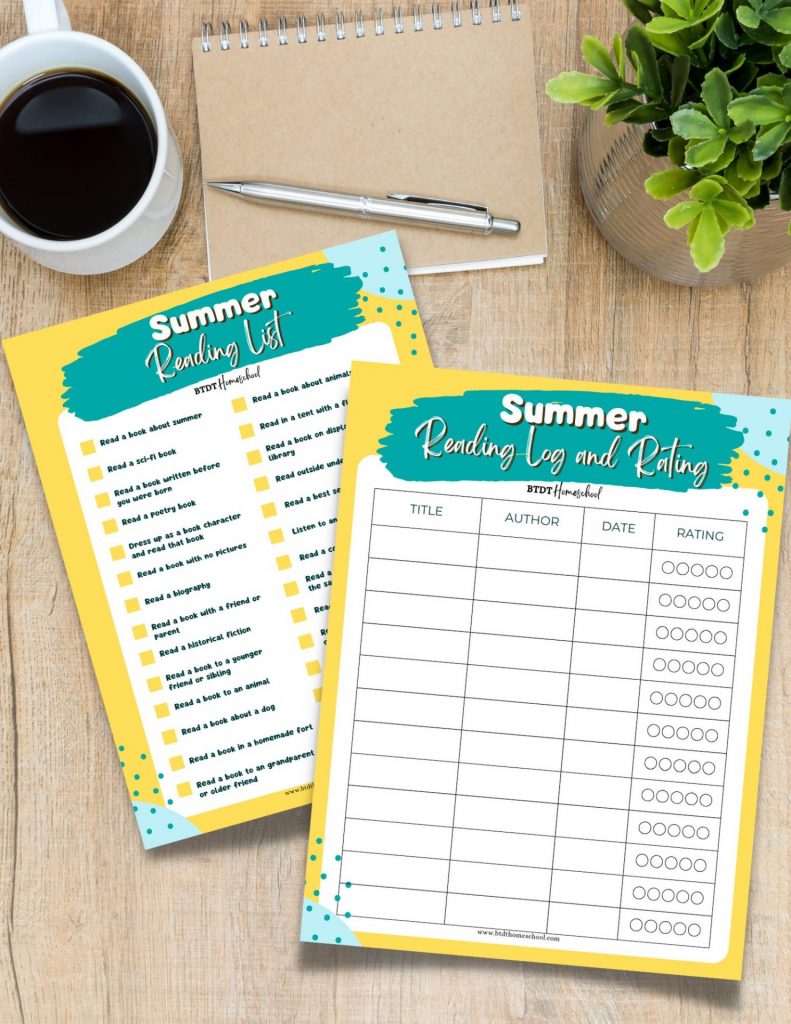
Stay motivated throughout the summer with this FREE Summer Reading Challenge List and Reading Log, complete with a Book Rating column!
Ensure that your kids fall in love with reading and maintain their reading skills by marking off each task on their summer reading list.
For those of you that take the summer off and don’t homeschool year-round, here’s a fantastic method to keep your kids actively engaged and allow their imagination to soar. Regular reading not only fosters a love for books but also helps children maintain and enhance the reading skills that you have diligently nurtured. By encouraging consistent reading habits, we can encourage their joy in reading and ensure that new readers, in particular, retain the valuable skills they have acquired through your dedicated efforts.
To get your kids excited about reading, we’ve put together a winning combination of suggestions that is sure to inspire them. They just may never put the books down! One of our favorites is Calvin and Hobbes:
The new school year is right around the corner! Whether you’re a traditional homeschooling parent or diving into remote instruction for the first time this fall, creating an inviting and inspiring learning space at home is essential.
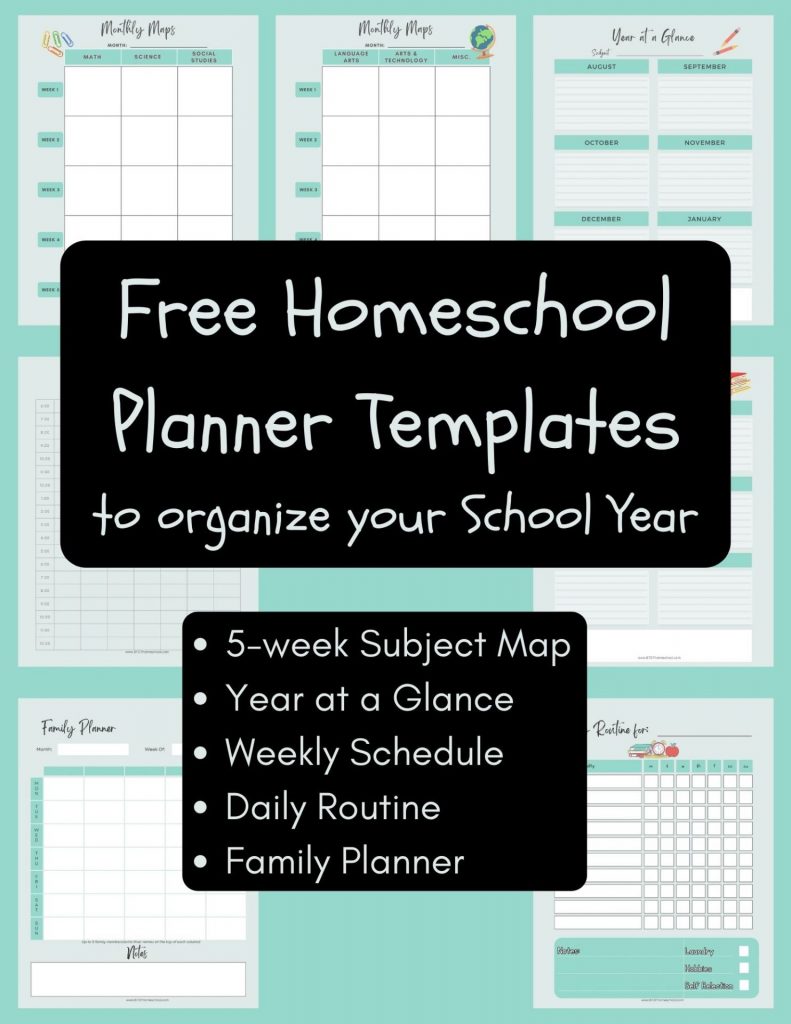
With important decisions to make about curriculum, homeschool schedules (scroll down to download our FREE printable Homeschool Planning Templates), and yearly calendars, the importance of setting up a dedicated learning environment can sometimes be overlooked.
For more tips on setting up your space and planning your homeschool year, visit our page and listen to our podcast episode, “Planning Your Homeschool Year.”
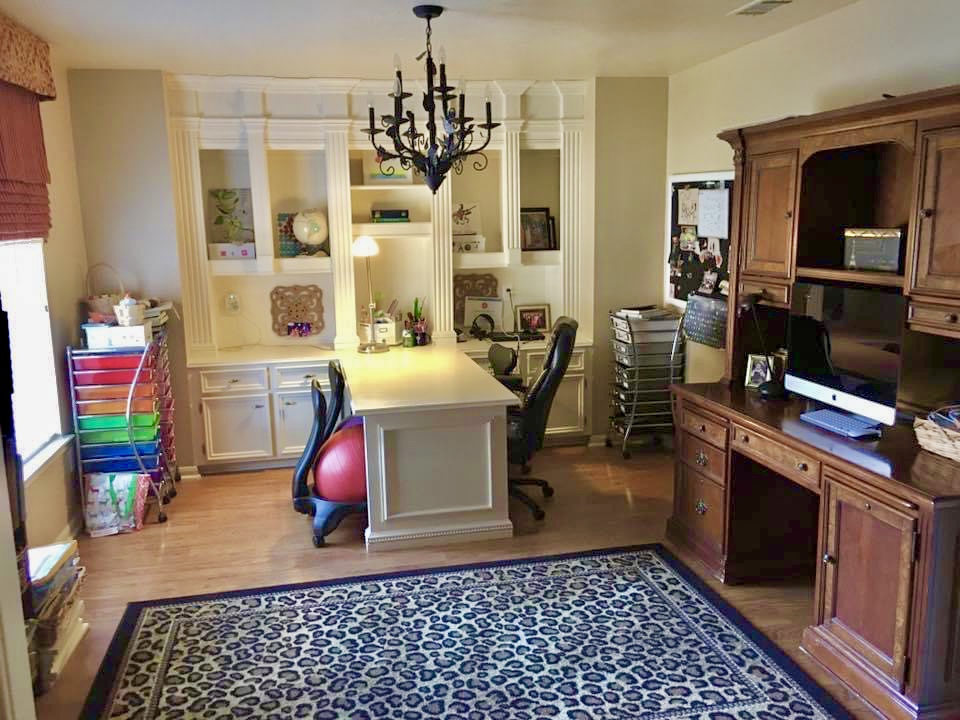
The good news is, you don’t need an entire room or even a large space to create an effective learning environment. If you have a spare room, fantastic! If not, that’s completely fine too. Consider making a room multi-purpose. A playroom can double as a homeschool space, or a rarely used formal dining area can be transformed into the perfect learning hub.
BTDT Homeschool was created with a heartfelt mission: to empower and give back to the secular homeschool community.
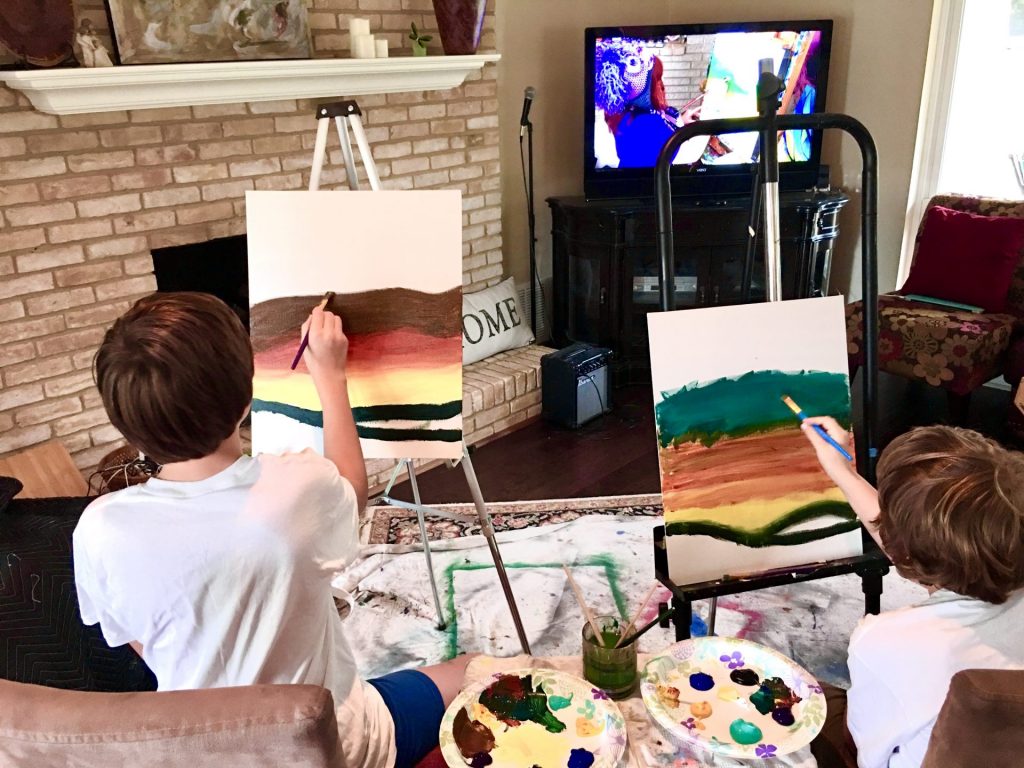
Feel free to transform the area where your learn-at-home adventures take place into an organized and beautiful space. While not essential, many homeschoolers find it both important and fun to create a color scheme. Take your kids to the paint store and explore color ideas together. Involve them in the process! If they’re anything like Our kids, they’ll definitely have some color preferences. Plus, the act of redoing a room can be a learning experience in itself!
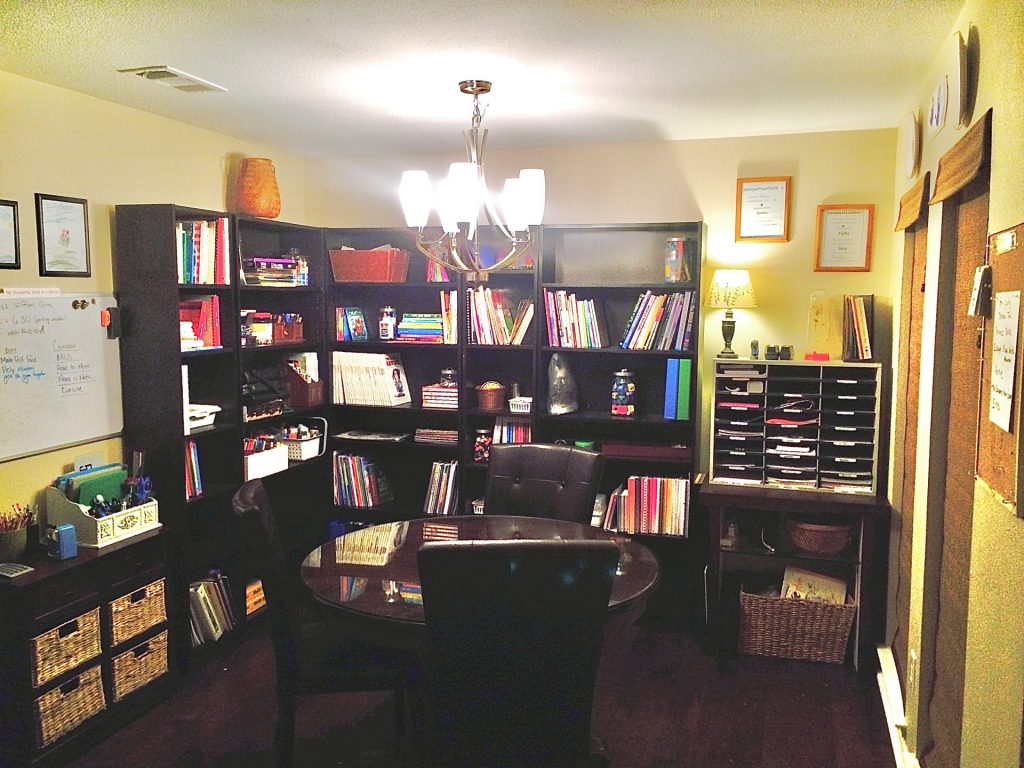
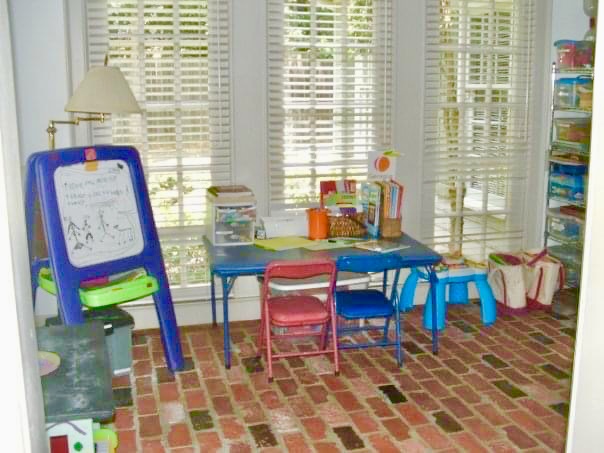
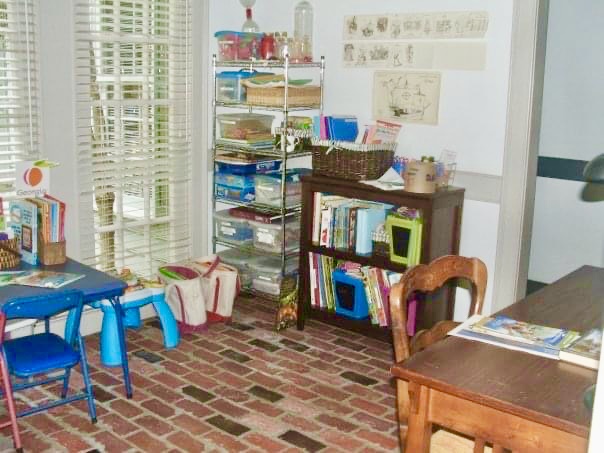
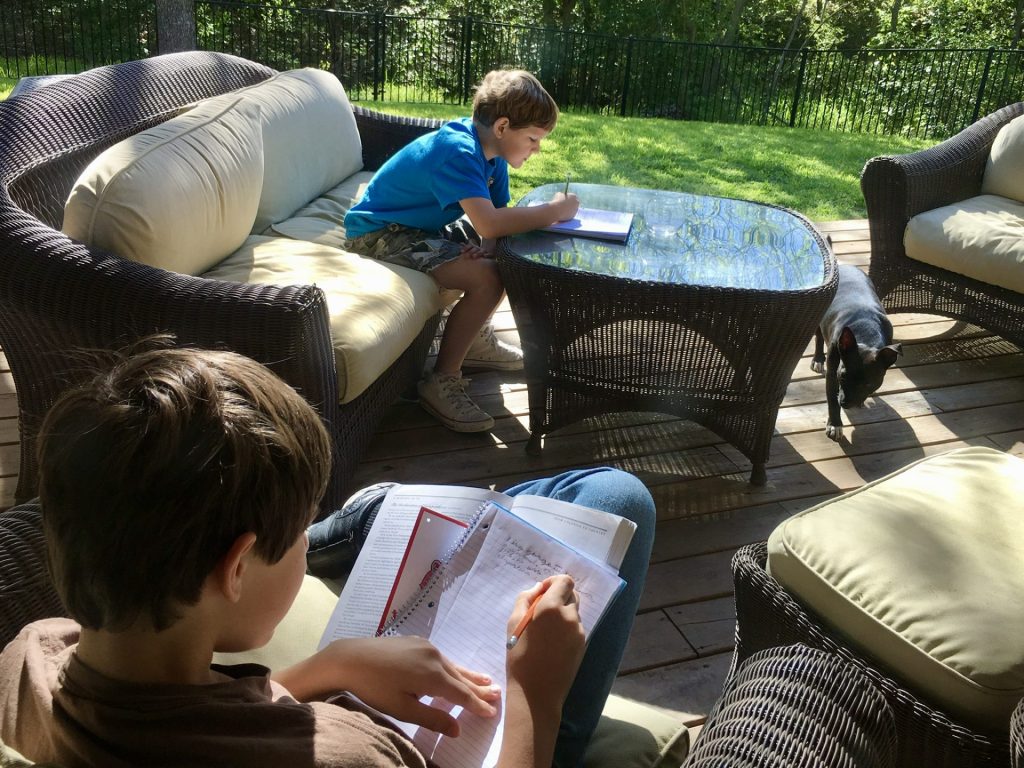
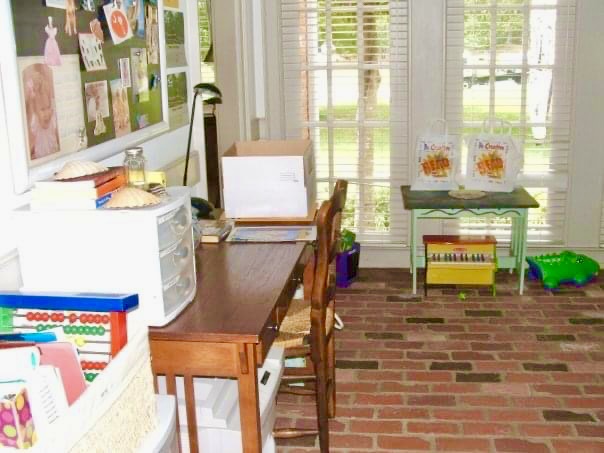
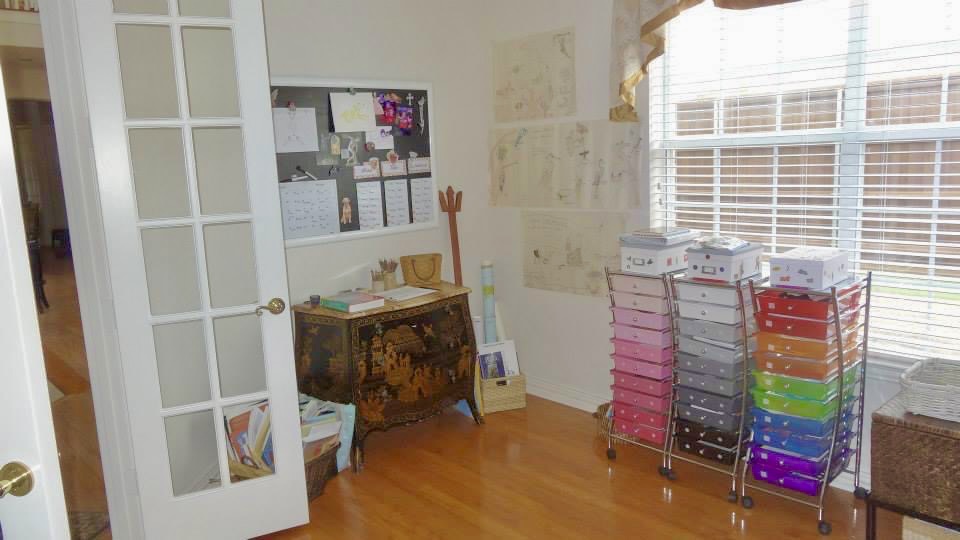
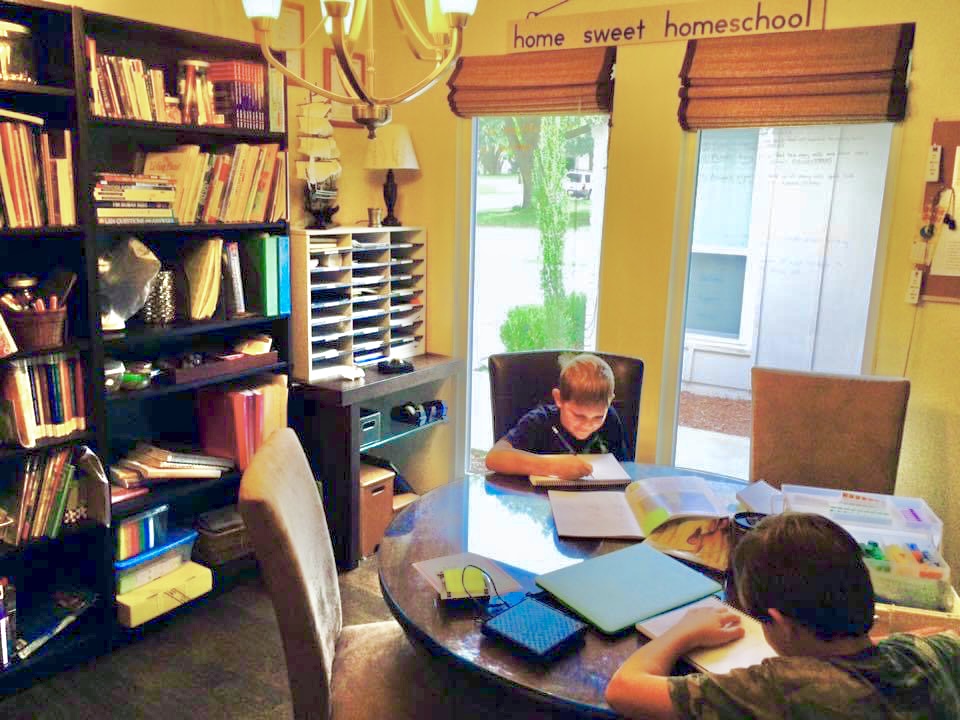
Peek into Nicole and Maria’s Homeschool Spaces Over the Years:
Your homeschool room is your education hub, which means you can keep all books, supplies, arts, crafts, and other activities organized in one place. Be sure to teach your children to clean up after themselves. When they finish a project or activity, be sure it is clear to them where everything goes to make cleaning up easier for them and help you keep your sanity!
With over 30 years of homeschooling experience, we’ve definitely made some bloopers when it comes to building the ideal learning environment for our families. We’ve bought things that were a waste of money (and space). There are also a lot of things we wish we incorporated early on which would have made our lives so much easier.
TOP 25 Homeschool Essentials for you to kick off your school year that you may want to incorporate or keep on hand or in your homeschool space:
1. Desk/Table
Desk/Table: Some kids very much need a workspace to function- so consider if you need a dedicated space for a desk or table that you can spread out on for bigger activities. For many, that may also be your kitchen or dining room table. If your table is doing double function, I recommend having a space nearby for stashing stuff so that your homeschool supplies don’t take over your space.
2. Maps & Posters
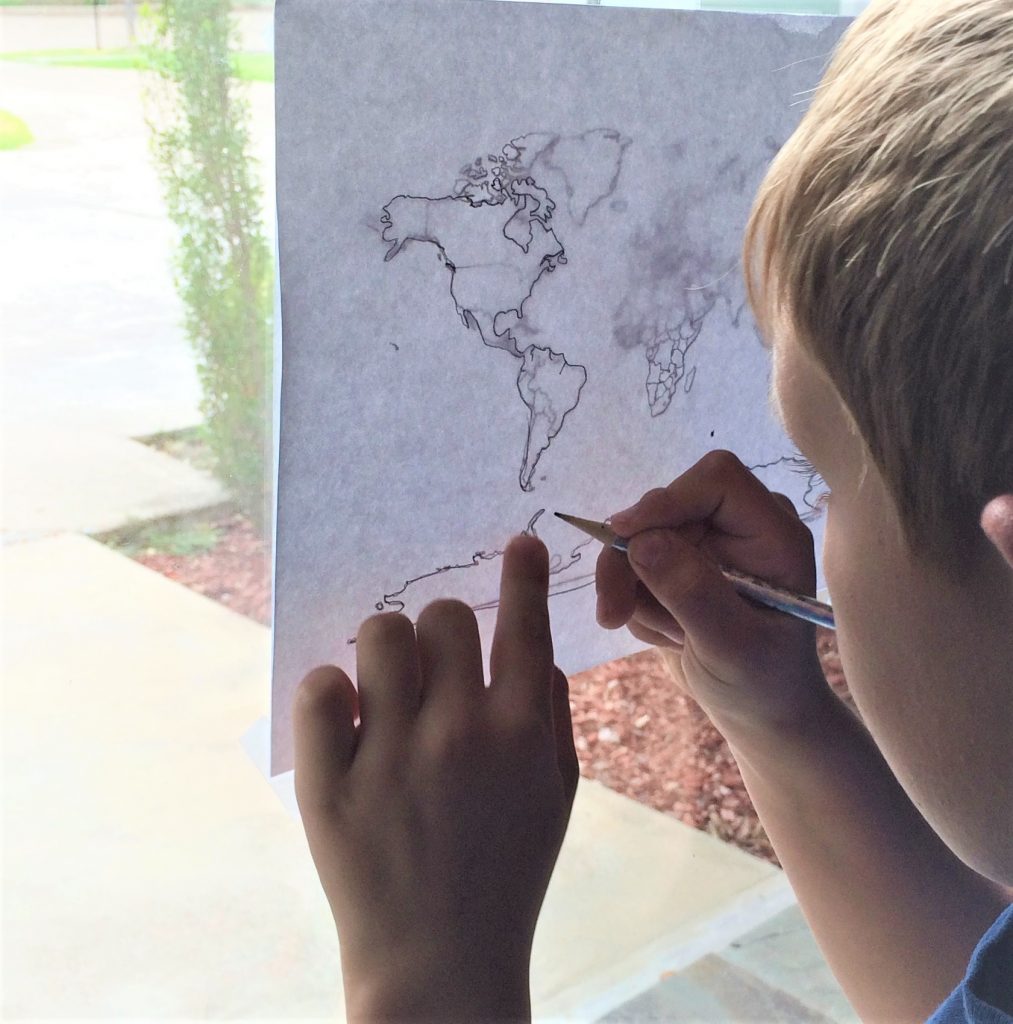
Include a world map, a variety of historical maps, specific country, state, or city map – depending on what you’re studying this year. Framing your map will make it look more attractive on your walls and we’ve also used a wet erase marker on our glass framed maps as reference points.
A globe is an indispensable homeschool essential that you will use more often than you think. So many subjects have ties into geography and you will find yourself reaching for it several times a day. Since I’ve graduated high school, we’ve lost a planet and gained an ocean so be sure to find an up to date globe!
13″ World Globe with Stand, 720° Swivels in All Directions with Stainless Steel Stand
4. Bookshelves
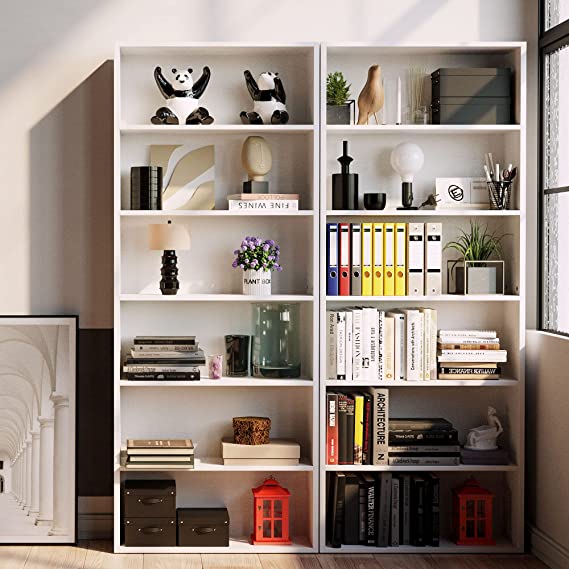
Every homeschool space must have bookshelves. Whether they are used to store art supplies, books, games or other learning materials, shelves are essential to homeschooling organization.
Take a peek at our favorite low-cost Bookshelves. These are an important part of your homeschool space. Organize everything here. Everything should have a home.
5. Storage
Classroom space of any size needs plenty of storage. Rolling carts for supplies, workboxes, built-in cabinets and drawers, or cubby spaces with removable drawers. Baskets and buckets are great for being able to tote your work to other rooms.
Linking cubes, counting bears, games, dice, rulers, compasses, locks, bears, anything really could work as a manipulative. I love this math set with tons of options for supporting our lessons.
Also, consider have math games on hand when you need a break from your curriculum:
Games are a great way to learn math or take a break from boring worksheets. Our TOP MATH GAMES are categorized to help master each math concept with fun! Plus get your FREE Multiplication Wheels
7. Magnetic White Board and Calendar
The calendar board is perfect for everyone to see what’s going on at a glance. Thie large board comes in handy when you are trying to explain a lesson, or your kid want to make silly drawings for you to find!
Magnetic Dry Erase White Board, 36 x 24-Inch: The magnetic feature is a great bonus, allowing me to attach notes and memos directly to the board. However, the included marker and eraser are not up to par and we recommend purchasing higher-quality WET Erase Markers.
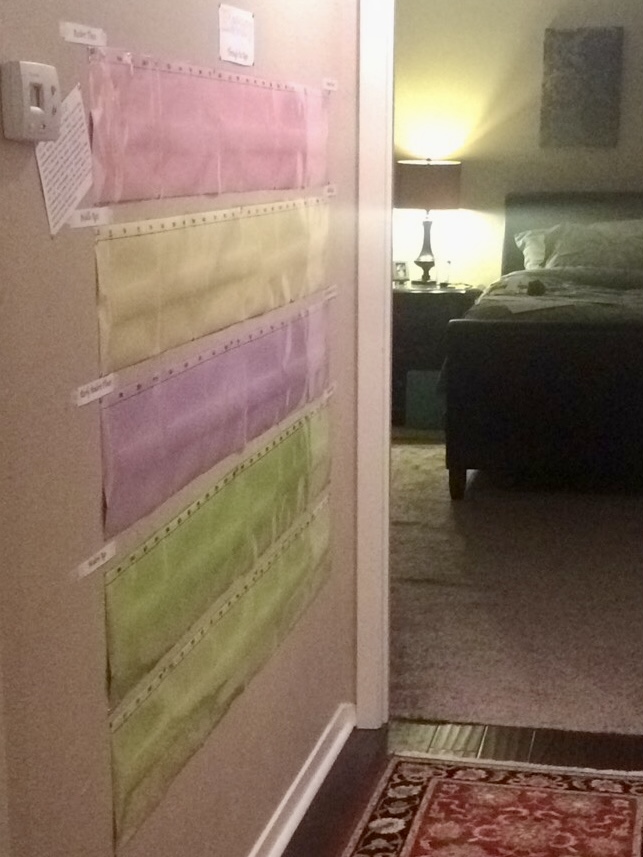
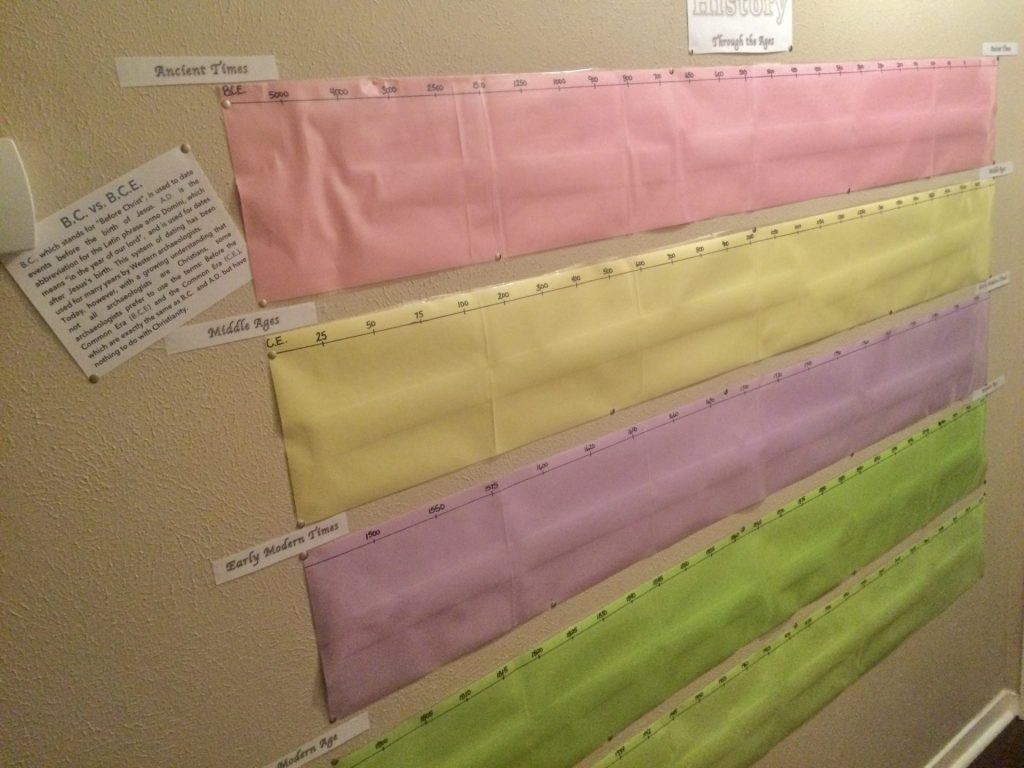
8. Timeline
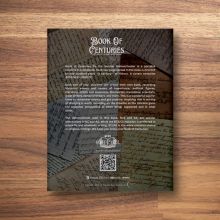
There are so many benefits of using a timeline in your homeschool. It is a powerful tool that can make our lives a lot easier and make history more fun for our kids. If you don’t have the space for an entire timeline wall, many homeschoolers opt to use a Book of Centuries which is a portable timeline you can store on your bookshelf. It can help them visualize how history connects together. Learn more about Timelines and Book of Centuries
Maria’s Homemade Timeline:
9. School Supplies
We always like to keep these necessary supplies accessible. Pencils, tape, sharpie, highlighters, scissors, clipboard, and paper (printer/construction/cardstock/photo)
Whether it’s getting new books to read, resources for a research paper, or literature for read aloud time – the library is the place to be! You can even get free books, media, and resources right to your Kindle for FREE!
I use my printer every single day, so having a good one is a must. I even print photos, like our first day of school pictures, right after I take them!
If you print a lot and are tired of high ink costs, check out the Epson EcoTank. This printer is incredibly reliable and one of the best value options on the market. Plus, printing directly from your phone is super handy!
Even if you are not doing school online, we live in a technology age and having access to it is essential. You can research a topic, put books on hold at the library, download resources, supplement your instruction with a video, teach software and computer skills, and typing. Technology is an essential part of our world.
The HP Stream 11 is a solid cost-effective laptop running Window 11
13. Laminator
Although not essential for some, we use our laminator all the time! For student and teach IDs, special documents, reusable worksheets (use with a wet erase marker!), weekly meal plan, and more! One year, my kids made an elaborate boardgame and laminated all the pieces and it has stood the test of time. The Scotch Thermal Laminator, 2 Roller System is a great cost-effective choice for everyday or occasional use.
14. Wet Erase Markers
Despite all the talk about dry erase markers, I find them incredibly difficult to wipe off laminated sheets or pockets. I prefer wet-erase markers; with a damp cloth, I can wipe them off completely clean.
There is all this talk about dry erase markers, but I find them incredibly difficult to wipe off laminated sheets or pockets. I prefer WET ERASE MARKERS that way, I can wipe them off completely clean with a damp cloth.
15. Electric Pencil Sharpener
You won’t regret getting one of these. From regular #2 pencils to colored map pencils, a Bostitch electric pencil sharpener will save hours of your life (and sanity!)
16. Art Supplies
We always like to have accessible items to inspire art projects and creativity. Art supplies like different mediums, beads, playdough, colored pens and pencils, markers, crayons, paints, collage supplies, glue, pipe cleaners, popsicle sticks, tape, or any other supplies for specific projects complement your studies.
We love our Rolling Utility Cart with Hanging Cups & Hooks! Another thing we use every single day. You can use it as a portable art creation station or fill it with your kid’s favorite art and craft supplies or use it as a morning cart with your start of the day activities read-alouds and more. I like to rotate things in and out of the cart regularly and the kids are always excited to see what’s in the cart every morning.
18. School Activity / Art Display
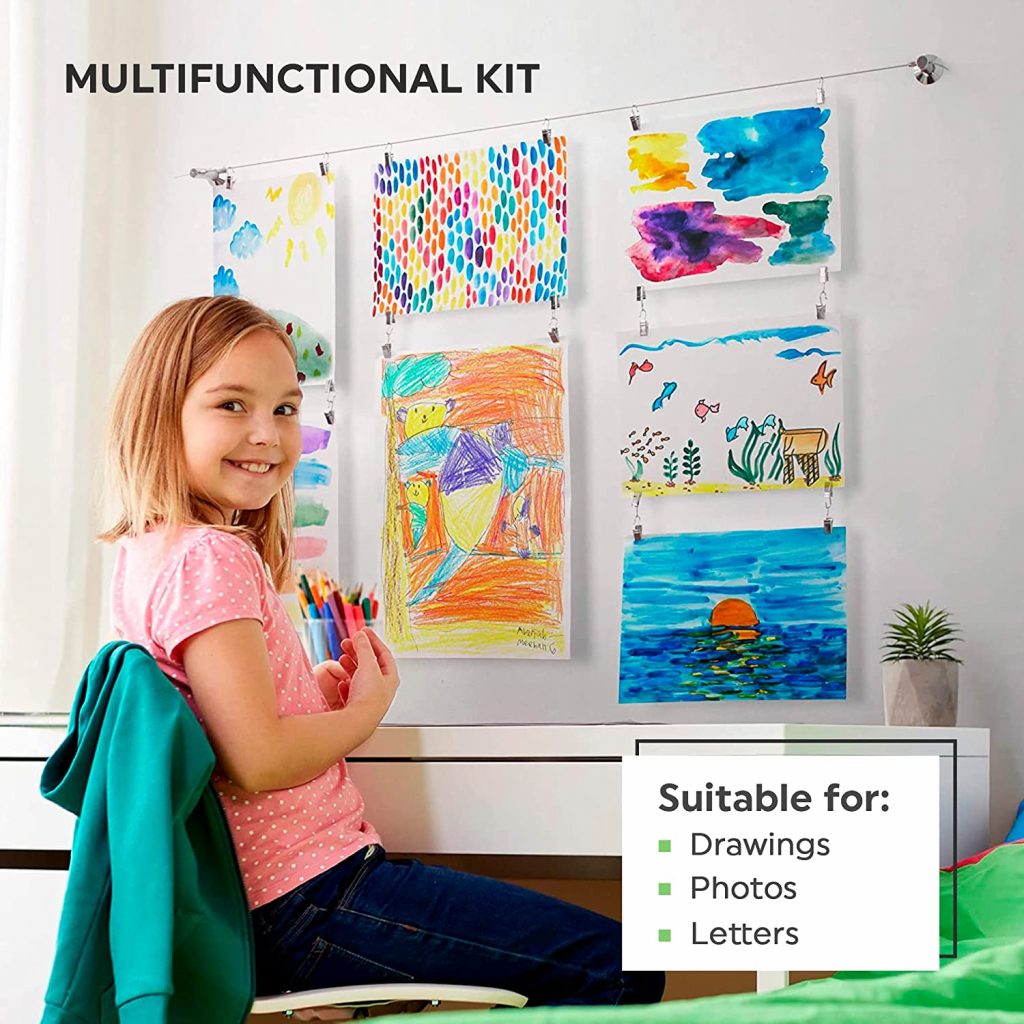
Both you and your child will want to see their work recognized and cherished, making the Kids Artwork Picture Frame with Hinge a must-have. We love this frame and the ease of changing out their creations. As you dive into your homeschool year, you’ll quickly find that assignments and projects can take over your house. Display the current creations and replace them when new ones are made. (Psst… keep a bin in a closet or the garage to store them after display, and go through the bin at the end of the year).
Science tools like saved nature items, resources guides, and items for experiments and STEM learning like this Microscope Kit and Binoculars made for kids. Spark your children’s curiosity and imagination by creating an environment filled with hands-on exploration. How do you ignite a love and wonder for STEM in your homeschool? What are our favorite experiments? How do you create young critical thinkers? There are a lot of ideas and supply suggestions in our Hands-On Science Ideas Page. Plus, get 3 FREE Science Freebies!
20. School Supply Organizer
As you start to gather all of your school supplies, you are going to need a functional place to store and use them. This Desktop Storage Caddy is our favorite.
21. Bluetooth Speaker
Whether it’s playing music, listening to an audio lesson, or listening to your literature book while you multi-task and tend to the baby or prep dinner, having a speaker to play from your phone is very handy. This Anker Bluetooth Speaker is a favorite that packs a lot of punch without the high price tag!
22. Headphones
Sometimes, while you’re working with one child, another might be working independently on an online math or foreign language lesson or listening to music. This can sometimes disrupt other activities in the same space. Interestingly, some children focus better with music, even when it’s loud! I’m always surprised by how my kids can listen to loud music and still concentrate better.
These Sony Headphones come highly recommended by my daughter’s music appreciation professor. They offer excellent sound quality at a fraction of the cost of similar headphones! Under $20 – on sale now!
23. Accessible Outlets and Chargers
Make sure you have plenty of places to plug things in, maybe a charging station set up so that if you are using a device, it is not dead on arrival. Nothing is worse than sitting down for an online resource and find out the battery is out. This 7-Port USB 3.0 Hub, IVETTO Data USB Hub Splitter has allowed us to charge everyone’s device at the same time at our designated “charging station”.
24. Comfy Seating
Whether or not you have room space, consider a cozy corner for reading. Maybe some fun/comfy seating, or a large fluffy rug. Our Gaiam Classic Balance Ball Chair was a favorite with not only my kids but all their friends when they came over too! Bean Bag Chairs are always a cozy reading spot for kids.
25. Curriculum that fits your family
For most homeschool families, solid curriculum is one of most important homeschool essentials. It’s important to remember that there is no “one size fits all” for every homeschool and I would caution you if someone is promising the “perfect” curriculum. You have to consider your children – how do they learn best? What is your homeschool Philosophy? What about your own personality/teaching style? Learn more about choosing the right fit: 7 STEPS TO CHOOSING CURRICULUM:
This is a fun experiment for all ages. We first did it when my kids were 3 & 6 years old! We love science and STEM activities and this was one of our favorite science experiments. We loved how the cornstarch mixture became a solid and a liquid at the same time. This classic oobleck science experiment is always a hit for kids, and makes the perfect quick science experiment!
What does non-Newtonian mean?
All fluids have a property known as viscosity that describes how the fluid flows – commonly thought of as how thick or thin a fluid is. For instance, honey is much more viscous than water. When a fluid’s viscosity is constant, it is referred to as a Newtonian fluid. Oobleck is an example of a fluid whose viscosity is not constant; it’s viscosity changes depending on the stress or forces applied to it. If you poke it with your finger and apply a large force, it becomes very viscous and stays in place. If you gently pour it, applying little force, it will flow like water. This kind of fluid is called a dilatant material or a shear thickening fluid. It becomes more viscous when agitated or compressed.
Another non-Newtonian liquid is ketchup. Ketchup behaves in the opposite way from Oobleck. You could even call it the “anti-Oobleck.” It becomes less viscous when agitated. Liquids like this are called shear thinning liquids. If you leave a bottle of Ketchup on a shelf, it becomes thicker or more viscous.
You’ll love how much fun it is to do with kids, and kids will love how messy it is. Since the experiment is messy, it’s best to do it outside, or use a drop cloth like we did.
Science is a logical system for exploring our world. Each science experiment should include:
Question: Kids should start every science experiment with a question, even if that question is just “what will happen?”
Experiment: This is where the fun part comes into play. Test the hypothesis to determine if it answers the question fully.
Recording and Analysis: As the test is completed, record what happened. Why did that happen?
Retest: Try different variables and try a new test to see if the original answer is confirmed or disproved. Every variable should be tested more than once.
Cornstarch Experiment Explanation
Cornstarch and water mixed acts both like a solid and a liquid. Cornstarch and water is a suspension mixture with a solid dispersed into a liquid. When you press the mixture quickly, the starch molecules close together.
This causes the water to get trapped between the starch chains and create a semi-rigid structure. When you press slowly, this starch chain “block” doesn’t happen and the mixture flows like a liquid.
Because the viscosity of the mixture changes with force rather than heat, the cornstarch mixture is known as a non-Newtonian fluid. Slime is another fun non-Newtonian fluid. Another favorite!
How to Make Your Non-Newtonian Fluid with Cornstarch
Mix the corn starch and the water together at a ratio of about 10 parts starch to 1 part water.
Start the mixture by adding about ½ of a cup of cornstarch to about 1 cup of water.
Play with the mixture until it reaches the consistency that you want. You’re aiming for a texture that is runny when relaxed, but still firm enough to seize up when they hit the mixture.
Watch Our Video Experiment
What’s Happening
The corn starch mixture (oobleck) will be moved about as the speaker vibrates. Some parts of the speaker will vibrate much less than others (may even be stationary) and the particles which land there will stay there, once they have landed. So you get a build up of particles in the so-called nodes (where there is node displacement) and very few particles in the antinodes because they are constantly being kicked into motion. So, you can see the pattern of the standing waves on the speaker. It’s a bit like the effect on a windy day, when leaves and rubbish find themselves in sheltered spots and are constantly being removed from the middle of the road, where the wind is strongest. A ‘good’ loudspeaker unit should not have resonances and should, ideally, move backwards and forwards like an ideal piston – that’s why they are made with a conical shape which gives them strength even though they are very light.
In addition to being a non-Newtonian fluid, Oobleck can be called a heterogeneous mixture. Usually one of two things happen when you mix a solid and a liquid: the solid either dissolves or it separates from the liquid. You have seen this before. For example, if you mix salt with water the salt disappears—it completely dissolves such that the water and salt can no longer be separated. Such a mixture is called a homogeneous mixture, or solution. In contrast, heterogeneous mixtures are not uniform in composition. If you mix particles larger than 1μm, such as sand with water the sand does not dissolve. After you stop mixing the sand eventually settles to the bottom of the container—it separates from the liquid. A heterogeneous mixture with suspended particles large enough to settle down to the bottom of the container upon standing (usually >1μm) is called a suspension. In the cornstarch-water mixture individual tiny particles of cornstarch are suspended throughout the water. The cornstarch pieces are very tiny, with an average size of 1500 nanometers in diameter. (A nanometer is very small — a human hair is about 100,000 nanometers wide!) In Oobleck, the cornstarch pieces are evenly spread throughout the water. These particles are so small that you cannot see them with the naked eye. Suspensions with dispersed particles smaller than 1μm are called a colloid, which means that the particles are so small that they cannot be separated from the mixture anymore. They won’t settle upon standing and can’t be filtered out. Although a colloid looks like the liquid is all one thing, you can see under a microscope that it is actually a mixture of particles suspended in a liquid.
Having the right particle size is important for making a colloid. If smaller particles are used, they will dissolve in the water and not be visible, even with a microscope. For example, think of how sugar dissolves in water, making a homogenous solution. On the other hand, if larger particles are used, such as grains of sand, they will not dissolve in the water. Instead, they separate from the water, and are so large that they form a heterogeneous mixture of particles that can be seen with the naked eye. Some particles are just the right size to make a colloid with water. Depending on the particle size of the cornstarch you used in your experiment, you either made a colloid or a suspension. You can easily find out by letting your cornstarch-water mixture sit for some time. If the cornstarch separates from the water, the cornstarch particles are large enough to settle down, which means you made a cornstarch-water suspension. If you do not see any separation at all, you have made yourself a colloid!
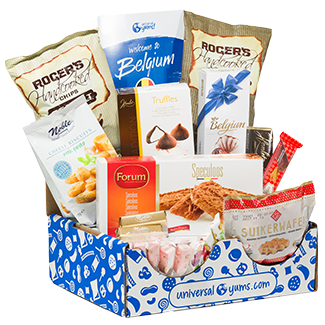
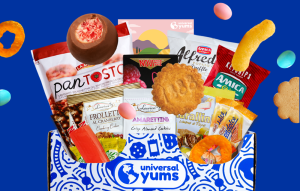
Universal Yums is a subscription service that delivers a box of snacks from a different country to your doorstep every month. The company was founded in 2014 with the goal of providing customers with a unique and fun way to explore different cultures and cuisines from around the world.
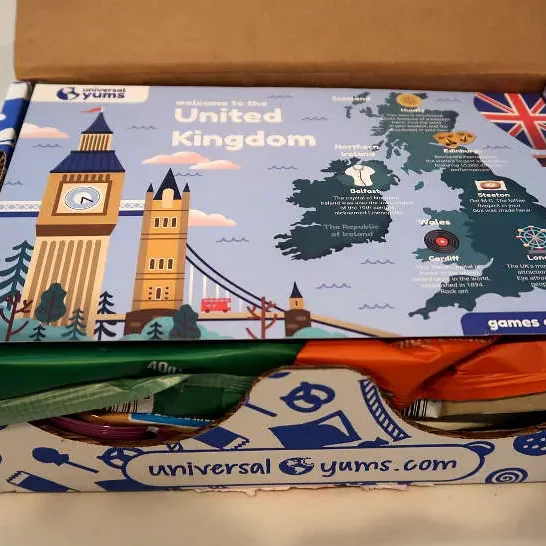
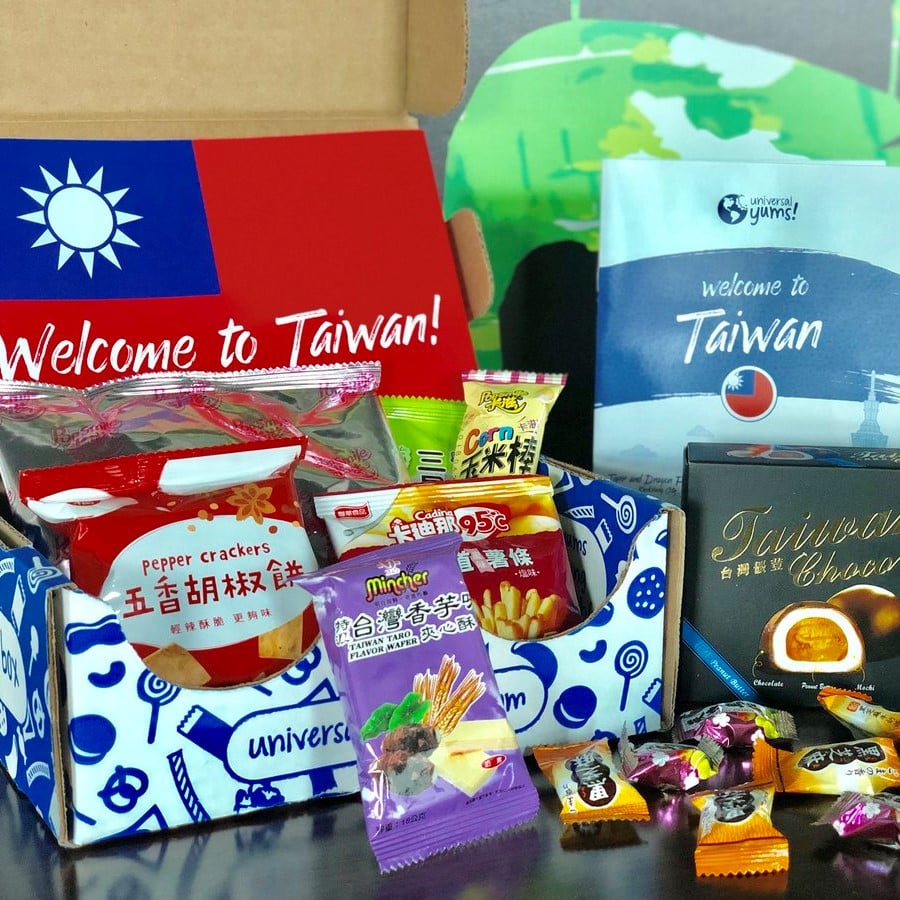
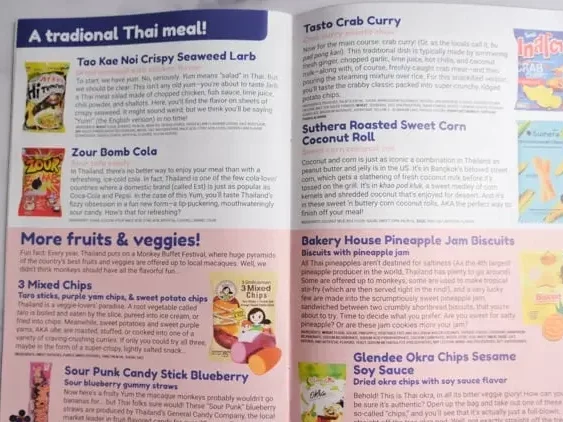
Each box contains a variety of snacks, such as chips, candy, and cookies, as well as a booklet that provides information about the country’s culture, history, and food. It also contains games, trivia, and recipes to continue learning about the culture.
They also include a booklet of information about that country. The booklet is full of fun facts, recipes, and reasons why each treat was included in the box. It’s easy to build an entire UNIT STUDY around each country – and the kids love getting to “travel” from home!
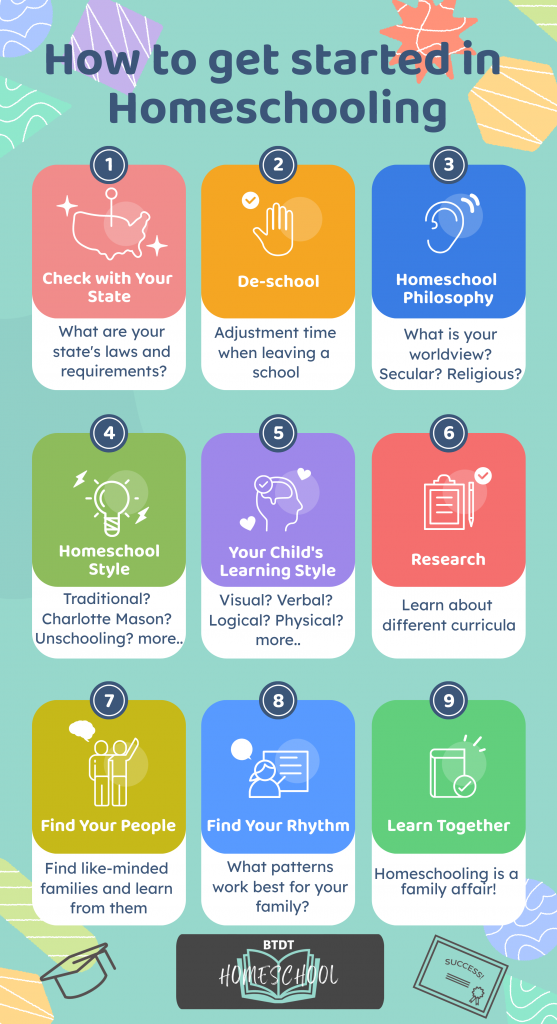
If you are brand new to homeschooling, be sure to visit the Getting Started Page
Why Is It Important To Learn About Different Cultures?
We love incorporatingUniversal Yums in our social studies and as we learn about geographical regions. Learning about different cultures is important for several reasons:
It gives our children an appreciation of diversity: Learning about different cultures helps us appreciate the diversity of people, beliefs, and traditions that exist in the world.
It improves communication and understanding: Learning about different cultures helps us understand the perspectives and experiences of people from different backgrounds, which can improve communication and understanding.
It allows for cultural competence: Cultural competence is the ability to understand, appreciate, and effectively interact with people from different cultures. Learning about different cultures can help us develop this important skill.
It gives a greater understanding of global issues: In a globalized world, knowledge of different cultures and languages can be an asset as your children explore many careers, especially in industries such as travel, international business, and diplomacy.
Personal growth: Learning about different cultures can broaden our horizons and help us see the world from different perspectives. It can also challenge our assumptions and biases, promoting personal growth and development.
I am a huge fan and thrilled with the added learning, enthusiasm, and experiences that Universal Yums has added to our homeschool. Try it for your family:
You won’t have to worry about forgetting your passport with Universal Yums. You’ll receive a delivery of snacks and candy from a different country, paired with plenty of information about what’s in your box. You’ll snack like a local, enjoying offerings from all over the globe.
There are several great things about Universal Yums that make it perfect for your homeschool and teaching your child to be a global citizen:
Unique snacks from around the world:Universal Yums delivers a variety of snacks and candies from different countries each month, allowing subscribers to try new and unique foods that they might not be able to find in their local stores.
Discovery of new cultures: With each box, Universal Yums includes a booklet that provides information about the featured country’s history, culture, and food traditions, giving subscribers the opportunity to learn and explore different cultures.
Surprise and excitement: Each box is a surprise, as subscribers don’t know which country’s snacks they will receive until they open it. This element of surprise can add excitement and anticipation to the subscription.
Personalized experience:Universal Yums allows subscribers to customize their subscription by choosing the box size, delivery frequency, and preferences for certain types of snacks.
Community and social interaction: Universal Yums has a large and active online community, with social media groups where subscribers can share their thoughts and opinions on the snacks they receive, as well as interact with other subscribers from around the world.
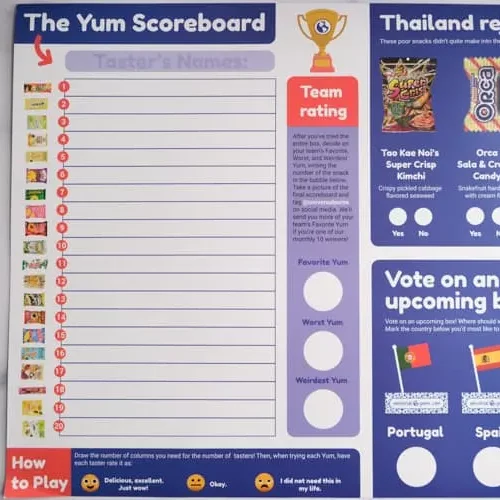
As we taste each snack, I read the information about that particular treat from the booklet to my children. We all have very different opinions about how much we like each snack, and we record our opinions on the back of the included map, on a scale of 1-3.
PROS
Original Snacks: The diversity of snacks was quite impressive. There is a nice mix of sweet and savory bites and unusual flavors. The snacks are also difficult to find in the US making the experience special and memorable. Even in the smaller Yum snack boxes, we really appreciated the full-size snacks in each box. The flavors and textures are a treat for the taste buds.
Cultural Immersion Booklet: The booklet in each snack box is surprisingly detailed and rich with fun facts, games and recipes. The stories behind the snacks are fascinating and the nutritional information is also helpful. You not only enjoy the tasty snacks but also learn about the history of the country featured.
Easy and Simple Ordering: The ordering and shipping process on the Universal Yums website is simple and pain-free. The website is easy to navigate and placing your order is clear and straightforward. We went with the month-to-month option, and it was easy to order and cancel the snack subscription box.
Order individual Snacks from the Yum Shop: We love the new and improved Yum Shop. If you’re a fan of a snack from a particular country, you can buy it directly from the Universal Yum shop. You can also shop for best selling items and get extra discounts on featured snacks. The snacks in the shop change regularly, making it a great place to check for unique snacks.
Free and Fast Shipping: Shipping for all the boxes is free in the USA. We were quite impressed with the fast shipping and delivery of the snack boxes. If you are shipping internationally you will pay a small shipping fee and you can see the pricing on the Universal Yums website. In either case, you will be able to track your snack box shipment online.
Ingredient Transparency: Ingredients and nutritional information is listed in the booklet (in English). Common allergens are bolded.
Responsive Customer Service Support: We found the customer service team to be very helpful.
Easy process: ordering and cancelling your subscription is easy to do. Website clearly laid out.
Discount: Discounted rate if you purchase an annual subscription
Gifting: Customer service makes it easy to buy a gift subscription for a friend or family member.
CONS
Snacks Do Not Accommodate Food Allergies Or Dietary Restrictions: The snacks provided in each of the boxes are not tailored for food allergies or dietary restrictions.
International Shipping Costs: As mentioned earlier, Universal Yums only offers free shipping within the USA. For international shipments, plan to pay a small shipping fee.
Can’t order previous boxes: You can’t order an entire previous box, but you can order individual items from their Yum Shop.
Travelling the world with Universal Yums starts by choosing your subscription. Boxes come in three sizes: small boxes of 5-7 snacks, medium boxes of 10-12 snacks, or the large box with 18-20 snacks.
1. Start
Sign Up and get started with a subscription and receive boxes each month until you cancel. Or, give as a gift. You can’t go wrong!
2. Ship
Your first box will ship by the date listed in the sign-up process. Future boxes will ship by the 15th of each month.
3. Snack
Receive your box of Yums and go on an unforgettable adventure! Feeling full? There’s a one-step cancellation process.
Before we first open the box, my kids guess which country they think it might be from. When they discover the country, we locate it on the world globe and share all of the facts we already know about the country!
I like to sneak a peek and see what country is heading my way.
I like to do this to have further reading and understanding and make it an entire unit study about the country when receiving our box!
In your box you’ll receive the snacks, a booklet with relevant information and nutrition facts, and the larger boxes come with bonus trivia, recipes, and more.
The countries rotate every month!
Holiday Theme – try holiday snacks from multiple countries!
We’ve even received a Halloween Trick or Treat Tasting game box!
Spain, Scandinavia, Italy, UK, Taiwan, Turkey, and more!
Universal Yums offers different subscription plans, and customers can choose to receive boxes from a specific country or opt for a surprise country every month. The cost of Universal Yums subscription boxes varies depending on the box size and delivery frequency selected.
Pricing options:
Universal Yums pricing is determined by the size of the box you order, and whether you choose to pre-pay for a whole year or just one month at a time. Shipping is always free in the US.
One the company site, you can find examples of past Universal Yums boxes along with the top contents of each box. The snacks are listed in the categories of “Best,” “2nd Best,” and “Weirdest.” Universal Yums snack boxes feature all sorts of snacks that you can’t find in the U.S. Here is a review of some of the top picks:
Italy Box. The Italy snack box contained treats like Black Truffle Potato Chips, Lemon Pepper Taralli, and Amarettini Cookies.
Ukraine Box. Ukraine’s box featured snacks such as Cheese Curd Waffles, Potato and Onion Sticks, and Chocolate Pizza.
Spain Box. The best foods from the Spain box were Spicy Mango Gummies, Caramel White Chocolate, and Cocoa Truffles.
Turkey Box. The 2019 Turkey snack box had favorites such as Carrot and Pistachio Turkish Delight, Spice Crackers, and Mosaic Cookies.
France Box. The France snack box had important items from French culture such as Strawberry Chews, Raspberry Swirl Cake, and Sea Salt Chocolate.
I feel the Universal Yums subscription box was well worth the price, for the variety of items, ease of ordering, and the booklet, which provided interesting and useful information. Especially if you live in the USA.
Teach your kids about different cultures with Universal Yums!
As a single mom on a strict budget, we buy the small box as a to have only a taste of each item among my family of 3. Larger families should consider the large box since it will accommodate more family members but also, each child is bound to find a new favorite food! The large box includes an expanded 16-page booklet with information, trivia and games. It also includes bonus content like recipes, which I incorporate into your homeschool. On a budget, I would head to the library and check out books to expand learning about that month’s country and culture.
Universal Yums also offers gift boxes and multi-month subscriptions, which can offer a slight discount compared to monthly subscriptions.
We find that the cost is a huge savings of time and money because if I took the time to shop for foods from specific countries, I know it would cost more locally.
Try out Universal Yums and have your own family Facts & Snacks Day:
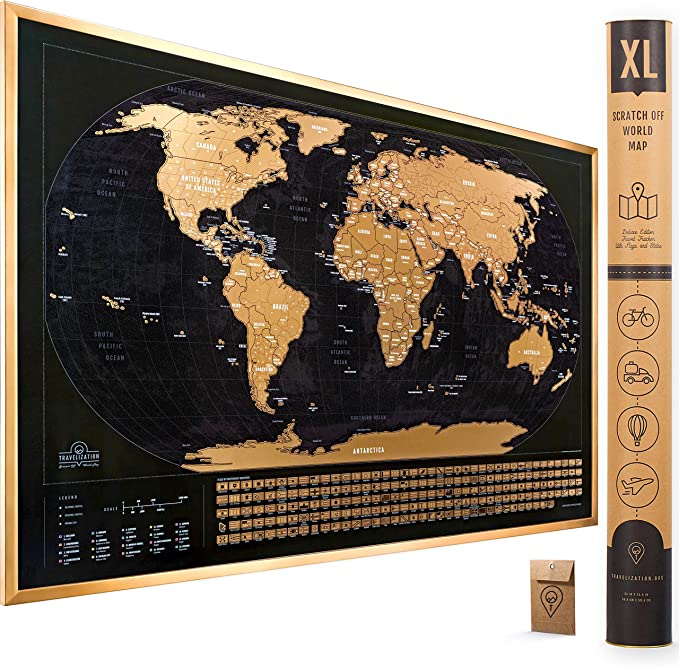
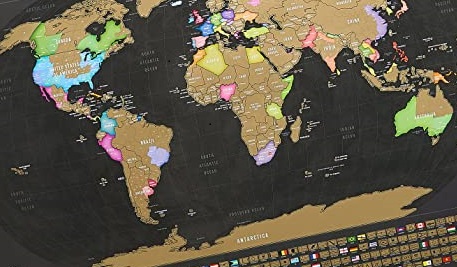
Universal Yums is educational in and of itself, but by sprinkling some of favorite geography resources, the kids can’t help but have fun and learn more! Our favorite resource to pair with Universal Yums is this Scratch-off World and Flag Map:
The kids can take turns with this one, too. Each month, one child can scratch off the country while another child gets to scratch off the flag.
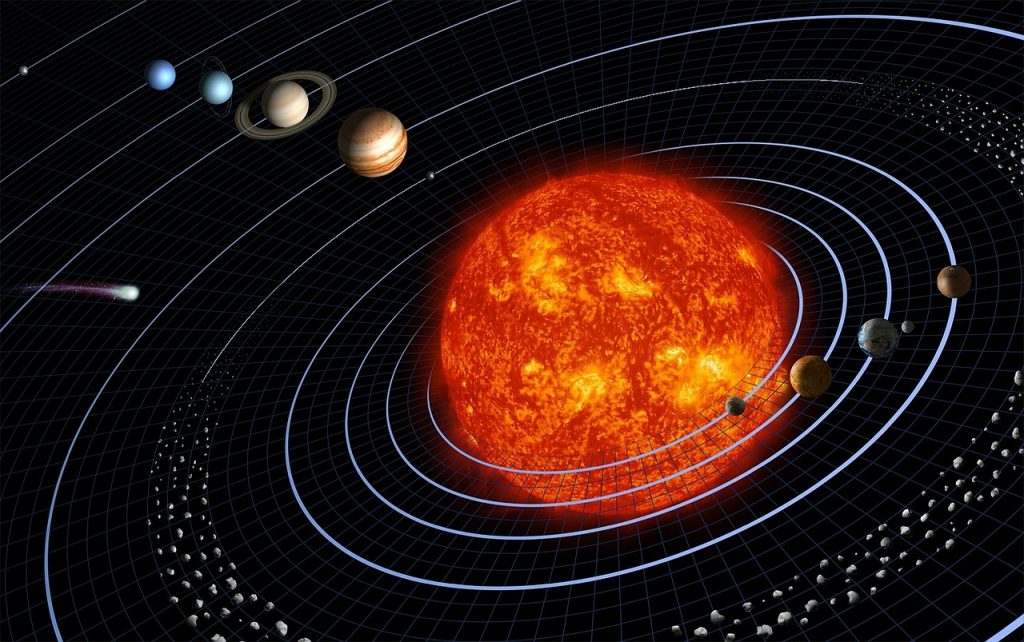
Learn about distances in our solar system by taking an interplanetary hike!
Distances in the solar system are huge! The distance from the Sun to Neptune is nearly three billion miles (four billion kilometers).
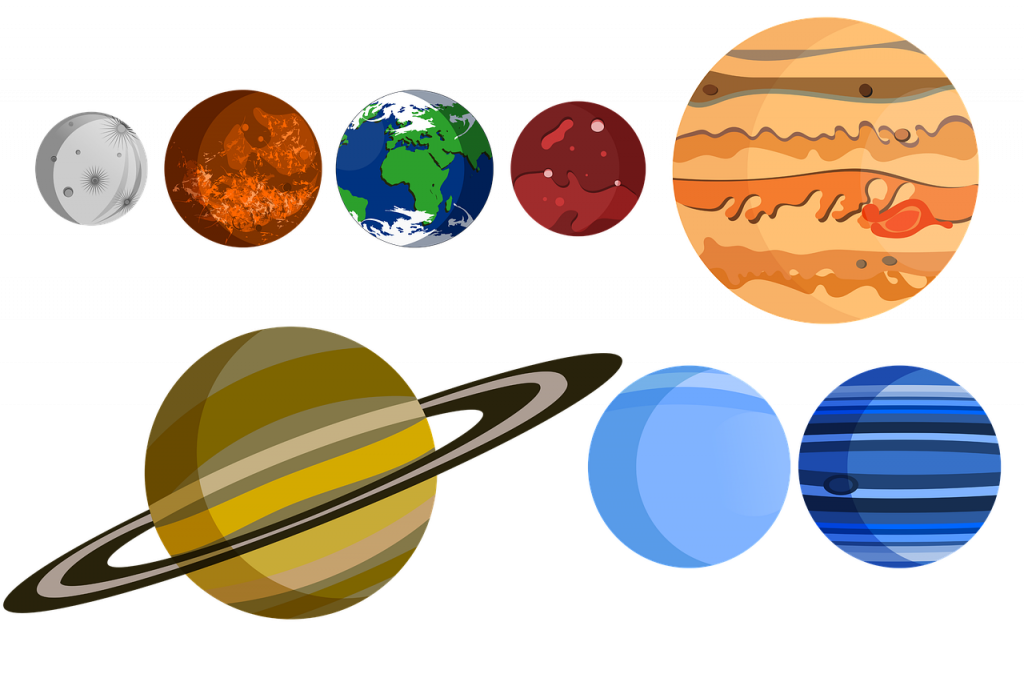
It’s not just the distances between planets that are large. There are also huge differences in the size of each planet. Because of this, it can be difficult or even impossible to display both planet size and distance accurately, especially in smaller scale models like an image.
Before I created my own Celestial hike printable, this was how we did this astronomy lesson in our homeschool:
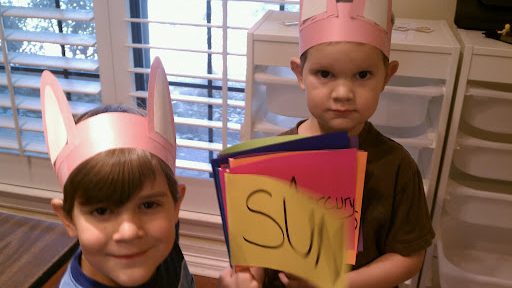
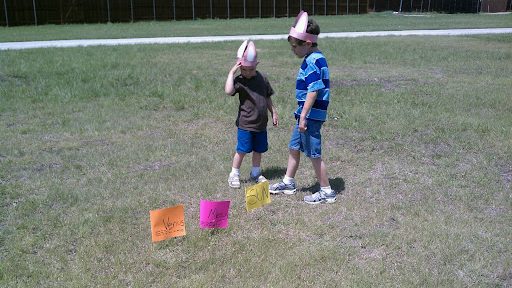
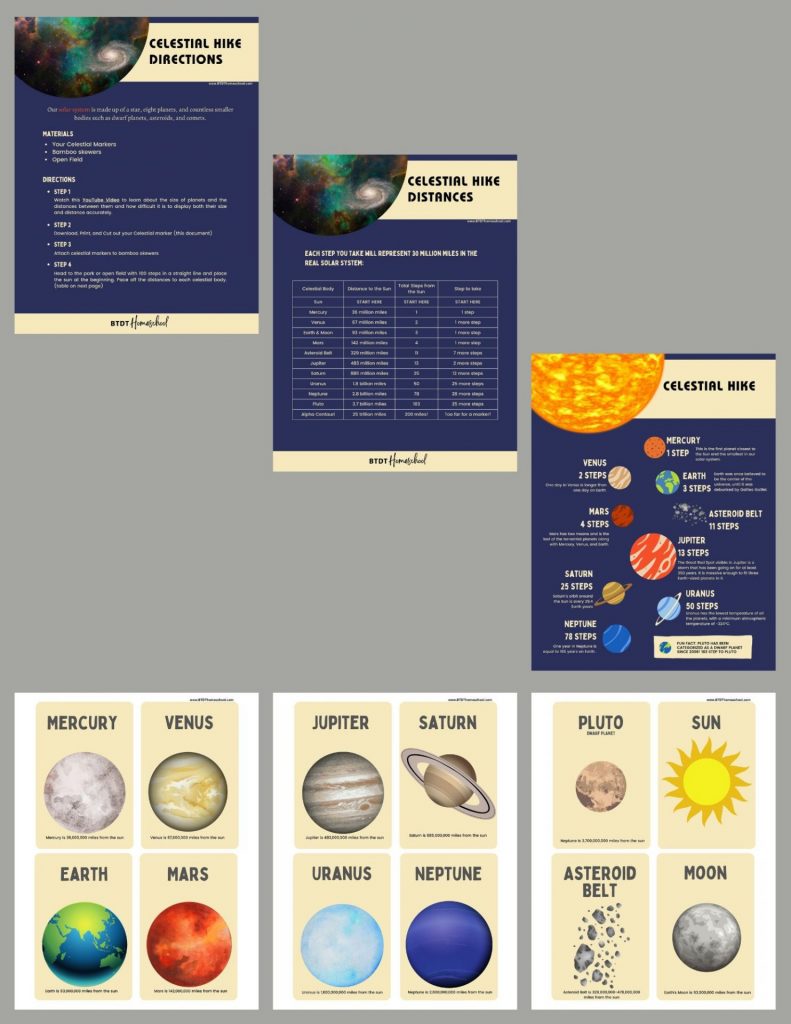
After making Easter bunny ears, we explored the solar system by walking through a scale model of it. I made flags with construction paper and bamboo sticks. The flags represented the sun and the planets. From the sun, the 36 million miles to Mercury was represented by 1 step, the 67 million miles to Venus was represented by 2 steps, etc. After walking the 103 steps to walk all the way to Pluto (yeah, yeah…I know Pluto is now a dwarf planet), my oldest was shocked to find out Alpha Centauri would be 200 miles away. I put it into perspective and talked about the distance to the grandparent’s house. I think my kids got the point!
If you are brand new to homeschooling, be sure to visit the Getting Started Page
Now it’s your turn for a Celestial Hike!
Let’s explore the solar system by walking through a SCALE MODEL of it.
Through completing this lesson, your child will gain an appreciation of the vastness of distances between the planets. You can also compare these distances to the greatest distances that humans have ever traveled.
Watch this 2 minute YouTube Video to learn about the size of planets and the distances between them to see how far they are from each other, how they differ in size, and how difficult it is to display both their size and distance accurately.
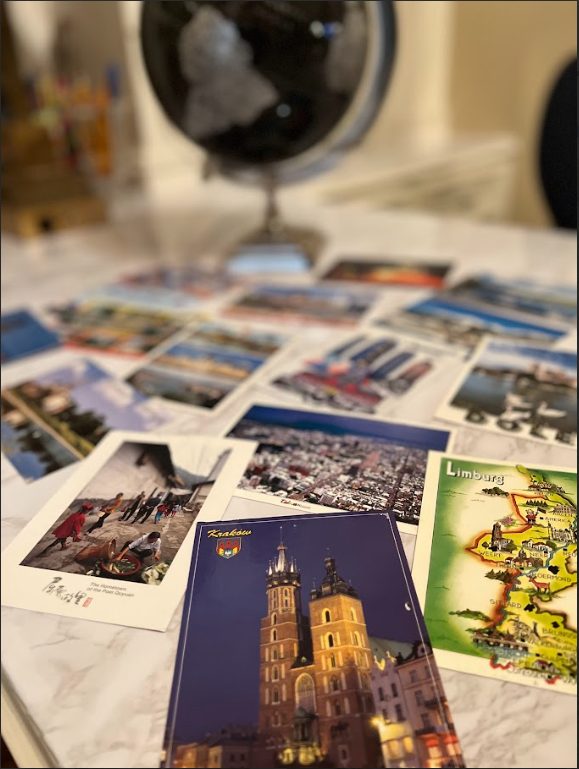
When I was about 10, I had a pen pal (I don’t remember now where we got them, possibly it was a school project) -a boy named James from England and we wrote back and forth for many years. When my older kids were about that same age, they mentioned wanting to find penpals, too, but as homeschoolers, we didn’t really know where to start. While browsing online, we stumbled across a website called Postcrossing and ended up finding the greatest accidental geography project.
What is Postcrossing?
With today’s technology like texting and email, the art of the handwritten note has slowly faded away. There’s satisfaction in immediate responses and many people don’t have the patience to wait for the mail. But for children, and some adults, there is such joy in opening up your mailbox and finding actual mail!
BTDT HOMESCHOOL PODCAST
New episode every Thursday!
BTDT Homeschool was created with a heartfelt mission: to empower and give back to the secular homeschool community.
If you are brand new to homeschooling, be sure to visit the Getting Started Page
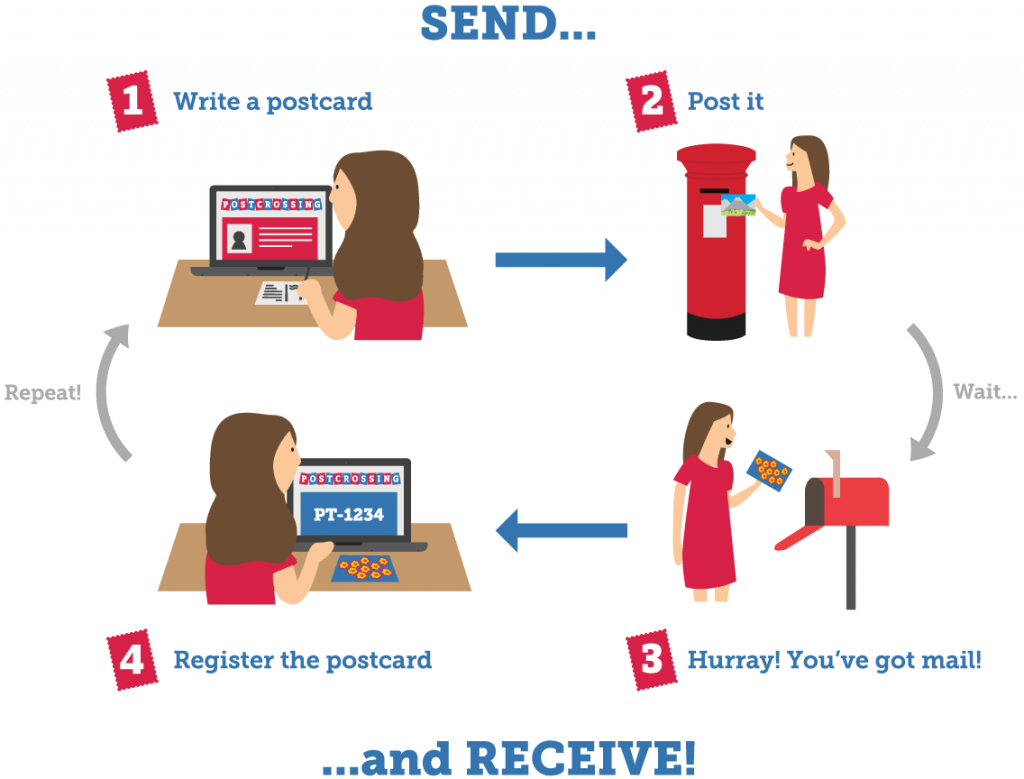
Postcrossing is a project that allows you to send postcards and receive postcards back from random people around the world. For each postcard you send, you will receive one back from a random postcrosser from somewhere else. There are more than 800, 000 Postcrossing members in 208 countries across the world. This means that you can receive personal mail from people living in other countries,from different cultures, with different hobbies and interests. The postcards you receive may be from places you have never before seen, and you get a genuine feel for how other live.
The Postcrossingproject was created in 2005 by Paulo Magalhães, as a side project when he was a student in Portugal. He loved to receive mail and postcards from friends and family. He knew more people shared the same interest, but there was no good way yet to connect everyone. And that’s how he got the initial idea of creating the online platform for this thing he called Postcrossing. Its goal: to connect people across the world through postcards, independently of their country, age, gender, race or beliefs. By 2008, 1 million postcards had been sent via postcrossing. By January 2021, 60 million!
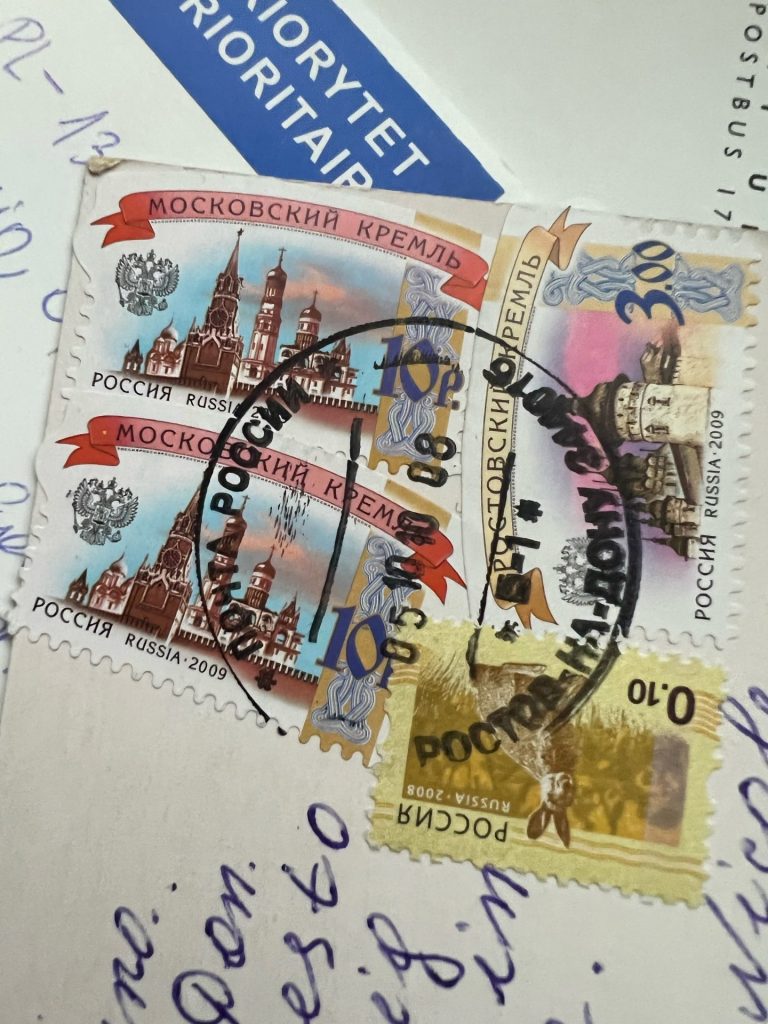
From Russia with Love
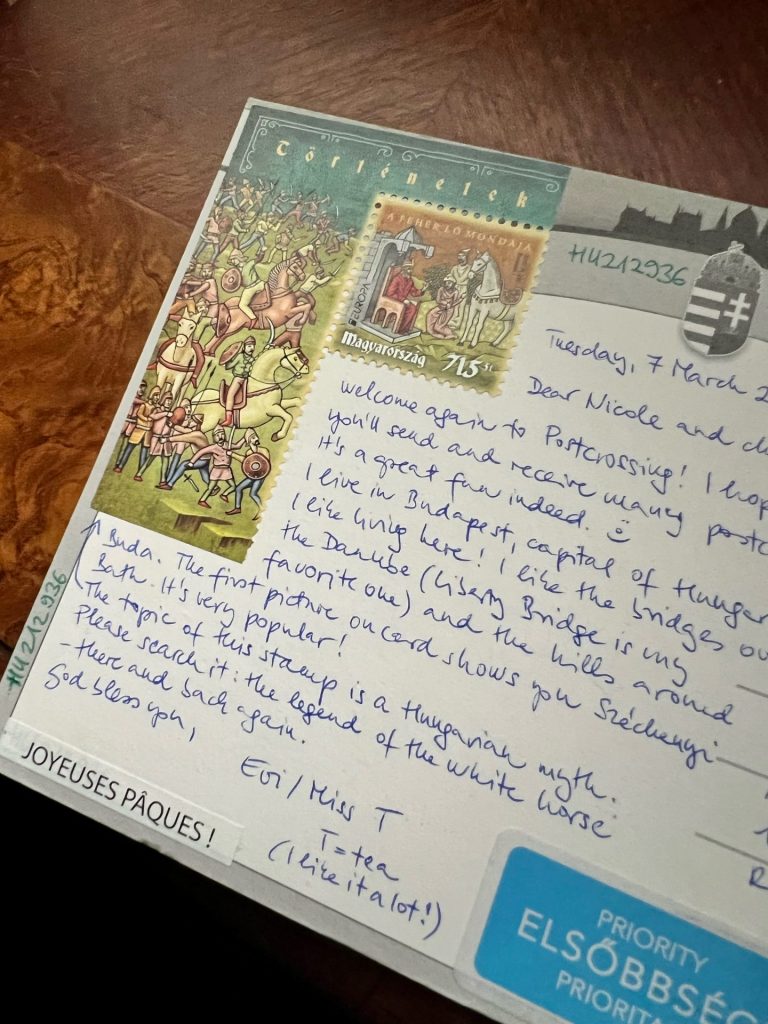
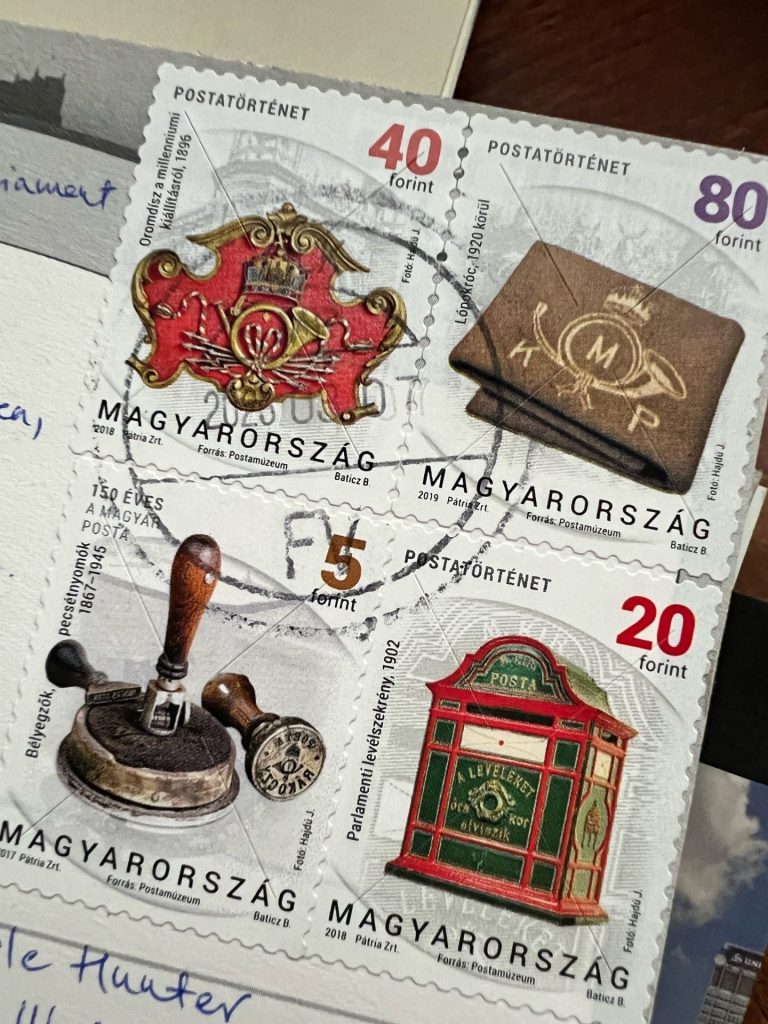
This one came from Hungary with a mythology lesson
How Does it Work?
Once you set up a FREE account on Postcrossing, you are able to fill in a profile. You can choose the language you speak, your birthday (optional), you can tell others about you- hobbies, things you like, where you live, etc. You can also indicate what kind of postcards you would like to receive. You may upload an avatar or photo, if you want to. We have a simple profile that explains that we are a homeschooling family and that we use postcrossing as a geography project and prefer cards with landscapes, city views, or other general cultural information about the country they are coming from.
You do need to be at least 13 years old or have parental permission to join Postcrossing. There are security settings and community guidelines, but because they are postcards, you are not putting a return address or any personal information on the cards that you send.
We try to send postcards from places we have lived or have visited that show geographical features or skylines or other things about the area. Or if a receiver has a specific wish for animal cards or art, we will try and find a card like that. Some people like to know the temperature where you are writing from or receive special stamps. It’s fun to look through the profiles of the people you are sending to and be able to include a personal note.
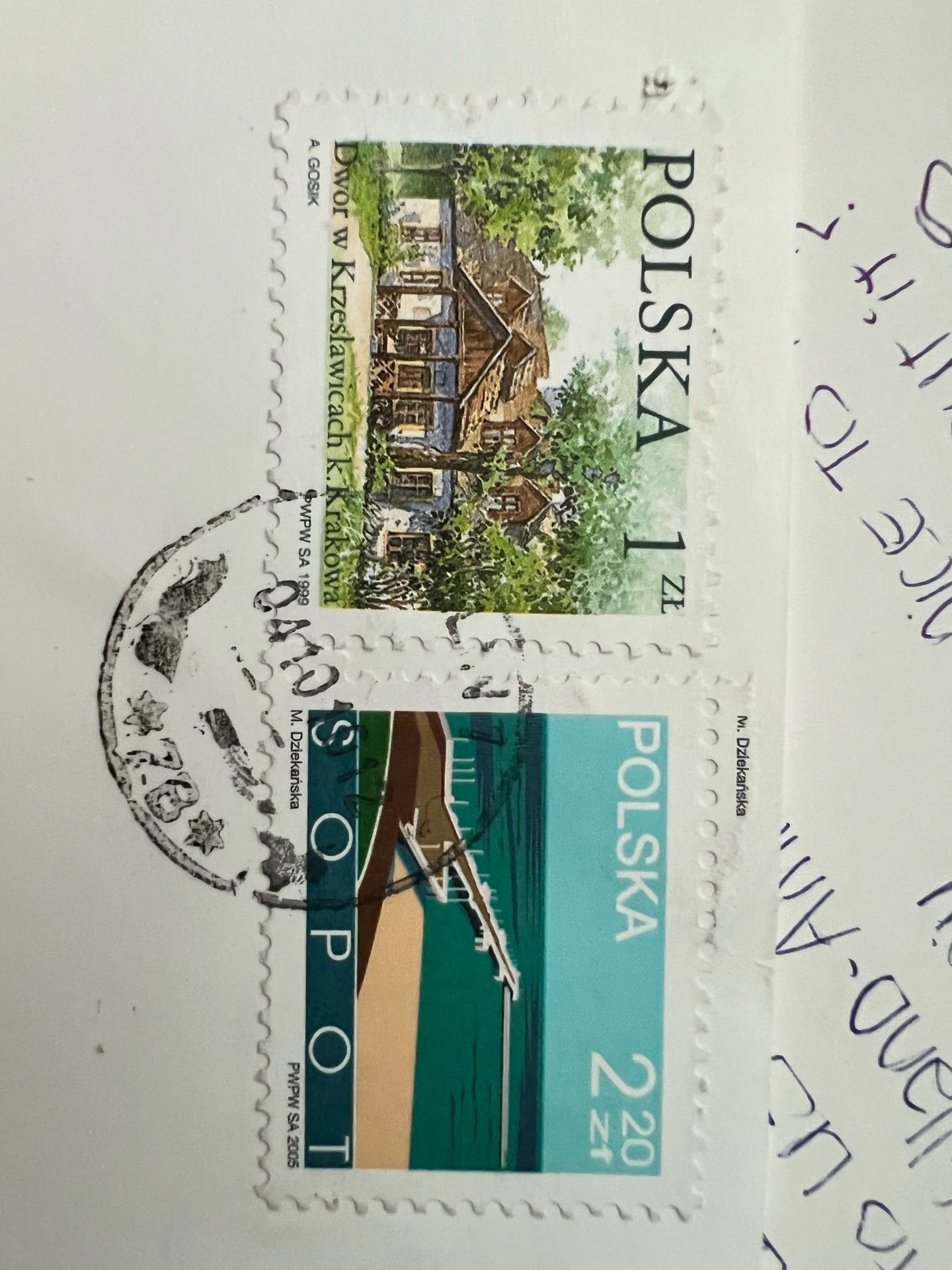
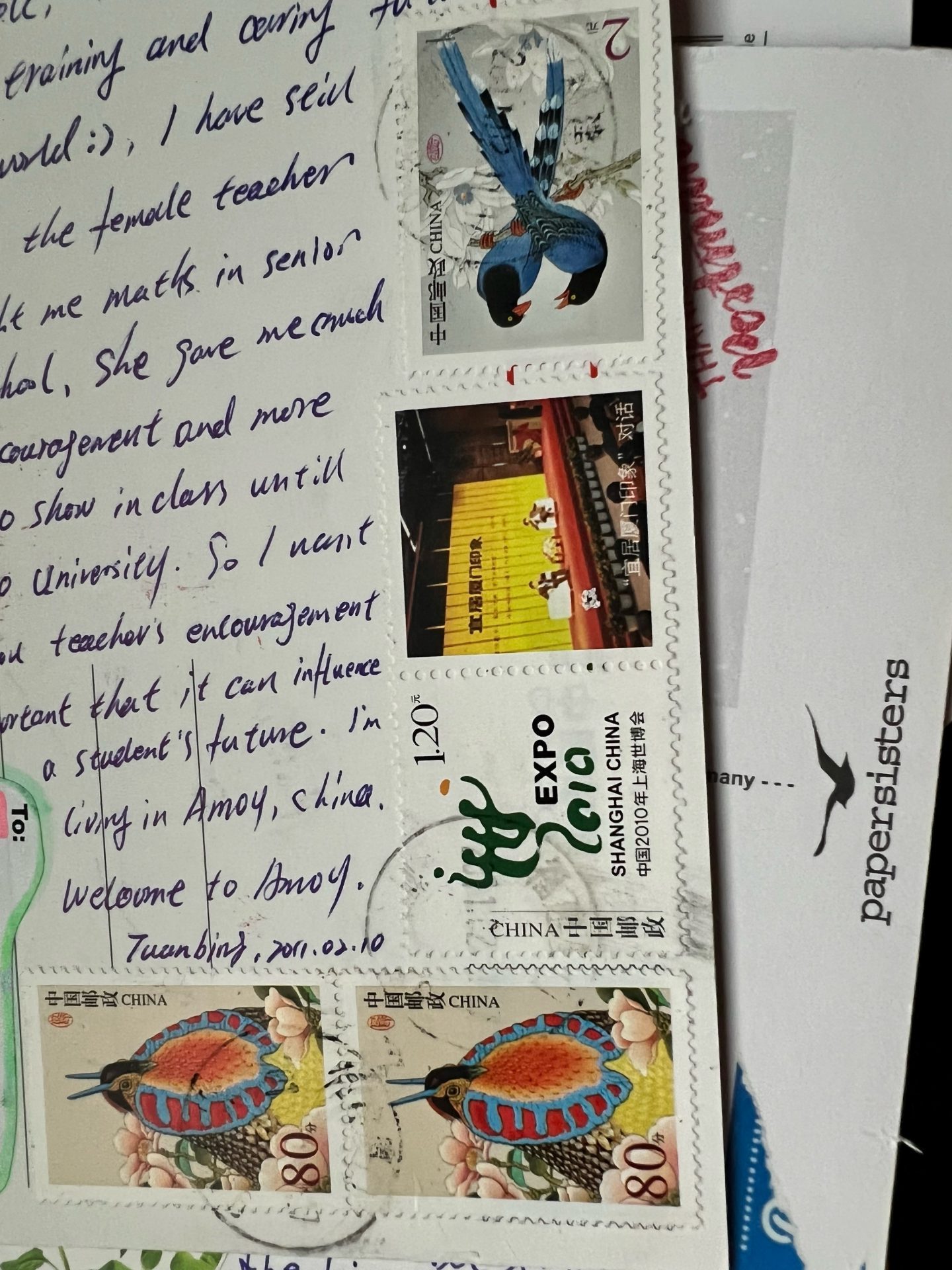
Sometimes seeing the stamps is the best part
After you have set up your profile, you can request addresses for cards. You are issued a postcard ID that you include on your postcard, and once you receive or your postcard is received, you log that postcard and ID number onto your homepage. From there you can see interesting stats- how many days it traveled, you can view a virtual map of its travel, and you can keep track of the cards you have sent and received. You can also upload photos of the cards you send and the cards you receive and showcase your favorites.
Lessons from China
Since we chose to use this as a geography project, we also liked to pinpoint the country we received cards from on our big world map. We love looking to see how far cards come and learning about different countries and places. Receiving postcards from different places in the world can really turn your mailbox into an adventure. Practicing handwriting is a lot more enjoyable when you have a purpose and destination. And this is a fun, simple, and inexpensive project that anyone can do and at any age. It’s like traveling, but without a passport!
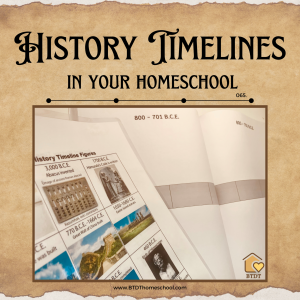
Timelines have long been used as a visual representation of historical events. Timelines offer students the ability to visually process overlapping and chronological events in history, relating them in a way that is more difficult to perceive through reading. Timelines in the homeschool are a valuable tool to relate subjects together and view historical events as interrelated.
Why should you use a timeline in your homeschool?
There are so many benefits of using a timeline in your homeschool. It is a powerful tool that can make our lives a lot easier and make history more fun for our kids! Check out the top 5 benefits I have seen of using a timeline in our homeschool:
1. It helps your children visualize how history connects together.
2. Whether you print timeline figures or your child makes their own, the hands-on act of cutting, coloring, and gluing helps children take an active role in that aids in memory retention.
3. It helps children identify patterns that have occurred throughout history.
4. It helps children see where people relate with, how they impact, or how they were impacted by the events during their time.
5. It is much easier to memorize dates and people when we can see it chronologically and it makes sense in our minds.
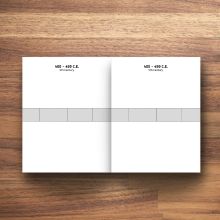
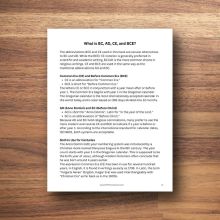
Book of Centuries for the Secular Homeschooler is different than other timeline books – we use the abbreviations B.C.E. and C.E. notation that is preferred in scientific and academic writing (a lesson on the difference is detailed in the book to help teach your students).
This 132-page portable timeline journal is a memorable way to teach history!
Each one of your students can create their own book, recording historical events and names of importance, political figures, literature, artists and musicians, discoveries, inventions, scientists, great writers, family birthdays, and more.
BTDT Homeschool was created with a heartfelt mission: to empower and give back to the secular homeschool community.
This is a wonderful way for them to remember events and get creative. Anything that is worthy of studying is worth recording on the timeline as the timeline gives the snapshot perspective of when things happened and in what order.
Each two-page spread in the book is devoted to one hundred years —a century— of history from 4000 B.C.E. to 2099 C.E.
Anything that is worthy of studying is worth recording on the timeline as the timeline gives the snapshot perspective of when things happened and in what order.
Enter everything that your student is currently studying. This can be historical events, political figures, artists and musicians, discoveries, inventions, scientists, religious figures and events, literature, great writers, etc.
Information can be recorded on timelines by writing events down by hand, drawing pictures, sticking stickers, or gluing on pictures or pre-drawn timeline figures. The greater learning experience would come from drawing pictures and writing captions down by hand. Pictures for your timeline can come from our TIMELINE FIGURES, magazine clippings, Google images, clip art books and CDs.
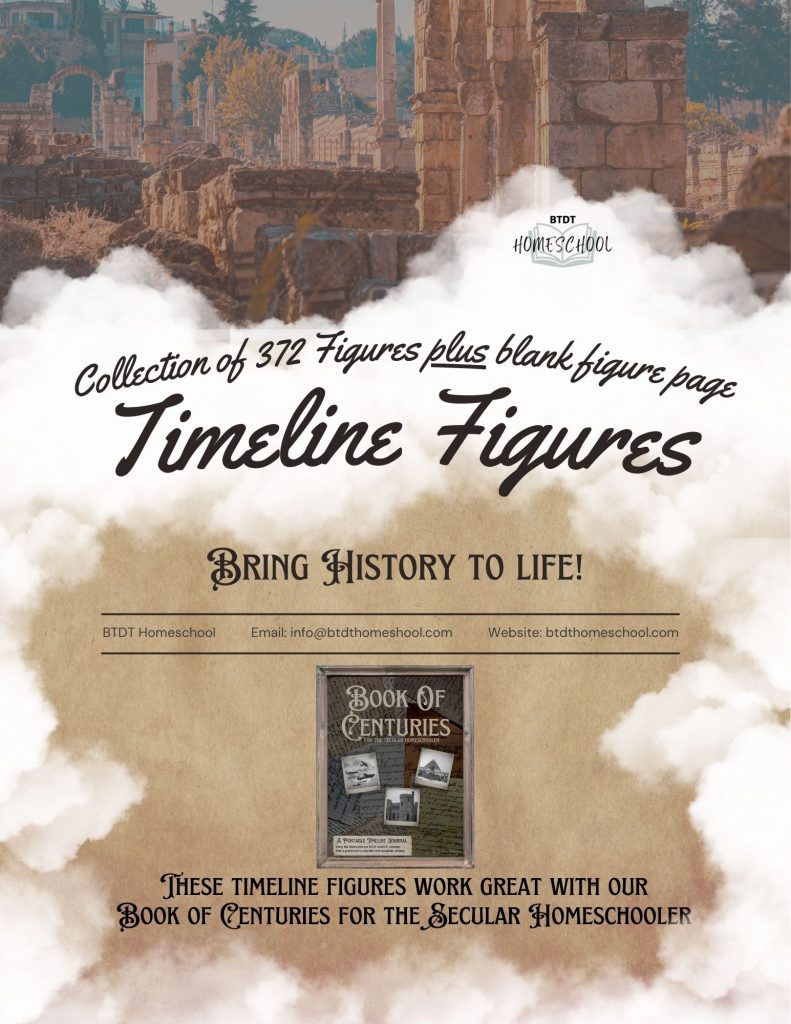
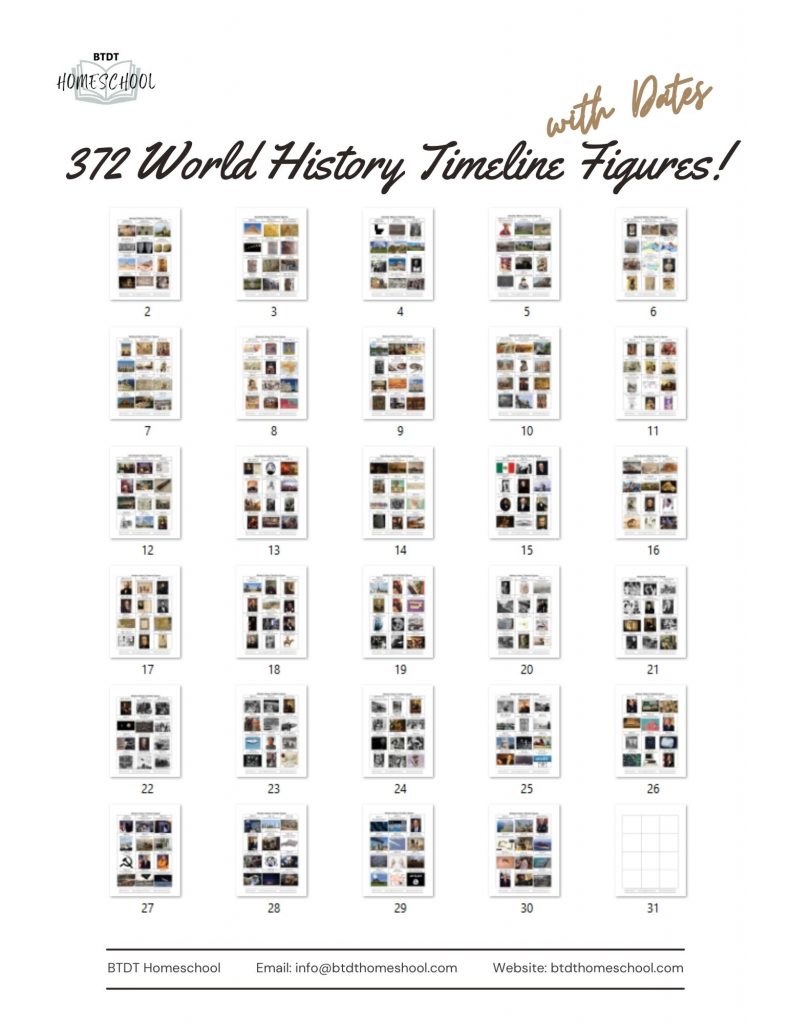
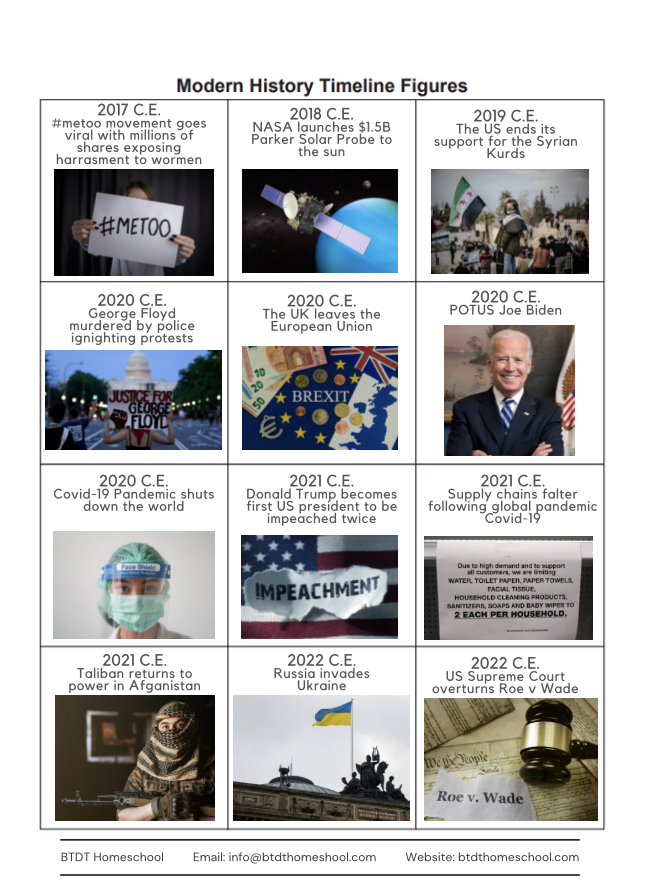
372 Timeline figures walk through recorded human history including Early Nomads, Ancient, Medieval, Early Modern and Late Modern times covering world events up to year 2022.
These timeline figures cover so much history! Including: Inventions, explorations, medical and scientific discoveries, historical figures, political figures, famous works of art, composers, rulers, presidents, kingdoms, dynasties, empires, colonies, migrations, inventions, wars, famous art and artists, plagues, civil rights, wonders of the world, famous architecture, and more!
Timeline figures are a great way to add to your Book of Centuries of a wall timeline. If you’re not keeping a timeline in your homeschool, I encourage you to begin to do so. It’s an easy, very visual, hands-on, fun exercise!
You get all 372 figures:
Amazing how such a simple act of gluing little images of events yields such clearer perspective for your student!Example Page
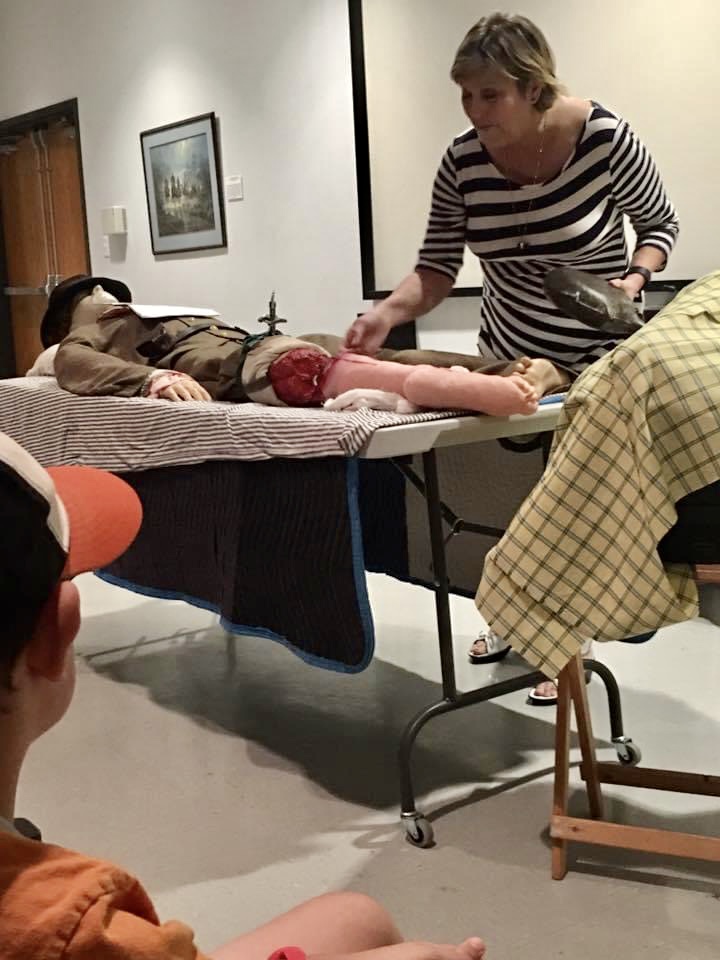
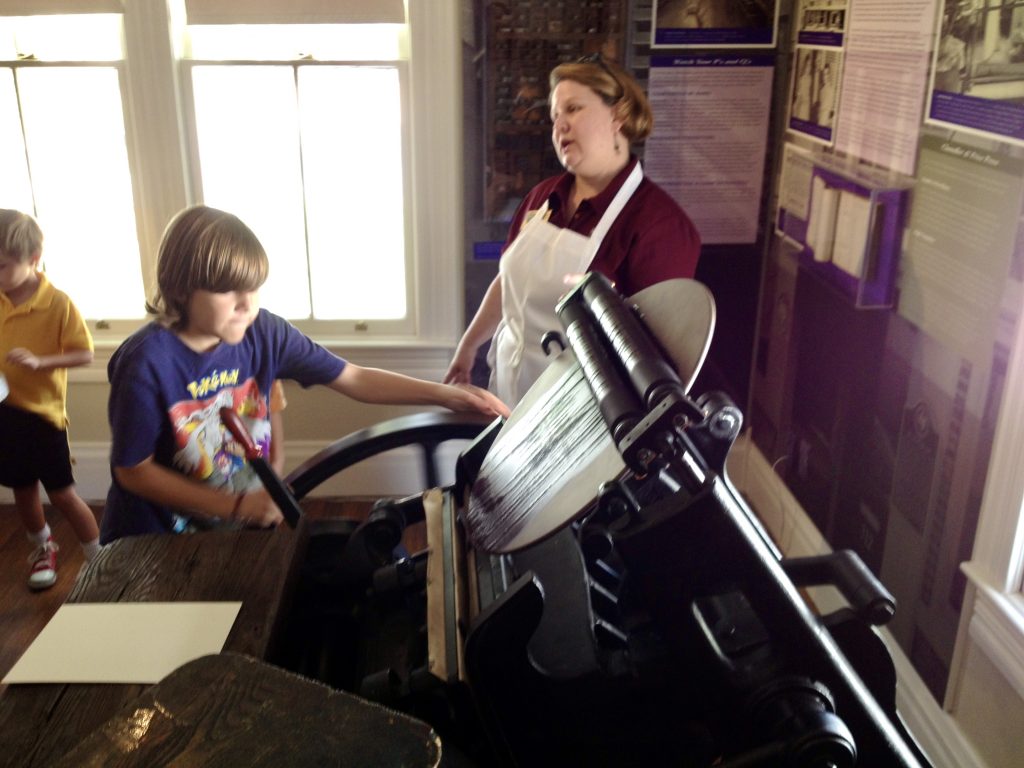
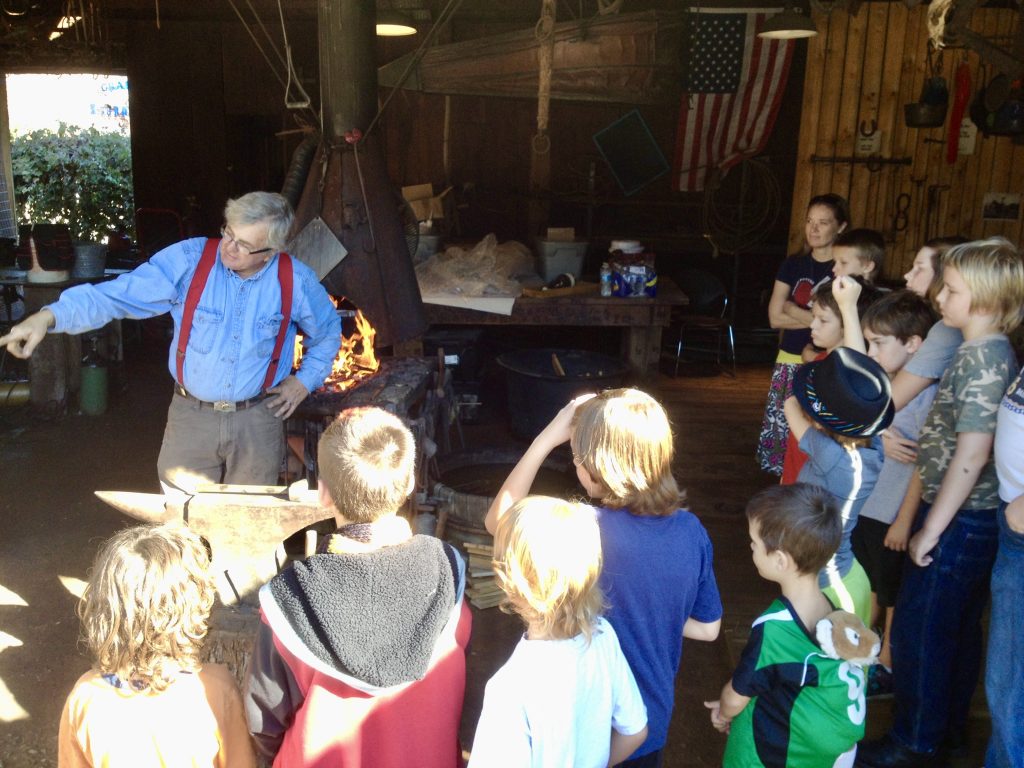
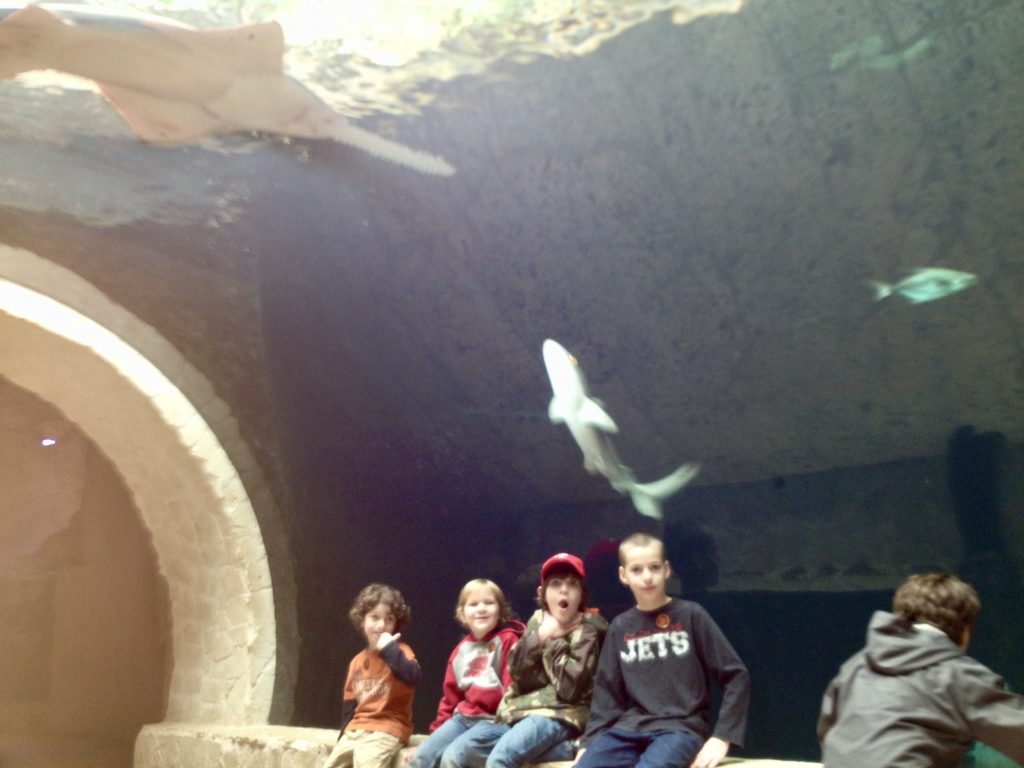
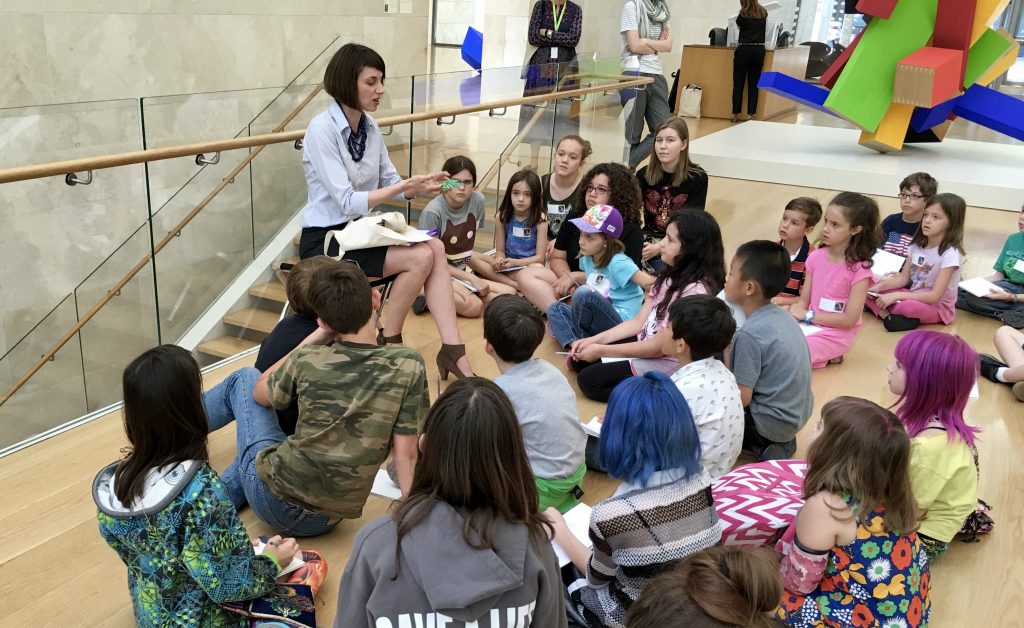
Field trips can be more than just extras in your homeschool. They are one of the best tools you have in your homeschooling toolbox. Adding field trips to your homeschool will make learning come alive for your children and create lifelong memories. Field trips are the perfect example of hands-on, real-life learning and they are one of the best ways to enjoy learning in a fun way with a homeschool group or just with your own family. It’s great to use a field trip as a nice break after a busy week or use it as a way to complement a lesson you are already doing.
Benefits of field trips include real life learning beyond books, socialization, motivation, information retention, family bonding and exercise, and even future career exploration. Field trips can raise your spirits, renew your zest for learning, and give kids a break from the challenging tasks of day-to-day bookwork.
Field trips don’t need to be expensive. There are many community and public service type field trips ideas that are totally free. You can also check out our extensive Free Online Virtual Museum Tours.
BTDT Homeschool was created with a heartfelt mission: to empower and give back to the secular homeschool community.
There are also these two organizations that offer amazing reciprocal programs:
Basically, if you have a membership in your town to one of these participating museums or facilities or to the program itself, you can often use the benefits in other places. These programs are:
If you are a member of a science center or museum participating in the, you are eligible for benefits such as free general admission when you travel outside of your local area.
A current membership card from here or from a garden participating in our Reciprocal Admissions Program (RAP) entitles you to special admission privileges and discounts* at 345+ gardens throughout North America!
As you plan field trips for your homeschool, this resource will help you take full advantage of these natural learning opportunities. This homeschool field trip pack includes: *Tips to planning a field trip *100 field trip idea check-off list *Review sheet to help your kids reflect on their experience. Give your children prompts for writing and drawing about their adventures.
Whether your kids find math challenging or you simply want to help enhance their math skills, there are plenty of fun math games that will help your children improve their math skills.
Games have been a big part of our family long before we even considered homeschooling. Games are an excellent way to spend quality time together as a family. We talk about all these fun math games in episode 025. How Do You Successfully Teach Math?
“Gameschooling” can be especially powerful when it comes to math! Math is intimidating for many learners. Games help to make the material more accessible. You may be surprised when you find your children falling in love with math! Get TWO Math Freebies: Download your FREE Math Charts (pdf) Download your FREE Multiplication Wheels (pdf)
We only recommend games that we have loved and enjoyed with our own children.
BTDT Homeschool was created with a heartfelt mission: to empower and give back to the secular homeschool community.
Finding the right book is essential to ignite young readers’ passion for literature and set them up for a lifelong love of reading. We want to guide them successfully as they make the leap into their first chapter books. On this book list, we have selected a collection of short, illustrated books that were family favorites and are perfect for children beginning independent reading.
This collection of early reader books – featuring colorful illustrations, shorter lengths, and clear formatting – has been carefully chosen to bridge the gap between board books and longer chapter books.
Some of these titles might be too advanced for your new reader. Reading skill development varies from child to child. For those titles, we encourage you to read them to your child. Reading rich stories to your children enriches their vocabulary and instills a lifelong love of literature. We have enjoyed all of these stories with our own children. Feel free to share reading time by alternating pages or have them read one page per chapter. Whatever works for you! If they are resistant, they may not be ready and just want to cuddle up and enjoy the story, which is perfectly okay too! If you are struggling with a new reader or are new to teaching your child to read, be sure to check out Episode 015. How Do You Teach Your Child To Read? for tips and tricks to set your child up for success!
Click each title below to read reviews or add to your wish list:
We love elephant and piggie. So funny! Lots of laughs for new readers, few difficult words, fun to read, and not so long that kids get burnt out from effort when starting to read.
This is an awesome book for young readers. It is masterful at showing relationships that can be very abstract to little ones—in and out, up and down, over and under. The car goes on green and stops on red. Dogs play and dogs work. “It’s a dog party!
Our family loves outdoors and camping! This book helps illustrate the concept of opposites and is great for children learning to read as well as toddlers that enjoy being read to. The word choices draw in their attention and gets them to rhyming and learning sounds and colors. Teach your child about sharing in camping and outdoor activities. An absolute favorite in our house!
“Like the sun, I am here to shine”. This is such a beautiful book – from the beautiful black princess on the cover, to all the beautiful and colorful pictures inside. Grace Byers did an awesome job telling a story of being proud of who you are, respectful of others, and loving others as they are, and acceptance. Your budding reader will love the illustrations too!
Another adorable Fred and Ted book for new readers. I got this for my kids right before their first time to travel on an airplane. It was really cute, and we read it over and over again getting them ready for their big trip in the sky!
Fantastically detailed drawings & answers to many a child’s questions to how the world works. From building roads & houses, how trains and planes and the postal service works, electricity, paper-making, farming, and baking bread. It does have stereotyped gender roles, but it ignited conversations with my children about that topic. These are teaching moments!
Shel Silverstein is one of those rare and gifted children’s book authors who truly understands the odd, amazing and ever-so-fleeting world that children inhabit. His writing speaks directly to children with incredible wit, hilarity, wisdom and absurdity. You can’t go wrong with any of Silverstein’s books -his poems are so funny and entertaining for the entire family!
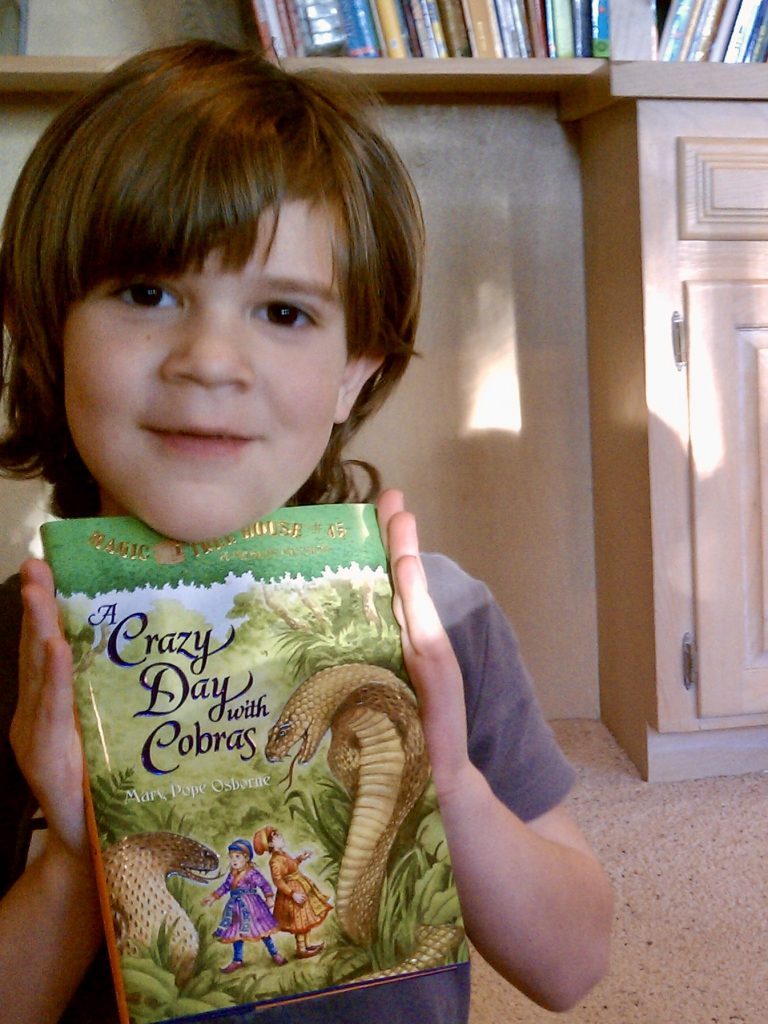
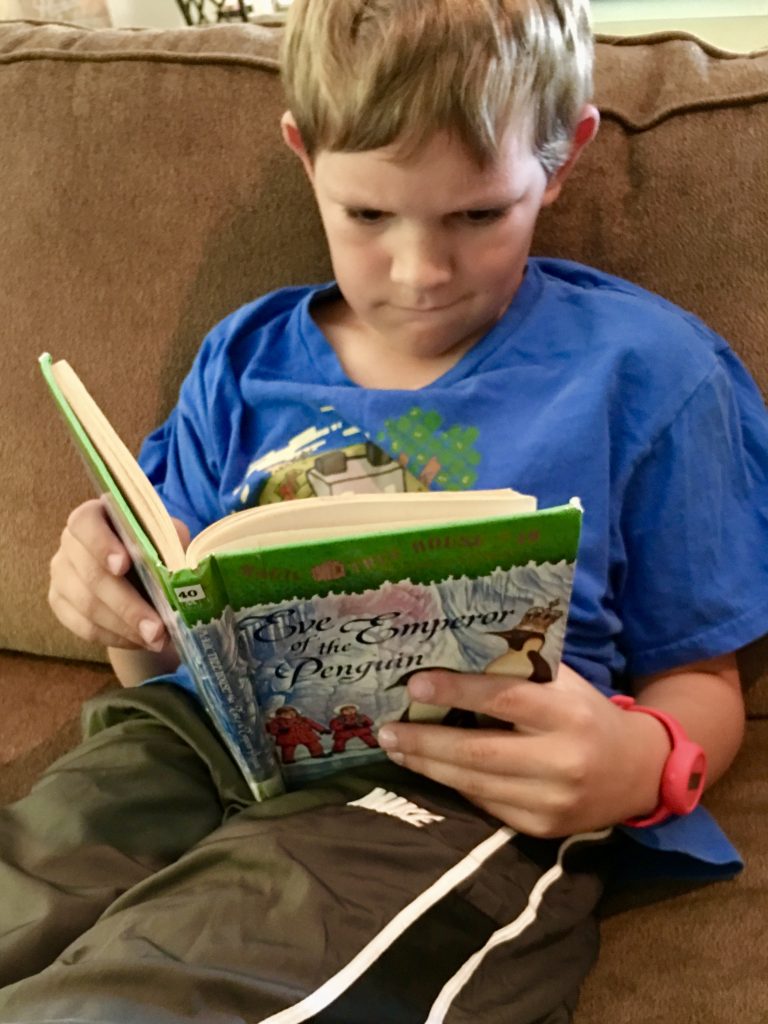
This series is absolutely delightful! These stories are full of adventures with Jack and Annie, two siblings and likeable characters that kids can relate to. These books really ignited my children’s love of literature. They are also fun to read aloud with lots of description and dialogue. These are wonderful stories with real facts and bits of history woven into each one. Your children will learn about of all the places they visit and you can even get the non-fiction companion books to read more on each topic and make it a unit study. Mary Pope Osborne does a phenomenal job at keeping every book educational and yet magical!
Fun read and keeps their attention and gets their thinkers thinking! This was a favorite in our house and always made us laugh. Who can forget the funny, “And you don’t have to stop. You can think about SCHLOPP. Schlopp. Schlopp. Beautiful schlopp. Beautiful schlopp with a cherry on top.”
This is a classic heartwarming tale of finding your place, being broken and getting fixed, finding love and comfort. The story is adorable and filled with a little mystery and a very happy ending. The illustrations look vintage and beautiful which definitely add to the reading experience. Everyone in your family will fall in love with this sweet little bear!
Wonderful story of a little boy who wakes up on a snow day and makes his first encounters with the snow, by creating different traces on the ground and keeping a snowball in his pocket to play with the next day.
This is such a precious book! Full of adventure, humor, and lovely language. Not only is the story classic and wonderful, but this particular copy is also wonderful as a reprint first edition – just adorable. Winnie the Pooh is such a great classic piece of child-like innocence and sweet humor in literature. It isn’t just for young children to enjoy!
Excellent stories with simple but powerful life lessons. Frog and Toad books are simple, gentle stories with just enough everyday mayhem to make kids laugh. Everyone will fall in love with these two silly characters. You cannot beat the simplistic friendship of Frog and Toad!
My children and I absolutely love this book! It’s fun and sends a powerful message to children about trusting your heart and not letting fear get in the way of doing things you know in your heart you can do. The imagery is cute, the wording and length makes for perfect book for a new reader. We hope you and your family love Buzzy as much as we did!
All Sandra Boynton books are so silly, cute and fun to read. These books aren’t just for babies, new readers will love to read them on their own. They are clever and adorably illustrated. Follow along as this shy hippo observes spirited animals cavort in a bog, try on new hats, and go for a jog, all while longing to join in the fun.
This beautiful pictorial book is based on a Ukrainian folktale. It is a wondrous winter tale, and the story with delights your young reader. The text is written with almost a poetic cadence with lovely sounding words and the illustrations are so sweet. The story tickles the imaginations and offers a grand platform for talking about animals who might or might not fit into a mitten. My kids love to read this story during the cold winter days!
This is a very sweet story about the power of imagination and childhood. The children in this story find endless uses for what most people would call trash – and the story is told in such a way as to excite children to use their imaginations with the things they find lying around. I loved watching my kids mimicking the story while playing outside with their friends!
It’s a great story good for lots of laughs! Even though this is a story about going to school, we really enjoyed it in our homeschool. Teaches a great lesson but the main character Lilly maintains her strong personality throughout the highs and the lows. Lilly receives a purple plastic purse containing her many treasures from her grandmother and brings it to school to share with her teacher and her friends. It’s really adorable!
Chrysanthemum is a sweet and unforgettable story about mouse with, according to her parents, an absolutely perfect name. When she starts school however, she is teased about her long name. This book teaches kids about kindness and embracing everyone’s unique differences. Another one that the character goes to school but we still adored this book in our homeschool.
Little Bear’s adventures with his various family members and friends are great fun and teach important lessons without being preachy. The stories are simple, easy to understand, and creatively illustrated. We have loved every single Little Bear book and your young reader will too!
I’ve never met anyone who doesn’t love Henry and Mudge. Henry is a sweet kid from a nice family, and he has the kinds of interests and adventures you hope any kid might have. Mudge is his adorable 180lb English Mastiff dog. They do everything together – walking to school, exploring, and even sleeping.
These books are so cute! Cynthia Rylant is a genius with these “easy reader” books—the words are relatively simple and few, but she weaves them in such a way that you are still completely drawn into the story. The accompanying illustrations are so charming, sweet and humorous–a perfect match to the text! Mr. Putter and Tabby the cat have great adventures together that will make you fall in love with them.
Geronimo, the mouse and newspaper reporter will have you giggling alongside your child. The Geronimo Stilton Series have fun illustrations, and the added graphic kick applied to the text throughout makes this a good choice for those transitioning from early chapter books to more advanced ones. The entire book series is full of tongue-in-cheek cheese humor with all the mouse and cheese puns!
Every week, CJ and his grandma ride the bus across town. But today, CJ wonders why they don’t own a car like his friend Colby. Why doesn’t he have an iPod like the boys on the bus? How come they always have to get off in the dirty part of town? Each question is met with an encouraging answer from grandma, who helps him see the beauty—and fun—in their routine and the world around them. It finds beauty in unexpected places, explores the difference between what’s fleeting and what lasts, acknowledges inequality, and testifies to the love shared a little boy and his grandmother.
These are adorable simple first chapter books with dialogue and a few sentences per page. The gorgeous illustrations bring this series to life and add to the storyline. They are so sweet with simple enough dialogue for a budding reader. Your child will fall in love with these kind characters and be so proud for reading a real chapter book!
A childhood classic that is fun to read and lets children know that not every day is going to be a perfect day. This is an excellent book that can be used as a springboard for discussions. This is a great book. Alexander definitely is NOT having a good day. It helps kids learn to laugh at misfortune, to know they’re not alone in feeling misunderstood and unfairly treated sometimes, and that running away from their problems to magical far-off places probably won’t solve anything, and sometimes you just have to get through the bad stuff and hope tomorrow will be better. It’s a cute, funny book!
This creative series follows Flat Stanley — a boy who was flattened when his bulletin board fell on him. In the set of four books, children will learn more about Stanley and read about his adventures with becoming invisible, catching bank robbers, traveling to space, and more.
Narwhal and Jelly books introduce children to the fun and friendly characters as they go through various adventures under the sea. The books are laid out like a simple graphic novel, with multiple images and text boxes on each page. Your kids will be laughing at this one!
Diary of the Pug series follows Bub, formally known as Baron von Bubbles. The chapters were short, making it a good book for that in-between stage of being too old for picture books but not ready to read most chapter books alone yet. I love it because it is funny and also recommended for dog lovers!
Drake, an 8-year-old boy is taken from his home and trained to be a Dragon Master. During his training, he must learn about training his dragon and discovering his special powers! The chapters are a manageable size and there isn’t too much text on each page so isn’t too intimidating for children who haven’t read a chapter book before. The story manages to be really engaging without using vocabulary that is beyond a 5-year old’s understanding. Let the adventure begin!
Join the world’s greatest detective, Nate the Great, as he solves the mystery of the lost picture! Perfect for beginning readers and the Common Core, this long-running chapter book series will encourage children to problem-solve with Nate, using logical thinking to solve mysteries! This is the first in this wonderful series.
I grew up reading these books – everyone loves the Berenstain Bears! In this treasure, your children can learn more about various scientific concepts. The collection includes an almanac, nature guide, story about the science fair, and more. It’s a great introduction to many science topics with a lot of good pictures.
In retelling her migration story, the Yuyi Morales celebrates the gifts immigrants bring to America and the wonder of public libraries. It’s a story to remind us that we are all dreamers, bringing our own strengths wherever we roam. Such a beautiful book and a great conversation starter for children.
This is a beautiful book and story. Sulwe has skin the color of midnight. She is darker than everyone in her family. She is darker than anyone in her school. Sulwe just wants to be beautiful and bright, like her mother and sister. Then a magical journey in the night sky opens her eyes and changes everything. A welcome celebration of girls of color, an important lesson for all kids (and grownups), and a necessary message for any child who has been made to feel unworthy of love on account of their looks. It’s so heart felt and perfect for any new reader but especially those who can truly relate to the story.
The appeal of Beverly Cleary’s stories about the wonderful, blunderful Ramona Quimby has never faded. Ramona has a unique way of looking at the world as she tries to adjust to new teachers, feels jealous about Susan’s curls, and is secretly pleased by Yard Ape’s teasing. These books are funny and heartwarming, and sometimes embarrassing. No matter what, Ramona’s lively, curious spirit shines through!
With her new backpack and light-up shoes, Faizah knows the first day of school is going to be special. It’s the start of a brand-new year and, best of all, it’s her older sister Asiya’s first day of hijab–a hijab of beautiful blue fabric, like the ocean waving to the sky. But not everyone sees hijab as beautiful, and in the face of hurtful, confusing words, Faizah will find new ways to be strong. This is an inspiring story about identity, visibility, and confidence. This book warmed our hearts!
Little ones who love Milne’s classic stories will be enchanted by this heartening account of the bear’s real-life origins. The story is full of wonderful Lighthouse facts as discussed briefly in the informative afterward. This book inspired me and my children to learn more about the history of lighthouses.
This is a heartwarming series about four siblings that are orphaned but looking for their grandfather. They are always loving and caring for each other and have a lot of adventures. They are perfect for children who are just beginning to show interest in reading chapter books, or for younger children who are being read toThere are a few topics within the books that may be culturally outdated, but that is a great opportunity to discuss these things with your kids. They are a very simple read but have more of a story than a typical level 1 or 2 books. My 6-year-old loved that he could read these almost independently!
We love this series with the four children discovering the magic in the various places they find themselves, and then figuring out how to use it as they face various challenges. Fun and imaginative. A laugh a loud funny story that we all loved. The chapters are a bit long so it may be a good book to share reading with your young new reader.
It’s a wonderful story about a little brown Mouse taking a walk through a deep dark wood and not getting eaten by bigger animals by convincing them of the existence of a terrible creature, the Gruffalo. All is going well for our Mouse, until he meets the Gruffalo face to face! Then he has to convince the Gruffalo that he’s actually a big scary creature. We love this book because of the repetitive rhyming scheme and it’s easy to jump in words at the end of sentences for even your youngest pre-readers.
Great illustrations and a funny take on the somewhat familiar story of an animal or animals who for some reason do not make the sounds they are supposed to make. So cleverly comical. A genuinely funny story that will have everyone if your family laughing out loud!
The fun book series about 2 girls that are best friends and appeals to curious, adventurous, and imaginative spirits. This is not like other “girl-oriented” chapter books that focus on fairy bunnies, or the mystery of the disappearing dolls, or other really girly plotlines. Short chapters with simple illustrations. Let the adventure begin!
The Magic School Bus books are filled with fun science facts inserted throughout the fictional stories. The details are great for kids that love science. Miss Frizz takes her class on a lot of adventures on the Magic School Bus. They are loaded with facts and information worked into an entertaining format. They often let to us learning more about the topic in each book. Every homeschooler needs these for budding scientists!
This is the #1 book that we have loved and adored in our home. It was the first book that my preschooler read to the baby after he was born and unfortunately it is out of print. You can find used copies by clicking the picture. Having two children that were really into science, the toy magic rocket that grows and grows taking Felix on an adventure when his dog is captured by aliens is a fun adventure book that your new reader will love as much as we did!
We laughed through all of Amelia’s taking life literally. She is an endearing character and creates love and laughter everywhere she goes. They are perfect books for beginner readers. You may start to hear chuckling from the other room when your child gets a hold of these books!
The book has a rich storyline, and an uncle instructs her that it is important to do something to make the world a better place. She sows lupine seeds as she walks and her flowers dot the countryside. We need more stories about sweet, older people like Miss Rumphius. We love books that have a deeper meaning and something can be learned from them along side a beautiful (and true) story with lovely illustrations.
The stories are simple but have developed and likable characters doing fun things together. The illustrations help tell the story and have their own humor. This Collector’s Set is a wonderful addition to your homeschool library! It comes in a sturdy, magnetic securing, container to help keep the collection together and organized! We all love this collection!
t is a wonderful charming little tale that is quirky and fun. Strega Nona has a magic pot that makes pasta. It starts with the magic words only she knows and it stops making pasta when she says the ending magic words. A favorite line is, “The pasta will cover our town!” Tomie DePaolo has the warmest and most charming illustrations to accompany this wonderful story. We highly recommend this book!
Jack Prelutsky is one of the best children’s poets out there. Teach your child in the joys of reading poetry. This poetry collection centers around problems children encounter, with a twist. Prelutsky writes amusing poems that still acknowledges how these issues can really affect kids’ lives. The poems vary in length and vocabulary, so your new reader will love to find the ones at their level!