homeschool

019. High School Core Subjects and Electives

High School Subjects

High School Core Subjects and Electives

How do you determine which core subjects are essential for high school? What are the best electives for your high schooler to take, and how do you choose them? What exactly qualifies as a high school credit? These are important questions for any homeschooling parent, and in this week’s episode, talking about these topics and providing valuable insights to help you make informed decisions. Tune in!

Scroll Down for this week’s FREEBIE:
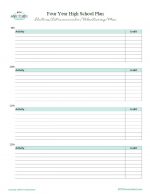
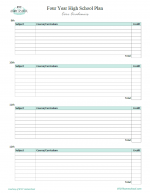
Course Planning Sheets (pdf)

Are you just starting your homeschooling journey? We’re here to help! Begin with our Get Started in Homeschooling page and Homeschooling FAQ to make the transition smoother. If you’re guiding a young child, explore our How to Homeschool Kindergarten. to make those first steps special. For middle schoolers, don’t miss our Middle School page packed with tips and advice. And if you’re heading into the high school years, our Essential Steps to Homeschool High School will guide you every step of the way!

Show Notes

We know that the idea of homeschooling high schoolers can seem daunting, but we are here to assure you that with a good plan in place, homeschooling high schoolers can be a cinch! In our first high school series episode, we covered how to make a four-year plan and everything you need to know before starting your plan – graduation requirements, state law requirements, and more. It’s a great jumping off point for those of you that are just starting out. I always say that I really thought it was easier to home school high school than homeschooling was in younger grades.  You really become more of an administrator than a teacher, especially if you are outsourcing some or even all of your subjects.

If you’re new to homeschooling high school, be sure to check out the Essential Steps to Homeschool High School. This episode is part of our High School series, offering expert advice, comprehensive documentation, and resources like Free Transcript Templates to help you stay organized.

12 Steps to Homeschooling High School

So what subjects does my high schooler NEED to take? (6:44)

There are several ways you can look at setting up your high school class plan. Most importantly, look at your state homeschooling requirements to see if you are bound to certain requirements and restrictions. We are here in Texas, where we are considered our own private school, and we get to set our own graduation requirements. 

 There are two things that you may want to consider.  One, what are your state’s *public* high school graduation requirements? The average is between 21 and 26 credits.  That is often a great guideline of the minimum classes/credits you may want to strive for and may want to be your goal for a student who may not be college bound.  

Learn more about creating your high schoolers documentation and download your FREE Transcript Templates (doc and xls)

Remember, you do NOT have to meet these requirements! They are separate from your state’s *homeschool* requirements and you don’t always need to adhere to those. However, being aware of them may be helpful, especially when applying to State universities. Many homeschoolers exceed well beyond the state requirements. 

If you’re not in Texas, you can view your:  State Homeschool Laws and Requirements

Also, if college bound, work backwards and look to see what some of the potential colleges your student may be interested in requiring for incoming applicants.  You can find this information on college admissions websites pretty easily.  We suggested making a list of both of these class recommendations to start and then planning from there.

College Requirements:

When researching admissions requirements for colleges, like required high school courses, your best resource is going to be the college’s admissions website (or the college admissions advisors). We mentioned it in our High School Trailer Episode.

Other sources for college admissions information includes:

Cappex

Cappex

PrepScholar

A good basic list of core classes may include:

This is just a suggestion.  Again, one of the huge benefits to homeschooling is that you are able to completely cater the education experience to your child.  There are endless opportunities to how you may want to set this up for your student.


●     Language Arts (English I, II, III, IV – regular, honors, or Advanced Placement®*): 4 credits
●     Speech: .5 or 1 credit
●     Math (Algebra 1 and above): 4 credits
●     Science (Biology, Chemistry, Physics, Science elective): 4 credits, 3 lab
●     Social Studies (U.S. History, World History, American Government .5/Economics .5, Social Studies elective, ie. Geography) : 4 credits
●     World Language (2-3 years in the same language): 2-3 credits
●     Electives (Any other electives offered for credit): 5 credits

Choosing core curriculum 

Years ago, there were few options for homeschool curriculum-especially high school. That’s not the case anymore. Now we have SO many options, and that can be overwhelming to select the best fit for your student and family.

7 Steps to Choosing Curriculum
7 Steps to Choosing Curriculum>>

Some things you may want to ask are:

Are they college or career bound? What are their personalities like? What are their interests and abilities? 7 S

When you are ready to research core curriculum, you need to keep a few things in mind. 

  • Keeping the big picture in mind
  • Parent time investment
  • Student time investment
  • Financial investment 
  • Student learning style

Remember, there’s not ONE right way to homeschool high school, so there’s not ONE right kind of curriculum. And beware of the folks who say: You MUST use this curriculum because it’s the right way! (Sometimes, they are selling expensive curriculum!)

We want to circle back to the basics of worldview and homeschool philosophies, and what kind of materials you are looking for (online, book based, etc.) before choosing curricula.  This narrows down your search immensely and things may have changed since you first started on your journey, or maybe you are brand new to homeschooling altogether.  If so, you may find our episode 004 on Homeschool Styles and Philosophies handy:

What electives should I choose? (16:28)

When it comes to electives, your imagination is really all that limits you. Typically, there will be one to three elective courses in each year of high school. Too many electives can overshadow the core academic courses.  Your student’s electives should reflect who your student is and what they are all about. When we think of electives, some things come to mind:

• This is one of those places where you can incorporate your student’s talents, interests, and achieve that stand out status.

• Electives can allow your student to explore career options.

• Elective call  for authentic experiences- your student can oversee their own education and incorporate many different ways of learning.

• Electives leave room for unconventional experiences like internships and more.

• They don’t have to require lots of book work.

Elective courses require less work from your student than core academic courses. While some electives fit within the core academic subjects of Math, Language Arts, History, Science, Foreign Language, others are not core subjects at all – for example, PE, Auto Maintenance, Theater, Cooking. You will be able to find existing curricula for many of the elective courses your student might want to take. However, you can also easily design these courses yourself.

There are so many options for electives, really this can be an endless list.  There are certain options that may be pretty standard- PE, health, drivers ed, music art, etc. But you can also look to electives as a way of fine tuning a student’s specific interests or maximizing on a talent or specialty. When it comes to electives, your imagination is all that limits you! Typically, there will be one to three elective courses in each year of high school. See our FULL List of Electives

Check out Mr. D’s Courses for High School>>

Some colleges may want 2 fine art credits specifically, some don’t specify at all, so again, looking at what potential schools require or recommend can help you fine tune your list.  Electives are also a great spot to start when exploring dual credit programs.  These can be easier classes to start with and knock out college credit at the same time.

What constitutes a credit? (22:59)

Credits are a way of measuring a student’s completion of the educational requirements you have set or that are required by your state homeschool laws. Most high school courses are going to be worth either 1.0 credit (for a one-year course) or 0.5 credit (for a semester course). The credit assigned to a course generally takes into account course content, instruction time, and the time the student spends completing course work.

 A textbook designed to be completed in one school year is typically given 1.0 credit, while a textbook meant to be completed in one semester is often given 0.5 credit. Many publishers and curriculum providers are going to provide this information online or in the actual text. It’s important to note that even many school systems don’t finish the entire book or class.  We usually recommend that your student completes at least 75–80% of the assignments in a textbook to earn the credit.

 For courses that don’t follow a set curriculum, you can determine credit by keeping track of the reasonable time your student spends on the course work. For a core course (English, science, history, math, or foreign language), you will want your student  to log at least 150 hours for 1.0 credit (roughly five hours a week for 30 weeks). Logging more than 150 hours does not earn a student more credit; it simply indicates that the threshold of 150 hours has been passed.

For honors courses and Advanced Placement (AP) courses, students may log far more than the 150 hours. Generally, honors courses require 8–10 hours per week for 30+ weeks, and AP courses require 10–15 hours per week for 30+ weeks. Even though honors and AP courses demand more hours than a standard high school course, they do not earn more credit when students spend more than 150 hours completing them. Instead, there may be GPA rewards to taking these more challenging courses.  For instance, we award an extra .5 point for honors courses and an extra 1 point for AP/Dual credit courses on our transcript.

For a lab science course, you want to log a minimum of 180 hours; the additional 30+ hours are for required lab work.  One college we applied to required an addendum for homeschool, private, and charter school students to determine that their high school lab science classes were legitimate.

For an elective course (such as physical education, art, music, or another course that is not a core academic course), log 120+ hours for 1.0 credit and 60+ hours for 0.5 credit.  

If you have a student who is a musician for example, consider all their lessons, practice time, performances as credit.  Open mic nights totally count!  So does writing a theme song for your mom’s podcast! Kids that are competitive athletes may receive PE credit because they definitely put in the training/competition time. 

If your teen completes a 3- to 5-credit college course in one college session (either an eight-week term, 11-week quarter, or 15-week semester), we recommend converting this course to a 1.0 credit high school course on your teen’s high school transcript. Even with abbreviated classes, the amount of coursework is often the same as if this was a semester or year long class.  

Also, consider that not everything needs to be a class.  I see that a lot on message boards- “my kid spends x amount of time a week doing this, how do I make it a class….”  You *want* to have some great extracurriculars included in your records- it makes your student appear more well-rounded and interesting.

You also don’t want to just add classes for the sake of filling up your transcript.  It can delegitimize the rest of your transcript.  We already work hard to give our kids varied classes and learning opportunities with other teachers to avoid the appearance of just “mom grades”, so we don’t want to add a bunch of nonsense filler just for the sake of filling space and saving time. We are all about multi-tasking but be smart about it. 

This Week’s Freebies:

Excel credit planner Free only week of release
017. How Do You Prepare a Middle Schooler for High School?

Homeschool Middle School

How Do You Prepare a Middle Schooler for High School?

What does your middle schooler need to know?
How do you deal with sibling growing pains?
How do you motivate your middle schooler?

Homeschool Middle School

Are you just starting your homeschooling journey? We’re here to help! Begin with our Get Started in Homeschooling page and Homeschooling FAQ to make the transition smoother. If you’re guiding a young child, explore our How to Homeschool Kindergarten. to make those first steps special. For middle schoolers, don’t miss our Middle School page packed with tips and advice. And if you’re heading into the high school years, our Essential Steps to Homeschool High School will guide you every step of the way!

Show Notes

Coming soon Middle School Guide:

In Development: We are creating a step-by-step guide that will prepare your middle schooler for high school. It will feature secular curriculum and book lists suggestions, core subjects, mastery skills, logic/critical thinking, technology skills and foreign language. It’s going to have specific supplemental resources and electives. We are putting a lot of effort and energy into this guide so stay tuned for this awesome resource!

We’d like to thank one of our listeners for inspiring this episode.  We are always asking listeners to send in any questions or topic ideas and Melissa from Minnesota submitted a couple questions for a Q&A that we thought were so great, we would do an entire episode on it! So, thank you Melissa!

We talk a lot about high school since we both have high schoolers and because we are putting together this awesome high school series- be sure to check it out if you haven’t already.  And we also talk a lot about homeschooling early elementary kids or getting started, but what about these middle schoolers?  Middle school is a time when kids are figuring out who they are and what they want to do with their lives. It’s important to give them the opportunity to explore different interests and try new things. But it’s also crucial to make sure they’re staying on track academically. This means focusing on the academic, social, and emotional aspects of transitioning into this next phase

Learn more about the High School Series
Get your FREE Transcript Templates

There are several ways that high school differs from middle school, like increased responsibilities, more course options and extracurricular activities. The workload and expectations are going to be higher and the content more difficult so let’s explore some ways to prepare your middle schoolers for what’s to come.

What does your middle schooler need to know?

BUILD COMPUTER AND TECHNICAL SKILLS

Encourage your students to develop technological and writing skills. This is going to help make them better prepared for high school and beyond or competitive in the job market. Skills like typing, Google slides or PowerPoint, Word, PowerPoint, Excel, and various versions of computer skills.

Free courses are often available through most library systems, and there are a lot of basic step-by-step guides on YouTube. It’s also important to teach online etiquette.

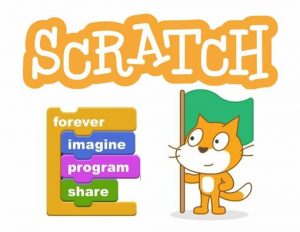
I’m also a huge fan of teaching basic programming. We loved learning with Scratch, which is a free software teaching, basic programming created by MIT:

Another thing we loved was Lego WEDO which teaches basic programming:

IMPROVE WRITING SKILLS

To help them gradually, throughout middle school, assign more writing assignments of different styles and lengths. Things like product reviews are a great way to make writing fun for kids.  Maybe they could start a blog or newsletter.  They could also have a GoodReads account and do book reviews. Writing prompt books and journaling are also great ways to get more writing in.  

Fine-Tune those Writing Skills with this Scholastic Writing Book (includes promts):

TIME MANAGEMENT SKILLS FOR TEENS

As your teenager progress through high school, the demands on their time will steadily increase. To help them navigate this transition and avoid feeling overwhelmed, it’s crucial to instill effective time management skills early on. These skills are not innate; they need to be learned, and as a parent, you play a pivotal role in guiding your children toward success.

Curriculum
View our Full Curriculum Guide
ONLINE COURSES

Online learning differs from traditional educational methods, so there are benefits to exposing your teen to this type of learning while the stakes are much lower. It’s important for homeschoolers to take at least one virtual course while they’re in middle school.  

Outschool is a great option with a wide variety of classes!

Khan Academy is another great option for online courses.

You can start by allowing them to set their own wake-up times in the morning. This small step encourages personal responsibility and time management from the outset. Additionally, establishing quiet hours for late-night or early-morning activities can ensure your teens get the essential sleep they often underestimate. A simple alarm clock like this one can help a lot:

Many parents choose to regulate online screen time to maintain a balance. It’s important to hold your children accountable for completing their tasks and meeting their goals. If they’re struggling, don’t hesitate to intervene and provide the structure they might still be learning to create for themselves. Remember, it’s about nurturing their independence while offering assistance when necessary.

Empower your kids by letting them select an organizational planner that suits their style. You can certainly model your preferred method, but ultimately, what works best for them is what matters most.

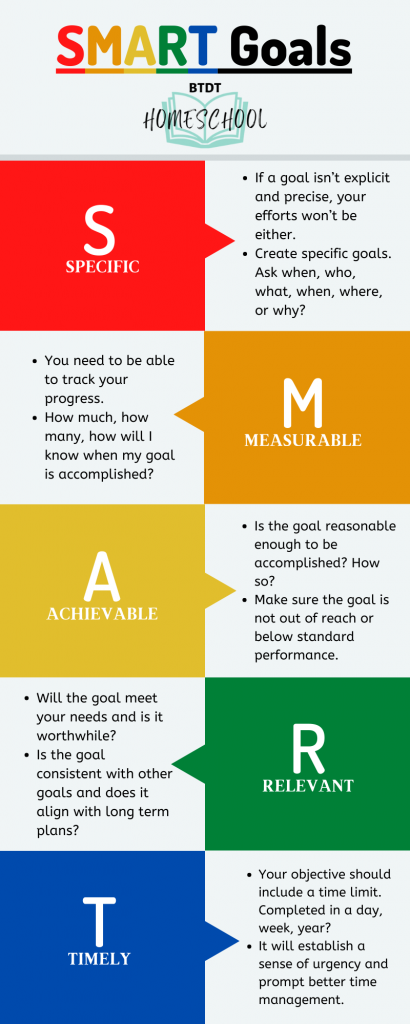
Feel Free to Print and Share our SMART Goals Poster

For instance, in my household, I didn’t allow my middle schoolers to have their phones at night, so I provided them with basic alarm clocks to take charge of their morning routines. These foundational time management skills will not only benefit their academic journey but also set them apart in college and future careers.

Consider these practical tips:

  1. Encourage your children to take responsibility for their education by organizing their day and week efficiently.
  2. Teach them how to budget their time, a skill akin to managing finances, as they prioritize their tasks and commitments.
  3. Foster independent time management, allowing them to learn from their mistakes within the supportive environment of your home before they face the academic pressures of high school.

To further assist in this process, here are some scheduling and planning apps that we have found useful and recommend:

  • Trello: An effective productivity tool that works exceptionally well for middle school management.
  • Cozi: A family management app that aids in organizing household activities and schedules.
  • Time Finder (available on the Apple App Market): A block scheduling app to help structure and allocate time efficiently.

ENCOURAGE INTERESTS

By the middle school years, kids are starting to find different things that they are interested in or love participating in. Encourage these passions! These differing outside interests they have not only rounds them out as humans, but will help when it’s time to select electives in high school. Find a healthy balance of encouraging them to try new things but also keeping balance with academics.

TEACHING TEENS LIFE SKILLS

Now is the time to focus some of your time on teaching life skills, things they’ll need to know to be successful in life.

You can make cooking a school elective!

Good Eats – The Middle Years:

Life skills like:

  • cooking 
  • cleaning
  • how to do their laundry
  • money management 
  • communication 
  • car care
  • pet care/training

Pet training buttons:

Bunny the dog on TikTok

Once high school starts, time gets filled quickly with increased school demands, jobs, friends, and extracurricular activities. It’s not that there won’t be time to teach these things, but your time will be limited, so it makes sense to work on the skills your child will need to be independent now while you have the opportunity.

You can even make Auto Upkeep an elective Credit Course:

Puberty

Health, fitness, and Sex Ed are crucial components of a well-rounded education. Be sure to include these important subjects as they begin to enter puberty.

Learn how to teach Health and Sex Ed

PROMOTE GOOD STUDY HABITS

Learn about Planner Strategies that will set your child up for success.

Working with your middle schooler to develop good study habits and time management skills can proactively help them handle more difficult coursework and increased workload. This can keep them from feeling overwhelmed. Learn more about creating a routine that works for your family.

ENCOURAGE STUDY SKILLS AND NOTE-TAKING. Even if they are not college bound, students will benefit from note-taking skills. Note-taking really cannot be taught as much as learned by experience and everyone has their own methods for this.  Think about what worked for you and start there.

Watch this video to help your Middle Schooler learn about priorities.

Organize with Homeschool Planet Planner on Homeschool Buyers Club. Extensive customization lets you organize your home and homeschool the way YOU want:

 TEACH TEST-TAKING STRATEGIES.

Even if they are going straight into a career, there may be certifications or skill assessment tests to face. Taking a test is much easier if a student knows how to prepare for it and how to approach it. Give them exposure to multiple choice questions. Talk about how to eliminate the unlikely answers. For comprehension questions, have them skim over the questions before they read the material. There are all kinds of test preparation courses available to students in book form, online, etc.  Khan Academy is one place that offers free test prep. You can also find free test prep at your library. YouTube is also a great place.

USE CURRICULA WITH LOTS OF HANDS-ON ACTIVITIES.

Not so different from when they were younger, studies show that middle school-aged students learn much better by exploring and asking questions. So try choosing methods of teaching that involve drawing maps, building models, and doing handicrafts. 

Find a science curriculum that offers several experiments. Encourage play with circuits and legos and other small muscle movements.  Explore coding programs, visit museums and interactive exhibits.

ENCOURAGE INDEPENDENT LEARNING.

As your child enters high school, you want to be sure they are prepared to continue learning as challenge levels increase. You also want to ensure they can apply that knowledge to their performance in the real world. You really want to encourage your child to become an independent learner. 

One great way to foster this ability is to continue to encourage them to read independently, and to discover where their interests lie. Students that are encouraged to read for fun and follow their passions soon develop the self-motivation to keep that learning going, and naturally begin to push themselves to learn more. This sense of personal responsibility for their learning and education will help them as their workload increases and studies get more difficult.

EXPOSE THEM TO GOOD BOOKS.

Continue to choose great books that build grammar and vocabulary. Doing read-alouds as a family as well as individual reading enables students to hear and see great grammar and language. If you find that your child still struggles with grammar and vocabulary skills, middle school is the perfect time to strengthen them. 

View the Complete List of
Favorite Books for Middle Schoolers

GIVE THEM TIME.

Don’t over schedule your middle schoolers. Try to limit online time. Let them have lots of time to explore, ask questions, experiment, fail, switch things around, and try again.

How do you deal with sibling growing pains? 

Something you may start noticing with middle schoolers is that at this age they may be feeling like they are outgrowing some of the things that their younger siblings are into.  They may view some of those things as “babyish” and may become resistant to participating in activities or other things that they used to enjoy.  

This is all normal and how tween/teens establish themselves as separate people with distinct likes and dislikes.  Conflict with siblings is normal and all part of their developmental journey towards independence and autonomy. How siblings work through their conflicts is going to shape the way they feel about and relate to each other. Learn more about balancing multi-age children.

Focusing some energy on finding age-appropriate activities that you can take your older child to that doesn’t include the younger siblings, or allowing your older child to skip out on activities- staying home alone or being dropped off at a nearby coffee shop is a great way to encourage independence and respect the need for different activities within the family.

Teenagers choose their friends based on similar likes and interests – but they can’t choose their siblings. They might feel they don’t have much in common with them (apart from the same genes). This is where you can focus on the things they DO have in common.  Family game night, fun activities or places/things they like to see or do together.

We want to prepare our kids to be world citizens and think beyond themselves.  Teen/tweens can be naturally selfish beings.  We want to encourage them to be kind and have empathy towards others, family and strangers. Volunteering is a great way to do this, but also just talking about current events, reading about different people and places, and exposing them to a wide range of ideas.

How do you motivate your middle schooler?

Motivation can be tricky.  First and foremost, your child must understand the importance of doing well themselves, for themselves. Motivation can’t be forced and if you try to force your child to be motivated it almost always will backfire.

Effort and Quality

Remind them that it’s not grades that matter but effort and quality of work. Encourage them to keep learning and growing and progressing.  Giving your students tangible “adult tasks” to handle on their own can help motivate them.

Growth Mindset

Fostering a growth mindset will enhance their motivation and also develop skills that will help with self-regulation.

Goal Setting

Let them be a big part of goal setting.  Helping your middle schooler establish manageable goals, along with strategies for steps necessary to achieve them can deliver fantastic results. 

Stay Positive and Communicate Openly

Make sure that you stay positive with your language and communicate with your middle schooler. Keep a relationship with your child that is open, respectful and positive. Middle schoolers are going through a lot of changes with their bodies and their outlook.  It is essential that we create a welcoming environment for them to be themselves.  When they feel like they are in a safe space to make mistakes and grow it will enable them to learn and be motivated.

Foster Healthy Relationships

We want to focus on healthy relationships, not just us, but others as well. We often focus on the new friendships and relationships our children will find and develop as they leave middle school ages and enter high school. These relationships will bolster their sense of self and social compass as they grow and develop. Talk to your kids about the importance of quality over quantity, friend versus acquaintances. Students should also be encouraged to develop relationships with their coaches or outside instructors and mentors, as well.

Communication Skills

Developing good communication skills will also allow them to stay aware of their progress and get a good idea of how they can improve in their studies or other activities.

Celebrate Accomplishments

Another thing that helps to motivate is to encourage them to keep their own records or memories or schoolwork samples and teach them how to build a portfolio or scrapbook or journal.  Celebration their accomplishments. These are things that can show progress and help with long term goals.

8 Ways to Get Middle School Students to Care About Their Grades

This Week’s Freebie:

013. Homeschooling on a Budget

013.

Homeschooling on a Budget

Can I afford to homeschool?
What do I need to buy to homeschool?
How much does curricula cost?

Tune in this week while we discuss these topics and more!

Episode 013:

Scroll Down for this Week’s Freebie

Are you just starting your homeschooling journey? We’re here to help! Begin with our Get Started in Homeschooling page and Homeschooling FAQ to make the transition smoother. If you’re guiding a young child, explore our How to Homeschool Kindergarten. to make those first steps special. For middle schoolers, don’t miss our Middle School page packed with tips and advice. And if you’re heading into the high school years, our Essential Steps to Homeschool High School will guide you every step of the way!

Show Notes

The holidays are over and we once again overspent even though we said we wouldn’t, and now it’s the new year.  We are all fresh off our downward holiday spiral and riding that new year motivational high.  So let’s start the year financially savvy.  If you haven’t already, creating a household budget in general with line items for things like homeschool supplies, memberships, educational classes, and activities/travel can help you stay on track.

Can I afford to homeschool? (3:06)

Real life is messy, no matter how your family looks. Home education is as diverse as the families involved! The beauty of homeschooling is the flexibility—it can fit any individual, lifestyle, or family type. 

Whether you are dual income,single income, or single parenting, most of us probably need to be mindful of whether we can actually afford to homeschool.  Sometimes it is simply not going to be realistic for this season of your life, and that’s ok.  We’ve discussed some other options to having your child at home that aren’t necessarily homeschooling in our “Getting Started” episode.  But if you can, let’s talk about some ways to make homeschooling work in your home! Just keep in mind that a low-cost education does not mean a substandard one!

Even if you’re not a single parent, Oftentimes, this is going to involve a shift to a single income. So how can you continue to provide for your family and school your children at home?  Working from home would be the ideal situation. If possible, pursue bringing your job home. Perhaps your boss is open to you working remotely, at least maybe part-time. Since the pandemic, this has become more and more common. 

BTDT Budget Sheet

You may need to do some juggling while you try to balance schooling with different work schedules. One fantastic aspect of homeschooling is that you can do it anytime, from anywhere. Evaluate your family— age, temperament, etc. Can they go to the office/worksite with you? Maybe there’s another family member who can stay with the kids while you work? Could you do school in the evenings and on the weekends? We discussed in our episode about homeschool styles and philosophies that possibly your child may perform better doing school at a different time than a traditional schedule.  You may find that it works for you to hire a nanny or do independent or online schooling? You may have to think outside the box, but that’s what home education is all about!

The good news is homeschooling does not have to be expensive and there are lots of ways to save money, supplement a single income, and school on a budget.

Envelope Budgeting System

Making a very strict budget is one way to be successful. And one of the ways we found to stick to a budget was through an envelope system. Although it’s not a secular financial program, we used an envelope system program suggested by Dave Ramsey. It’s a really practical way to budget and when you’re using a cash system, you cannot overspend, and it’s really important for your children to see the money move.

Ways to save money while homeschooling:

  • Making all your meals at home/packing lunches/ menu planning
  • Shopping dollar stores/dollar bins at Target
  • Garage sales
  • Thrift stores
  • Shopping discounts
  • Hand me downs
  • Gift lists for family- memberships, educational toys, games

Ways to supplement a single income or make money from home:

  • Work from home- build a business
  • Pet sitting  
  • Babysitting  
  • Blogging
  • Picking up kids from school and dropping them off at home or after school program
  • Online tutor 
  • Music lessons
  • Refurbish furniture
  • Work from home- selling
  • Sell online-eBay, Amazon, Facebook marketplace 
  • Sell other people’s stuff  
  • Sell at farmers markets -vegetables or crafts
  • Start Etsy shop  
  • Dropshipping
  • Work from home-online jobs
  • Teach international students English 
  • Virtual assistant 
  • Freelance writer 
  • Virtual Customer service, reservations 
  • Gig work-Door dash, GrubHub, Instacart, Shipt
  • Usborne books
  • Surveys or Studies
  • Secret shopper/studies with UT southwestern, Curion, kid studies

What do I need to buy to homeschool? (13:39)

There are definitely things you want when homeschooling and then the things that you actually need.  You do not need a fabulous Pinterest homeschooling classroom with tons of bookshelves and fancy desks, computers, and beautiful framed inspirational education posters.  Even if you do have that, often your kids are going to want to slump on the sofa or their bed with a pile of library books.  Don’t overcomplicate things.

BTDT Homeschool Free Resources
Homeschooling necessities- what do you really need 
  • Consumable items- paper, pens, markers, crayons, pencils
  • Extra-curriculars- not really necessary, but for a low cost option, you may want to consider rec center, pooling resources with another parent, or a non academic co-op – check all our suggestions below!)
  • Equipment- microscopes, books, project supplies

A great way to get supplies is by attending Curriculum swaps, retiring homeschooler sale, Ebay, Facebook marketplace, and Facebook homeschool sale groups.  You may also check if your town has a homeschool store- we have one in north Texas and they even offer used curricula at a discount. We would also say that once you’re done with curriculum and you’re not going to use it for consecutive children, sell it as soon as possible. It will hold its value better before newer updates are created. A homeschool group we were in for years, had a lending library with curriculum and supplies, including a microscope. Totally free!

If you have multiple kids, you may want to choose reproducible resources.  Or you can make your own reproducible resources (laminating pages and dry erase markers.)  You may want to consider a really good printer or use Office Depot specials to print.  For example, with SOTW, someone turned us on to having Office Depot cut the binding and then having the activity pages spiral bound, while we had the consumable worksheets 3 hole punched.  This allowed the same set to be used for multiple children, and then pass it on to another family afterward.  

Be sure to check with your curriculum to make sure this is actually allowed. Many will have information on that publishing page and you do want to be mindful of copyright rules.  It’s also important to remember that many homeschool curriculum providers are homeschooling parents, as well, and this is their side business that has allowed them to afford homeschooling.  Please be sure to be ethical in your sharing of resources.

How much does curricula cost? (17:31)

There are a ton of free and cheap resources out there, but curricula can also be really expensive.  Again, one of the first things to do when selecting something, is to make sure you know your homeschool style and worldview. It may not be worth it to use a completely free curriculum if it doesn’t align with your family’s belief system or is otherwise problematic. 

And If you’re not completely sure, that’s ok! Just check out episode 4 where we walk you through identifying your homeschool philosophy and worldview. In the show notes on our website, we provided some great information and resources to help you uncover the worldview hidden in curriculum. 

Another tip is to refrain from buying more than a year in advance. It may be tempting when you see some mom selling 5 years of Saxon math on Facebook marketplace to just snap it all up, but that’s not a great idea unless you know for sure that that program is still going to work for your child down the line.  We recommend purchasing  for the next year, sell when done, and roll that into the next year.  

One thing to look into with older students is Clep testing or Dual Credit.  Many times these are offered free or at a discount and can be used for college credit.  This can save an enormous amount of time and money long term.  We’ve mentioned our local community college offers free or discounted dual credit classes and this was a fabulous resource for us both. 

 Look into group buys with sites like Homeschoolers Buyers Club -they also have a lot of free resources, and you can also get free homeschool ids here-we download them every year for the first day of school! They often pool resources to get programs that are otherwise financially out of reach or only available to schools or groups with huge numbers of students.

You can make your own curriculum.  From writing it yourself, or using resources like Pinterest, blogs, homeschool Instagram, YouTube, sites like Enchanted Learning, 123Homeschool4me, homeschool share, or Teachers Pay Teachers.  These may require a membership fee but then allow you access to tons of resources.

Enchanted learning

Teachers pay teachers

123Homeschool4me

Homeschool Share

You can look at publisher’s websites for resources or supplemental material, too. Sites for book or book series like Magic Tree House had a downloadable passport, quizzes, and all kinds of lesson plans and printables that went with each book.  It was such an easy way to make an entire class work on the fly.  And there are several books in this series, readily available at the library or second hand, too.

Audiobooks
Tons of FREE Audio Books

There are so many great apps or online educational streaming resources.  Sometimes you can access passwords from local school districts (or just by googling)- we used Brain Pop this way for many years.  Discovery streaming is also popular.  We LOVED Reading eggs and Starfall. Before buying, Look for free trials to check things out to see if they will work for your family.

The encyclopedia is also awesome and available free online. Using Libby/Overdrive through your local library or in conjunction with Broward County or NYC library systems allows you unlimited audio/digital book options.  Your library can also be a resource for free passes, language classes.

There are also thousands of books available on the public domain and they are available as Ebooks and Audiobooks. Loyal Books.com is a fantastic website and easy to search titles

Scratch is a fantastic free program produced by MIT to teach young children how to code. There’s tons of free YouTube videos, and books you can check out step you through learning. Our  kids started there and eventually programmed a raspberry pie before building their first computer. Also we love John and Hank Greene’s Crash course video series on YouTube. Really, just anything YouTube! What a great free resource!

Khan Academy is a fabulous free website that offers free programming.  It’s great for entire classes or sometimes we may use it to look up videos for things, like math concepts, that we may need additional help with.

We’ve talked at length about co-ops and otherwise pooling resources with other parents.  This can be a huge money and time saver, while also offering a wonderful social outlet for your kids. Along with this, you could also try bartering tutoring with a friend or acquaintance or volunteering your time with another group in exchange for classes or access to resources.

Another way to save money on curricula and supplies is to shop sales. Many curriculum companies have sales multiple times a year.  Be on the lookout for those and plan ahead.  You can also look at office supply rebates, or using teacher discounts, and piggybacking on back to school sales or tax free weekends.

Printing out your own teacher ID can net you some teachers discounts.  These are available at  Barnes and Noble, Half Price Books, Joanns, etc. You can print your a free ID at Homeschool Buyers Club

Scholastic book warehouses are located in several cities and offer huge sales a couple times a year.  You can register as a homeschool teacher and show up and save money on classroom items.  

We also don’t want to forget activities and extra curriculars!  And just because you are on a strict budget does not mean you have to pass these things up.  There are so many cheap and free educational resources out there.

For one, you can look at sites like Groupon, Citipass, or Pogo Pass for discounts to area attractions or activities.  One year, several of us bought Pogo Passes and met up together at various places.  They may have museum entry, or go-carting, or waterpark tickets included. Also, it’s important to know that you can always create your own extracurricular and invite friends! Do you know tennis? Teach a group tennis class! Do you know art? Teach an art group. People are always willing to participate when you’re the one organizing. Pick something that your child has a strong interest in and just do it.Lego club? Book club? Gardening? The possibilities are endless!

Museum family memberships can be a great value if they are a place you visit more than once or twice.  Oftentimes a membership pays for itself in just a couple visits.  These are also great gifts to ask for from extended family.  Many also partner with reciprocal programs.

There is a science museum program (Association of Science and Technology Centers) and an arboretum program (American Horticultural Society).  These are great locally and can be really handy when traveling out of town or planning a family vacation.

If you have access to any State or National Parks nearby, these are a fantastic resource for education.  Many have Junior Ranger programs that are free to access, sometimes you can even do these online without physically visiting a park.  Amtrak also partners with the NPS in the summer and offers programming onboard trains.  The Every Kid Outdoors Program gives all 4th graders a free National Parks Pass. This pass allows access for all children under 16 in the group and up to three accompanying adults (or an entire car for drive-in parks) to most federally managed lands and waters. 

You should also look at local historical sites and places.  Many areas may have local villages, farmsteads or other sites that offer demonstrations, or self-guided/guided tours.   These are often free or very low cost ($5) but may require advanced reservations.

Look at your local museums.  Many offer programming sometimes just for homeschoolers.  Some may also have homeschool days- our zoo and science museums do that as well and it’s a great way to spend a day exploring!

For the arts, you can often find free or low-cost community concerts, or student matinee shows.  For several years we attended our local Opera House’s dress rehearsals for shows.  These were totally free and typically the full show without interruption!  

Check out your local community or rec center for classes, field trips, sports opportunities.  This is a great way to try out an activity with a short commitment or join a specific art or dance class at a great price.  Just having a membership to your local rec center can be a huge value for access to a gym, pool, courts and other rec activities. 

Field trips are often a great way to get free or discounted entry.  Our local Aquarium never has coupons available but you can get a significant discount if you book as a group.  Often, if you are the organizer, you get your entrance for free!  Some government sites are open to the public or offer free tours- the Federal Reserve and US MInt are two, you can also typically tour your state capital this way.  Consider this when traveling (Washington DC has the BEST museums, and they are all free to enter.)

100 Awesome Homeschool Field Trip Ideas
Be sure to Download your FREE Field Trip Bundle

We’ve given you so many tips and ways to save and budget. But honestly, homeschooling does not have to be complicated! Sometimes less is more and it’s important to remember that this is not a race and it’s OK to minimize all of the things. You’re here for the experiences so stay in the moment and teach your children to appreciate and value what they do have.

This Week’s Freebie:

010. But What About High School?

But What About High School?

High School Homeschool
Episode 010:

Are you just starting your homeschooling journey? We’re here to help! Begin with our Get Started in Homeschooling page and Homeschooling FAQ to make the transition smoother. If you’re guiding a young child, explore our How to Homeschool Kindergarten. to make those first steps special. For middle schoolers, don’t miss our Middle School page packed with tips and advice. And if you’re heading into the high school years, our Essential Steps to Homeschool High School will guide you every step of the way!

Show Notes

The High School Series is a great resource to help you get through those high school years! It covers these topics plus many Free Resources to help you on your journey. You will be learning how to homeschool high school right along with your teens and the homeschooling parent we are now is not the homeschooling parent we will be at the end of this process. Be patient with yourself. The longer you homeschool high schoolers, the more you will notice your imperfections! But, remember: Perfection is NOT required! Remember, homeschooling is about teaching your child how to LEARN and to foster that love of learning. 

We, as parents, are not going to be the best at everything.  Rather, we want them to learn that as adults, they can look for resources to keep learning things they need to know.

Take time to enjoy your teens

While your teens are in high school, academics will be high priority. However, try not to get so focused on those academics that you do not have time to enjoy your child. Your teen does not need to work on academics intensely all day, every day. Use the flexibility of homeschooling to your best advantage.

SNL Skit – Back Home Ballers
(Funny skit when the kids come home for the holidays)

If you’re new to homeschooling high school, be sure to check out the Essential Steps to Homeschool High School. This episode is part of our High School series, offering expert advice, comprehensive documentation, and resources like Free Transcript Templates to help you stay organized.

12 Steps to Homeschooling High School

Prepare Teens for Life and Career

To truly be prepared for life and career, homeschool high schoolers need to believe in themselves. We need to help teens find their self-knowledge and self-confidence. We can do this by:

  • Many teens are figuring out who they are by experimenting with various ideas and behaviors.
  • Teens will have struggles with friends or personal situations that will affect them deeply and stress them out.   Sometimes this causes them to butt heads with safe people while they are figuring things out. And that safe person is probably you. Try to give them some grace and not take it personally.
  • Do what works for your family.
  • It’s important to keep yourself in check and avoid feeling pressure of comparing yourself to others that may have a more high-achieving teen. Some homeschool high schoolers want to own everything about their education and assignments and others want daily engagement with you. And, sometimes what they want is not what they need. Maybe they think they want to do everything on their own, but then get bogged down. They’re still trying to figure it out.  This is where you can step in to help and guide them. You may choose to handle this by finding common goals with honest, regular check-ins, maybe daily or weekly. 
  • If you are struggling and butting heads-especially in a certain subject, it might be a good time to outsource a class. You want to try to avoid bringing on additional stress to your relationship. 
  • There will also be bad days when no schooling gets done. Some days are rotten, and schoolwork needs to be set aside. Tomorrow is a new day. You can model resilience for your teens- it is a GREAT life skill.

Can my homeschooler get a diploma?

Many people think homeschoolers cannot get a high school diploma or have to go through the state or get a GED to graduate.  Homeschooling is legal in all 50 states.  In many, like here in Texas, a homeschool diploma carries the same weight as a public or private school diploma.  There are some states where this differs- NY and there are some places that don’t take a homeschool diploma- beauty school, overseas colleges. But at the end of the day, a diploma is also just a piece of paper.  Very rarely are you ever asked to produce this document.  You can make one yourself or order a professional quality one from sources. What is really important, especially if your student is college bound, is a transcript.

A transcript is a record of classes, grades, and GPA.  A transcript should contain grades and class names for all levels of high school and any college coursework completed before high school. There are numerous transcript templates available online and you can choose to make a transcript by year or by subject. A subject transcript is a great option if you are including classes from 8th grade, or doing a Super Senior year, or perhaps, taking a lot of classes in a semester- like shortened semester classes (a lot of dual credit courses are offered this way, but it can look weird to have so many credit hours in one semester).  You also may want to include a resume or second sheet that lists all your child’s accomplishments, awards, any volunteer work, clubs and other activities.  This is typically called a resume, and is also detailed out in a college application or Common App.

We will include a high school planning template in our future high school series show notes.  

Many homeschool groups host graduation ceremonies or you can host your own.  It is also completely fine not to do one at all. You can order your own graduation gear and supplies without going through a pricey graduation company. We ordered our beautiful high school diplomas from here:

HIGH SCHOOL DIPLOMAYou can also make your own!


Do I need to teach calculus?

You do not need to know upper level math and science to teach it.  There are several options for teaching these subjects.  You can outsource- we use an upper level math and science school that we are lucky to have locally.  It’s a brick and mortar homeschool school, run and taught by a man with his PhD in Chemistry.  The kids love the class, it allows for labs not to be done in your kitchen, and they get to hang out with friends, study together, etc.  If you are in the Dallas area, here’s a plug for Thinking Reeds Math and Science in Plano.  We love Dr. Reid! Thinking Reeds

You also can opt to do dual credit classes through colleges.  Dual credit courses are nice because they satisfy high school credits while knocking out college credits at the same time.  We both did this through a local community college but there are tons of options for dual credit online, as well, if you don’t have a local option.  Arizona State has a Universal Learner program that is awesome- you can take a course for free and then only pay if you want to keep the grade.  

There are also several online single class curricula for different courses or al carte classes available from sources like Outschool, or Well Trained Mind Academy, and several others. You can even choose courses at Arizona State Universal Learner:  https://ea.asu.edu

Learn more about:
OUTSCHOOL CLASSES

Most homeschool curricula is scripted and/or you can learn right alongside your student. 

A lot of homeschool curricula is organized so that parents present the information as written, students then do the work, and then parents’ grade or assess from there.  You absolutely do not need to be an expert in any of these subjects.

Can my homeschooler go to college?

There are so many different pathways that homeschoolers can choose to take after completing high school.  While many are college bound, several also choose military, trade, certification programs, or community college.  

Determining what path your child will want to go can help you to craft your homeschool high school experience.  I do see a lot of people struggle with trying to figure this out early and I want to stress that it is totally normal for a 14-year-old not to know what they want to do for the rest of their life.  A lot of kids might think they want to do one thing and then change their mind later, again, that is ok.  It is our job to give them the ultimate schooling experience that will prepare them for *any* of the pathways they may choose along the way.  For many, that means a full high school academic plan with college in mind, along with a variety of extracurricular activities and community service.  These can be volunteer work, scouting, clubs and other activities, theater, musical instruments, etc.

If you are looking to do a college prep type approach to your homeschool high school education, I’d recommend looking at a variety of colleges and looking to see what they require for admissions from students.  Many have a section for homeschooled students specifically, but many review homeschool/private/public applications in the same way.  Either way, this is a good source for seeing what colleges want in terms of classes (a lot are looking for traditional 4 years of Math, English, Social Sciences, 4 years of science with 3 lab, 2-3 years foreign language, etc).  They will also talk about what they require as far as test scores go and so you may then want to incorporate test prep into your coursework as well and figure out the schedules for taking those.

A big concern for many homeschoolers is testing.  For those of us in states that do not require any kind of testing or have kids that have never been in a school environment, testing can be an overwhelming idea because it is possible the ACT/SAT or TSI/Accuplacer may be the very first test your students take.  It can also seem confusing taking in information regarding PSAT and all the other different testing option. CLT is another test some people opt for, as well (it is more of a classical style test, so often recommended for homeschoolers who have come up through a traditional classics trivium style of learning).  Get test booklets, take practice tests online, see where any weaknesses are that may need improvement.  Invest in a test prep course of some sort if you want.  

Some schools are now labeled as “test optional”.  Test optional sometimes does not apply to homeschoolers, however.  Also, sometimes scholarships are tied to test scores, so it is usually recommended to at least attempt tests.  You may surprise yourself, and testing, whether we like it or not, is going to be part of their college experience regardless.  

Another route to college to avoid testing and/or to save money, is to go to community college first and then transfer.  This can be done as dual credit or after high school graduation.  Do keep in mind that most colleges do not consider classes earned while still in high school as transfer credits.  Even when students graduate with associates degrees in high school, they are typically still encouraged to apply to all colleges as freshman students and remain freshman level until those credit eventually hit (sometime after first semester).  Some schools may still require a 4-year program, but they may reap the benefit of priority registration and 1st choice in housing, due to upper-classman status.  Most community colleges require some sort of placement test.  These are more informational for the college than they are a test of what students know. Many people want to avoid these, but they really are not a stressful type of test at all.

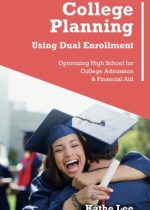
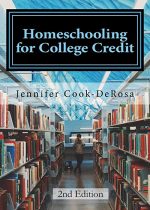
Must Reads for Dual Credit

0997573457.01._SCLZZZZZZZ_SX500_
Kathe Lee’s “College Planning Using Dual Enrollment: Optimizing High School for College Admissions
1724337610.01._SCLZZZZZZZ_SX500_
Jennifer Cook-DeRosa “Homeschooling for College Credit” Homeschooling for College Credit

Jennifer Cook-DeRosa also has several facebook pages- one main and then several state-based.  This is her main page:
https://www.facebook.com/HomeschoolingforCollegeCredit/

Not everyone is socially prepared for college, regardless of whether they were homeschooled, public schooled, or private schooled.  College involves a lot of big changes for kids.  Living on your own for the first time, experiencing all kinds of different freedoms and ideas, and learning to manage your own time is a big change. Not all students adjust. Many homeschooled students feel like they were better prepared than a lot of their counterparts- they had been exposed to a lot of different people and social settings in their lives, as well as taken a lot of different style classes, and were used to managing their time.  So again, you may be surprised at how your student adjusts, but it really will not be because of the way they were schooled.  It will be a lot more about personality and perseverance.

It’s also totally fine for kids to choose military, trade school, or a certification program, too, or other things like go into family business, or become an entrepreneur, which we will talk more about in another episode. The options are endless for these kids, and because they have been given freedom to learn in a more flexible and creative environment, don’t be surprised when they want to choose that for their future too.  

You determine the credit hours required, but if you have a child planning to attend college be sure to check their admission guidelines so you meet the minimum requirement for admission.

Most states require 19 or more credit hours for graduation with 24 or more needed for college prep.

General High School Graduation Guidlines

  • English – 4 credits
  • Math – 4 credits
  • Science – 3-4 credits (at least 2 with labs for college prep)
  • History – 3-4 credits
  • PE – 1 credit
  • Health – .5 credit
  • Foreign language – 2 credits (of the same language)
  • Electives

Be sure to check out our High School Series for details guiding you through the high school years.

This Week’s Freebies:

009. Schedules, Routines & Rhythms

Schedules, Routines & Rhythms

Do you feel overwhelmed trying to figure out the best way to organize your homeschool day? Not sure whether you need a strict schedule, a simple routine, or just a gentle rhythm to guide you? This week, we’re talking about these questions and more, exploring different ways to plan your days so they flow smoothly and feel right for your family. Whether you’re craving structure or looking for a bit more flexibility, we’ll share ideas and tips to help you find what works best. Tune in and let’s make homeschooling easier and more enjoyable together!

Episode 009:

Scroll down for 5 FREEBIES this week!

Are you just starting your homeschooling journey? We’re here to help! Begin with our Get Started in Homeschooling page and Homeschooling FAQ to make the transition smoother. If you’re guiding a young child, explore our How to Homeschool Kindergarten. to make those first steps special. For middle schoolers, don’t miss our Middle School page packed with tips and advice. And if you’re heading into the high school years, our Essential Steps to Homeschool High School will guide you every step of the way!

Show Notes:

Like many adults, children thrive with a predictable routine, which helps them develop self-discipline. They like to know what happens next. But there’s no two homeschool days will be exactly the same, and your plans may not always go as expected. So, set yourself up for success by choosing the method that works best for you, while staying flexible and open to reevaluating over time. What works in one season of life might not work in another.

What’s the difference between schedules, routines, and rythms? (3:06)

Schedules

Schedules, for many, implies a rigid system of structured start and end times. When it comes to homeschooling, perhaps this also means adhering to a standard 180 day school year (two 18 week semesters, 36 week school year).

A lot of newer homeschool parents get really ambitious with these, often scheduling out every hour of the day.  This can backfire or be hard to stick to.

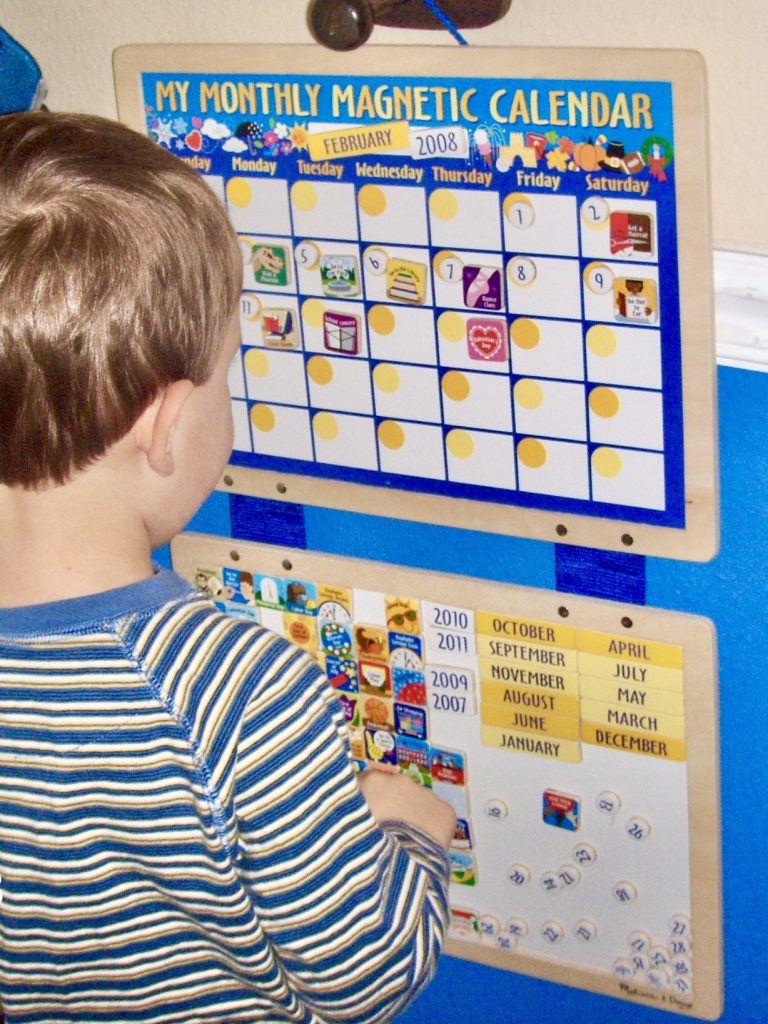
Awesome magnetic calendar that my kids loved!

Routines

Routines have less structure to them but give a gentle pattern to your day.  Perhaps you start each day with read aloud, then move on to math and other seat work, then work one on one with a younger child while an older one does some independent work, etc.  Because a routine does not have the rigidity of a strict, time-based schedule, you do not need to feel the pressure of cramming, say a certain amount of problems into a set math time slot, you have the flexibility of reading aloud extra when you are in a good spot in a book, etc. Learn more about Planning Your Homeschool Year.

Rhythms

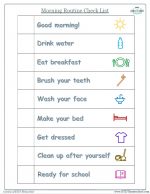
Rhythms are even more unstructured and may take into account *all* your daily activities- chores, meal prep, meals, hygiene, rest and bed times.  Make a list of everything you do- this is an especially great type of plan to have with babies, toddlers, preschoolers.

How do I organize my day? (5:23)

What is a typical homeschool schedule?

Some states may have an outlined number of hours for daily homeschooling but your typical homeschool day may run for two or three hours.  Homeschoolers also may not do 5 days a week- we often did 4 with a co-op or field trip day.

With your attention only directed to your child, you save more time than when attending to 20+ learners. To help you overcome the challenges of your weekly daily schedules, these points could help.

Be flexible

Learning should be fun and you might need to adjust whenever necessary to fit into the day’s need and challenges because each day brings its trouble. Flexibility could include things like changing your starting time, interchanging subjects, delaying some subjects, and so on.

7 Steps to Choosing Curriculum
Not sure what curriculum to use?
Check out our 7 Steps to Choosing Curriculum
Be routine minded

Following hard rock schedules will bring frustration at some point or the other. Instead of wearing yourself out with schedules, be routine mined, and follow routine patterns that can always be adjusted to fit into the current circumstance.

Have every child in mind

When planning your schedules, consider every child in your home, and bring them onboard smoothly and systematically. You may give time to your younger children first, followed by the older ones.

Have allowances

In your weekly homeschool schedule, be flexible and allow time for unforeseen situations.

The schoolwork part of your day

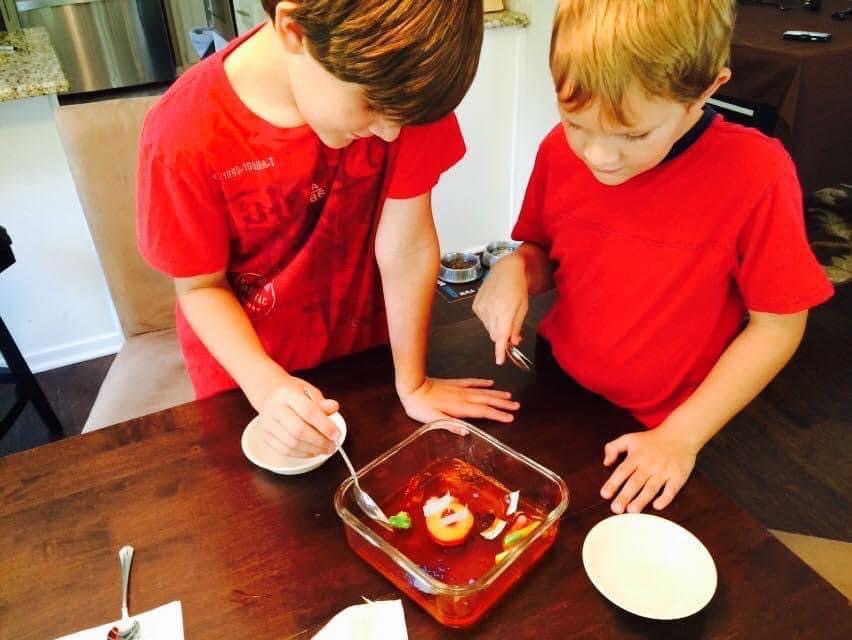
Time for school! Check out the Jello Cell that we made and get your free Cell Pack
Be Prepared

I learned early on that the more organized and prepared I was, the better our days would flow. If I slept in and tried to wing it, it was always a more stressful day.

If I was running around looking for paper, pencils, or that scrap of paper I jotted down an idea on for science that day, my kids would lose interest or just disappear from the table altogether.

Do yourself a favor and spend some time preparing in the evening before– Spend 10 minutes looking over what you’re doing the next day to gather your materials and make any copies necessary.

I like to also sit down on Sundays and work on my “Blueprint for a Beautiful Week”. I plan out what we are doing for lessons/classes/activities, as well as meal plan and insert our household chores and any big errands we need to squeeze in.

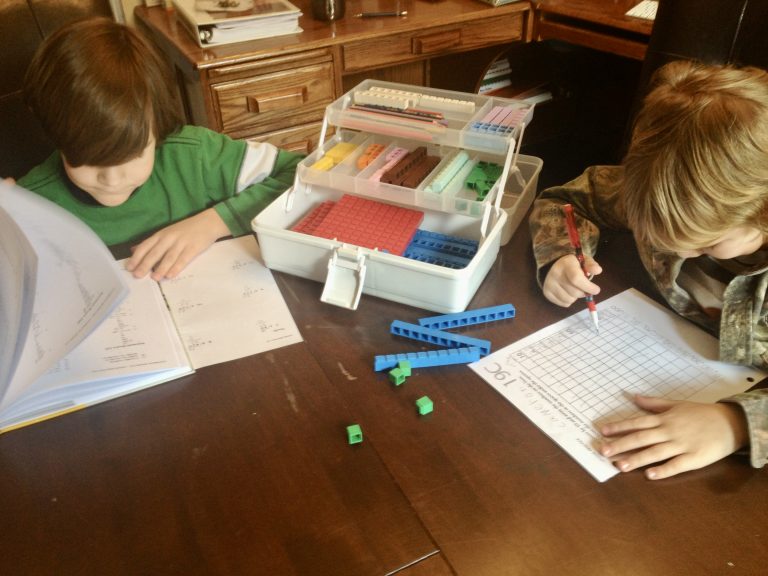
Time for Math! Learn more Math Tips
Check out our favorite Math Games
Make it Fun

Children respond well to fun and games. Create games out of tasks that seem too boring or unstimulating to them. Also make it a point to include fun activities in their routine e.g. playtime. Get your FREE Boardgame Templates to help teach any concept (reading, math, social studies, and more!)

Make it magical

Simple things like lighting a candle at the beginning of read aloud, or having fancy writing implements can take the drudgery out of the things you need to get done.

We loved these Peggy Kaye books and HIGHLY recommend them!
Check them out:

Let Them Have Some Say

By letting your kids have a say in some things they do or in what order they do them, they will be more cooperative and invested in their learning.

Social Time & Outside Classes/Events

To figure out how your routine will go on inside your home each week, you will need to start with what happens outside your home!

When my kids were younger, we would usually structure our school around social activities happening. If there was a field trip at 10 AM, then we would do a school when we got home.  If there’s an afternoon park day, we would be sure to school in the morning.

I’ve always done more outside classes as my kids got older, so a lot of what we did was arranged around those classes. When they were young, we did a park day every Tuesday and Friday morning, hike every Wednesday morning and Board game club every Friday afternoon. Those regular meet ups were not only fun memories for my kids, but they were also for my sanity as well!

Those regular meet ups were not only fun memories for my kids, they were my sanity

  • Hike every Wednesday morning
  • Board game club every Friday afternoon
  • Field Trips were a great additon to our learning
Choose the kind of schedule/routine/rhythm that works best for you

Life happens and we are constantly thrown off that schedule.

Don’t try to do every subject every day

Feel free to alternate days or choose an alternative scheduling method. Everything needs to be done regularly— not daily.

You are never going to squeeze 4 hours of schoolwork into a 4 hours. Something is going to happen — the washing machine will flood, the dog runs out the front door or someone decides this is the day for math tears. You will most likely not get it done, and you will end up frustrated. Plan to do 2 hours of school in a 4 hour tmeslot.

Want to be sure something gets done each day? Then add it on to one of the natural breaks of your day. A natural break is a meal (we all eat) or naptime or a nursing session, etc. Use these set times of things you know you will be doing certain things for important parts of your schedule — reading aloud, math, memory work, art. Move right from your natural break into your subject and soon it will become a habit. Check out our Favorite Books for New Readers.

Short Lessons to Help Stay on Task

The idea of short lessons stems from the Charlotte Mason philosophy. Your child can focus and learn more if you keep the lessons short and end them BEFORE he tires, even though he’s spending less time on his schoolwork.

When my kids struggle with math, I just have them do a few problems, and then we pop over to reading a chapter and then back to math. Or for my musician, have him go practice for 15 minutes and then come back.

Schedule the siblings

Ironically, the most important part of your schedule is probably where there is no school at all. When sitting to plan your routine, the infant to preschool set should probably be considered first, as this will help to create a routine that will run smoothly. Some ideas:

What can you do while nursing?

If baby wants to eat every morning at [8:00], then that is a great time to read aloud to the other kids.  I kept a book basket next to my nursing spot. Since we know reading aloud is important up until your older children leave the home, gather everyone together and enjoy this time. Little ones can play on the floor and everyone can find something to do with their hands. If you can’t read and nurse at the same time due to a wiggly older baby then pop in an audiobook or allow an older sibling to read. In fact, nursing time is also a great time for mom to be read to, so schedule time for reading aloud for emerging readers during nursing time as well. Get Daily FREE Homeschool Resources INSTANTLY on our Facebook group. These resources are a collection from all over the world and we recently posted a FREE morning basket planner we found online.

You can also make toddler care and entertainment part of the bigger kids’ school time. While you work with one, the other’s required task can be to play with little brother or sister and see to their needs for an allotted amount of time.

music, headphones, listening-791631.jpg
Get an AUDIOBOOK for everyone to enjoy!

My kids liked to teach baby sister finger plays and rhymes and we really enjoyed this book:

Put preschoolers first: Often a little one-on-one attention from mom goes a long way towards the little one going off to play alone happily for a while. Schedule in story time and a fun activity for your twos, threes, and fours before you get started with the bigger kids.  Fill their cup! Learn more about Homeschooling Preschool

Utilize the nap time. School does not have to start early in the morning. If you have two or three young kids and one or more of them still take a long afternoon nap, then don’t start school until the little ones go down. School can go from 1-3 and can be done peacefully and with less frustration. Schedule the messiest, hardest, or most mom-consuming subjects for nap time.  Even for small children who no longer nap, scheduling a mandatory rest time can be a great way to make your day run smoother and keep everyone happy.

Follow your natural inclinations

If your family does not jump out of bed running in the morning, then resist scheduling an early start to your day. Enjoy the flexibility of homeschooling and work at your times of peak productivity. This also means taking into consideration your children’s natural schedule and the fact that they have variations (which may not match yours!) as well. Got one early riser? Schedule his or her independent work first. Let the others get up right before group time and then do their independent work after.

Do not try to change your life and adapt it around your schedule

That’s a prescription for disaster. First, it’s important to have an understanding of your family’s natural habits. You don’t want to choose a schedule that starts at 7 AM if your kids thrive when they sleep in. Try letting your child do school in the afternoon or evening if he seems to be more alert and functions better. He may be a different student. There is NO law saying school has to start at 8 am! In fact, there’s no law that says it has to be done Monday through Friday.

A Funny Candle School Time

Traditions

Designing a mini prototype of their annual cardboard boat regatta. Check out our Elementary Hands-on Science Ideas

Make sure to include lots of traditions into your schedule or routine.  It gives everyone something to look forward to and makes for happy family memories.

Here’s some ideas of traditions that we both did:

  • Starting back after a holiday break FREEBIE!
  • First Day of School Year
  • Birthday on school day
  • Hike & Pie
  • Saint Patrick’s day hunt
  • MLK day
  • Shakespeare in the park
  • Dog birthday party
  • Homeschool days at different places in town for variety
  • Cardboard boat Regatta
cardboard boat regatta

What are some different planning methods?

Workboxes, Block and Loop Scheduling

Workboxing is a cool planning tool that was all the rage when our kids were little.  It involved using a set of boxes/folders/shelves that a child would work through every day.  Some would include independent work, some might have “work with mom” or “work with sibling” slots.  I loved these- I had 10 drawers, 5 were everyday tasks and the other 5, I switched out, but I had a master weekly schedule, so it was super easy to load the boxes up at night. Learn all about Workboxes and download your Free Workbox Labels.

Loop scheduling doesn’t assign a particular subject to a certain day, but you may have a list of work you do during a certain time period, and when it’s time to work, you just move to the next thing on the list.  A day off for an emergency car repair does not derail.

Block scheduling is for when you may want to devote more time to a certain subject. So you give it a dedicated time period, like several weeks or a semester- this allows you to stay focused and move through material faster.  This is great for elective type classes, but also work with things like science/history.  Math and language arts are typically subjects you want to include every day.  Block scheduling might look more like a college or high school schedule. Download your Free Block Scheduling Template

This Week’s Freebies:

What Should Your Preschooler Know?

006.

What Should Your Preschooler Know?

When should I start homeschooling?
What age should my child learn to read?
What curriculum do I need?

Are you just starting your homeschooling journey? We’re here to help! Begin with our Get Started in Homeschooling page and Homeschooling FAQ to make the transition smoother. If you’re guiding a young child, explore our How to Homeschool Kindergarten. to make those first steps special. For middle schoolers, don’t miss our Middle School page packed with tips and advice. And if you’re heading into the high school years, our Essential Steps to Homeschool High School will guide you every step of the way!

Show Notes

Preschool is a popular topic on homeschool message boards and often a controversial one, too, because established homeschool parents can get quite territorial over “what is school age.” While preschoolers are often still in more of a parenting than schooling stage, there are things you can do with them to get started on your homeschool path.

butterfly in your homeschool

When should I start homeschooling (2:05)

When we speak of educational outcomes, statistics also show that kids that receive an intense early education tend to peak by kindergarten and the educational benefits are not noticeable at all by 2nd grade.  Everyone eventually evens out.

All About Reading Pre-reading

You can find a lot of preschool activity lists online, just by searching things like “What should my preschooler know?” if you really feel like you need a game plan for homeschooling a preschooler.

Some people also really want to know how to schedule learning with your preschooler.  We’d recommend you adopt more of a routine rather than a schedule for your child. Children thrive on routines. Honestly, we’re all happier when we know what to expect.

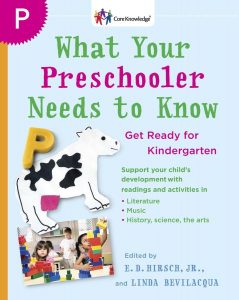
This book covers all the essential knowledge and skills that children need to acquire before entering kindergarten, from language and literacy to math, science, and social studies: What Your Preschooler Needs to Know: Get Ready for Kindergarten:

MAGICAL CHILDHOOD:
https://magicalchildhood.wordpress.com/2010/08/31/what-should-a-4-year-old-know/

WHAT DOES MY PRESCHOOLER NEED TO KNOW:

Preschool time can include nature walks, seed planting, pretending to be animals, measuring ingredients and stirring cake batter, taking turns in simple board games, feeding animals, making letters with clay, timing naps, and reading stories and alphabet books together.

Minimizing formal schooling for little kids is highly recommended. You can write down developmental milestones in a journal.

Save samples of drawing and of beginning attempts at writing. Also consider recording your child’s progress on video, especially if your child has special needs. Improvement may be slow, but you’ll be able to see changes year by year. Your records will prove to be far more than educational recordkeeping. They will become treasured keepsakes.

Growing a plant

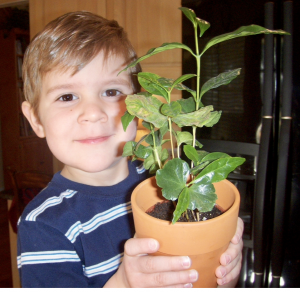
Use your journal to keep track of your child’s skills. Develop and write down your own goals or use a skills checklist from a book. In a homeschool preschool, you can tailor your list to your child. Simply list the beginning skills that you’re looking for and check off when your child can do them.

Basic Preschool Skills:

  • Know what Love is – How to love and be loved
  • Respect for others and themselves
  • Communicate in sentences, ask and answer questions, say full their name
  • Talk about position and direction (left, right, under, over, in, out, etc.)
  • Explore, observe and talk about the world around us
  • Help with simple chores
  • Work cooperatively with others
  • Work independently and ask for help when needed
  • Learn how to play with friends of all ages
  • Practice manners and kindness
  • Listen, share, and take turns
  • Self care without help (eating, toilet, dressing, hand washing, etc.). Free routine charts
  • Safety (what not to touch, stay away from the street, stranger danger, etc.)
  • Enjoy music and sing simple songs
  • Develop a sense of humor
  • Enjoy books
  • Play with sounds, numbers, letters, colors, textures, clocks, and timers
  • Count objects
  • Explore rhymes, same and different, big and small, light and heavy
  • Tell stories, beginning, ending, what comes next, cause and effect
  • Remembering numbers, names, letters and sounds, I Spy, hidden pictures
  • Begin to read and trace words with three letters, names of family members
  • Fine motor skills (beading, building, stirring, squishing, cutting, pouring)
  • Draw a person with six parts, using basic shapes (i.e., cross, circle, lines)
  • Understand real and pretend, alive and not alive
  • Gross motor skills (jumping, swinging, catching, throwing, tricycle riding, games)

Download the FREE Complete Skills and Checklist Guide for PreK-12th Grade

Children will vary greatly in their strengths and weaknesses in all these areas. It’s true that kids need to be emotionally, physically and mentally ready to do new things. However, don’t get too caught up in learning skills in a certain order. Different books may list a “preschool” skill under kindergarten, or even first grade.

What Your Kindergartner Needs to Know is a great resource when your child is ready to move on.

Example Homeschool Preschool Routine:

For PRESCHOOL, we recommend you adopt more of a routine rather than a schedule for your child. Children thrive on routines. Don’t compare yourself with others. Many people post highlight reels on social media but don’t fall into that trap!

Here is an example of a preschool routine:

  1. Morning cuddles and re-reading a favorite book to them
  2. Help mom with Breakfast
  3. Morning chores (clean up breakfast, make the bed)
  4. Personal hygiene (brush teeth, comb hair, get dressed)
  5. Building block or other game fun
  6. Watch a favorite show or free play
  7. Sidewalk chalk, water outdoor plants
  8. Learning activity (make slime, build pyramids, snap circuits, make cookies)
  9. Play with friends – park, host them, go to their house, field trip at the museum
  10. Lunch
  11. Errand with mom – bank, post office, grocery, new shoes?
  12. Nap if needed
  13. Drawing, Painting Art, sidewalk chalk, music and dance
  14. Free Play
  15. Help with Dinner
  16. Clean up dishes
  17. Go for a Walk or jump on a trampoline, ride scooter or tricycle
  18. Personal hygiene (bath, brush teeth, wash face, pjs)
  19. Pick up toys
  20. Cuddle and reading

What age should my child learn to read (17:14)

Most children eventually learn to walk, talk, read and do algebra. Experts say that most children learn to read by age 6 or 7, meaning first or second grade, and that some learn much earlier.

Be sure to listen to Episode 015:
How Do You Teach Your Child to Read!
We will walk you through the entire process!

U.S. Department of Education reading programs often say children should learn to read by age 8, or third grade, because learning to read transitions into reading to learn other subjects soon thereafter. The single biggest predictor of high academic achievement and high ACT scores is reading to children.

Once your child begins to read and you are ready to bridge the gap between reading board books and lengthier chapter books, check out our TOP 50 BOOKS FOR NEW READERS:

What curriculum do I need (22:52)

You do not need anything. Read lots of picture books together, do messy art and science projects, cook in the kitchen, have lots of imaginative/building toys- blocks, legos, trains, etc. Spend a ton of time outside- go for nature walks. Get binoculars, magnifying lens, specimen jars and so local bird/wildflower/tree identification guides and take them with you. Sing, dance, play musical instruments. Get a tub of dress up items. Play board games for math. Preschool is so much fun! As you begin research and make a plan for Kindergarten, visit our Kindergarten Curriculum Guide.

Cowboys and Wagon

One of the biggest advantages we can give our children is a simple, carefree childhood. 

Educate Yourself

When your kids are Preschool age, it is a great time to educate yourself. What are your eduational goals for your children? What KIND of homeschooler do you want to be? Help you fine-tune your goals with TOP 10 Books Every Homeschooler Should Read

This Week’s FREEBIES

Preschool Letter Recognition
20 Best Tips for Teaching Reading and Spelling

004. Homeschool Styles and Philosophies

Homeschool Style and Philosophy

Homeschool Styles and Philosophies

Episode 004:

TWO WAYS TO LISTEN TO THIS EPISODE:
1. Click PLAY Button Above ^^ to listen here.
2. OR Listen on your favorite podcast platform:

Scroll Down for this week’s freebie
Homeschool Reflections Workbook (pdf)

Are you just starting your homeschooling journey? We’re here to help! Begin with our Get Started in Homeschooling page and Homeschooling FAQ to make the transition smoother. If you’re guiding a young child, explore our How to Homeschool Kindergarten. to make those first steps special. For middle schoolers, don’t miss our Middle School page packed with tips and advice. And if you’re heading into the high school years, our Essential Steps to Homeschool High School will guide you every step of the way!

Show Notes

Homeschoolers are not all cut from the same mold.  We aren’t all choosing to homeschool for the same reasons and sometimes it’s even the opposite.  There are a million options for homeschooling out there so a little decision making on your worldview and style/philosophy is going to go a long way in helping you narrow down curricula choices.

Books that can help determine YOUR homeschool style

What is my homeschool Philosophy and Worldview?

These terms are often used in homeschooling to personal family ideals and to describe educational and homeschool materials (curriculum, books, movies…)

Authors, curriculum creators, sellers, youtubers, and reviews, don’t always clearly communicate or label materials as Religious/Christian, Neutral/Inclusive, or Secular. Before any purchases and any enrollment, it’s recommended to get further clarification.  Check their FAQ page or ask questions.

It’s important to understand your core beliefs and values regarding education. When choosing a curriculum, you need to find one that aligns with your philosophy, values, and worldview. Here are some points to consider:

Secular, Non-religious

You may prefer a curriculum that focuses on academic subjects without any specific religious influence. Secular curriculum is designed to provide a neutral educational experience, free from any particular religious worldview.

There are so many different types of faiths and religions and often the creators and the program don’t align with a family’s beliefs. Those families typically choose a curriculum without religion, and then teach their moral, ethical and religious values outside of a curriculum.

There’s a lot of reasons why families choose Secular Curriculum – even a lot of religious families choose a secular curriculum:

Why Choose Secular Resources?

Choosing a secular resource may be the right fit for you. It may surprise some people but there are Religious and non-religious families that seek out secular resources. It isn’t just atheist homeschoolers who are looking for these resources for their children. Families usually chose secular resources or choose a secular curriculum for the following reasons:

1. You aren’t religious

There are many homeschool families who homeschool for non-religious reasons.  There is a growing body of homeschoolers who do not follow any sort of religion. These families usually homeschool due to schedule issues, or because they believe their children can get a better education at home. Some homeschoolers may have been raised in a religious home and want to move away from a religion they see as harmful, but still have a personalized faith they want to teach their children on their own terms.

2. Maybe you are religious but not Evangelical Christian

Many homeschoolers of faith are Islamic, Jehovah’s Witness, Jewish, Wiccan, Catholic, Mormon, or follow some another religion. Many homeschool resources follow traditional Evangelical Christian beliefs, which may not be a fit for your family when you follow another religion.

3. You don’t follow the young earth theory

The most common reason homeschoolers seek out secular curriculum and local resources is that they do not believe in the Young Earth science theory. Young Earth theory states that the entire world is somewhere between 6,000 and 10,000 years old, with the world just getting started with the first recorded stories from the Bible. Current scientific theory refutes this claim offering evidence that the earth was formed somewhere around 4.5 billion years ago.

4. You may have a special circumstance

For many families that have a child with special needs or learning differences, homeschooling may be the best choice.

5. You may want to prepare your children like a traditional school

The traditional school system is secular. Religion is not taught in most public schools and universities. Some parents would rather keep religious instruction separate from other subjects in school or teach all world religions equally.

Faith-based

On the other hand, if incorporating your religious beliefs into your children’s education is important to you, you may opt for a faith-based curriculum. These curricula integrate religious teachings and values into the academic subjects.

Neutral / Inclusive

Materials marketed to everyone.

What is my homeschool style?

A curriculum may fit your budget and homeschool values well, but that doesn’t mean it’s the best fit for your student. Every child has a unique learning style, and homeschooling offers the flexibility to tailor their education accordingly. Consider each child’s unique struggles and needs before you select a curriculum. Schools often rely on workbooks and textbooks and traditional group teaching methods, but homeschooling opens up a world of alternative approaches.

Each family has unique preferences and approaches to homeschooling. Familiarize yourself with different homeschooling styles:

Traditional Homeschooling

  • Follows a structured and formal education model similar to traditional schools.
  • Involves textbooks, workbooks, and teacher-led instruction.
  • Focuses on following a predetermined curriculum and meeting specific learning objectives.

Classical Homeschooling

  • Draws inspiration from ancient Greek and Roman education methods.
  • Emphasizes the development of critical thinking, logic, and rhetorical skills.
  • Follows a three-stage model known as the trivium (grammar, logic, and rhetoric).

Charlotte Mason

  • Focuses on living books, nature study, and the development of good habits.
  • Values a broad and liberal arts education, incorporating subjects like literature, art, music, and nature.
  • Utilizes narration and short lessons as common practices.

Montessori Homeschooling

  • Emphasizes hands-on learning and self-paced exploration.
  • Provides a prepared environment with carefully selected materials that promote independence.
  • Focuses on sensorial experiences, practical life skills, and individualized learning.

Waldorf Homeschooling

  • Emphasizes a holistic approach to education, nurturing imagination, creativity, and emotional development.
  • Incorporates artistic activities, storytelling, crafts, and rhythm into daily lessons.
  • Often discourages the use of electronic media especially in the early years.

Unit Studies or Project-based Learning

  • Integrates multiple subjects into a themed unit of study.
  • Explores a specific topic or concept across various disciplines.
  • Allows for an in-depth and comprehensive exploration of a subject.

Eclectic Homeschooling

  • Combines various approaches and resources to create a customized learning experience.
  • Allows families to pick and choose from different methods, curriculum materials, and teaching styles.
  • Offers flexibility and adaptability in designing a personalized education.

Relaxed Homeschooling

  • Takes a laid-back and flexible approach to learning.
  • Focuses on creating a low-stress environment and allowing children to learn at their own pace.
  • Emphasizes fostering a love of learning rather than adhering to a strict schedule or curriculum.

Unschooling

  • Emphasizes child-led learning and natural curiosity.
  • Encourages children to explore their interests and learn through real-life experiences.
  • Learning happens organically through everyday activities and self-directed exploration.

Online Schooling/Outsourcing

  • Not really a philosophy, but a delivery method
  • Focus is on traditional skills and content but delivered in a more tailored way, allowing for parents to be more hands-off
  • Could include live online classes, asynchronous classes, video lectures, or software based learning

Remember, these descriptions provide a general overview of each homeschooling style, and there can be variations and combinations of methods within each approach. Feel free to explore and adapt different approaches to create a homeschooling experience that best suits your family’s needs and educational goals.  Some people start off with one method, and totally regroup as their child gets older.  Some may even use a variety of methods with different children in their own home. And that’s the beauty of homeschooling: customizing your experience for your student. There is no right or wrong choice when it comes to selecting a style and curriculum. Take a quiz to determine your homeschool style

7 Steps to Choosing Curriculum

What is your child’s learning style?

By considering your student’s unique struggles, needs, and preferences, you can select a curriculum that is engaging, effective, and well-suited to their individual learning journey. Don’t be afraid to explore different resources, experiment with various approaches, and adapt the curriculum to create a personalized learning experience that supports your student’s growth and success.

Here are some key points to consider when selecting a curriculum that best suits your student’s learning needs and preferences:

Individual Learning Needs

  • Take into account your student’s specific learning needs, strengths, and weaknesses.
  • Consider their preferred learning style, whether they learn best through visual, auditory, or hands-on methods.
  • Think about any specific learning challenges or areas where they may need extra support or accommodations.

Personal Preferences

  • Recognize that what works for one child may not work for another.
  • Each child has their own interests, learning pace, and preferred methods of learning.
  • Consider their preferences for interactive activities, group work, or independent study.

Age and Developmental Stage

  • Keep in mind that what was effective for an older sibling may not be the best fit for a younger one and all kids mature at different ages.
  • Consider age-appropriate materials and activities that align with your student’s developmental stage.
  • Adapt the curriculum to match their readiness and abilities.

Learning Styles

  • Visual (spatial):You prefer using pictures, images, and spatial understanding.
  • Aural (auditory-musical): You prefer using sound and music.
  • Verbal (linguistic): You prefer using words, both in speech and writing.
  • Physical (kinesthetic): You prefer using your body, hands and sense of touch.
  • Logical (mathematical): You prefer using logic, reasoning and systems.
  • Social (interpersonal): You prefer to learn in groups or with other people.
  • Solitary (intrapersonal): You prefer to work alone and use self-study.

Flexibility and Adaptability

  • Remember that homeschooling allows you the flexibility to tailor the curriculum to meet your student’s needs.
  • Be open to adjusting and customizing the curriculum as you go along, based on your student’s progress and feedback.
Reading in Costume

The Week’s Freebie:

003. How To Get Started

003.

How To Get Started in Homeschooling

What are the Advantages and Disadvantages of Homeschooling?
Can I homeschool in my state?
How to withdraw your child from public school?
What is Deschooling?

Tune in this week while we discuss these topics and more!

Scroll Down for this week’s Freebie:
Two Withdrawal Sample Letters

Are you just starting your homeschooling journey? We’re here to help! Begin with our Get Started in Homeschooling page and Homeschooling FAQ to make the transition smoother. If you’re guiding a young child, explore our How to Homeschool Kindergarten. to make those first steps special. For middle schoolers, don’t miss our Middle School page packed with tips and advice. And if you’re heading into the high school years, our Essential Steps to Homeschool High School will guide you every step of the way!

Show Notes:

Great News! We have choices when it comes to our children’s education!

Homeschooling may seem daunting when you first begin but we are here to help you navigate through this entire process! In this episode, Maria and Nicole discuss advantages and disadvantages of homeschooling, homeschooling in your state, withdrawing your child from public school and deschooling.

Top 10 Books Every Homeschooler Should Read is a great place to begin to set yourself up for success and create life-long learners:

with FREE Companion Workbook

These books have inspired us and several stay on our bookshelves and we often re-read and reference them at the start of our new school year. Many new homeschoolers struggle with confidence and wonder if they really can homeschool their children. These books will help begin to lay the foundation of Finding the Confidence to set your children up for success!

Advantages and Disadvantages of Homeschooling (1:36)

Homeschooling Pros:

  • Flexibility/time
  • Freedom
  • Personalized education
  • Strong family relationships
  • Fostering a love of learning
  • Religious or ethical instruction

Homeschooling Cons:

  • Workload
  • Time 
  • Finding balance
  • Excessive interaction
  • Seeking out social opportunities
  • Other people’s opinions 
  • Cost 

Worried about Socialization?

This MYTH is debunked time and time again! Homeschoolers have MORE Opportunities to socialize since they are not limited to a classroom setting all day. There’s so much time wasted in public school and lessons takes a fraction of the time at a home leaving more time for personal interests and building friendships. Learn More About Socialization and check out the Complete List of 100 Ways to Socialize Your Homeschooler.

State Laws and Requirements (26:23)

Homeschooling is legal in all 50 states, however all states have differing requirements as to what you must teach, how to withdraw from school, what a compulsory school age is (and/or whether kindergarten is required), and what, if any, type of reporting requirements there are.

Homeschool Laws by State
Look up your State’s Homeschooling Laws

Homeschool in Texas

In 1994 the Texas Supreme Court unanimously upheld lower court decisions that home schools, by law, are considered private schools. Private schools are exempt from the compulsory attendance requirements placed upon public school attendees. Private schools in Texas are not regulated or accredited by the state.

  • The instruction must be bona fide (i.e., not a sham).
  • The curriculum must be in visual form (e.g., books, workbooks, video monitor).
  • The curriculum must include the five basic subjects of reading, spelling, grammar, mathematics, and good citizenship.

There are no reporting agencies and no testing requirements for homeschoolers. The state of Texas does not regulate homeschoolers once they have been removed from the public school system.

IF YOUR CHILD HAS NEVER ATTENDED SCHOOL
  • If your child has never attended public school, you can simply keep them home and homeschool.
  • You do not have to notify the school or sign the intent to homeschool if they have never been enrolled.
How to withdraw your child from public school (Texas)
  • BY MAIL (recommended):  It is suggested that you send this certified mail, return receipt requested, so you have proof of their receipt of the letter. Send a copy to the registrar in case the principal forgets to notify them.
  • IN PERSON: Go to the school and tell the administrator that you will be withdrawing your child to homeschool him/her.  You can physically deliver your letter (recommended) or sign the provided form (“Intent to Homeschool”, “Homeschool Assurance Statement”, or whatever the school titles it) This form may ask you what type of curriculum you intend to use. You DO NOT have to answer this question. You can leave it blank if you like. Or, if you want to put something there you can simply say you will be using an eclectic approach, utilizing many types of resources.
  • Pay any library fines, return books that belong to the school, settle up cafeteria charges, etc.
  • Should you have any issues from the school, you should contact an attorney, or you can seek legal guidance from a homeschool group that provides legal representation.
  • Once you have withdrawn you child, take this time to DESCHOOL and enjoy them before beginning any formal education.

What is Deschooling? (31:16)

Deschooling is defined as the adjustment period a child goes through when leaving school and beginning homeschooling.  To fully benefit, a child has to let go of the private/public school culture as the norm.  This is a crucial part of beginning homeschooling after a period of time spent in a classroom.

Deschooling
Learn more: Deschooling 101 and download the Free Deschooling Activity Page to keep learning during this time.

This Week’s Freebies:

Withdraw Your Child from Public School
SAMPLE LETTER #1
Withdraw Your Child from Public School
SAMPLE LETTER #2
error

Listen to our latest episode & follow us :)

Scroll to Top