BTDT Podcasts

Been There Done That Homeschool Podcast is an all inclusive space. Bring your sense of humor while we laugh (and sometimes cry) as we tell our stories and help you through your own homeschool adventure!

054. How Do Homeschoolers Transition from Elementary to Middle School?

How Do Homeschoolers Transition from Elementary to Middle School?

Middle school marks a time of intellectual and personal growth, where kids explore a broader range of subjects and develop critical thinking skills. In today’s episode, we’re talking about transitioning from elementary to middle school and how homeschooling offers a unique opportunity to tailor their learning experiences to their individual needs and interests. We’ll be exploring the advantages, strategies, and resources that will empower you in providing a rich and engaging education while nurturing your child’s love for learning and growing independence. 

Episode 054:

TWO WAYS TO LISTEN TO THIS EPISODE:
1. Click PLAY Button Above ^^ to listen here.
2. OR Listen on your favorite podcast platform:

Are you just starting your homeschooling journey? We’re here to help! Begin with our Get Started in Homeschooling page and Homeschooling FAQ to make the transition smoother. If you’re guiding a young child, explore our How to Homeschool Kindergarten. to make those first steps special. For middle schoolers, don’t miss our Middle School page packed with tips and advice. And if you’re heading into the high school years, our Essential Steps to Homeschool High School will guide you every step of the way!

Show Notes

We spend a lot of time here talking about our beginners and younger homeschoolers and then even more time focused on our high schoolers and getting them ready for college and beyond, but one group often gets left to the wayside in homeschool discussions, and that’s our middle schoolers!  They are the Jan of this Brady Bunch!

But meanwhile, homeschooling middle schoolers represents a dynamic phase in a child’s educational journey. Many parents realize at this age that traditional school does not fit their child and choose to withdraw and homeschool their child. If this is you, please take some time to check out our Deschooling page. Deschooling is an essential step to successfully homeschool after withdrawing your child and it will help reengage them and reignite their love for learning. And this step is not just for the kids, it’s an important step for the parents too. You’ll spend time reconnecting with your child and figuring out what kind of education you want to provide so if your kids are in an unhealthy environment, pull them out now and start this process. You don’t have to have it all figured out to begin.

Transitioning from elementary to middle school for homeschoolers is a significant step in a child’s educational journey. It marks a shift from more flexible, parent-led learning approaches to a more structured and diverse curriculum. 

How to transition from elementary school to middle school? (4:36)

Here are some key considerations and tips for a smooth transition:

Curriculum Transition

Now is a good time to evaluate your homeschooling curriculum and materials. Middle school typically introduces more or gets more in depth with subjects, such as science, history, and literature. And be sure to consider resources that align with your state’s educational standards. Look up your State’s Homeschool Law

You’ll want to choose age-appropriate materials. You may find that your student who thrived with read-alouds, may want to do more on their own, or that you need additional hands-on activities.  We always caution our younger families not to get too excited about curriculum early and buy ahead several years- what was great in elementary may not suit your family later.  

Planning and Scheduling

Create a clear plan and schedule. Establish daily routines and set realistic goals for academic progress. And this doesn’t have to be super rigid, but a little more structure in your schedule is going to help them develop time management skills.
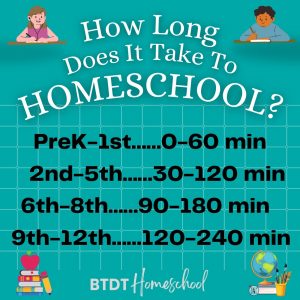
how long does it take to homeschool

This doesn’t mean suddenly you need a 7-3 schedule.  Remember that homeschooling is still way more efficient, and you can get more done in a day, but you may want to just add in some more structure or increase your time. An average time a homeschool middle schooler spends on formal academics is 1-3 hrs. a day. If we have a big project we are working on, we tend to spend a little more towards 3 hrs., but can usually wrap up school in 1.5 hrs. 

Increase Independence

Encourage your child to take more ownership of their learning. Provide opportunities for them to plan and organize their assignments and study times. This is the age that I introduce the concept of notetaking, and if my kids are taking an outside class, I start to have them show me their notes and teach them how to review notes after class. Middle school is an ideal time for them to develop greater independence in their studies but gently guide them on forming good habits.  

How To Take Great Notes Quickly and Easily is a very easy guide for your middle schooler. (40+ Note Taking Tips for School, Work, Books and Lectures. Cornell Notes Explained and more!

Extracurricular Activities

Explore extracurricular options, such as sports, clubs, and community involvement. These activities can help your child develop social skills, find their interests, and make friends. I had a couple kids that still really liked park days at this age but also a couple that were ready for being dropped at a coffee shop while I took others to the park. Extracurricular Idea Guide.

Field Trips and Real-World Learning

Continue incorporating field trips and hands-on learning experiences. I love this age for field trips! Some of those field trips that your younger kids were too little for are perfect for this age. And these kids benefit from real-world applications of what they’re learning. 100 Homeschool Field Trip Ideas. Also, check out our favorite subscriptions to keep learning engaging.

Technology Integration

Introduce educational technology and digital resources. Middle schoolers may need to become proficient in using computers for research, online classes, and projects. Teach them to use Google docs, PowerPoint. and spreadsheets. A typing program may be handy too and a lot of middle schoolers like to get into gaming and programming, too. Scratch is an awesome free program from MIT.

Individual Learning Styles

Recognize that every child learns differently. Tailor your approach to accommodate their unique learning style and strengths, whether they are visual, auditory, or kinesthetic learners. This goes along with re-evaluating your curriculum that we mentioned above- make sure your choices grow with your child. What is Your Child’s Learning Style?

Communication and Support

Maintain open communication with them. They may have sought a lot of independence, but this is all new and sometimes that can create stress. Address any concerns or anxieties they may have about transitioning to middle school and more independence. Be available to provide guidance and support. 

Seeking Help When Needed

If you find certain subjects challenging to teach or if your child has specific educational needs, consider enlisting the help of tutors or specialized educational programs or outsourcing classes. We both have outsourced classes-math and science, writing classes on Outschool.

Socialization

Middle school is a time when children often crave more social interaction. Help them connect with friends with similar interests, values, and beliefs by arranging playdates, group activities, and co-op classes with other homeschoolers to build friendships. This is a time of great transition socially and all of these changes can either be nurtured or hindered by peers. Peer Pressure can even happen to homeschoolers, and it can be either positive or negative. In an effort to best handle social pressure, teach them to be assertive by speaking up and telling friends what they like/don’t like. Most homeschoolers don’t have a problem with this. Keep an open dialogue so they feel safe coming to you about situations that they don’t understand and/or that make them feel uncomfortable.

Our FREE download this week (bottom of this page) is a Guide for your tween to help encourage them to make friends and nurture those relationships. We usually make a resource for the homeschool parent but this one is to print out and hand it to your child to help encourage them. This age can be hard and awkward and lonely. Hopefully this resource will help them to reach out and be proactive in finding connections. 

Transitioning Gradually

If your child is apprehensive about the transition, consider a gradual approach, introducing the new middle school curriculum incrementally to ease the adjustment.

This transition from elementary to middle school can be a positive and exciting step in a homeschooler’s education. By being proactive in your approach, providing structure, and maintaining open communication, you can help them navigate this transition with confidence and success.

What academic skills are crucial for middle schoolers? (14:56)

Middle school is a critical stage in a student’s development, where they acquire a wide range of academic, social, and life skills. Below you will find some crucial skills for middle schoolers.

Academic Skills

  • Reading Comprehension: The ability to understand and analyze written text critically.
  • Math Proficiency: A solid foundation in math concepts, including arithmetic, algebra, and geometry.
  • Research Skills: The capacity to conduct research, evaluate sources, and cite information accurately.
  • Problem-Solving: The capability to identify and resolve complex problems effectively.

Achieving success in this more challenging world requires knowing many more words. 100 Words Every Middle Schooler Should Know helps Middle Schoolers to express themselves with distinction and get the most out of their education.
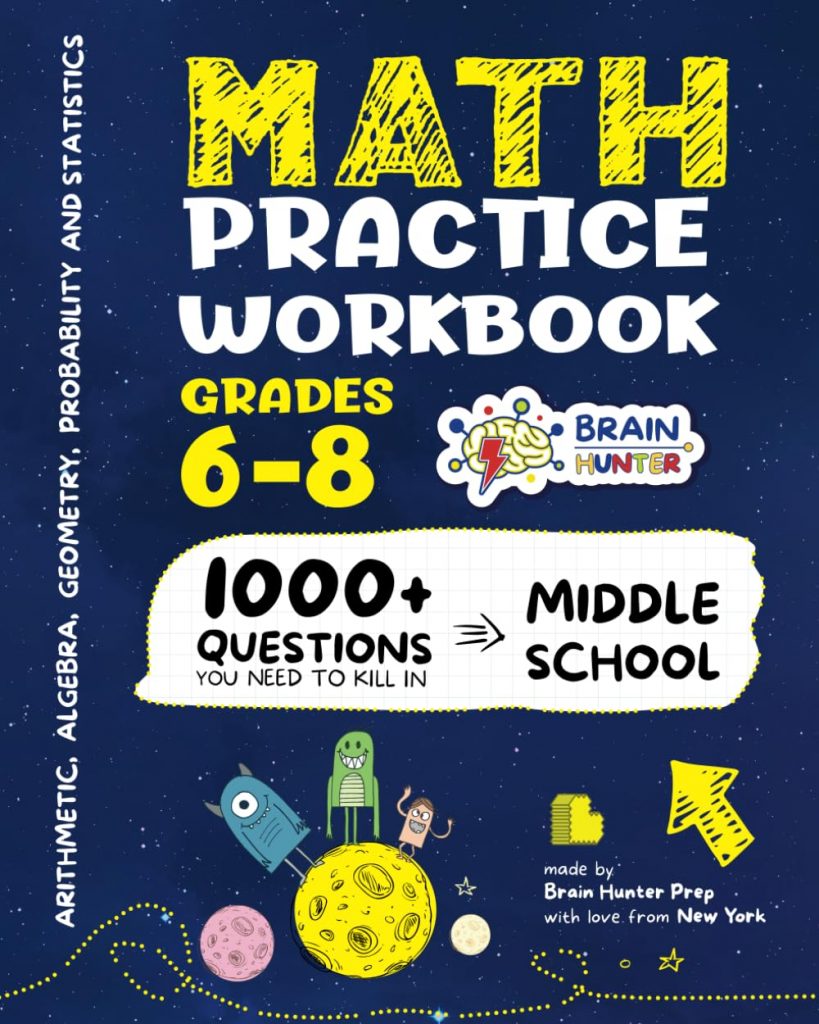
Prepare your child for middle school math with the Middle School Math Practice Workbook. This workbook provides children with comprehensive practice questions that cover a wide range of topics they will encounter in middle school.
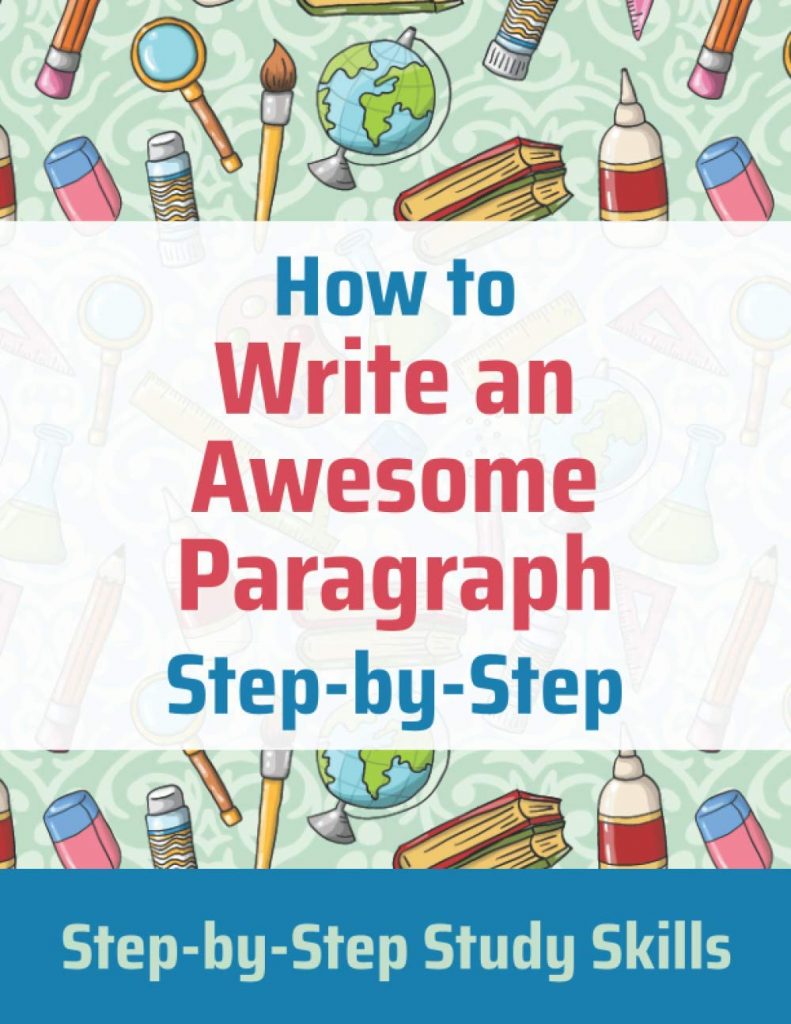
The How to Write an Awesome Paragraph Step-by-Step workbook teaches your students how to write a strong paragraph using a foolproof step-by-step process. This book is particularly useful for struggling or special needs students who will welcome the explicit steps which they can re-use each time they need to write a paragraph. The visual supports and incremental practice also build confidence in a wide range of students.

Organization and Time Management

  • Time Management: The skill of managing time efficiently to balance academic work, extracurricular activities, and their personal life.
  • Organization: Keeping track of assignments, materials, and schedules. Also, check out our Top 15 Planner Strategies for Middle School

Critical Thinking

  • The ability to think critically, analyze information, and make informed decisions.
  • Logical Reasoning: The capacity to reason logically and draw valid conclusions.
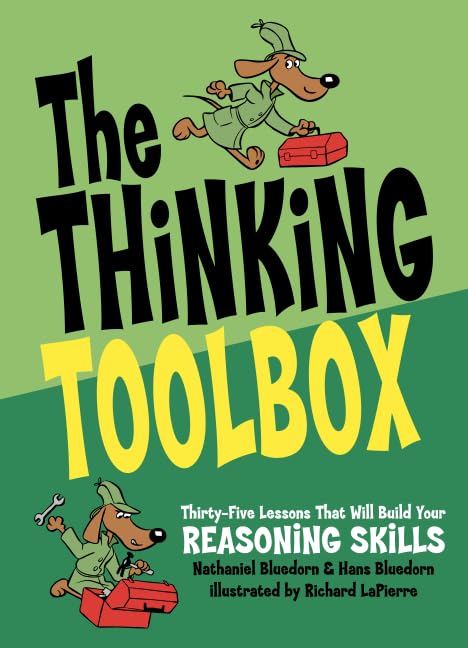
The Thinking Toolbox is like a toolbox, full of different kinds of tools your child can use for different thinking tasks. Just as you use the wrench in a regular toolbox to fix the sink, so you can use the tools we give you in this book to solve thinking problems.

Communication Skills

  • Effective Writing: The capability to express thoughts and ideas clearly in written form.
  • Oral Communication: The skill of articulating ideas and speaking confidently.
  • Active Listening: The ability to listen and comprehend information during discussions and lectures.
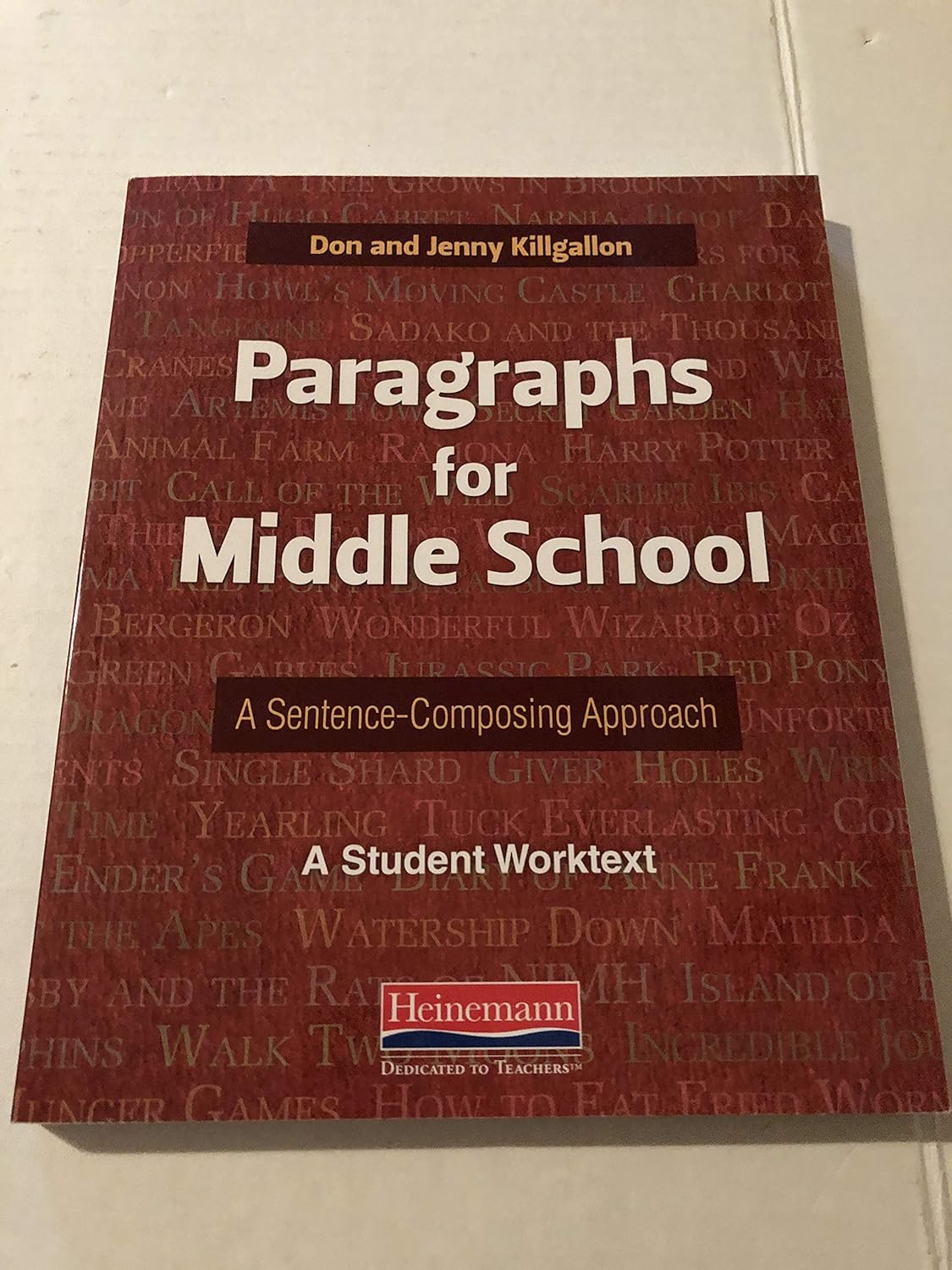
Paragraphs for Middle School: A Sentence-Composing Approach gives students new tools to write mature and varied sentences through imitating models.

Research and Technology

  • Research skills, including online research, source evaluation, and effective use of digital tools.
  • Proficiency with technology, including word processing, spreadsheets, and presentation software.
  • Information Literacy: The ability to find, evaluate, and use information from various sources critically.

Social and Emotional Skills
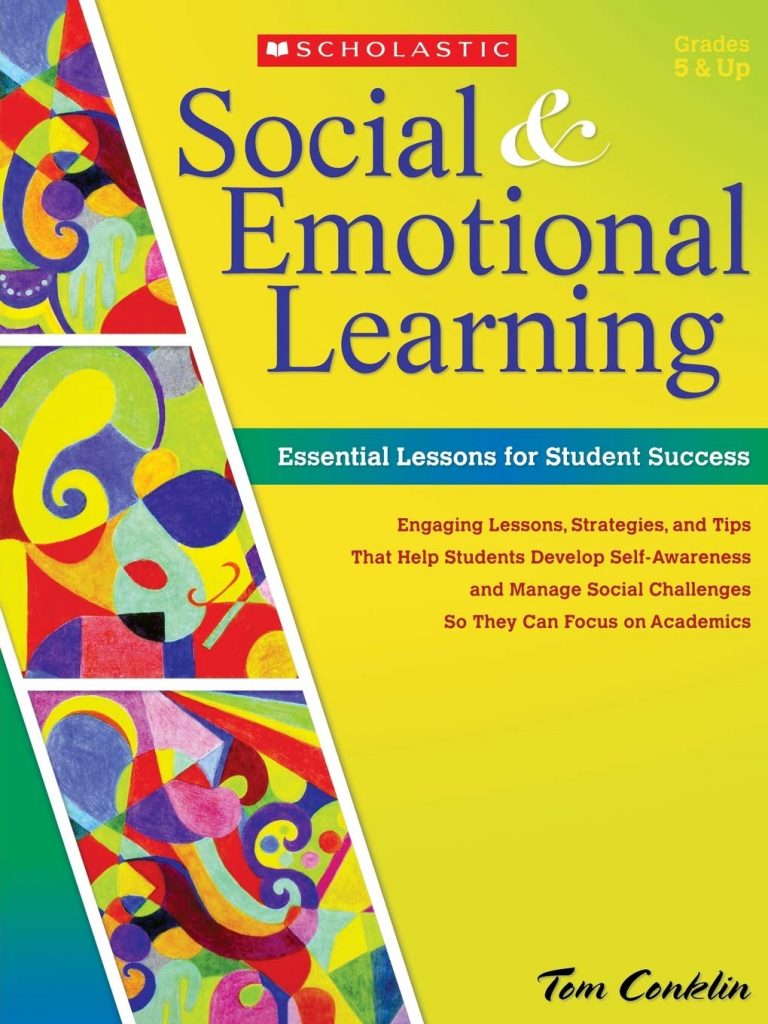
Social & Emotional Learning has engaging lessons, strategies, and tips that help students develop self-awareness and manage social challenges so they can navigate middle school and focus on academics.
  • Empathy: The ability to understand and relate to the feelings of others.
  • Conflict Resolution: Skills for resolving disputes and conflicts peacefully.
  • Self-Awareness: Developing an understanding of one’s emotions and reactions.
  • Resilience: The capacity to bounce back from setbacks and adapt to challenges.
  • Cultural and Global Awareness: Developing an understanding of diverse cultures, perspectives, and global issues. We’ve used Universal Yums to do this for years.

Universal Yums has been a wonderful addition to our homeschool. My kids have learned so much about different regions and people from all over the world! Get a new country every month.

Study Skills

  • Effective study habits, including notetaking, summarization, and test preparation techniques.
  • Time management for studying and completing assignments.
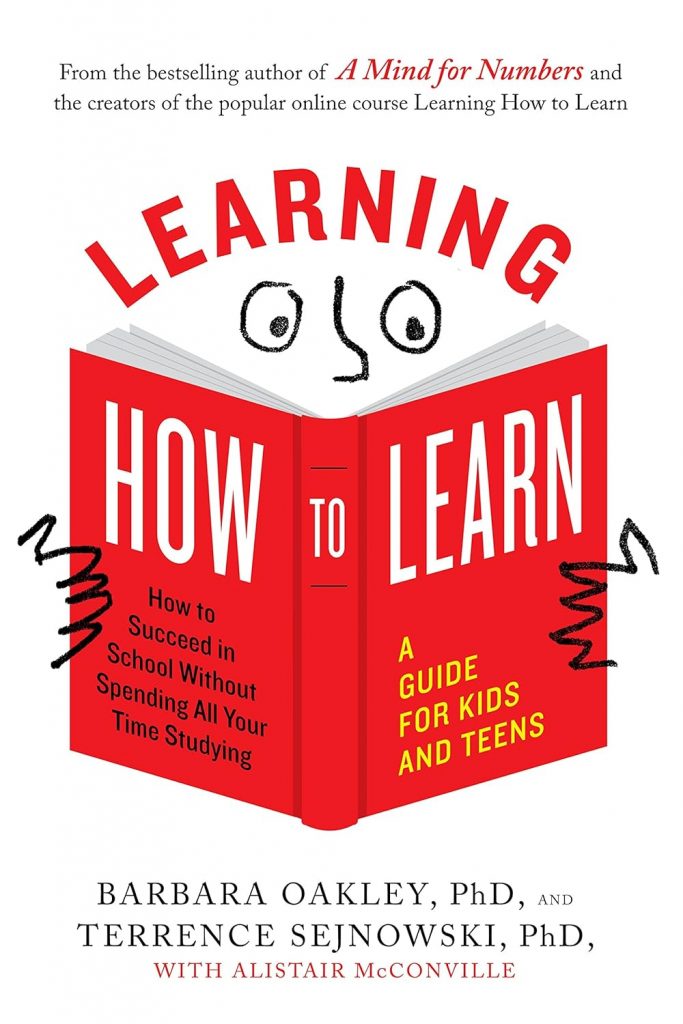
Learning How to Learn has empowered more than two million learners from around the world to master subjects that they once struggled with. These learning strategies reveal how to make the most of time spent studying. This book is filled with illustrations, application questions, and exercises, this book makes learning easy and fun.

Teamwork and Collaboration

  • Working effectively with peers on group projects and in team-based activities. Future City Competition is one of our favorite Middle School group activity – you can win cash prizes!

Health and Wellness

  • Basic knowledge of nutrition, physical fitness, and mental health, as well as maintaining a healthy lifestyle. 
  • Promote a healthy lifestyle by encouraging physical activity, balanced nutrition, and adequate sleep. Teach them about the importance of self-care and well-being. Learn more in Episode 051. Homeschool PE, Health, and Sex Ed. Download Free Fitness Dice!

Teaching and reinforcing these skills during the middle school years can significantly enhance a student’s academic success and overall development, preparing them for the challenges of high school and beyond.

How to care for tweens? (21:43)

Caring for tweens, who are typically children aged 9 to 12, involves a combination of emotional support, guidance, and age-appropriate boundaries. Tread carefully!  Some parents really find these years hard while some think it’s a breeze. Remember that our mantra is always “all kids are different!” And you get all that extra time to really know your kids.  Maintain open and non-judgmental communication with your tween. Encourage them to express their thoughts, feelings, and concerns. Listen actively and provide a safe space for them to talk. 

1. Recognize their growing need for independence and autonomy

Encourage them to take on responsibilities, make decisions, and learn from their experiences. You want to respect their independence. While respecting their autonomy, establish clear rules and expectations. Discuss consequences for breaking rules and consistently enforce them. But also reevaluate them when something is not working. Not everybody would agree with this, but I like to collaborate with my kids when establishing these rules and expectations. And they are more likely to follow them when they’ve had a hand in creating them.
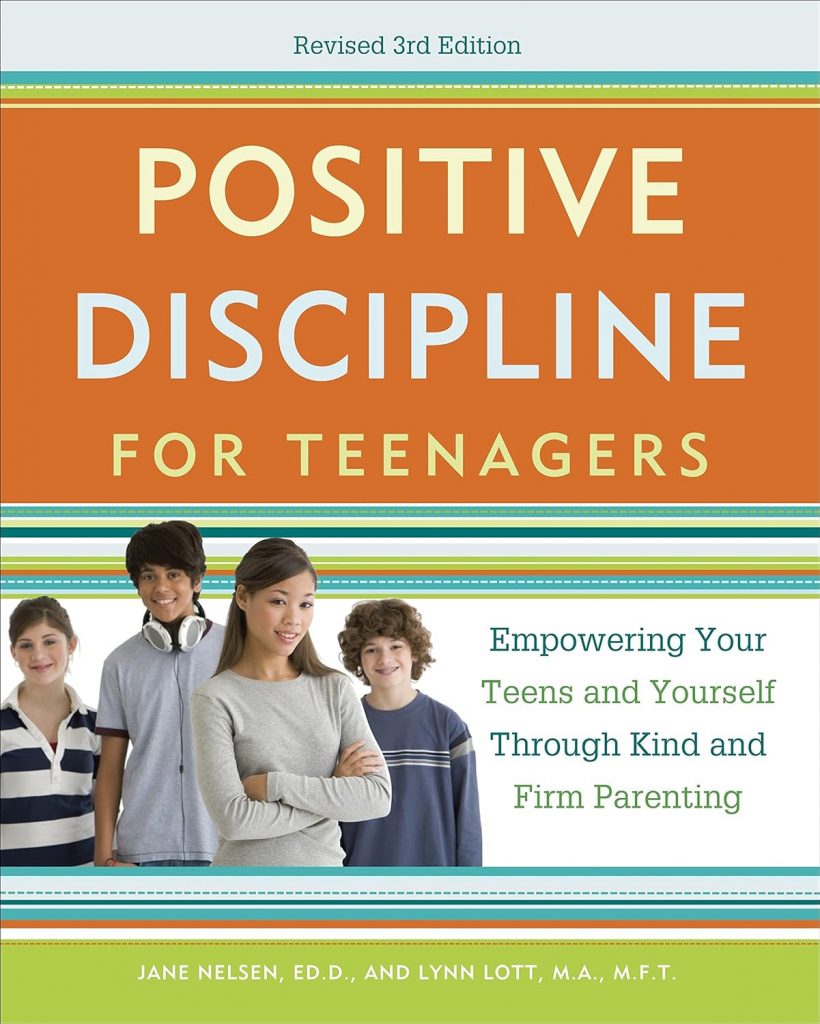
Positive Discipline for Teenagers shows parents how to build stronger bridges of communication with their children, break the destructive cycles of guilt and blame that occur in parent-teen power struggles, and work toward greater mutual respect with their adolescents.

2. Guide them in developing problem-solving skills.

Help them analyze situations, weigh pros and cons, and make informed decisions.

3. Discuss the importance of healthy friendships and how to navigate peer pressure

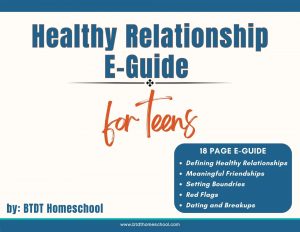
Offer guidance on resolving conflicts and making good friend choices. Discuss healthy communication with peers, including listening, expressing themselves clearly, and resolving conflicts constructively. Emphasize the values of respect, responsibility, and integrity in their interactions with others. Get your FREE Teen Healthy Relationship E-guide.

4. Pay attention to their emotional well-being

Help them manage stress, anxiety, and emotions by teaching coping strategies and offering emotional support.

Middle school can be one of the hardest times of life for many young people. Tweens, Tough Times, and Triumphs is full of information and an absolute necessity for anyone homeschooling the middle grades.

5. Support and nurture their interests and hobbies

Provide opportunities for them to explore various activities and find their passions.

6. Foster a love for reading

Provide access to a variety of books. Discuss what they read and encourage them to explore different genres. 

7. Educate them about personal safety, both online and offline

Discuss topics like stranger danger, internet safety, and emergency procedures. Set reasonable limits on screen time and ensure that they engage in a balance of activities, both online and offline.

One service that I’ve used for years is called QUSTODIO. When my kids first got devices around middle school age, I really struggled with online safety and protection, and I eventually found this great tool that allows me to monitor apps and websites from my phone. I can even see what websites they visit and block sites from my phone! As they’ve gotten older, I’ve dialed back the monitoring as they have learned online safety but if you’re struggling with this, I would highly recommend this.

Keep your kids safe online:
Learn more about Qustodio>>

8. Make time for family activities and bonding

This strengthens the family unit and provides a sense of security and belonging. Caring for tweens involves striking a balance between fostering their independence and providing the necessary guidance and support to help them navigate the challenges of adolescence. Adapt your parenting approach to meet the unique needs and personality of your tween, recognizing that each child is different and may require different types of care and support.

This Week’s Freebie:
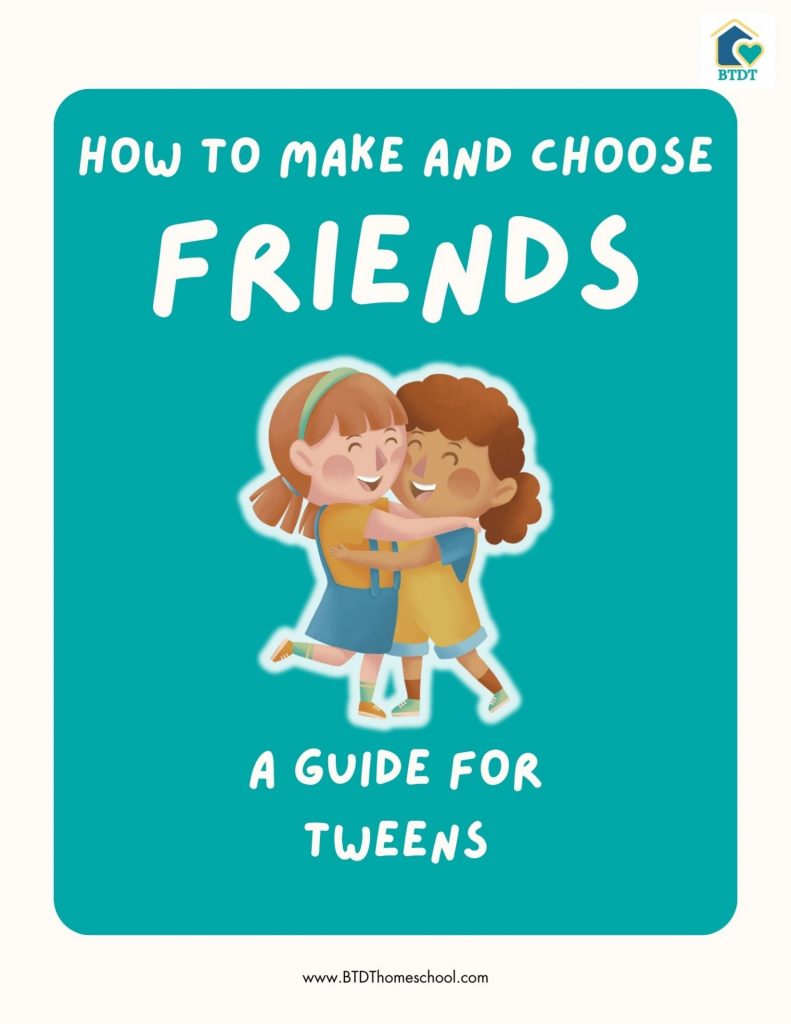
Give your child the tools to make and nurture meaningful friendships: Download your FREE Tween Friendship Guide (pdf)

053. Teen Independence and Life Skills including Driving

Teen Independence and Life Skills including Driving

Episode 053:

Are you just starting your homeschooling journey? We’re here to help! Begin with our Get Started in Homeschooling page and Homeschooling FAQ to make the transition smoother. If you’re guiding a young child, explore our How to Homeschool Kindergarten. to make those first steps special. For middle schoolers, don’t miss our Middle School page packed with tips and advice. And if you’re heading into the high school years, our Essential Steps to Homeschool High School will guide you every step of the way!

Show Notes

Homeschooling not only offers a unique and personalized education, but also fosters a strong sense of independence in our teenagers. As homeschooled teens navigate their academic pursuits outside the conventional classroom setting, they have the opportunity to develop self-reliance and a strong sense of responsibility. Homeschooling takes a fraction of time compared to a traditional school day and combined with newfound independence, teens are able to explore their interests and shape their own learning experiences, preparing them for the challenges of life in an empowering way. In today’s episode, we’re talking about teen independence and how to make sure your teenager learns all those essential life skills including driving before leaving home.

Fostering independence in homeschool teens is a pivotal aspect of their educational journey. The unique nature of homeschooling provides a safe space for teens to develop essential life skills, self-motivation, and autonomy. Parents can empower homeschool teens by allowing them to take ownership of their learning, encouraging them to set goals and manage their time, and providing a diverse array of learning opportunities. Also, engaging in open and constructive communication with your teen, as well as offering guidance and support rather than rigid control, can nurture their self-reliance. This emphasis on independence not only equips them with the tools they need to succeed academically but also prepares them for the challenges and opportunities they will encounter in life.

If you’re new to homeschooling high school, be sure to check out the Essential Steps to Homeschool High School. This episode is part of our High School series, offering expert advice, comprehensive documentation, and resources like Free Transcript Templates to help you stay organized.

12 Steps to Homeschooling High School

How do you foster independence in your teenagers? (5:25)

The teen years are a time of personal growth. Teenagers typically feel an intense desire to establish an identity for themselves apart from their family. This often begins in middle school. While this sometimes manifests itself in expressions of teenage “rebellion”, it doesn’t have to be like that. Children should be encouraged to learn about themselves, practice introspection, and grow with intention. Guiding them towards independence is crucial for their personal growth and preparing them for adulthood. 

As high school draws to a close, it is a time to let your children spread their wings. Let them dip their toes into the water of the adult world. Your active homeschooling might be winding down, but you are always going to be mentoring your child, especially as they start dabbling into adulthood. The more supported your child feels in this regard, the more successful they will be—intellectually, professionally, and emotionally. 

How do we do that? For one, allow your teenager to make age-appropriate decisions. This might include choices about clothing, hair, extracurricular activities, or their own schedules. You want to provide guidance, but let them have the final say in non-critical matters. Choose your battles!

Assign age-appropriate household chores and self-care tasks. This teaches them to take care of their living environment and personal needs. Hygiene is super important- taking care of your hair and skin and teeth is something you’ve been working on all along, but as they get older there may be puberty related challenges- body odor, greasy hair from increased oil production, acne.  Make sure you are sharing products and information about these things in a supportive way. 

When your teenager faces challenges or dilemmas, guide them through the problem-solving process. You can ask open-ended questions to help them analyze the situation and encourage them to make the decision. Establish clear but reasonable rules and guidelines in your home. This helps them understand the importance of rules and boundaries in society. Teach them to speak up for themselves and communicate their needs and concerns effectively, whether it’s with teachers, peers, or adults. Be sure to foster open and honest communication. Make sure they know they can discuss their thoughts, feelings, and concerns with you without judgment.

It’s also really important to teach them how to manage their time effectively. Encourage them to create their own schedules, set goals, and prioritize tasks. Allow them to take ownership of their education by completing assignments, studying for tests, and managing their own academic responsibilities. And remember, they are still learning, so be sure to offer support when needed. Don’t just assume that you need to tell them one time and you’ll never have to tell them again. 

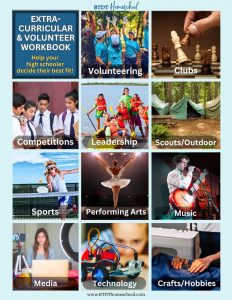
Support their interests and hobbies, whether it’s playing a musical instrument, pursuing a sport, or engaging in creative activities. This helps them develop passions and skills on their own. Encourage them to explore their interests independently, even if it means self-directed learning outside of formal education. Provide access to resources and encourage reading, research, and curiosity. Encourage volunteer work or even a part-time job to help them gain real-world experience, build their resume, and understand the responsibilities that come with employment. Download your FREE Extracurricular and Volunteer Workbook.

Be a role model by demonstrating independence and responsible decision-making in your own life. Teens often learn by example. Fostering independence will be a gradual process, and it’s essential to strike a balance between providing guidance and allowing them to learn from their experiences, including making mistakes. Encourage them to take responsibility for their actions and to learn from both successes and failures. Remember Einstein’s quote, “If you’ve never failed, you’ve never tried anything new.”

How do I teach my teenager to drive? (11:20)

This is when things start getting real! Learning to drive is a  huge  milestone in a teenager’s journey towards independence. It marks the transition from relying on parents for transportation to having the freedom to explore the world on their own terms. The ability to get behind the wheel not only opens up new opportunities but also comes with profound responsibilities. For many teens, it’s a rite of passage that symbolizes their burgeoning adulthood, offering a taste of self-reliance.So, Let’s talk about the significance of learning to drive in the context of teen independence, as well as the essential skills and steps required to help them become safe and responsible drivers.

BTW, Some kids don’t feel the need to learn to drive right away- I was itching to get my license the minute I turned 16.  But with uber and social media, a lot of kids today choose to wait.  My wise friend once told me though that she’d rather her kids make big mistakes with her car and on her insurance.  She didn’t want their beginning driving experience to be at 18 while they are also navigating adult life and maybe a new city, college, etc.  Some kids, on the other hand, are eager to drive and start Drivers Ed at 14 to complete the course right when they turn 15. That can give you a little comfort to know that they would have an entire year with a learners permit to practice under your watch. 

Aceable Driver’s Ed
Aceable 
is the most effective (and least expensive) Driver’s Ed for Homeschoolers!

Preparing your teen for driving involves a combination of educational, practical, and safety steps to ensure they are well-equipped to handle the responsibilities of being a safe and responsible driver. First, you need enroll your teen in a state-approved driver’s education course. There are often several options for this.  Here, we can use an independent driving school, or you can do a parent self-taught course, like Aceable.  These courses cover essential traffic laws, road safety, and often include hands-on driving practice.

Whichever you choose, your teenager should thoroughly read and understand their state’s driver’s manual. It covers the specific rules and regulations they need to know to pass their written test. And these tests are not very hard and everything they will need to know will be taught in the course. A lot of it is common sense. Don’t forget to get your New Driver Magnets! Also, help your teen study and pass their test with these Road Sign Flash Cards.

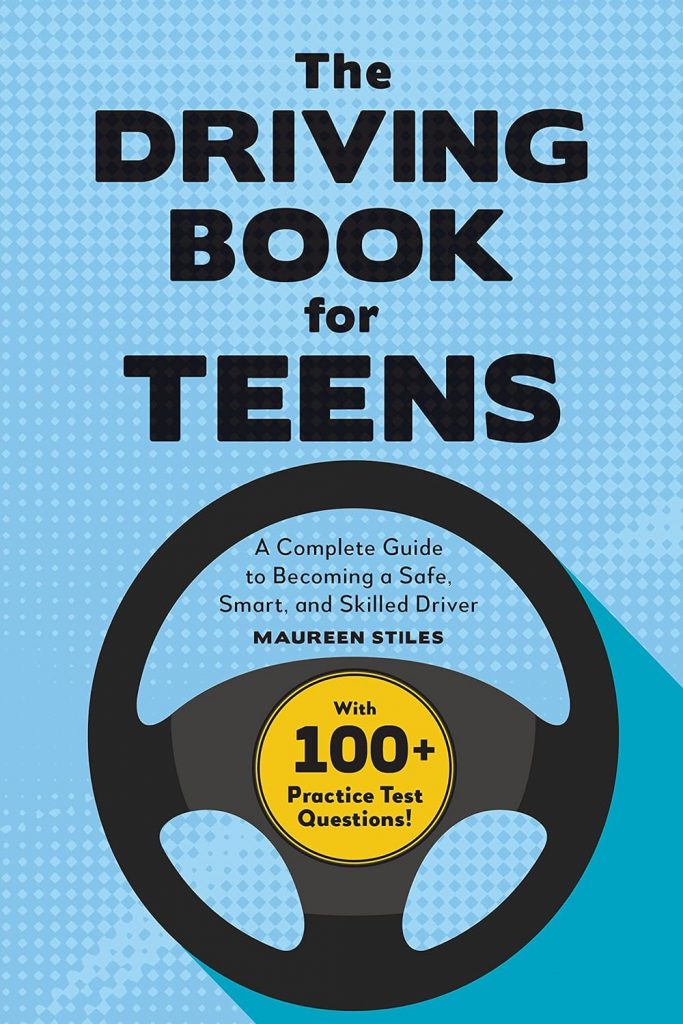
The Driving Book for Teens: A Complete Guide to Becoming a Safe, Smart, and Skilled Driver

Ensure your teen meets the age and educational requirements to obtain a learner’s permit and a driver’s license in your state.  A trip to the DMV is always an adventure.  Have them help you gather up all the identification and information you will need. This will be a great lesson in patience and bureaucracy.  If you have to wait for a really long time, also make sure your teenager notes how awful this is so that it encourages them to never lose their ID. 

Once they get their learner’s permit, it’s time to start practicing. Start with parking lots and quiet residential streets. Then gradually progress to busier roads. You also want to be sure to provide opportunities for them to practice various driving scenarios and conditions. Spend time discussing and demonstrating defensive driving techniques, including how to anticipate and react to potential hazards. Spend a significant amount of time supervising their driving to help them gain experience and confidence behind the wheel. Teach them how to drive at night and in adverse weather conditions, like rain, snow, and fog. Emphasize the importance of obeying traffic laws, using seat belts, avoiding distractions, and never driving under the influence of drugs or alcohol – or even riding passenger with someone under the influence. Uber gift cards are a great gift for new graduates!

Teach your kids basic auto maintenance like checking tire pressure and oil, and performing routine safety checks. 

Auto Repair and Maintenance: Easy Lessons for Maintaining Your Car So It Lasts Longer

Many states have a graduated licensing program that includes restrictions for new drivers, such as limits on nighttime driving and the number of passengers. Ensure your teen complies with these restrictions. Here there are rules about how many unrelated people are allowed in the car, too. You may have some personal family rules regarding new drivers.

You can include your teen on your auto insurance policy and explain the importance of safe driving habits in keeping insurance rates manageable. This varies from state to state- you don’t have to do that here until they are licensed so you usually have a free pass during the learner permit time. This can be so expensive!

If they need to, have them take practice written and driving tests to help them prepare for the actual exams. We did the driving test through a local independent school- they have a youtube video of the driving test so we went and practiced it.  And lots of parallel parking!

It’s important that they know what to do in case of an accident, breakdown, or other emergency situation so be sure to go over all of that with them. Test out how empty your tank of gas really is when it’s on E. Show them how to call roadside assistance if you have it.E doesn’t mean enough! 

Some families may consider creating a written agreement that outlines your expectations and rules for your teen’s driving, including curfews, passenger restrictions, and consequences for breaking the rules.

They’ve been driving around with you their entire life and learning from you.Be sure that you’re a positive role model by practicing safe and responsible driving habits yourself. Your actions can significantly influence your teen’s behavior behind the wheel. Do you text and drive? There’s a good chance that they will too. Kids are always watching.  You can help your teenager become a competent, responsible, and safe driver, ensuring they are well-prepared for the challenges of the road.

Even after taking driver’s ed and passing that dreaded road test, there are so many things new drivers need to learn about the practical aspects of driving that will only come from experience. Handing over the keys is a traumatic rite of passage for parents, and they will sleep better knowing that The Driving Book is in their teens’ glove compartments. Covering virtually every scenario a new driver may face, from changing a tire to negotiating privileges with parents to handling a car in bad weather, Karen Gravelle helps teen drivers navigate through tricky new territory.

How do we teach essential life skills? (22:34)

Have you ever seen people online complaining about “adulting”? The term adulting has become a catch-all phrase describing the tasks and responsibilities characteristic of adulthood. The latter years of high school are a great time to introduce your child to some of the skills a person needs to be a competent, functional adult. 

And really, you’ve been teaching them life skills all along. But now it’s time to step it up. Now it’s time to teach life skills like opening a bank account, home and auto maintenance, the basics of tax preparation, filling out a FAFSA form for college, how to fill out a job application and talk to prospective employers. These sorts of skills are the things a child should learn as they transition into adulthood. They aren’t all about job skills or higher education, but just about navigating the adult world in general. This is one of those things where Homeschool teens really have an advantage. People often complain that these skills are not taught in school – well, they are taught in my school! And you can teach them in your school, too.

Teaching important life skills to homeschooled teenagers is a critical part of their education. These skills equip them for independence, self-reliance, and success in various aspects of life. Here are some essential life skills to teach homeschooled teenagers:

Financial Literacy

Teach them the basics of personal finance, budgeting, saving, investing, and managing money. You can cover topics like understanding credit, taxes, how to make informed financial decisions, and how to improve and maintain your credit score!

Financial Envelope System
This system was invaluable to me as I taught my kids about budgeting and learning how to manage money. If you’ve never heard of it, I really encourage you to teach them this essential life skill.

Time Management and Organization

We’ve talked about this a lot in other episodes, study skills fall in this category, too. Help them develop effective time management skills, including setting goals, prioritizing tasks, and creating schedules. This skill is crucial for academic success and managing responsibilities. We want them to know how to learn new skills and how to research information critically. Also, having confidence in their ability to learn new things. Taking notes and independent learning is so important. 

Communication Skills

Teach effective verbal and written communication, including active listening, public speaking, and how to write emails and formal documents. Using technology – we live in a tech world. I get it you want to restrict but learn how to use the tech around us, typing, making presentations, how things work, etc.  

Teach them how to stand up for themselves and be a self advocate.  Talk about the importance of boundaries and consent. We talked about this in our recent high school episode about High School Socialization Friendships, and Dating.

Critical Thinking

Encourage them to think critically, analyze information, solve problems, and make decisions based on evidence and logic.  Problem solving, recognizing fallacies, debating properly, how to recognize propaganda.

Life skills form the foundation of the future you’ve always dreamed of and admired. While learning and developing these skills is a continuous process that never ends, the bulk of it occurs during your teen years. Essential Life Skills For Teens: 13 Different Ways To Use Your Critical Thinking, Manage Your Time Better, Set Your Smart Goals, And Navigate Social Media Safely is a guide designed to help equip teenagers with the tools they need to maximize their potential and enjoy a fulfilling life.

Self-Care and Well-Being

Instill the importance of physical and mental health. Teach them about nutrition, exercise, stress management, and the ability to seek help when needed.  Teach them about basic first aid, how to learn where to find information, survival skills-such as identifying plants, how to tell time and direction from the sun, how to survive, avoid an animal attack, etc. Take a CPR course. And really, some of these basic skills are things you’ve been teaching them all along.

Help them learn how insurance works and how to navigate the healthcare system. Filling out medical forms and calling and making a doctor’s appointment. Teach them stress relief and meditation.

Cooking and Nutrition

This is another topic we have talked about a lot. Teach cooking skills, meal planning, and the importance of a balanced diet. Understanding food labels and dietary needs is also essential. Meal planning and grocery shopping,  gardening, and preserving, too. In a previous episode, we created a free meal planner for the homeschool mom. Download it and have your teenager start doing some of this meal planning. Start by doing it with them until they can independently make a meal plan for the family. This is one of my favorite things about having teens! Get your FREE Meal Planner.

I made my kids cookbooks with family recipes and had a very basic list of all things  they should know how to cook- things like an omelet, rice, boiled eggs, a simple cream sauce, gravy, etc.  If you know a few basics, you will never go hungry.  My youngest watches a lot of tiktok cooking videos and you should see and smell her ramen!

CREATE YOUR OWN RECIPE ORGANIZER with this Recipe Binder: This recipe books are super user-friendly and convenient for teens, making them easy to customize by organizing pages into categories. Just open to write in 3 ring binder and reorganize the pages to suit your needs. Leather 3 ring binder is designed with 12 blank dividers that are conveniently labeled for you according to recipes’ type, meaning they’re easy to find based on what kind of meal you want!

Household Maintenance

Ensure they know how to perform basic household chores like laundry/ironing, cleaning, and minor repairs. They should also be familiar with home safety measures. Basic home repair- like using an anchor to hang a picture, how to unclog a toilet, change the fire alarm battery, switch out the AC filters. Lawn care, gardening, and snow shoveling/winterizing the home would fall under this category, too, if these are things that apply to you.

Networking and Social Skills

Teach them how to build and maintain relationships, navigate social situations both in-person and online. Teaching them the difference between growth/ fixed mindset, staying true to their word, social media etiquette and how their reputation will precede them.  Being considerate of others’ feelings, doing the right thing even when it’s not the popular choice. Again, these are things that you’ve been teaching them all their life. We have an entire E guide that helps guide you and teach your teenager about healthy relationships, consent, and spotting red flags among other things.

How to act when pulled over by the police or questioned by them. These are things we hope don’t come up, but they might and your teenager needs to be prepared.

Job Search and Career Development

Help them create a resume, search for jobs, and prepare for interviews. Discuss career goals and pathways to achieve them. How to fill out forms, taxes. Learn more about Internships, First Jobs, and Entrepreneurships.

Emotional Intelligence

Teach emotional regulation, empathy, and conflict resolution. These skills are essential for healthy relationships and emotional well-being. Managing relationships, making phone calls,public speaking, coordinating and planning small events, etc…How to utilize public transportation. 

Life Skills Books to Guide Your Teen:

By incorporating these life skills into your homeschooling curriculum, you can empower your teenagers to navigate the challenges of adulthood with confidence and competence.

This Week’s Freebie

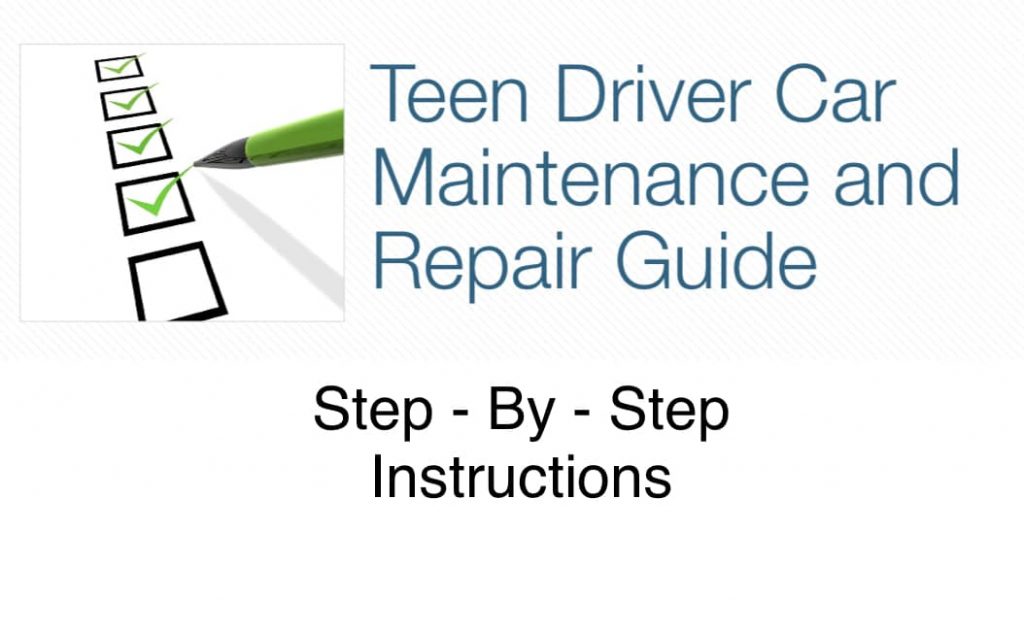
Download your FREE Teen Driver Car maintenance and Repair Guide (pdf)

052. Education Vacation

Education Vacation

Keep on Learning!

Ready to turn your homeschool into an adventure? In this episode, we’re talking about how travel can open up a whole new world of learning for your family. Forget the textbooks—discover how exploring new places can create unforgettable experiences and lasting memories that make education come alive. Plus, grab our free vacation planner to help you plan your next trip! Join us and see how easy it is to make learning an exciting part of every journey.

Episode 052:

Are you just starting your homeschooling journey? We’re here to help! Begin with our Get Started in Homeschooling page and Homeschooling FAQ to make the transition smoother. If you’re guiding a young child, explore our How to Homeschool Kindergarten. to make those first steps special. For middle schoolers, don’t miss our Middle School page packed with tips and advice. And if you’re heading into the high school years, our Essential Steps to Homeschool High School will guide you every step of the way!

Show Notes

Travel offers so many great opportunities for homeschoolers to expand their horizons beyond textbooks and traditional classrooms. By venturing out into the world, homeschool families can bring their lessons to life through immersive experiences. Whether it’s touring landmarks and historical sites, experiencing different cultures & cuisine, or exploring the natural world, educational travel ignites a sense of curiosity and wonder in students of all ages. 

Homeschoolers can customize their itineraries to align with their educational goals, fostering a deeper understanding of subjects like history, science, and geography. Additionally, these journeys provide real-world lessons in independence, problem-solving, and adaptability, helping homeschoolers develop essential life skills. In this episode, we are going to talk about how educational travel empowers homeschoolers to learn through direct experiences and create lasting memories that will enrich their education in profound ways. 

One of the reasons that we made the choice to homeschool was so that we had more flexibility to our schedules and could fit more travel in. A lot of people feel that being tied to a traditional school schedule feels really restrictive. We’ve always loved to just pick up and go whenever we wanted.  And it’s great to be able to travel to those busier tourist places when it’s the off season. 

There are so many opportunities to be had for an educational vacation that fit any budget. All it takes is a little planning and organization and today we’re going to tell you just how to do that! Learn about World Schooling.

How do I begin to plan an educational vacation? (5:59)

Designing the ideal educational road trip or vacation is an opportunity to learn about new places, cultures, history, and science in a fun and interactive way. We’re going to lay out a step-by-step guide to help you plan an educational road trip or vacation. 

Determine Your Educational Goals
  • What are your specific educational objectives and goals? What subjects or topics do you want to explore? Is it history, science, art, culture, or nature? Have you been studying caves and now it’s time to experience them in person and go spelunking? Think about what you want your kids to learn or experience. 
  • Consider the age and interests of everyone going. Tailor the trip to engage everyone. Even us moms get to have fun!

Don’t feel like you have to wait on this kind of thing until your baby is older.  It’s easy to come up with a reason to put a trip off at every stage.  A toddler may not remember going on a cruise, but they will always remember being part of a family that always did fun things together.

Choose a Destination
  • Select a destination or route that aligns with your educational goals. Research places that offer opportunities for hands-on learning and exploration.
  • Consider both well-known attractions and hidden gems that may be less crowded but equally informative and fun. Sometimes those off the beaten track places are the best experiences and memories.
  • Consider eco-friendly tourism- visiting the not-so-busy areas or take the non-commercial tours and sightseeing options.  
Plan Your Itinerary and budget
  • Create a detailed itinerary that includes the places you’ll visit, their hours of operation, and any special events or exhibits.
  • Allocate sufficient time at each location to explore and learn without feeling rushed.
  • Include downtime for relaxation and spontaneous discoveries.
  • Include the kids in this process.
  • It’s really important to figure out a budget for all the things you will want to do on your trip- room and board, entry tickets for adventures, souvenirs, etc.
Choose your housing wisely
  • This is often the most expensive part of your trip so consider your options.  Do you want to stay in an RV, an Airbnb, a hotel or hostel? Or maybe even a tent? 
  • Do you want something cheaper outside of town, or something in town and very walkable? This could mean that you don’t have to rent a car or pay a lot for shuttles. 
  • Do you need a kitchen? We try to eat out and experience local cuisine, but not every meal because it can really add up.

Sometimes all you really need is just a place to stash your belongings. Find luggage storage.

Educational Materials
  • Prepare educational materials such as guidebooks, maps, and relevant worksheets or activities.
  • Consider using educational apps or audiobooks for interactive learning while on the road.
  • Podcasts, too.

 Study in Advance

  • Encourage your family to study in advance. Read books, watch documentaries, or engage in online courses related to the destination or topics of interest.
  • Create a list of questions or research topics to investigate during the trip.
  • Save on top cultural experiences – shows, museums, galleries, workshops etc with Viator.

Explore Nature
  • Incorporate outdoor activities like hiking, wildlife observation, or visits to national parks. Nature provides numerous opportunities for learning about biology, geology, and ecology.
 Visit Museums and Educational Sites
  • Museums, science centers, historical sites, and cultural institutions can offer valuable educational experiences.
  • Look for hands-on exhibits, interactive displays, and guided tours.
  • We also often like to purchase some of our guidebooks or other supplemental materials in places where that money is going back to the site.
Cultural Immersion
  • Experience the local culture. We love to experience traditional foods and interact with locals. You may even attend a cultural festival. Learning about different cultures fosters global awareness and appreciation. 
  • Find local guides, especially when visiting a place that is foreign to you, that may place emphasis on respecting the cultures and traditions of your destination.

Learn more in Around the World in Your Homeschool

You can even explore geography and culture from home with Universal Yums

Document the Journey
  • Encourage everyone to keep travel journals, sketchbooks, or even blogs to document their experiences and reflections.
  • Take photos and videos to create a visual record of the trip. I like to take an actual camera especially when we’re out experiencing these, so I’m not distracted with my smartphone which stays in my bag.
  • Don’t forget to bring educational tools like binoculars, magnifying glasses, field guides, or a telescope for stargazing, depending on your interests.
  • After the trip, engage in follow-up activities like creating presentations, reports, or art projects to reinforce what was learned.
Flexibility and Spontaneity

Allow room for flexibility and spontaneity. Sometimes, the most valuable learning experiences come from unexpected discoveries.

Safety First

Prioritize safety by following travel advisories and taking necessary precautions, especially when traveling with children. During covid this was absolutely necessary for a while- we still always check travel restrictions.

Enjoy the Journey

Finally, remember that the journey itself is an educational experience. Embrace the opportunity to learn and bond as a family or group.

An educational road trip or vacation can be a memorable and enriching adventure that inspires a lifelong love for learning and exploration.

What kinds of activities should we include on an educational vacation? (17:03)

An educational vacation provides a unique opportunity to learn while you travel. There are so many activities you can partake in to make the most of your educational journey:

  • Join guided tours of historical sites, museums, and cultural landmarks. Knowledgeable guides can offer in-depth information and context, enhancing your understanding of the place you’re visiting.
  • Many museums and cultural institutions offer hands-on workshops and interactive exhibits. Participating in these activities can help you gain practical skills and a deeper appreciation for the subject matter. 
  • Immerse yourself in the local culture. This can include attending traditional ceremonies, trying local cuisine, and interacting with local residents to learn about their way of life.
  • If your educational vacation takes you to a natural setting, consider activities such as hiking, birdwatching, or guided nature tours. These experiences can teach you about the local environment and ecosystems. If your destination is in a natural setting, consider activities like geology lessons, stargazing, or even survival skills training.
  • If you’re visiting a place with a different language, consider taking language classes or engaging in language exchange programs to improve your communication skills.
  • Attend historical reenactments, if available. These events can transport you back in time and provide a more vivid understanding of historical events.
  • Check local event listings for lectures or talks on topics of interest. Universities, cultural centers, and libraries often host educational events open to the public.
  • Attend local theater productions or live shows.
  • Explore local libraries and archives to delve deeper into the history, culture, or specific topics related to your destination. Presidential libraries are a really cool place to visit, too.
  • Take a cooking class to learn about the local cuisine and how to prepare traditional dishes. This is an excellent way to explore culture through food. A lot of cities offer food tourism, too.  You can do a progressive dinner through several restaurants.
  • Seek out specialized educational centers and institutions related to your interests, such as botanical gardens, science centers, and historical archives. If you have a membership to a museum with a reciprocal program, you can save on visits!

Learn more about getting out in communities in our Field Trip Page and download your FREE Field Trip Bundle.

Travel Journal

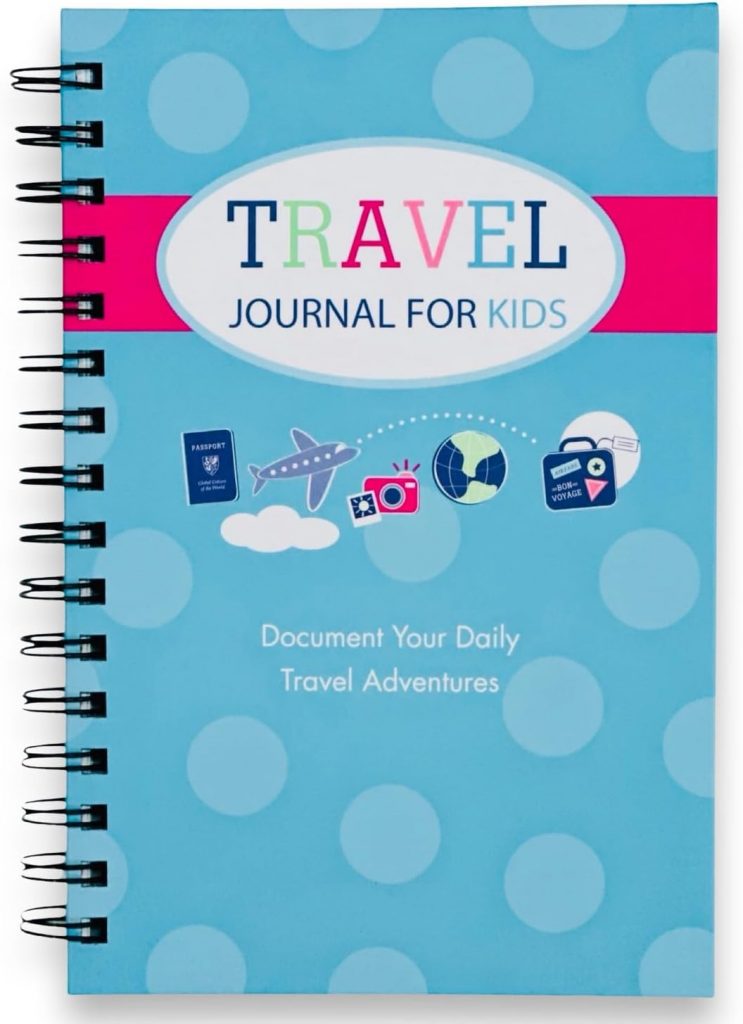
This Travel Journal for Kids keeps kids working on their creative writing skills during your education vacation in a fun and easy way. The daily adventure questions provide structure and routine and kids look forward to their daily ritual. Kids will begin to observe and appreciate the details of their travels, helping them become curious explorers.

See Page Examples of this Journal

American Horticultural Society Reciprocal Program and ASTC

Explore on your own with pre-researched materials or audio guides. Self-guided tours can be flexible and tailored to your interests. I also love doing walking tours on our own when we first arrive. GPS My City

The key to a successful educational vacation is to strike a balance between structured learning experiences and free time to explore and absorb the culture. It’s important to tailor your activities to your specific interests and the destination’s unique opportunities.

What are some of the best places to visit in the US for an educational vacation? (23:15)

The United States offers a wealth of educational vacation destinations, catering to a wide range of interests. We did a search online and these came up as five of the best places to visit for an educational vacation in the U.S.:

Washington, D.C.

The nation’s capital is a hub for history, politics, and culture. Visit the Smithsonian museums, explore the National Mall with its monuments and memorials, tour the U.S. Capitol, and learn about the American government at institutions like the Library of Congress and the National Archives. Do a Scavenger Hunt Adventure in Washington D.C.

Boston, Massachusetts

With its rich colonial history and prestigious universities, Boston is a great destination for history buffs and scholars. Walk the Freedom Trail to explore key historical sites, visit the Boston Tea Party Ships and Museum, and learn about American literature and culture at places like the Museum of Fine Arts and Harvard University. Boston History for Kids.

Williamsburg, Virginia

Colonial Williamsburg is a living history museum where visitors can step back in time to experience life in the 18th century. You can witness historical reenactments, interact with costumed interpreters, and gain a deep understanding of American colonial history. Colonial Williamsburg: The Guide: The Official Companion to the Historic Area.

San Francisco, California

Explore the history of the Gold Rush, the tech industry, and social movements in this vibrant city. Visit Alcatraz Island, the cable cars, the Golden Gate Bridge, and the many museums and cultural institutions, including the Exploratorium and the California Academy of Sciences. San Francisco: Fun Facts and Amazing Discoveries for Kids

Chicago, Illinois

Chicago is known for its diverse cultural institutions and architecture. The Field Museum, the Museum of Science and Industry, and the Art Institute of Chicago are just a few of the educational gems in the city. Additionally, Chicago’s architectural history is showcased through guided tours and river cruises. Chicago: Coloring The Windy City: Coloring Book: Illinois’ Largest City, Landmarks and Urban Life, Great for Kids, Teens and Adults

These destinations offer a diverse range of educational experiences, from history and science to culture and politics, making them excellent choices for an educational vacation in the United States.

Every Kid Outdoors Program

Remember that the best place for an educational vacation depends on your personal interests and the subjects you want to explore. Whether you’re interested in history, science, culture, or a combination of these, there are numerous destinations around the world that can offer enriching educational experiences.

This Week’s Freebie:

Download your FREE Education Vacation Planner (pdf)

051. Homeschool PE, Health, and Sex Ed

Homeschool PE,
Health,
and Sex Ed

Episode 051:

TWO WAYS TO LISTEN TO THIS EPISODE:
1. Click PLAY Button Above ^^ to listen here.
2. OR Listen on your favorite podcast platform:

Are you just starting your homeschooling journey? We’re here to help! Begin with our Get Started in Homeschooling page and Homeschooling FAQ to make the transition smoother. If you’re guiding a young child, explore our How to Homeschool Kindergarten. to make those first steps special. For middle schoolers, don’t miss our Middle School page packed with tips and advice. And if you’re heading into the high school years, our Essential Steps to Homeschool High School will guide you every step of the way!

Show Notes

It’s hard enough sometimes to fit all the regular subjects of reading, writing, math, social studies, and science into a busy homeschool schedule. Add in all your extracurricular activities, and you might wonder if you even need to make time for health, physical fitness, and sex ed. Maybe your kids are already active in sports or dance classes. Perhaps a healthy diet is already part of your lifestyle. If so, great! You are already one step ahead. In today’s episode, we are talking about how health, fitness, and sex ed are crucial components of a well-rounded education.

We all get so busy, and maybe you’ve let a few things go. Your kids might have been watching a lot of TV or playing video games more than you want, or you’ve been too busy for those evening family neighborhood walks you planned. Now, you’re ready to incorporate a healthier lifestyle. We’re going to give you tips on how to make these subjects happen in your homeschool. Teach your children to develop lifelong healthy habits that last!

Fitness tends to be an easier subject for us—we are both active and have mentioned several times that we are lifelong athletes. Naturally, we’ve encouraged our kids to be active as well. For many kids, this is natural, especially when they are young. Kids love to play! But not all kids enjoy being super active, and as they get older, that may become even more true. Promoting healthy habits from an early age instills lifelong practices. This not only creates healthier bodies and reduces the risk of chronic diseases but also ensures overall well-being.

Physical education also fosters social skills, teamwork, and discipline. It provides an outlet for physical energy and helps combat sedentary lifestyles, which are becoming increasingly prevalent in today’s digital age. Even before Covid, inactivity was on the rise in a major way. Kids around the world are suffering from inactivity. One of the best things about homeschooling is that you’re not tied to a desk all day. We have the freedom to move around and take breaks whenever we want. Regular movement has been proven to help kids stay focused and improve cognitive function. We’re not big on testing (especially in the younger years), but studies have shown time and time again that students perform better on tests with regular physical activity.

How to Include Physical Education and Fitness into Your Day (5:57)

Structured PE Curriculum: A lot of us have memories of PE class in school. For kids that are not into sports, this is a great option. Some homeschool families do use a structured PE curriculum or program designed for homeschoolers. These resources often include lesson plans, fitness activities, and assessments. These can be self-taught or sometimes you can find an actual class locally. 

There’s a group here in DFW that I know runs PE programs in several cities.  We’ve actually participated in two PE programs in North Texas over the years. They do drills, flag football, and other games. It’s great to get the kids out in groups while somebody else organizes the activity. 

  • Daily Exercise: Make physical activity a daily routine. Set aside time for activities like stretching, yoga, calisthenics, or even have a dance party in your living room.
  • Outdoor Play: Encourage outdoor playtime for younger children. Activities like running, biking, playing tag, or sports in the backyard with siblings or friends or climbing the jungle gym at a park are great ways to keep kids active.
  • Sports and Recreation: Enroll your child in sports leagues or recreational programs. Many communities offer homeschool-friendly sports teams, swimming lessons, martial arts classes, or dance studios. 
  • Home Gym: Create a home gym. And you don’t need anything special. You can do this with basic exercise equipment like jump ropes, resistance bands, dumbbells, or a yoga ball. And the best part about having a home gym is that it’s always open and so it’s easy to walk over and incorporate that into your homeschool day. 

Through strength training, kids as young as 7 can safely develop a strong musculoskeletal system. Youth Strength Training provides 100 illustrated exercises with teaching safe techniques using various types of training equipment. This book is a great place to get your kids started off on correctly:

Youth Strength Training

  • Family Fitness: Include the whole family in physical activities. Go for family hikes, bike rides, or play active games together. You can even go for a family walk around your neighborhood after dinner. Just make it a habit. You don’t have to go far, and it doesn’t have to take your whole evening. This will really foster a culture of fitness within your household.
  • Field Trips or hiking/nature groups: Plan educational field trips to places like museums, nature reserves, or science centers that offer interactive exhibits related to health, anatomy, or physical fitness. Dallas Perot Museum Sports Hall.
  • Physical Challenges: Create physical challenges or fitness goals that align with your child’s interests. For example, they can aim to run a mile without stopping, or do 20 push-ups without stopping, or go a certain distance on a bike. You could also try to throw together a Field Day with friends and do competitions and sports games.
This Outdoor Game Pack is perfect for created your own Field Day!
You can set up your Spikeball game set and play Roundnet on any surface, whether it’s grass, sand, or indoors. This is so much fun to play and it is great exercise to boot!
  • Health Journals: Encourage your child to keep a health journal where they record their daily physical activities, meals, and reflections on their overall well-being. This can be a useful tool for tracking progress and setting goals.
This Fitness Journal is a great tool for younger kids to take ownership in their own health

Remember that fostering a lifelong love for physical activity and healthy living is the primary goal. Tailor your approach to your child’s interests and needs, and make PE, health, and fitness part of each day. Be sure to make it an enjoyable part- that doesn’t mean that they don’t work hard but you want to give them attainable goals and help to make them feel accomplished and empowered. This is our favorite Fitness Journal for teens and young adults.

How to Teach Health (15:54)

Teaching health to your child can be both educational and fun. There are so many great resources available that cover a wide range of health topics and cater to different age groups and it’s easy to integrate health education into your homeschool curriculum. You will want to cover topics like nutrition, hygiene, anatomy, and the importance of a balanced lifestyle.  You can also involve your child in meal planning and preparation. Teach them about healthy food choices, cooking techniques, and portion control. Gardening can also be a fun way to learn about growing and harvesting fresh produce.

If you work solo in the kitchen and you send them to go play when it’s time to cook, I really encourage you to bring them to the kitchen and teach them now because let me tell you, it’s awesome to walk in the door and your teenager just cooked dinner. We started when they were very young when they were toddlers, climbing up in their learning tower and helping to tear lettuce for a salad. And if you feel lost on where to start, there really are a ton of resources available.  You can use textbooks, online resources, and educational videos to teach these subjects. We will talk about a few of these options but will have tons of resources in our show notes, so be sure to check that out. 

Two great free resources:

  • Khan Academy: Online courses on health and medicine that cover various topics suitable for middle and high school students.
  • KidsHealth in the Classroom: This website provides lesson plans, activities, and videos on health topics, including nutrition, exercise, and emotional well-being.
  • Some people want to go old style school textbook for this topic.  If you are one of those, here are two popular textbook options:
Holt Lifetime Health covers a lot of material. It’s great for educating teens about their personal health and wellness and the choices they can make to living a healthy life.
Glencoe Health: this is an updated version of what many people used in school to learn the basics of health and wellness.
Documentaries and Educational Videos
  • “Supersize Me”: This documentary explores the impact of fast food on health.
  • “Food, Inc.”: An eye-opening documentary about the food industry and its effects on health.

We will caution that with documentaries- you really do need to consider the source- there are a lot of really one-sided sources out there that people quote on diet websites and there is always someone who will point out cherry picked date and offer the other perspective- so maybe watch both and use those things as a learning opportunity.

Health and Anatomy Apps
  • Human Anatomy Atlas:
  • Anatomy Body Facts: This cool FREE app gives you hundreds of fun, odd, weird & useful anatomy facts & trivia. Learn about the brain, heart, liver, bones, blood, muscles, skin, hair,
Websites and Educational Portals:
  • CDC’s BAM! Body and Mind: The Centers for Disease Control and Prevention (CDC) offers a website with interactive games, quizzes, and information about health and safety.
  • MedlinePlus: A comprehensive resource from the National Institutes of Health (NIH) that covers a wide range of health topics with articles, videos, and tutorials.

Teaching basic first aid is an important aspect of health education. Consider purchasing or assembling a first aid kit and teaching your child how to use it. You also can teach safety and emergency preparedness- years ago the kids and I put together a bin with essentials. Here is what we have ours:

Emergency Preparedness Kit
  • First aid kit
  • flashlight
  • batteries
  • blanket
  • ponchos
  • towel
  • life straw
  • duct tape
  • freeze dried food
  • string
  • phone charger
  • masks
  • water
  • I also included reading glasses, because that is an essential for me!

If you want to create one with your kids, you can use safety manuals and guides available from organizations like the American Red Cross. Or contact your local health department to see about resources, workshops, and educational programs they may offer to homeschoolers. 

Years ago, in our adventure kids club we did a First aid CPR class at your house with an instructor. We also did another one with our scout troop at one of those stand-alone ERs. Basic Life Support Skills for Kids

And of course, you know we love our books!  We’re going to have great ones listed on our show notes, but you can also visit your local library and find these titles or just explore the health and wellness section for books suitable for your child’s age.  We found it handy to get lots of books about various subjects and keep them within easy access on our shelves.

One book we really liked was Body Book: Easy to Make Hands on Models.  It’s scholastic and you end up going through all the different body parts and making an entire skeleton.  We used this as a spine and then got other books and resources and read those before making the models:

We love Body Book and the way it is designed to hit different levels of learners. You can go as shallow or deep on any given system as you want. Solid information with a hands-on component. Great models.
Look Inside Your Body is truly incredible. Has so many different flaps showing you a lot of different parts of the body and explaining them in terms the kids can understand.
Knowledge Encyclopedia Human Body is packed with facts, charts, infographics and illustrations that cover the human body head to toe with illustrations, photographs and extremely detailed 3D CGI images.

When teaching health, you need to be sure to tailor the materials and resources to your child’s age, interests, and maturity level. Encourage open discussions about health-related topics and answer their questions honestly. You really want to create a supportive and informative learning environment. 

How to Talk About Sex Education (23:31)

Sexual education is essential for empowering your child with accurate information about their bodies, relationships, and safe practices. This will enable them to make informed decisions and navigate the complexities of sexuality and relationships responsibly. These subjects collectively contribute to the holistic development of your child. It’s so important to equip them with essential life skills for a healthy and fulfilling future.

And keep in mind that it’s completely normal for children to worry about their bodies, especially when things start changing during puberty. Reassure them and always remember that you are their role model and your words and actions set an example. The way you talk about sexuality sends messages that last a lifetime. These conversations aren’t just about sharing information – you’re teaching values and attitudes. HOW you talk is one of the first lessons they receive about body image and sexuality. 

Talking about sex and puberty isn’t a one-time conversation. Young kids are curious and have lots of questions. Being open to these questions without judgment shows them that you’re a source of support. Help them create a healthy body image by the way you talk about your own body and others. Encourage other healthy habits too like good personal hygiene and posture, healthy sleep habits, and stress relief.

And I would really encourage you to be proactive. Don’t wait for them to come to you with questions about their changing body. You really want to create a safe space for them to ask questions without shame or fear. Let them know that you’re available to talk but start conversations too. Discuss puberty and the feelings that come with its changes as openly as possible. Some parents might feel embarrassed discussing these sensitive topics, but kids are often relieved to have them take the lead. And I guarantee if you don’t teach these extremely valuable lessons, they’re going to learn somewhere else – and there’s a good chance that these other sources might not even be accurate information. 

Talk to them about the changes their bodies will go through as they grow. Some girls start puberty at 8 years old, and some boys do by 9 so you may need to start these talks earlier than you think. Discuss the physical and emotional changes that come with puberty before they begin. 

Sex Ed Resources

Sex Ed Resources for Ages 4-7

Sex Ed Resources for Ages 6-12

  • Where Did I Come From? Ages 6+. Another good book teaching the basics with accurate illustrations. It is a higer level of information provided to elementary kids, but it answers all the right questions and teaches anatomy presented in picture book form.
  • It’s So Amazing! Ages: 7+. Helps answer questions younger kids have about reproduction, babies, love, sex, and gender. Provides honest answers with age-appropriate, reassuring words and accurate, inclusive art.
  • The Care and Keeping of You Ages 8-10 (Girls) by Valorie Schaefer: This series is particularly useful for girls and covers puberty and personal hygiene topics.
  • Sex is a Funny Word Ages 7-10 by Cory Silverberg (Book): This book is aimed at kids aged 8 and older and explores topics like bodies, gender, and relationships in a way that is inclusive and affirming.

Sex Ed Resources for Ages 11-15

  • What’s Happening to My Body? Ages: 11-15 (Boys). This book is made for boys and touches on all the bases including steroids, acne, diet and exercise, romantic feelings, voice changes, and more. It’s straightforward and touches on what puberty is for girls. A good way to introduce a book like this is You should read first, then present the book to your child, and then once they are finished, come to them, and discuss and answer any questions they may have 
  • What’s Happening to My Body? Ages: 11-15 (Girls). This book for girls touches on all the bases including breast development, reproduction, menstruation, growth and growth spurts, body hair, diet and exercise, romantic and sexual feelings and more. It uses a straightforward writing style and it touches what puberty is for boys. You should read first, present book, and answer questions.
  • It’s Perfectly Normal: Ages: 11+. This series is one of my favorites. One reason I love it is because it answers questions appropriately and accurately. It is a no-nonsense book and is a thorough guide to changing bodies, growing up, sex, and sexual health. It does a great job covering all the bases, including embarrassing things happening to their bodies! It also includes a chapter on Internet safety. The illustrations are for older kids. A must read for middle schoolers. 

Sex Ed Resources for Ages 14+

  • Consent: The New Rules of Sex Education. Ages 15+. This book is for older middle schoolers and high school. It covers an overview of human sexuality, common scenarios, and healthy ways to handle them. It gives tools for communicating and understanding consent and abuse. You should read first, present book, and answer questions.
  • Cycle Savvy for teens Ages 14+ (Girls) by Toni Weschler This is by the same author as Taking Charge of Your Fertility It’s the first book specifically designed to teach young women about the practical benefits of charting their cycles. Explore the fascinating world of ovulation, fertility, and why you even have periods at all!

Online Sex Ed Resources

There are also a number of progressive sex education resources online that prioritize comprehensive, inclusive information. These resources promote open and informed discussions, they emphasize consent, and they provide a safe space for kids to ask questions.

Scarleteen (Website): Scarleteen is a comprehensive online resource for sexual health and education. It offers articles, guides, and forums that cover a wide range of topics related to sexuality, relationships, and consent. The content is LGBTQ+-inclusive and sex-positive.

Amaze (Website and Videos): Amaze creates animated videos that tackle a lot of aspects of sex ed, including puberty, body image, consent, and healthy relationships. These videos are designed for young people.

Planned Parenthood (Website): Planned Parenthood’s website provides a wealth of information on sexual health, including educational articles, videos, and interactive tools. They offer resources for teens and parents, covering topics such as puberty, birth control, and consent.

Our Whole Lives (OWL) by Unitarian Universalist Association (Curriculum): OWL is a comprehensive, age-appropriate, and inclusive body/sex ed program for all age groups, from young children to adults. It is a year long program and covers topics like anatomy, relationships, and consent and so much more. My daughter did the middle school program.

Advocates for Youth (Website): Advocates for Youth is an organization that promotes comprehensive sex education. Their website offers a wide range of resources, including lesson plans, fact sheets, and toolkits.

Gender and Sexuality Alliances (GSAs): If this group is available in your area, they provide a supportive environment for discussions on gender identity, sexual orientation, and other related topics. It’s a really safe space for a lot of kids that need it. 

Always review the content of the resources to ensure they align with your values and the age-appropriateness for your child. It’s also important to create a safe and non-judgmental space for your child to ask questions and discuss sensitive topics. Open and honest communication is key when teaching progressive sex education.

This Week’s Freebie:

Download your FREE Fitness Dice!

050. Self-Care for the Homeschool Parent

Self-Care for the Homeschool Parent

Episode 050:

TWO WAYS TO LISTEN TO THIS EPISODE:
1. Click PLAY Button Above ^^ to listen here.
2. OR Listen on your favorite podcast platform:

Are you just starting your homeschooling journey? We’re here to help! Begin with our Get Started in Homeschooling page and Homeschooling FAQ to make the transition smoother. If you’re guiding a young child, explore our How to Homeschool Kindergarten. to make those first steps special. For middle schoolers, don’t miss our Middle School page packed with tips and advice. And if you’re heading into the high school years, our Essential Steps to Homeschool High School will guide you every step of the way!

Show Notes

As homeschooling moms, we are always on call. There are no days off and even if it’s not a “school day,” we’re still the one answering all the questions. Since you’re listening to this episode, you’re probably the default parent, the one on call 24/7 when your kid is sick, when they have a boo-boo or a bad dream and all those teenage issues.  And even though we are grateful for the extra time we get with our children, many other moms would envy us this, but it is hard to be *on* all the time. You definitely need to try and carve out some time for yourself in the hustle and bustle of homeschool life. In today’s episode, we’re going to be talking about the importance of self-care and give you some ways to ensure that you are at your best for not only your family, but for yourself. 

I love being a homeschool mom! This journey has been filled with quality time fostering strong relationships with my children – and them with each other. It’s filled with empowering moments like when we teach them how to read, and we learn together as a family. But let’s be honest, being a homeschool mom is a 24/7/365 gig – especially for single moms like me. Or moms like you, whose partners travel a lot.  Homeschooling is a rewarding but demanding job for us because we are always on duty. Since there are no days off, it’s often really difficult to make time for myself. I’ve had to learn to squeeze in quick moments for myself, even if it’s just two minutes.

Incorporating self-care practices into your life is crucial to maintaining your well-being and ensuring you have the energy and patience to provide a quality education for your child.

11 ways to….

help you to fill your cup as a homeschool mom so you can be calm, present, and have more fun guiding and learning with your kids:

1. Set Boundaries (7:01)

Establishing clear boundaries between your homeschooling/mom hours/personal time is an essential part of self-care. Create a schedule that includes dedicated breaks for yourself during the day. Don’t feel like you have to answer that call from grandma in the middle of schooling or work on more school stuff when you are done and toasted for the day.  Set dedicated times for yourself.

Also, overscheduling is so easy to do! If we want to take better care of ourselves, we must learn to guard our time. Guarding your time can look like saying no to something or it can be more about prioritizing your own goals first. Sometimes saying no gives us the freedom to slow down and really be present for the things that are important to us. 

2. Prioritize Sleep (8:20)

Everyone talks about this when talking about self care. It’s because it is THAT important!  So be sure you’re getting enough rest. Burning the candle at both ends is really tempting for homeschool moms! We all want extra time to do all the things. Getting the rest you need is an important part of becoming the mom you want to be and giving yourself and your family the very best version of yourself. 

A well-rested mind and body are better equipped to handle the challenges of homeschooling.  I am very protective about my sleep- it also helps maintain a healthy weight, build progress in the gym, and keeps me sane. 

And I have to say that I really struggle with this one. Menopause has hit and it is no joke how it affects your sleep. I can fall asleep on a dime, but I tend not to stay asleep for very long, and I’m a very early riser so if I go to sleep late, I get very little rest. If you are having trouble sleeping too, we’ve got some great tips that can help. 

  • Getting more exercise during the day 
  • Staying off devices in the hour or so before bed
  • Keep your bedroom cozy
  • Take Melatonin or CALM
  • Magnesium Glycolate, or drink some sleepy tea.
  • Consider seeing a doctor if you are really struggling with this

Getting enough sleep is not only going to benefit you, this is also for your entire family. We want you to be happy and healthy! 

If you’ve never heard of Calm before, it is a TOTAL game-changer! I’ve been taking it for YEARS and love it. Magnesium is actually one of the most important minerals that you should be taking. I mix a heaping teaspoon into cold and stir until dissolved – it tastes great!  It also helps with restless legs at night and it also keeps you regular. It’s fabulous:


Read more about Natural Calm >>

3. Morning Routine (11:45)

Self-care starts as soon as you wake up. Start your day with a calming morning routine that includes activities like meditation, yoga, journaling, or a healthy breakfast to set a positive tone for the day. Morning routines, no matter how small or big, can help boost productivity and creativity and reduce stress. 

Try to wake up a little earlier. This is really going to allow you more time in the morning. Spend this time (or at least the first 30 minutes) of your day with no media. This is a game changer for reducing stress and setting my day up for success! Days that I have chosen to sleep in are always so rushed and I’m much less pleasant and patient with my kids.  I also find I have way more hours in the day this way! We talked in detail about creating a morning routine and a blueprint for a beautiful week in Episode 046. Finding Balance in Your Home and Homeschool.

4. Exercise (14:01):

Incorporating regular physical activity into your routine is one of the best things that you can do for yourself.  Whether it’s a brisk walk, a workout, or a yoga session, exercise can reduce stress and boost your mood. You can go for a walk or just pace around your home. Walking is really the simplest exercise that almost anyone can do!

Tracking steps is an easy way to increase your movement. You can use your phone or a simple step tracker. You can even get your kids trackers and then you can compete with each other.  We’ve definitely done some step competitions this way.  It involved our entire park day group. Our favorite step trackers for the kids is the Fitbit Ace and we love the Apple Watch for ourselves after upgrading from the Fitbit.

5. Delegate and Share Responsibilities (16:09)

Don’t hesitate to involve other family members. Sharing the responsibilities of homeschooling can lighten your load. Have an older sibling read to or teach a younger sibling. If your partner can take over one subject, maybe math or science, or maybe there is an uncle, aunt, or grandparent that has a skill they can teach. This can not only help teach your child, but it can also create a regular bonding time with that family member. 

We’ve even shared responsibilities teaching each other’s kids. So, you can reach out to other homeschool families. And don’t be afraid to outsource some classes.  If you can afford it, hire a cleaning person, order groceries online, pay your kids to do some extra chores outside their regular responsibilities. There are all kinds of ways you can ease your load. We talked about this extensively and our recent episode about Finding Balance in Your Home and Homeschool. Be sure to get your free Chore and Cleaning Charts

6. Connect with Other Homeschooling Parents (17:15)

This is such an important part of homeschooling! Connecting with others is not just for the kids, we get so much out of it, too. Join homeschooling support groups or online communities where you can share experiences, seek advice, and build a sense of camaraderie. It’s so important to have a support system made up of people who get it and can be there for you emotionally and offer help and encouragement when you need it. We’ve loved our homeschool mom friends- we talk about this all the time! 

Join the Facebook Freebies Group

7. Personal Interests (18:45)

I think that this might be the most important way to self-care, but it can be one of the hardest for a lot of moms. Make time for your hobbies and interests outside of your kids and homeschooling. Pursuing your passions can be a fulfilling way to recharge.  Maybe don’t wait until your kids are off to college to figure that out- carve some time out now for your interests and make time for yourself and your passions. It’s easy to feel guilty about taking time to ourselves and for our own hobbies or interests but time really does go by quickly.

8. Meals and Nutrition (20:23)

Prioritize healthy eating habits. Proper nutrition can positively impact your energy levels and overall well-being. It can also be a family affair- we talked in our balance episode about meal planning and menus. We even created an entire Free menu planning packet. Eating better doesn’t have to mean adopting a strict diet or totally changing up your menu all at once. 

You can begin with small choices like replacing unhealthy snacks or being more aware of portion sizes. One tool that really helped me to make better choices about food is a food scale. We love this food scale and keep it on our counter all the time. Another thing that always helps me feel better is making sure I have at least 100 g of protein every day. One of my favorite things to do is go to the farmers market on the weekends by myself.  I get a coffee or smoothie and wander and find some fresh fruits and veggies.  I don’t know why buying some of the same groceries I usually do feels better here, but it does!

9. Limiting Negativity (22:39)

Another step that has been a really important part of my self-care journey is limiting negativity. Sometimes that means limiting the amount of news media I take in and sometimes it means muting people on my social media feed.

Oh, there’s definitely days that I will go through and snooze everyone and everything for 30 days.  We have a friend who did that to her entire list and only left her local groups up for planning purposes.  I do a lot of socializing through social media, so I don’t ever go completely off grid, but cutting back does help.

10. Take Short Breaks (24:25)

During the school day, schedule short breaks to relax and recharge. Even a few minutes of deep breathing or stretching can help. And I am the power nap queen. I have always incorporated a mid-day quiet time. And my kids knew from an early age not to mess with Mom during this time. I only need about 10 minutes, but let me tell you, this has been essential for my overall well-being, and I look forward to it every day. 

11. Self-Reflection and Assessment (25:47)

Periodically assess your homeschooling approach and make adjustments as needed. Self-reflection can help you identify areas where you can streamline or improve your teaching methods. And this may not seem like a self-care topic, but I promise as a homeschool mom, it most certainly is. If you’re wasting time on something that doesn’t work, your stress level will go through the roof.

Breathe, Mama, Breathe is a breath of fresh air for stressed-out moms. Author Shonda Moralis offers easy-to-use mindfulness tools and strategies for real-life moms needing peace, calm, and centering—along with a dash of compassion and humor that comes from her own experiences as both a mom and a long-time mindfulness expert. This is an excellent and much needed book for homeschool moms!

Atomic Habits was a book that we both read for a 75-Hard challenge and we both LOVED it! The real-world examples and success stories shared in the book are so inspiring and really help as you work on creating your own habits.

Remember that we always talk about the key to homeschooling is to be flexible and adaptable.  That really applies to everything from curriculum to schedule to balancing your home. Self-care is not selfish; it’s essential for your mental, emotional, and physical health. Self care is often a problem for most moms – it is a draining, sacrificial job to raise children! Being a homeschool mom though, takes sacrifice to a new level. It is so important that you take care of yourself, but many of us completely ignore our own needs. Don’t do it! It’s ok to put yourself first every now and then. When you take care of yourself, you’ll be better equipped to provide a positive and nurturing homeschooling experience for your entire family.

This Week’s Freebie:

Download the Complete Homeschoolers Guide to Self-Care

049. Internships, First Job, Money, Entrepreneurships

Internships, First Job, Money, Entrepreneurships

Episode 049:

Are you just starting your homeschooling journey? We’re here to help! Begin with our Get Started in Homeschooling page and Homeschooling FAQ to make the transition smoother. If you’re guiding a young child, explore our How to Homeschool Kindergarten. to make those first steps special. For middle schoolers, don’t miss our Middle School page packed with tips and advice. And if you’re heading into the high school years, our Essential Steps to Homeschool High School will guide you every step of the way!

Show Notes

In the ever-evolving landscape of education and career development, one group of young individuals is redefining the conventional route to success – homeschooled teenagers.  With flexible schedules and the freedom to tailor their education to their unique interests and passions, these teens are making a big impact! These kids aren’t tied to a classroom all day allowing them to get school done in a fraction of the time with plenty of extra time in their day. They are gaining real world experiences with part time jobs, internships, and even embarking on entrepreneurial ventures.

If you’re new to homeschooling high school, be sure to check out the Essential Steps to Homeschool High School. This episode is part of our High School series, offering expert advice, comprehensive documentation, and resources like Free Transcript Templates to help you stay organized.

12 Steps to Homeschooling High School

In today’s episode we’re going to be talking about helping your teen navigate the path to success. We’re going to be talking about the valuable lessons and challenges they face as their education intersects the adult world of jobs, business, money, and other exciting opportunities.  Whether you’re a homeschooling parent seeking guidance on how to support your teen’s aspirations, a homeschooled student eager to embark on your own journey, or simply curious about the dynamic world of young entrepreneurship and career development, hopefully this episode will help get you started.

What is an internship and how can students begin to look for one? (4:40)

An internship is a period of work experience offered to a student, apprentice, or trainee to gain work experience or satisfy a certain requirement. Internships are generally fully monitored learning experiences and may be paid or unpaid. Participating in an internship isn’t a new concept. Although we don’t hear about them as often, they are still considered a powerful addition to a high schooler’s transcript and their toolbelt of life skills.

There are several reasons your teen may want to seek out an internship:

Exploration: Internships are designed to offer hands-on training and real-world insights, so they enable teens to explore different career paths within their field of interest. It’s a chance to gain exposure to various roles and responsibilities and help them clarify their career goals.

Learning and Skill Development: Interns have the opportunity to acquire and develop practical skills, knowledge, and competencies related to their chosen field. This hands-on experience can complement their academic education. 

Networking: Internships help build professional networks by connecting teens with experienced professionals in their field. Building these relationships can be valuable for future job opportunities. For some, internships serve as a steppingstone to full-time employment with the same organization. Many companies use internships as a recruitment tool to identify potential future employees.

We have several friends who have already had ready jobs out of college or right after high school graduation through companies they interned with.

Resume Building: Internships provide a valuable addition to a resume. Employers often look for relevant internship experience when hiring, as it demonstrates a candidate’s practical understanding of the work they’ll be doing.

Transition to Full-Time Employment: Internships can vary widely in terms of duration, compensation (some are paid, while others are unpaid or offer stipends), and the level of responsibility given to interns. They can take place in various settings, including corporations, non-profit organizations, government agencies, research institutions, and more. Additionally, internships can be part-time or full-time, and they may be available during the summer or throughout the academic year.

Overall, internships can be a great opportunity for teens to gain practical experience, test the waters in that field, and prepare for future career success. Finding an internship as a high school student can give valuable experience that can help them gain real-world skills and explore potential career paths.

How Do You Find Internships?

First, have your high schooler identify their interests, skills, and career goals. What fields or industries are they interested in? What skills do they want to develop? Knowing this will help narrow down internship opportunities.

Network! Encourage your teen to talk to friends and family members (or friends and colleagues of family members) who might know of internship opportunities. If you outsource any classes, have them talk to those teachers. Sometimes, personal connections can lead to great opportunities.  They can also reach out directly to local companies, non-profits, or government agencies to inquire about internship opportunities. They can send emails, make phone calls, or visit in person. 

Many websites list internship opportunities for high school students. Some popular platforms include:

Teach them how to create and keep the résumé updated. We talked about that extensively in our high school documents episode.

Depending on their field of interest, joining relevant professional organizations or clubs might provide some networking opportunities and internship leads.

In this high school series, we created an episode and post about extracurricular and volunteering. If they are taking these opportunities with organizations related to their interests, those can be potential steppingstones to finding an internship. It allows them to build connections and gain relevant experience. Get your FREE Extracurricular Workbook.

Due to the rise of remote work, some companies offer virtual internships that can be done from home. This can expand the range of opportunities available to high school students. Non-profit organizations and local governments often have internship programs for students interested in community service or public administration. Sometimes, local colleges or universities offer internship programs for high schoolers. Your teen can check to see if those kinds of programs exist in your area. 

Like we mentioned, you’ll want to help your high schooler create a professional resume and cover letter that highlights their skills, interests, and any relevant coursework or extracurricular activities. They can submit these when applying for internships. If they secure an interview, help them prepare by practicing common interview questions and conducting mock interviews. Confidence and good interview skills can really make a difference.

Finding an internship can be competitive, so encourage your child to keep applying and networking, even if they face rejection. Each application and interview can provide valuable experience. Remember that internships for high schoolers may be unpaid or offer minimal compensation, so you’ll want to keep that in mind. It’s often an extension to their education so even if they don’t get pay, the experience can make all the difference. It’s also important to ensure that the internship is safe and appropriate for your child’s age and maturity level. Always verify the legitimacy of the organizations offering internships and prioritize safety and ethical considerations.

How do you support your teenager in a new job? (13:24)

Starting a first job and earning money is an important milestone for a teenager. It’s an opportunity to learn valuable life skills and develop financial responsibility.  It might also be a way for them to socialize and gain experience in something that they are interested in. 

Where do your teens even find jobs?  A lot of teenagers start in restaurants, or doing things like babysitting, and pet sitting.  They can give music lessons, or swimming lessons, and be a lifeguard.  The possibilities are endless. 

Key things that are important for a teen who has just started their first job:

Budgeting: Help your teen create a budget to manage their income. Teach them to allocate money for essential expenses (e.g., transportation and savings) and fun money (e.g., entertainment, hobbies). Teach them the importance of living within their means and staying out of debt. 

Teen Finance Book Recommendations:
Personal Finance for Teenagers and College Students by Tamsen Butler
The Essential Money Skills Handbook for Teens By Scarlett Rivers
You Need a Budget: The Proven System for Breaking the Paycheck-to-Paycheck Cycle, Getting Out of Debt, and Living the Life You Want
The Graduate Survival Guide: 5 Mistakes You Can’t Afford to Make in College
Money Skills for Teens: These Are the Things About Money Management and Personal Finance You Must Know But They Didn’t Teach You in School

Savings: Encourage them to save a portion of their earnings regularly. Opening a savings account can help them separate their savings from their spending money. Our bank allowed for my kids to open savings accounts at 10 years old and we took advantage of that program. They offered a lot of incentives for younger kids to learn about money. They even had a really great website with games to teach about financial literacy. You want them to learn the concept of short and long-term savings goals. Encourage them to set financial goals. These could include saving for college, a car, or a special purchase they’ve had their eye on. Setting goals can motivate them to save and manage their money wisely.

Financial Education: Teach your teenager about basic financial concepts such as interest, taxes, and inflation. This will help them make informed financial decisions in the future. Depending on their income and the tax laws in your area, they may need to file a tax return. Help them understand their tax obligations and teach them how to file. Look at their pay stub with them and teach them what all the numbers mean, including deductions for taxes and any other withholdings. They will also need to know what things to fill out on their new hire documents.

Responsible Spending: Discuss responsible spending habits. Teach your teenager to differentiate between needs and wants. Encourage them to make thoughtful spending decisions rather than impulsive purchases. Emphasize the importance of avoiding unnecessary debt. If you can’t afford it today, don’t buy it. Teach them about the risks of credit cards and loans and the impact of high-interest debt on their finances.

You may also want to have that college discussion now and talk about what you intend to cover and/or if you will expect your teen to front some of these costs. If your teenager plans to attend college, explore options for saving for tuition and other expenses. Discuss financial aid, scholarships, and the potential need for student loans.

Work Ethic: Remind your teen about the importance of a strong work ethic. Really, this is stuff you’ve been teaching them all along. Punctuality, responsibility, and a positive attitude are essential skills for work, and in life. At work, showing these qualities can lead to future job opportunities and promotions. Balancing work, school, and extracurricular activities can be challenging. Help them develop effective time management skills and check in with them to ensure they don’t become overwhelmed.

Use their first job as an opportunity to explore potential career interests. Discuss their experiences, what they like, and what they don’t like about their job. This can help them make more informed career choices in the future. I think there are certain jobs everyone should work at least once, if for no other reason than to have an appreciation for the people who do these jobs every day, and to learn what you don’t like!  You should definitely do your turn in food service and customer service.

Career Planning For Teens by Seth Hicks

Giving your support and having open communication are crucial during this time. Encourage your teenager to ask questions and seek help when needed. Sometimes teenagers think they know everything, but they’ve never done this before, they’re going to need guidance. By helping them develop good financial habits and life skills early on, you’re setting them up for a more secure and responsible financial future.

What is Entrepreneurship and how can I encourage my teen along this pathway? (23:08)

Entrepreneurship refers to the process of creating, developing, organizing, and managing a business or startup venture with the aim of achieving financial profit, social impact, or both. Entrepreneurs are individuals who take on the risks and responsibilities of starting and operating a new business or introducing innovative solutions to existing problems or markets. Exploring business opportunities as a teenager can be an exciting and valuable experience. 

Homeschooling is a natural way to develop and encourage teen entrepreneurs, find business opportunities and learn to develop business skills. Statistically more homeschooled children go on to develop their own businesses than public schooled kids. This is because most have learned from a very young age to be independent thinkers and learners. If they have an idea, they have time and the ability to find the resources they need to answer the questions and pursue their goal.

10 Steps to Your First Small Business (For Teens): A step-by-step guide for any teen to start their own business by Adam Lean
Teen Entrepreneurship: The #1 Book for Teenage Entrepreneurs by Jack Rosenthal

There are so many ways that teens can get started. Encourage them to think about what they are passionate about. Entrepreneurship often starts with an idea or a problem that needs solving. What are they genuinely interested in or concerned about? This could be a hobby, a social issue, or a personal interest.  Understanding the fundamentals of business is essential. Your teenager can start by reading books (we will have our complete list of titles in our show notes), taking online courses, or enrolling in dual credit classes related to business and entrepreneurship.

Many organizations and local business associations offer workshops and seminars for young entrepreneurs. These events provide valuable insights and networking opportunities. Networking can also lead to opportunities. You might also think about finding a mentor who has experience in entrepreneurship can be incredibly beneficial. A mentor can offer guidance, share their experiences, and provide valuable connections.

Download all 40 Business Ideas for Teens

Encourage your teen to begin with a small venture or project. This could be a neighborhood lawn care service, teaching piano to younger students, selling handmade crocheted stuffed animals on Etsy, or a tutoring service. Starting small allows them to learn without taking on too much risk. Use the list we created to help them brainstorm and refine a business idea. It should solve a problem or meet a need in the market. They can conduct market research to understand their target audience and competition. And then you can use our teen startup packet to teach them how to create a basic business plan that outlines their goals, target market, marketing strategy, budget, and revenue projections. While it doesn’t need to be overly complex, having a plan helps them stay organized.

If their business involves a product, encourage them to create a prototype or Minimum Viable Product (MVP). This allows them to test their idea and gather feedback from potential customers. A friend of ours used to crochet those cute stuffed animals and sold them to other homeschool teens at Park Days, and eventually started to sell them at a farmer’s market that led to an Etsy shop. She’s so talented and she works fast, but she couldn’t keep up with demand!

Establishing an online presence through social media is crucial for most businesses today. Teach them how to create a professional online presence and use social media for marketing. They can also create their own free website. Teach them how to do that. There are so many great free tutorials on YouTube. Take advantage of them! The business world is constantly evolving. Encourage your teenager to stay informed about industry trends, new technologies, and changing consumer preferences. 

Depending on the nature of their venture, your teenager may need some initial funding. They can use their savings, ask for a small loan from family members, or explore crowdfunding platforms for fundraising. Make sure they understand any legal requirements for operating a business in your area, such as permits, licenses, and tax obligations. Entrepreneurship involves taking risks, and not every venture will succeed. Teach them that failure is a part of the learning process, and it’s important to analyze what went wrong and apply those lessons to future endeavors. “Failure is success in progress.” – Albert Einstein

While your kids are exploring entrepreneurship, work and internships, it’s crucial for them to continue their education. A solid educational foundation can complement their working journey. It’s all about having a growth mindset. Remember to provide guidance and support throughout the process. All of these things can be extremely rewarding, but they can also be challenging. Our job as homeschoolers is to guide our children not only through curriculum, but to help them develop valuable skills and gain real-world experiences.

This Week’s Freebie:

048. Music and Art in Your Homeschool

048.

Music and Art in Your Homeschool

Episode 048:

TWO WAYS TO LISTEN TO THIS EPISODE:
1. Click PLAY Button Above ^^ to listen here.
2. OR Listen on your favorite podcast platform:

Are you just starting your homeschooling journey? We’re here to help! Begin with our Get Started in Homeschooling page and Homeschooling FAQ to make the transition smoother. If you’re guiding a young child, explore our How to Homeschool Kindergarten. to make those first steps special. For middle schoolers, don’t miss our Middle School page packed with tips and advice. And if you’re heading into the high school years, our Essential Steps to Homeschool High School will guide you every step of the way!

Show Notes

In a world driven by technology and academic excellence, it’s so very easy to overlook the significance of art and music education for our children. So often we are hyper focused on the three R’s- we want our kids to be strong readers, we want them to excel in math, we want to make sure we are hitting the STEM subjects so they can get into a great college or career. It is a sad reality that “Fine Arts” is one of the first subjects to get dropped whenever our homeschool schedules get out of whack. We might also be balancing multiple students or bogged down with outside classes and extracurriculars and it’s easy to just push art and music to the back burner. Or maybe you are not artsy, or your kid is not, and you wonder if this even matters.

But it does matter! And it’s so much fun!  No matter what style of homeschool you use, art and music can be woven into your year. The study of great works of art, the listening to uplifting pieces of music, and the freedom to be creative in any subject can enrich and expand what we already offer to our children. Introducing art and music might even make you fall in love with these subjects, and possibly inspire YOU to get creative.  A lot of people may not see the importance of art and music especially for children.  They might think it’s boring, a waste of time, or for more mature students.  But these creative disciplines play a vital role in shaping young minds, fostering holistic development, and nurturing skills that extend far beyond the canvas or the stage. And it’s never too early to expose young children to the arts.

Why is Art and Music Study for Children so Important? (6:37)

  • Cognitive Development

Art and music education has been proven to stimulate various cognitive functions, enhancing a child’s ability to think critically and problem-solve. When children engage in artistic or musical activities, they learn to analyze complex patterns, and use their imagination. These skills not only benefit their academic pursuits but also prepare them for real-life challenges.

  • Emotional Expression

Art and music provide a safe and expressive outlet for children to convey their emotions and feelings. Whether through painting, playing an instrument, or singing, these creative forms allow kids to explore and articulate their innermost thoughts. This emotional release can be particularly beneficial for children who find it challenging to express themselves verbally.

  • Creativity and Innovation

Nurturing creativity in children is crucial in today’s rapidly changing world. Art and music encourage kids to think outside the box, explore new possibilities, and develop innovative problem-solving skills. These disciplines foster a mindset that values uniqueness and diversity, which is essential for success.

  • Improved Focus and Discipline

Learning an instrument or creating a piece of art requires dedication, practice, and patience. These disciplines teach children the value of hard work, perseverance, and time management. As they strive to master their craft, they develop essential life skills that will serve them well in any endeavor.

Learn & Master

We’ve been so happy with the Learn & Master Programs
Quality private instruction WITHOUT the expensive private lesson price!
  • Cultural Awareness

Art and music are powerful tools for introducing children to different cultures and traditions. Exposure to diverse artistic expressions and musical styles helps broaden their horizons and fosters a sense of empathy and respect for others. This cultural awareness is invaluable in promoting tolerance and global citizenship.

  • Enhanced Communication Skills

Engaging in artistic and musical activities encourages effective communication. Whether collaborating on a group project, giving a presentation, or performing in front of an audience, children develop the ability to convey their thoughts and ideas with confidence and clarity.

  • Stress Reduction and Emotional Resilience

Art and music provide a therapeutic escape from the pressures of everyday life. Engaging in these activities can reduce stress and anxiety in children. The act of creating something beautiful or playing soothing music can have a calming effect, promoting emotional resilience and mental well-being. If you want to give your kids a well-rounded education, art and music study for children is just as important as mathematics, science, or language. These creative disciplines foster so much development and growth, emotional expression, creativity, and a host of other skills that prepare children for success in an increasingly complex world. Let’s prioritize the arts and music in our children’s education, recognizing that they are not just extracurricular activities but essential components of a holistic learning experience. By doing so, we empower the next generation to become individuals who can contribute positively to society and find fulfillment in their own unique ways.

Music

Incorporating Music into your homeschool (10:15)

Incorporating music into your homeschool curriculum can be a fun and enriching experience for your kids.  Music not only enhances their creativity, but also offers so many educational benefits. Through the years we’ve done a variety of things to bring music into our home. This can even start before your child is even born. Singing and playing music to your baby helps develop a deeper connection with them. Make up songs for everything- getting in your car seat, waking up, cleaning the house.  When not singing, provide instruments like a lap harp, to a maracas, to drums. Both my kids love music, but one has chosen to pursue music professionally. I made an entire year’s curriculum around music for him in middle school-and his year-end final project was building his own guitar. 

Music Appreciation: Start by just introducing your children to a wide range of music genres. Listen to classical music, jazz, pop, folk, and world music. Discuss the differences in style, instruments, and emotions evoked by each genre.  Just having music playing in the house or car is a great way to expose kids to music. And don’t be afraid to reach outside of your own comfort zone to introduce different types of music. There’s a good chance that your child has different taste in music, so expose them to all kinds of genres.

This Composer Book Series was a favorite for both of our families:
Getting the Know the World’s Greatest Composers

We also choose to explore the works of famous composers and musicians pretty early.  You can find all kinds of fun picture books at the library about your favorite musicians and composers, and we loved the Beethoven’s Wig cds- they are classical music set with lyrics that are pretty catchy and very memorable.  I love being at the symphony and one of my kids says I know the words to this song!

Beethoven’s Wig: Sing Along Symphonies

Musical Instruments: Consider offering your children the opportunity to learn to play a musical instrument. And this doesn’t have to be expensive. You can choose to do private lessons, but there’s also a lot of online lessons that are very affordable like on outschool or you can do lessons on DVDs. Instruments like the piano, guitar, violin, or even the recorder are good choices for beginners.  Have a big basket of musical instruments in your house.  You’ll be surprised at how popular these toys are!

Accordion with 10 Keys Button Accordion
Natural Wooden Percussion
Instruments Musical Toys
Lap Harp
Kid’s Toy Violin with 4 Adjustable Strings and Bow
Click N’ Play Toy Trumpet and Toy Saxophone Set for Kids – Create Real Music

Singing: Singing can be a wonderful way to bring music into your home. Encourage your children to sing along with their favorite songs or learn new songs. Singing helps develop pitch, rhythm, and language skills. You can incorporate singing into your daily routines, such as singing a “Good Morning” song or singing during chores.

Wee Sing Nursery Rhymes and Lullabies

Singing can also help teach reading. Karaoke was one of the ways that I taught my youngest how to read. Put a karaoke song on YouTube, give them a microphone and the reading instruction is done for the day!

One of the ways I taught my kids how to read is with Karaoke!

Karaoke Microphone

We took a couple classes when the kids were really little- Kindermusik and then Music Together.  They are super fun mommy and me classes that really help introduce kids to music.  I mostly took them for my toddler but my baby liked them so much- we did these for a long time.

Music Theory: Teach the basics of music theory, like reading sheet music, understanding notes, rhythms, and scales. There are so many resources for all age groups and skill levels. You really don’t have to be musical yourself to teach this. I will link some great resources in our show notes. 

A Unique Step-by-Step Visual Guide & Free Audio App to Help Your Kids with Music (Grades 1-5)

Music History: Explore the history of music, including different periods like Baroque, Classical, Romantic, and Contemporary. Learn about famous composers and musicians, their life stories, and the cultural context of their work. I did musical composer unit studies. I’ll link those books – They are so good for elementary age kids. 

Kids World Playground CD
A Child’s Introduction to the Orchestra: Listen to 37 Selections While You Learn About the Instruments, and the Music.

Create a Music Corner: You can dedicate a space in your home for music. Musical instruments, a music stand, Music note posters, a whiteboard for composing, and a collection of music books.

Music Posters for your Homeschool Room

Music-Based Activities: Incorporate music into other subjects. You can also use songs to teach math concepts like memorizing multiplication tables or use historical songs to learn about different time periods. 

Grammar Songs (You Never Forget What You Sing)

Field Trips and Concerts: Attend local music concerts, performances, and musical theater productions. There are many symphony performances catered to kids and families.  Some may feature popular songs, like Star Wars and other recognizable movie scores.  

Star Wars Performed By the London Symphony Orchestra

We’ve also done an instrument petting zoo where you can try out instruments. There’s also a lot of great museums and historical sites dedicated to celebrating music. 

Music Challenges and Projects: Organize music-related challenges or projects. For instance, have your children compose their own songs, or research a specific musical era and present their findings. 

Online Resources: There are also numerous online resources, apps, and educational platforms that offer music lessons, interactive activities, and quizzes. Take advantage of these resources to enhance your music curriculum. We’ve really enjoyed Learn & Master! There are some wonderful Music options on Outschool

Collaborative Activities: Encourage your children to collaborate with each other or with friends. They can form a band, write songs together, or create musical performances for a homeschool co-op or groups. There are even homeschool options for this in a lot of areas.  We have a homeschool marching band, orchestra and such in our area.  

My son was in School of Rock for a few years, and he met a lot of those kids there. He also does open mic nights and loves to perform. You don’t even have to perform; you can go and listen to some of the local artists. 

My kids played with a local Irish Music school for years.  They played in session bands at festivals and concerts and my kids competed at Irish dance competitions in a music category.  We have friends whose kids busk on weekends for cash, too.

Christmas Sing-Along Car-I-Oke

Remember that the goal is to make music an enjoyable part of your life. Encourage creativity and exploration, and allow your kids to pursue their musical interests and passions. Incorporating music into your homeschooling routine not only enriches your children’s education but also provides them with a lifelong appreciation for the art of music. Whether they become musicians or simply enjoy listening to music, the skills and knowledge gained from a musical education can have a lasting impact on their lives.

ART

Incorporate Art into Your Homeschool (26:40)

Like with music, you do not need to be terribly artsy to Incorporating art and artist study into your homeschool curriculum.  This  can be a rewarding and enriching experience for your children. It not only fosters creativity but also helps them appreciate the rich world of art and the artists behind the masterpieces. 

Artistic Pursuits is a favorite Art Curriculum we both used with our children:
Artistic Pursuits

Start with the Basics:

In the early days you can just start by having an art corner with supplies- like a basket of paper, tape,  scissors, and markers. This was available to them all the time, and sometimes my kids would wake up before me and create 800 paper airplanes or drawings of the exact same thing and sometimes my house was overrun with little pieces of cut paper. I promise, it won’t always be like this. Remember that it is really about the process not the product.

Blick has the best Art Supplies
AND they always have clearance items!

Later you can start getting into art more deeply by beginning to explore:

  • the fundamentals of art, such as color theory, perspective, and various artistic techniques.
  • Explore different art forms, including drawing, painting, sculpture, printmaking, and more.
Preschool Art: It’s the Process, Not the Product!
How to Talk to Children About Art
  • Art History:
    • Introduce your children to the history of art by studying different art movements and periods (e.g., Renaissance, Impressionism, Cubism).
    • Learn about famous artists from different eras and their contributions to the art world.
The Annotated Mona Lisa, Third Edition: A Crash Course in Art History from Prehistoric to the Present
  • Famous Artists:
    • Choose a different artist to study each month or semester. Dive deep into their life, works, and style.
    • Your kids can create a dedicated artist notebook or portfolio for each artist, where they can document their findings and create their own artworks inspired by the artist’s style. Ambleside Artist Study
  • Art Appreciation:
    • Visit art museums and galleries to see famous artworks in person, or take virtual museum tours online. Last year we did an entire school year of teen art programming at our local museum.  Check and see what’s available in your area or ask a museum to do a class.
    • Analyze and discuss famous artworks, exploring their symbolism, themes, and historical context.
Why is Art full of Naked People
  • Art Projects:
    • Allow for creative freedom by letting them interpret the artist’s work in their unique way.
Learn & Master Painting is the best home instruction course available to learn to paint with oils and acrylics.
Discovering Great Artists: Hands-On Art Experiences in the Styles of Great Masters
  • Artist Biographies:
    • Read biographies or watch documentaries about famous artists. Discuss their life stories, struggles, and inspirations.
    • Use these stories as a way to teach perseverance, dedication, and the importance of following one’s passion.
Miro (Famous Artists) by Antony Mason. Ages 9-12
  • Art Journals:
    • Have your kids keep an art journal where they can sketch, paint, or collage their thoughts, feelings, and observations.
    • Encourage them to use their journals to experiment with different art techniques and record their artistic progress.
  • Art Appreciation Challenges:
    • Create challenges or assignments related to specific artists or art movements. For example, ask your children to create a piece of art in the style of Vincent van Gogh or Jackson Pollock.  
    • Host art exhibitions within your homeschool group or family and showcase your children’s creations.
  • Online Art Lessons: We’ve really enjoyed the painting instruction from Learn & Master.
  • Field Trips and Workshops:
    • Attend local art exhibitions, workshops, and art classes to provide hands-on experience and interaction with the local art community.
    • Seek out local artists who might be willing to give your children private art lessons or studio tours.
  • Art Books and Resources:
    • Build a library of art books, both for learning about artists and for practical art instruction.
    • Utilize online resources, such as art history websites, virtual art galleries, and instructional videos. You know one of my cheap art hacks is to buy end of year calendars and then sneak quality art prints into my kids bathrooms!
Kids Magnetic Art Frames Changeable – Front Opening
  • Cross-Disciplinary Learning:
    • Combine art with other subjects, such as history (study the art of a specific time period), literature (illustrate scenes from books), or science (create art inspired by natural patterns). 
    • Fibonacci Sequence: This sequence is closely connected to the golden ratio and frequently occurs in various facets of human life. The Fibonacci sequence can also be in the pattern in which sunflowers generate new cells for seeds and even in our own solar system, where the Fibonacci series is used to determine the distances of moons of certain planets such as Saturn, Jupiter, and Uranus. The Fibonacci sequence can also be in the pattern in which sunflowers generate new cells for seeds and even in our own solar system, where the Fibonacci series is used to determine the distances of moons of certain planets such as Saturn, Jupiter, and Uranus. Learn more about Fibonacci in Art in this YouTube Video.
Math Art and Drawing Games
40+ Fun Art Projects to Build Amazing Math Skills Ages 7+
Science Arts: Discovering Science Through Art Experiences
  • Celebrate Creativity Encourage your children to explore their creativity freely, whether through drawing, painting, or other art forms. Display their artwork in your homeschool space to create a gallery of their creations.

Incorporating art and artist study into your homeschooling routine not only nurtures your children’s creativity but also helps them develop critical thinking skills, cultural awareness, and a deeper appreciation for the arts. It can be a dynamic and engaging way to enhance their education and broaden their horizons. What a fun way to learn!

The Art Sherpa on YouTube
is our Favorite FREE At-Home Paint Party

TWO Freebies This Week:

047. Socialization: Will My Homeschooler Be a Weirdo?

The “S” Word Socialization

Will My Homeschooler Be a Weirdo?

Episode 047:

TWO WAYS TO LISTEN TO THIS EPISODE:
1. Click PLAY Button Above ^^ to listen here.
2. OR Listen on your favorite podcast platform:

Are you just starting your homeschooling journey? We’re here to help! Begin with our Get Started in Homeschooling page and Homeschooling FAQ to make the transition smoother. If you’re guiding a young child, explore our How to Homeschool Kindergarten. to make those first steps special. For middle schoolers, don’t miss our Middle School page packed with tips and advice. And if you’re heading into the high school years, our Essential Steps to Homeschool High School will guide you every step of the way!

Show Notes

Homeschooling is becoming more and more mainstream, but myths, misinformation, and misconceptions about homeschooling are still all too common. It’s inevitable that all homeschool parents will hear a comment like “Homeschoolers are weird and poorly socialized!” More likely, they will hear it 87,000 times.  Everyone from your partner, to grandparents, to the stranger in their grocery store checkout is going to have an opinion on it.  And you may have concerns and doubts about it, too, especially after hearing this question over and over again.

In today’s episode we are going to talk about the S-word! SOCIALIZATION. Socialization is a valid concern.  But it’s also one of the biggest myths about homeschooling.  The myth of socialization when it comes to homeschooling is a common misconception that suggests homeschooled children miss out on crucial social experiences. Some people are concerned that homeschoolers will never learn common social etiquette and participate in group activities. Or that they won’t learn how to do things like standing in a line, waiting your turn, sharing, and other manners and habits.  There are also concerns that they will miss social cues, not know how to talk to other people, or behave.  And there are concerns that homeschoolers won’t have opportunities they may get in public school- like clubs, sports, and other activities.

Homeschooling can provide a rich and diverse social environment.

Homeschooled children do engage in social activities such as sports, music – like band and orchestra, clubs, and community events. These activities enable them to interact with peers and adults from all kinds of backgrounds. Additionally, homeschoolers have flexible schedules which allow them to explore real-world learning opportunities. People are starting to notice, and studies are proving that these opportunities allow these kids to foster strong interpersonal skills unlike if they were in a classroom all day. They are out in their communities every day, shopping, running errands, going to the post office, talking to neighbors, hanging out with friends, and tons of other opportunities we’re going to get to. 

Everyone likes to talk about socialization like it’s only a positive thing, too, but the truth is, there’s a lot to be concerned with when it comes to socialization.  When people ask if we are concerned about socialization, we respond that of course, we are!  We are totally concerned about bullying, peer pressure, and exposure to age inappropriate content. Homeschooling offers a more personalized and positive socialization experience, as it allows children to avoid a lot of negative peer pressures and bullying that can sometimes occur in traditional school settings. Not that these things don’t happen to homeschoolers – they do, but it’s often easier to nip that behavior in the bud as it happens, because you are right there.  This is something that is so much easier to do in a family group setting than it is when you find out about something that happened at school days later. Also, being present and modeling appropriate social behaviors and teaching your child if they say or do something inappropriate, can be corrected right there on the spot.

Overall, homeschooling’s socialization myth has been debunked many times over by the multitude of opportunities for social growth and development available to homeschooled kids.

What is socialization and why is it important for everyone? (7:04)

One of the things you will notice when you start getting these comments about socialization is that people often throw that word out without actually knowing what it means or what they mean. Is socialization being in a classroom with 30 kids from your neighborhood really replicating what you’ll experience in real life?  Of course not, traditional school and maybe a nursing home are the only places this segregation happens.  In your job, in your neighborhood, in public, you are always going to be surrounded by people of all ages and so many different backgrounds.

And it’s not that we don’t think socialization is important. Socialization is crucial for everyone for several reasons:

  • Social Skills Development: These interactions develop important skills, like communication, cooperation, empathy, and conflict resolution. These skills are crucial for success in both personal and professional life.
  • Emotional Well-being: Socialization provides emotional support and a sense of belonging. It can help children develop a healthy self-esteem and mental well-being. Friendships and social bonds can provide a strong emotional safety net.
  • Cultural Awareness: Socializing with a diverse group of people exposes children to different cultures, backgrounds, and perspectives, which fosters more cultural awareness and embracing people of all walks of life. 
  • Learning from Others: Interacting with peers allows children to learn from others’ experiences and perspectives. It can broaden their horizons and encourage intellectual growth.
  • Teamwork and Collaboration: Many aspects of life, including work and sports, require the ability to work effectively in teams. Socialization provides opportunities to learn teamwork and collaboration skills.
  • Conflict Resolution: Socialization involves dealing with conflicts and disagreements, which are valuable life skills. Learning how to navigate conflicts constructively is essential for personal and professional relationships.
  • Preparation for the Real World: children will eventually need to navigate the real world outside of the classroom. Our communities are full of diverse people and social situations. Socialization prepares them for this reality. When you think about it, a classroom is actually an artificially structured system. There are probably a lot of parents of kids in public school who worry about their children making it in the real world. Homeschooled kids get far more opportunities to interact with all different kinds of people.
  • Networking: Building a social network from a young age can be beneficial in various aspects of life, including career opportunities and personal connections.
  • Coping with Peer Pressure: Socialization allows children to learn how to handle peer pressure and make informed decisions, which is especially important during the teen years.
  • Building Friendships: Friendships formed during childhood and adolescence can be some of the most enduring and meaningful relationships in a person’s life. Socialization helps children build and maintain these connections.

It’s important to strike a balance between socialization and academics, ensuring that kids have plenty of time with friends while still receiving a quality education. Homeschooling families are so creative and often find ways to combine socializing with learning to ensure that their children develop both academically and socially. 

What are some ways that homeschoolers find social opportunities? (10:53)

One of the things that we often tell people is that we do have a problem with socialization as homeschoolers.  And that problem is that with so many extra hours in our day, it’s easy to overschedule yourself.  We sometimes struggle to find time to be at home and get our work done! One of my initial reasons to homeschool is because I wanted to give my kids more opportunities Beyond what a school can offer – I wanted to give them the world — but the world is big and it can really fill your calendar quickly!

Scroll down to download our free full list of 100 Ways to Socialize your Homeschooler:

Homeschoolers have so many different avenues for socialization that can help them build meaningful relationships and develop those important social skills:

Local Homeschool Groups: search out local homeschooling support groups and co-ops where families meet regularly for educational and social activities. These groups often organize field trips, classes, and group projects.  

We’ve talked often about our park day groups which is really where we laid that foundation for friendships. And so many of the group activities and clubs we started later, came from these original park day groups.And we did so many parties with these now lifelong friends- not back to school parties, Easter Egg Hunts, Christmas potluck dinners, Halloween Parties, and Valentine exchanges. 

And later- we have been part of groups that put on dances- “what about the prom is a common homeschool question that we have all been asked.  Usually when we have kids so young, prom isn’t even on the horizon!  Well, they can go to the prom!  And there’s also Graduation- some mom friends and I worked so hard and put together a grand event– I think it was about 15 kids, and since my daughter also earned her associates degree in high school, we did the big ceremony at the community college too. And then I also hosted a big bash with all the kids she grew up with.  

Keep in mind that every kid is different, and they may not want a big graduation ceremony or a big party and that’s OK too. At 17 and 18, they probably have a pretty good idea how they want to celebrate. So, make sure you bring them to the table. That can be hard sometimes for parents because this is our celebration too.  Make sure you aren’t projecting your own feelings onto your kids. This is their moment. 

Extracurricular Activities: Homeschooled children can participate in extracurricular activities like sports teams, art classes, music lessons, dance classes, band, or theater groups within their community.

You should check out our FREE Extracurricular Workbook. We’ve listed over 100 ideas and step-by-step ways to help your child find some extracurriculars that they will love. 

Community Classes: Enrolling in classes at local community centers or libraries can help homeschoolers meet and interact with peers who share their interests. We love our libraries!  I started when my kids were toddlers, taking them to library story time. We’ve also done a lot of rec center classes- they are low cost and low commitment.  We’ve used that as a way to try things out without getting sucked into a multi month session if the kids want to quit after two classes.

Volunteer Work: Volunteering is also an excellent way for homeschoolers to give back to their community and make new friends. For years, we volunteered at an Alzheimer’s and dementia center and some of my kid’s friends are 90 years old. I absolutely love that my kids don’t care if you’re 2 years old or 90 years old. Age is irrelevant to them. We’ve often volunteered with other kids who are passionate about similar causes- we put together food bundles at food bank, we did a homeless coat drive, we got together with other families and wrote letters to veterans, we did a book drive for an underprivileged school and all the homeschool kids read the books to these young children. We also did meals on wheels when my kids were very young – Cameron was in his car seat, walking up and ringing the doorbell. Sometimes we would talk for a long time to these people. They were often very lonely.

My kids do a lot of nursing home gigs as Irish dancers especially during St. Patrick’s season- they absolutely love interacting with the seniors in these communities.  

Online Communities: There are also so many opportunities for homeschoolers to connect with others through online forums, social media groups, and virtual clubs or classes. We’ve talked about how online friends can be absolutely real and valuable.

Local Events and Clubs: you can also participate in community events and clubs, like 4-H, or you can participate in youth groups. My kids do Youth and Government through the YMCA.  Both of our kids have done scouting.  

Part-Time Jobs: Older teens can get a part-time job and learn a lot of valuable skills. They learn how to cooperate as a team and make new friends. A job can also provide exposure to a variety of situations as they learn to navigate working with others. And homeschoolers can work during the day. In high school, my daughter was able to earn her associates degree and work a full-time job to buy her first car, and still have plenty of time for friends. 

Family and Friends:  Don’t discount family!  One of the reasons I started homeschooling was because I had 2 kids under 2 and then 3 under 4.  I didn’t have the same social need for a preschooler that a parent of an only child might have.  My kids were a group almost from the beginning.

Time spent with extended family members and close friends are more social opportunities for homeschoolers. These family gatherings and playdates are the best!  And those private play days are such wonderful memories for me. Through the years, my kids’ best friends’ parents have been MY best friends. These are some of my favorite homeschool times. 

Field Trips: Homeschoolers often go on educational field trips to museums, zoos, historical sites, and nature reserves, where they can interact with both their peers and experts in various fields.

We love field trips and have an awesome episode with 100 Top Field Trips. Personally, I’d rather go on a field trip to learn hands on, than do a worksheet! I also created this super cool field trip guide you can download for free.

Online Classes: Some homeschoolers take online courses or virtual classes, where they can collaborate with teachers and students from around the world. We have loved Outschool!

Outschool is an educational platform offering over 100,000 Interactive Online Classes for every age group from 3 to 18 years. You can use it as full academic classes or supplements.
Learn More >>

It’s important to note that homeschooling can be tailored to each child’s needs and preferences, allowing families to create a socialization plan that aligns with their values and educational goals while providing ample opportunities for interaction with others.

Are traditionally schooled children better socialized than homeschooled kids? (26:18)

In those younger years homeschooling takes less than an hour. Even when our kids were earning their associates degree in high school, they never did more than 4 hours of school each day. This allows for more opportunities for positive social interactions. All of the social opportunities that we just talked about that homeschoolers are experiencing during the day when they’re not in a classroom, have given them experiences and more opportunities for socializing and learning these skills. 

It’s important to note that the social development of any child is influenced by a lot of factors, including their individual personality, their family environment, and the specific homeschooling or traditional school experience they receive.  And unfortunately, as homeschooled parents, the pressure is all on us.  Our kids are a reflection of us.  If your school kid grows up to be a troublemaker or outcast, you can blame the school environment. But nobody questions whether or not kids in school are socialized. Let me tell you, being put in a building with peers of your same age and socioeconomic background is not necessarily socializing. But for homeschoolers, it’s all on us.

So let’s talk about some of the differences in socialization between traditional school kids and homeschooled kids.

Here are some considerations:

Homeschooled Kids:

  • Varied Experiences: Homeschooled children have more flexibility to engage in a wide range of social experiences, including interacting with people of different ages, cultural backgrounds and perspectives, promoting diversity and tolerance.
  • Individualism: Homeschoolers feel minimal peer pressure to conform or fit in and are encouraged to express themselves and have a voice without social pressures. Homeschooling can provide more one-on-one time with parents or educators, potentially addressing specific social needs and positive guidance. 
  • Limited Negative Influences: Homeschooling can minimize children from negative peer pressures and bullying and provide guidance when needed.
  • Tailored Learning: Homeschooled children can learn at their own pace, especially those with learning differences, reducing the stress and social anxiety that can occur in a classroom setting. 

Traditionally Schooled Kids:

  • Structured Environment: Traditional schools provide a structured social environment with limited real-world experiences. Students learn to navigate various social situations and hierarchies with a large student teacher ratio affording minimal guidance. 
  • Peer Interaction: From an early age, kids learn how to be like others and conform, at the cost of neglecting or even never discovering what it is that makes them special. In a school environment, peer pressure can dictate things from how to look and sound to how to act in order to be accepted by the peer circle.

In Conclusion

There is a large body of research focused on determining whether homeschooled or traditional schooled kids are better-socialized. The research has found that being homeschooled does not harm socialization skills, and in fact, more and more studies are indicating that homeschooled children score more highly than children who attend school on measurements of socialization.

Ultimately, whether homeschooled or traditionally schooled children are “better” socially depends on the individual child, the quality of their educational environment, and their unique social needs. Some homeschooled children thrive socially, while others may face challenges.  It’s up to you to figure out what best works for your family and child. Similarly, traditionally schooled children can excel socially or encounter difficulties.  When someone asks you if you are worried your kids will be weird.  Ask them if they knew any weird kids from school. We all did! Here’s the thing.  My kids were going to be weirdos whether they went to school or not.  Sorry kids, but that is genetic!

The key is to provide opportunities for socialization and development. Many homeschooling families actively seek out socialization opportunities for their children to ensure they have well-rounded experiences. There is no one-size-fits-all answer to whether homeschooled kids are better socially than traditionally schooled kids. Social development is a complex and multifaceted process influenced by various factors, and both educational approaches can provide valuable social experiences when done thoughtfully and with the child’s best interests in mind.

It’s easy for those outside the homeschooling community to look at these students as “different” or “socially awkward.” But much of that sentiment results from simply not having any real knowledge of what homeschoolers actually do. Homeschool parents don’t tie their kids to a desk for 8 hours. They’re cuddled on the couch reading books, they’re learning at libraries, at museums, they’re interacting with residents at senior centers, with other families and fellow students. They’re experiencing real-life situations and conversing with many types of people from all walks of life. They play Little League, nerf battles, video games, text their friends, join clubs, and are free to be themselves with opportunities beyond what they could get in a school environment.

This Week’s Freebie:

Download the Complete Socialization List HERE (pdf)

046. 12 Ways to Balance Your Home and Homeschool

046.
12 Ways to Balance Your Home and Homeschool

Balancing home life and homeschooling can be challenging. Many of us already juggle motherhood, relationships, housework, meals, work, and friendships. Adding homeschooling can feel overwhelming. Today, we’re sharing 12 practical strategies to help you balance it all effectively.

Episode 046:

TWO WAYS TO LISTEN TO THIS EPISODE:
1. Click PLAY Button Above ^^ to listen here.
2. OR Listen on your favorite podcast platform:

Are you just starting your homeschooling journey? We’re here to help! Begin with our Get Started in Homeschooling page and Homeschooling FAQ to make the transition smoother. If you’re guiding a young child, explore our How to Homeschool Kindergarten. to make those first steps special. For middle schoolers, don’t miss our Middle School page packed with tips and advice. And if you’re heading into the high school years, our Essential Steps to Homeschool High School will guide you every step of the way!

Show Notes

Sometimes there just isn’t enough time in the day for us to do everything or do everything well. As a parent taking on the role of educator, it requires careful planning and adaptability. The home becomes a multifaceted space, serving as both a nurturing environment for family life and a classroom for structured learning. Striking the right equilibrium demands flexibility in schedules, creativity in teaching methods, and patience in handling the inevitable ups and downs. 

While homeschooling does present its share of hurdles, the opportunity to be present and fully engage with your child’s education and witness their growth firsthand is an unparalleled privilege. Finding harmony between nurturing a thriving home life and fostering a successful homeschooling experience ultimately hinges on a few things: Your openness to be flexible, initiating open discussions with your family, finding a supportive network, and a commitment to making this happen. 

Finding balance while homeschooling can be challenging and sometimes it might mean lowering your expectations and setting clear priorities and picking your battles. Some people have this idea of some social media picture or Pinterest worthy home all the time and it’s just not realistic and it’s so important to not compare yourself with others. What tends to happen when we start playing the comparison game is that we compare our worst selves with someone else’s best self. Don’t do it! It’s not a battle you’re going to win and you’re going to drive yourself crazy and your family crazy with those kinds of unrealistic expectations.

In this season, you’re educating your children. You’re raising babies. You’re making memories. There are going to be times when you are in pure crisis mode 24/7. The house is going to get messy again and again, but your kids are only going to be at home for a few short years. Let’s keep things in perspective. It WILL get easier, especially as the kids get older. Next month could look very different than today. And don’t underestimate what you DO get done. If possible, write down what you have done so you can look back and visually all you are actually doing each day. It’s probably a lot more than you realize!

Husband walks in, “What did you do all day?”

So, let’s get to some ways to help you maintain and balance your entire household during these years:

1. Establish a Routine (10:12)

Create a daily or weekly schedule that outlines when you’ll focus on homeschooling, house chores, and family time. A routine helps set expectations. We have an entire episode dedicated to this called “Schedules, Routines and Rhythms” because not only is it one of the main things people ask about, but it is also one of the key things to running a smooth household.  

There are a lot of benefits from having an organized routine. It helps you stay on top of everything but, also, kids find comfort in knowing what happens next. If you’ve recently come out of a school environment, you may already be used to having some sort of structure to your day.  The great thing about homeschooling though, is that you have the opportunity to cater this to your unique family.  You don’t need to replicate a strict school schedule to have a gentle routine in place. We like to use the words “routines” or “rhythms” to imply a more laid back, less rigid flow to your day. Finding the right fit is definitely going to be different for every family. Blueprint For a Beautiful Week

2. Use Technology (11:44)

Use technology to your advantage. Technology is a timesaver when you use it to streamline tasks. Online grocery shopping, home management apps, and educational tools can help save time and stay organized.  Keep a family calendar:
Cozi
Google Keep
Trello
Some people like to use Alexa or Google home for grocery lists.  There is also online shopping- grocery store apps, or Shipt/Instacart.  

Since covid, so many stores feature online ordering and free pick up. You can keep a list going all the time and then click on the app when you are ready to buy and pick up. It’s so handy to take the shopping part out of your tasks and they load your groceries right into your car. Often this service is totally free once you hit the minimum pick up, but sometimes there is a slight cost- but still worth it!  This can help you save money, too- no impulse buying.  You can build your list right in front of you and make it fit your budget. 

Subscription services can help you save time and money, too. You can find companies where you can have dairy, produce, and cleaning supplies delivered, even pet food.  Amazon also has a subscription service you can set up for things you order often.

There are also a ton of meal planning services out there that will send you 2-3 meals per week with all of the ingredients and directions to make it.  These are so easy; your kids can do it.  It’s a great way to learn to cook! And it’s one less thing for mom to think about.

Subscriptions we have enjoyed for years:
Universal Yums has been a wonderful way to learn about people and food from all over the world

Misfits Market
Grove Collaborative
Oberweis Dairy

My college student turned me on to Google Keep and its handy for keeping different lists for today’s tasks, long term tasks, gift lists for each member of the family, a list of movies/shows to watch, podcast lists, to do lists- short term/long term, and you can make menu planning lists and grocery lists in there. 

Getting my family to use a digital calendar was the best thing I ever did, too.  Everyone knows to check Cozi before they ask me if they can do things with friends, and they put their own things on there so that we don’t double book.  My kids away from home still use it to plan trips home.

3. Time Management (15:40)

Teach your children about time management, so they understand the importance of balancing responsibilities and free time. In today’s fast-paced world, helping kids grasp the concept of time and learning how to manage it effectively is more crucial than ever. 

Teaching these skills to them isn’t about overloading them with schedules; it’s about empowering them with essential life skills. You can start by introducing age-appropriate tools like colorful timers or visual calendars, making time tangible for them. Lots of kids like magnet or sticker charts, or some kind of checklist. 

I love checklists and so do children! Recently, we posted on Facebook and Instagram pictures of one chart system I made where I used cardboard and clothes pins. We also have our free preschool routine charts, and I created several for the entire household for this week’s freebie. 

As homeschoolers, we often have a lot of social outlets and activities outside the home, but if you’re go-go go, you’re never going to have time to get your house picked up, so when things get really out of hand, you may need to limit outside activities. It’s hard to get a grasp on things in the house when you are never home!  

 The Pomodoro technique is a time management method that was developed by Francesco Cirillo in the 1980s- it involves using a kitchen timer to break work into intervals typically 25-minute breaks. Pomodoro is Italian for tomato which is the shape of the timer he used.  

You can also try setting tasks to things like getting the whole house clean in the time it takes to wash/dry your bed linens.  You can also do an entire family pick up time! Even just 10 minutes of everybody picking up at the same time and doing nothing else can be super helpful. 

4. Prioritize Tasks (19:51)

Identify the most crucial household tasks and focus on those. Not everything needs to be perfect; sometimes, good enough is okay. 

The Fly Lady routine of having a weekly blessing of your house was handy- take an hour each and vacuum just heavy traffic areas, quick dust of surfaces, spot clean any floors with mop, polish mirrors or doors, purge magazines, mail, paperwork, change sheets, empty all trash.  Then you could dedicate time on other days to doing other projects and your house is always semi clean. She also recommended things like keeping cleaner and wipes in every bathroom, so you could always do a quick clean in a pinch without grabbing items from somewhere else.

Think about doing a daily reset of your home, or a closing time at the end of the night. Do things like throw a load of laundry in first thing (and then fold the previous days), unload the dishwasher or rack and wash anything that was soaking from the night before. Fill water bottles and prep any food items for lunch or dinner.  These things in the morning keep the rest of the day running smoothly and you never run behind on laundry.  

5. Weekly Planning (23:26)

Dedicate a specific time each week to plan your homeschooling lessons and household tasks. This can help you stay organized and reduce last-minute stress. Look at your calendar, plan clothing and carpools, plan menu and meals, look if there are any supplies or things needed for classes or projects.  

Keep a checklist of cleaning or organizing things that you do every week and divide those tasks into daily chores. Paying bills every Monday, Tuesdays check your grocery order, Wednesdays I will check my Every Plate or Hello Fresh order and select items for delivery (I also like to be working out like 3 weeks, so if I ever forget to do this one week, I don’t just get sent their selections)

6. Meal Planning (24:40)

Plan meals in advance. This will save you a ton of time and money and make your week run so much smoother and reduce your stress. There’s nothing worse than walking in the door and everybody’s hungry and there’s nothing to eat or everything is frozen. Also, it’s easy to get sucked into being a short order cook if you start asking for ideas! Consider batch cooking or using slow cookers for easy, nutritious meals. One year, friends got together and prepped a ton of freezer meals as a group. It took all day, but it completely packed our freezers with easy go-to meals. These are super easy, and you just throw them in the crockpot in the morning. I recently posted 2 free freezer meal plans with grocery lists in the Homeschool freebies Facebook group I created. Scroll down for our FREE Meal Planner!

 I have a chalkboard in my kitchen with each day listed and every Sunday, I go through our calendar, determine which nights might be hectic each week and need a quick meal, a thermos meal, or maybe a crockpot meal that you toss in that morning. On weekends you can prepare easy go-to things for breakfasts and lunches during the week. Breakfast sandwiches, eggs, muffins, or pancakes can be made ahead and frozen and then reheated.  Parfaits in a jar or a huge batch of oatmeal refrigerated in individual glass bowls are easy, too.  This saves money and allows you to control the quality of the ingredients too. Acadiana’s Thrifty Mom Blog and Karissa at Home Instagram.

Both of us use our Instant Pots almost EVERY SINGLE DAY

If you don’t already have an Instant Pot, you have to check them out!
Read Reviews>>

If your kids also like to cook, put them in charge of one family dinner a week. You can also set themes for each evening.  Things for each day like a “Meatless Monday,” “Try it out Thursday,” “Cozy Crockpot Wednesday,” or “Movie night Friday.”  You can list all of your favorite meals for each category and have a ready bunch of recipes to pull from each week. Planning doesn’t have to take long but it definitely will reward you in the long run.

We created this group as a way to share FREE resources all over the world with NO SPAM:

BTDT Homeschool Free Resources
Get all the FREE Resources including the (2) 100-page Freezer Meal with Grocery Lists mentioned in this episode!
Join the Group for Free>>

7. Multitask Mindfully (29:17)

Look for opportunities to combine activities. For example, you can discuss math concepts while cooking together or practice reading during family story time.  Using a literature-based curriculum means always mixing subjects for maximum effort- writing a paper about history reading crosses two subjects out.  There are also so many family style curriculums that allow you to use one thing for all of the kids and then you can focus more one on one later with just things like math or reading instruction.

Use real-life events like cooking meals to help kids learn AND get dinner on the table. When we go to the grocery store, have the kids help write out the list. Then, while shopping, teach them how to compare prices and determine which item is the better value. Both cooking and shopping are sneaky ways to weave in math without having to print out another worksheet or find another practice activity. 

As I’ve gotten older, I put them in charge of an entire meal with a small budget. We head to the store, they choose all the ingredients, they prepare, and they clean up. Just because you close the schoolbooks when things are out of control and you need a tidy, clean house with food on the table, doesn’t mean that you’re abandoning learning.

You can multitask with non-school stuff, too!   When kids were younger, I’d make all the moms walk laps around the playground on park days.  Now that they are older, I try to fit that exercise time in while they are otherwise occupied.  For years, we had evening activities that took hours- instead of sitting in the car waiting, I joined a gym on that side of town near my kids studio and worked out while they were in class.

8. Involve Everyone (30:33)

Have your children and partner help you with household duties. After all, they live in the house too and it should never be solely your responsibility to take care of everything all of the time. Delegate and give up on perfection. The goal is to have it done to at least a passable standard. 

Perfection is overrated. Share the responsibility! Assign age-appropriate chores to children, teaching them valuable life skills in the process. Download our free resource this week- it’s going to help you stay on top of those chores and involve everyone in your family as you divvy out responsibilities. There are also lots of lists out there with age-appropriate chores on it for inspiration.  Over time and with lots of practice and patient instruction, kids can become very good at helping around the house. It is not always easy when they are learning how to complete a new chore but reminding yourself that it will pay off in the long run. Scroll down for our FREE Cleaning and Chore Charts!

9. Ask for Help (35:19)

Don’t hesitate to ask for help from friends and family when you need it.  Delegate some of the schoolwork to them or put them in charge of a certain subject – maybe math! And completely take that off your plate. 

Sometimes you can share responsibilities with other homeschool moms.  We’ve shared carpooling a lot with some of my close mom friends. One year when our oldest kids were in a summer camp, we created a younger sibling kid camp with several families. We would each take all the younger siblings for an entire day and we would do activities and give the other moms the day off.  We loved all day park days as much as our kids did, but every once in a while when the kids were having a great time playing, we would switch off with a mom — where she would leave early to go do some errands and I will drop off her child later in the day and vice versa. Sometimes having more kids at your house is easier than just having yours at home.  

You might also consider hiring occasional help, such as a house cleaner or babysitter.  When my kids were really little, I had a young homeschool tween come in a few hours a day as a mothers helper.  It was a win win- she got supervised babysitting experience, and I got time to get things done.

10. Set Boundaries (37:43)

Clearly communicate your work and homeschooling hours to family members. Let them know when you’re available for non-school-related activities. Don’t be afraid to be firm about not taking calls between 9am and noon if that’s your prime school hours. You are not sitting at home doing nothing eating bonbons watching TV, your job is important and valuable. Turn your phone to silent and be present with your kids. They deserve that.

This is a struggle for all stay-at-home parents- people often think you have all the time in the world to take their phone calls, or book appointments, and meet household contractors, etc., just because you are at home. But you have your own stuff to do!

This goes for homeschooling commitments, too!  It’s easy to get sucked into a lot of volunteer roles or teaching positions or other activity coordinating.  And if you’re a person who is good at leading things, you’ll get asked to do this over and over.  Learn to say no!  Don’t commit to things your kids hate or that don’t benefit your family.

11. Self-Care (40:50)

Prioritize self-care. Taking time for relaxing and your personal interests helps you stay balanced and it’s going to reduce the chance of burnout. A burnt out mom is scary! As much as I used to be a night owl and hate early mornings, I really relish getting up with my quiet and coffee before everyone else so I prioritize that in my life.

It definitely gets a little easier as they get older to be able to leave them to go do things.  I used to feel guilty about meeting other moms out for a moms night, or going to a book club.  But don’t!  Your kids aren’t going to suffer with one night in with dad or an evening of pizza while you are out with friends. 

The point is to take care of yourself. Even a rockstar homeschooling mom needs a break. Don’t be afraid to make that part of the routine.

12. Flexibility (44:10)

Embrace flexibility and be willing to adapt your schedule as needed. Some days may require more focus on homeschooling, while others might prioritize home maintenance or family time. Being a homeschool mom is tough. There are times when it’s the most rewarding thing ever, but there are others when you feel lucky to make it through the day without tears. 

It’s not always easy homeschooling, keeping house, and keeping your sanity, and it definitely takes time trying to figure out how to balance it all. Remember that balance is a dynamic process, and it may require adjustments as your family’s needs change. Balance is a little bit of a myth, because when we tilt activities toward one thing – even if it’s needed – it takes away from things on the other side of the spectrum. There’s no such thing as perfect balance all of the time. That’s life and it’s okay not to be perfect all the time. Be patient with yourself and your family, and don’t be afraid to seek support from friends and family or local resources to help maintain a harmonious home and family life while homeschooling. 

This Week’s Freebies:

Get your FREE Chore and Cleaning Charts
Get your FREE Meal Planner

045. High School Socialization, Friendships, and Dating

High School Socialization, Friendships, and Dating

Episode 045:

Are you just starting your homeschooling journey? We’re here to help! Begin with our Get Started in Homeschooling page and Homeschooling FAQ to make the transition smoother. If you’re guiding a young child, explore our How to Homeschool Kindergarten. to make those first steps special. For middle schoolers, don’t miss our Middle School page packed with tips and advice. And if you’re heading into the high school years, our Essential Steps to Homeschool High School will guide you every step of the way!

Show Notes

Socialization, friendships, and dating are such important roles in the holistic development of high schoolers, and this holds true for homeschooled students just as much as their traditionally schooled peers. During the teen years, friendships become even more important as our children are growing in their understanding of the world and where they fit in it. Recognizing the significance of nurturing meaningful friendships and exploring healthy dating relationships can empower homeschooled high schoolers to build vital life skills, emotional resilience, and a strong sense of identity as they transition into adulthood. 

The Youngest BTDT Babies on Campus for Dual Credit Courses. November 2014 vs. August 2023

These socialization aspects of teenage life are not merely about having fun and passing the time; they are essential for emotional, social, and psychological growth. While homeschooling provides many advantages, such as personalized education and flexible schedules, it can sometimes present challenges when it comes to social interaction. But we need not fear that our teens will be “limited” socially by being schooled at home during these years. That is short-range thinking. The social possibilities for homeschoolers are endless, really. All it takes is a bit of creativity and willingness to make it happen. 

If you’re new to homeschooling high school, be sure to check out the Essential Steps to Homeschool High School. This episode is part of our High School series, offering expert advice, comprehensive documentation, and resources like Free Transcript Templates to help you stay organized.

12 Steps to Homeschooling High School

How much time should my high schooler spend with friends? (6:12)

The amount of time your high schooler should spend with friends can vary greatly depending on their individual personality, needs, and commitments. Not every child has the same need for interactions. And the same goes for parents.  If you are an introvert and your child is not, you are going to have to make some effort to facilitate social interactions for your child.  That may mean stepping way out of your comfort zone! 

Family Dynamics

Also, consider your family dynamic.  If you have more than one child, or those of varying ages and interests, this sometimes requires some massive scheduling on your part. Likewise, don’t forget the importance of family time. It’s essential for your child to maintain a connection with the family unit. Consider setting aside specific times for family activities and bonding. 

I have been a fan of The Chicken Soup Series forever. I love that they made a teen version. Being a teen is hard – and this book makes them feel like they are not alone. This book is filled with stories that will make you laugh and make you cry. It will act as a best friend, keep you company, motivate you, and reassure you that other teenagers have been through the same ups and downs and have come out okay.

Chicken Soup for the Teenage Soul

Academic Responsibilities

High school students will have academic responsibilities that should be a priority, especially if they are college bound. Encourage your teen to establish a balance between schoolwork and socializing.  Luckily, as homeschoolers, we do have the flexibility of setting our own schedules, so social activities don’t have to be limited to weekends or evenings.  

Extracurricular Activities

If your child is involved in extracurricular activities such as sports, clubs, theater, or music groups, they may naturally spend more time with friends during these activities. This is beneficial as it combines socializing with personal interests and skill development.  Socialization needs will vary from kid to kid, and as your child gets older, they may naturally want more independence and private time with friends, outside of these activities. It’s essential to strike a balance between allowing them this independence and ensuring they still meet their responsibilities and obligations at home and school.

Open Communication

You really want to make sure you maintain open communication with your high schooler about their social life. Encourage them to share their plans and needs with you and be willing to listen if they have concerns or questions about how much time they should spend or want to spend with friends. There are definitely times when we feel over scheduled and over socialized, and we had to dial everything back in and then there were times where we felt the opposite.  

Opposing Schedules

High school gets tricky because a lot of kids have fine-tuned their interests, everyone is going different directions, and doing different times of schooling or classes, and sometimes you may even stop seeing some of your best friends due to opposite schedules and activities, or if they’ve chosen to go to public school at this point. When that’s been the case, we have always encouraged our kids to try to schedule times to hang out with those friends and to open the door to new friendships. That happens to everyone – even us as adults. Friendships come in and out of our lives. Gone are the days of easy park days where you just show up.  Sometimes you really have to make an effort to plan things and stay on top of schedules to ensure it happens.  If you kids can’t or don’t want to do that, you may have to!

Healthy Relationships

You really want to ensure that the time spent with friends is healthy and positive. Know the company your child keeps, and discuss any concerns you may have regarding peer pressure, negative influences, or unsafe behaviors. Take an active role in meeting their friends and chatting with them – and their parents. Keep an open dialogue with your kids. They’re starting to branch out and spend less time with family and more with friends. One of my favorite things about homeschooling is establishing a strong bond from a young age, so that we always have an open dialogue. You want your children to feel safe telling you things.

It’s also more important for your high schooler to have a few close, meaningful friendships than to be constantly surrounded by friends. Encourage them to focus on nurturing these deep connections.  We always try to stress quality over quantity.

Safety and Setting Boundaries

You also need to make sure your child understands the importance of safety and setting boundaries in their social interactions, both online and offline. Teach them to make responsible decisions about where and with whom they spend their time. This is especially important for kids who spend a lot of time online.  We try to talk a lot about not oversharing information, being cautious of potential scammers and fake people, and just guarding your online interactions, in general. We have a responsibility to teach our kids to think critically. Teaching them online safety can sometimes be especially hard for us because our kids usually know way more about tech and online things than we do!  So do your best to stay current so that you can discuss this stuff with your kids. 

Overall Well-Being

Pay attention to your child’s well-being. If they seem overwhelmed, stressed, or exhausted from socializing, it might be a sign that they need to scale back and prioritize self-care.  Talk to your kids about stress management – nutrition, hydration, healthy sleep habits. If they seem lonely, down, or moody, you definitely want to address that and do what you can do to help them-some of these highs and lows are completely normal with teenagers as they feel all the feels. But pay attention when things seem off more than normal.  Even though they are older, they often need guidance navigating relationships and activities.  

If your teen is new to homeschooling and maybe came out of a difficult school situation due to bullying or negative social interaction, this is even more important and can be a huge adjustment.  Keep trying and do what you can to assist.

Different Needs

Lastly, remember that every teenager is different. Some may be more introverted and prefer less social interaction, while others may be extroverted and thrive on frequent social contact. Respect your child’s personality and adjust expectations accordingly. Again, this is one of the many advantages to homeschooling, that we can customize our approach to socializing just like we can with academics. Ultimately, the amount of time your high schooler spends with friends should align with their personal needs and interests. It’s important to maintain a healthy balance between socialization, academics, extracurricular activities, and family time while allowing your child to develop the social skills and connections that are so important for their well-being.

What can I do to help my high schooler develop meaningful friendships? (16:24)

Helping your high schooler develop meaningful friendships is important for their social and emotional development. But where do you even begin finding friends and developing these relationships?  Like we mentioned before, high school can get tricky even if you aren’t new to homeschooling because kids tend to split at this age- their interests are more fine-tuned, they may be involved more heavily into other groups and activities, and their time is precious, too.

Look for local homeschooling groups or co-ops where your high schooler can meet other homeschooled students. These groups often organize activities, classes, and events that provide opportunities for social interaction.  Even if you have been involved in a group for a long time, you may want to consider branching out to other groups and seeing what else is out there. We belong to a lot of groups and they all have a different dynamic and vibe, and bring something else to the table.

Encourage your child to participate in extracurricular activities such as sports teams, music groups, art classes, and community service clubs. Not only are these essential for just being a well-rounded person, but these activities can also help them meet like-minded peers who share their interests. 

In today’s digital age, online friendships can be just as meaningful as in-person ones. A lot of parents who really limit online interaction and are very strict about kids not having phones, social media, etc. While you do want to make sure your child is protected, technology is our future and kids are going to find their way to it eventually- with or without your blessing. Ensure your child has access to safe online communities, forums, or social media groups where they can connect with other homeschoolers or friends who share their hobbies and interests. 

One service that I’ve used for years is called QUSTODIO. When my kids first got devices around middle school age, I really struggled with online safety and protection, and I eventually found this great tool that allows me to monitor apps and websites from my phone. I can even see what websites they visit and block sites from my phone! As they’ve gotten older, I’ve dialed back the monitoring as they have learned online safety but if you’re struggling with this, I would highly recommend this.

Keep your kids safe online:
Learn more about Qustodio>>

Engaging in volunteer work is another great opportunity. It not only allows your child to give back to the community but also offers more chances to meet people who share their passion for making a difference. We also really like scouts for this. It’s great for kids who want organized opportunities with a lot of fun and group activities. 

Look for local classes or workshops related to your child’s interests or hobbies. This can be anything from dance classes to coding workshops. These environments often foster social interaction. Your local recreation center is a great source for this, as well as your local libraries.   Library classes and activities are typically free even if you don’t have a card and a lot have reciprocal programs with neighboring city libraries, too.

If your child is old enough, a part-time job can be an excellent way to meet new people. Working with peers can help develop social skills and build friendships. Sometimes these are great learning opportunities to help your kid figure out what they want to do- and what they don’t want to do! 

One challenge for homeschoolers that do dual credit, is that their on-campus peers are often a lot older than they are.  While we are ok with them swapping numbers or meeting up on campus after class for study related things, we do let our kids know that they need to be upfront about the fact that they can’t really socialize with them outside of class. 

Make sure your child has the necessary social skills to build and maintain friendships. Teach them effective communication, active listening, empathy, and conflict resolution. And while it’s important to support your child in building friendships, it’s also crucial to respect their autonomy. Allow them to choose their friends and give them space to develop these relationships, while still talking often about positive interactions and safety. This can be hard for some parents! Just do your best to keep communication lines open with your child. Encourage them to talk about their feelings, experiences, and any challenges they may be facing in the process of making friends.

This is a bit older but still a relevant and helpful resource for parenting in our “Tech World”. In iRules, Hofmann provides families with the tools they need to find a balance between technology and human interaction through a philosophy she calls Slow Tech Parenting. In the book, she educates parents about the online culture tweens and teens enter the minute they go online, exploring issues like cyberbullying, friend fail, and sexting, as well as helping parents create their own iRules contracts to fit their families’ needs.

iRules: What Every Tech-Healthy Family Needs to Know about Selfies, Sexting, Gaming, and Growing up

Building meaningful friendships can take time, so be patient and don’t push your child too hard. It’s normal for the process to have its ups and downs. And when you’re a teenager, these shifts can sometimes feel very extreme from happy to sad. Like we mentioned earlier, the quality of friendships is more important than the quantity. Encourage them to focus on building deep, meaningful connections with a few individuals rather than trying to be friends with everyone. Building friendships is a skill that takes time and practice, so continue to provide support and guidance.

Should my high schooler date? (24:46)

Deciding whether or not your high schooler should date is a personal and often complex decision that depends on various factors, including your child’s maturity level, values, and your family’s beliefs and guidelines. 

You really need to assess their emotional and social maturity. Are they capable of handling the responsibilities and potential challenges that come with dating Like communication, compromise, and understanding boundaries? I would encourage you to sit down and have an open and honest conversation about dating. Ask them about their thoughts and feelings regarding dating and really listen to them. In a couple of years, they’ll be young adults and they’re going to be off doing their thing without consulting you, so use this time to help them and influence them in a positive way.  As your teen grows, you can be there to help them work through different situations or challenges. Talking to them about relationships and consent will help them understand how to take care of themselves and others. Remember that your child may not always feel like talking or opening up. Be patient and make sure they know they can speak to you about anything. 

Sheldon and Amy’s Relationship Contract

Mentioning consent always makes me laugh thinking about Sheldon and Amy’s relationship agreement in The Big Bang Theory. It’s so funny when he draws up the contract about when they can and can’t hold hands. Or that short video about tea and consent (*warning F-Bomb) when somebody changes their mind about having tea.  

Tea and Consent

Give your child some examples of healthy and unhealthy behaviors – watch these videos with them. They are humorous, but it’s a serious topic that needs to be addressed. Chat with them about how consent comes across in words and body language. If someone seems uncomfortable with something or says no, it’s important to listen.

Discuss with them what a healthy relationship is. It’s when both people are:

  • Caring
  • Considerate
  • Kind
  • Encouraging

You want to teach them about red flags in a relationship like:

  • Controlling
  • Isolating the other person (they might discourage them from seeing friends)
  • Passive-aggressive or unkind
  • Self-centered, not considering the other’s needs.

Talk to your child about respect. Speak about gender equality and spotting sexual harassment It’s our job to educate our kids well beyond academics. These are conversations that should be happening from when they were young, but if they weren’t, start today. This goes well beyond dating. These are things that teach them about respecting others and themselves.  Be sure to get your FREE Healthy Relationship E-Guide>>

Be aware of potential peer pressure or external influences that might be motivating your child to date. Encourage them to make decisions based on their own feelings and values, not solely to fit in or meet others’ expectations. This is another positive of homeschooling. Many homeschooled kids haven’t really had to succumb to peer pressure. From early on, they were encouraged to have a voice and be heard, and that carries through not only in their teen years, but for the rest of their lives.

Consider your family’s values and beliefs regarding dating and relationships. Different families have different approaches, and it’s important to align your decision on dating rules with your family’s values. Model healthy relationships and communication within your own family. Your child will learn a lot about relationships by observing how you and your partner interact.

Sometimes, focusing on building strong friendships during high school can be a more suitable approach for teenagers who are not yet ready for dating. But if you decide to allow dating, set age-appropriate boundaries and rules. Depending on your child’s age and your comfort level, you might choose to supervise their early dating experiences more closely. These could include curfews, group dates, and guidelines for physical affection. Or no closed doors when in bedrooms, and not being at someone’s house when parents aren’t home.  As they demonstrate responsibility and maturity, you can grant more independence. Be clear about your expectations.

Ultimately, the decision to allow your high schooler to date should be based on their individual readiness and your family’s values. Keep in mind that every teenager is different, and what works for one may not work for another.  Emphasize the importance of maintaining a balance between dating, academics, extracurricular activities, and family commitments. Ensure that dating doesn’t interfere with their responsibilities. It’s crucial to maintain open communication with your child, listen to their concerns, and provide guidance and support as they navigate the complexities of dating and relationships.

This Week’s Freebies:

FREE Teen Healthy Relationship E-Guide (18 pages)
Get your FREE Extracurricular and Volunteer Workbook

We created this group as a way to share FREE resources all over the world with NO SPAM:

BTDT Homeschool Free Resources
Join the Group for Free>>
error

Listen to our latest episode & follow us :)

Scroll to Top