BTDT Podcasts

Been There Done That Homeschool Podcast is an all inclusive space. Bring your sense of humor while we laugh (and sometimes cry) as we tell our stories and help you through your own homeschool adventure!

024. Favorite Books For New Readers
Books for New Readers

024.

Favorite Books For New Readers

Books for New Readers

Episode 024:

Scroll Down for this week’s Freebie:
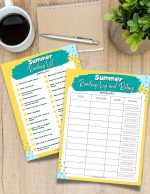
Reading Log with book 5-star rating (pdf)

Are you just starting your homeschooling journey? We’re here to help! Begin with our Get Started in Homeschooling page and Homeschooling FAQ to make the transition smoother. If you’re guiding a young child, explore our How to Homeschool Kindergarten. to make those first steps special. For middle schoolers, don’t miss our Middle School page packed with tips and advice. And if you’re heading into the high school years, our Essential Steps to Homeschool High School will guide you every step of the way!

Show Notes

In episode 15, We covered how to Teach your child to read– how to know when they are ready, we talked about curricula, and games for learning.  If you haven’t listened, you may want to revisit.

As we said in that episode, reading is fundamental and necessary for learning. And instilling a love of reading at an early age is the key that can unlock the door to lifelong learning. It’s the foundation that helps us learn and make sense of the world around us. Reading builds social and emotional skills and ignites imagination. Reading builds self-confidence, independence, and is a critical foundation for developing logic and problem-solving skills.  

Once you are past that very initial part of beginning to read, you may wonder where to go next and it can be confusing to see all the options and different terms and technical jargon out there describing various stages of reading. We see terms like Emergent, Early, Transitional, and Fluent, when referring to groups of reading levels. These might be where students may have different reading abilities, writing skills, and sight word proficiency. There is a range of terms to describe readers in the different stages of their literacy journeys. 

We LOVE Fred and Ted!
Fred and Ted Go Camping

When we talk about developing and emergent readers, we are really just talking about the same thing.  Technically, anyone who reads could be considered a developing reader, as we are all still strengthening our comprehension and writing skills into adulthood. But when we say that in relation to children, these are kiddos that are learning the basics of reading such as decoding, phonics, the alphabet, and sight words that are essential for long-term literacy. They may be making the transition to longer books with more complicated plotlines and they are just overall evolving into a more skilled and confident reader. They probably recognize high-frequency words, both in books and just things you see in daily life- while driving, in the kitchen, on TV.  Usually they show a strong desire to read and listen to others read

Sometimes we use the term  “Emergent” to emphasize these kids that are developing the foundational skills that will support lifelong literacy, and are truly emerging into a new territory of reading potential.  

When we talk about transitional readers, Transitional is that stage right before moving onto chapter books.  It’s totally ok to let your child decide when this is.  And then also, when we hear the terms Early or Easy readers, this often means the books, not the child.  They are books with age appropriate vocabulary and word usage, simple sentence construction, they can be utilitarian but they should also be rich and vibrant,  keep your interest,  keep the child motivated and able to decode words that are unfamiliar.

Remember how exciting reading was for you and you may rediscover your zest for reading alongside a child- it can be really refreshing for both of you.  Because language used to describe reading development can be complicated, we just encourage you to meet your reader where they are at. 

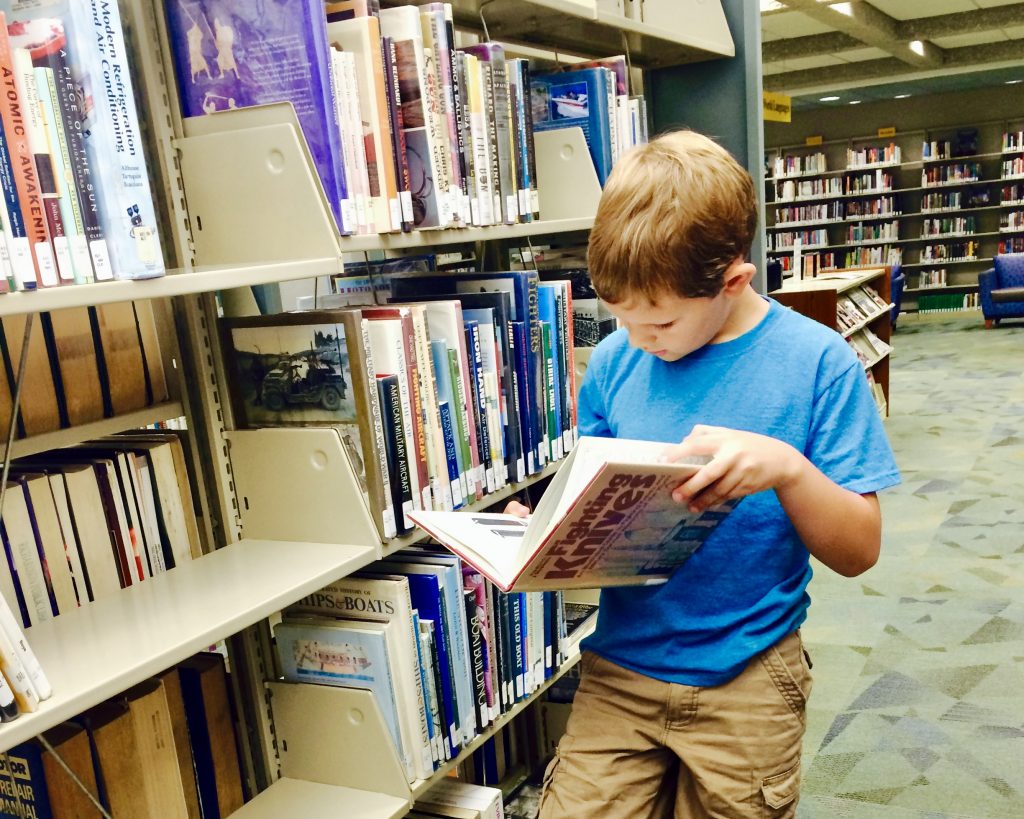
When our child first learns to read and they have begun their own unique reading journey, you may ask what kind of books should we be looking for? What books are going to continue to ignite their interest and encourage them to build upon those skills? So again, as you go looking for Early Readers or first step readers, sometimes it’s helpful to go to the library and see how they organize different level books- but remember you don’t have to stick to one level or kind. Some kids do like that or like to track their progress.  Some kids may just jump right in to full on chapter books and that’s ok, too.

Top 50 Books for New Readers
View the Complete List:
Top 50 Books for New Readers

One of the things we think about as a Charlotte Mason homeschooler is avoiding Twaddle. Twaddle is defined as books with lots of pictures and action but with short snippets of no sentences and little character.  They can sometimes talk down to children, or require little effort.  It doesn’t help to strengthen a child’s imagination. I always use the example of Winnie the Pooh, the original books by A.A. Milne. They are beautiful and deep stories full of adventure, humor, and lovely language.  And they are more than just funny- in fact, I often say to read these aloud to young kids, but also hand them off to older kids, because there are so many silly things in the ways the animals misspell things and use  puns that you almost have to see it rather than just hear it.  Now Disney Winnie the Pooh, is a whole other story- they are animated, and just really dumbed down.  There aren’t puns and deep jokes but surface level funnies and storylines.  Much of the very best things about the story aren’t even in those books/shows.

But also, consider that reading preference can come in many flavors and a reluctant reader may require other currency- graphic novels, for instance. Calvin and Hobbes and Far Side were favorites for our kids and their friends.

Favorite early picture books and readers:

Sandra Boynton

Dr. Suess

Ezra Jack Keats

PD Eastman 

Roxaboxen by  Alice McLerran

Kevin Henkes books: 

Lilly’s Purple Plastic Purse

Chrysanthemum 

Frog and Toad books by Arnold Lobel

Little bear books by Else Holmelund Minariik 

Henry and Mudge books are so funny and sweet!

Mr Putter and Tabby by Cynthia Rylant

Zoey and Sassafras by Asia Citro

Elephant and Piggie by Mo Willems 

Katie Woo Pedro book series by Fran Manushkin

Where the Wild Things are by Maurice Sendak 

Alexander and the no good very bad day  by  Judith Viorst

Shel Silverstein poetry books

While looking at lists to make sure we didn’t leave things off.  And by the way, we have left a lot off because there’s only so much episode time!  We probably could go on and on forever.  See the complete List of Top 50 beloved titles for new readers

We created our Top 50 books for new readers. We have enjoyed all of these books in our own homes with our own children. They have been beloved favorites throughout the years, and we really wanted to share all of them with you. This collection of early reading books has colorful illustrations, they have shorter lengths, clear formatting, and they’ve been picked with the readers in mind that are going to be bridging the gap between reading board books jumping into lengthier chapter books. 

The one thing that I really love about this list is that we really combined a mix of beloved classics with some newer titles, and I think we did a pretty good job of incorporating diverse voices and characters and things that we enjoyed in our own homeschool. Representation really does matter, and we really want kids to see themselves in the stories that they read so I think that we did a great job on combining that so make sure you check that out on our show notes we will have the entire Top 50 list and we actually wrote a very detailed description for each book so make sure you check that out.

As we’ve both mentioned many times on our podcast, we both love to (and sometimes still) Read aloud to our kids, even though they are high school level now.  But as younger kids this was definitely an every day, several times a day occurrence. And when we weren’t reading, we were often listening to audiobooks while we were driving.

Some favorite read-alouds or early chapter books:

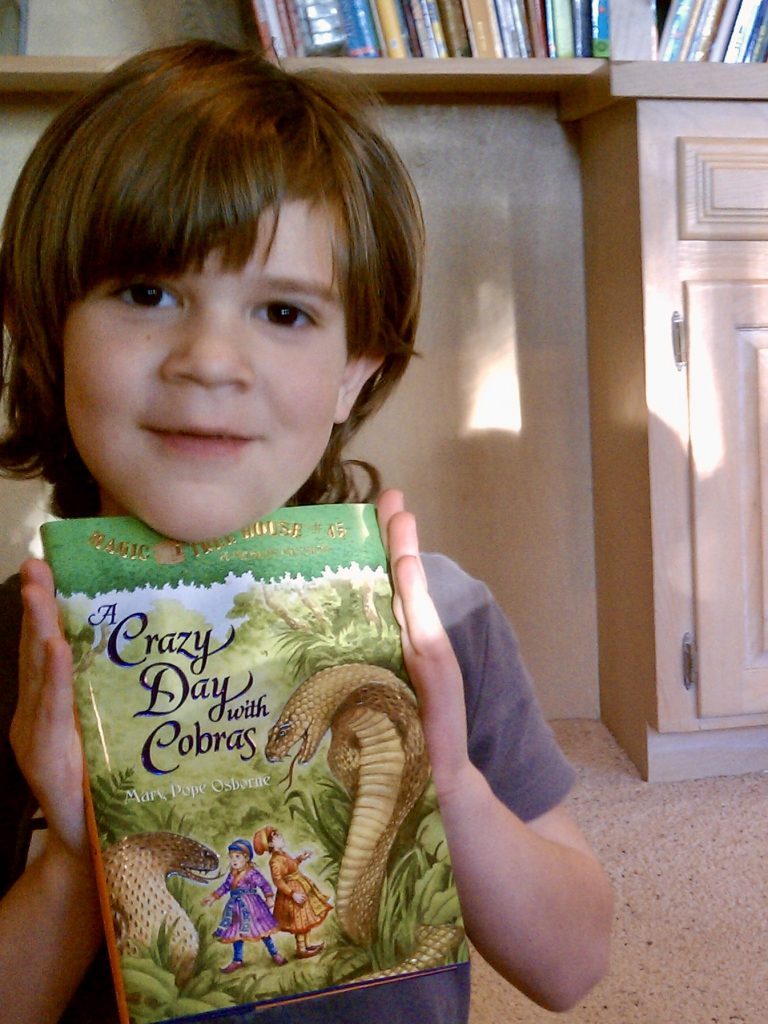
Magic Tree House by Mary Pope Osbourne– we’ve mentioned these before, too.  We both really liked them. These books are sometimes predictable and they are definitely formulaic, but it adds to their charm.  These siblings go on lots of adventures and introduce readers to a variety of real historical events and figures.  They are a great stepping stone into deep dives on topics and they even have accompanying reference guides if your kids want more after the story.  They are about 80 pages long.  You can easily read them in a sitting or at least in a day or so.

Magic Tree House by Mary Pope Osbourne

Ramona series by Beverly Cleary–  These were my favorite as a kid and I could not wait to introduce my kids.  We went through all 8 of the Ramona series and then the spin-off Henry Huggins series (her sister’s best friend). The author also has a series about Ralph S.Mouse that we loved- a mouse that befriends a boy on vacation.  

Geronimo Stilton books are really funny, have impactful illustrations and highlight new words. 

Winnie the Pooh by A. A. Milne-also big favorites that we talked about earlier.  There are 4 books in the series but really two of them are Winnie the Pooh focused, the others are poetry and story collections.   

The Wind in the Willows by Kenneth Grahame– another in the same vein as Winnie the Pooh.  Animal stories are full of adventure and really, really funny.

Some kids don’t really like books with characters that have a lot of sibling rivalry.  Not that we don’t deal with that in our homes, but there are books where that is the hallmark of the sibling relationship, and we just didn’t like it because they couldn’t always relate to kids that talked to each other like that.  Some kids also don’t like books with constant school settings- especially as homeschoolers.  So, one way we found our way around that was to search out older books.  

Books by Elizabeth Enright- “Gone Away Lake” and “Return to Gone Away Lake”. The Melendy family series that starts with the “Saturdays.”  These are older books that are about siblings or cousins and their adventures.

The Boxcar Children by Gertrude Warner– These books are a sweet series of about 160 titles and written by a first grade teacher about 4 orphaned children that create a home in an abandoned boxcar and encounter many adventures and mysteries.  There’s other adaptations of these including a version for younger kids even.  

Sometimes adaptations are good- maybe read an adaptation of Shakespeare when you need a better understanding of the story. We definitely recommend reading both though, so you don’t miss out on the language, but start with that so you don’t get caught up in figuring out what is going on. Some things I think lose the beauty of the language when you read an adaptation and some risk that dumbing down and twaddle we are trying to avoid.  

Swallows and Amazons” by Arthur Ransom- another older book about siblings or cousins that spend the summer camping out on an island across from their summer house and have a lot of adventures.  

Modern day versions of these kinds of stories would be “The Penderwicks.” Another sweet family that has their moments of rivalry or jerkiness but are otherwise loving and supportive.

Where the Mountain Meets the Moon by Grace Lin– this is a fantasy adventure novel inspired by Chinese folklore.  This particular book is about a girl from a poor village seeking good fortune for her people.  There is a sequel, but I haven;t read it.  It’s a beautiful story.

Very Very Far North by Dan Bar-el (series). Kind of Winnie the Pooh-ish and inquisitive bear befriends an array of animals.  This is also a series.

The Borrowers by Mary Norton

Half Magic series by Edgar Eager

Kate DiCamillo- I think her writing is just absolutely fantastic, people seem mixed on her sometimes.  Some of her stories are dark and dreary, but she always comes through with a happy ending, often a bit of a tear jerker.  The Tale of Despereaux, The Miraculous Journey of Edward Tulane, One and Only Ivan.

We really could go on and on all day about our favorite books.  We will continue sharing our favorites in a middle school favorite books episode coming in the near future.

This Week’s Freebie:

023. High School Documents

homeschool transcripts

High School Documents

How do you keep all those homeschool records organized without it becoming a headache? Curious about how to write a transcript that truly showcases your child’s achievements? And what exactly is a Counselor Letter and a School Report—do you really need them? Tune in this week as we discuss these topics and more, offering down-to-earth advice and helpful tips to make the process smoother and less stressful!

homeschool transcripts

Scroll Down for this week’s FREEBIE
Editable Transcript Templates (doc and xls)

Are you just starting your homeschooling journey? We’re here to help! Begin with our Get Started in Homeschooling page and Homeschooling FAQ to make the transition smoother. If you’re guiding a young child, explore our How to Homeschool Kindergarten. to make those first steps special. For middle schoolers, don’t miss our Middle School page packed with tips and advice. And if you’re heading into the high school years, our Essential Steps to Homeschool High School will guide you every step of the way!

Show Notes

Homeschooling high schoolers isn’t necessarily any harder than homeschooling younger grades, in fact, some think it is even easier because you become more of an administrator or facilitator than a teacher. Homeschool record keeping is part of the job of being a homeschool parent but keeping track of those records doesn’t have to be overwhelming. 

If you’re new to homeschooling high school, be sure to check out the Essential Steps to Homeschool High School. This episode is part of our High School series, offering expert advice, comprehensive documentation, and resources like Free Transcript Templates to help you stay organized.

12 Steps to Homeschooling High School

As a homeschool parent of a high schooler, in addition to often being the teachers, you wear many additional hats:

Secretary:
Provide documentation
Record keeping, registration and administration.

Researcher:
Help student identify and evaluate colleges
Find sources of information for student (e.g. scholarship search, test options)

Project Manager:
Understand the process
Provide scheduling guidance
Transportation

Academic Counseling:
Help student with course selection, schedule modifications
Credit acquisition
Help student tailor academics and activities to goals

This is all part of that awesome benefit to homeschooling, where we get to handcraft a custom educational experience for our child.  It does not need to feel overwhelming or hard with a little bit of organization and help.  

We’d like to again thank Mary, Shari, and some of our other homeschool friends who have helped us along the way and specifically to craft some of the documents we are going to be talking about today.

Document and Records Guide

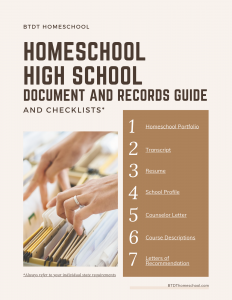
To go along with this episode, this 24-page High School Document and Records Guide will walk you through everything you need for homeschool high school recordkeeping.

Homeschool High School Document & Records Guide

This guide will walk you through step-by-step as you begin to create your own documents and records. It includes Checklists and Easy to Understand Examples for everything! You will be guided through all your responsibilities as your student’s guidance counselor:

Creating your homeschool portfolio

Writing the transcript

Writing the resume

Creating your school profile

Writing your counselor letter

Creating course descriptions

Ensuring great letters of recommendation

Save yourself all the confusion and set your student up for success with the confidence this guide will bring you. You will learn how to create and keep track of all your documents and records while homeschooling high school.

The most important thing to consider when we talk about record keeping in homeschooling are your state requirements.  We are in Texas, where we do not have any kind of record keeping requirements and so up until high school, we generally don’t do a whole lot with that. I keep a single envelope per child per year that may have some examples of work or artwork, ticket stubs, programs, mementos from field trips, and a single sheet with what classes they took, places we visited, shows we saw.  It’s really more of a memory thing for us, rather than something representative of our schooling.

I tend to be a little bit more rigid on recordkeeping. I keep an actual portfolio -some states actually require this, but not here in Texas. My student’s portfolio is a three-ring binder detailing academic years with course information and materials, resumes, first day pictures and questionnaires, year and review, extracurricular, clubs, volunteer hours, awards, field trips, etc. I really keep all of our projects, samples of schoolwork completed elsewhere in a bin in the garage that I add to every year. Typically, at the end of the year, I will purge a majority of it and keep my favorites. Look up your state’s homeschooling laws and requirements

How do you keep homeschool records? (7:43)

Staying on top of homeschool organization is a good idea and will make your life as a homeschool parent so much easier and efficient. So, even if you have younger students, I encourage you to start making a habit of recordkeeping-even informally. Just a synopsis of what your child has done through the year on a one- or two-page document is sufficient in those younger years. Making recordkeeping a part of your homeschool routine and keeping up with it regularly will ease the burden when you need documentation for graduation, college admissions, and more.

If your student is college bound, there are 5 things that top colleges are looking for: 

  • Intellectual Curiosity
  •  Initiative
  • Leadership
  • Social Consciousness
  • Commitment

You can showcase these qualities by taking classes with increasing rigor, participating in extra-curricular and community service activities, showing consistency & depth in extracurriculars, and developing leadership skills.  We will have another high school series episode where we focus on extracurriculars and community service in this series. 

Meanwhile, there are 4-5 documents you will want to keep that you will need for college admissions that will help you illustrate these qualities. A transcript, a resume, a school profile, and counselor letter. 

In addition, some colleges are also going to want to see course descriptions.  It’s up to you if you want to prepare these.  Frankly, they are a lot of work and not every school is going to want to see them.  If you have mostly homeschooled at home, or used non-traditional sources, you may be asked for more information to back up your transcript.

Resume

A resume is a one-page document that provides an overview of your experience, skills, and other relevant information. A strong high school résumé gives potential employers and colleges a quick, but detailed and accurate snapshot of who you are and why they should be interested in getting to know you better. The primary goal of a resume is to sell your abilities to a hiring manager, making a resume is your first step toward finding a job. Colleges often want to see a resume, as well, and these can be uploaded in the Common App or whatever application program you use.  They are a great place to showcase your child’s accomplishments or special skills that aren’t necessarily educational or class type things. 

Writing a resume is fairly easy, there are many templates out there to help as well as blogs and articles to guide you. The basic items you want to include on your resume are:

  • Name and contact info, phone number, email
  • Summary

1-3 sentences emphasizing the experiences and accomplishments that best define you. If you are looking for a job, you might want something job specific in there, but keep that pretty broad for college applications.  And often, when looking for a job, specific job details will be in your cover letter anyway.

  • Experience 

For high school students, you probably aren’t going to have a long job history or even any at all. But you can emphasize the skills and knowledge you’ve developed in your studies, internships, community service, or part-time work. So it’s fine to include volunteering, babysitting, dog walking, tutoring, odd jobs, summer jobs, temporary jobs, and internships if you don’t have much in the way of real work history yet. 

  • Education

This is where you can put the name of your homeschool if you have one, any dual credit information, etc. You can also add your expected graduation date here. Not all states require you to name your homeschool.  We have a name we picked out when we did have to have one, and it looks good on paper- probably most people guess it’s a swanky private school.

  • Accomplishments

For the jobs or skills you listed in the experience section, you will want to clarify the responsibilities you had, the tasks that you successfully completed, and the outcomes with bullet points. Be specific but brief. We suggest using lots of action words such as: assisted, built, created, designed, drafted, installed, maintained, presented, programmed, repaired, served, and so on.

  • Skills

Here is where you can include any other pertinent information and accomplishments from home, school, or community, test scores, relevant coursework, non-credit courses taken, academic honors, special projects, leadership roles, extracurricular activities, hobbies, clubs, athletics, scouting, community service awards, scholarships, certificates. This is where things like specific computer programming expertise can go- fluent in Word, Excel, typing, etc.  Are you CPR or First Aid certified?  Maybe your student has Lifeguard or Babysitting certifications? Proficiency in a musical instrument.

We later also use this resume for work or as a base for creating a future job resume, so it is a great thing to start early and then revise as you go.  

Get your Free Volunteer and Extracurricular Workbook

Course Descriptions

Course descriptions are details about individual courses and may be required or accepted by colleges.  You may want to check the admissions website or with the admissions counselor to see if these are necessary.  

There are 5 parts of a quality course description.  You are going to want to format it in a way that’s clear and easy to read.

1. Header: Your header should include the course name, instructor and/or course provider, semester/year class was taken, # of credits, grade received, and your texts and resources.

2. Description: Next you will want a good course description that will describe the class.  What is the purpose, the content, the experience.

3. Methods of Evaluation: Here, you will explain how the student was graded. Discussion, quizzes, tests, assignments, essays are some commonly used methods of evaluation. Many homeschoolers use a mastery approach, and this is where you can list that, as well.

4. Materials Used: List the main resources used in the class. This can be textbooks, plays, essays, online resources, newspapers, journals, lab materials. Some people include book lists for the year.  

5. Test Scores: If your homeschooler took Subject Tests or AP exams following this class, you can add them here, too.

If you are struggling writing these descriptions, keep in mind that you do not need to recreate the wheel. You copy and paste directly from the course catalog or website for community college or online courses.  Textbooks often have a summary listed on the publisher’s website.  If you used a tutor or other private class, you can ask the instructor if they have a course description or if they can write one for you. Also, if you have designed your own course, you may want to look for similar courses online and just use description as a guide while writing your own, or you may have already had it written out when you crafted the course. 

Lastly, if you have a student that is an artist or designer or maybe an actor or dancer, you will have different requirements.  We do have some friends who have walked this path and plan to have some guests on our show at some point that can talk about their students’ experiences in applying to specialty programs and we can hear about the audition or other admission processes they have been through. In some cases, students may need to build an artist’s portfolio in addition to or instead of traditional application materials.

How do you write a transcript? (19:06)

What is a transcript?  

Your transcript is a document that ensures that base admissions requirements are met, determines the student’s readiness to work at a college level, and showcases course load and rigor. Every school that your child attended in high school will provide a transcript for college admission.  For us, that meant we sent one both from the community college and from our homeschool.  Some students may have another from a public or private school that needs to be sent in.

When Will I Need a Transcript?

  • College admissions
  • Scholarships and contests
  • Internships
  • Certifications
  • Job applications/security clearances
  • Transferring to a public or private school
  • Military enrollment
  • Insurance companies (good student driver discount)

Your transcript should be a single page.  It should obviously be accurate.  You want it to be easy to read and easy to skim. And you want it to be professional and attractive.  I prettied mine up by printing on parchment and I ordered gold stickers with my school’s crest on it.  You don’t have to go all extra like that, but you can!

We see this question a lot- a college wants an official high school transcript and people freak out.  You know what makes it official?  Simply typing the words “Official High School transcript” across the top.  Later, when you send the last one after graduation, you will add the word Final. The top line of the document should make it clear.

So your transcript should have these basics:

At the top- Student Information

• Name

• Contact Information- your student’s, not yours.  We include address, email, and a phone number.

• Birth Date

• Other (sometimes optional) a SSN or xxx-xxx-last 4 digits.  They will be using this number a lot once admitted- now is the time to learn it!

There may be multiple students applying with the same name as your student, so you definitely want to have them identified as well as possible.

Graduation information

• Date of Graduation (actual or anticipated) and a start date (optional).  If you did something creative, like count 8th grade coursework, or have a super senior year, you may want to leave the start date off.  Again, it is up to you.

School information

• Name of School- not all states require this so you may not have one or maybe you are making one up now.  Some people get creative with this, other people use their last name or street name in the title.  

• Contact Information- this is where your parent info goes- I just put my name and email.

Course List

  • You are going to list both full and partial credit courses.
  • You will want to include courses taken elsewhere (dual credit, other schools)
  • Courses taken before 9th grade.
  • Courses that are honors or AP
  • You can designate these as separate from your homeschool courses done at home with an asterisk or other indication.
  • You will want a key and legend on your transcript that clarifies that information.
  • Also, you can put classes on your transcript that your student is currently taking or will take next semester (this is important for seniors applying in the fall for the following school year).  We just put IP (for in progress) on the transcript without a grade.

Credits and GPA 

You want a spot on your transcript to show the number of total credits completed and your GPA.  When it comes to Grade Point Average (GPA) there are several options for this.  You just want to choose something that is simple and easy to understand and that is consistent.  You want to list a cumulative GPA calculated for all completed courses.

And you can choose Weighted, unweighted or both. Grade-weighting is the process of increasing grades from more challenging courses when calculating the student’s GPA. Grade-weighting rewards students who take challenging courses. For example, common weighting is honors = +.5, college level (AP or DE) = +1 point.  Again, just make sure weighting clearly marked.

How to calculate GPA

1. Multiply each grade by the number of credits awarded to get the grade points.

2. Add all the grade points.

3. Divide the total grade points by the total number of credits.

In your key, where you may put clarifying information and a legend, you can indicate where courses were taken, your grading scale and your weighting formula.

Test Scores

You may also want to include test scores. PSAT, SAT, ACT, SAT Subject Tests, AP, some people do CLT.

Signature

Lastly, you want a spot for your signature and report date.

If your students won any awards or notable activities, you may want to include these on the transcript.  Some people are adamant about these being showcased on the resume or other part of the application, I have mine on the back of our transcript. This may include prestigious awards, volunteer work, leadership or specialized training or Internships.

Which leads us into what format of transcript should you use?  

This is very personal, and you have a lot of options here.  There are so many transcript templates out there.  Look around at several.  Some people like to list by year/term.  This is the most familiar to admissions teams.  It is easily organized and showcases increasing rigor from year to year.

Some people like to list by subject.  This can be an easy way to de-emphasize unusual timings (gaps, fewer/extra years) high school classes taken before grade.  We use it because my kids took many shortened semester classes and it looks weird to have several in one year. Super senior years.  This can also showcase passion/focus.

What is a School Report? (31:04)

A school report or school profile is a document that provides information about a school within the context of its students and its community. It gives an overview of the academics and opportunities offered. College admissions officers are typically familiar with the schools in their assigned region. They usually already know the quality of academics and the quality of the students who graduate from that school. As a homeschooler, you need to provide that context by providing evidence that your homeschool is also a quality one – rooted in strong academics and unique learning opportunities.

The school report/profile is about your homeschool, not your homeschooler. Up until this, all of the varying documents have highlighted your student.  Obviously, there will be some overlap, but this is the place where you can really highlight your academics and your academic choices and homeschool philosophy. The school report/profile is not a part of the transcript, but can add or provide context.  Not all schools will request or allow a school report, but some will, and this will come in handy especially if you are using a general admissions website, like the Common App.

Here are some items you want to cover in your Homeschool School Profile/report, aside from your school name and contact information.

  • The history of your school. You’ll want a brief overview of when your homeschool was created and maybe why, and maybe how it has benefitted your students. Again, talk in general, not specifics.  Even if your homeschool will only ever have one student, talk as if there could be many.
  • Describe the philosophy of your homeschool. Is it interest-driven, rigorous, student-led, self-designed, classical or other popular methodology, project-based? I used this section to explain a little bit about Charlotte Mason philosophy and mastery approach.  We don’t do a lot of testing, so I explained why here.
  • Describe your curriculum and choices.  Why did you choose dual credit over AP courses? Did you opt to focus on a particular path or interest?  I also use this section to talk about educational partnerships we may have had- local community college, brick and mortar homeschool school, university model program, etc. You may want to include a brief description  and bio of each provider.
  • Describe how grading, weighting, and assessments are done in your homeschool. How do you assign credits?  Determine weight? 
  • Graduation Requirements.  Here you may list your state’s graduation requirements or talk about your specific grad requirements if you are in a state that leaves that to you.

What is a counselor letter?

The counselor letter is basically a letter of recommendation submitted to colleges on behalf of an applicant and this would typically come from a school’s guidance counselor. Since you are technically the guidance counselor, you’re responsible for writing the recommendation. In a traditional school environment, this letter would usually be evaluating a student compared with other students in that specific school community.  Since homeschoolers obviously cannot be compared in this way, we really cannot do this.  We still want to demonstrate that they took rigorous classes, had impacts on the community, were leaders socially and in their extracurriculars.  

You will have to find a balance here between proud mom and teacher while still presenting in a professional manner.  You do not want to sound like a gushy mom, but you do want to share the great qualities and achievements that you know your homeschooler has.  I personally thought this was the hardest thing we had to do for the process.  Everything else has a template out there or you can ask friends for examples.  But this is such a personal and specific document, you really cannot do that with this.

So in writing your letter, you want to think about your application process as a whole and think about what your application does NOT say.  All in all, your transcript, resume, application (essay questions) and counselor letter should say everything you want them to know about your student. Think about- Is there anything missing academically? If you feel that the transcript doesn’t show the academic rigor of higher level classes, Ap or Dual Credit grades and test scores, provide other evidence of intellectual curiosity and examples of independent projects. If you have other credentials or experience in teaching, explain this in detail. Discuss your child’s development. 

You may want to detail more about your homeschool and philosophy again and perhaps explain how this shaped your student or was shaped by your student.  Talk about what motivates and excites your student, how they show initiative, how they have taken advantage of homeschooling and the schedule and flexibility it has provided them. You’ll also want to talk about extracurriculars and socializing. While the number of homeschoolers continues to grow  and universities are becoming increasingly accommodating,there are still stigmas or negative stereotypes that go along with homeschooling.Take this opportunity to discuss their social strengths within the context of groups, leadership roles, and other activities in the community.

Colleges really want to know WHO their applicants are. What kind of person are they and what will they be at college and in the future.  Universities are specifically looking for students that are going to add to an already rich school culture.  Why would your student be a great fit?  

You can reveal your teen’s positive qualities through anecdotes and examples- don’t go overboard!  You can also quote someone else or even the student to support their character and values. Be sure to back those quotes up with specific examples.The most important thing to remember is that  this letter is about the student.This should not be a list of accomplishments or a resume- you already supplied that context elsewhere.  And  while there may be slight overlap with your school report/profile, this is really just the story of your student.

Things that should be in The Homeschool Counselor Letter: 

  • Greeting to the selection committee with words that you are writing this letter on behalf of “student name.”
  • Examples, stories, or anecdotes about your students’ positive traits or values.  Information about your homeschool journey or philosophies, quotes from your homeschooler or other leaders familiar with your student (this could be someone else who has written a recommendation for them)
  • Make sure to include Common App or Application ID#, Counselor Signature, and  Counselor Title.

This letter can be difficult to write.  It is insanely personal, and it can be a powerful and moving experience writing it.  Prepare to feel all the emotions as you think back on their childhood and homeschool experience.  Definitely allow yourself to congratulate yourself on navigating an unconventional education path and your part in creating this special being.  This really is an incredible honor to get to present and truly recommend your student in this manner.  Celebrate your child and what you have both accomplished together!

This Week’s Freebie:

Download your FREE Editable Transcript Templates (doc & pdf):

022. Homeschooling In The Wild

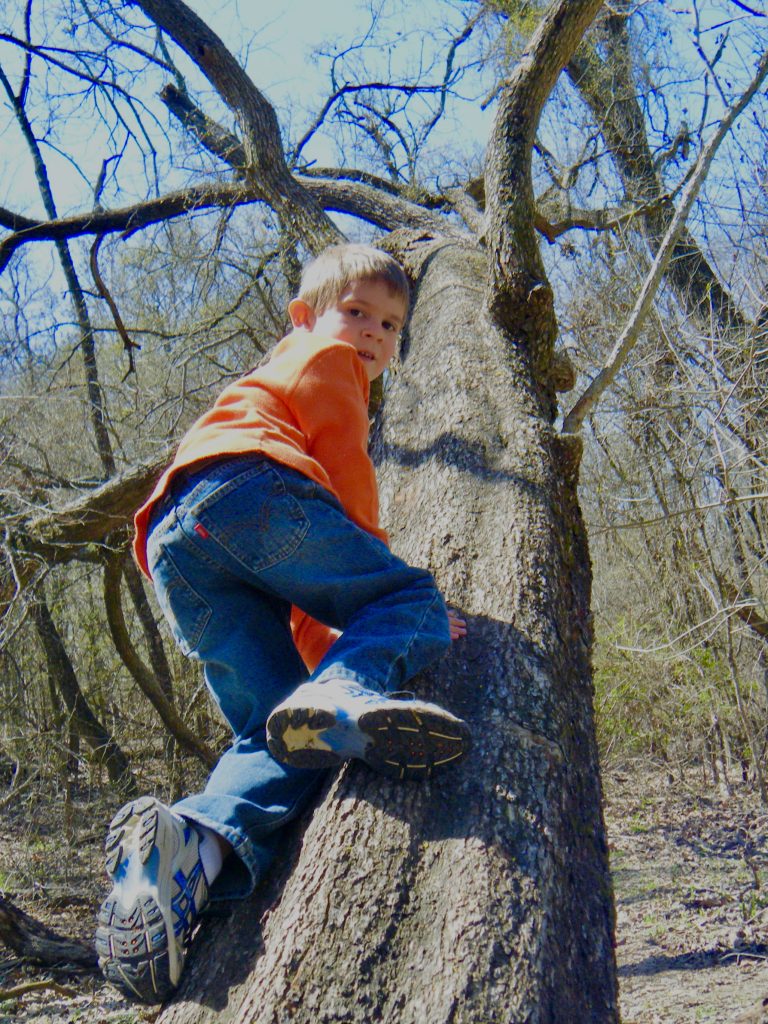
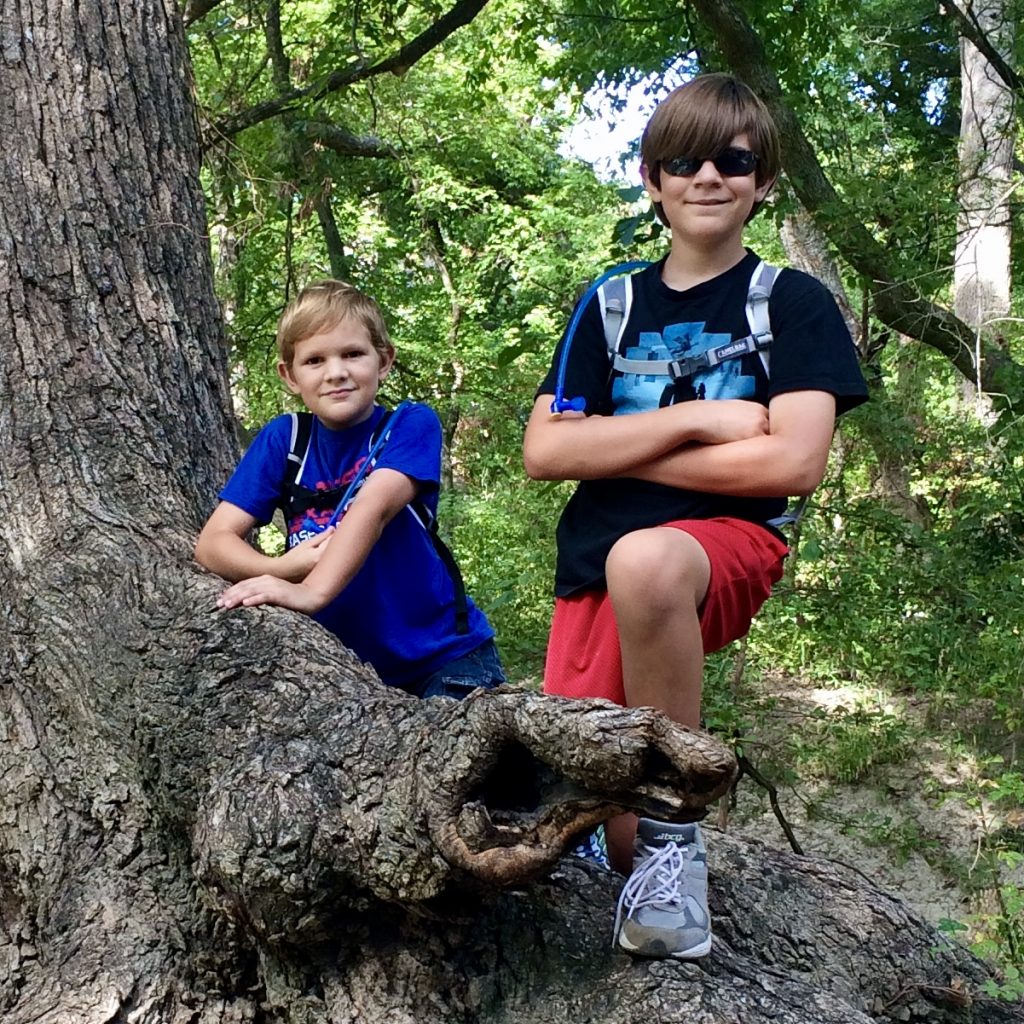
Climbing a tree

022.

Homeschooling In The Wild

Climbing a tree
Click PLAY Button Below or Subscribe and listen on your favorite podcast platform:

Show Notes

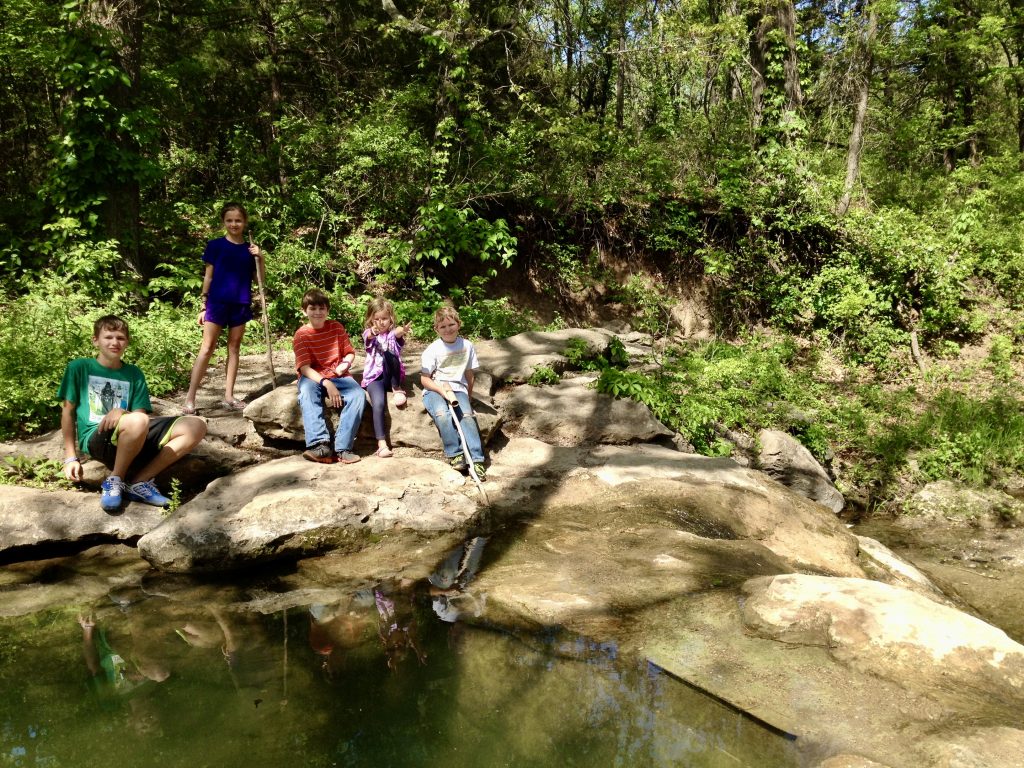
I am a certified Master Naturalist and a hiking group leader and I have been bringing groups of kids into the woods for about 14 years.  I really wasn’t always like this though!  Forging a love of nature is something I have grown into and it really started after becoming a mother and seeing how excited my kids were to explore the outdoors.  I remember very specifically standing on the edge of the woods, looking down a trail with my kids and my son saying- can we see where this goes?  And though I was hesitant, I said yes!  And this started us on a path (literally) of chasing down all the trails we could.

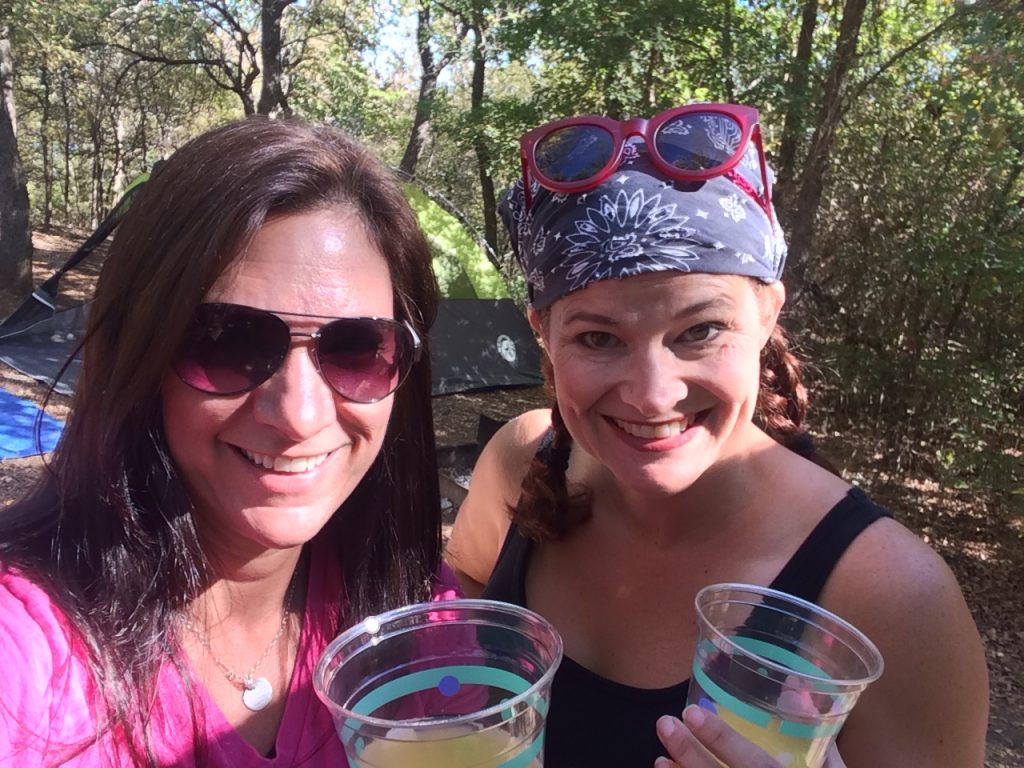
Maria and Nicole on a camping trip with our families

Like you, Nicole, I’ve always loved nature and being outdoors. Up until the age of 9, my family lived near a lake in rural Michigan. I’m the youngest of 4 and one of those classic GEN Xers that spent all day outside, drinking from the water hose. My mom would tell us to come back in at dinner time. Outside, we would explore the woods and eat wild blackberries. It was quite the life! My parents were immigrants from Cuba and had four children by the age of 25. We had no extended family in the area, so it was just the six of us and money was really tight. The only vacations we could afford were camping, and it may not sound like much, but for a little kid, it was incredible. We would go to campgrounds on Lake Michigan. We explored the woods and climbed the sand dunes and swam in the great lake. Also, I was also a Girl Scout and there was always a camping trip, or some activity organized in nature. So, when it came time to introduce nature to my own children, it was a no-brainer! 

Nature Homeschool

The benefits of outdoor nature time are well documented scientifically. The article “Nurtured by Nature” from the American Psychological Association has so much information about the cognitive benefits of nature and just study after study that show that nature has benefits for both physical and psychological human well-being.

Nurtured by Nature
American Psychological Association

The Key points of the article

  1. Spending time in nature is linked to both cognitive benefits and improvements in mood, mental health and emotional well-being.
  2. Feeling connected to nature can produce similar benefits to well-being, regardless of how much time one spends outdoors.
  3. Both green spaces and blue spaces (aquatic environments) produce well-being benefits. More remote and biodiverse spaces may be particularly helpful, though even urban parks and trees can lead to positive outcomes.
Hiking from an early age begins a lifelong love of the outdoors

People who live in urban environments may think that they may not have access to natural places or they might think they need more time to drive out to a natural environment.  But you can find pockets of nature everywhere and it doesn’t take much to reap those benefits.

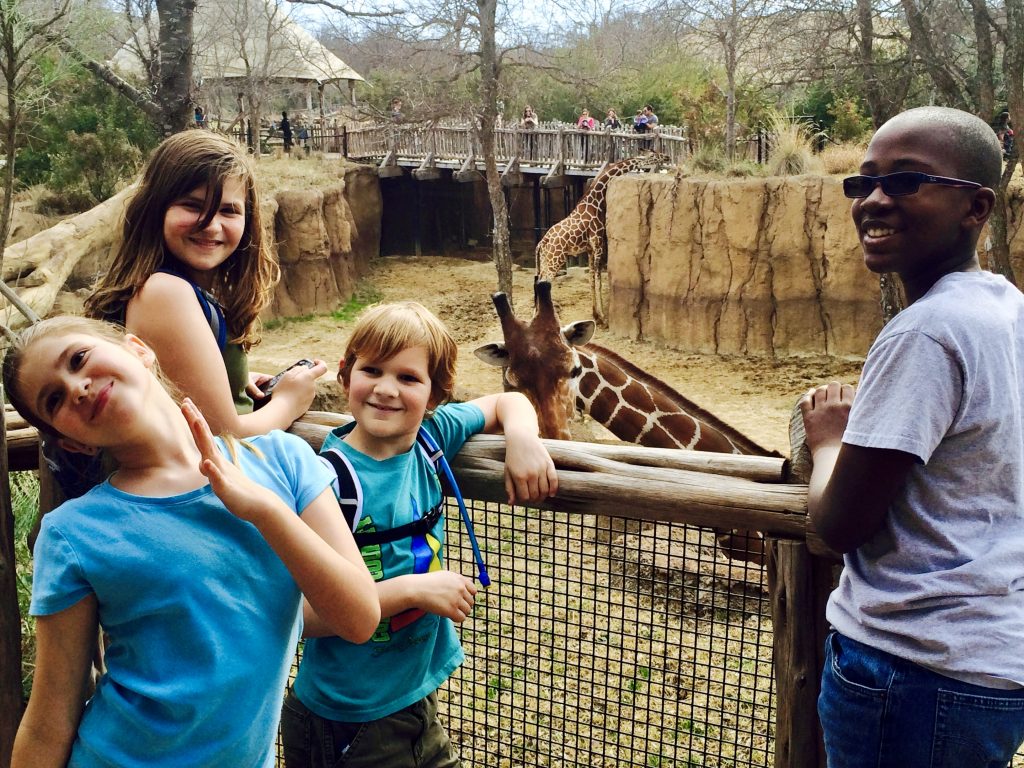
Even a day at the zoo can be beneficial!

What are the benefits of outdoor nature time? (8:04)

  • Increased feelings of calmness and stress reduction

Sometimes just taking the time to unplug and go outside can do wonders for lowering stress levels. We are surrounded by screens daily and always just so busy.  Nature can have a calming effect on our brains, even if it means going outside for only 5 minutes a day. Outdoor exercise, like going for a walk, hiking, biking, paddleboarding, all just gets the blood flowing and heart pumping, which is another way to lower stress levels.

  • Increased endorphin levels and dopamine production (promotes happiness)

Endorphins and dopamine are both chemicals in your body that make you happy, but they function in different ways. Endorphins are released when you feel pain or stress and nerves in your body send pain signals to your brain. Your brain releases these endorphins to block the nerve cells that receive the pain signals and essentially they relieve pain naturally by attaching to your brain’s reward centers (opiate receptors).  And then, voila, dopamine is released. Endorphins may naturally help soothe achy muscles. And then when the dopamine releases, you get a runner’s high.  Dopamine motivates you to do something over and over again. Like giving birth.  It helps you forget the stress or pain and feel that happy feeling instead.

  •  Restored capacity for concentration and attention

Researchers have a theory called “attention restoration theory” and it states that nature replenishes one’s cognitive resources, restoring the ability to concentrate and pay attention. The idea is that If you’ve been using your brain to multitask—like most of us do most of the day—and then you stop and put all of that aside and go just be outdoors,  you’ve let the prefrontal cortex recover, which then allows you for focus on the task at hand and start fresh.

  • Reduced symptoms of anxiety and depression 

We just talked about how being outside in nature increases happiness, so it’s only natural that it would reduce irritability. You can find all kinds of different activities outdoors for all fitness levels and preferences. Whether it means going for a swim, taking the dog for a walk or mountain biking, spending time in nature promotes mental well-being.

  • Lowered blood pressure and reduced cortisol (stress hormone)

 Numerous studies show that both exercising in forests and simply sitting looking at trees reduce blood pressure as well as the stress-related hormones cortisol and adrenaline. In one of these studies they actually just gave some people pictures of trees and found it had a similar, though less dramatic effect. Studies examining the same activities in urban, unplanted areas showed no reduction of stress-related effects.

  • Strengthens the Immune System

Going outdoors and getting enough sunlight can help boost your immune system.  Part of the reason is that it increases levels of Vitamin D, which many people are deficient in. Obviously, too much sun can be bad for you, but, studies show that getting between 15 to 20 minutes a day of sunshine will allow your body to better absorb vitamin D, which helps strengthen bones and reduce the risk of cancer, type 2 diabetes, and multiple sclerosis.

Another immune boost comes from breathing fresh air.  While we breathe in the fresh air, we breathe in phytoncides, which are airborne chemicals that plants give off to protect themselves from insects. Phytoncides have both antibacterial and antifungal qualities which help plants fight disease. When people breathe in these chemicals, our bodies respond by increasing the number and activity of a type of white blood cell which can kill tumor- and virus-infected cells in our bodies. 

  • Improves short term memory

A University of Michigan study revealed students who regularly went for a nature walk actually had a better time retaining information. In the first of two studies participants were given a 35 minute task involving repeating loads of random numbers back to the experimenter, but in reverse order. After this they were sent out for a walk – one group around an arboretum and the other down a busy city street – both while being tracked with GPS devices. They each repeated the memory test when they got back.The results showed that people’s performance on the test improved by almost 20% after wandering amongst the trees. By comparison those subjected to a busy street did not reliably improve on the test.

In the second study participants stayed in the lab but were given pictures of natural scenes while others looked at urban environments. The improvements weren’t quite as impressive as the first study, but, once again, the natural image group beat out the urban image group.

  • Improves Sleep

Spending time in natural light helps our bodies better regulate our sleep patterns. When the sun goes down, our brains will release the right levels of melatonin to help get a good night’s sleep. Nature can also help reset your circadian rhythms. Circadian Rhythms are physical, mental, and behavioral changes that follow a 24-hour cycle. These natural processes respond primarily to light and dark and affect most living things, including animals, plants, and microbes. The circadian rhythm regulates metabolism, too and just keeps us functioning optimally.

  •   Improves Vision

We spend a lot of time looking at screens, which can damage eyesight. Eye strain is experienced in up to 90% of people who use computers daily. Going outside gives our eyes a break. When we’re outside, we’re able to focus our eyes on objects in the far distance, helping to prevent the onset of myopia and reduce headaches.

Older kids benefit from outdoor activities too!
  • Inspires Creativity

Being out in nature can help you to get inspired by all the sights, smells, and sounds of the outdoors, not to mention all the brilliant colors that make up our landscapes, sea and sky.  Science shows that spending time outside actually helps get our creative juices flowing. There was a study that showed that hikers on a four-day backpacking trip could solve significantly more puzzles requiring creativity when compared to a control group of people waiting to take the same hike—in fact, 47 percent more. Nature can inspire you and help you get past a creative block via self-reflection.

  • Develops a Deeper Sense of Spirituality

Being outside in nature gives us a chance to clear our minds, self-reflect, or meditate. Spending time in nature helps us live in the moment as we breathe in the air, listen to the sound of the birds, small animals, a babbling brook, or feel the wind through our hair, touch the grass or leaves. The changes of season may reflect changes in your life.  All of this can relate to your inner spirituality.

Rocky has been visiting our backyard for over 10 years

How do you get your family to spend more time outside? (17:45)

Kids can paddleboard too!
  • Studies show that a minimum of 2 hours a week spent in nature, either at one time or broken up over the week can significantly increase your health and well being. 
  • Make sure you pick a safe and welcoming place to visit. Time in nature is only a stress antidote if you are able to properly relax and embrace the experience.  
  • To maximize the health benefits of being in nature, try your best to really take in your surroundings and be present. Breath deeply, don’t wear headphones, take time to listen and look.
  • While just a stroll or sitting outside can expose you to all those awesome nature benefits, also try moving your workout outdoors. Exercising in nature can reduce the risk of mental health problems by up to 50%.
  • Take up a new hobby or activity that allows you to spend more time outside, such as birdwatching, gardening, paddleboarding, or running. 
  • Are there places you need to go anyway that are possibly in walking distance?  Walking to the store or drugstore or a coffee shop instead of driving can be a great way to get your family outdoors.
  • Do you live in an urban area with few outdoor options?  Consider making your interior more nature friendly.  Add indoor plants, furniture made of wood materials, let in as much sunlight as possible, and hang pictures of natural scenes. 
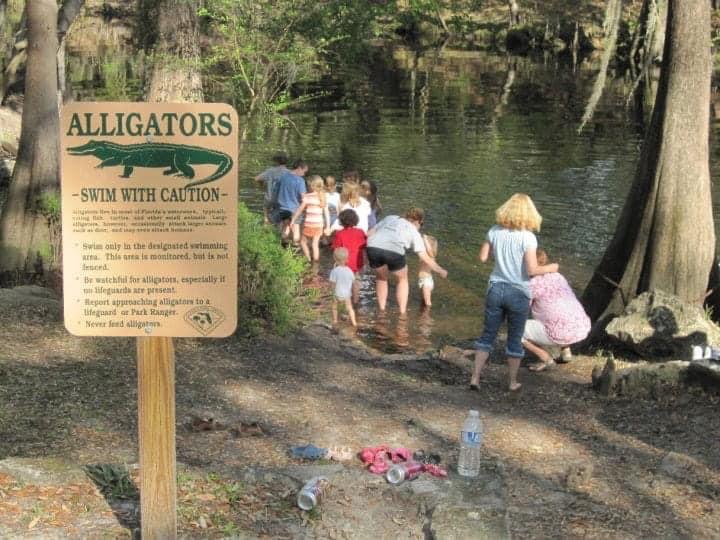
Enjoy nature but be aware of your surroundings!

Here are some great  ways families can connect in the outdoors

  • Enjoy your backyard. You don’t have to have a fancy yard to experience nature.  Go outside and find what amazing things lurk just in your yard.  You might be surprised!
  • Take walks together. Walk in your neighborhood and point out different trees, flowers, and other animals.  Walk nearby nature trails. 
  • Visit your local park and playground. Play on the swings together, check out the ducks and swans that live in the ponds, climb trees.
  • Visit a nature center or state park. Read the placards, walk the maintained trails, and take a class.  These are often great places to find kids’ activities and great guidebooks, too. 
  • Go for a picnic. This doesn’t even have to be a fancy one you pack.  Stop by the drive through or store and just take your food and eat it somewhere else.
  • Go camping.
  • Visit a zoo or wildlife facility or some other place with animals and wild spaces.
  • Visit the beach. From jumping in waves, to collecting sea shells, and just breathing that salty air, the beach offers tons of family nature activities.
  • Hike up a mountain- is there a great place to explore elevation changes in your area?  Climbing to the top can invite a great sense of accomplishment and give a goal to your walk.
  • Find out if there’s a place near you where you can search for stones, gems, or fossils.
  • High ropes courses. A super fun way for a family to build resilience is to challenge, motivate and help each other through a high ropes course. 
  • Volunteer with a park or trail group.  Sometimes parks offer trail clean up crews or other things that you can do as a family.
  • Join a group like my hiking group (free) or other national groups like Wild and Free or Barefoot University.
  • Enter a race or other family competitive event.
  • Start a garden, join a community garden, or even just plant some plants in pots at your house.
You can even do your regular school outside!

There are so many different ways that you can bring more nature into your family’s life.  Being present with your child in the outdoors will build wonderful memories that lead to lifelong family connections.

 How to incorporate nature study into your homeschool? (29:09)

Set up a bird basket by a window in your house that looks out to a spot in the yard and maybe set up a feeder.  Our basket had bird books, a bird journal and pencils, a bird sound maker, and binoculars.  You really get to know the birds that come to your feeder, patterns to their seasons, families, etc.

Ways To Use Nature Studies Your Homeschool in Every Season to Teach Science, Math, Art:

We also carried a backpack with binoculars, magnifying glass, id guides, and specimen jars.  I love the plastic tri-fold guidebooks for trees, plants, birds, dangerous animals, snakes, butterflies, etc.  I also like to purchase these at our state parks or nature centers, so that money goes back into their programming.

Like we mentioned, take a nature walk.  It doesn’t have to be far, in fact you can slowly build up to greater distances.  We often say that our littlest hikers will hike for miles as long as they have someone to talk to, so feel free to walk with friends, too.  Geocaching or orienteering are fun activities to kind of get reluctant kids out.

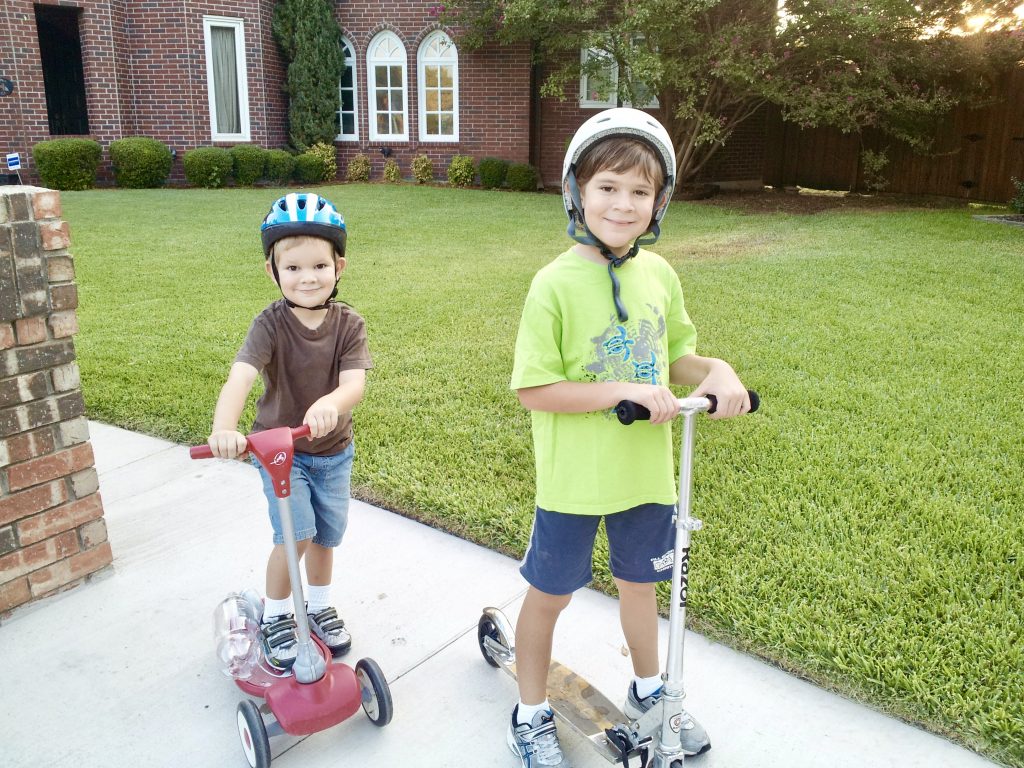
Just scooting around the neighborhood is beneficial

Keep a Nature journal- draw pictures of what you see, write about your nature walk.  Keep flowers or leaves- you can press them into a book or flower press or preserve in wax paper. Keep a collection of things. 

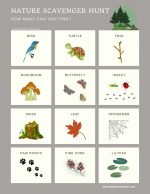
Do a nature scavenger hunt. 

FREE Nature Scavenger Hunt:

Choose a category to study at a time, like wildflowers and then trees, birds, and then mammals.  You may want to focus on a certain thing for weeks at a time.

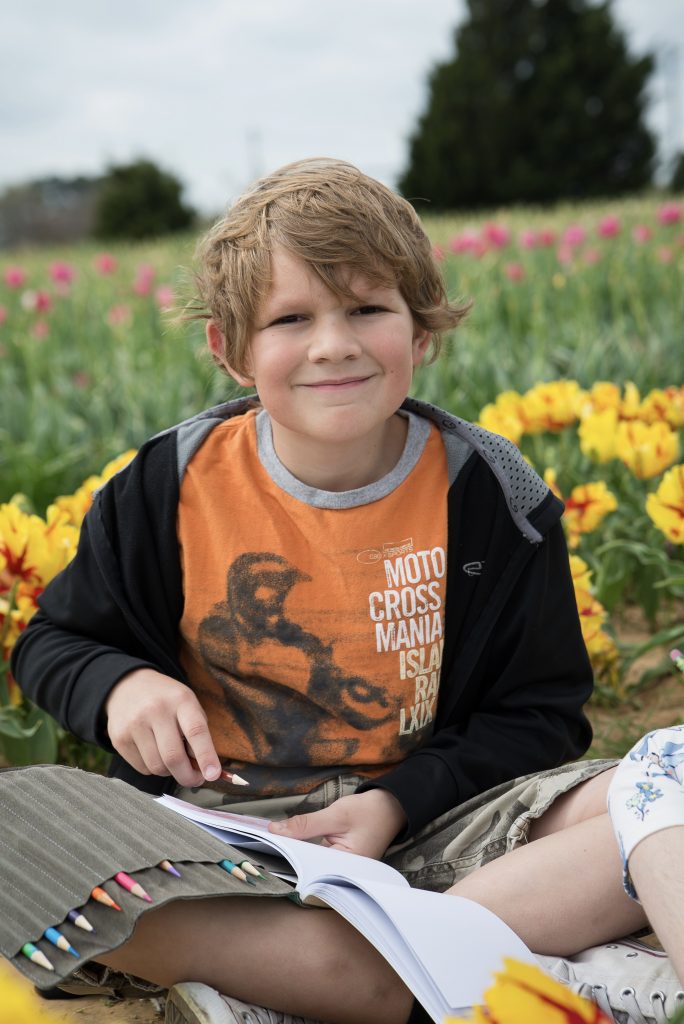
sketching tulips
Sketching in a tulip field

Charlotte Mason was a big proponent of using nature to aid in memorization.   If they can list 200 Star Wars characters, they can memorize the 10 most common trees and wildflowers in your neighborhood.

The Laws Gude to Nature Drawing and Journaling is by far the BEST Nature Journal we use in our own homeschool.
There is so much information, beautifully illustrated, in an easy-to-understand way. Your children with love it

Flower Press Kit we’ve used in our homeschool:

The Julia Rothman Collection: Farm Anatomy, Nature Anatomy, and Food Anatomy

Anna Comstock Handbook of Nature Study- popular very old nature study book for kids. First written in 1911―and revised in the spirit of its authors by a group of naturalists in 1939. She took the view that we should know first and best the things closest to us. Only then, when we have an intimate knowledge of our neighbors, should we journey farther afield to learn about more distant things. 

One small square books series: 

Thornton Burgess books

Animal friends series

Bird book

Seashore book

Animal book

Curious Kids Nature Guide

First Lessons in Nature Study

National  Parks 4th grade 

The voucher or pass grants free entry for fourth graders, all children under 16 in the group and up to three accompanying adults (or an entire car for drive-in parks) to most federally managed lands and waters. 

Books for parents

“Last Child in the Woods” Gathering thoughts from parents, teachers, researchers, environmentalists and other concerned parties, Louv argues for a return to an awareness of and appreciation for the natural world. Not only can nature teach kids science and nurture their creativity, but he also says, nature needs its children: where else will its future stewards come from? 

“Balanced and Barefoot”  In this important book, a pediatric occupational therapist and founder of TimberNook shows how outdoor play and unstructured freedom of movement are vital for children’s cognitive development and growth, and offers tons of fun, engaging ways to help ensure that kids grow into healthy, balanced, and resilient adults.

“There’s No Such Thing as Bad Weather: A Scandinavian Mom’s Secrets for Raising Healthy, Resilient, and Confident Kids (from Friluftsliv to Hygge)” Could the Scandinavian philosophy of “There’s no such thing as bad weather, only bad clothes” hold the key to happier, healthier lives for American children?

Flower Finder

Get Your Family in Nature and Discover the World Around You!

This Week’s Freebie:

021. How Do You Homeschool a Child with a Learning Difference?

learning disability

How Do You Homeschool a Child with a Learning Difference?

learning disability

Scroll Down for your FREEBIES this week

Show Notes

Learning challenges can make it difficult for children to keep up with peers academically and may lead to frustration and behavioral issues. Children with learning differences often struggle with social interactions and have low self-esteem. It is important for children with learning disabilities to receive appropriate support and in order to succeed academically and emotionally.

Sometimes people may have the idea that kids with learning disabilities are not motivated or intelligent, or it’s the parents’ fault. That is absolutely false.  We really need to widen the lens of how we look at these kids. Also, keep in mind that all students are unique and special and every single one has areas of strengths and areas of weaknesses. It’s important to remember that there are functioning, responsible adults everywhere that grew up navigating the system with a learning disability. 

What is a learning disability? (5:18)

Learning *disorder* is a diagnostic term. A licensed professional — usually, a psychologist — diagnoses a person with a learning disorder based on a list of symptoms. Learning *disability* is a legal term. A public school identifies a student with a learning disability. People will often use these terms interchangeably, but those are their definitions.

Sometimes we use terms like developmental delay or gaps in knowledge to describe learning disabilities. Learning disabilities are actually a neurological disorder. The most common of course being reading disabilities with dyslexia as the most common. The reality is that 5–10% of students in the US have some sort of learning disability. 

There are many ways that professionals will go about diagnosing a learning disability including tests that psychologists do. That may include an aptitude test and an achievement test and often they compare those two. They may run more tests and once they have those results it helps them determine if there is a neurological disorder, a gap in knowledge, or they just need more exposure and more time to catch up. Typically, these sorts of assessments are done around 6 or 7yrs old. 

Sometimes there are even children with really high IQs that may be labeled GT, gifted and talented in a school system that may actually have a processing disorder. Knowing that and getting appropriate diagnosis is going to really help make your approach to how you teach them in your homeschool. 

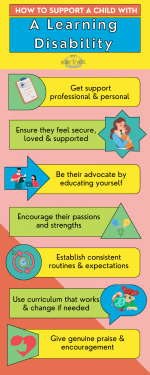
Unfortunately, some kids may feel shame because it may take them so much longer than their friends to do something. It makes them feel that there is something wrong with them. It’s important that these children see themselves and also that we see them not from a deficit viewpoint but from an asset viewpoint. So often we label and put people in boxes because it’s easy to identify them like that, but we know that people are multidimensional— every single human being — not just academically, but emotionally but also in their talents. 

When you are able to personalize your child’s education in your homeschool, you will be able to break that cycle of failure they may feel. When they can feel small measures of success, you can help them to change their internal dialogue and their mindset about themselves. It will help build their confidence and will help with every aspect of their life. These are often the kids that grow up with the most resilience, persistence, and grit. It’s not just about academic success!

It’s critical that you and your child learn about their diagnosis together. You need to become their advocate, but ultimately, you want them to be their own advocate in life -in the classroom and beyond- so they need to understand how they best learn and process information too. 

There is no better ratio for educational success than 1:1. Being able to customize an education to your child’s specific needs is what homeschooling is all about. Positive outcomes begin with having the right blend of teaching style, curriculum, and a keen understanding of how your child/teen learns best. 

How do I know if my child has a learning disability? (12:10)

Learning disabilities usually fall within four broad categories:

  1. Spoken language-listening and speaking.
  2. Written language-reading, writing, and spelling.
  3. Arithmetic-calculation and concepts.
  4. Reasoning-organization and integration of ideas and thoughts.

Today we’re going to address 6 common learning disabilities and how you can tailor your homeschool to accommodate your children and their individual needs.  Each of these conditions can present with a range of symptoms and can be diagnosed through a combination of medical and educational assessments. 

Dyslexia

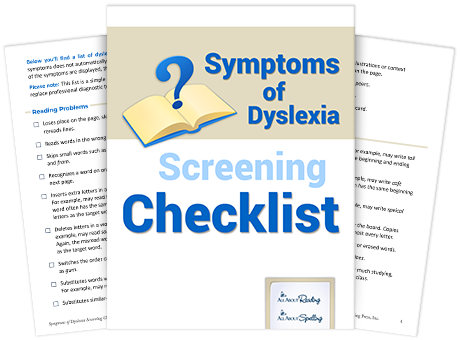
Dyslexia is the number one learning disability that affects people of all ages. It affects a person’s reading and language processing skills.  If you are the parent of a child with dyslexia, you have probably searched long and hard for ways to help your child learn. Because children with dyslexia are often highly intelligent, creative, gifted, and productive, you can often capitalize on your student’s strengths to make the most of homeschooling. You have complete control over the materials you teach with and can even choose a targeted homeschool curriculum for dyslexia.

Dysgraphia 

Dysgraphia is a learning disability that affects a person’s ability to write. It can manifest as difficulty with spelling, poor handwriting, or trouble putting thoughts on paper.

ADHD 

Although ADHD is technically not considered a learning disability, research indicates that 30-50 percent of children with ADHD also have a specific learning disability, and that the two conditions can interact to make learning extremely challenging. ADHD, if not treated, can interfere with a person’s ability to succeed academically and socially, and may lead to challenges in relationships and employment later on. 

ADHD, or attention deficit hyperactivity disorder, is a neurodevelopmental disorder that affects a person’s ability to pay attention, control impulsivity, and regulate their level of hyperactivity. It’s the second most common learning disability and can affect people of all ages. I know many people that have struggled all their life and then to be diagnosed as adults. 

ADHD makes it difficult to concentrate, which can lead to one child distracting others around them in a classroom setting. Many children with ADHD are disciplined for misbehaving, but they can’t control their actions.

Dyscalculia

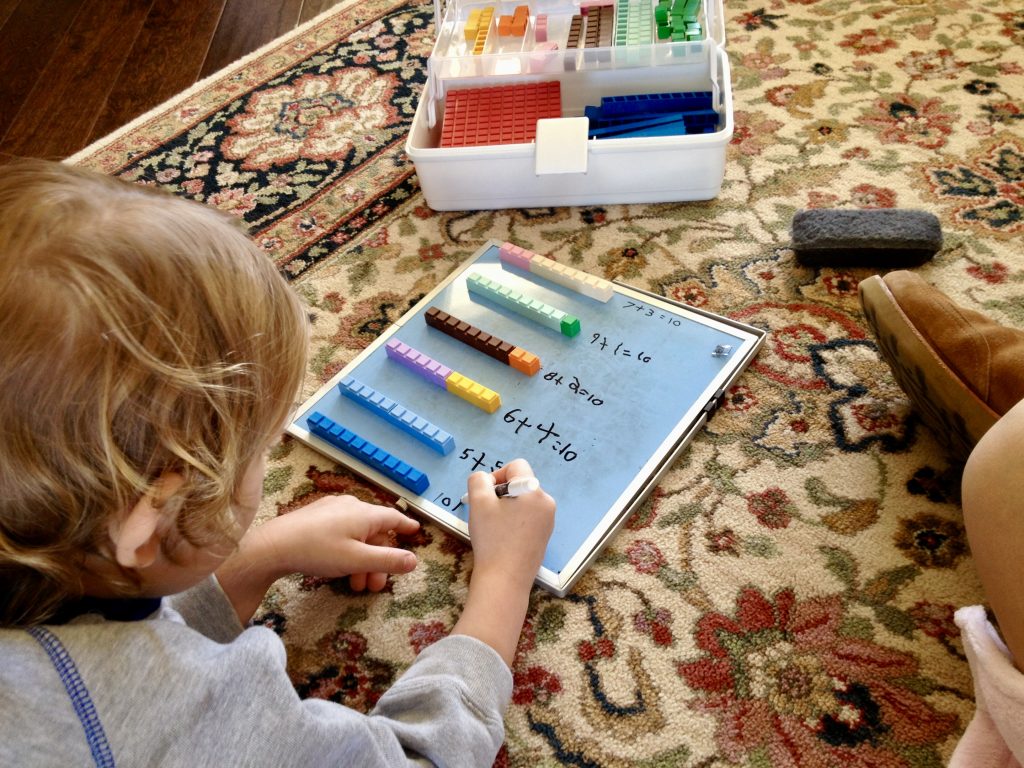
Dyscalculia is a learning disability that affects math skills. It can make it difficult for a person to understand math concepts, perform arithmetic calculations, and solve math problems.

Lots of people dislike math, but they’re eventually able to understand it with enough practice. Dyscalculia is more severe because it’s diagnosing a learning disability that makes it challenging to understand even the most basic math concepts. Since math builds upon itself, children with dyscalculia can fall behind and struggle to catch up for years.

Dyspraxia

Dyspraxia is a neurological disorder that affects a person’s ability to plan and coordinate movement. It can affect fine motor skills, such as writing or tying shoelaces, as well as gross motor skills, such as balance and coordination. Dyspraxia can also affect a person’s ability to process information and perform tasks in the correct order. It is often referred to as developmental coordination disorder (DCD) and is thought to be caused by problems with the brain’s ability to process information about movement and coordination.

Although dyspraxia is a condition that affects someone’s motor skills, it still has the potential to hinder specific learning.It mostly interferes with hand-eye coordination skills. Dyspraxia presents itself differently in each affected person, but some symptoms include poor balance and struggling with fine-motor skills.

Auditory and visual processing disorders

Visual Tracking Disorder 

There are some families where parents feel it’s necessary to read and write everything because their child has behavioral issues when they try to make them do their own writing for math or reading. Sometimes there is something else going on and can translate as a visual tracking problem that makes reading very difficult for them. At this point, it would be advisable to look into professional help.

Auditory

Although CAPD is not considered a learning disability itself, it can make some aspects of education particularly challenging. Central auditory processing disorder (CAPD) is a condition in which the ears and the brain do not work well together. A child that struggles with central auditory processing disorder is unable to properly process information. Their ears can hear, but the brain does not organize and store the information in a way that lets the child remember it easily.

How do I homeschool a child with a learning disability? (18:37)

We likely see a disproportionate number of students with learning disabilities in homeschooling circles.  This is typically because either the school has failed to meet their needs and the parents feel they do better with one-on-one instruction. Or, the diagnosis comes earlier as the parents have noticed something in their day-to-day interactions that may have slipped by in a busy classroom.  For whatever the reason, in order to homeschool a child with a learning disability there are some steps you want to take.

Diagnosis of disabilities

If you or someone who knows your child suspects a learning disability, you may want to have a complete evaluation done by a psychologist or specialist to get a clear picture of their strengths and weaknesses. You may also seek testing through an educational diagnostician. These are available through school districts, or an independent evaluator or private provider, or medical institutions like pediatric psychology groups. Check with your state homeschool laws or school district to find out about evaluation services that may be available to you. Sometimes these resources even provide support.

Learn about your child’s diagnosis

You know your child best and no one loves them more or is a bigger cheerleader for them than you can be. You know that they are more than a label and you are the one who can help them reach their full potential.  You want to do all you can to learn as much as possible about their diagnosis so that you are able to understand how to support them. You are going to need all the understanding and tricks in your toolbox to aid them and to recognize their different abilities.

Educate yourself on treatment options

Learn about what your options are for treatments.  There may be medications, or therapies or other interventions available to aid you in your new journey.  Seek advice and information from your student’s diagnosing professional and their pediatrician.  Other treatments may be available by working with an integrative physician. There are more and more types of therapies available for various disabilities and special needs: art and music therapy, pet therapy, behavioral and cognitive therapy.

Traditional or standard speech/language, vision, physical, and occupational therapies are common treatments. Unfortunately, nearly all health insurance plans exclude coverage for Educational Evaluations.insurance companies do not cover for testing that is educational in nature.  Sometimes it is FSA eligible. So, in some cases testing and therapies may be financially out of reach if you are seeking private care but are free through the public school system. Again, research the resources available to you (some states give homeschoolers with learning disabilities access to special services).

Seek Support

Seek support of all kinds from professional to other families. Finding supportive people or groups is a great way to get personalized answers and practical resources. Many of our friends that have been through this struggle say, over and over again, that other homeschool moms who have been through it were invaluable to them.

For parent support you may want to try groups such as International Dyslexia Association, and Decoding Dyslexia.   National charitable organizations such as Scottish Rite, Easter Seals, and The Arc offer resources, support, directories, grants, scholarships, and other helpful tools. 

SPED Homeschool is another national nonprofit organization that offers encouragement and an online community to support families impacted by special needs. They have all kinds of resources from teaching tools, planning guides, and empowering media.

International Dyslexia Association
Scotish Rite
The Arc
Easter Seals
SPED Homeschool

Get real with your child

We mentioned this earlier, but it’s critical that you and your child learn about their diagnosis together. Ultimately, you want them to be their own advocate in life -in the classroom and beyond- so they need to understand how they best learn and process information. 

You really want them to understand that they are not defined by a diagnosis. One in five people have a learning disability and there are so many bright and successful people out there who also share the same learning disabilities.  Understanding their difficulties and how their disability affects them while also realizing what their strengths are and ultimately learning how to work around or with all of this will help.

The book 8 Great Smarts by Dr. Kathy Koch is a great resource

There is also a homeschool specific 8 Great Smarts for Homeschoolers by Tina Hollenbeck and Dr. Koch

There probably is not a greater life skill than self-advocacy.  Some other resources like the Yale Center for Dyslexia and Creativity and Understood.org can help you find resources to educate your child and teach them how to advocate for themselves.

The Yale Center for Dyslexia & Creativity

 Another popular highly rated book is The Dyslexia Empowerment Plan by Ben Foss

Allow for accommodations

 Accommodations help students take in information or demonstrate what they know but at their level and at their abilities. Decide what kind of accommodations your child may need and make sure to discuss these with other people who may be in supervisory roles in your child’s life, like outside teachers/tutors or coaches and other instructors.  Some common accommodations that may be of use are audiobooks, dictation or oral work in lieu of writing. Other accommodations may be frequent breaks or extra time to do a task. This is something you may want to document in your homeschool records.

Elizabeth Hamblet’ website offers advice and makes presentations based on her professional experiences drawn from her 20+ years as a college -level learning disabilities specialist. Explore her site to learn all about the college disability accommodations system, and how disabilities are handled in the admissions process.

Have confidence and faith in yourself

You are your child’s best teacher, and you are totally able to give them a completely personalized education plan. One of our friends did emphasize that you need to be willing to constantly adapt and change what you are doing.  

Some of our friends have been able to teach their dyslexic children to read.  Others had to seek outside assistance. One used Scottish Rite and said her student responded very well to the structure of the program. Another friend was able to teach one of her kids with dyslexia to read but not the second. The second child received intensive remediation through a reading specialist, who was trained in research-validated multisensory programs that work when other approaches fail.  These programs address underlying weaknesses that make reading, spelling, writing and comprehension difficult.  

Read Texas

Instructors are trained in the following programs and instructional approaches:

  • Seeing Stars® Symbol Imagery for Phonemic Awareness, Sight Words, and Spelling. 
  • Visualizing and Verbalizing for Language Comprehension and Thinking®
  • Talkies®: Visualizing and Verbalizing for Oral Language Comprehension and Expression
  • Lindamood Phoneme Sequencing® Program for Reading, Spelling, and Speech
  • On Cloud Nine® Math Program
  • Orton Gillingham approaches including Take Flight: A Comprehensive Intervention for Students with Dyslexia

You’re going to find that there is no single best curriculum for your child. I would encourage you to really tune in to their specific strengths and weaknesses, and personal preferences, and customize the best homeschool curriculum options for them.  That might mean choosing a blend of homeschool curricula.

Parents should read to their kids, help them sound out words, and guide their reading activity, but they can’t learn for their child. That’s where using a reading program that accommodates their disability can aid independent mastery. Online courses, read-alouds, interactive videos, field trips, box curriculum, physical movement, and manipulatives, group/co-op learning can all provide exciting and engaging ways in which your child will succeed in homeschooling. 

Ideally, you will want to choose learning tools that:
  • Utilizes techniques that best fit their learning style
  • Self-paced so they can move ahead when they have mastered a concept
  • Be multisensory and include plenty of visual or audio instruction and support (depending on their needs)
  • Include instruction in all the rules of reading and strategies both for decoding and spelling new words (especially for dyslexia)
  • Builds on existing reading, writing and math skills
  • Encourages kids to become active learners through exploration and discovery
  • Introduces new learning opportunities in a safe, supportive environment
  • Balances learning with fun!

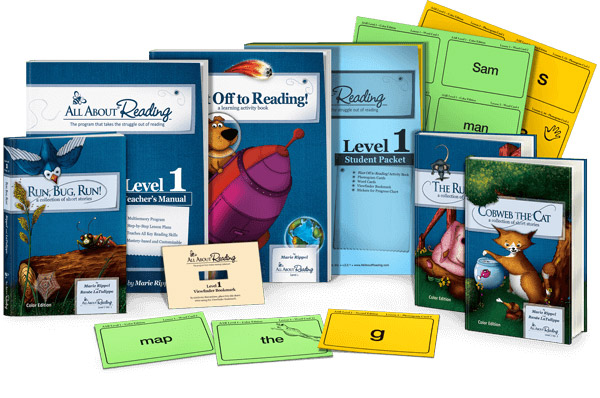
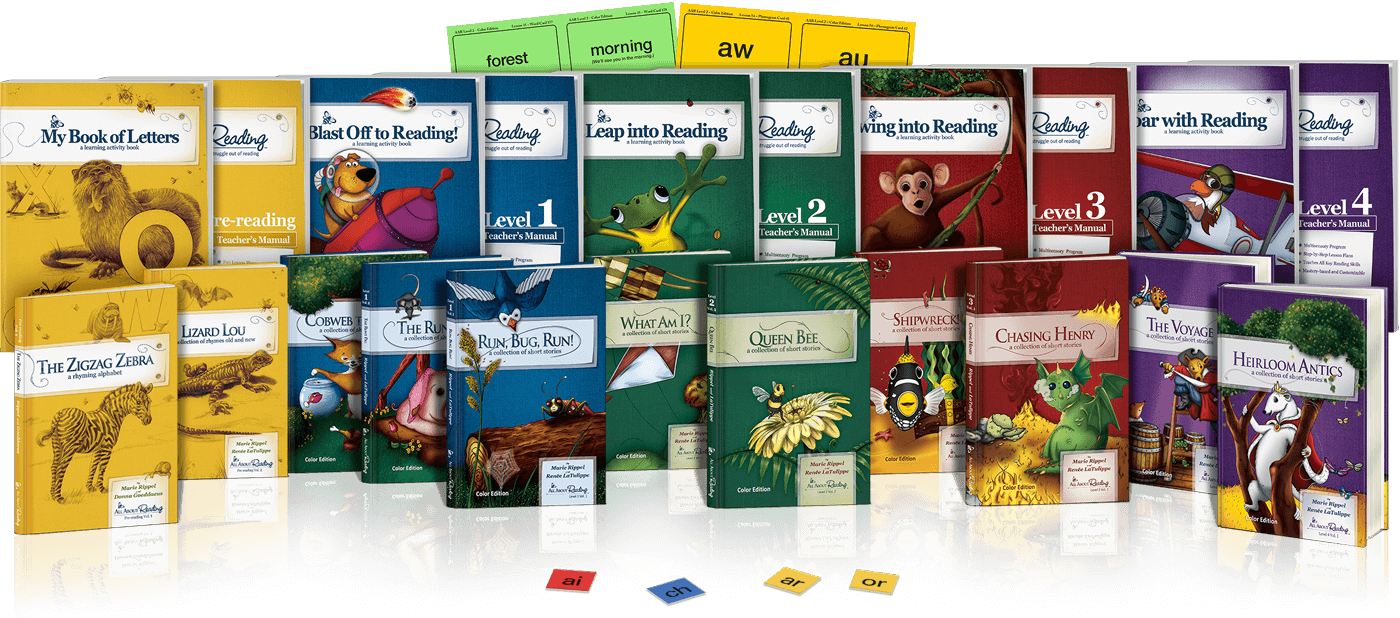
A couple recommendations we heard from friends were the program All About Reading.  Another one recommended Reading Eggs and  Hooked on phonics.  While these programs aren’t specifically designed for learning disabilities like dyslexia, they can help.

All About Reading uses the Orton-Gillingham approach. Children with learning differences find it’s a lot easier wy to decipher the code.
Learn More>>

Sounds Abound: Listening, Rhyming, and Reading by Hugh Catts Tina Williamson is recommended.  This program builds skills students need to become proficient readers with an evidence-based, systematic progression of lessons. The 125 one- and two-page lessons help students connect letters with sounds and improve early reading achievement. The lessons are organized into five skill areas in order of development. Each skill area begins with picture-supported lessons and progresses to listening tasks without pictures. Determine student progress with a pre- and posttest for every unit.

Sound Foundation’s Dancing Bears were easy-to-use books developed to teach reading and spelling to young children and students struggling with literacy. First published in 2001, ‘Dancing Bears’ pioneered synthetic phonics. All the exercises were chosen for their proven success in teaching dyslexic children to read and spell. Our books are designed to empower amateur teachers (AKA parents)

Sound Foundations Dancing Bears

Replacing writing with typing can be a helpful tool. Dyslexie font is a typeface – specially designed for people with dyslexia – which enhances the ease of reading and comprehension. To design the dyslexia-friendly typeface, all typography rules and standards were ignored. Instead, all the challenges of dyslexia are taken as a starting point. There’s an array of products you can add this to- like Microsoft Word, Google Chrome, etc.

Dyslexie Font

Another introduced us to Grammarly, which is a writing support program that 

supports streamlined and effective writing. Their suggestions help identify and replace complicated sentences with more efficient ones, refresh repetitive language, and uphold accurate spelling, punctuation, and grammar. Catch typos, missing punctuation, or commonly confused words before they become distracting to your reader.

GRAMMARLY: The World’s Best Automated Proofreader
Grammarly to help with writing.

A couple of our friends also chose to become trained in The Orton-Gillingham Approach to better help their students, which is a direct, explicit, multisensory, structured, sequential, diagnostic, and prescriptive way to teach literacy when reading, writing, and spelling does not come easily to individuals, like those with dyslexia.  It is most properly understood and practiced as an approach, not a method, program, or system. In the hands of a well-trained and experienced instructor, it is a powerful tool of exceptional breadth, depth, and flexibility.

Will having a learning disability hold my child back? (32:50)

It doesn’t have to. And remember that as homeschoolers, there is no behind.  The biggest benefit of homeschooling is flexibility.  Some other advantages of homeschooling your child with a learning disability are: 

  • A quieter learning environment in a familiar setting.  This can reduce anxiety and pressure.
  • Daily Progress  In a school environment you may get feedback from teachers at the end of the day or weekly.  But as a homeschooler you can track progress daily and see them blossom.  And you are also there if the day goes bust.
  • Set the pace. Spend as much time as you need on concepts or skills that are hard for your child. Move on when you have mastered something.

  • Choice of curriculum and resources  Children have different learning styles and sometimes music or movement are better than sitting still and listening. There are So many different approaches you can use as we discussed in the last section.
  • Quality social opportunities. You can join local groups that encourage kids to relate to one another on their own terms. You can pick your activities and extra curriculars.

You may have concerns about things like not having as much structure as a school environment.

You may worry about having fewer resources than a school may.  You may be worried about having less social interaction and getting burned out. Focus on things you can fix. There are things that you have much more control over, but you still can’t control everything that might go wrong in a homeschool environment. Instead of thinking about the resources that aren’t available to your homeschooled child, think about how you can fill in the gaps and gain valuable skills. 

Each public school child eligible for special education has an Individualized Education Plan (IEP). As a homeschooling parent, you may not have to have one at home, but it’s a good idea to set goals at the beginning of the year and monitor progress over time. An IEP can also help you communicate with specialists. There are free sources online that can help you generate your own.

A common fear for parents as their child with disabilities grows up is that they will sit at home all day after graduation and do nothing. This is a normal fear but doesn’t have to be reality.

One of our friends is using a vocational rehabilitation service for youth.  They updated testing for her adult child and helped prepare for post-secondary education and employment opportunities.  Services are eligibility and need based. Some even pay tuition and books at the community college.

Ultimately you know yourself and your child. Your child with disabilities could thrive under your tutelage if you have the patience and courage to lead the way. You know your child best.  

This Week’s Freebies:

Orton-Gillingham Approach
Get your FREE Power of the Orton-Gillingham Approach e-book!
Free Poster (pdf):
Dyslexia Checklist
Get your FREE free Symptoms of Dyslexia checklist. It is designed to help you determine if your child has the signs of dyslexia

020. 10 Things I Wish I Knew Before Homeschooling

Things I with I knew before homeschooling

10 Things I Wish I Knew Before Homeschooling

Things I with I knew before homeschooling

Episode 020:

Are you just starting your homeschooling journey? We’re here to help! Begin with our Get Started in Homeschooling page and Homeschooling FAQ to make the transition smoother. If you’re guiding a young child, explore our How to Homeschool Kindergarten. to make those first steps special. For middle schoolers, don’t miss our Middle School page packed with tips and advice. And if you’re heading into the high school years, our Essential Steps to Homeschool High School will guide you every step of the way!

There are so many things we wish we had known when we started homeschooling. Perhaps you are a new homeschooling parent just starting to navigate this journey. When we first started homeschooling, we didn’t know anything about homeschooling and it made it seem very overwhelming. While the list of things we wish we’d known before starting homeschooling is much larger, today we are sharing the top 10. 

Deschooling

If you are brand new to homeschooling and withdrew (or considering withdrawing) your child from a traditional school environment, Deschooling is an essential step to successfully homeschool. Deschooling will help reengage your child and reignite their love for learning. You’ll spend time reconnecting with them and figuring out what kind of education you want to provide so if your kids are in an unhealthy environment, pull them out NOW and start this process. You don’t have to have it all figured out to begin. This period of time is also helpful to the homeschooling parent. You have time to get your ducks in a row, do some homeschooling research, figure out what you think your homeschool philosophy or style will be, and order supplies. There is no need to keep your child in a bad situation because you think you don’t have a plan.  Take the time to figure things out. You will not ruin your child of any age or make them “behind” by taking this necessary time to Deschool. During this time, check out the TOP 10 Books Every Homeschooler Should Read.

1. Don’t compare yourself with others. (5:24)

You do not need to keep up with public school, private school or anybody else’s homeschool. Also, don’t compare your child’s accomplishments or failures against any other child. They are individuals.  It’s easy to see what people post on social media with their perfect homeschool rooms and lives and think that is reality. It’s not.  It’s just a highlight reel.

math anxiety
Go at your own pace
Spend more time on concepts that are hard and slow down and skip mastered concepts.

Unless you plan to send your kids back, you really don’t need to keep on track with what public schools are doing. Do your own thing.  There is no behind in homeschooling, and unless you are bound otherwise by state laws, you can go at your own pace and on your own schedule. It doesn’t take all day to homeschool. Much of the time that children spend at school is spent in waiting, recess, and lunch. Even though kids are at school for about 8 hours a day, they aren’t actually doing school work that whole time. So don’t try to copy the schools or another family’s homeschool. Don’t worry if someone else spends six-plus hours a day, and your kids are done in two or three hours! Keep in mind that kids are learning all the time. 

I encourage you to celebrate the individuality of your child, your family and your unique homeschool. You will all be much happier and content in the long run.

2. Find your people (7:48)

Do whatever you can to get into a community of like-minded kids and parents as soon as possible. It was an absolute lifesaver to find like-minded families. We started off in the beginning with great park day groups.  These were our main connections. We camped together, did co-ops together, found lifelong friends, and our children grew up together. These relationships have been so fulfilling and long lasting. And that’s not just friends for your kids, it’s friends with other parents. No one is going to get your daily struggles like another homeschool mom will. Find your people and debunk the SOCIALIZATION Myth!

Skate park play
Regular friend hangouts is fun for you and your kids

You will question yourself especially in the beginning, which is normal and okay. Find other homeschoolers to encourage and support you.  Sometimes, on the hardest of days, you just need to hear someone tell you that you are doing a great job.  Or you need to tell your friend that what they are doing is enough.  We always question that, and honestly, it’s the sign that you are a great parent. Ways to Gain Confidence as a Homeschooler

3. You don’t have to follow a curriculum verbatim, and grades are not that important.  (9:35)

You are making the schedule and you can decide to omit mastered concepts. You can and should skip things that don’t work for you or your child. You don’t have to use school textbooks.  You can hand pick your curriculum.  It’s one of the greatest things about homeschooling. 

Grades don’t always reflect learning
Take a lot of field trips to keep learning fun! (printing press)

We also want to emphasize that grades aren’t everything. Does your boss care what your GPA was when you were in school? Of course not! This kind of thing holds no meaning once you are out of school. Felicia Day is a popular YouTube star and actress that also happened to be homeschooled and in college fairly young and was a total perfectionist.  She had a professor of a very difficult math class tell her, “It’s ok to take a B.  No one cares about your 4.0.  You don’t need to kill yourself for a grade.” What’s the saying?  C’s get degrees?  Don’t get caught up in the grade that you lose sight of the real purpose of homeschooling. To educate your child and foster a life-long learner. Grades don’t always reflect that.

The Best and Worst Homeschool Buys
Best and Worst Homeschool Buys
We interviewed hundreds of seasoned homeschool moms with real stories and real advice. We spill the beans on what worked, what didn’t, and how to make your homeschool budget count!

Another thing to keep in mind is that your child will be in different grade levels for different subjects. This is completely normal and again one of those benefits to homeschooling that you can completely cater their education to their level.  Remember, schools need to keep children within their factory level grades because it is the easiest way to manage the sheer volume of kids that work through their system. More than likely, that will not be the case with your child. Maybe they will be in 5th grade level math, but still working on reading proficiently. 

4. We are the masters of our own time (13:27)

Homeschooling affords us a lot of extra time to master concepts or enjoy a beautiful day outside. Homeschool Field Trips are a great way to learn! Be sure to download your Free Field Trip Bundle

When your child shows an interest in something, capitalize on that and abandon other things to dive deep into whatever ignited them. This keeps the excitement alive with learning. And also you can encourage them to spend their extra free time exploring their passions and interests. Learn more about Creating an Entire Homeschool Lifestyle.

That’s the benefit of not being a slave to a clock or someone else’s schedule. You also don’t have to keep to a traditional school schedule.  We’ve schooled all year round for most of our homeschool career.  It really wasn’t until we took college dual credit classes that we really started working around a county school calendar.

Kids choosing and planning an impromptu roadtrip on a SCHOOL DAY!

If you are having one of those terrible no-good days, step away. We had a recent episode where we talked about Surviving a Bad Day.  It’s ok to spend an impromptu day in a nerf battle, hiking a trail, or enjoying the latest traveling exhibit at your local museum. Do schoolwork on stormy days and abandon academics and get out on those glorious days where other kids are stuck in a classroom. Take full advantage that you are in charge of your schedule.

5. You don’t owe extended family, random friends, or strangers at the grocery an explanation of your homeschooling.  (14:51)

I always tell people, spend less time with unsupportive people.  Don’t include people in conversations where the result is that they think they have a vote. They may try to quiz your child on fractions or stress you out with socialization questions everytime you see them, but you don’t have to give any energy to that. Simply say, “this is what works for us” and move on. 

I love when a stranger once asked, “aren’t you worried about socialization?” and I said, “Of course! That’s why I don’t want to send them to school!”  It’s funny when a stranger at the store asks you something like that while you are out with your kids.  What do you think we are doing right now?  Talking to you. Interacting in public.  Socialization is one of the biggest myths in homeschooling.  But What About Socialization? Learn More

6. You don’t have to be available for everyone else just because you have chosen a more flexible lifestyle.  (16:02)

You don’t have to be a YES person. You may be out and about exploring with your kids, but that doesn’t mean you have time to do extra favors all the time for friends and family. You have chosen a lifestyle with more freedom so go enjoy it without guilt.

And some of this is even just typical for all stay-at-home moms- just because we don’t have a job doesn’t mean we can sit around all day for the washer repairman.  We have busy schedules and work to do with our kids.

7. You are well qualified to teach your kids (17:51)

There is nobody more qualified to teach your children than you are. As you read to them, spend time with them, and watch them as they learn new things, you will be learning right alongside them. There is no one that loves them as you do, or knows them as well as you do.The greater culture doesn’t set parents up with confidence if they opt out of the public school system. That sense of doubt, fear of failure, and overwhelm can become great. But you absolutely are qualified to do this!

You know your child best and are qualified to teach them!

You know your child and their needs better than anyone. You probably already do know more than you think you do, but you also have a ton of resources available to teach.  There are fully scripted curriculums, there are classes that can be outsourced, there are classes you can take together and other instructions available for things.  As a homeschool parent, you don’t have to be an expert.  No teacher has all the answers, but they know where to find them. As we look for answers while teaching our kids, we are teaching them how to be lifelong learners. You will make mistakes but that doesn’t mean you are a bad parent or homeschooler.

If you find certain subjects challenging to teach or if your child has specific educational needs, consider enlisting the help of tutors or specialized educational programs or outsourcing classes. We both have outsourced classes-math and science, writing classes on Outschool.

Outschool: What is it and should I use it in my homeschool?
Outschool is an education platform that connects teachers of any subject with students around the world for a variety of engaging small-group classes online. It can be a huge time saver and opportunity in your homeschool!

8. All kids are different. (20:16)

Their temperament, their learning style, and the way they interact with you is different for all kids. Parenting and homeschooling styles with change for each child. They are not cookie cutter people and the way you interact with them shouldn’t be either. Again this is where that big benefit of being able to cater to your child comes in.  Everything from curriculum to schedule to style is something you get to decide. Find what works for your special, unique child, and do that!

9. Relationships are more important than academics. (21:27)

Don’t get wrapped up in a teacher/student mentality.  Remember that we are first parent and child and we are here to shape and guide and grow these little beings.  Some who end up turning to homeschool from a traumatic school situation may need some extra time being nurtured.  We also may have sensitive children who need a little extra attention or a different approach to harder topics. We may have a unique family dynamic that demands a different style.

Enjoy time with your children (surfing on a school day)

There were many times in my early days of homeschooling when I would get frustrated and impatient with one of my kids when they just couldn’t “get it”. This not only can kill their love of learning, but it also hurts your relationship. You will have bad days. We are all human and will mess up and lose our cool. Do your best to learn from the situation and do better next time. When things go really bad or you are not feeling like you made a good choice to homeschool,  stop and remember all the reasons why you have chosen to homeschool. Look at the big picture and know this too shall pass. Learn Strategies to Keep Learning Fun.

10. Reading. (24:12)

Read to your children EVERY Day.
Teach them to enjoy great literature.

Reading to my children was the single most important thing we did in our homeschool. Even older students benefit from being read to. And it doesn’t have to be boring schoolbooks.  We read everything- all kinds of styles, authors, genres. When you model reading to your child, and when you read to them, you are instilling a lifelong love of reading, which in turn creates lifelong learners. Be sure to check out our Top 50 Books for New Readers!

Our Favorite Homeschool Finds on Amazon >>

019. High School Core Subjects and Electives

High School Subjects

High School Core Subjects and Electives

How do you determine which core subjects are essential for high school? What are the best electives for your high schooler to take, and how do you choose them? What exactly qualifies as a high school credit? These are important questions for any homeschooling parent, and in this week’s episode, talking about these topics and providing valuable insights to help you make informed decisions. Tune in!

Scroll Down for this week’s FREEBIE:
Course Planning Sheets (pdf)

Are you just starting your homeschooling journey? We’re here to help! Begin with our Get Started in Homeschooling page and Homeschooling FAQ to make the transition smoother. If you’re guiding a young child, explore our How to Homeschool Kindergarten. to make those first steps special. For middle schoolers, don’t miss our Middle School page packed with tips and advice. And if you’re heading into the high school years, our Essential Steps to Homeschool High School will guide you every step of the way!

Show Notes

We know that the idea of homeschooling high schoolers can seem daunting, but we are here to assure you that with a good plan in place, homeschooling high schoolers can be a cinch! In our first high school series episode, we covered how to make a four-year plan and everything you need to know before starting your plan – graduation requirements, state law requirements, and more. It’s a great jumping off point for those of you that are just starting out. I always say that I really thought it was easier to home school high school than homeschooling was in younger grades.  You really become more of an administrator than a teacher, especially if you are outsourcing some or even all of your subjects.

If you’re new to homeschooling high school, be sure to check out the Essential Steps to Homeschool High School. This episode is part of our High School series, offering expert advice, comprehensive documentation, and resources like Free Transcript Templates to help you stay organized.

12 Steps to Homeschooling High School

So what subjects does my high schooler NEED to take? (6:44)

There are several ways you can look at setting up your high school class plan. Most importantly, look at your state homeschooling requirements to see if you are bound to certain requirements and restrictions. We are here in Texas, where we are considered our own private school, and we get to set our own graduation requirements. 

 There are two things that you may want to consider.  One, what are your state’s *public* high school graduation requirements? The average is between 21 and 26 credits.  That is often a great guideline of the minimum classes/credits you may want to strive for and may want to be your goal for a student who may not be college bound.  

Learn more about creating your high schoolers documentation and download your FREE Transcript Templates (doc and xls)

Remember, you do NOT have to meet these requirements! They are separate from your state’s *homeschool* requirements and you don’t always need to adhere to those. However, being aware of them may be helpful, especially when applying to State universities. Many homeschoolers exceed well beyond the state requirements. 

If you’re not in Texas, you can view your:  State Homeschool Laws and Requirements

Also, if college bound, work backwards and look to see what some of the potential colleges your student may be interested in requiring for incoming applicants.  You can find this information on college admissions websites pretty easily.  We suggested making a list of both of these class recommendations to start and then planning from there.

College Requirements:

When researching admissions requirements for colleges, like required high school courses, your best resource is going to be the college’s admissions website (or the college admissions advisors). We mentioned it in our High School Trailer Episode.

Other sources for college admissions information includes:

Cappex

Cappex

PrepScholar

A good basic list of core classes may include:

This is just a suggestion.  Again, one of the huge benefits to homeschooling is that you are able to completely cater the education experience to your child.  There are endless opportunities to how you may want to set this up for your student.


●     Language Arts (English I, II, III, IV – regular, honors, or Advanced Placement®*): 4 credits
●     Speech: .5 or 1 credit
●     Math (Algebra 1 and above): 4 credits
●     Science (Biology, Chemistry, Physics, Science elective): 4 credits, 3 lab
●     Social Studies (U.S. History, World History, American Government .5/Economics .5, Social Studies elective, ie. Geography) : 4 credits
●     World Language (2-3 years in the same language): 2-3 credits
●     Electives (Any other electives offered for credit): 5 credits

Choosing core curriculum 

Years ago, there were few options for homeschool curriculum-especially high school. That’s not the case anymore. Now we have SO many options, and that can be overwhelming to select the best fit for your student and family.

7 Steps to Choosing Curriculum
7 Steps to Choosing Curriculum>>

Some things you may want to ask are:

Are they college or career bound? What are their personalities like? What are their interests and abilities? 7 S

When you are ready to research core curriculum, you need to keep a few things in mind. 

  • Keeping the big picture in mind
  • Parent time investment
  • Student time investment
  • Financial investment 
  • Student learning style

Remember, there’s not ONE right way to homeschool high school, so there’s not ONE right kind of curriculum. And beware of the folks who say: You MUST use this curriculum because it’s the right way! (Sometimes, they are selling expensive curriculum!)

We want to circle back to the basics of worldview and homeschool philosophies, and what kind of materials you are looking for (online, book based, etc.) before choosing curricula.  This narrows down your search immensely and things may have changed since you first started on your journey, or maybe you are brand new to homeschooling altogether.  If so, you may find our episode 004 on Homeschool Styles and Philosophies handy:

What electives should I choose? (16:28)

When it comes to electives, your imagination is really all that limits you. Typically, there will be one to three elective courses in each year of high school. Too many electives can overshadow the core academic courses.  Your student’s electives should reflect who your student is and what they are all about. When we think of electives, some things come to mind:

• This is one of those places where you can incorporate your student’s talents, interests, and achieve that stand out status.

• Electives can allow your student to explore career options.

• Elective call  for authentic experiences- your student can oversee their own education and incorporate many different ways of learning.

• Electives leave room for unconventional experiences like internships and more.

• They don’t have to require lots of book work.

Elective courses require less work from your student than core academic courses. While some electives fit within the core academic subjects of Math, Language Arts, History, Science, Foreign Language, others are not core subjects at all – for example, PE, Auto Maintenance, Theater, Cooking. You will be able to find existing curricula for many of the elective courses your student might want to take. However, you can also easily design these courses yourself.

There are so many options for electives, really this can be an endless list.  There are certain options that may be pretty standard- PE, health, drivers ed, music art, etc. But you can also look to electives as a way of fine tuning a student’s specific interests or maximizing on a talent or specialty. When it comes to electives, your imagination is all that limits you! Typically, there will be one to three elective courses in each year of high school. See our FULL List of Electives

Check out Mr. D’s Courses for High School>>

Some colleges may want 2 fine art credits specifically, some don’t specify at all, so again, looking at what potential schools require or recommend can help you fine tune your list.  Electives are also a great spot to start when exploring dual credit programs.  These can be easier classes to start with and knock out college credit at the same time.

What constitutes a credit? (22:59)

Credits are a way of measuring a student’s completion of the educational requirements you have set or that are required by your state homeschool laws. Most high school courses are going to be worth either 1.0 credit (for a one-year course) or 0.5 credit (for a semester course). The credit assigned to a course generally takes into account course content, instruction time, and the time the student spends completing course work.

 A textbook designed to be completed in one school year is typically given 1.0 credit, while a textbook meant to be completed in one semester is often given 0.5 credit. Many publishers and curriculum providers are going to provide this information online or in the actual text. It’s important to note that even many school systems don’t finish the entire book or class.  We usually recommend that your student completes at least 75–80% of the assignments in a textbook to earn the credit.

 For courses that don’t follow a set curriculum, you can determine credit by keeping track of the reasonable time your student spends on the course work. For a core course (English, science, history, math, or foreign language), you will want your student  to log at least 150 hours for 1.0 credit (roughly five hours a week for 30 weeks). Logging more than 150 hours does not earn a student more credit; it simply indicates that the threshold of 150 hours has been passed.

For honors courses and Advanced Placement (AP) courses, students may log far more than the 150 hours. Generally, honors courses require 8–10 hours per week for 30+ weeks, and AP courses require 10–15 hours per week for 30+ weeks. Even though honors and AP courses demand more hours than a standard high school course, they do not earn more credit when students spend more than 150 hours completing them. Instead, there may be GPA rewards to taking these more challenging courses.  For instance, we award an extra .5 point for honors courses and an extra 1 point for AP/Dual credit courses on our transcript.

For a lab science course, you want to log a minimum of 180 hours; the additional 30+ hours are for required lab work.  One college we applied to required an addendum for homeschool, private, and charter school students to determine that their high school lab science classes were legitimate.

For an elective course (such as physical education, art, music, or another course that is not a core academic course), log 120+ hours for 1.0 credit and 60+ hours for 0.5 credit.  

If you have a student who is a musician for example, consider all their lessons, practice time, performances as credit.  Open mic nights totally count!  So does writing a theme song for your mom’s podcast! Kids that are competitive athletes may receive PE credit because they definitely put in the training/competition time. 

If your teen completes a 3- to 5-credit college course in one college session (either an eight-week term, 11-week quarter, or 15-week semester), we recommend converting this course to a 1.0 credit high school course on your teen’s high school transcript. Even with abbreviated classes, the amount of coursework is often the same as if this was a semester or year long class.  

Also, consider that not everything needs to be a class.  I see that a lot on message boards- “my kid spends x amount of time a week doing this, how do I make it a class….”  You *want* to have some great extracurriculars included in your records- it makes your student appear more well-rounded and interesting.

You also don’t want to just add classes for the sake of filling up your transcript.  It can delegitimize the rest of your transcript.  We already work hard to give our kids varied classes and learning opportunities with other teachers to avoid the appearance of just “mom grades”, so we don’t want to add a bunch of nonsense filler just for the sake of filling space and saving time. We are all about multi-tasking but be smart about it. 

This Week’s Freebies:

Excel credit planner Free only week of release

018. What is a homeschool lifestyle?

Homeschooler Lifestyle

018.

What is a homeschool Lifestyle?

How do you create lifelong learners?
How do you create habits that work for the entire family?
How do you create an environment that inspires learners?

Episode 018:

TWO WAYS TO LISTEN TO THIS EPISODE:
1. Click PLAY Button Above ^^ to listen here.
2. OR Listen on your favorite podcast platform:

Show Notes

Creativity and curiosity are the cornerstones of a lifelong love of learning. Children who learn to read well, become well-read adults. Children who are guided to follow their interests and passions are more likely to think outside the box. Children that are encouraged to be independent learners set themselves up for success in their job, business, and personal life.  

If you are new to Homeschooling, visit our GETTING STARTED PAGE >>

In the school system, there is a lot of emphasis on factual memorization and standardized testing versus the more emotional and passionate elements of learning, like curiosity and wonder. The very concept of mass education promotes conformity to the standards of the state.

Socialization: Will My Homeschooler Be a Weirdo? We’re debunking this common MYTH! Homeschoolers have MORE OPPORTUNITIES to socialize since they are not limited to a classroom setting all day! Download your FREE Complete List of 100 Ways to SOCIALIZE Your Homeschooler!
Foster their natural curiosity.

Schools tend to be a test heavy environment which creates students that are afraid to try new approaches for fear they will make mistakes or be “wrong”. They also tend to focus on core test subjects, even if their talents and aptitudes lie in other fields. Another downfall for this kind of environment is having a school system that relies on funding for test results so even teachers who are there for their love of teaching can get caught up in the teaching to the test. 

There is no one who made a more profound and moving case for creating an education system that nurtures creativity than Sir Ken Robinson. Sir Ken passed away in 2020 but during his lifetime, he advanced the traditional idea of education more than anyone else. He was a British author, speaker, and advisor on education and was a Professor of Arts Education was knighted for his services to the arts. He made a huge impact on the way many people view education. His incredibly powerful TED Talk is still one of the most viewed TED Talks ever. 

Sir Ken Robinson

For many of us, homeschooling isn’t just the method of schooling we use from 8am-3pm every day.  It is all encompassing and a lifestyle.  This choice that we’ve made bleeds into everything we do and of course, we want it to be successful and we want to grow our students into responsible, caring, intelligent and independent adults.  We want to instill in them a love of learning and encourage them to continue being lifelong learners well after they’ve left our homes as adults.

How do you create lifelong learners? (6:19)

10 Things I Wish I Knew Before Homeschooling. We compiled this list to prevent new Homeschoolers from making the same mistakes we made!

Inspire creativity and creative thinking

It can be so easy to get caught up in your everyday curriculum and forget the importance of creativity.  Let loose, don’t be afraid to toss formal studies out the window in favor of writing stories, or putting on a puppet show and telling a story through toy play.

Embrace the Outdoors

get your kids outdoors gardening

Make sure your kids spend time outdoors as often as possible. Being in nature inspires creative thinking. It gives us valuable vitamin D and fresh air and a break. Many homeschool families are cultivating not only gardens but also a deep connection to the land and their community. These practices can bring a simpler and more connected way of life right into suburban neighborhoods and cul-de-sacs, showing how rural traditions can thrive in more urban settings. Learn more in Episode 067. Homesteading in the Suburbs

Encourage the Arts

Home Paint Party

Creativity naturally pours out of children when they have a blank canvas in front of them. Art can take on many forms, whether it be poetry, cooking, music, painting, or drawing. Be sure to have supplies on hand to allow them to explore. Learn more about Incorporating Arts in your Homeschool.

Take a Technology Break

Technology is awesome and almost surely a part of your homeschool, but unfortunately, tech can also inhibit creativity. Sometimes you can really ignite creativity by taking a tech break. Download your FREE Social Media and Tech Guide.

Read, Read, Read

One of the best ways you can help your children think beyond themselves is reading. It is a great way for them to use their imaginations to visualize the characters and events in the stories. Top 50 Books for New Readers

Reading to Your children

Encourage reading by reading to your children and encourage literature in your everyday life. Take them to the library and pick out their own books. Teach them how to find a book when they want to learn something new.  Include many of your own curated selections.

  • It’s ok to make Mistakes: Teach your children that mistakes are learning opportunities. Model Learning from your own mistakes; learn together; show how you learn from your own mistakes and help your children learn from theirs.
  • Let them Ask Questions: Teach them to question things, and how to find answers. How to find answers is a powerful tool. It goes along with reading and a love of reading. We may not know the answer, but we know how to find it, and how to know if our source is credible.
  • Give them Free Time: Give them freedom to explore. Provide books and an environment for learning. Also, Encourage reading by reading to your children and encourage literature in your everyday life. When they are younger, this means sometimes foregoing school to let them free play. And the older years, it’s important not to over schedule them so they have a lot of free time.
  • Set Goals: Teach how to work towards a goal. Setting goals together can be a powerful tool to get your child engaged. Start with small goals and build to bigger goals. Make a goal together, work on it together, and teach them that sense of accomplishment. Get your FREE Planner Templates.
  • Celebrate:  Be sure to celebrate their accomplishments. It helps to create excitement and enjoyment when you meet your goals. This is an important part of the process.
Celebrating our award at Future City Competition

Our children are always learning and we are always modeling for them. That means that parents and the other adults in their life are an incredibly huge influence from a very young age. If you want your children to be lifelong learners, you had better keep learning yourself. Children often follow in the footprints of their parents and we need to model the attributes we want them to develop.

We are both voracious readers and have always made reading and books a huge part of our children’s lives. Reading and a love of reading is one of the single most predictors to raising critical thinking and problem-solving skills. 

Another important thing you can do to create, lifelong learners, is to let your children be a part of the planning process. When a child has the power to choose what or how they learn, they will be more engaged. Talk to them and bring them on board. Homeschooling is a cooperative effort and children learn passionately and joyfully when they choose the material. 

How do you create habits that work for the entire family? (14:36)

Again, you have a huge responsibility to model habits that you want your child to have. It’s also important not to do for your children what they can do for themselves. We don’t want to coddle or cater to our kids, but rather allow them a safe space to make mistakes and learn from them. They naturally question, investigate, collect information, experiment, and hypothesize. All children are naturally critical thinkers so be sure to allow them the space to do that. Learn more about Finding Balance and Creating Habits for your Family>>

Laundry time!

Education takes a large dose of discipline, not only for the kids, but for the parent, as well!  Charlotte Mason believed that ⅓ of Education is Discipline. Discipline in the sense of controlled behavior, the way one conducts oneself, mental/physical training, etc.

We talked in a lot of detail on Episode 009 “Schedules, Routines and Rhythms” about the importance of finding a method that works for you and your family.  Figuring out a pattern and devising a plan for your day will help you immensely and then you can fold in great habits along the way.

Habits are great because this can really be worked on with young kids but it’s also something to continue to model and to expect as kids grow.   Some habits to work on or encourage  with children are:

  • Paying attention
  • Following directions
  • Using good manners
  • Truthfulness
  • Thoughtfulness
  • Punctuality
  • Taking turns
  • Doing our best
  • Gratitude
Download your FREE pdf Chore & Cleaning Charts

Home should have a greater influence on our children than friends and outside factors, especially in the younger years. Don’t be afraid of spending less time or limiting interactions with friends or family members that don’t support or instill good habits or encourage your kids negatively in other ways.  

How do you create an environment that inspires learners? (17:49)

How do you picture education?  A cold classroom, filled with bored kids?  A teacher droning on about things that the students will soon forget?  Some people don’t really think about education other than something for kids to do during the day, something to major in in college, or something that requires a lot of brains and isn’t for everyone.  We are actually educated by people and friendships, our interests and passions, and we are inspired by our relationships.  We want to make sure our kids have these three basic things to self educate:  Something to love (parents, siblings, friends, pets), Something to do (If you are bored you are boring) activities: handicrafts, chores, reading, etc., Something to think about:  things to see and hear and question and discuss.  

BORED sign FREE for you!

Feel Free to Print or Share

Charlotte Mason believed that ⅓ of Education is atmosphere.

Emily Cook in her book, “Literary Education” continues with that philosophy, saying “three keys to creating an educational environment in your home:  surroundings, routine, and relationships…  when these three things are in order, your home will be the perfect learning environment.”

A Literary Education by Emily Cook

When we talk about surroundings, remember that one does not have to have a huge home and lots of money and beautifully curate homeschool classrooms to cultivate a rich and comfortable learning environment.  Really just a few things are needed:

A home library– again, while we can all hope and dream of spaces with books stacked to the ceiling and ladders to reach the highest place, your library could be a single shelf or basket where you rotate library books in and out.  We always talk about loving our local libraries- we visit often to get heaps of books.

Amber O’Neal Johnston talks on her heritage mom page about how she curates her home library.  She does a big library haul, gives books a few page test and flip through, separates into now, later, never piles, and then decides if books will be for family read- aloud, personal reads, or book club reads.  She then purchases books she would like to keep in their permanent library.   She also chooses a diverse selection of books in which her children see themselves and others who are different from them.

Amber O’Neal Johnston “A Place to Belong: Celebrating Diversity and Kinship in the Home and Beyond:

Check out her website: https://heritagemom.com/

Games- Keep a shelf or closet of games.  Some elaborate, some simple classics, like dominos, dice, checkers.  Games are great for inspiring learning and just great family or sibling bonding.  Maybe keep little baskets around with plain decks of cards, or small card games,  bananagrams, things with easy access.  Having a chess board out can encourage random play.

Maps/timelines- It’s amazing how much learning kids do on their own, with just a map on the wall.  They can’t resist looking up where they live and it also opens up conversations about where other relatives, or characters from shows, or other animals live.  

book of centuries
Book of Centuries
Homeschool Timeline
You can make a timeline on a wall

If timelines have been an assignment in your curriculum, you may also have one of those around.  We kept ours in a book- a Book of centuries, but we also had timeline figures hung around the border of a room at one time in another house or a large wall timeline.  

Place to store nature finds-when kids come home and empty out their pockets of all their rocks, sticks, treasures they’ve found in nature, they need a place to put them.

Even just a random box full of fossils, sharks teeth, dried sea things, cicada shells, is fine.  

Bird basket-  keep a bird basket by a back window by a feeder with binoculars and bird identification guides.  

Poetry Tea time- a popular homeschooler activity is poetry teatimes.  We have tried keeping a stack of great poetry collections out, but those aren’t as enticing as games and comic books, having a fancy tea time at your house once a week or month with delicious treats and snacks, will bring all your kids to the table! You may be surprised that everyone becomes  a fan of poetry this way.

Music appreciationfrom a very young age, we always kept a variety of music instruments in our home.  A basket of harmonicas, a keyboard, boom sticks, drums, guitars, ukeleles, all kind of stuff.  These can be outside an actual instrument that they may take lessons to play.  We also still have an old school cd player with classic music and Beethoven’s Wig cds for kids to listen to.  My kids have record players, too.

Beethovens Wig (series)

A Child’s introduction to the Orchestra

Creative Corner- have a table or area with craft and art supplies- paints, markers, crayons, paper, other mediums, glue, tissue paper, etc. at the ready.  Leave no instructions, just have it there for kids to create at their leisure.

Wall space- hang art and artwork- if you can spare the wall space, have a spot designated to hang up art.  Art made by your kids and art by others.  It’s really simple to build art appreciation just by exposure.

Frames:

Kids Artwork Picture Frame opens in front – Displays 8.5×11 With Mat

Science- if you have science loving kids, maybe have some books with easy experiments and some supplies nearby. A set of magnets can be fun for hours!  We also enjoyed paper airplane books, rope and pulley sets, snap circuits. Check out the resources on our Science Page >>

Julie Bogart’s book “The Brave Learner: Finding Everyday Magic in Homeschool, Learning and Life” is a great read.  She talks about Enchanted Living and education and making learning Magical.  She has these 4 forces of enchantment- surprise, mystery, risk, and adventure and ways to bring those elements into your homeschool.  

When children are surrounded by and inspired by great learning, they will become great learners. Charlotte Mason said, “Education is an atmosphere, a discipline, a life.” 

Children are naturally curious and are always looking for answers.

As homeschoolers, we have a huge advantage to follow the natural interests of our children. So do that! Watch them, observe them, and find out what ignites them! Provide a creative space, supplies and let them explore. It’s important not to over schedule your children. They need plenty of downtime away from tv, devices and structured activities so they can have thoughts and dreams. We accomplish our schoolwork in a couple of hours every day and then they spend the rest of the day pursuing their own interests. 

If you have very young children, preschool or kindergarten, I highly suggest that you listen to our episode 5, “What your preschooler should now”. Instilling a love of learning and life is so much more important than anything you could teach from a curriculum, and they will continue on with these skills for the rest of their lives!

017. How Do You Prepare a Middle Schooler for High School?

Homeschool Middle School

How Do You Prepare a Middle Schooler for High School?

What does your middle schooler need to know?
How do you deal with sibling growing pains?
How do you motivate your middle schooler?

Homeschool Middle School

Are you just starting your homeschooling journey? We’re here to help! Begin with our Get Started in Homeschooling page and Homeschooling FAQ to make the transition smoother. If you’re guiding a young child, explore our How to Homeschool Kindergarten. to make those first steps special. For middle schoolers, don’t miss our Middle School page packed with tips and advice. And if you’re heading into the high school years, our Essential Steps to Homeschool High School will guide you every step of the way!

Show Notes

Coming soon Middle School Guide:

In Development: We are creating a step-by-step guide that will prepare your middle schooler for high school. It will feature secular curriculum and book lists suggestions, core subjects, mastery skills, logic/critical thinking, technology skills and foreign language. It’s going to have specific supplemental resources and electives. We are putting a lot of effort and energy into this guide so stay tuned for this awesome resource!

We’d like to thank one of our listeners for inspiring this episode.  We are always asking listeners to send in any questions or topic ideas and Melissa from Minnesota submitted a couple questions for a Q&A that we thought were so great, we would do an entire episode on it! So, thank you Melissa!

We talk a lot about high school since we both have high schoolers and because we are putting together this awesome high school series- be sure to check it out if you haven’t already.  And we also talk a lot about homeschooling early elementary kids or getting started, but what about these middle schoolers?  Middle school is a time when kids are figuring out who they are and what they want to do with their lives. It’s important to give them the opportunity to explore different interests and try new things. But it’s also crucial to make sure they’re staying on track academically. This means focusing on the academic, social, and emotional aspects of transitioning into this next phase

Learn more about the High School Series
Get your FREE Transcript Templates

There are several ways that high school differs from middle school, like increased responsibilities, more course options and extracurricular activities. The workload and expectations are going to be higher and the content more difficult so let’s explore some ways to prepare your middle schoolers for what’s to come.

What does your middle schooler need to know?

BUILD COMPUTER AND TECHNICAL SKILLS

Encourage your students to develop technological and writing skills. This is going to help make them better prepared for high school and beyond or competitive in the job market. Skills like typing, Google slides or PowerPoint, Word, PowerPoint, Excel, and various versions of computer skills.

Free courses are often available through most library systems, and there are a lot of basic step-by-step guides on YouTube. It’s also important to teach online etiquette.

I’m also a huge fan of teaching basic programming. We loved learning with Scratch, which is a free software teaching, basic programming created by MIT:

Another thing we loved was Lego WEDO which teaches basic programming:

IMPROVE WRITING SKILLS

To help them gradually, throughout middle school, assign more writing assignments of different styles and lengths. Things like product reviews are a great way to make writing fun for kids.  Maybe they could start a blog or newsletter.  They could also have a GoodReads account and do book reviews. Writing prompt books and journaling are also great ways to get more writing in.  

Fine-Tune those Writing Skills with this Scholastic Writing Book (includes promts):

TIME MANAGEMENT SKILLS FOR TEENS

As your teenager progress through high school, the demands on their time will steadily increase. To help them navigate this transition and avoid feeling overwhelmed, it’s crucial to instill effective time management skills early on. These skills are not innate; they need to be learned, and as a parent, you play a pivotal role in guiding your children toward success.

Curriculum
View our Full Curriculum Guide
ONLINE COURSES

Online learning differs from traditional educational methods, so there are benefits to exposing your teen to this type of learning while the stakes are much lower. It’s important for homeschoolers to take at least one virtual course while they’re in middle school.  

Outschool is a great option with a wide variety of classes!

Khan Academy is another great option for online courses.

You can start by allowing them to set their own wake-up times in the morning. This small step encourages personal responsibility and time management from the outset. Additionally, establishing quiet hours for late-night or early-morning activities can ensure your teens get the essential sleep they often underestimate. A simple alarm clock like this one can help a lot:

Many parents choose to regulate online screen time to maintain a balance. It’s important to hold your children accountable for completing their tasks and meeting their goals. If they’re struggling, don’t hesitate to intervene and provide the structure they might still be learning to create for themselves. Remember, it’s about nurturing their independence while offering assistance when necessary.

Empower your kids by letting them select an organizational planner that suits their style. You can certainly model your preferred method, but ultimately, what works best for them is what matters most.

Feel Free to Print and Share our SMART Goals Poster

For instance, in my household, I didn’t allow my middle schoolers to have their phones at night, so I provided them with basic alarm clocks to take charge of their morning routines. These foundational time management skills will not only benefit their academic journey but also set them apart in college and future careers.

Consider these practical tips:

  1. Encourage your children to take responsibility for their education by organizing their day and week efficiently.
  2. Teach them how to budget their time, a skill akin to managing finances, as they prioritize their tasks and commitments.
  3. Foster independent time management, allowing them to learn from their mistakes within the supportive environment of your home before they face the academic pressures of high school.

To further assist in this process, here are some scheduling and planning apps that we have found useful and recommend:

  • Trello: An effective productivity tool that works exceptionally well for middle school management.
  • Cozi: A family management app that aids in organizing household activities and schedules.
  • Time Finder (available on the Apple App Market): A block scheduling app to help structure and allocate time efficiently.

ENCOURAGE INTERESTS

By the middle school years, kids are starting to find different things that they are interested in or love participating in. Encourage these passions! These differing outside interests they have not only rounds them out as humans, but will help when it’s time to select electives in high school. Find a healthy balance of encouraging them to try new things but also keeping balance with academics.

TEACHING TEENS LIFE SKILLS

Now is the time to focus some of your time on teaching life skills, things they’ll need to know to be successful in life.

You can make cooking a school elective!

Good Eats – The Middle Years:

Life skills like:

  • cooking 
  • cleaning
  • how to do their laundry
  • money management 
  • communication 
  • car care
  • pet care/training

Pet training buttons:

Bunny the dog on TikTok

Once high school starts, time gets filled quickly with increased school demands, jobs, friends, and extracurricular activities. It’s not that there won’t be time to teach these things, but your time will be limited, so it makes sense to work on the skills your child will need to be independent now while you have the opportunity.

You can even make Auto Upkeep an elective Credit Course:

Puberty

Health, fitness, and Sex Ed are crucial components of a well-rounded education. Be sure to include these important subjects as they begin to enter puberty.

Learn how to teach Health and Sex Ed

PROMOTE GOOD STUDY HABITS

Learn about Planner Strategies that will set your child up for success.

Working with your middle schooler to develop good study habits and time management skills can proactively help them handle more difficult coursework and increased workload. This can keep them from feeling overwhelmed. Learn more about creating a routine that works for your family.

ENCOURAGE STUDY SKILLS AND NOTE-TAKING. Even if they are not college bound, students will benefit from note-taking skills. Note-taking really cannot be taught as much as learned by experience and everyone has their own methods for this.  Think about what worked for you and start there.

Watch this video to help your Middle Schooler learn about priorities.

Organize with Homeschool Planet Planner on Homeschool Buyers Club. Extensive customization lets you organize your home and homeschool the way YOU want:

 TEACH TEST-TAKING STRATEGIES.

Even if they are going straight into a career, there may be certifications or skill assessment tests to face. Taking a test is much easier if a student knows how to prepare for it and how to approach it. Give them exposure to multiple choice questions. Talk about how to eliminate the unlikely answers. For comprehension questions, have them skim over the questions before they read the material. There are all kinds of test preparation courses available to students in book form, online, etc.  Khan Academy is one place that offers free test prep. You can also find free test prep at your library. YouTube is also a great place.

USE CURRICULA WITH LOTS OF HANDS-ON ACTIVITIES.

Not so different from when they were younger, studies show that middle school-aged students learn much better by exploring and asking questions. So try choosing methods of teaching that involve drawing maps, building models, and doing handicrafts. 

Find a science curriculum that offers several experiments. Encourage play with circuits and legos and other small muscle movements.  Explore coding programs, visit museums and interactive exhibits.

ENCOURAGE INDEPENDENT LEARNING.

As your child enters high school, you want to be sure they are prepared to continue learning as challenge levels increase. You also want to ensure they can apply that knowledge to their performance in the real world. You really want to encourage your child to become an independent learner. 

One great way to foster this ability is to continue to encourage them to read independently, and to discover where their interests lie. Students that are encouraged to read for fun and follow their passions soon develop the self-motivation to keep that learning going, and naturally begin to push themselves to learn more. This sense of personal responsibility for their learning and education will help them as their workload increases and studies get more difficult.

EXPOSE THEM TO GOOD BOOKS.

Continue to choose great books that build grammar and vocabulary. Doing read-alouds as a family as well as individual reading enables students to hear and see great grammar and language. If you find that your child still struggles with grammar and vocabulary skills, middle school is the perfect time to strengthen them. 

View the Complete List of
Favorite Books for Middle Schoolers

GIVE THEM TIME.

Don’t over schedule your middle schoolers. Try to limit online time. Let them have lots of time to explore, ask questions, experiment, fail, switch things around, and try again.

How do you deal with sibling growing pains? 

Something you may start noticing with middle schoolers is that at this age they may be feeling like they are outgrowing some of the things that their younger siblings are into.  They may view some of those things as “babyish” and may become resistant to participating in activities or other things that they used to enjoy.  

This is all normal and how tween/teens establish themselves as separate people with distinct likes and dislikes.  Conflict with siblings is normal and all part of their developmental journey towards independence and autonomy. How siblings work through their conflicts is going to shape the way they feel about and relate to each other. Learn more about balancing multi-age children.

Focusing some energy on finding age-appropriate activities that you can take your older child to that doesn’t include the younger siblings, or allowing your older child to skip out on activities- staying home alone or being dropped off at a nearby coffee shop is a great way to encourage independence and respect the need for different activities within the family.

Teenagers choose their friends based on similar likes and interests – but they can’t choose their siblings. They might feel they don’t have much in common with them (apart from the same genes). This is where you can focus on the things they DO have in common.  Family game night, fun activities or places/things they like to see or do together.

We want to prepare our kids to be world citizens and think beyond themselves.  Teen/tweens can be naturally selfish beings.  We want to encourage them to be kind and have empathy towards others, family and strangers. Volunteering is a great way to do this, but also just talking about current events, reading about different people and places, and exposing them to a wide range of ideas.

How do you motivate your middle schooler?

Motivation can be tricky.  First and foremost, your child must understand the importance of doing well themselves, for themselves. Motivation can’t be forced and if you try to force your child to be motivated it almost always will backfire.

Effort and Quality

Remind them that it’s not grades that matter but effort and quality of work. Encourage them to keep learning and growing and progressing.  Giving your students tangible “adult tasks” to handle on their own can help motivate them.

Growth Mindset

Fostering a growth mindset will enhance their motivation and also develop skills that will help with self-regulation.

Goal Setting

Let them be a big part of goal setting.  Helping your middle schooler establish manageable goals, along with strategies for steps necessary to achieve them can deliver fantastic results. 

Stay Positive and Communicate Openly

Make sure that you stay positive with your language and communicate with your middle schooler. Keep a relationship with your child that is open, respectful and positive. Middle schoolers are going through a lot of changes with their bodies and their outlook.  It is essential that we create a welcoming environment for them to be themselves.  When they feel like they are in a safe space to make mistakes and grow it will enable them to learn and be motivated.

Foster Healthy Relationships

We want to focus on healthy relationships, not just us, but others as well. We often focus on the new friendships and relationships our children will find and develop as they leave middle school ages and enter high school. These relationships will bolster their sense of self and social compass as they grow and develop. Talk to your kids about the importance of quality over quantity, friend versus acquaintances. Students should also be encouraged to develop relationships with their coaches or outside instructors and mentors, as well.

Communication Skills

Developing good communication skills will also allow them to stay aware of their progress and get a good idea of how they can improve in their studies or other activities.

Celebrate Accomplishments

Another thing that helps to motivate is to encourage them to keep their own records or memories or schoolwork samples and teach them how to build a portfolio or scrapbook or journal.  Celebration their accomplishments. These are things that can show progress and help with long term goals.

8 Ways to Get Middle School Students to Care About Their Grades

This Week’s Freebie:

016. How Do You Survive a Bad Day?

016.

How Do You Survive a Bad Day?

How do you homeschool an angry child?
When should you abandon ship?
Wow do you survive big life changes while homeschooling?
Can I still homeschool after a divorce?

Tune in this week while we discuss these topics and more!

Episode 016:

Click above PLAY Button or listen on your favorite podcast platform:

Show Notes

If you’re having a hard homeschool day, we totally understand! We have Been There Done That! We get frazzled just like every other homeschool mom. You’re going to have bad days. Not every day is going to look like a pinterest photo or Instagram post.  You have to keep in mind that homeschooling is a marathon and not a sprint. You will get through it and we are here to help give you some tips, tricks, and encouragement to get through those challenging days. The thing about a bad day is that at the end of it, it’s over, and you have the opportunity to start anew tomorrow.   

Feel Free to Print or Share (pdf)

How do you survive a bad day? (3:29)

Step Away

The first thing that I would recommend is to just step away and take some time away from each other.

Homeschooling means we are all around each other all the time. Take some time to all go to your own place and be alone for a little while. This is especially true for tweens and teens. they are at an age where they are becoming more independent and during that transition time, they’re going to start needing more time away from you. Some homeschool parents think it’s important to establish that they are the boss. If this is how you see your role in the relationship, then be a respectful boss. It’s ok for you to step away and take a pause. If you see things that are going south quickly, take a breath and count to 10. Take a moment to gather yourself and calm down. Don’t let your reaction to a child’s behavior or an incident escalate an already sour situation.  Bad moods are contagious and you are the adult, it is your job to diffuse or deescalate. Don’t be part of the problem.

Yoga Time
Everyone just might need a yoga moment

Focus on One Thing

The next thing that you can do is shift your focus to just one thing.  When days fall apart, you can’t do it all. Choose ONE thing you can do and do it. You could decide to give your child only one thing to do, you could choose to only focus on cooking dinner, or whatever. What is the old saying? That there’s not really a productive multitasker. That we all are just multitasking every task in a mediocre way. You are not going to be productive during stressful moments, so stop multitasking and let everything go, except that one focus item.

Bag it all and regroup with friends

Are the kids at each other’s throats?  Is everyone in a bad mood and it just keeps getting worse?  Maybe try bagging it all and leaving to connect with friends or your homeschool group.  No one is going to get your situation like another frazzled homeschool mom, and some buffer friends to play with may ease that sibling rivalry that’s happening today.

Friend time
Friend time

Change Something

You are in charge of your homeschool and how your day goes. There are many ways to accomplish the same purpose besides doing every single thing that a curriculum tells you to do. You can also break a lesson up into smaller digestible bites. Consider if this is something that comes up every time you do math, for instance, maybe it’s an issue with the program you are using and you need to make a change to another program.

Take a Field Trip

Take an impromptu field trip, get out of the house.  Maybe use some of those Groupons you bought for the adventure park or aquarium, or hit your area’s historic farm and continue your history lesson but in another setting.

Have a Movie Day

Drop everything for a popcorn and movie day. You can even choose a documentary and still make it a learning day.

Go Outside 

Take a bike ride, head to the gym, or head to a trampoline park. Exercise is a great stress release for everyone. There is nothing like a long walk to clear the head and relieve anxiety. Blow off some steam with some active movement.

Climbing a tree
Let’s get outside!

Nature 

Get into the woods for a nature hike. Being outdoors is an instant calming mechanism, even in the rain or snow. Being outside is healing for your soul. It clears your mind and then you can come back in and reset.

Activity 

Do some activities instead of hardcore lessons. Don’t forget our teenagers need play time, too. Play a boardgame together, or some cards, or a math game.

Water

Take a warm bath or shower- nice hot water, throw some epsom salts or a bath bomb in there and go soak, and come out when they feel nicer or calmer. Take some extra time to put a facemask on and slather lotion all over.

swimming
Just add water!

Adult Time

 Make sure to nurture your own time alone, with your spouse, or with your friends. Join an adult sport. Do something you enjoy and don’t talk about homeschool. We need more that just days filled with homeschooling. Moms Night Out with friends can be a great reset. 

Adult time
Adult time to recharge

Ask

 Sometimes the source of the struggle may not be what you thought it was. Ask your child, “Why do you think this is so hard for you and what do you think will make this easier right now?” If you collaborate with them, they may give you insight into why you are hitting a bump in the road. You may be surprised by hearing them out. If your child has a bad attitude towards you because you’re having a bad day, because words have been exchanged or there is tension, they’re going to have a hard time receiving what you’re trying to teach them.

Play Attune has FREE printables and Activities for social skills, emotional wellness, and play therapy:

Validate

It’s so important that we don’t ignore our child’s feelings. They are feeling the stress of the bad day too. Acknowledge and validate their tension and anxiety and know you are teaching them how to cope when things don’t go well. 

Keep Going

Sometimes the best thing you can do is to keep persevering. Persevering on a bad day doesn’t mean gritting your teeth or yelling. Just cut back the lesson instead of completely stopping. Pull from other educational resources and mix it up to get the same result or concept mastered. But sometimes trying to force things and power through will lead to tears and less learning so you have to know when cut your losses.

Meditation

Try meditation or some kind of quiet calming yoga.  Maybe everyone needs to just lay there with eyes closed and focus their thoughts elsewhere.  If they fall asleep, great, maybe that’s what the problem was!  These youtube hypnosis audios are great:

Drive

Go for a drive and put on an audiobook or maybe go look at a cool neighborhood or something you like to look at from the car.

Cook and/or Clean Together

A comedian once said something like “If you feel like you hate everyone, you need a snack.  If you feel like everyone hates you, you need to go to bed.”  How many times has this been true?  So maybe go make a snack or go clean something together. 

cooking
Cooking is learning too!

Bag the whole day

When the day is feeling like a big fail and the ship is sinking and you’re feeling like a captain that has failed, STOP and completely abandon ship and take the day off. Be willing to be silly and find something to laugh about. It’s hard to stay grumpy when you find something to laugh about together. It will restore your relationship. It’s ok to pick up school later. This is one of the wonderful freedoms that homeschooling has given us! Those horrible homeschool days can feel so big in our minds when we are in the middle of it but at the end of the day, the relationship we have with our children is way more important. Look at the big picture and how might that affect the way you handle your homeschool day going south? Sometimes we need to apologize to our kids. That may be hard for some parents, but we are human. We make mistakes and sometimes we lose our cool. I found when I am in the wrong and apologize to my kids, they are receptive to it. It doesn’t make everything better, but sometimes it can calm whatever chaos is going on. Learn how you could have handled the situation differently, prepare better next time and move on.

How do you teach an angry child? (16:03)

First of all, try to find out the reason behind your bad homeschool day. Evaluating the situation may help you to fix the problem. Look at your days and think of all the possible reason that might be triggering bad vibes: 

  • Sick kid
  • Are they hungry?
  • Are they tired? 
  • Are you grumpy? 
  • Problem with a new homeschool schedule
  • Are you new to the homeschooling world?  Are you trying to do too much?Are you trying to fill unrealistic expectations?  
  • Do you have a stubborn child who is not cooperating?
  • Problem with time management

Obviously, talk with your doctor to rule out any special problems or possible issues that could be health caused if this is an ongoing issue.  Sometimes a problem is going to be out of our control and require some intervention or treatment.  Remember that is not a reflection on you and again rejoice in the fact that you are able to cater individualized care to your child.

And if this isn’t an extenuating circumstance, refer back to all those other ideas we just shared.We hope all your bad days are simply that- one bad day.

A great book is “Raising your spirited child” by Mary Kurcinka.  Some kids are naturally more intense, perceptive, persistent and energetic.  

When should you abandon ship? (20:55)

Anxiety and frustration bring anger, and as we all know, anger can make things even worse. Bad moods are totally contagious.  We’ve already given you some ideas of what *to do*, but here are homeschooling mistakes *not to do*:

  • Excessive and Unrealistic Expectations
  • Don’t be a slave of over-scheduling or under-scheduling
  • Fretting over not having a properly organized homeschool room.
  • No recess time for the day.
  • Unfavorable homeschool curriculum
  • Doing it all alone. 

How to survive big life changes? (23:37)

So sometimes, that bad day isn’t just one day.  Maybe it’s stretching out a bit too long because of something out of your control. Again, take pause, take deep breaths and adjust.

New baby
Take time for a new arrival

Moving– Just like the airplane wants you to put your oxygen mask on first and then your child’s, do this with your move.  Put schoolwork on hold, unpack your stuff, take breaks and spend some time exploring your new area with your kids, get everyone involved in the new room, new house process.  This is all still learning even if it isn’t out of a book.  

New baby-  There are lots of ways to still get stuff done with a new addition, but again, be sure to take care of yourself and this new adjustment.  It’s ok to let everyone watch a little too much tv for a while, or play games.  Babies grow really fast- your life will be completely different in a couple months.

Death of a pet or loved one–  You’ll want to proceed slowly with caution while still allowing everyone time to grieve and knowing that that isn’t always a linear process. Everyone grieves differently, too, it will take some time to figure out what every little person in your family needs, while also caring for yourself.  

Getting Through Divorce- (26:20)

divorce while homeschooling
Divorce while homeschooling

This can be a huge transition for everyone.  Hug your kids, remind them this isn’t about them, try to maintain a healthy co-parenting relationship and keep things as normal as possible.

It’s always ok to take a break!  Don’t panic and think- oh, I can’t do this right now and homeschool, I’ll have to send everyone back to school.  You *can* do this and now is not the time to throw even more life changes in there by panicking like that.  In most cases, this is going to be a short bump in the road.  But you are forever modeling resilience and patience and perseverance for your child through these trying times and that really is going to mean everything to them.  

Links

A great book is “Raising your spirited child” by Mary Kurcinka.  Some kids are naturally more intense, perceptive, persistent and energetic.  

Play Attune has printables and Activities for social skills, emotional wellness, and play therapy:

Try meditation or some kind of quiet calming yoga.  Maybe everyone needs to just lay there with eyes closed and focus their thoughts elsewhere.  If they fall asleep, great, maybe that’s what the problem was!  These youtube hypnosis audios are great:

Lorem ipsum dolor sit amet, consectetur adipiscing elit. Ut elit tellus, luctus nec ullamcorper mattis, pulvinar dapibus leo.

Lorem ipsum dolor sit amet, consectetur adipiscing elit. Ut elit tellus, luctus nec ullamcorper mattis, pulvinar dapibus leo.

Lorem ipsum dolor sit amet, consectetur adipiscing elit. Ut elit tellus, luctus nec ullamcorper mattis, pulvinar dapibus leo.

Lorem ipsum dolor sit amet, consectetur adipiscing elit. Ut elit tellus, luctus nec ullamcorper mattis, pulvinar dapibus leo.

Lorem ipsum dolor sit amet, consectetur adipiscing elit. Ut elit tellus, luctus nec ullamcorper mattis, pulvinar dapibus leo.

Lorem ipsum dolor sit amet, consectetur adipiscing elit. Ut elit tellus, luctus nec ullamcorper mattis, pulvinar dapibus leo.

Lorem ipsum dolor sit amet, consectetur adipiscing elit. Ut elit tellus, luctus nec ullamcorper mattis, pulvinar dapibus leo.

015. How Do You Teach Your Child To Read?

Learn how to read

How Do You Teach Your Child To Read?

Listen to This Episode 015:

Scroll Down for this week’s FREEBIE!
Reading Log and Tracker with Book Rating (pdf)

Are you just starting your homeschooling journey? We’re here to help! Begin with our Get Started in Homeschooling page and Homeschooling FAQ to make the transition smoother. If you’re guiding a young child, explore our How to Homeschool Kindergarten. to make those first steps special. For middle schoolers, don’t miss our Middle School page packed with tips and advice. And if you’re heading into the high school years, our Essential Steps to Homeschool High School will guide you every step of the way!

Show Notes:

Reading is necessary for learning and instilling a love of reading at an early age is the key that can unlock the door to lifelong learning. It’s the foundation that helps us learn and make sense of the world around us. Reading builds social and emotional skills and ignites imagination. Reading builds self-confidence, independence, and is a critical foundation for developing logic and problem-solving skills.  

Learning to read

Reading Readiness

Is my child ready to read?

One of the biggest factors and obstacles in teaching a child to read is their pre-reading skills and reading readiness. These skills are essential for reading development. Trying to teach a child who has not demonstrated a grasp of these skills and is not ready for the next step can lead to frustration and anxiety for both you and your child. It is also not developmentally appropriate. A child who is ready to start learning to read will be much easier to teach than one who is not, and sometimes it can be difficult to determine readiness.

Even the best reading program cannot instill an interest in reading. So, what are some of the pre-reading skills that are essential for reading readiness? Many of these skills will naturally and organically develop during the toddler and pre-K years. If you have a preschooler, be sure to check out our Preschool Page with free Routine Charts

Essential Pre-Reading Skills

  • Rhyming: Rhyming is one of the first indicators of reading readiness because much of phonics instruction involves manipulating language, which is closely related to writing.
  • Matching/Sorting Items, Colors, and Shapes: Children love to organize and sort things, so it’s great to include these activities in daily life and normal conversations. While there are plenty of toys you can buy for this, you can also use items around your house like kitchen containers, plastic plates, Tupperware with lids, socks, shoes, or even setting the table with colored cups and plates.
  • Motor Skills: Developing motor skills is crucial. Activities like holding a pencil and drawing large shapes, making letters with a finger in a cake pan filled with rice, using a stick to write in the dirt, or using sidewalk chalk are all beneficial. Creating letter shapes with dough is another fun option. Remember, there are no rules that dictate you must use pencil and paper; these activities still teach the necessary skills.
  • Book/Print Awareness: Your child should know how to handle a book properly. This means that when offered a book, they can find the cover and hold it right-side-up. They should understand that books are read from left to right and that we turn one page at a time. This knowledge often comes naturally from cuddling up on the couch while you read to them.
  • Language Skills: Your child should be able to join in conversations and enjoy telling or retelling stories. Making up stories during pretend play or pretending to “read” a favorite book they’ve heard many times are also signs of readiness.

Signs of Reading Readiness

  • Hearing Parts of Words: Your child can hear parts of words (like syllables) and sounds in words (like /c/ /a/ /t/ in cat). Phonological awareness (such as clapping and counting syllables) and phonemic awareness (like hearing each sound in a word) are essential for when they begin to look at letters and sound out words.
  • Understanding Text Has Meaning: Your child understands that text has meaning and that the purpose of reading is to gain information. For example, if a child sees his name written out, he understands that name refers to him, not anything else.
  • Reciting the Alphabet: Whether it’s singing the ABC song or just saying each letter from memory, knowing the alphabet is an important step toward reading readiness.
  • Identifying Letters: Your child can identify and name some or all uppercase and lowercase letters. This is important because individual letters make up words to be read and written. They don’t need to know all of them but should see the differences.
  • Letter-Sound Correspondence: Your child can correspond some or all letters to their correct sounds. This skill is necessary for decoding, which is the act of sounding out words.
  • Echoing Simple Text: Your child can echo a simple text that is read to them, demonstrating an understanding of one-to-one correspondence in reading. This means that each word on a page corresponds to a word that is read.
Learning Letters

There is a very broad range of when a child learns to read, and it can be just as normal for a 4-year-old to be ready as it is for a child not to be ready until age 8. There is nothing wrong with listening and watching your child and determining the best pathway to take.  All children are different, and this is one of those great homeschooling benefits where you can go at your own pace and tailor this to your child and meet them where they are.

Other Developmental Signs

  • Social Development: Social development is important for reading because children need to know how to take turns, cooperate, and develop self-control before learning to read. Much of reading instruction involves activities and discussions where these skills are essential.
  • Emotional Development: Before learning to read, children need to have a good self-concept and an understanding of how they fit into their world.
  • Physical Development: Children need to have strong bodies that can support sitting, as this is often the preferred position for reading a book. They also need to have the fine motor skills necessary for writing and turning pages.
  • Cognitive Development: For reading readiness, children need to have the cognitive ability to visually and auditorily discriminate between letter shapes and sounds. Visual discrimination involves recognizing similarities and differences among letters, such as distinguishing between L and T, a and o, or 6 and 9. Auditory discrimination means that a child can hear the difference between sounds like /f/ and /v/, or the ending sounds in words like ‘cap’ and ‘cat’.

What Curriculum Should I Use?

Before we jump into curriculum options, let’s talk about the importance of being read to. As we discussed in another episode, reading to children is the single biggest predictor of high academic achievement and high ACT scores. A study from Ohio State University highlights the profound effects of reading on child development, showing that children who are read to in the first five years of life have a 1.4-million-word advantage over children who are not read to at home.

There is no ideal age range for reading aloud to your children, and there is no end range. Many families still enjoy read-aloud time with high schoolers and college students. “The Read-Aloud Handbook” by Jim Trelease discusses the benefits of reading aloud and offers great book suggestions for every age range.

Read Aloud Handbook

Benefits From Reading Together and Reading Aloud:

  • Vocabulary
  • Language patterns
  • Thinking skills
  • Writing skills
  • Encourages independent reading
  • Bonding time
  • Problem solving
  • Concentration
  • Memory work
  • Moral lessons and life skills

It’s not only about instruction; it is essential that your children learn to ENJOY THE STORY. Reading is challenging, and you don’t want to make it harder for them. Help them understand the reason for reading. Here are seven strategies for getting the most out of your read-alouds. 7 Strategies for getting the most out of your read alouds.

Books for New Readers
Episode 024: Favorite Books for New Readers.

Back to curriculum…

When choosing a curriculum, consider these Six important factors:

1. Understand the reading program parts. It should have at least two parts, but ideally will cover phonics, phonemic awareness, vocabulary, fluency, and comprehension.  These components work together to create reading abilities.

All About Reading is super easy to use and totally scripted, open-and-go. It uses the Orton-Gillingham instruction approach which not only helps kids with learning differences, but kids without learning differences find it’s a lot easier way to decipher the code.

2. Knowing the names of ALL the letters is not necessary.

3. Teach the sound the consonant represents; begin with the short sound for vowels.

4. Introduce consonants and vowels in a strategic order so a child reads sooner than later. Do not introduce letters in ABC order. 

5. Multiple letter sounds should be introduced at one time.

6. Search play vs. structured teaching approach for PreK and Kindergarten levels.

Check out our
Full Curriculum Guide>>

Teach Your Child to read in 100 Easy Lessons is a popular program. Critics say it can be dry or boring.  It also has a writing component and if you have a resistant writer, this can be a struggle, but you can skip the writing part, and you can also move on rather than cover it repetitively, if you feel you’ve mastered a concept.  It is totally ok to use curriculum as a guide and use the parts that work for you.  Don’t be afraid to adjust things like this.

Sometimes a child needs more phonics mastery after a reading program. Here are some to consider:

Phonics Pathways

Explode the Code– This program is silly and fun and the kids really liked it- it’s probably the only workbook they would do!

All About Reading

The Ordinary Parents Guide to Teaching Reading

Logic of English

Language Lessons for Little Ones by Sandy Queen an informal introduction to language arts with a Charlotte Mason flavor for preschool students.  

Your reading curriculum may have a follow up book list or recommendations for what complements their program or what they suggest students read next.

early reader recommendations

Top 50 Books for New Readers
View the complete list:
Top 50 Books for New Readers

Mo Willems Elephant and Piggie Series

Dick and Jane

MCGuffey Primer Reader

Dr. Suess Beginner Collection – perfect for rhyming fun!

Bob books

Leveled readers may also be something kids like to start with and progress through. (I can read series and I can read it series).  Your library probably has these books sectioned off in the children’s area and can be fun for kids to pick their own. Graphic novels-there are always internet arguments about whether graphic novels are really “reading.” Of course, they are! Anything that gets your child’s interest and helps them practice their newfound skill has value.  Many students have strengthened reading skills with comics like Calvin and Hobbs or the Far Side.

Graphic Novels are reading too!
Our favorite: Calvin and Hobbes

We are both Charlotte Mason style homeschoolers and this philosophy takes issue with what we call “Twaddle.”  The idea is that it is easy to find books that appeal to the eyes- lots of pictures, short sentence snippets, lots of action but not a lot of substance.  These books are entertaining but offer little substance and don’t require a lot of effort. Often parents think this is what young children need, but the Charlotte Mason approach would say this is not how you strengthen the mind and the imagination. We know kids have great imaginations because we can see it in their play and their drawings, and the stories they tell us.  When we give them less of a prefabricated story and idea and picture, they illustrate the rest in their mind.  So rather than giving them easy, thoughtless books, challenge them with quality, living books that will make them paint pictures in their own mind and words and strengthen their mind’s eye. We don’t need to spoon feed every scene of a story. Visual overload can squelch imagination rather than strengthen it.  

How do you do this without feeling like you are dictating your kids every reading move? Easy- when you go to the library, let them pick the things they want while also picking your own choices.  Fill your bookshelves at home with quality books.  Mix them all in.

Many find reading really takes off when you find that child’s “currency.”  Maybe a popular series that they hear people talk about often, or perhaps they want to teach themselves something.  A video game with lots of text may encourage reading- Animal Crossing was a game that encourages young readers if they want to play.

Best games for Learning How to Read

Hands-on, play based learning, especially for young children, is one of the best ways to learn.  So incorporating games and play into your reading instruction is going to be very helpful.  A really fun reading game is the app and computer game, Teach Your Monster to Read. This is a great option if you are looking for a free web-based reading game for kids.

This program has a bunch of fun reading games and built-in rewards to encourage your child to read and improve reading skills over 3 levels. They have both web browser-based and an app-based options. 

Peggy Kaye’s books are great options.  They had fun activities like this driveway chalk hopscotch game with letters, for instance.  They aren’t necessarily things you would do every day, but fun to break up a program when it gets boring, or if you are struggling and needed to do a walk away. Games for Reading– Playful Ways to help your child read. 

Extend your child’s learning and enjoyment of classic stories with Peggy Kaye’s Games with Books, featuring fun, educational games for reading, writing, and math skills.

Webkinz

Sequence Letters is a great board game for teaching both the letters and the sounds they make. It’s a great way to teach early phonics skills in a an interactive way and it’s a good way to include your preschooler in family game nights. 

Boggle JrWe loved this game! Grows with your child by introducing the ABC’s with many different ways to play as they learn

Reading Eggs and Starfall are excellent app programs for teaching children to read. When Starfall first launched, it was a free website designed to create a fun environment for children learning to read. Since then, it has evolved into a comprehensive program offering pre-K, kindergarten, first-grade, and second-grade curricula, with both paid and free options. Starfall is packed with great free online games for teaching your child to read. It is web-based and also has an app, making it a great option if you need to use screen time while on the go.

Reading Eggs
Reading Eggs
30 Day Free Trial for homeschoolers!

Tall Tails is a game that can boost your child’s literacy skills by encouraging them to build a creative story. This game is perfect for the entire family to play together, each adding the next twist to the tall tale. 

Scrabble Junior is letter-matching fun for your little one. It’s a great way for teaching sight words. On a more basic level, you can just hide the tiles around a room and then have kids identify the letter or sounds and make words. You can also do this with Bananagrams.

Karaoke– music is infectious! and children can’t help to watch the words dance by while they sing along. 

Reading games are fun and simple to do

These fun hands-on reading games can be incorporated into your homeschool life and the activities you are already doing:

  • Rhyming Games: Make up jingles with different rhyming words.
  • Making Silly Rhymes: Change words in rhymes, poems, songs, or short stories and see if your child can find out what you changed. For example, “Happy Birthday to shrews…”
  • Listening Games: Ask your child to close their eyes and identify various sounds (e.g., crumpling packaging, tapping with drumsticks, footsteps, opening a door, eating something crunchy). You can also create a sequence of sounds and have them remember the order.
  • Play “I Spy”: List objects you can see that start with certain sounds.
  • Take Out Sounds in Words: See if your child can identify what is wrong when you alter a word, such as saying, “Can you grab me a ‘flice’ of bread?”
  • Clap Syllables: Clap out the syllables in names, words, songs, and poems. Music is a wonderful way to engage young students.
  • Stamp or Dance to Poems and Songs: Encourage your child to stamp their foot or dance to the rhythm of poems and songs.
  • Alliteration: Make silly sentences with similar sounds about everyday objects, like “Sing a song with the sleepy sister.”
  • Play Bingo or Memory: Use flashcards showing capital letters, and have your child find the matching lowercase letter or sight word.
  • Library Story Time: Attend library story time sessions. Librarians can also help you find great books.
  • Sing the Alphabet Song: Sing the alphabet song while pointing out both capital and lowercase letters.

There are many choices and pathways for teaching your child to read, and it doesn’t have to be overwhelming. Take your time, be patient, and be willing to walk away for a little while if things get difficult. It’s crucial not to spend too much time trying to teach something to a preschooler that you could explain in five minutes to a second grader. Sometimes waiting for readiness makes all the difference, and stepping back for a bit can give your child the extra maturity needed to grasp a concept. It may seem counterintuitive, but it really works! Trust the process. You’ve got this!

This Week’s Freebies:

error

Listen to our latest episode & follow us :)

Scroll to Top