The Been There Done That Homeschool Podcast was created to give back to the secular homeschool community. We are Maria and Nicole and have 5 children between our two families. We have both homeschooled from the very beginning - 30+ years!
This is not a conservative homeschool story. There will be wine, an occasional expletive and we may occasionally go off topic as most moms do. Be prepared to laugh and cry while you walk with us as we tell our stories, share tips and advice for what's worked for us and what hasn't.
So sit back and enjoy!
When it comes to electives, your imagination is all that limits you! Typically, there will be one to three elective courses in each year of high school. Too many electives can overshadow the core academic courses, so you need to find a healthy balance.
Elective courses require less work from your student than core academic courses. While some electives fit within the core academic subjects of Math, Language Arts, History, Science, Foreign Language, others are not core subjects at all – for example, PE, Auto Maintenance, Theater, and Cooking.
You will be able to find existing curricula for many of the elective courses your student might want to take. However, you can easily design these courses yourself. This is the fun part, and the possibilities are endless!
Your student’s electives should reflect who they are and what they are all about.
This is by no means all the options, but this list may inspire you to think outside the box of possibilities:
Business
Accounting Advertising Business law Business management Consumer education Business math Entrepreneurial skills Financial management Intro to economics Marketing
Language and Writing
Advanced composition African literature Asian literature British literature Cinema studies Contemporary literature Creative writing Debate Film study Gothic literature Humanities Journalism Poetry Popular literature Practical writing Public speaking Rhetoric Yearbook Works of Shakespeare World literature
Family, Life Skills and Consumer Science
Chemistry of foods CPR training Culinary arts First aid Early childhood development Early childhood education Family studies Fashion and merchandising Fashion construction Home economics Nutrition Auto mechanics Driver’s ed Speech/Communications Financial management Home economics and management Industrial arts Interior design Electricity Plumbing Gardening
Office skills
Communication Creative writing Communication skills Debate Journalism Public speaking Research skills/writing Speech Study skills
Computer
Animation App development Audio production Computer repair Computer applications Desktop publishing Film production Media technology Music production Typing Video game development Graphic design Keyboarding/word processing Computer Programming/Languages Web design
Fine Arts
VISUAL ARTS: 3-D art Architectural design Art appreciation Art history Ceramics Digital media Drawing Filmmaking Jewelry design Painting Photography Print making Sculpture
PERFORMING ARTS: Band Choir Dance Drama/theatre Guitar Jazz band Marching Band Music theory Percussion Piano Theater technology World music Instrument performance Music appreciation/history Orchestra Voice performance
Physical Education
Aerobics Volleyball Track & Field Fencing Dance Lifeguard training Pilates Tennis Racquetball Squash Pickleball Ice skating Yoga Individual sports Gymnastics Team sports Weightlifting
Vocational Education
Auto body repair Auto mechanics Building construction Cosmetology Criminal justice Electronics FFA Fire science Heating and cooling systems Hospitality and tourism JROTC Metalworking Networking Plumbing Refrigeration technology Robotics Woodworking Landscaping
African studies Asian studies Civics Current events Economics European history Human geography Archeology Anthropology Critical thinking International relations Latin American studies Middle East studies Political studies US government Women’s studies LGBTQ+ history Logic Philosophy Psychology Sociology World culture Comparative religion Mythology
Foreign Language
American Sign Language Ancient Greek Arabic Chinese French German Hebrew Italian Japanese Korean Latin Portuguese Russian Spanish Hindi Turkish Tamil Vietnamese Thai Romanian Mandarin Bengali Lahnda Urdu Indonesian
Amber O’Neal Johnston’s book will help you teach your children to navigate the beauty and challenges of multiculturalism. When I saw that Julie Bogart wrote the forward, I knew it would align with my family and celebrate the culture I want to create for my own children.
This book was first suggested by a close friend that makes activism a big part of her homeschool. “A Place to Belong: Celebrating Diversity and Kinship in the Home and Beyond” is a family guide to culturally rich living and offers a place for all people to navigate the beauty and challenges of multiculturalism.
The author, Amber O’Neal Johnston, shares her experience as a homeschooling mom and provides insights into how families can engage in activism and community service. Amber provides a multitude of a reflective questions and actionable steps we can take toward building the home culture and community cultures that we genuinely want to be a part of and raise our children. She provides concrete steps and tips for fostering open dialogue, teaching “hard history” in an age-appropriate manner and celebrating cultural heritage in various ways.
This book is thought-provoking, challenging, helpful, and intellectual. Written in an everyday approach that asks the reader to consider their own biases and change their thinking around what it truly means to belong.
In Development: We are creating a step-by-step guide that will prepare your middle schooler for high school. It will feature secular curriculum and book lists suggestions, core subjects, mastery skills, logic/critical thinking, technology skills and foreign language. It’s going to have specific supplemental resources and electives. We are putting a lot of effort and energy into this guide so stay tuned for this awesome resource!
We’d like to thank one of our listeners for inspiring this episode. We are always asking listeners to send in any questions or topic ideas and Melissa from Minnesota submitted a couple questions for a Q&A that we thought were so great, we would do an entire episode on it! So, thank you Melissa!
We talk a lot about high school since we both have high schoolers and because we are putting together this awesome high school series- be sure to check it out if you haven’t already. And we also talk a lot about homeschooling early elementary kids or getting started, but what about these middle schoolers? Middle school is a time when kids are figuring out who they are and what they want to do with their lives. It’s important to give them the opportunity to explore different interests and try new things. But it’s also crucial to make sure they’re staying on track academically. This means focusing on the academic, social, and emotional aspects of transitioning into this next phase
There are several ways that high school differs from middle school, like increased responsibilities, more course options and extracurricular activities. The workload and expectations are going to be higher and the content more difficult so let’s explore some ways to prepare your middle schoolers for what’s to come.
What does your middle schooler need to know?
BUILD COMPUTER AND TECHNICAL SKILLS
Encourage your students to develop technological and writing skills. This is going to help make them better prepared for high school and beyond or competitive in the job market. Skills like typing, Google slides or PowerPoint, Word, PowerPoint, Excel, and various versions of computer skills.
Free courses are often available through most library systems, and there are a lot of basic step-by-step guides on YouTube. It’s also important to teach online etiquette.
I’m also a huge fan of teaching basic programming. We loved learning with Scratch, which is a free software teaching, basic programming created by MIT:
Another thing we loved was Lego WEDO which teaches basic programming:
IMPROVE WRITING SKILLS
To help them gradually, throughout middle school, assign more writing assignments of different styles and lengths. Things like product reviews are a great way to make writing fun for kids. Maybe they could start a blog or newsletter. They could also have a GoodReads account and do book reviews. Writing prompt books and journaling are also great ways to get more writing in.
As your teenager progress through high school, the demands on their time will steadily increase. To help them navigate this transition and avoid feeling overwhelmed, it’s crucial to instill effective time management skills early on. These skills are not innate; they need to be learned, and as a parent, you play a pivotal role in guiding your children toward success.
Online learning differs from traditional educational methods, so there are benefits to exposing your teen to this type of learning while the stakes are much lower. It’s important for homeschoolers to take at least one virtual course while they’re in middle school.
Outschool is a great option with a wide variety of classes!
Khan Academy is another great option for online courses.
You can start by allowing them to set their own wake-up times in the morning. This small step encourages personal responsibility and time management from the outset. Additionally, establishing quiet hours for late-night or early-morning activities can ensure your teens get the essential sleep they often underestimate. A simple alarm clock like this one can help a lot:
Many parents choose to regulate online screen time to maintain a balance. It’s important to hold your children accountable for completing their tasks and meeting their goals. If they’re struggling, don’t hesitate to intervene and provide the structure they might still be learning to create for themselves. Remember, it’s about nurturing their independence while offering assistance when necessary.
Empower your kids by letting them select an organizational planner that suits their style. You can certainly model your preferred method, but ultimately, what works best for them is what matters most.
For instance, in my household, I didn’t allow my middle schoolers to have their phones at night, so I provided them with basic alarm clocks to take charge of their morning routines. These foundational time management skills will not only benefit their academic journey but also set them apart in college and future careers.
Consider these practical tips:
Encourage your children to take responsibility for their education by organizing their day and week efficiently.
Teach them how to budget their time, a skill akin to managing finances, as they prioritize their tasks and commitments.
Foster independent time management, allowing them to learn from their mistakes within the supportive environment of your home before they face the academic pressures of high school.
To further assist in this process, here are some scheduling and planning apps that we have found useful and recommend:
Trello: An effective productivity tool that works exceptionally well for middle school management.
Cozi: A family management app that aids in organizing household activities and schedules.
Time Finder (available on the Apple App Market): A block scheduling app to help structure and allocate time efficiently.
ENCOURAGE INTERESTS
By the middle school years, kids are starting to find different things that they are interested in or love participating in. Encourage these passions! These differing outside interests they have not only rounds them out as humans, but will help when it’s time to select electives in high school. Find a healthy balance of encouraging them to try new things but also keeping balance with academics.
TEACHING TEENS LIFE SKILLS
Now is the time to focus some of your time on teaching life skills, things they’ll need to know to be successful in life.
Once high school starts, time gets filled quickly with increased school demands, jobs, friends, and extracurricular activities. It’s not that there won’t be time to teach these things, but your time will be limited, so it makes sense to work on the skills your child will need to be independent now while you have the opportunity.
You can even make Auto Upkeep an elective Credit Course:
Puberty
Health, fitness, and Sex Ed are crucial components of a well-rounded education. Be sure to include these important subjects as they begin to enter puberty.
Working with your middle schooler to develop good study habits and time management skills can proactively help them handle more difficult coursework and increased workload. This can keep them from feeling overwhelmed. Learn more about creating a routine that works for your family.
ENCOURAGE STUDY SKILLS AND NOTE-TAKING. Even if they are not college bound, students will benefit from note-taking skills. Note-taking really cannot be taught as much as learned by experience and everyone has their own methods for this. Think about what worked for you and start there.
Organize with Homeschool Planet Planner on Homeschool Buyers Club. Extensive customization lets you organize your home and homeschool the way YOU want:
TEACH TEST-TAKING STRATEGIES.
Even if they are going straight into a career, there may be certifications or skill assessment tests to face. Taking a test is much easier if a student knows how to prepare for it and how to approach it. Give them exposure to multiple choice questions. Talk about how to eliminate the unlikely answers. For comprehension questions, have them skim over the questions before they read the material. There are all kinds of test preparation courses available to students in book form, online, etc. Khan Academy is one place that offers free test prep. You can also find free test prep at your library. YouTube is also a great place.
USE CURRICULA WITH LOTS OF HANDS-ON ACTIVITIES.
Not so different from when they were younger, studies show that middle school-aged students learn much better by exploring and asking questions. So try choosing methods of teaching that involve drawing maps, building models, and doing handicrafts.
Find a science curriculum that offers several experiments. Encourage play with circuits and legos and other small muscle movements. Explore coding programs, visit museums and interactive exhibits.
ENCOURAGE INDEPENDENT LEARNING.
As your child enters high school, you want to be sure they are prepared to continue learning as challenge levels increase. You also want to ensure they can apply that knowledge to their performance in the real world. You really want to encourage your child to become an independent learner.
One great way to foster this ability is to continue to encourage them to read independently, and to discover where their interests lie. Students that are encouraged to read for fun and follow their passions soon develop the self-motivation to keep that learning going, and naturally begin to push themselves to learn more. This sense of personal responsibility for their learning and education will help them as their workload increases and studies get more difficult.
EXPOSE THEM TO GOOD BOOKS.
Continue to choose great books that build grammar and vocabulary. Doing read-alouds as a family as well as individual reading enables students to hear and see great grammar and language. If you find that your child still struggles with grammar and vocabulary skills, middle school is the perfect time to strengthen them.
Don’t over schedule your middle schoolers. Try to limit online time. Let them have lots of time to explore, ask questions, experiment, fail, switch things around, and try again.
How do you deal with sibling growing pains?
Something you may start noticing with middle schoolers is that at this age they may be feeling like they are outgrowing some of the things that their younger siblings are into. They may view some of those things as “babyish” and may become resistant to participating in activities or other things that they used to enjoy.
This is all normal and how tween/teens establish themselves as separate people with distinct likes and dislikes. Conflict with siblings is normal and all part of their developmental journey towards independence and autonomy. How siblings work through their conflicts is going to shape the way they feel about and relate to each other. Learn more about balancing multi-age children.
Focusing some energy on finding age-appropriate activities that you can take your older child to that doesn’t include the younger siblings, or allowing your older child to skip out on activities- staying home alone or being dropped off at a nearby coffee shop is a great way to encourage independence and respect the need for different activities within the family.
Teenagers choose their friends based on similar likes and interests – but they can’t choose their siblings. They might feel they don’t have much in common with them (apart from the same genes). This is where you can focus on the things they DO have in common. Family game night, fun activities or places/things they like to see or do together.
We want to prepare our kids to be world citizens and think beyond themselves. Teen/tweens can be naturally selfish beings. We want to encourage them to be kind and have empathy towards others, family and strangers. Volunteering is a great way to do this, but also just talking about current events, reading about different people and places, and exposing them to a wide range of ideas.
How do you motivate your middle schooler?
Motivation can be tricky. First and foremost, your child must understand the importance of doing well themselves, for themselves. Motivation can’t be forced and if you try to force your child to be motivated it almost always will backfire.
Effort and Quality
Remind them that it’s not grades that matter but effort and quality of work. Encourage them to keep learning and growing and progressing. Giving your students tangible “adult tasks” to handle on their own can help motivate them.
Growth Mindset
Fostering a growth mindset will enhance their motivation and also develop skills that will help with self-regulation.
Goal Setting
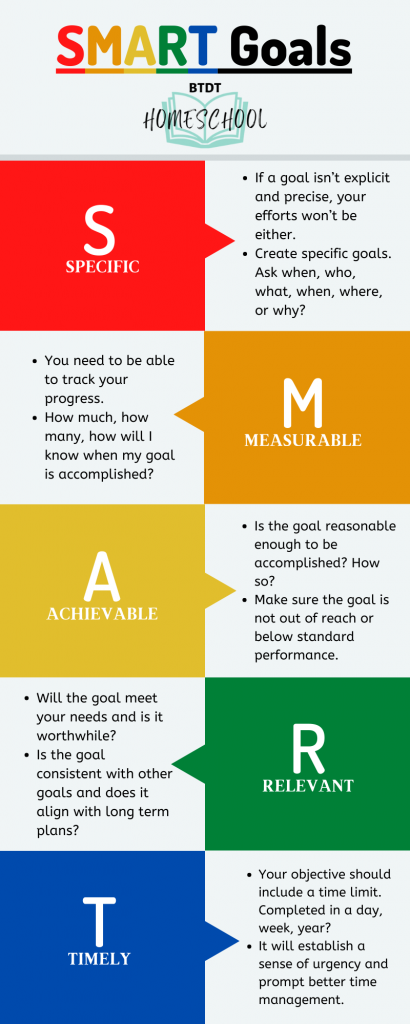
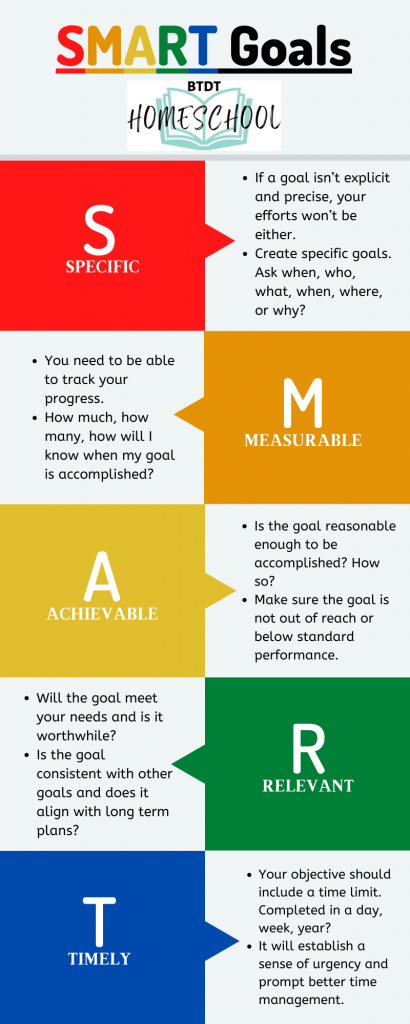
Let them be a big part of goal setting. Helping your middle schooler establish manageable goals, along with strategies for steps necessary to achieve them can deliver fantastic results.
Stay Positive and Communicate Openly
Make sure that you stay positive with your language and communicate with your middle schooler. Keep a relationship with your child that is open, respectful and positive. Middle schoolers are going through a lot of changes with their bodies and their outlook. It is essential that we create a welcoming environment for them to be themselves. When they feel like they are in a safe space to make mistakes and grow it will enable them to learn and be motivated.
Foster Healthy Relationships
We want to focus on healthy relationships, not just us, but others as well. We often focus on the new friendships and relationships our children will find and develop as they leave middle school ages and enter high school. These relationships will bolster their sense of self and social compass as they grow and develop. Talk to your kids about the importance of quality over quantity, friend versus acquaintances. Students should also be encouraged to develop relationships with their coaches or outside instructors and mentors, as well.
Communication Skills
Developing good communication skills will also allow them to stay aware of their progress and get a good idea of how they can improve in their studies or other activities.
Celebrate Accomplishments
Another thing that helps to motivate is to encourage them to keep their own records or memories or schoolwork samples and teach them how to build a portfolio or scrapbook or journal. Celebration their accomplishments. These are things that can show progress and help with long term goals.
Staying Organized will set your child up for success. Help keep your homeschooler organized by teaching them how to plan out their day. Get our FREE Student Study Planner
Use a planner that is large enough to write in/on, that is portable and preferably not digital. The best planner is the one you will use!
Add items to your planner when you know about them. Example: add all soccer games to your planner for the season when you get the schedule, add all test dates from your syllabus to your assignment planner for a class, add a concert you bought tickets to that takes place in 2 months, etc.
Sunday or Monday morning meeting with homeschool parent “What do you have scheduled for me this week?”
In your planner, write down tasks with a specific time. Remember to include travel time!
Add in tasks and activities (in priority order) that do not have a specific time. Write these on a specific day.
Be sure to build in cushion time.
Build in down time – during times with nothing planned. This is important to recharge!
Schedule self-care time: exercise, journaling, long bubble bath, staring at the sky.
Use color coding, symbols, geometric borders, underlining, stars to categorize activities/tasks.
Add in reminders or tasks related to upcoming events.
Write your weekly goals or focused priorities.
Use your planner as a journal, diary, brainstorming or creativity space.
Don’t forget to cross off tasks when complete.
Use it! The best planner in the world won’t work unless you actually use it. Look at it at the beginning of each day, throughout the day and at night. Make adjustments to the next day’s plan if necessary.
Get a once-in-a-lifetime chance to see a rare comet with a greenish hue.
Between Feb. 1 and Feb. 2, Comet C/2022 E3 will be 26.4 million miles away from Earth and the best chance to see the glow of with the naked eye.
Comet C/2022 E3 reached its closest proximity to the Sun on January 12, 2023. When comets come this close to the Sun, their ice turns into gas and this temporary atmosphere causes a glow that can be seen from Earth.
Astronomers in California first discovered Comet C/2022 E3 (ZTF) in March 2022 when it was inside Jupiter’s orbit. It is visible now with telescopes and binoculars, and projections determine the best chance of seeing it with the naked eye is in early February 1-2, 2023.
“If C/2022 E3 has ever passed through the solar system before, it would have last been seen in the sky more than 10,000 years ago,” says Jon Giorgini, a senior analyst at NASA’s Jet Propulsion Laboratory.
How do I see C/2022 E3 Comet?
If you live in the United States, or anywhere else in the northern hemisphere, the best time to look for the comet will be in the hours after midnight and before dawn. You can look to the north just after sunset and you just may see a faint greenish glow. There are some people have claimed they can already see it with the naked eye.
Comets are sometimes described as celestial “dirty snowballs” because they’re masses of ice, gases, rock, and dust that orbit the Sun. Melting ice gives the comet its tail that stretches away from the Sun for millions of miles. Comets don’t emit their own light. The ice reflects the sun’s light, which makes it appear to glow and when frozen, they are the size of a small town.
When a comet’s orbit brings it close to the Sun, it heats up and spews dust and gases into a giant glowing head larger than most planets. The dust and gases form a tail
There are likely billions of comets orbiting our Sun in the Kuiper Belt and even more distant Oort Cloud but there are currently only 3,743 known comets.
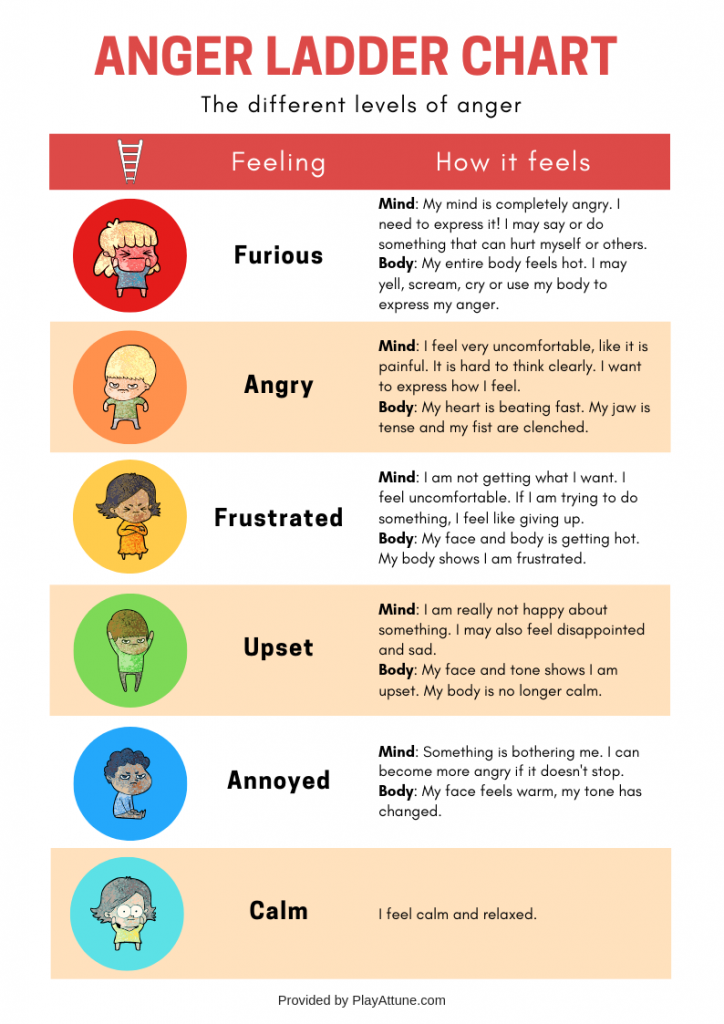
How do you homeschool an angry child? When should you abandon ship? Wow do you survive big life changes while homeschooling? Can I still homeschool after a divorce?
Tune in this week while we discuss these topics and more!
If you are brand new to homeschooling, be sure to visit the Getting Started Page
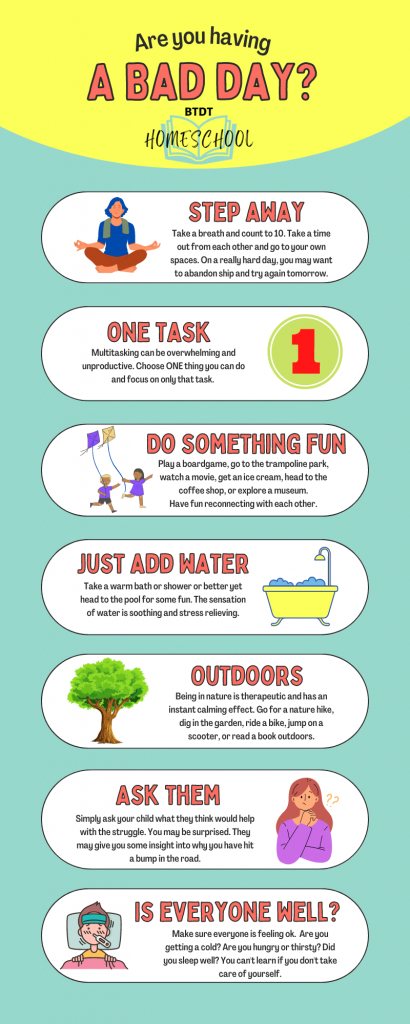
If you’re having a hard homeschool day, we totally understand! We have Been There Done That! We get frazzled just like every other homeschool mom. You’re going to have bad days. Not every day is going to look like a pinterest photo or Instagram post. You have to keep in mind that homeschooling is a marathon and not a sprint. You will get through it and we are here to help give you some tips, tricks, and encouragement to get through those challenging days. The thing about a bad day is that at the end of it, it’s over, and you have the opportunity to start anew tomorrow.
The first thing that I would recommend is to just step away and take some time away from each other.
Homeschooling means we are all around each other all the time. Take some time to all go to your own place and be alone for a little while. This is especially true for tweens and teens. they are at an age where they are becoming more independent and during that transition time, they’re going to start needing more time away from you. Some homeschool parents think it’s important to establish that they are the boss. If this is how you see your role in the relationship, then be a respectful boss. It’s ok for you to step away and take a pause. If you see things that are going south quickly, take a breath and count to 10. Take a moment to gather yourself and calm down. Don’t let your reaction to a child’s behavior or an incident escalate an already sour situation. Bad moods are contagious and you are the adult, it is your job to diffuse or deescalate. Don’t be part of the problem.
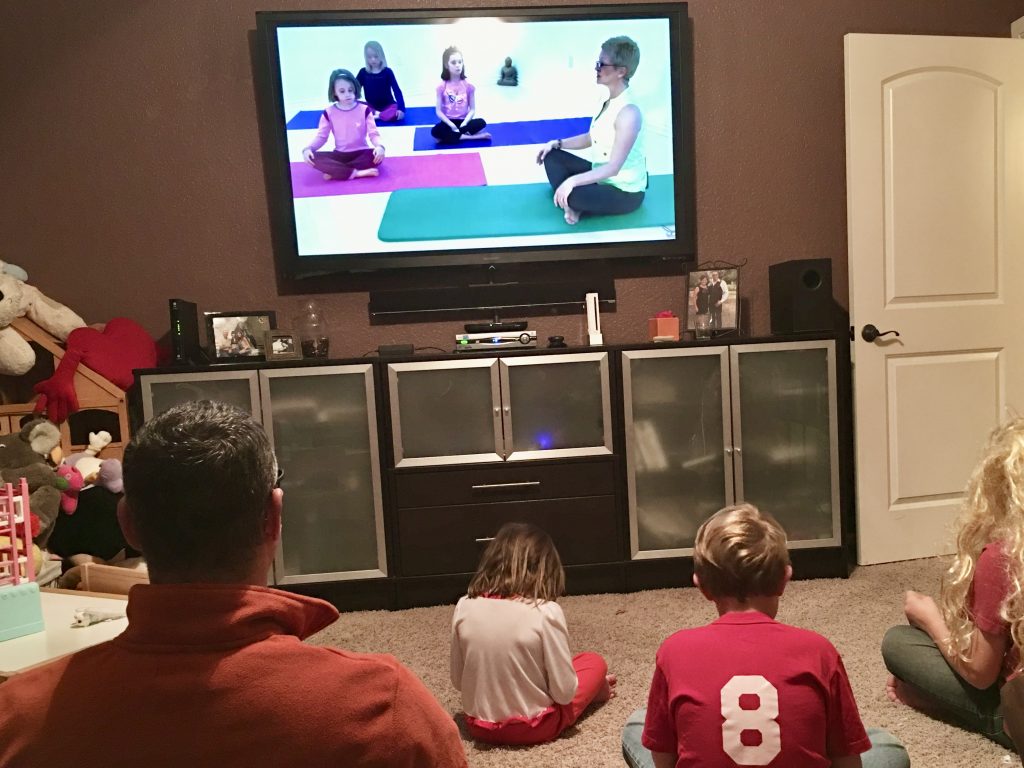
Everyone just might need a yoga moment
Focus on One Thing
The next thing that you can do is shift your focus to just one thing. When days fall apart, you can’t do it all. Choose ONE thing you can do and do it. You could decide to give your child only one thing to do, you could choose to only focus on cooking dinner, or whatever. What is the old saying? That there’s not really a productive multitasker. That we all are just multitasking every task in a mediocre way. You are not going to be productive during stressful moments, so stop multitasking and let everything go, except that one focus item.
Bag it all and regroup with friends
Are the kids at each other’s throats? Is everyone in a bad mood and it just keeps getting worse? Maybe try bagging it all and leaving to connect with friends or your homeschool group. No one is going to get your situation like another frazzled homeschool mom, and some buffer friends to play with may ease that sibling rivalry that’s happening today.
Friend time
Change Something
You are in charge of your homeschool and how your day goes. There are many ways to accomplish the same purpose besides doing every single thing that a curriculum tells you to do. You can also break a lesson up into smaller digestible bites. Consider if this is something that comes up every time you do math, for instance, maybe it’s an issue with the program you are using and you need to make a change to another program.
Take a Field Trip
Take an impromptu field trip, get out of the house. Maybe use some of those Groupons you bought for the adventure park or aquarium, or hit your area’s historic farm and continue your history lesson but in another setting.
Have a Movie Day
Drop everything for a popcorn and movie day. You can even choose a documentary and still make it a learning day.
Go Outside
Take a bike ride, head to the gym, or head to a trampoline park. Exercise is a great stress release for everyone. There is nothing like a long walk to clear the head and relieve anxiety. Blow off some steam with some active movement.
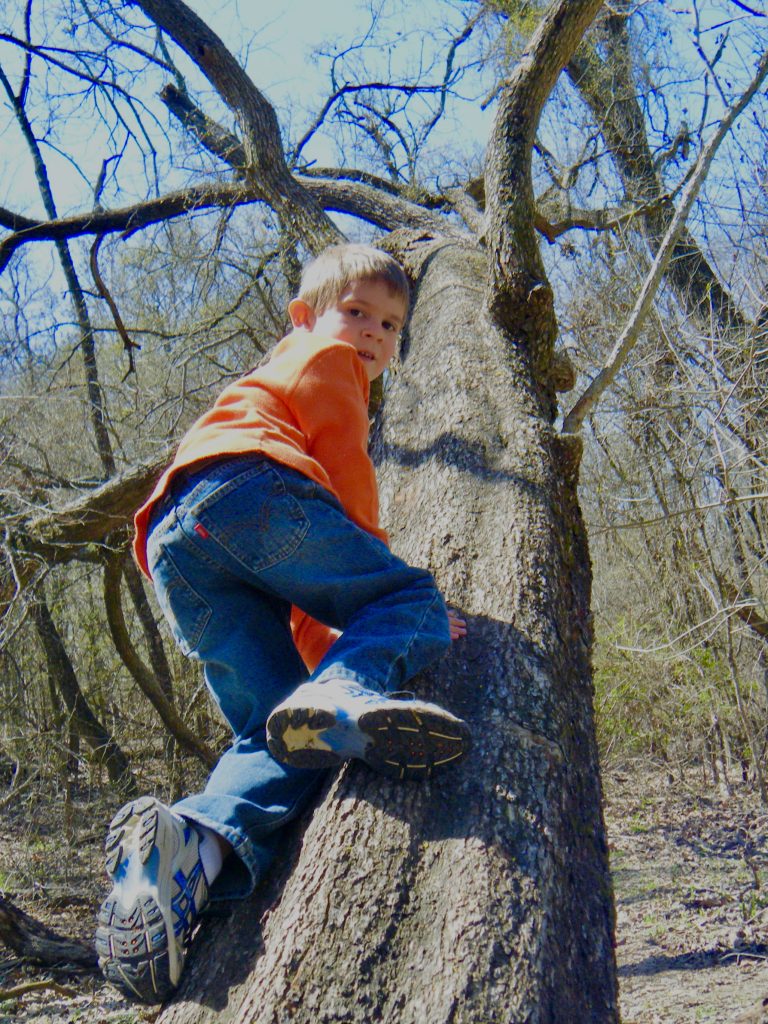
Let’s get outside!
Nature
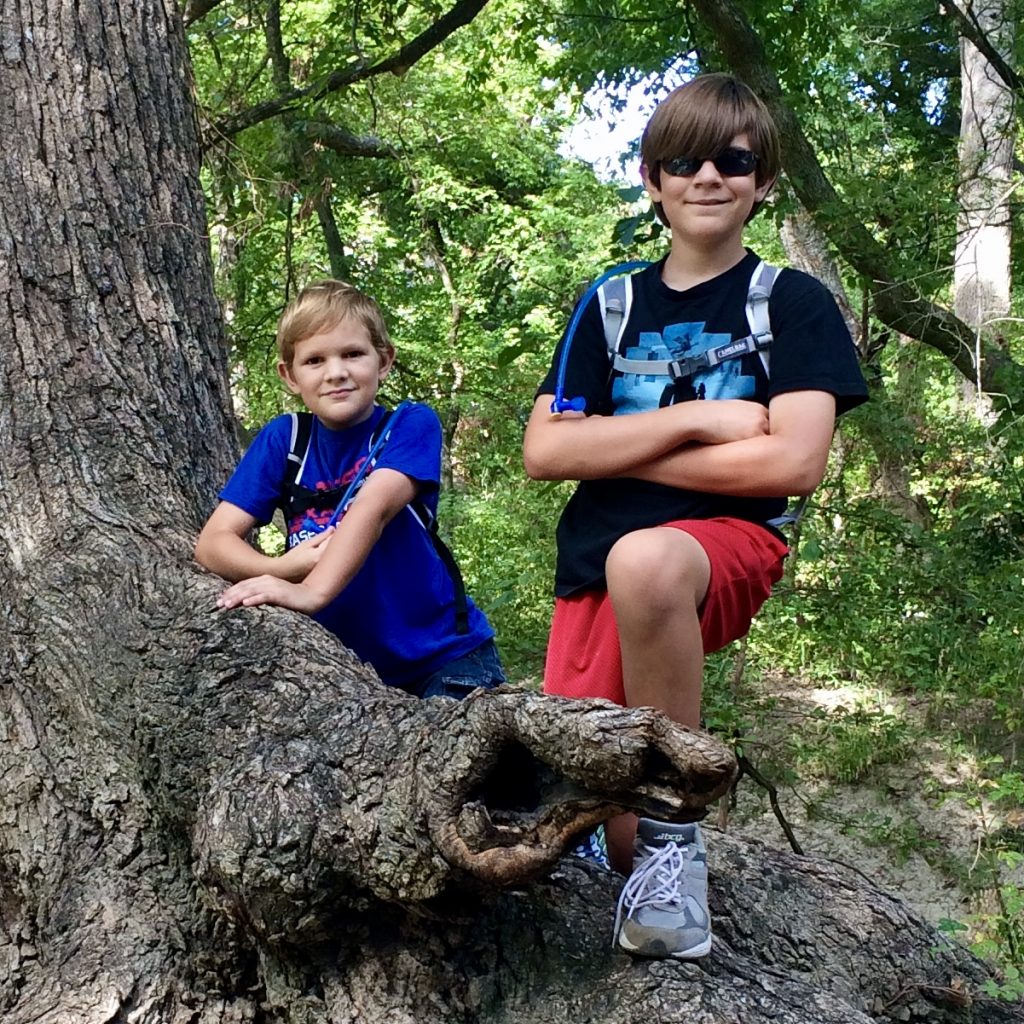
Get into the woods for a nature hike. Being outdoors is an instant calming mechanism, even in the rain or snow. Being outside is healing for your soul. It clears your mind and then you can come back in and reset.
Activity
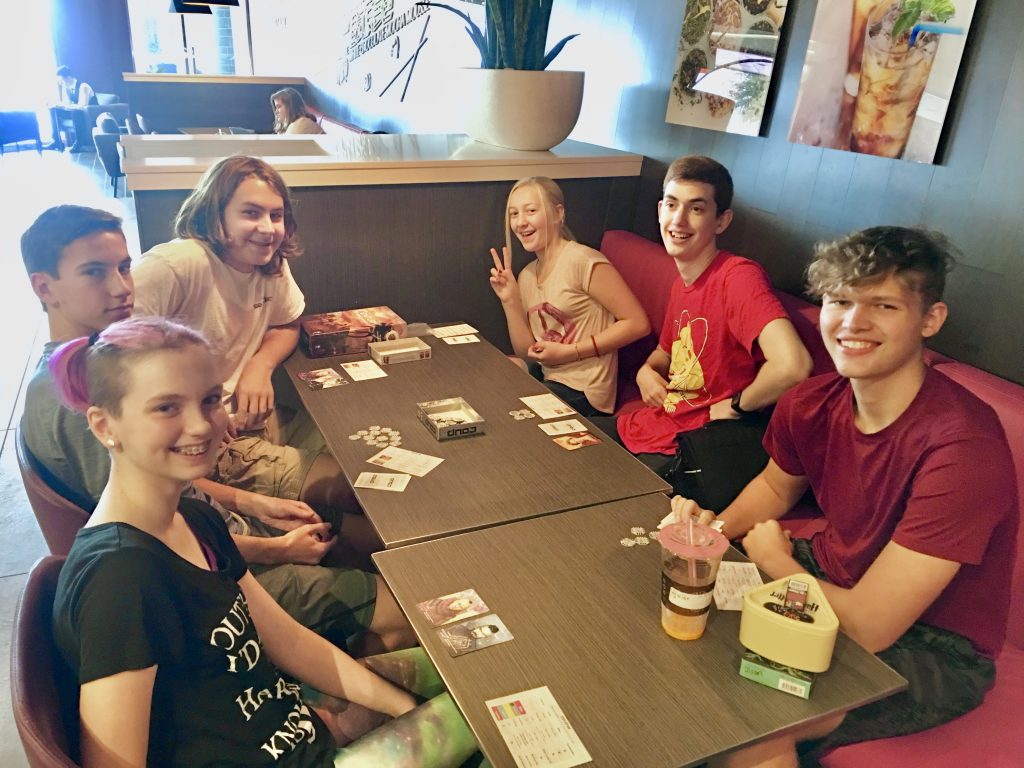
Do some activities instead of hardcore lessons. Don’t forget our teenagers need play time, too. Play a boardgame together, or some cards, or a math game.
Water
Take a warm bath or shower- nice hot water, throw some epsom salts or a bath bomb in there and go soak, and come out when they feel nicer or calmer. Take some extra time to put a facemask on and slather lotion all over.
Just add water!
Adult Time
Make sure to nurture your own time alone, with your spouse, or with your friends. Join an adult sport. Do something you enjoy and don’t talk about homeschool. We need more that just days filled with homeschooling. Moms Night Out with friends can be a great reset.
Adult time to recharge
Ask
Sometimes the source of the struggle may not be what you thought it was. Ask your child, “Why do you think this is so hard for you and what do you think will make this easier right now?” If you collaborate with them, they may give you insight into why you are hitting a bump in the road. You may be surprised by hearing them out. If your child has a bad attitude towards you because you’re having a bad day, because words have been exchanged or there is tension, they’re going to have a hard time receiving what you’re trying to teach them.
It’s so important that we don’t ignore our child’s feelings. They are feeling the stress of the bad day too. Acknowledge and validate their tension and anxiety and know you are teaching them how to cope when things don’t go well.
Keep Going
Sometimes the best thing you can do is to keep persevering. Persevering on a bad day doesn’t mean gritting your teeth or yelling. Just cut back the lesson instead of completely stopping. Pull from other educational resources and mix it up to get the same result or concept mastered. But sometimes trying to force things and power through will lead to tears and less learning so you have to know when cut your losses.
Meditation
Try meditation or some kind of quiet calming yoga. Maybe everyone needs to just lay there with eyes closed and focus their thoughts elsewhere. If they fall asleep, great, maybe that’s what the problem was! These youtube hypnosis audios are great:
Drive
Go for a drive and put on an audiobook or maybe go look at a cool neighborhood or something you like to look at from the car.
Cook and/or Clean Together
A comedian once said something like “If you feel like you hate everyone, you need a snack. If you feel like everyone hates you, you need to go to bed.” How many times has this been true? So maybe go make a snack or go clean something together.
Cooking is learning too!
Bag the whole day
When the day is feeling like a big fail and the ship is sinking and you’re feeling like a captain that has failed, STOP and completely abandon ship and take the day off. Be willing to be silly and find something to laugh about. It’s hard to stay grumpy when you find something to laugh about together. It will restore your relationship. It’s ok to pick up school later. This is one of the wonderful freedoms that homeschooling has given us! Those horrible homeschool days can feel so big in our minds when we are in the middle of it but at the end of the day, the relationship we have with our children is way more important. Look at the big picture and how might that affect the way you handle your homeschool day going south? Sometimes we need to apologize to our kids. That may be hard for some parents, but we are human. We make mistakes and sometimes we lose our cool. I found when I am in the wrong and apologize to my kids, they are receptive to it. It doesn’t make everything better, but sometimes it can calm whatever chaos is going on. Learn how you could have handled the situation differently, prepare better next time and move on.
How do you teach an angry child? (16:03)
First of all, try to find out the reason behind your bad homeschool day. Evaluating the situation may help you to fix the problem. Look at your days and think of all the possible reason that might be triggering bad vibes:
Sick kid
Are they hungry?
Are they tired?
Are you grumpy?
Problem with a new homeschool schedule
Are you new to the homeschooling world? Are you trying to do too much?Are you trying to fill unrealistic expectations?
Do you have a stubborn child who is not cooperating?
Problem with time management
Obviously, talk with your doctor to rule out any special problems or possible issues that could be health caused if this is an ongoing issue. Sometimes a problem is going to be out of our control and require some intervention or treatment. Remember that is not a reflection on you and again rejoice in the fact that you are able to cater individualized care to your child.
And if this isn’t an extenuating circumstance, refer back to all those other ideas we just shared.We hope all your bad days are simply that- one bad day.
A great book is “Raising your spirited child” by Mary Kurcinka. Some kids are naturally more intense, perceptive, persistent and energetic.
When should you abandon ship? (20:55)
Anxiety and frustration bring anger, and as we all know, anger can make things even worse. Bad moods are totally contagious. We’ve already given you some ideas of what *to do*, but here are homeschooling mistakes *not to do*:
Excessive and Unrealistic Expectations
Don’t be a slave of over-scheduling or under-scheduling
Fretting over not having a properly organized homeschool room.
No recess time for the day.
Unfavorable homeschool curriculum
Doing it all alone.
How to survive big life changes? (23:37)
So sometimes, that bad day isn’t just one day. Maybe it’s stretching out a bit too long because of something out of your control. Again, take pause, take deep breaths and adjust.
Take time for a new arrival
Moving– Just like the airplane wants you to put your oxygen mask on first and then your child’s, do this with your move. Put schoolwork on hold, unpack your stuff, take breaks and spend some time exploring your new area with your kids, get everyone involved in the new room, new house process. This is all still learning even if it isn’t out of a book.
New baby- There are lots of ways to still get stuff done with a new addition, but again, be sure to take care of yourself and this new adjustment. It’s ok to let everyone watch a little too much tv for a while, or play games. Babies grow really fast- your life will be completely different in a couple months.
Death of a pet or loved one– You’ll want to proceed slowly with caution while still allowing everyone time to grieve and knowing that that isn’t always a linear process. Everyone grieves differently, too, it will take some time to figure out what every little person in your family needs, while also caring for yourself.
Getting Through Divorce- (26:20)
Divorce while homeschooling
This can be a huge transition for everyone. Hug your kids, remind them this isn’t about them, try to maintain a healthy co-parenting relationship and keep things as normal as possible.
It’s always ok to take a break! Don’t panic and think- oh, I can’t do this right now and homeschool, I’ll have to send everyone back to school. You *can* do this and now is not the time to throw even more life changes in there by panicking like that. In most cases, this is going to be a short bump in the road. But you are forever modeling resilience and patience and perseverance for your child through these trying times and that really is going to mean everything to them.
Links
A great book is “Raising your spirited child” by Mary Kurcinka. Some kids are naturally more intense, perceptive, persistent and energetic.
Try meditation or some kind of quiet calming yoga. Maybe everyone needs to just lay there with eyes closed and focus their thoughts elsewhere. If they fall asleep, great, maybe that’s what the problem was! These youtube hypnosis audios are great:
Teaching a child to read can be one of the most intimidating aspects of homeschooling, but it’s also one of the most empowering. It might feel like a make-or-break moment with a lot of pressure, but remember that every child learns and develops at their own pace. Just like crawling, walking, and talking, reading skills develop uniquely for each child. Unlike some of those skills, reading often requires guided learning.
In this episode, we’re exploring when your child is ready to read, the best curriculum options, and how to use games to make reading fun and effective. Tune in to gain confidence and practical tips for this rewarding journey!
Reading is necessary for learning and instilling a love of reading at an early age is the key that can unlock the door to lifelong learning. It’s the foundation that helps us learn and make sense of the world around us. Reading builds social and emotional skills and ignites imagination. Reading builds self-confidence, independence, and is a critical foundation for developing logic and problem-solving skills.
Reading Readiness
Is my child ready to read?
One of the biggest factors and obstacles in teaching a child to read is their pre-reading skills and reading readiness. These skills are essential for reading development. Trying to teach a child who has not demonstrated a grasp of these skills and is not ready for the next step can lead to frustration and anxiety for both you and your child. It is also not developmentally appropriate. A child who is ready to start learning to read will be much easier to teach than one who is not, and sometimes it can be difficult to determine readiness.
One of the most important predictors of reading readiness is:
MOTIVATION & INTEREST
Even the best reading program cannot instill an interest in reading. So, what are some of the pre-reading skills that are essential for reading readiness? Many of these skills will naturally and organically develop during the toddler and pre-K years. If you have a preschooler, be sure to check out our Preschool Page with free Routine Charts
Essential Pre-Reading Skills
Rhyming: Rhyming is one of the first indicators of reading readiness because much of phonics instruction involves manipulating language, which is closely related to writing.
Matching/Sorting Items, Colors, and Shapes: Children love to organize and sort things, so it’s great to include these activities in daily life and normal conversations. While there are plenty of toys you can buy for this, you can also use items around your house like kitchen containers, plastic plates, Tupperware with lids, socks, shoes, or even setting the table with colored cups and plates.
Motor Skills: Developing motor skills is crucial. Activities like holding a pencil and drawing large shapes, making letters with a finger in a cake pan filled with rice, using a stick to write in the dirt, or using sidewalk chalk are all beneficial. Creating letter shapes with dough is another fun option. Remember, there are no rules that dictate you must use pencil and paper; these activities still teach the necessary skills.
Book/Print Awareness: Your child should know how to handle a book properly. This means that when offered a book, they can find the cover and hold it right-side-up. They should understand that books are read from left to right and that we turn one page at a time. This knowledge often comes naturally from cuddling up on the couch while you read to them.
Language Skills: Your child should be able to join in conversations and enjoy telling or retelling stories. Making up stories during pretend play or pretending to “read” a favorite book they’ve heard many times are also signs of readiness.
Signs of Reading Readiness
Hearing Parts of Words: Your child can hear parts of words (like syllables) and sounds in words (like /c/ /a/ /t/ in cat). Phonological awareness (such as clapping and counting syllables) and phonemic awareness (like hearing each sound in a word) are essential for when they begin to look at letters and sound out words.
Understanding Text Has Meaning: Your child understands that text has meaning and that the purpose of reading is to gain information. For example, if a child sees his name written out, he understands that name refers to him, not anything else.
Reciting the Alphabet: Whether it’s singing the ABC song or just saying each letter from memory, knowing the alphabet is an important step toward reading readiness.
Identifying Letters: Your child can identify and name some or all uppercase and lowercase letters. This is important because individual letters make up words to be read and written. They don’t need to know all of them but should see the differences.
Letter-Sound Correspondence: Your child can correspond some or all letters to their correct sounds. This skill is necessary for decoding, which is the act of sounding out words.
Echoing Simple Text: Your child can echo a simple text that is read to them, demonstrating an understanding of one-to-one correspondence in reading. This means that each word on a page corresponds to a word that is read.
There is a very broad range of when a child learns to read, and it can be just as normal for a 4-year-old to be ready as it is for a child not to be ready until age 8. There is nothing wrong with listening and watching your child and determining the best pathway to take. All children are different, and this is one of those great homeschooling benefits where you can go at your own pace and tailor this to your child and meet them where they are.
Other Developmental Signs
Social Development: Social development is important for reading because children need to know how to take turns, cooperate, and develop self-control before learning to read. Much of reading instruction involves activities and discussions where these skills are essential.
Emotional Development: Before learning to read, children need to have a good self-concept and an understanding of how they fit into their world.
Physical Development: Children need to have strong bodies that can support sitting, as this is often the preferred position for reading a book. They also need to have the fine motor skills necessary for writing and turning pages.
Cognitive Development: For reading readiness, children need to have the cognitive ability to visually and auditorily discriminate between letter shapes and sounds. Visual discrimination involves recognizing similarities and differences among letters, such as distinguishing between L and T, a and o, or 6 and 9. Auditory discrimination means that a child can hear the difference between sounds like /f/ and /v/, or the ending sounds in words like ‘cap’ and ‘cat’.
What Curriculum Should I Use?
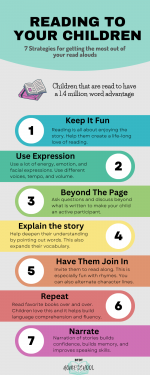
Before we jump into curriculum options, let’s talk about the importance of being read to. As we discussed in another episode, reading to children is the single biggest predictor of high academic achievement and high ACT scores. A study from Ohio State University highlights the profound effects of reading on child development, showing that children who are read to in the first five years of life have a 1.4-million-word advantage over children who are not read to at home.
There is no ideal age range for reading aloud to your children, and there is no end range. Many families still enjoy read-aloud time with high schoolers and college students. “The Read-Aloud Handbook” by Jim Trelease discusses the benefits of reading aloud and offers great book suggestions for every age range.
It’s not only about instruction; it is essential that your children learn to ENJOY THE STORY. Reading is challenging, and you don’t want to make it harder for them. Help them understand the reason for reading. Here are seven strategies for getting the most out of your read-alouds. 7 Strategies for getting the most out of your read alouds.
When choosing a curriculum, consider these Six important factors:
1. Understand the reading program parts. It should have at least two parts, but ideally will cover phonics, phonemic awareness, vocabulary, fluency, and comprehension. These components work together to create reading abilities.
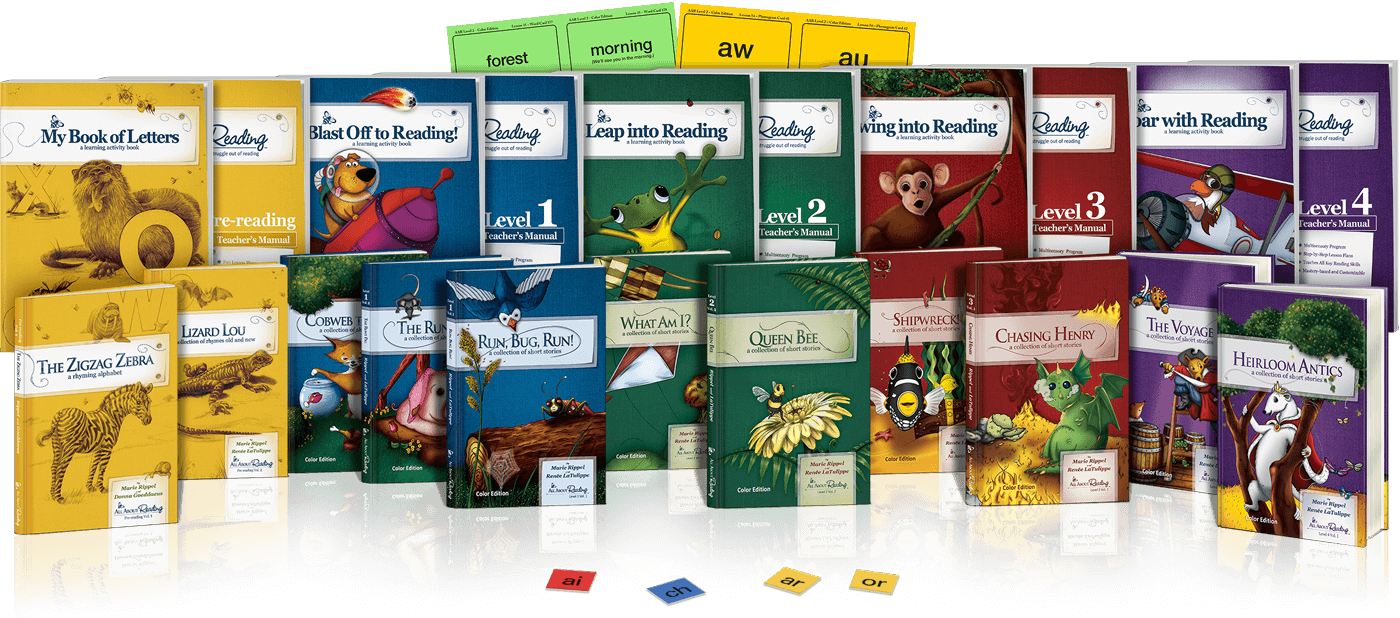
All About Readingis super easy to use and totally scripted, open-and-go. It uses the Orton-Gillingham instruction approach which not only helps kids with learning differences, but kids without learning differences find it’s a lot easier way to decipher the code.
2. Knowing the names of ALL the letters is not necessary.
3. Teach the sound the consonant represents; begin with the short sound for vowels.
4. Introduce consonants and vowels in a strategic order so a child reads sooner than later. Do not introduce letters in ABC order.
5. Multiple letter sounds should be introduced at one time.
6. Search play vs. structured teaching approach for PreK and Kindergarten levels.
Teach Your Child to read in 100 Easy Lessons is a popular program. Critics say it can be dry or boring. It also has a writing component and if you have a resistant writer, this can be a struggle, but you can skip the writing part, and you can also move on rather than cover it repetitively, if you feel you’ve mastered a concept. It is totally ok to use curriculum as a guide and use the parts that work for you. Don’t be afraid to adjust things like this.
Sometimes a child needs more phonics mastery after a reading program. Here are some to consider:
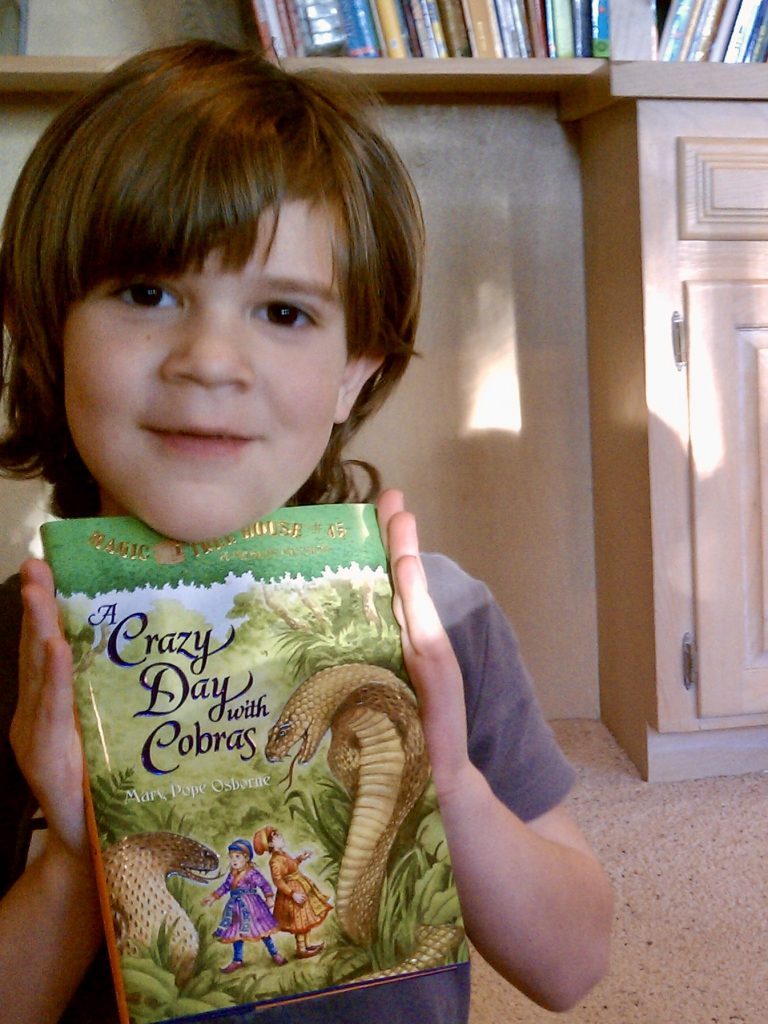
Leveled readers may also be something kids like to start with and progress through. (I can read series and I can read it series). Your library probably has these books sectioned off in the children’s area and can be fun for kids to pick their own. Graphic novels-there are always internet arguments about whether graphic novels are really “reading.” Of course, they are! Anything that gets your child’s interest and helps them practice their newfound skill has value. Many students have strengthened reading skills with comics like Calvin and Hobbs or the Far Side.
We are both Charlotte Mason style homeschoolers and this philosophy takes issue with what we call “Twaddle.” The idea is that it is easy to find books that appeal to the eyes- lots of pictures, short sentence snippets, lots of action but not a lot of substance. These books are entertaining but offer little substance and don’t require a lot of effort. Often parents think this is what young children need, but the Charlotte Mason approach would say this is not how you strengthen the mind and the imagination. We know kids have great imaginations because we can see it in their play and their drawings, and the stories they tell us. When we give them less of a prefabricated story and idea and picture, they illustrate the rest in their mind. So rather than giving them easy, thoughtless books, challenge them with quality, living books that will make them paint pictures in their own mind and words and strengthen their mind’s eye. We don’t need to spoon feed every scene of a story. Visual overload can squelch imagination rather than strengthen it.
How do you do this without feeling like you are dictating your kids every reading move? Easy- when you go to the library, let them pick the things they want while also picking your own choices. Fill your bookshelves at home with quality books. Mix them all in.
Many find reading really takes off when you find that child’s “currency.” Maybe a popular series that they hear people talk about often, or perhaps they want to teach themselves something. A video game with lots of text may encourage reading- Animal Crossing was a game that encourages young readers if they want to play.
Best games for Learning How to Read
Hands-on, play based learning, especially for young children, is one of the best ways to learn. So incorporating games and play into your reading instruction is going to be very helpful. A really fun reading game is the app and computer game, Teach Your Monster to Read. This is a great option if you are looking for a free web-based reading game for kids.
This program has a bunch of fun reading games and built-in rewards to encourage your child to read and improve reading skills over 3 levels. They have both web browser-based and an app-based options.
Peggy Kaye’s books are great options. They had fun activities like this driveway chalk hopscotch game with letters, for instance. They aren’t necessarily things you would do every day, but fun to break up a program when it gets boring, or if you are struggling and needed to do a walk away. Games for Reading– Playful Ways to help your child read.
Extend your child’s learning and enjoyment of classic stories with Peggy Kaye’s Games with Books, featuring fun, educational games for reading, writing, and math skills.
Sequence Letters is a great board game for teaching both the letters and the sounds they make. It’s a great way to teach early phonics skills in a an interactive way and it’s a good way to include your preschooler in family game nights.
Boggle Jr– We loved this game! Grows with your child by introducing the ABC’s with many different ways to play as they learn
Reading Eggs and Starfall are excellent app programs for teaching children to read. When Starfall first launched, it was a free website designed to create a fun environment for children learning to read. Since then, it has evolved into a comprehensive program offering pre-K, kindergarten, first-grade, and second-grade curricula, with both paid and free options. Starfall is packed with great free online games for teaching your child to read. It is web-based and also has an app, making it a great option if you need to use screen time while on the go.
Tall Tails is a game that can boost your child’s literacy skills by encouraging them to build a creative story. This game is perfect for the entire family to play together, each adding the next twist to the tall tale.
Scrabble Junioris letter-matching fun for your little one. It’s a great way for teaching sight words. On a more basic level, you can just hide the tiles around a room and then have kids identify the letter or sounds and make words. You can also do this with Bananagrams.
Karaoke– music is infectious! and children can’t help to watch the words dance by while they sing along.
Reading games are fun and simple to do
These fun hands-on reading games can be incorporated into your homeschool life and the activities you are already doing:
Rhyming Games: Make up jingles with different rhyming words.
Making Silly Rhymes: Change words in rhymes, poems, songs, or short stories and see if your child can find out what you changed. For example, “Happy Birthday to shrews…”
Listening Games: Ask your child to close their eyes and identify various sounds (e.g., crumpling packaging, tapping with drumsticks, footsteps, opening a door, eating something crunchy). You can also create a sequence of sounds and have them remember the order.
Play “I Spy”: List objects you can see that start with certain sounds.
Take Out Sounds in Words: See if your child can identify what is wrong when you alter a word, such as saying, “Can you grab me a ‘flice’ of bread?”
Clap Syllables: Clap out the syllables in names, words, songs, and poems. Music is a wonderful way to engage young students.
Stamp or Dance to Poems and Songs: Encourage your child to stamp their foot or dance to the rhythm of poems and songs.
Alliteration: Make silly sentences with similar sounds about everyday objects, like “Sing a song with the sleepy sister.”
Play Bingo or Memory: Use flashcards showing capital letters, and have your child find the matching lowercase letter or sight word.
Library Story Time: Attend library story time sessions. Librarians can also help you find great books.
Sing the Alphabet Song: Sing the alphabet song while pointing out both capital and lowercase letters.
There are many choices and pathways for teaching your child to read, and it doesn’t have to be overwhelming. Take your time, be patient, and be willing to walk away for a little while if things get difficult. It’s crucial not to spend too much time trying to teach something to a preschooler that you could explain in five minutes to a second grader. Sometimes waiting for readiness makes all the difference, and stepping back for a bit can give your child the extra maturity needed to grasp a concept. It may seem counterintuitive, but it really works! Trust the process. You’ve got this!
As we prepare to commemorate the life and life’s work of Dr. Martin Luther King Jr., we hope you take this opportunity to do the same with your children in your homeschool.
View our Favorite Book list of Black History and Stories to celebrate the achievements of Black Americans:
We’ve compiled simple NO-PREP activities you can do with your children to honor Dr. king’s legacy:
1. Watch and Discuss:
I Have a Dream speach: Dr. King’s “I have a Dream” speech. Reflect on the powerful imagery, themes of equality and justice, and his vision for a united future. Consider its historical context and significance in the Civil Rights Movement, and explore how its message continues to inspire change today.
2. Watch and Discuss:
Watch a short cartoon video, such as BrainPOP- The Legacy of MLK to introduce young children to Dr. King’s life and achievements. The video explains his fight for equality, his use of nonviolent protests, and his enduring impact on civil rights. After watching, discuss the key takeaways to help children understand his legacy in a simple and engaging way.
3. Watch and Discuss:
Watch Crash Course US history- Civil Rights to learn about key events and milestones of the Civil Rights Movement. The video provides an engaging overview of the struggle for equality, highlighting significant figures, protests, and legislation. Take notes on important details and reflect on how these events shaped American history and society. Discuss or write about what you learned to deepen your understanding.
4. Read and Discuss:
Nicole and Maria love reading to their children as part of their homeschools. Sharing books is a wonderful way to connect children with historical events and inspire meaningful conversations. Discover this curated list of books about Dr. Martin Luther King Jr., his extraordinary life, and the profound impact he made on the world.
5. Create Your Dream:
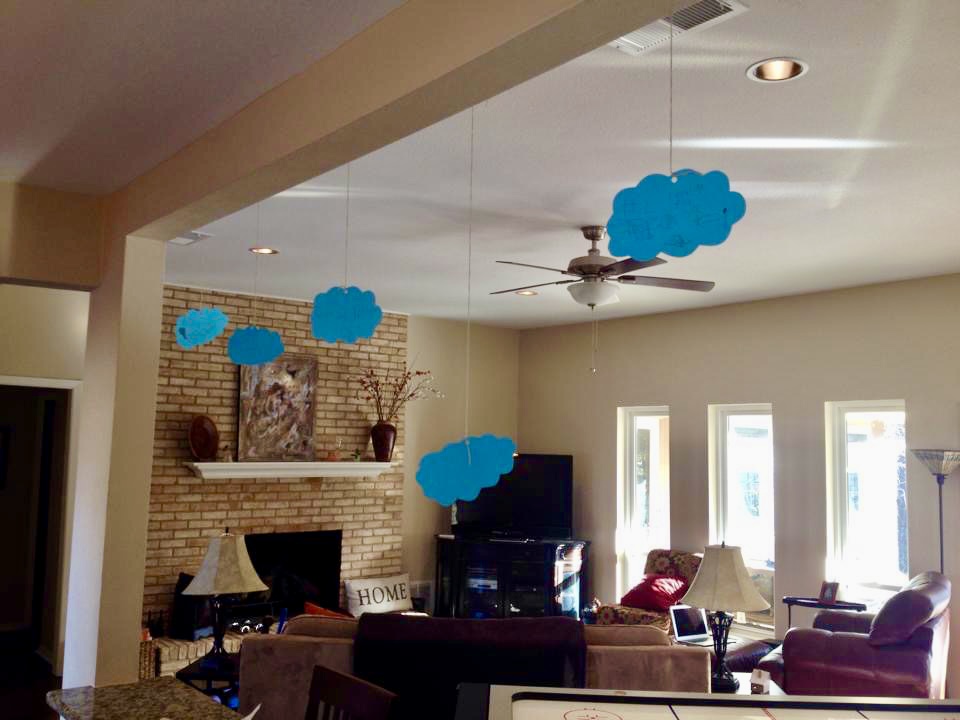
Cut out cloud shapes from construction paper and write your dreams for the future on each one. Use markers, crayons, or pens to express your goals and aspirations creatively. Once completed, hang the clouds around your house as a daily reminder of your dreams and what you’re working toward. This activity can inspire hope and positivity for everyone in your home. (example below):
I have a Dream Clouds
6. Letter From Birmingham Jail:
Read Dr. Martin Luther King Jr.’s Letter From Birmingham Jail to understand his powerful response to criticism of the Civil Rights Movement. Discuss the key themes, including justice, nonviolence, and the urgency of equality. Reflect on how Dr. King’s words continue to resonate today and their significance in the fight for civil rights. Consider having your kids journaling about this.
7. Coloring:
Download free Martin Luther King Jr. inspiring coloring pages. These pages feature quotes and themes honoring Dr. King’s legacy. Use them as a creative activity to spark conversations about his life, values, and contributions to equality and justice. Display the finished artwork to celebrate his inspiring message: https://www.doodle-art-alley.com/martin-luther-king-coloring-pages.html
8. Day of Service:
Participate in the National MLK Day of Service by taking your children into the community to volunteer for a worthy cause. Choose activities like helping at a local food bank, cleaning up a park, or assisting at a shelter. Use this opportunity to teach the importance of service, compassion, and making a positive impact, just as Dr. King advocated. Reflect together afterward on the experience and how small acts of kindness can create lasting change.
9. Embracing Differences:
Make a quick and simple point about embracing the ways in which humans are different and yet the same by cracking open a brown egg and a white egg to illustrate they’re basically identical on the inside. There’s a lot more complexity to this concept, of course, but it’s an easy way to introduce it to young learners (preK-3rd).
10. Footprints of Inspiration:
Trace your child’s feet on a piece of paper, then encourage them to write or draw inside the outline small steps they can take to make the world a better place. It’s a creative way to teach them about kindness, responsibility, and the power of their actions—one step at a time!
11. Dream Poem:
Write the word DREAM vertically on a piece of paper: Each letter will begin a new line of the poem.
Think about Dr. King’s legacy of hope, equality, and love: Reflect on his vision and the values he stood for.
Write a line for each letter: Each line should begin with the corresponding letter and connect to the themes of hope, dreams, or making the world a better place.
Here’s an example to inspire you: D–are to believe in a brighter tomorrow, R–ise above hate, let love heal the sorrow. E–mpower the weak, stand tall, take a stand, A–ll united, we’ll heal this great land. M–arch on with hope, just as Dr. King dreamed.
Share and discuss the poem with your children: Use this activity to talk about how they can contribute to building a more loving and equal world.
Encourage creativity: Let them add drawings or designs to personalize their poem.
BTDT Homeschool was created with a heartfelt mission: to empower and give back to the secular homeschool community.
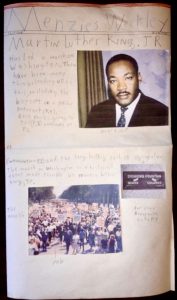
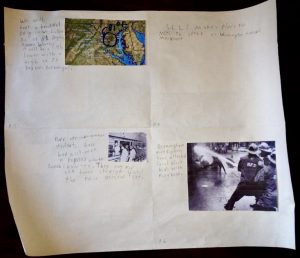
Write a newspaper article about the March on Washington as if you were there. Start with a compelling headline and a lead paragraph summarizing the key details: what, where, when, and why. Describe the atmosphere, crowd size, and emotions to set the scene. Highlight key moments, like Dr. Martin Luther King Jr.’s “I Have a Dream” speech, and include quotes from speakers and participants. Explain the march’s purpose and its importance to the Civil Rights Movement. Conclude with its impact and significance for the future. (example below):
No Caption
No Caption
No Caption
13. Gandhi vs. Dr. King:
Create a paper or comparison chart that explores the similarities and differences between Mahatma Gandhi and Dr. Martin Luther King Jr. Focus on key aspects such as their philosophies, leadership styles, approaches to nonviolence, major achievements, and lasting legacies. Include specific examples of their contributions to social justice and how their work has influenced movements for equality and freedom.
Create a detailed timeline of Martin Luther King Jr.’s life and legacy. Include key events such as his birth, education, major milestones in the Civil Rights Movement, significant speeches and accomplishments, and his lasting impact on the world. Ensure the timeline captures both personal and historical highlights to tell the full story of his extraordinary life. Example Below: Timeline of Martin Luther King Jr.’s Life
1986: Martin Luther King Jr. Day is established as a U.S. federal holiday in his honor.
January 15, 1929: Martin Luther King Jr. is born in Atlanta, Georgia.
1944: At age 15, King begins college at Morehouse College in Atlanta.
June 1948: King graduates from Morehouse College with a degree in Sociology.
June 18, 1953: King marries Coretta Scott in Marion, Alabama.
1955: King earns his Ph.D. in Theology from Boston University.
December 5, 1955: King becomes the leader of the Montgomery Bus Boycott following Rosa Parks’ arrest.
December 20, 1956: The Supreme Court rules segregation on public buses unconstitutional, ending the Montgomery Bus Boycott.
1957: King becomes the first president of the Southern Christian Leadership Conference (SCLC).
August 28, 1963: King delivers his famous “I Have a Dream” speech during the March on Washington for Jobs and Freedom.
October 14, 1964: King receives the Nobel Peace Prize for his work in advancing civil rights through nonviolent methods.
April 4, 1968: King is assassinated at the Lorraine Motel in Memphis, Tennessee, at the age of 39.
16. Museum:
Plan a visit to a museum featuring exhibits on civil rights or Martin Luther King Jr. Explore displays that highlight the history, struggles, and achievements of the Civil Rights Movement, as well as Dr. King’s pivotal role. Take time to reflect on the artifacts, stories, and messages shared in the exhibits, and consider how they connect to present-day issues. Document your experience by taking notes or photos and share what you learned.
Whether you’ve been teaching your child for years or are homeschooling for the first time, it’s crucial to begin by developing a high school plan. What do you need to know before you start homeschooling high school? What are the homeschool graduation requirements? How do you plan for your homeschooler’s future? Tune in this week as we discuss these topics and more!
Tune in this week while we discuss these topics and more!
TWO WAYS TO LISTEN TO THIS EPISODE: 1. Click PLAY Button Above ^^ to listen here. 2. Listen on your favorite podcast platform:
When it comes to high school, a homeschooling parent shifts their role from teacher to that of an administrator, facilitator, mentor, and guidance counselor. Our goal from childhood remains the same- we want to foster a love of learning, but we also have to get down to business with a strong plan for the future.
Ideally, you’ll plan out all four years before 9th grade even begins. But even if you’re halfway through their freshman, sophomore, or junior year, and you haven’t yet made a plan, you can start today. As you guide your student toward graduation, you can tweak the plan as their post-high school goals take shape.
What do you need to know before you start homeschooling high school?
Every student is different: Plan their high school based on their interests rather than what an older sibling studied. Adapt the lessons to fit your student- do they need more discussion time, extra time for math, or cut back on some of the work so they can participate in theater or have a part time job? Is there a program you did with another child that you know now won’t work or was a waste of time, cut it!
Goals: When your student is ready to enter high school, it is important to begin to establish goals together to create an academic and extracurricular activity plan. There are so many options for your student! And I really do want to emphasize that they don’t need to know what they want to do for college or beyond yet, but now is the time to start really thinking and talking about options.
Maturity Happens: Students mature a lot between 9th grade and 12th grade. Keep in mind that a 9th grader will probably not be able to handle the workload of a 12th grader. Keep this in mind and plan accordingly. People often ask how long a homeschool high schooler’s school day is. This can be a huge range and varies with class intensity and grade level and the student, of course.
Customize Courses: If you can’t find a class to fit your student’s needs, create your own course. Students learn best when they’re interested in the material. You can customize and tailor their education to literally anything that they are interested in.
Counting Credits: You have two options for counting high school credits which gives you more flexibility as you make your plan. This can be counted by the amount of work completed or the amount of time the work took. Work completed means that the student completed the necessary chapters of the science textbook or finished their math textbook. You can also look at the amount of time they spent studying the material which works well when you want to count a course that doesn’t include a textbook, by keeping track of how much time they spent reading and writing or working on a project.
Give Them Space: The high school years are a great time them to explore their interests. Be sure to include plenty of downtime for this to happen. These interests may not help with college applications but they’re still extremely valuable. You never know when a new interest might turn into a lifelong passion.
Find Balance: Be sure to balance academic and social needs during the high school years. They are learning how to be a friend, how to make friends, and how to interact with people from all walks of life. As you’re planning high school, make certain you’ve allowed time for them to hang out with their friends, go to dances, play boardgames. Structured activities typically don’t have enough downtime for kids to make friends. Finding and maintaining friendships can sometimes be trickier in high school because a lot of homeschool teens have specific interests and have gone separate ways with schooling and extracurriculars.
Stay Connected: Avoid making every conversation about schoolwork. It is easy to see they haven’t finished their math or biology lab. The problem is that it damages your relationship when every conversation you have with your child is about their shortcomings. Your teenager no longer wants to tell you about their successes, and they won’t feel safe to talk to you about their struggles. Join in the activities they love. Play their video games, take them to their favorite coffee spot and play cards, or go see a movie. Give you and your child something to talk about other than academics. Don’t let your internal pressure about getting your kid into college stress them out!
What are homeschool graduation requirements?
First, you must know what your state requires for homeschoolers to graduate.
It’s important to keep in mind that it is often not necessary to comply with or refer to public school graduation requirements, but some parents find it helpful to do so when deciding the courses their teens will study.
As you are forming your plan, be mindful that:
Courses of study: Be aware of the requirements and how many credits of each one is needed. Some of the choices you need to make are done for you per the state requirement.
Credit hour equivalent: Typically, a one credit class is three hours a week of work, a half credit is an hour and a half a week.
Your Own Requirements: Remember, you are the school. Consider what courses are required to graduate from YOUR homeschool. There might be areas of study beyond what the state requires. Even if a student doesn’t want to study science beyond high school, some families may require a basic understanding of core science subjects – Biology, Chemistry, Physics. So stop and consider what is important to you.
How do you plan for your homeschooler’s future?
One of the most important factors in making a four-year plan for your student is bringing them to the table. You cannot plan without your student being a part of the process. Their input is a MUST.
This is their future: Don’t lose sight of the fact that this is their life, and they are the ones that will be responsible for carrying out this four-year plan. This is not all on us so be sure that they are part of the planning process from the beginning.
Be open: There is a good chance that your student’s ideas may conflict with yours. Be open to their ideas. Put them in the driver’s seat and help guide them. If they want to implement a part of their high school that is not on your radar or might be a different approach altogether, have them make their case. Remember that you are to facilitate their education.
Be a facilitator and mentor: Your job as the parent during high school will transition from teacher to administrator. We are here to help them to navigate high school, but the days of direct instruction are slowly fading away. We are here to give feedback on their work, discuss books and issues, and to help them to assimilate ideas.
5 steps to your 4 year plan:
Step 1
The first Step in planning for their future is to set long term goals (life goals, educational goals, career goals).
Example goals:
I want to do something mechanical
I want to do something artistic
I want to work with animals
I want to go into the military
I want to travel
I want to do volunteer
Step 2
What is the role of education in meeting these goals?
Determine the pathway- is a degree needed, what eleve, type of school? Certification or licensing?
Talk to people successful in target industries/jobs
College Options for Homeschoolers
If higher education of some kind is in the educational plan, then these goals should be based on the type of college your student plans to attend. When creating a high school plan with your child, it is essential that you select courses that will at least meet the minimum requirements of the type of college or university they are interested in applying to.
The earlier you and your student explore colleges, the easier it is to make a four year plan. The plan doesn’t have to be set in stone, but having this information will help guide the next four years
Whether or not your student knows where they would like to apply, you can check with likely or local colleges to get an idea of the types of requirements for your student’s interests. Most colleges have requirements listed on their websites. Then as you continue to evaluate your plan, you can get more specific in your search.
College Websites are a great resource for you
They can give direction to help form your plan.
Learn about requirements beyond graduation. For example, some colleges require three credits of the same foreign language. So you may need to adjust your plan accordingly.
Check for homeschool requirements at application time- a few universities ask homeschooled students to provide unique documentation that may not be required for other students.
Not only does browsing college websites allow you to find out requirements, but it also opens up a world of possibilities. Students can learn more about a programs they may want pursue.
When researching admissions requirements for colleges (such as required high school courses), your best resource is the college’s admissions web site (or the college admissions advisors).
Other sources for college admissions information includePrepScholar, andCappex.
Community College
Community colleges are also an excellent choice for continuing your student’s education. Most community colleges have open enrollment. This means that students need to only meet the minimum age requirement and possess a diploma or GED. However, many specific academic programs within community colleges may have additional high school credit requirements for applicants. Examples of this are nursing, law enforcement, engineering, cyber security, Accounting, etc. It’s important to research the requirements of the specific academic program the student is interested in. You can make an appointment and meet with advisers on the community college campus, and they can help guide you on specifics. Most will offer free applications and they usually don’t require a high school diploma.
Elite Institutions
If your heart is set on an ivy league school, you have a lot more work ahead of you than if you wanted to attend a state university, but it is absolutely possible for a homeschooler to attend an elite institution!
Ivy League and elite institutions of higher learning examine high school transcripts to see if high schoolers have chosen more rigorous courses of study. In addition to checking for credit counts by subject, they also want to see that students have challenged themselves by selecting honors-level, or advanced placement courses if available. Ivy league schools may require admissions interviews, application essays, an accredited diploma, and related extracurriculars while state universities may only be interested in SAT/ACT scores.
Trade or Vocational Schools or Military
Your student may not be college bound and that is ok, too. There are so many options for trade, apprenticeship, vocational type studies and also military service may be something to consider. You will want to carefully research these options as well as some have specific requirements. They may require a GED. If this is something that will affect your future plans, make time now to prepare for what that means.
Sports and Student athletes
You may have college bound students who are athletes and will be pursuing playing in college and looking specifically for sports scholarships. For homeschooling parents with athletes pursuing NCAA Division 1 and 2 sports, there are additional requirements to be aware of. Here is a link to a Facebook group that encourages discussion and information about NCAA Academic Eligibility process: Homeschool and NCAA Academic Eligibility
Step 3
The third step in planning for your student’s future is to create a class list. In episode 19 next month, which will be the second episode in our high school series, we will deep dive into core subjects and electives. But in this step, you will also list other classes you may be interested in adding like test prep and life skills. You may also want to start listing non-class items like volunteerism, internships, part time job, etc.
Step 4
Create a plan that makes sense to you. You can organize it by year, by subject, on a grid, etc. However, you want to do this is ok- you are the only one that will see it in raw form.
Step 5
Implement your plan. Now is the time to take everything you have done and put it into action. Know that the plan will probably change so be prepared for that. And be sure to consider any high school level courses that were taken in middle school that might supplement your plan. Also, consider using varied methods of learning (online classes, in person, independent study, etc.). Keep records and/or transcript and issue a diploma!
We’d like to thank our friend Mary for helping us along the way and sharing some of these resources. We took her classes in the past and they really helped shape our 4-year plans and we are grateful for her expertise.
I bought this book out of admiration for John Lewis’ life and work and got much more out of it. The story of his childhood, family and determination to make a difference is inspiring, and the drawings are first-rate. I literally could not put it down until it was finished and it is a must in your homeschool.
After you read the book, be sure to check out this FREE Activity Guide
“March: Book One” is a graphic novel written by Congressman John Lewis and co-written by Andrew Aydin. The beautiful art was created by Nate Powell. It is the first volume in a trilogy of graphic novels chronicling Lewis’s involvement in the civil rights movement. The book was published in 2013 and won numerous awards, including the National Book Award for Young People’s Literature.
The book begins with Lewis’s childhood in rural Alabama, growing up on a farm without electricity or running water. It then follows him as he becomes involved in the civil rights movement, starting with the Montgomery Bus Boycott and continuing through the Freedom Rides, the march on Washington, and the passage of the Civil Rights Act of 1964.
One of the strengths of “March: Book One” is the way it personalizes the civil rights movement, showing how one individual’s actions can have a huge impact on history. Lewis’s narrative is engaging and inspiring, and Powell’s art is powerful and emotive. Overall, “March: Book One” is a thought-provoking and moving work.
After you finish the book, then you can work with your children to brainstorm ways they can be an “upstander” and not just a “bystander” in their community. Finish by creating “Upstander Posters” as found in this FREE Activity Guide
I highly recommend this book for your homeschool. The content is sensitive but an important part of our history and the powerful impact that John Lewis made to the civil rights movement.