As homeschooling parents, we are always on call. There are no days off and even if it’s not a “school day,” we’re still the one answering all the questions. But it is hard to be *on* all the time. You definitely need to try and carve out some time for yourself in the hustle and bustle of homeschool life.
We’re talking about the importance of self-care and giving you 11 ways to help ensure that you are at your best for not only your family, but for yourself!
As homeschooling moms, we are always on call. There are no days off and even if it’s not a “school day,” we’re still the one answering all the questions. Since you’re listening to this episode, you’re probably the default parent, the one on call 24/7 when your kid is sick, when they have a boo-boo or a bad dream and all those teenage issues. And even though we are grateful for the extra time we get with our children, many other moms would envy us this, but it is hard to be *on* all the time. You definitely need to try and carve out some time for yourself in the hustle and bustle of homeschool life. In today’s episode, we’re going to be talking about the importance of self-care and give you some ways to ensure that you are at your best for not only your family, but for yourself.
I love being a homeschool mom! This journey has been filled with quality time fostering strong relationships with my children – and them with each other. It’s filled with empowering moments like when we teach them how to read, and we learn together as a family. But let’s be honest, being a homeschool mom is a 24/7/365 gig – especially for single moms like me. Or moms like you, whose partners travel a lot. Homeschooling is a rewarding but demanding job for us because we are always on duty. Since there are no days off, it’s often really difficult to make time for myself. I’ve had to learn to squeeze in quick moments for myself, even if it’s just two minutes.
Incorporating self-care practices into your life is crucial to maintaining your well-being and ensuring you have the energy and patience to provide a quality education for your child.
11 ways to….
help you to fill your cup as a homeschool mom so you can be calm, present, and have more fun guiding and learning with your kids:
1. Set Boundaries (7:01)
Establishing clear boundaries between your homeschooling/mom hours/personal time is an essential part of self-care. Create a schedule that includes dedicated breaks for yourself during the day. Don’t feel like you have to answer that call from grandma in the middle of schooling or work on more school stuff when you are done and toasted for the day. Set dedicated times for yourself.
Also, overscheduling is so easy to do! If we want to take better care of ourselves, we must learn to guard our time. Guarding your time can look like saying no to something or it can be more about prioritizing your own goals first. Sometimes saying no gives us the freedom to slow down and really be present for the things that are important to us.
2. Prioritize Sleep (8:20)
Everyone talks about this when talking about self care. It’s because it is THAT important! So be sure you’re getting enough rest. Burning the candle at both ends is really tempting for homeschool moms! We all want extra time to do all the things. Getting the rest you need is an important part of becoming the mom you want to be and giving yourself and your family the very best version of yourself.
A well-rested mind and body are better equipped to handle the challenges of homeschooling. I am very protective about my sleep- it also helps maintain a healthy weight, build progress in the gym, and keeps me sane.
And I have to say that I really struggle with this one. Menopause has hit and it is no joke how it affects your sleep. I can fall asleep on a dime, but I tend not to stay asleep for very long, and I’m a very early riser so if I go to sleep late, I get very little rest. If you are having trouble sleeping too, we’ve got some great tips that can help.
Consider seeing a doctor if you are really struggling with this
Getting enough sleep is not only going to benefit you, this is also for your entire family. We want you to be happy and healthy!
If you’ve never heard of Calm before, it is a TOTAL game-changer! I’ve been taking it for YEARS and love it. Magnesium is actually one of the most important minerals that you should be taking. I mix a heaping teaspoon into cold and stir until dissolved – it tastes great! It also helps with restless legs at night and it also keeps you regular. It’s fabulous:
Self-care starts as soon as you wake up.Start your day with a calming morning routine that includes activities like meditation, yoga, journaling, or a healthy breakfast to set a positive tone for the day. Morning routines, no matter how small or big, can help boost productivity and creativity and reduce stress.
Try to wake up a little earlier. This is really going to allow you more time in the morning. Spend this time (or at least the first 30 minutes) of your day with no media. This is a game changer for reducing stress and setting my day up for success! Days that I have chosen to sleep in are always so rushed and I’m much less pleasant and patient with my kids. I also find I have way more hours in the day this way! We talked in detail about creating a morning routine and a blueprint for a beautiful week in Episode 046. Finding Balance in Your Home and Homeschool.
4. Exercise (14:01):
Incorporating regular physical activity into your routine is one of the best things that you can do for yourself. Whether it’s a brisk walk, a workout, or a yoga session, exercise can reduce stress and boost your mood. You can go for a walk or just pace around your home. Walking is really the simplest exercise that almost anyone can do!
Tracking steps is an easy way to increase your movement. You can use your phone or a simple step tracker. You can even get your kids trackers and then you can compete with each other. We’ve definitely done some step competitions this way. It involved our entire park day group. Our favorite step trackers for the kids is theFitbit Ace and we love the Apple Watchfor ourselves after upgrading from the Fitbit.
5. Delegate and Share Responsibilities (16:09)
Don’t hesitate to involve other family members. Sharing the responsibilities of homeschooling can lighten your load. Have an older sibling read to or teach a younger sibling. If your partner can take over one subject, maybe math or science, or maybe there is an uncle, aunt, or grandparent that has a skill they can teach. This can not only help teach your child, but it can also create a regular bonding time with that family member.
We’ve even shared responsibilities teaching each other’s kids. So, you can reach out to other homeschool families. And don’t be afraid to outsource some classes. If you can afford it, hire a cleaning person, order groceries online, pay your kids to do some extra chores outside their regular responsibilities. There are all kinds of ways you can ease your load. We talked about this extensively and our recent episode about Finding Balance in Your Home and Homeschool. Be sure to get your free Chore and Cleaning Charts
6. Connect with Other Homeschooling Parents (17:15)
This is such an important part of homeschooling! Connecting with others is not just for the kids, we get so much out of it, too. Join homeschooling support groups or online communities where you can share experiences, seek advice, and build a sense of camaraderie. It’s so important to have a support system made up of people who get it and can be there for you emotionally and offer help and encouragement when you need it. We’ve loved our homeschool mom friends- we talk about this all the time!
I think that this might be the most important way to self-care, but it can be one of the hardest for a lot of moms.Make time for your hobbies and interests outside of your kids and homeschooling. Pursuing your passions can be a fulfilling way to recharge. Maybe don’t wait until your kids are off to college to figure that out- carve some time out now for your interests and make time for yourself and your passions. It’s easy to feel guilty about taking time to ourselves and for our own hobbies or interests but time really does go by quickly.
8. Meals and Nutrition (20:23)
Prioritize healthy eating habits. Proper nutrition can positively impact your energy levels and overall well-being. It can also be a family affair- we talked in our balance episode about meal planning and menus. We even created an entire Free menu planning packet. Eating better doesn’t have to mean adopting a strict diet or totally changing up your menu all at once.
You can begin with small choices like replacing unhealthy snacks or being more aware of portion sizes. One tool that really helped me to make better choices about food is a food scale. We love this food scale and keep it on our counter all the time. Another thing that always helps me feel better is making sure I have at least 100 g of protein every day. One of my favorite things to do is go to the farmers market on the weekends by myself. I get a coffee or smoothie and wander and find some fresh fruits and veggies. I don’t know why buying some of the same groceries I usually do feels better here, but it does!
9. Limiting Negativity (22:39)
Another step that has been a really important part of my self-care journey is limiting negativity. Sometimes that means limiting the amount of news media I take in and sometimes it means muting people on my social media feed.
Oh, there’s definitely days that I will go through and snooze everyone and everything for 30 days. We have a friend who did that to her entire list and only left her local groups up for planning purposes. I do a lot of socializing through social media, so I don’t ever go completely off grid, but cutting back does help.
10. Take Short Breaks (24:25)
During the school day, schedule short breaks to relax and recharge. Even a few minutes of deep breathing or stretching can help. And I am the power nap queen. I have always incorporated a mid-day quiet time. And my kids knew from an early age not to mess with Mom during this time. I only need about 10 minutes, but let me tell you, this has been essential for my overall well-being, and I look forward to it every day.
11. Self-Reflection and Assessment (25:47)
Periodically assess your homeschooling approach and make adjustments as needed. Self-reflection can help you identify areas where you can streamline or improve your teaching methods. And this may not seem like a self-care topic, but I promise as a homeschool mom, it most certainly is. If you’re wasting time on something that doesn’t work, your stress level will go through the roof.
Breathe, Mama, Breathe is a breath of fresh air for stressed-out moms. Author Shonda Moralis offers easy-to-use mindfulness tools and strategies for real-life moms needing peace, calm, and centering—along with a dash of compassion and humor that comes from her own experiences as both a mom and a long-time mindfulness expert. This is an excellent and much needed book for homeschool moms!
Atomic Habits was a book that we both read for a 75-Hard challenge and we both LOVED it! The real-world examples and success stories shared in the book are so inspiring and really help as you work on creating your own habits.
Remember that we always talk about the key to homeschooling is to be flexible and adaptable. That really applies to everything from curriculum to schedule to balancing your home. Self-care is not selfish; it’s essential for your mental, emotional, and physical health. Self care is often a problem for most moms – it is a draining, sacrificial job to raise children! Being a homeschool mom though, takes sacrifice to a new level. It is so important that you take care of yourself, but many of us completely ignore our own needs. Don’t do it! It’s ok to put yourself first every now and then. When you take care of yourself, you’ll be better equipped to provide a positive and nurturing homeschooling experience for your entire family.
These are FREE Homeschool Resources that we have discovered or used in our own homeschool. If a link does not work, please let us know by sending an email to us as info@btdthomeschool.com
This page is NOT updated every day. For DAILY Updates, join the FB GROUP:
Tax basics: Teens who work part-time jobs need to understand the basics of taxes. This FREE Tax unit study has a teacher guide, student worksheet, and free poster. Ages 13+
Pre-Writing: FREE 24-page pre-writing tracing sheets. PreK
Teaching with math manipulatives helps concrete math concepts. This FREE 38-page pdf has the following printable manipulatives: Base 10 blocks, fraction blocks, fraction tiles, geoboards, pattern blocks, dice templates, block grids, dot templates, algebra tiles. All Ages
Apple unit study: Lots of interesting activities in this FREE 15-page pdf. All ages.
Learn about the Science behind fall EQUINOX MYTHS with this FREE 3-page pdf that includes simple science experiments debunking superstition. AllAges
Fall Equinox: Teach how the Earth’s tilt, and its position in orbit around the Sun, determines seasons all around the globe with activities with this FREE NASA pdf. Ages 5-11
9/23/2023 is the first day of Fall! Enjoy this FREE 23-page Fall Packet. Kindergarten
Trees: learn about different trees with this FREE 25-page pdf activity pack Grades 1st-5th
Climate Change: On September 20, 2019, students from 185 countries staged the world’s largest-ever protest on climate change led by Greta Thunberg. Teach about climate change and the role of nature in creating resilience with this FREE 44-page lesson plan. Grades 9-12
Spiders: learn about spiders in this FREE 26-page unit study. 1st-5th
Women in STEM: learn about these innovative women and their contributions to STEM by downloading one or all of these FREE posters. You can have your child research each one to learn more as unit studies. Grades 3-12
Ancient Greece Study: timelines, worksheets, vocabulary, and more in this FREE 177 page study. Grades 5-8
Hispanic Heritage Month: Tons of FREE activities and printables in this 190-page pdf to celebrate and learn about Hispanic Heritage Month 9/15-10/15. Grades K-12
Mexican Independence Day 9/16: Have your family pair up in teams or assign these FREE pdf print worksheets with photo challenges for each child. Grades K-12
SEASONS: The change of seasons allows for many different types of work, food, celebrations and recreation. Plants and animals also change their ways with the seasons. These FREE Journal pages show the effects of weather changes on how we live. Grades 4-8
Learn about Monarch Butterflies before the Great Migration with this FREE 34-page pdf lesson & activity pack. Grades K-2
Animal Farm Unit Study. This 51-page FREE pdf study guide explores the world of Animal Farm with comprehension questions, analysis, group discussions, debates and writing exercises, plus a vocabulary list. Grades 9-12. Check out Animal Farm Book
Solar System: Make a book with a tab for each planet in our solar system with this FREE 11-page pdf booklet. Grades 2-5
Quill is a non-profit providing FREE literacy activities building reading comprehension, writing, and language skills. Quill does have some paid reporting features that would make sense for a large school or district, but the bulk of what they provide is free, and perfect for homeschooling. Grades K-12
NASA’s Space Place is an awesome FREE site with interactive games, projects, crafts, and facts about space. Content is grouped into five sections: the sun, Earth, solar system, space, and people and technology. An additional parents and educators tab offers classroom activities, printable posters, and more. Ages 7-14
Genealogy is a lot of fun and kids can be introduced to their family roots by making a family tree. Get FREE step-by-step directions on how to make one. Also, get FREE instant download templates. Young kids can make a simple version with immediate family and pictures. Grades preK-12
Kindergarten Learning Packet: This 49-page FREE pdf Packet made for a school has phonics, math games, songs, and other activities and can easily be used in homeschool. Grades K-2
September 11th Lesson 9/11: teaching the history of the attack on the World Trade Centers to children is difficult. This short BrainPOP video (with additional info) is a great resource to help children understand. SENSITIVE but age-appropriate. Grades 4-8
The Internet Archive is a fantastic FREE resource with a MIND BLOWING amount of information AND it’s one of your best resources for Research Papers with great search tools. This non-profit organization’s stated mission is “universal access to all knowledge.” They provide access to digitized materials: 28 million+ books and texts, 475 billion+ web pages, 14 million+ audio recordings (including 220,000 live concerts), 6 million+ videos (including 2 million Television News programs), 3.5 million+ images, 580,000+ software programs. There is also an Open Library, where you can login and borrow books for 14 days. All Ages
Healthy Teen Relationships: 18-page pdf guide helping your teen form healthy relationships and look for red flags.
Writing Templates: FREE 40-page pdf templates for helping and inspiring young writers with pre-writing skills and writing. Grades 3-8
Periodic Tabel Bingo: Learn the periodic table in a fun way with this FREE pdf BINGO Game. Grades 7-12
Learn about Community Helpers with this FREE 22-page colorful pdf sort and classify play mats. Grades preK-2
ROCKETRY: if your child is into rockets or wanting to learn about them, you can get together with model rocket flyers in a NAR Section near you — a lot of them have building sessions, launches, and more. My kids were both into rocketry and we were members of our local rocket society for years. It was completely FREE but this may vary, depending on each local chapter All Ages
To Kill a Mockingbird UNIT STUDY: This is such an excellent classic book that teaches important lessons on division and unity. Use this 21-page FREE study guide and make it an entire unit study. Grades: 9-12
Place Value Activity Package: this is a fantastic FREE 115-page pdf activity pack—full of games, spinners, and a variety of activities to help concrete place value and number sense. Grades 1-6
WWII Visual History: 84 years ago today Nazi Germany Invades Poland, Starting World War II. You can use this FREE interactive which provides a complete overview of worldwide events leading up to, during, and after World War II. Articles, photos, and videos. Grades 6-12
Hurricane Tracking Chart: learn about Hurricane patterns by tracking current hurricanes in real time with this FREE pdf tracking chart with plotting instructions. Grades: 2-7
Minecraft Airport Design Challenge: with specific instructions from the FAA STEM Program, students design and build a model airport in MINECRAFT—New challenge starts TODAY! with Deadline 12/31. Grades K-12
Moon Calendar: make a moon phase calendar with this FREE pdf with instructions from NASA. Grades: 3rd-12th
Basic Auto Care: Teach your teen about basic auto care with this FREE 18-page step-by-step pdf Teen car maintenance and repair guide & checklist. Ages 14+
Dental Health: FREE 208-page pdf unit study with tons of activities (CREATED FOR A DAYCARE, so just SCROLL DOWN & use the relevant pages). Grades: PreK-1
Student News: The World from A to Z is a FREE Daily 9min news segment with summary of world events, stories that are interesting to students, and silly puns. If you’re not familiar with Carl Azuz, we love him and watch every morning to kick off our school day! Grades 6-12
MATH Competitions: Registration for MAA’s American Mathematics Competitions (AMC) program is open! Students in grades 6, 7, and 8 participate in the AMC 8. The AMC 10/12 is the first in a series of competitions that eventually lead all the way to the International Mathematical Olympiad. AMC Competition Dates: AMC 10/12 A: November 8, 2023, AMC 8: January 18-24, 2024
Ancient Egypt Game Senet: learn how to play Senet with this FREE printable boardgame and directions: Grades 1-12. You can learn more about the history of this game in Ancient Egypt in this YouTube video
Today commemorates the 60th anniversary of Dr. Martin Luther King Jr. delivering his “I Have a Dream” speech. Use this 8-page FREE printable for activities, and print this mobile for FREE so your child can craft their own dreams. All ages
Poetry Guide & Workbook: Guide your child into the world of poetry using this FREE 73-page easy-to-follow format poem workbook. Includes format worksheets and poem examples. Grades: 5-12
History of Money: In this 45-page FREE pdf unit lesson, students learn a brief history of the origin of money as well as the history of money in the United States of America. Includes a lot of fun money worksheets. Grades: 2-6
Tons of FREE Science posters & worksheets with answer keys on this website. The pop-ups are a bit annoying, but everything is instant download with no sign up. Physics, chemistry, biology, physical science. Grades 7-12
Jesse Bear Unit Study: This was one of our favorite books when my kids were little and you’re going to love this FREE 28-page pdf colorful unit study. Grades: PreK-1. This goes with this Jessie Bear book
Emotional Workbook: The New Zealand govt developed this FREE pdf activity book for children whose parents are physically or mentally ill, but it has tons of activities and colorful worksheets about helping children deal with their feelings and overall well-being. Ages 5-12
Sight Word Lists: Teaching high frequency & sight words? Here are some creative and fun ways to teach and keep your kids engaged with FREE printable word lists. Our favorite is the sight word parking lot game! PreK-3rd
PSAT Guide & Practice: 11th GRADERS: The PSAT is both a practice SAT and the National Merit Scholarship Qualifying Test (NMSQT). Each October, 11th (and 10th) grade homeschoolers can take the test through their local high school. If you want your Junior to take this exam, contact your local high school ASAP as deadline is fast approaching. The test is $18. You can find more information through College Board website. Khan Academy and College Board have partnered to bring you info & FREE test prep (you will need to create a free account)
Comic Book Templates: Bring art and creative writing together with these FREE 28-page pdf Comic Strip Template Pages. ALL ages
Conservation Lessons: FREE Lessons that address biological interactions, terminology, the impact of reforestation and urban trees on human health, and more. Each lesson plan has a teacher’s guide, student sheets, and videos. Ages 11-14
Lego STEM Activity: FREE 8-page LEGO Build Challenge Cards Print on card stock and make a family challenge or use one at a time for school warm-up. Grades K-12
New Driver Contract: Do you have a new or soon to be teenage driver? Some parents like their teens to sign a safety contract to help them commit to family and safety rules. This FREE pdf teen driving contract can help ease your nerves. 16 Years+
100 Field Trip Ideas: Are you looking to incorporate Field Trips into your school year for more hands-on learning? Here are 100 ideas. All Ages
Morning Basket Planner: Do you want to do a morning basket but don’t know where to start? Download this FREE pdf morning basket planner to help you get in the habit. A Morning Basket is a time in the day when everyone in the family can come together and learn together about specific subjects. All ages can homeschool together doing activities. The concept of the morning basket is derived from the ideals of the Charlotte Mason Homeschool method, but it is easily adaptable to many different styles of education. Grades: PreK+
Musical Dice: Learn to play and read music in a fun way Print these FREE music dice pdfs onto cardstock paper (color optional), cut out, and assemble using tape. IDEAS: Game 1: Students must determine the number of beats the rhythmic value is worth in order to determine what number they have rolled. Game 2: Test your beginner’ ability to find the keys on the piano. Game 3: Review scales, arpeggios, and cadences with advanced students with the 12-sided Keys die. All Ages
Big Scholarship $$$ for Seniors: Each year the Coca-Cola Scholars Foundation awards 250 scholarships valued from $4,000 to $20,000 to high school seniors based on character, personal merit and commitment. Applications opened Aug 1 with deadline of Oct 31. Good Luck Seniors!
The Walt Disney Family Museum’s Education Page has a ton of FREE lessons/resources you can instantly download. Drawing, animation, flip books, and more to inspire your child to make their own creations. All Ages
Ocean Life: Learn all about life in the ocean with this FREE 42-page pdf unit study from the Fort Wayne zoo. Animals, water cycle, fresh versus saltwater, on the surface, and more. Grades 2-6
Scratch Guide: Do you have a child that wants to learn programming? This FREE 35-pg step-by-step guide will teach them how to use Scratch. Ages 6-16. I posted about it before, but if you missed it, Scratch is a FREE programming language created by MIT where kids can create their own interactive stories, games, and animations.
Modern States is a grant funded organization on a mission to provide “Freshman year for free”. After you take the FREE online course, if you pass the CLEP exam, they refund your test fee too earning college credit for free. Grades: 9-12
Cooking Basics: Teach young children about safety in the kitchen and basic cooking skills with this FREE 24-page pdf unit. Comes with easy-to-follow recipes and handwashing poster. Ages 2-6
ChessKid is free to join and use. Kids can play unlimited games against other students. Play, learn, and have fun with this FREE chess site for kids. There is a premium version that isn’t necessary to enjoy their platform. Ages 6-13
Photography Lessons: Teach your kids photography with this FREE 70-page pdf with 16 lessons each with a photo assignment. Your child will learn photography fundamentals, aperture, shutter speed, ISO, and specific photo technique. Ages 8+
BBC Bitesize is a website full of so many FREE resources covering a wide range of school subjects. Ages: 3-16
The Open Learning Initiative (OLI) is a grant-funded group at Carnegie Mellon University offering FREE online courses to anyone wanting to study a subject at their own pace. You must create a free account to access courses. These do not count towards college credit but can be used to meet High School course credits.
Geocaching is a FREE treasure hunt that is happening all over the world. This modern day treasure hunt will get you and your kids outside learning about their environment and incorporating math, map, and critical thinking skills. All Ages
Make Creative Writing part of your school year. NaNoWriMo is FREE and can make writing fun by allowing for all of the creativity without any of the stress, logistics, and red pen marks. The Young Writers Program has tons of FREE resources and your kids can participate in their event each November with smaller writing challenges year-round. Grades K-12 National Novel Writing Month (aka NaNoWriMo) starts on Nov.1. It’s an empowering approach to creative writing. The challenge: draft an entire novel in just one month.
Free Art Posters: You can request free art posters from the National Gallery of Art.
Make a Rhyming Peg Board: Make a literacy game that combines practicing fine motor skills with learning rhyming with this FREE 5-page pdf template. Grades: preK-2
Magic Book: Kids can learn a lot of critical thinking skills by learning and performing magic tricks. This 30 pg FREE pdf has some great tricks and tips with illustrations. Ages 7+
TED-Ed is a FREE web-based platform created for teachers with 1000s of video lessons and follow up reading and questions (multiple-choice and open ended). Ages 6-18
Build narrative skills with these FREE story cubes. Print on card stock for durability (pdf). Ages 4-10
Your High Schooler can compete to win a $25,000 scholarship at the National Constitution Bee on Oct 23rd in Brentwood, TN. Two free study guides for the competition or just use them to learn in your homeschool. Grades: 8-12
Math Games for littles. Fantastic 40-page pdf guide with step-by-step instructions for engaging our littlest homeschoolers in early math skills. Created by the University of Melbourne for small groups but can be implemented easily in your homeschool or with a group of friends. Ages 3-6
Celetial Hike: Help you child understand distances in space. Grades: preK-4
Spelling City is an online, interactive way to practice customized lists of spelling words. You can sign-up for a FREE account and create your own spelling list or choose from lists created by other users. Your child can also play word games to practice the assigned words. They offer a free and paid account.
Life skills and Self-awareness skills lesson and activity guide addressing critical thinking, emotional, and social skills. This 124-page FREE curriculum is designed for independent and group activities, but can be adjusted for your home as necessary or used in a co-op. Grades 5th-9th
Freezer Meals are a big time and money saver! This 78-page pdf will be a BIG Help in your homeschool. I did an all-day cooking event with another homeschool mom years ago, and it lasted Aug-Dec!
Whole Kids Foundation guide with 35 FREE lessons and activities to engage kids in an exploration of fruits, vegetables and healthy eating. Grades: Pre-K-5th
NASA Earth Observatory Resources: I was looking for stuff on biomes when I found this section of NASA’s site. It has tons of free resources and links to even more!
MIT offers 2,000+ of their college STEM programs online for FREE. Through this program, you may read through the syllabus, course materials, lecture notes, assignments, exams, videos, and more, as if you are taking a course straight from MIT (you won’t get college credit or a diploma; they are offering the knowledge only ). You can use this for high school credits or supplement extended learning or use the material to create your own course. 9th-12th
Smart Shopper: Teach your kids how to be a smart shopper using their critical thinking skills comparing products & prices and also about how to meal prep with this FREE 75-page unit study with 7 lessons/activities. Ages 10+
Free Homeschool ID: Every year I use the easy and free form they have on this website to make my student and teacher ID. I just print it at home and laminate it.
Human Anatomy Activity – You can trace your child’s body on a large paper and have them learn about their body’s systems with this FREE 27-page pdf. Older kids can get detailed. All ages.
Kids CAN learn Japanese (and other languages) with this FREE course. Learn basic grammar with the text, audio and colorful illustrations. Lots of other cool resources like cooking, culture, and more on this site. You can go lesson by lesson on the webpage or you can also download all 48 Lessons in one 61pg pdf. My son was really into anime when he was 7 and wanted to learn Japanese. It was so hard trying to find something that he could do. I hope some of you find this useful! All Ages
Age-appropriate FREE Health Lesson plans that include discussion questions, activities, printable handouts, quizzes, and answer keys for teachers. Grades: PreK-12th
JeopardyLabs is a FREE game quiz template site and a fun way to learn and review concepts. There also have pre-built quizzes.
Guess in 10 game has a free online printable version on all categories. All Ages
Postcrossing is a FREE project where you to send and receive postcards from random people around the world. It’s a great way to learn about geography and other cultures. All ages
Watabou Procgen Arcana: This website lets you randomly generate fantasy maps of realms, cities, building plans etc. It’s supposed to be for role playing games.
Complete Free Home Economics Kitchen Skills Course covering safety, terms, chopping, nutrition, & basic cooking with quizzes. 5th-9th Grade. *This is created by a non-secular family so there is mention of the author’s faith.
TinkerCAD is a FREE web app for 3D design, coding, and electronics. Our library has a 3D printer and we take designs my kids create on a flash drive. Easy! But it’s fun just to create designs.
Periodic Table: This is a collection of FREE pdf printable periodic tables. Grades 7th-12th
Zearn Math is a FREE online math curriculum. I’ve not used it, but I know homeschoolers who have. Grades K-8th.
Geologic Time Scale: Eons, Eras, Periods, & Epochs. The Geologic time scale explained with a FREE printable. Grades 3rd-12th
FREE Word Search Puzzles online or print w/NO POPUPS. You can also create your own. Brain warm up! 4th-12th
Destinos is a FREE Spanish course taught in story form in 52 episodes. Under each video lesson, link to practice & quizzes. High School 9th-12th
Subject Explorer AI Tool: This FREE AI tool allows you to type in an activity (i.e. grocery shopping, gardening, etc.) and it tells you what ‘school subject’ it falls under or what ‘ concepts’ your child learned. K-12th
Poetry 180 is a FREE resource created to encourage daily poetry reading. Start your new school year with a daily Poetry Teatime (and snacks!) 8th-12th
FREE Shark Week resource to learn about sharks in anticipation of SHARK WEEK starting on July 23 on Discovery. This year’s Shark Week will include Aquaman himself, Jason Momoa, as host! Shark Week is an annual television event that celebrates all things shark-related and has helped educate people and increase conservation efforts of sharks.
Download your FREE pdf hurricane tracking charts. Studying weather patterns and tracking hurricane’s is a favorite with my kids. All Ages
Cell Size and Scale: ZOOM IN from the scale of a coffee bean all the way down to a carbon atom We have something like this at our local science museum and my kids love it. All Ages
This FREE Interactive is really cool and shows the size of biological structures in context.
FREE audiobooks for Kids from 8 different websites/apps – both classics and modern stories. All Ages
Lava In a Cup: Learn about the chemistry of LAVA LAMPS and make your own with this free 4-page pdf. Grades: preK-3rd
Comic Creator: See 120 Years of comics and create your own with this FREE pdf mini unit. Ages 7-10
Junior Ranger badges through the Nation Park Service. Since Covid a lot of them are available online and we’ve reached out to the parks as we’ve completed badges- some will email us back with more info or mail brochures and things from the parks. Craft Knife blog is our favorite for finding new places to learn about, it has everything that can be earned online.
Best FREE Library offering! UDEMY! Thousands of libraries can connect patrons to thousands of video-based courses in business, technology, software, and personal development—and more than 10,000 courses are taught by instructors in their native language (French, German, Japanese, Portuguese, and Spanish plus seven additional languages). This top collection, curated from 150,000+. Check your local library. Grades 9-12
Make homeschool IDs quick with the FREE easy form on Homeschool Buyers Club. They also do group discounted curriculum buys with homeschoolers all over. They used to be called Homeschool buyers co-op. All Ages
Free SAT practice Khan Academy and College Board teamed up to bring this free SAT PREP resource. Grades 9-12
Learn Geography for FREE with Seterra. It’s is a Free website and App that has interactive map activities to master geography through fun games and quizzes. Over 400 games in 40 languages. Ages 8+
All 100 Bill Nye episodes completely FREE. If you’re not familiar, these are a homeschooler favorite! Nye combines the serious science of everyday things with fast-paced action and humor. He visits many places relating to the episode’s theme, showing interviews of people talking about their work and other contributions. Ages 7+
We’ve been using the FREE app Trello for years and realized many people don’t know about this super handy tool for Homeschool and personal organization & meal planning. It’s very user friendly and you can share ‘boards’ with your kids as they check off their assignments/chores. 5min video how do use Trello in your Homeschool. All Ages
Detailed College Application Organizer Free from BTDT to keep up with all the admission and financial aid deadlines for each application (Google Sheets). Grades 11-12
The Crash Course has created thousands of FREE videoson a wide variety of subjects, including history organic chemistry, math, study skills, literature, world history, business, biology, philosophy, theater, ecology, and many more. Grades 7-12
Khan Academy has FREE lessons. Math, language arts, science, history, AP, SAT, MCAT test prep, computing, arts & humanities, life skills, economics, and more. Grades K-12
How can your homeschool teen make the most of internships, first jobs, managing money, and even entrepreneurship? With the flexibility to shape their education around their passions, homeschool teens are making a significant impact in the real world. This week, we’re exploring the valuable lessons they learn and the challenges they face as they step into the adult world of work and opportunity. Don’t miss this episode—tune in to find out how you can support your teen in navigating their path to success!
In the ever-evolving landscape of education and career development, one group of young individuals is redefining the conventional route to success – homeschooled teenagers. With flexible schedules and the freedom to tailor their education to their unique interests and passions, these teens are making a big impact! These kids aren’t tied to a classroom all day allowing them to get school done in a fraction of the time with plenty of extra time in their day. They are gaining real world experiences with part time jobs, internships, and even embarking on entrepreneurial ventures.
In today’s episode we’re going to be talking about helping your teen navigate the path to success. We’re going to be talking about the valuable lessons and challenges they face as their education intersects the adult world of jobs, business, money, and other exciting opportunities. Whether you’re a homeschooling parent seeking guidance on how to support your teen’s aspirations, a homeschooled student eager to embark on your own journey, or simply curious about the dynamic world of young entrepreneurship and career development, hopefully this episode will help get you started.
What is an internship and how can students begin to look for one? (4:40)
An internship is a period of work experience offered to a student, apprentice, or trainee to gain work experience or satisfy a certain requirement. Internships are generally fully monitored learning experiences and may be paid or unpaid. Participating in an internship isn’t a new concept. Although we don’t hear about them as often, they are still considered a powerful addition to a high schooler’s transcript and their toolbelt of life skills.
There are several reasons your teen may want to seek out an internship:
Exploration: Internships are designed to offer hands-on training and real-world insights, so they enable teens to explore different career paths within their field of interest. It’s a chance to gain exposure to various roles and responsibilities and help them clarify their career goals.
Learning and Skill Development: Interns have the opportunity to acquire and develop practical skills, knowledge, and competencies related to their chosen field. This hands-on experience can complement their academic education.
Networking: Internships help build professional networks by connecting teens with experienced professionals in their field. Building these relationships can be valuable for future job opportunities. For some, internships serve as a steppingstone to full-time employment with the same organization. Many companies use internships as a recruitment tool to identify potential future employees.
We have several friends who have already had ready jobs out of college or right after high school graduation through companies they interned with.
Resume Building: Internships provide a valuable addition to a resume. Employers often look for relevant internship experience when hiring, as it demonstrates a candidate’s practical understanding of the work they’ll be doing.
Transition to Full-Time Employment: Internships can vary widely in terms of duration, compensation (some are paid, while others are unpaid or offer stipends), and the level of responsibility given to interns. They can take place in various settings, including corporations, non-profit organizations, government agencies, research institutions, and more. Additionally, internships can be part-time or full-time, and they may be available during the summer or throughout the academic year.
Overall, internships can be a great opportunity for teens to gain practical experience, test the waters in that field, and prepare for future career success. Finding an internship as a high school student can give valuable experience that can help them gain real-world skills and explore potential career paths.
How Do You Find Internships?
First, have your high schooler identify their interests, skills, and career goals. What fields or industries are they interested in? What skills do they want to develop? Knowing this will help narrow down internship opportunities.
Network! Encourage your teen to talk to friends and family members (or friends and colleagues of family members) who might know of internship opportunities. If you outsource any classes, have them talk to those teachers. Sometimes, personal connections can lead to great opportunities. They can also reach out directly to local companies, non-profits, or government agencies to inquire about internship opportunities. They can send emails, make phone calls, or visit in person.
Many websites list internship opportunities for high school students. Some popular platforms include:
www.LinkedIn.com: Your child can create a LinkedIn profile to connect with professionals and search for internships.
Teach them how to create and keep the résumé updated. We talked about that extensively in our high school documents episode.
Depending on their field of interest, joining relevant professional organizations or clubs might provide some networking opportunities and internship leads.
In this high school series, we created an episode and post about extracurricular and volunteering. If they are taking these opportunities with organizations related to their interests, those can be potential steppingstones to finding an internship. It allows them to build connections and gain relevant experience. Get your FREE Extracurricular Workbook.
Due to the rise of remote work, some companies offer virtual internships that can be done from home. This can expand the range of opportunities available to high school students. Non-profit organizations and local governments often have internship programs for students interested in community service or public administration. Sometimes, local colleges or universities offer internship programs for high schoolers. Your teen can check to see if those kinds of programs exist in your area.
Like we mentioned, you’ll want to help your high schooler create a professional resume and cover letter that highlights their skills, interests, and any relevant coursework or extracurricular activities. They can submit these when applying for internships. If they secure an interview, help them prepare by practicing common interview questions and conducting mock interviews. Confidence and good interview skills can really make a difference.
Finding an internship can be competitive, so encourage your child to keep applying and networking, even if they face rejection. Each application and interview can provide valuable experience. Remember that internships for high schoolers may be unpaid or offer minimal compensation, so you’ll want to keep that in mind. It’s often an extension to their education so even if they don’t get pay, the experience can make all the difference. It’s also important to ensure that the internship is safe and appropriate for your child’s age and maturity level. Always verify the legitimacy of the organizations offering internships and prioritize safety and ethical considerations.
How do you support your teenager in a new job? (13:24)
Starting a first job and earning money is an important milestone for a teenager. It’s an opportunity to learn valuable life skills and develop financial responsibility. It might also be a way for them to socialize and gain experience in something that they are interested in.
Where do your teens even find jobs? A lot of teenagers start in restaurants, or doing things like babysitting, and pet sitting. They can give music lessons, or swimming lessons, and be a lifeguard. The possibilities are endless.
Key things that are important for a teen who has just started their first job:
Budgeting: Help your teen create a budget to manage their income. Teach them to allocate money for essential expenses (e.g., transportation and savings) and fun money (e.g., entertainment, hobbies). Teach them the importance of living within their means and staying out of debt.
Savings: Encourage them to save a portion of their earnings regularly. Opening a savings account can help them separate their savings from their spending money. Our bank allowed for my kids to open savings accounts at 10 years old and we took advantage of that program. They offered a lot of incentives for younger kids to learn about money. They even had a really great website with games to teach about financial literacy. You want them to learn the concept of short and long-term savings goals. Encourage them to set financial goals. These could include saving for college, a car, or a special purchase they’ve had their eye on. Setting goals can motivate them to save and manage their money wisely.
Financial Education: Teach your teenager about basic financial concepts such as interest, taxes, and inflation. This will help them make informed financial decisions in the future. Depending on their income and the tax laws in your area, they may need to file a tax return. Help them understand their tax obligations and teach them how to file. Look at their pay stub with them and teach them what all the numbers mean, including deductions for taxes and any other withholdings. They will also need to know what things to fill out on their new hire documents.
Responsible Spending: Discuss responsible spending habits. Teach your teenager to differentiate between needs and wants. Encourage them to make thoughtful spending decisions rather than impulsive purchases. Emphasize the importance of avoiding unnecessary debt. If you can’t afford it today, don’t buy it. Teach them about the risks of credit cards and loans and the impact of high-interest debt on their finances.
You may also want to have that college discussion now and talk about what you intend to cover and/or if you will expect your teen to front some of these costs. If your teenager plans to attend college, explore options for saving for tuition and other expenses. Discuss financial aid, scholarships, and the potential need for student loans.
Work Ethic: Remind your teen about the importance of a strong work ethic. Really, this is stuff you’ve been teaching them all along. Punctuality, responsibility, and a positive attitude are essential skills for work, and in life. At work, showing these qualities can lead to future job opportunities and promotions. Balancing work, school, and extracurricular activities can be challenging. Help them develop effective time management skills and check in with them to ensure they don’t become overwhelmed.
Use their first job as an opportunity to explore potential career interests. Discuss their experiences, what they like, and what they don’t like about their job. This can help them make more informed career choices in the future. I think there are certain jobs everyone should work at least once, if for no other reason than to have an appreciation for the people who do these jobs every day, and to learn what you don’t like! You should definitely do your turn in food service and customer service.
Giving your support and having open communication are crucial during this time. Encourage your teenager to ask questions and seek help when needed. Sometimes teenagers think they know everything, but they’ve never done this before, they’re going to need guidance. By helping them develop good financial habits and life skills early on, you’re setting them up for a more secure and responsible financial future.
What is Entrepreneurship and how can I encourage my teen along this pathway? (23:08)
Entrepreneurship refers to the process of creating, developing, organizing, and managing a business or startup venture with the aim of achieving financial profit, social impact, or both. Entrepreneurs are individuals who take on the risks and responsibilities of starting and operating a new business or introducing innovative solutions to existing problems or markets. Exploring business opportunities as a teenager can be an exciting and valuable experience.
Homeschooling is a natural way to develop and encourage teen entrepreneurs, find business opportunities and learn to develop business skills. Statistically more homeschooled children go on to develop their own businesses than public schooled kids. This is because most have learned from a very young age to be independent thinkers and learners. If they have an idea, they have time and the ability to find the resources they need to answer the questions and pursue their goal.
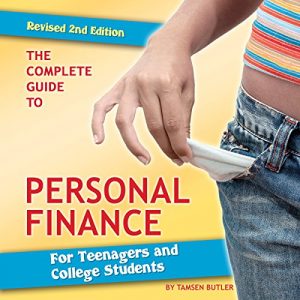
There are so many ways that teens can get started. Encourage them to think about what they are passionate about. Entrepreneurship often starts with an idea or a problem that needs solving. What are they genuinely interested in or concerned about? This could be a hobby, a social issue, or a personal interest. Understanding the fundamentals of business is essential. Your teenager can start by reading books (we will have our complete list of titles in our show notes), taking online courses, or enrolling in dual credit classes related to business and entrepreneurship.
Many organizations and local business associations offer workshops and seminars for young entrepreneurs. These events provide valuable insights and networking opportunities. Networking can also lead to opportunities. You might also think about finding a mentor who has experience in entrepreneurship can be incredibly beneficial. A mentor can offer guidance, share their experiences, and provide valuable connections.
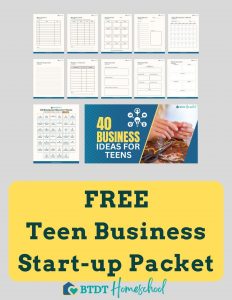
Encourage your teen to begin with a small venture or project. This could be a neighborhood lawn care service, teaching piano to younger students, selling handmade crocheted stuffed animals on Etsy, or a tutoring service. Starting small allows them to learn without taking on too much risk. Use the list we created to help them brainstorm and refine a business idea. It should solve a problem or meet a need in the market. They can conduct market research to understand their target audience and competition. And then you can use our teen startup packet to teach them how to create a basic business plan that outlines their goals, target market, marketing strategy, budget, and revenue projections. While it doesn’t need to be overly complex, having a plan helps them stay organized.
If their business involves a product, encourage them to create a prototype or Minimum Viable Product (MVP). This allows them to test their idea and gather feedback from potential customers. A friend of ours used to crochet those cute stuffed animals and sold them to other homeschool teens at Park Days, and eventually started to sell them at a farmer’s market that led to an Etsy shop. She’s so talented and she works fast, but she couldn’t keep up with demand!
Establishing an online presence through social media is crucial for most businesses today. Teach them how to create a professional online presence and use social media for marketing. They can also create their own free website. Teach them how to do that. There are so many great free tutorials on YouTube. Take advantage of them! The business world is constantly evolving. Encourage your teenager to stay informed about industry trends, new technologies, and changing consumer preferences.
Depending on the nature of their venture, your teenager may need some initial funding. They can use their savings, ask for a small loan from family members, or explore crowdfunding platforms for fundraising. Make sure they understand any legal requirements for operating a business in your area, such as permits, licenses, and tax obligations. Entrepreneurship involves taking risks, and not every venture will succeed. Teach them that failure is a part of the learning process, and it’s important to analyze what went wrong and apply those lessons to future endeavors. “Failure is success in progress.” – Albert Einstein
While your kids are exploring entrepreneurship, work and internships, it’s crucial for them to continue their education. A solid educational foundation can complement their working journey. It’s all about having a growth mindset. Remember to provide guidance and support throughout the process. All of these things can be extremely rewarding, but they can also be challenging. Our job as homeschoolers is to guide our children not only through curriculum, but to help them develop valuable skills and gain real-world experiences.
Scroll down for your FREE Teen Business Start-up Packet
Business success knows no age limit, and the next big idea can come from anyone, including teenagers. Whether your teen has an entrepreneurial spirit or simply wants to earn some extra cash on their terms, there is so much value in starting a business.
When you’re starting a business, you want it to succeed. However, it’s common for new entrepreneurs – at any age – to become fixated on a business idea that isn’t exactly feasible. As a teenager, you’ll want to maximize your chances of business success. Choose an idea that you know you can follow through on, from the initial creation of the product/service, to marketing it, to knowing that there are enough people within your reach who could be benefitted from your business.
BTDT Homeschool was created with a heartfelt mission: to empower and give back to the secular homeschool community.
No matter what age you are, there are legal requirements that must be adhered to by every business making money in the United States. This should be one of the first things you consider as a teenager starting a new business, as you’ll need to get the necessary permits and paperwork to make your business legal, so you can begin selling to customers. You can check online or with local officials to learn what you need to do to legally launch your business.
As a homeschooler, you have an advantage of a flexible school schedule to allow more time to pursue these interests. You’re also in some of the most transitional years of your life, as you move from high school to college – or straight into the working world. You’ll need to put extra thought into where you want your business to go over the next couple of years.
Fine Arts: the study of great works of art, the listening to uplifting pieces of music, and the freedom to be creative in any subject can enrich and expand what we already offer to our children. Art and music education has been proven to stimulate various cognitive functions, enhancing a child’s ability to think critically and problem-solve.
In a world driven by technology and academic excellence, it’s so very easy to overlook the significance of art and music education for our children. So often we are hyper focused on the three R’s- we want our kids to be strong readers, we want them to excel in math, we want to make sure we are hitting the STEM subjects so they can get into a great college or career. It is a sad reality that “Fine Arts” is one of the first subjects to get dropped whenever our homeschool schedules get out of whack. We might also be balancing multiple students or bogged down with outside classes and extracurriculars and it’s easy to just push art and music to the back burner. Or maybe you are not artsy, or your kid is not, and you wonder if this even matters.
But it does matter! And it’s so much fun! No matter what style of homeschool you use, art and music can be woven into your year. The study of great works of art, the listening to uplifting pieces of music, and the freedom to be creative in any subject can enrich and expand what we already offer to our children. Introducing art and music might even make you fall in love with these subjects, and possibly inspire YOU to get creative. A lot of people may not see the importance of art and music especially for children. They might think it’s boring, a waste of time, or for more mature students. But these creative disciplines play a vital role in shaping young minds, fostering holistic development, and nurturing skills that extend far beyond the canvas or the stage. And it’s never too early to expose young children to the arts.
Why is Art and Music Study for Children so Important? (6:37)
Cognitive Development
Art and music education has been proven to stimulate various cognitive functions, enhancing a child’s ability to think critically and problem-solve. When children engage in artistic or musical activities, they learn to analyze complex patterns, and use their imagination. These skills not only benefit their academic pursuits but also prepare them for real-life challenges.
Emotional Expression
Art and music provide a safe and expressive outlet for children to convey their emotions and feelings. Whether through painting, playing an instrument, or singing, these creative forms allow kids to explore and articulate their innermost thoughts. This emotional release can be particularly beneficial for children who find it challenging to express themselves verbally.
Creativity and Innovation
Nurturing creativity in children is crucial in today’s rapidly changing world. Art and music encourage kids to think outside the box, explore new possibilities, and develop innovative problem-solving skills. These disciplines foster a mindset that values uniqueness and diversity, which is essential for success.
Improved Focus and Discipline
Learning an instrument or creating a piece of art requires dedication, practice, and patience. These disciplines teach children the value of hard work, perseverance, and time management. As they strive to master their craft, they develop essential life skills that will serve them well in any endeavor.
Art and music are powerful tools for introducing children to different cultures and traditions. Exposure to diverse artistic expressions and musical styles helps broaden their horizons and fosters a sense of empathy and respect for others. This cultural awareness is invaluable in promoting tolerance and global citizenship.
Enhanced Communication Skills
Engaging in artistic and musical activities encourages effective communication. Whether collaborating on a group project, giving a presentation, or performing in front of an audience, children develop the ability to convey their thoughts and ideas with confidence and clarity.
Stress Reduction and Emotional Resilience
Art and music provide a therapeutic escape from the pressures of everyday life. Engaging in these activities can reduce stress and anxiety in children. The act of creating something beautiful or playing soothing music can have a calming effect, promoting emotional resilience and mental well-being. If you want to give your kids a well-rounded education, art and music study for children is just as important as mathematics, science, or language. These creative disciplines foster so much development and growth, emotional expression, creativity, and a host of other skills that prepare children for success in an increasingly complex world. Let’s prioritize the arts and music in our children’s education, recognizing that they are not just extracurricular activities but essential components of a holistic learning experience. By doing so, we empower the next generation to become individuals who can contribute positively to society and find fulfillment in their own unique ways.
Music
Incorporating Music into your homeschool (10:15)
Incorporating music into your homeschool curriculum can be a fun and enriching experience for your kids. Music not only enhances their creativity, but also offers so many educational benefits. Through the years we’ve done a variety of things to bring music into our home. This can even start before your child is even born. Singing and playing music to your baby helps develop a deeper connection with them. Make up songs for everything- getting in your car seat, waking up, cleaning the house. When not singing, provide instruments like a lap harp, to a maracas, to drums. Both my kids love music, but one has chosen to pursue music professionally. I made an entire year’s curriculum around music for him in middle school-and his year-end final project was building his own guitar.
Music Appreciation: Start by just introducing your children to a wide range of music genres. Listen to classical music, jazz, pop, folk, and world music. Discuss the differences in style, instruments, and emotions evoked by each genre. Just having music playing in the house or car is a great way to expose kids to music. And don’t be afraid to reach outside of your own comfort zone to introduce different types of music. There’s a good chance that your child has different taste in music, so expose them to all kinds of genres.
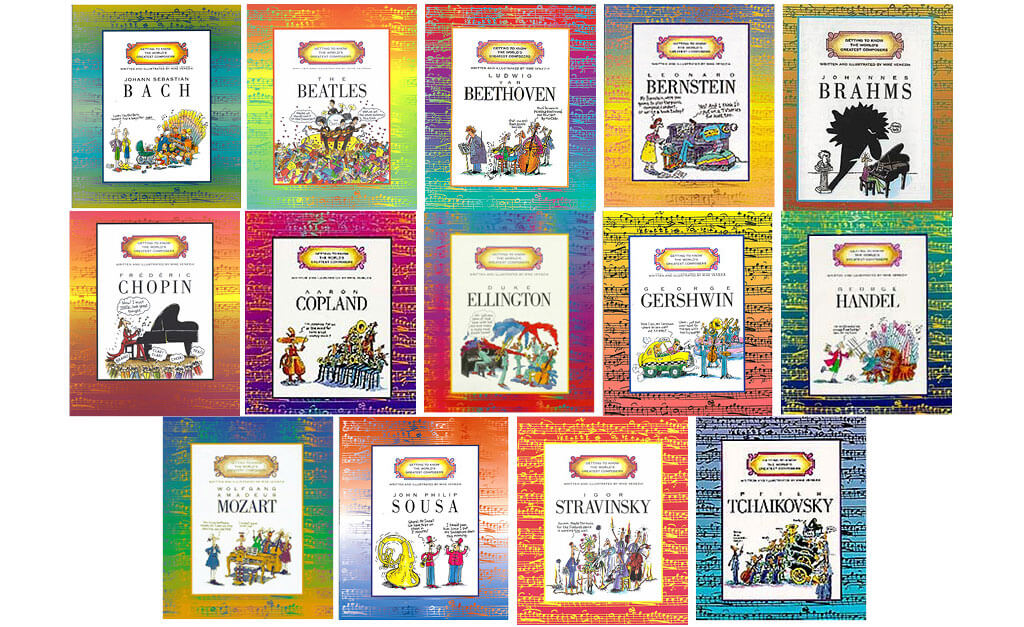
This Composer Book Series was a favorite for both of our families:
We also choose to explore the works of famous composers and musicians pretty early. You can find all kinds of fun picture books at the library about your favorite musicians and composers, and we loved the Beethoven’s Wig cds- they are classical music set with lyrics that are pretty catchy and very memorable. I love being at the symphony and one of my kids says I know the words to this song!
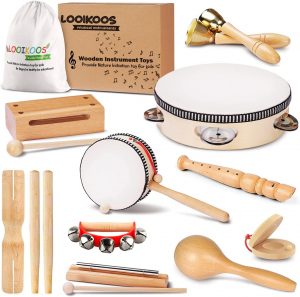
Musical Instruments: Consider offering your children the opportunity to learn to play a musical instrument. And this doesn’t have to be expensive. You can choose to do private lessons, but there’s also a lot of online lessons that are very affordable like on outschool or you can do lessons on DVDs. Instruments like the piano, guitar, violin, or even the recorder are good choices for beginners. Have a big basket of musical instruments in your house. You’ll be surprised at how popular these toys are!
Singing: Singing can be a wonderful way to bring music into your home. Encourage your children to sing along with their favorite songs or learn new songs. Singing helps develop pitch, rhythm, and language skills. You can incorporate singing into your daily routines, such as singing a “Good Morning” song or singing during chores.
Singing can also help teach reading. Karaoke was one of the ways that I taught my youngest how to read. Put a karaoke song on YouTube, give them a microphone and the reading instruction is done for the day!
One of the ways I taught my kids how to read is with Karaoke!
We took a couple classes when the kids were really little- Kindermusik and then Music Together. They are super fun mommy and me classes that really help introduce kids to music. I mostly took them for my toddler but my baby liked them so much- we did these for a long time.
Music Theory: Teach the basics of music theory, like reading sheet music, understanding notes, rhythms, and scales. There are so many resources for all age groups and skill levels. You really don’t have to be musical yourself to teach this. I will link some great resources in our show notes.
Music History: Explore the history of music, including different periods like Baroque, Classical, Romantic, and Contemporary. Learn about famous composers and musicians, their life stories, and the cultural context of their work. I did musical composer unit studies. I’ll link those books – They are so good for elementary age kids.
Create a Music Corner: You can dedicate a space in your home for music. Musical instruments, a music stand, Music note posters, a whiteboard for composing, and a collection of music books.
Music-Based Activities: Incorporate music into other subjects. You can also use songs to teach math concepts like memorizing multiplication tables or use historical songs to learn about different time periods.
Field Trips and Concerts: Attend local music concerts, performances, and musical theater productions. There are many symphony performances catered to kids and families. Some may feature popular songs, like Star Wars and other recognizable movie scores.
We’ve also done an instrument petting zoo where you can try out instruments. There’s also a lot of great museums and historical sites dedicated to celebrating music.
Music Challenges and Projects: Organize music-related challenges or projects. For instance, have your children compose their own songs, or research a specific musical era and present their findings.
Online Resources: There are also numerous online resources, apps, and educational platforms that offer music lessons, interactive activities, and quizzes. Take advantage of these resources to enhance your music curriculum. We’ve really enjoyed Learn & Master! There are some wonderful Music options on Outschool
Collaborative Activities: Encourage your children to collaborate with each other or with friends. They can form a band, write songs together, or create musical performances for a homeschool co-op or groups. There are even homeschool options for this in a lot of areas. We have a homeschool marching band, orchestra and such in our area.
My son was in School of Rock for a few years, and he met a lot of those kids there. He also does open mic nights and loves to perform. You don’t even have to perform; you can go and listen to some of the local artists.
My kids played with a local Irish Music school for years. They played in session bands at festivals and concerts and my kids competed at Irish dance competitions in a music category. We have friends whose kids busk on weekends for cash, too.
Remember that the goal is to make music an enjoyable part of your life. Encourage creativity and exploration, and allow your kids to pursue their musical interests and passions. Incorporating music into your homeschooling routine not only enriches your children’s education but also provides them with a lifelong appreciation for the art of music. Whether they become musicians or simply enjoy listening to music, the skills and knowledge gained from a musical education can have a lasting impact on their lives.
ART
Incorporate Art into Your Homeschool (26:40)
Like with music, you do not need to be terribly artsy to Incorporating art and artist study into your homeschool curriculum. This can be a rewarding and enriching experience for your children. It not only fosters creativity but also helps them appreciate the rich world of art and the artists behind the masterpieces.
Artistic Pursuits is a favorite Art Curriculum we both used with our children:
In the early days you can just start by having an art corner with supplies- like a basket of paper, tape, scissors, and markers. This was available to them all the time, and sometimes my kids would wake up before me and create 800 paper airplanes or drawings of the exact same thing and sometimes my house was overrun with little pieces of cut paper. I promise, it won’t always be like this. Remember that it is really about the process not the product.
Choose a different artist to study each month or semester. Dive deep into their life, works, and style.
Your kids can create a dedicated artist notebook or portfolio for each artist, where they can document their findings and create their own artworks inspired by the artist’s style. Ambleside Artist Study
Art Appreciation:
Visit art museums and galleries to see famous artworks in person, or take virtual museum tours online. Last year we did an entire school year of teen art programming at our local museum. Check and see what’s available in your area or ask a museum to do a class.
Analyze and discuss famous artworks, exploring their symbolism, themes, and historical context.
Have your kids keep an art journal where they can sketch, paint, or collage their thoughts, feelings, and observations.
Encourage them to use their journals to experiment with different art techniques and record their artistic progress.
Art Appreciation Challenges:
Create challenges or assignments related to specific artists or art movements. For example, ask your children to create a piece of art in the style of Vincent van Gogh or Jackson Pollock.
Host art exhibitions within your homeschool group or family and showcase your children’s creations.
Online Art Lessons: We’ve really enjoyed the painting instruction from Learn & Master.
Field Trips and Workshops:
Attend local art exhibitions, workshops, and art classes to provide hands-on experience and interaction with the local art community.
Seek out local artists who might be willing to give your children private art lessons or studio tours.
Art Books and Resources:
Build a library of art books, both for learning about artists and for practical art instruction.
Utilize online resources, such as art history websites, virtual art galleries, and instructional videos. You know one of my cheap art hacks is to buy end of year calendars and then sneak quality art prints into my kids bathrooms!
Combine art with other subjects, such as history (study the art of a specific time period), literature (illustrate scenes from books), or science (create art inspired by natural patterns).
Fibonacci Sequence: This sequence is closely connected to the golden ratio and frequently occurs in various facets of human life. The Fibonacci sequence can also be in the pattern in which sunflowers generate new cells for seeds and even in our own solar system, where the Fibonacci series is used to determine the distances of moons of certain planets such as Saturn, Jupiter, and Uranus. The Fibonacci sequence can also be in the pattern in which sunflowers generate new cells for seeds and even in our own solar system, where the Fibonacci series is used to determine the distances of moons of certain planets such as Saturn, Jupiter, and Uranus. Learn more about Fibonacci in Art in this YouTube Video.
Celebrate Creativity Encourage your children to explore their creativity freely, whether through drawing, painting, or other art forms. Display their artwork in your homeschool space to create a gallery of their creations.
Incorporating art and artist study into your homeschooling routine not only nurtures your children’s creativity but also helps them develop critical thinking skills, cultural awareness, and a deeper appreciation for the arts. It can be a dynamic and engaging way to enhance their education and broaden their horizons. What a fun way to learn!
Outschool is an education platform that connects teachers of any subject with students around the world for a variety of engaging small-group classes online. It gives kids the opportunity to explore their interests via interactive, live video by experienced, independent educators.
How Many Courses Does Outschool Offers?
Outschool offers variety of classes and over 100,000 Interactive Online Classes for every age group from 3 to 18 years. You can use it as full academic classes or supplements. You can also have your kids choose their favorites and dive into their interests. Below is the vast list of subjects your kids might be show interest in. The content appeals to all different types of learners and there are countless subjects. To name a few: life skills (like Future Chef’s Baking Club), social studies (like indigenous studies taught by members of First Nations), organization (like Conquering the Clutter), the arts (like Dance with Me and crochet), Study Skills to get ready for high school and college, and a First Grade Sight Word Bootcamp taught with fun and games.
What Type of Courses Does Outschool Offers?
Arts – Drawing, photography, dance, Theatre, Film, Sewing
Coding & Tech – Coding, Video Game Design, Robotics, Engineering, Internet Safety, Animation
English – Creative Writing, Grammar, Spelling, Book Club, Essay Writing, Poetry, Literature
Health & Wellness – Hygiene, Emotions, Exercise, Mindfulness, Nutrition
Life Skills – Cooking, Financial Skills, Study Skills, Social Skills, Critical Thinking
Math – Elementary math, Algebra, Numbers, Geometry, Fractions, Calculus, Statistics, Probability
Music – Guitar, Piano, Singing, Composers, Music Theory, Composing, Recording
I personally know several friends that teach classes on Outschool. Many are homeschoolers, and many are classes that my own children have taken and loved. In general, you can find varied teachers with different personalities and backgrounds. You can choose a teacher that fits best with your teaching preference and style. Some of the teachers are retired teachers and others are passionate parents who are passionate about a subject and are really good at teaching.
I’ve been really happy with every teacher we have used. They have kept my kids engaged and wanting to learn more about what is being taught. Most teachers offer a demo class for $20 or even less ranging between $10-15. You can use multiple trial and error demo classes to choose the best teacher that suits your requirements. When looking for a class, I would really recommend reading all the reviews about the teacher. Parents are pretty honest, and kids are pretty vocal when they’re not happy with a class.
Most of the teachers love teaching and are exceptionally good with kids.
Outschool offers small size classes and recommended class size to teachers as below:
For kids ages 6 and below – class size should be up to six learners in one class.
And for kids ages between 6-12 – maximum of 9 kids at a time is a pretty good class size.
Finally, Kids ages 12 and above – up to 12 learners are recommended.
The flexible schedule classes are capable of teaching 18 students at a time.
How Much is Outschool Classes?
Students can sign up for classes at a variety of costs. Most one-time courses go for around $10.00 to $15.00 per student, depending on the length and content. Students can also sign up for ongoing and semester courses, which are priced comparably to one-time courses. One-on-one classes and tutoring go for between $15.00 and $130.00 per session. Teachers’ charges vary as per subject, age range, content, and time.
What are the potential drawbacks of Outschool?
Here are some reasons that Outschool might not be a good fit for your family:
Teachers: Some of the teachers are individual contractors which can make the classes hit or miss. There’s no guarantee that the teacher is going to be a good fit for your child.
Special Needs: If your child has special needs, it is up to the teacher to decide if they will accommodate your child in their class. This is very inconvenient since some kids have different learning abilities at different levels. However, you can always reach out to the teacher before registering to address this issue to see if it’s a good fit.
Payment: Payment is required upfront. If you encounter a problem and want a refund, you need to make a strong case to get one approved.
Technical Problems: Technology isn’t perfect and if you I have tech issues, you may miss a live class. Fortunately, many live classes are available after, so your child can catch up if they miss. The best way to avoid this is to test out your equipment before class begins to make sure everything is working properly. They’ve made this system pretty streamlined.
Is Outschool Right For You?
Outschool is a good resource and opportunity for learning something you may not want to teach and outsource or learn more about a special interest topic. It’s also a great way to learn something new from somebody other than mom.
Personally, we have had a great experience and loved all the classes at Outschool. My kids have enjoyed both the group classes as well as one-on-one classes. They both prefer live classes but have also enjoyed pre-recorded classes because they can do them at their own pace.
Outschool has been a great time-saver tool and has allowed me time to work one on one with my children while my other child is in a class. There are also several classes my kids have done together.
I recommend that you try a class before you choose an 8-week program. Read all the reviews and sign up for a one-time class and see if the teacher seems engaging and is a fit for your family.
As parents and homeschoolers, we know how crucial it is to nurture a lifelong passion for literature. Finding the right books can make all the difference, especially during those middle school years when kids start diving into more substantial chapter books on their own. If you have a younger child, don’t miss our TOP 50 Books for New Readers.
Today, we’re sharing strategies to ignite a love for reading at this stage and presenting an exciting list of books that helped our kids fall in love with literature. If you are lost on how to homeschool your middle schooler, be sure to check out: Homeschooling Middle School.
As parents and homeschoolers, we understand the importance of nurturing a lifelong passion for literature and finding the right books can make all the difference. This is especially important during those middle school years as your kids begin to read more hearty chapter books on their own. The fundamental skill of reading serves as a gateway to academic achievement, personal growth, and lifelong learning and by immersing themselves in the world of books, middle schoolers can develop crucial skills, expand their knowledge, and unlock a world of opportunities.
We talk about Charlotte Mason often on our podcast as we’ve both subscribed to this homeschool method. She was a 19th-century British educator and believed in the power of living books and a more holistic approach to education. Living books are key to a Charlotte Mason education. These are well-written, engaging books that come alive and captivate the reader’s imagination. Facts and other information are often more easily retained when learned in this story form rather than using dry textbooks with no context.
We encourage you to take your kids and visit libraries and explore bookstores. Create a home library with all your favorites and make it easily accessible. By surrounding them with a wide range of quality literature, you are taking the first step to encouraging a lifelong love of reading. You can create a reading culture within your home by setting aside dedicated time for reading. Designate a cozy reading nook and model the love of reading by reading alongside your children. Let your kids see you reading often, as well!
Reading opens the door to a wealth of information and ideas. It allows students to explore different cultures, historical events, scientific discoveries, and social issues. By immersing themselves in books, middle school students expand their knowledge, broaden their perspectives, and develop a deeper understanding of the world around them.
Middle school marks a pivotal stage for refining reading skills. Regular reading practice helps kids bolster their vocabulary, comprehension, fluency, and critical thinking abilities. These skills lay the groundwork for success across various academic subjects and sets the stage for more complex content as they enter high school.
Reading forms the backbone of achievement in all disciplines. Whether it involves deciphering math word problems, analyzing historical texts, or comprehending scientific articles, proficient reading skills are indispensable. Middle school will introduce students to more complex texts and engaging with more complex content, it really empowers kids to navigate and tackle academic challenges with confidence.
The significance of reading extends beyond subject-specific knowledge. It plays a vital role in language development and communication skills. By immersing themselves in diverse genres and styles, students are exposed to a range of sentence structures, vocabulary, and writing techniques and fortifies their overall communication skills. These skills prove invaluable for problem-solving and decision-making in so many aspects of life.
We understand that for some kids in this age bracket, reading may not be a favorite activity. Especially if your child was pulled from a school environment that didn’t foster a love of reading but you can help guide them to discover the joy of reading. It’s also totally ok to do these books as read aloud if you have a kid that isn’t a strong reader. You can also listen to audio books or include graphic novels. Explore different genres like adventure, mystery, fantasy, or even graphic novels. That’s one reason that we came up with this fantastic list. There’s something for everyone!
Time can be a challenge too, so try setting aside a specific reading time each day. It could be during a quiet moment before bed or during a cozy weekend afternoon. Make it a habit, and soon you’ll find yourself eagerly anticipating that special reading time.
Remember, reading is not about speed; take your time to enjoy and savor the story. Also, help them to not be discouraged by the size of a book. Some of those books are really intimidating when you look at how fat they are. So, with those larger novels, you will want to teach them to break it into smaller chunks, reading a few pages at a time, and before you know it, they have finished the whole book.
Middle school serves as a crucial phase for cultivating a love for reading that extends far beyond the school years. By encouraging regular reading habits and nurturing a passion for books, you can instill a lifelong love for learning and personal growth. Books are such a wonderful source of inspiration!
Our Favorite Books List: (12:58)
The following books we list have captured the hearts and imaginations of not only our kids, but we love them too. We are including a variety of books from magical worlds to thought-provoking themes. These have become cherished favorites throughout our homeschooling journey. So grab a cozy spot, dive into these captivating books!
The series follows the adventures of the Penderwick family, Rosalind, Skye, Jane, and Batty, along with their father. The books are set in the fictional town of Cameron, Massachusetts and chronicle the Penderwick sisters’ escapades and their interactions with various characters they encounter.
This is a series of children’s fantasy novels that focuses on a family of tiny people who live secretly in the houses of “human beans” and “borrow” items to survive.
This book (and its sequel) tells the story of two cousins, Portia and Julian, who discover an abandoned community called Gone-Away Lake during their summer vacation.
This timeless classic introduces young readers to the power of imagination and the joy of following Harry’s incredible journey.
* J.K. Rowling’s hateful statements have steadily grown more blatant over the years and it caused us to be conflicted on whether we wanted to recommend this book series. But ultimately, we wanted to mention it because these books were cherished for years in our homes and the story is not a hateful one, and worthy of mention.
It introduces the Walker children—John, Susan, Titty, and Roger—who sail a small boat called Swallow on the fictional lake called Wild Cat. They encounter another group of children, the Blacketts, consisting of Nancy and Peggy, who sail their boat, Amazon. The two groups of children engage in imaginative and exciting adventures, including sailing, camping, treasure hunting, and forming rival pirate crews.
Riordan introduces mythology in a fun and accessible way. All of our kids were obsessed with Greek mythology. This is an epic adventure of mythical proportions! Tag along with Percy Jackson, a half-blood hero, as he battles monsters, uncovers divine secrets, and gets caught up in all sorts of hilarious and dangerous situations. We discussed in our learning disabilities episode how Rick’s own child suffered from dyslexia just like the demigods he depicted in his books.
Step through the wardrobe and embark on an epic adventure in a land of mythical creatures and epic battles. We adore the way Lewis weaves together fantasy and moral lessons, creating a thrilling read.
Follow Katniss Everdeen as she battles it out in a deadly televised competition. This thrilling series will keep your middle schooler on the edge of their seat.
Introduce your child to the captivating world of Middle-earth with Bilbo Baggins’ thrilling adventure. Tolkien’s rich storytelling and vivid descriptions will transport readers to a land of dwarves, dragons, and daring quests.
Prepare to have your heart melted! This is such a heartwarming and thought-provoking book that tells the story of Auggie, who is a boy with a facial difference navigating the challenges of middle school. We love how it promotes empathy and acceptance and the power of kindness and friendship.
This dystopian novel was one of my personal favorites. Imagine living in a society where everything is controlled, even your emotions. It’s mind-blowing as the main character, Jonas, unravels the truth about his seemingly perfect world. It’ll make you question everything you thought you knew!
Step into the shoes of Anne Frank and experience her remarkable journey during World War II and the holocaust. Through her personal diary entries, you’ll get a glimpse of her fears, hopes, and dreams. It’s a powerful and moving account that will stay with you. This memoir gives a glimpse into a dark period of history while emphasizing the strength of the human spirit.
Meet a group of exceptionally gifted children who are recruited to infiltrate a secret society and save the world from a nefarious villain. Packed with puzzles, wit, and teamwork, this series will keep you guessing until the very end.
Rival gangs and teenage struggles in this timeless coming-of-age novel set in the 60s. Friendship, loyalty, and social class Lucan resonate with young readers today.
Enter the magical world of an abandoned garden and witness the transformative power of nature. This timeless classic celebrates the beauty of friendship, resilience, and the wonders of the natural world.
This is a hilarious and twisted adventure! The main character gets sent to a camp where he has to dig holes every day. But there’s more to it than just digging—there are secrets to uncover, friendships to be made, and unexpected surprises that’ll totally keep your kid reading!
Follow the delightful and imaginative Anne Shirley as she finds her place in the world of Avonlea. Montgomery’s vivid descriptions and Anne’s infectious spirit make this classic a joy to read.
This is a moving story set in Nazi Germany follows Liesel Meminger as she steals books and finds solace in the power of words. Appropriately for the times, Death is our narrator and a major character. It’s really such a good book and makes you realize that there really are good people in the world.
Experience the transformational journey of Scout Finch as she learns about racial injustice and the power of empathy. Lee’s masterpiece tackles profound themes with grace, making it an essential read for every young mind.
This is a fantasy tale about a young girl named Luna, a witch, and a magical forest. Such an enchanting story. explores themes of love, sacrifice, and the power of stories. It’s a bit dark in the beginning but the story is beautifully written and great for all ages. This would be a good read aloud for those who aren’t quite reading yet too.
Join the Baudelaire siblings, Violet, Klaus, and Sunny, as they navigate a series of unfortunate events after their parents’ tragic death. This darkly humorous series is filled with quirky characters, clever wordplay, and mysterious plots. Also a movie and a show.
Such a heartfelt story of Ivan, a gorilla who lives in captivity in a shopping mall. The book is written from Ivan’s perspective. Your kids will learn about friendship, freedom, and the importance of compassion. This story was written simply enough for young readers to read on their own. Yet, well written enough to enable meaningful discussions around whether humans are good or bad.
It’s 1936, in Flint, Michigan. Times may be hard, and ten-year-old Bud may be a motherless boy on the run, but Bud’s has big ideas and a suitcase full of special things! The book is such a heartwarming story and shows life in the 1930’s through the eyes of a young boy. It shows the tragedy and the joyfulness of this era. You will fall in love with Bud.
I love time travel books. The Secret Lake follows Stella and Tom on an amazing journey as they begin a new life after moving from Hong Kong to London. Living in a townhome community with a large garden the two overcome summer boredom and homesickness by following the comings and goings of their neighbor’s disappearing and reappearing dog, Harry. Little did they know their furry friend would lead them on a wild journey through time tunnels and across a secret lake to friendships unimagined, intrigues and heroic rescue missions.
Additional books that promote inclusivity and diversity in literature: (29:55)
Books, especially those with diverse characters and narratives, are powerful tools for fostering empathy and understanding. Promoting diversity and inclusivity in literature is essential to ensure that all young readers can see themselves reflected in the stories they read.
Here are some exceptional books for middle schoolers written by people of color or featuring diverse characters:
“Brown Girl Dreaming” by Jacqueline Woodson: This memoir in verse shares the author’s experiences growing up as an African American girl in the 1960s and 1970s. It addresses meaningful topics like identity and the power of words.
“Ghost” by Jason Reynolds: The first book in the “Track” series, it follows Castle “Ghost” Cranshaw, a talented runner dealing with his troubled past while discovering the potential within himself.
“The House on Mango Street” by Sandra Cisneros: This oat a coming-of-age story of Esperanza, a young Latina girl living in Chicago, as she tries to find her place in the world.
“Inside Out & Back Again” by Thanhha Lai: This award-winning novel in verse chronicles the experiences of a 10-year-old Vietnamese girl named Hà as she and her family flee Saigon during the Vietnam War and settle in Alabama.
“The Crossover” by Kwame Alexander: Wow! This book is awesome! It’s filled with slick wordplay type poetry and clever font techniques. It follows twin brothers Josh and Jordan as they face challenges on and off the basketball court. Sibling rivalry and identity- it’s so good! Seriously, don’t discount it because it’s written in poetry word style.
“The Gauntlet” by Karuna Riazi: This middle-grade fantasy adventure draws inspiration from Arabian folklore and follows a Bangladeshi-American protagonist named Farah as she embarks on a treacherous board game-based quest to save her brother.
“One Crazy Summer” by Rita Williams-Garcia: Set in the 1960s, it follows three African American sisters who travel to Oakland, California, to spend the summer with their estranged mother and become involved in the Black Panther movement. It’s so good and is one of the readers in Byl
“Stella by Starlight” by Sharon M. Draper: Set in the segregated South during the Great Depression, the story revolves around 11-year-old Stella as she grapples with racial injustice and finds the courage to speak up.
“Front Desk” by Kelly Yang: This empowering novel explores the life of Mia Tang, a 10-year-old Chinese American girl who helps her parents manage a motel and faces challenges while fighting for justice and equality.
“We Are Not Yet Equal: Understanding Our Racial Divide” by Carol Anderson and Tonya Bolden: This nonfiction book examines the history of systemic racism in the United States, providing crucial context and fostering conversations about race, justice, and equality.
These books offer authentic voices, diverse perspectives, and stories that resonate with young readers from various backgrounds. They celebrate diversity and provide windows into different cultures and experiences, fostering empathy, understanding, and a sense of belonging.
Reading stands as a cornerstone of middle school education, unlocking the potential for academic success, personal growth, and lifelong learning. By embracing the written word, students develop critical skills, expand their knowledge, sharpen their minds, and cultivate empathy.
As we empower middle schoolers on their literary adventures, we equip them with the tools they need to navigate life, both academically and socially. Hopefully you’ll find some new favorites on this list or are nodding your head in agreement over books that are already on your shelf at home.
There’s no way we can cover all our favorites in one podcast episode so we will be creating an entire page listing. All our favorites with a short synopsis to find just the right one for your middle schooler, Please feel free to add titles in our comment section on social media. We’d love to keep adding to this list.
Are you a new homeschooler feeling overwhelmed or a seasoned veteran needing a confidence boost? You’re not alone!
In today’s episode, we’re here to help you overcome those fears and worries that all of us face on this journey. We’ll discuss when the right time is to start homeschooling, how you can teach subjects you’re not familiar with, and what you can do to build your confidence as a homeschool mom. Tune in to discover how you can find the confidence to homeschool your children, no matter where you are on your journey.
We all want the best for our children. Whether you’re a new homeschooler or have been homeschooling for years, everyone experiences fear and worry at some point. Sometimes when we have friends whose children are excelling in a certain subject, or sport, and we see their highlight reel on social media, it can be intimidating. But we all have these moments! We all feel uncertain about all our life choices at one point or another, it’s not just homeschooling.
There are a lot of reasons why people feel uncertain. This may be a brand-new road for them or sometimes it’s a matter of how aware we are of our own shortcomings. I struggled in math for years, and now I was taking on the responsibility of TEACHING math?! Or we struggled wondering if we would have the patience required to sit through lessons. Was I capable? How in the world was I ever going to teach upper-level science when I didn’t even understand it myself? It’s completely normal to lack confidence in something that you’ve not experienced before. Even if you’ve struggled with a subject in the past, you can be an exceptional teacher because you’re passionate about learning and teaching it now.
A big reason that people struggle with this is when a concerned and unsupportive friend or family member, or even a spouse puts doubt in their heads and tells them that they are incapable of such an undertaking. There are all kinds of stereotypes about homeschoolers out there, but most are simply NOT true. You are capable of homeschooling your children, and setting them up for success in homeschool, in college, and in life. It may be best to spend less time with unsupportive people.
If you have an unsupportive spouse, it’s important to listen to each other and your concerns – both of you. Homeschooling is a family decision and it’s an entire lifestyle. Let the results of all that you and your kids accomplish speak for themselves. Be patient with your partner as they grow to accept and hopefully embrace this new life. Have confidence in yourself and move forward and know it takes some people longer than others to get on board. Remember, they also have your kids’ best interest at heart.
Remember that there is no one more qualified to teach your children than you are. You’ve been teaching them all their life. In this episode, we are going to be identifying some strategies to help build your confidence but really the best way to grow in confidence as a homeschool mom is to DO IT. When we’ve decided that this is the best path for our children, if we are so terrified of making mistakes that we never try homeschooling or quit at the first sign of challenge, that is the real failure. If you are new to homeschooling, check out our Homeschool FAQ Guide.
There are so many reasons that families choose to homeschool. Some families have concerns about safety and their child’s well being and want to have more control over their socialization (possibly they have gotten caught up in the wrong crowd or bad influences that are affecting them negatively) or they may want to incorporate their beliefs, whether that be religious or cultural beliefs. Children who have had negative experiences in traditional schools, like bullying or social challenges, or feeling like a failure when they couldn’t keep up can thrive in homeschool.
Some parents are interested in customizing their child’s educational experience to meet their child’s individual learning style, pace, and interests. Some parents believe that they can provide a higher quality of education than what is available in the local public or private schools or theory may prefer alternative education philosophies. This personalized approach can lead to better academic outcomes.
Especially for children with special learning needs or learning disabilities, homeschooling can provide a more supportive and tailored educational experience. Gifted children also benefit since you can provide a more challenging or advanced curriculum.
Families with non-traditional lifestyles, such as frequent travel or remote living, may find homeschooling to be a more practical educational option. Homeschooling offers flexibility in scheduling, allowing families to create a learning environment that accommodates travel, family commitments, and other activities. Homeschooling allows for increased family bonding and more time spent together, strengthening parent-child and sibling relationships.
Every family’s decision to homeschool is unique and personal. Each family’s reasons and motivations may differ based on their specific circumstances, values, and beliefs. We always like to point out that every homeschool family is different. A lot of the time, we may be homeschooling for completely opposite reasons. But at the end of the day, we believe ALL parents CAN homeschool. You really just have to want to.
How do I know when to start homeschooling? (13:23)
Deciding when to start homeschooling is a significant decision that depends on several factors, including your child’s age, developmental readiness, family circumstances, and your personal preferences. Here are some indicators that it might be the right time to start homeschooling:
Maybe you have always planned to homeschool? Consider your child’s developmental stage and readiness for formal learning. Some children may be eager to learn and show signs of readiness at an early age, while others may benefit from more time in a less structured learning environment. Once you’ve made a decision to homeschool, I know how exciting it can be, but I would encourage you to not let your eagerness overshadow your child’s readiness. We see a lot of parents wanting to start formal lessons when their child is clearly showing signs that they aren’t ready. This can often lead to frustration for both you and them. Young children learn and retain information best through play-based learning.
If you have concerns about the traditional education system, such as the curriculum, teaching methods, or class sizes, and safety homeschooling can provide an alternative approach that addresses these concerns.
If your child has specific learning needs or interests that are not adequately met in a traditional school setting, homeschooling can offer a more personalized and tailored learning experience.
Consider whether you have the time, energy, and willingness to take on the role of a homeschooling parent. Homeschooling requires dedication and active involvement in your child’s education. Lessons may not take long, but homeschooling is more than academics. Your kids need to get out in their community and be with friends hanging at the park or playing board games, getting hands-on at the museums. Remember, learning doesn’t stop when the school books close and choosing to homeschool is a lifestyle.
Assess the availability of support networks, such as homeschooling communities, co-ops, and online resources. Connecting with other homeschooling families can provide valuable support and social opportunities for both you and your child.
Ensure that you are aware of the homeschooling laws and regulations in your country or state. Familiarize yourself with any necessary paperwork or reporting requirements.
If you’re unsure, you can start with a trial period of homeschooling to see how it works for your family. This will allow you to assess whether homeschooling is a good fit before committing to it long-term. If you’re pulling your child from a school environment that was not working for them, it’s important to spend some time going through the process of Deschooling. We have an entire episode about that but in summary, it is a process to help your child transition into homeschooling if they’ve been in a school environment. If you are deschooling, download your FREE 90 Deschooling and Boredom Ideas List.
Remember that there is no one-size-fits-all answer, and the decision to homeschool should be based on what you believe is best for your child and family. Take the time to research, reflect, and discuss the idea with your partner and any other involved parties before making a final decision. But also remember that like we talked about in our deschooling episode, don’t be afraid to take that plunge. You don’t have to keep your kid in a bad situation because you feel like you don’t have a plan. You aren’t going to ruin a 4th grader by pulling them now and going through the process of Deschooling while you figure things out.
How do I teach subjects I don’t know? (19:00)
You do not need to be an expert in any subject to adequately teach your children. Teaching subjects you don’t know as a homeschooler can be a bit challenging, but it’s also an excellent opportunity for both you and your children to learn together. Here are some strategies to tackle this situation:
Scripted Curriculum: Many curricula are totally scripted- the entire lesson is laid out for you with your questions and answers. This takes so much of the pressure off! And speaking of curricula- there’s a million options out there (we just did an episode on the 7 steps to choosing curriculum) so don’t feel like you need to come up with something on your own. Visit our Curriculum Guide>>
Hands on Learning: So many children, especially young ones learn best with hands-on activities. We did so much of this with my kids. With math for instance,If you can count and recognize numbers you can teach a 3 year old math. Use objects to help your child visualize counting. Read books with numbers and counting. Point things out in everyday life.
Online Resources: Use online learning platforms, educational websites, and tutorials to learn the subject with your child. There are numerous resources available for various subjects, including math, science, coding, languages, and more. Khan academy is one we use often when we have trouble with a math or science problem and need a better explanation. BrainPOP is an excellent resource that we have used for years.
Along with that is….Educational Apps and Software: Explore these tools that provide interactive learning experiences for your children. Many of these are designed to be self-guided, making it easier for your kids to explore subjects independently. While we don’t advocate for online programs for little kids, there are a lot of cute supplementary apps and programs that can help with things like reading. Starfall is a good option for younger kids.
Online Courses and local classes or tutoring: Consider enrolling your children in online courses or outsourcing to a local teacher or tutor who specializes in the subject you are unfamiliar with. This can provide them with expert guidance and support in their learning journey. We used both Outschoolfor all kinds of subjects and Thinking Reeds for upper-level science and math.
Co-ops with Other Homeschoolers: Connect with other homeschooling families who have expertise in the subjects you’re less familiar with. Organize study groups or cooperative learning sessions where kids can learn together under the guidance of parents with more knowledge in those areas.
Library Resources: Utilize your local library to find books, DVDs, and other resources related to the subjects you want to teach. Libraries often offer educational programs and workshops, which can be beneficial for both you and your kids. Use Libby at your local library
Field Trips and Real-Life Experiences: Whenever possible, incorporate field trips and real-life experiences related to the subject. Visiting museums, science centers, historical sites, or nature reserves can enhance learning and understanding. We have an entire resource page on field trips that is totally awesome! Download your FREE Field Trip Packet
Documentaries and Educational Videos: Use educational documentaries and videos as supplementary learning materials. They can provide valuable insights and explanations on various topics. We love Crash Course, and Horrible Histories Videos, and Donuts and Documentaries Monday!
Horrible Histories explores the side of history that they don’t teach you about in school! From the Vicious Vikings and Awful Egyptians to the Slimy Stuarts and Terrible Tudors, Horrible Histories covers the funniest, yuckiest and most gruesome bits of history for kids.
Encourage Independent Learning: Foster a love for self-directed learning in your children. Provide them with the necessary tools and resources, and encourage them to explore subjects on their own with your support and guidance. Encourage your children to ask questions and explore their interests. Facilitate their curiosity-driven learning, and let their interests guide the direction of their studies.
Learn Alongside Your Children: Embrace the journey of learning together with your kids. Show them that it’s okay not to have all the answers, and that learning is a lifelong process. While you may not be an expert in a particular subject, you can still teach core skills like critical thinking, problem-solving, research, and communication. These skills are valuable in any subject area. It’s important to model that we are also continuing our education as adults- we never really stop. Remember, homeschooling is about creating a nurturing and supportive learning environment. Embrace the opportunity to learn alongside your children, and you’ll not only gain knowledge in new subjects but also set a wonderful example of lifelong learning.
How do I build up my confidence as a homeschool parent? (27:18)
Building up your confidence as a homeschool parent is essential for creating a positive and effective learning environment for your children. A lot of homeschool parents talk about how they NEVER believed they were capable! Maybe you didn’t do well in school yourself, but you are your child’s parent and the person who loves them the most in this world, so you are the best person to be teaching them! You will know what’s best for them and the fact that you know you want to homeschool is a sign of that.
Set Clear Goals: Define your objectives for homeschooling. Knowing what you want to achieve will give you a sense of purpose and direction, making it easier to stay confident in your decision.
Educate Yourself: Continuously learn about homeschooling methods, curriculum options, and child development. The more you know, the better equipped you’ll be to handle challenges and make informed decisions. Top 10 Books Every Homeschool Parent Should Read
Create a Supportive Learning Environment: Organize your homeschooling space to foster a positive and engaging learning environment for your children, which will also boost your confidence as you see them thrive.
Start Small: Begin with manageable tasks and gradually expand your responsibilities as you gain confidence. Don’t overwhelm yourself with too much at once.
Be Flexible: Homeschooling may require adjustments along the way. So Stay open to trying different approaches and adapting your methods as needed.
Join Homeschooling Communities: Connect with other homeschooling parents through online forums, social media groups, or local support networks. Sharing experiences, tips, and encouragement with like-minded individuals can be very empowering. Don’t hesitate to seek advice or guidance from experienced homeschooling parents, educational consultants, or even therapists. Having someone to talk to can help you gain perspective and new ideas.
Attend Workshops and Conferences: Participate in homeschooling workshops, conferences, and seminars to gain new insights, meet other homeschooling parents, and stay motivated.
Celebrate Achievements: Recognize and celebrate both your children’s and your own accomplishments. Acknowledge the progress you make, no matter how small it may seem.
Embrace Mistakes: Understand that making mistakes is a natural part of the learning process. Instead of being discouraged, use them as opportunities for growth and improvement.
Reflect on Your Children’s Progress: Keep a record of your children’s achievements, their academic progress, and personal growth. Sometimes just Reviewing these positive outcomes can remind you of how far you’ve come and the significant value you bring to their education.
Trust Yourself: Remember that you know your children better than anyone else. Trust your instincts and intuition when making decisions about their education.
Self-Care: Take time for yourself. Set aside time for relaxing, hobbies, exercise, and activities that recharge you. You know I love my sports! A well-rested and balanced mom is better equipped to handle all those homeschooling challenges.
Practice Patience: Be patient with yourself and your children. Homeschooling is a journey, and progress may not always be linear.
By incorporating these strategies, you can gradually build your confidence as a homeschool mom and provide your children with a fulfilling and enriching educational experience. Confidence is a journey, and it’s okay to have moments of doubt. We all have these feelings at one time or another! Embrace the challenges, celebrate the successes, and enjoy the process of learning and growing together. Take some time to write down all the reasons why you have chosen to homeschool. In these moments when doubt and fear surface, go back and read and reflect on the big picture. It’s essential to remember all the reasons why you chose to homeschool in the first place. Homeschooling is not something you have to do, it’s something you choose to do because you know in your heart this is the right path for your family.
Should extracurricular activities be included on your homeschooler’s transcript? How many volunteer hours should they aim for? And do hobbies count as extracurricular subjects? These are key questions for any homeschooling parent, and in this episode, we’re diving into them all! We’ll explore how adding extracurricular activities and volunteer hours can make your student stand out on college applications and in job interviews, all while keeping their education exciting and diverse. Tune in to get the answers and learn how to make the most of these opportunities!
If your student is college bound, you have probably spent a lot of time agonizing over putting together a transcript of robust classes and grades so that you can showcase the rigor and variety of education experience your child has been busy with. But colleges and universities are not only interested in academics, but they also want to see well-rounded applicants who participate in a variety of activities and are active members in their community. Admissions staff are often looking for students who understand how to build into a community because this can help build good college culture. Colleges like to know that homeschool high schoolers are not just sitting at home but know how to contribute to the world around them. There are all kinds of ways to build that “Total College Package” that will make your student a super desirable candidate. Volunteering and participating in a variety of extracurricular activities not only helps build good character, but they build great transcripts too!
But remember there’s only one absolute must in all of this. And that is to follow your state homeschool law. There are plenty of kids that get into college that were homeschooled without this extra, but it definitely helps you stand out. It’s also important to check the college requirements and put those into your plan. But beyond that, everything you do is your choice.
And even if your child is not college bound, participating in extracurriculars and community service is still an excellent way to figure out their future path and to contribute to society. So don’t discount this important step of their educational journey. It will help create memories that these homeschool graduates can talk about in job interviews, too. Interviews often start with “Tell me about yourself”. Your new graduate that may not be college-bound will have plenty to talk about!
But there are so many more reasons to participate in these activities.
Skill Development:
These opportunities will help your teenager develop a wide range of skills beyond what is taught in the classroom. These activities can help enhance their leadership, teamwork, communication and time management skills. It also helps them home in on those critical thinking and problem-solving skills.
College Applications: Participating in extracurricular activities and volunteer work can significantly strengthen your college applications. Admissions officers often look for well-rounded applicants who have demonstrated their commitment and passion outside of academics. Your involvement in such activities can make you stand out from other applicants and showcase your dedication and interests.
Personal Growth: Extracurricular activities and volunteering offer opportunities for personal growth and self-discovery. Your high schooler can explore their interests, passions, and talents. These things are going to allow them to develop a sense of identity and purpose. These experiences can also help build their confidence. It really doesn’t matter what kind of extracurricular activities your kids choose to do, there are so many options, and each one is going to help them to develop resilience and learn to be adaptable – these are all really important qualities for success in life.
Networking: Participating in extracurricular activities and volunteering can help you expand your social network. You’ll meet people with similar interests, make new friends, and connect with mentors who can provide guidance and support. Networking is valuable not only during high school but also in college and beyond, as these connections can lead to future opportunities.
Community Engagement: We have always made volunteering a big part of our homeschool. Volunteering allows your kids to give back to the community and make a positive impact on others’ lives. Volunteering cultivates empathy and compassion. It also gives you a sense of social responsibility, it exposes them to different social issues. These kinds of experiences really help our kids to understand the world beyond their immediate surroundings.
Exploration of Interests and Passions: Extracurricular activities provide a platform to explore and pursue your passions. Whether it’s joining a sports team, participating in a debate club, or engaging in artistic endeavors, these activities allow you to discover what you truly enjoy and what you may want to pursue further in the future.
Stress Relief and Balance: High school can be academically demanding and stressful. When our kids are involved in extracurricular activities and volunteering, it can provide a much-needed break and serve as a healthy outlet for relieving their stress. It can help create a balance between academics and other aspects of life, and it gives them a sense of overall well-being.
Remember, it’s important to choose activities that genuinely interest you and align with your values. Quality matters more than quantity, so focus on a few activities that you’re genuinely passionate about and commit to them wholeheartedly.
How many volunteer hours should a high schooler do? (10:13)
This number of volunteer hours that highschoolers do varies depending on their personal goals and how much time they have available. While there is no specific requirement, many aim to complete between 50 and 200 volunteer hours. A general guide is to aim for 10–15 hours per month during the school year, and as much as possible over the summer. Remember, there’s no specific number but it’s a good idea to shoot for enough to gain valuable experiences and make a positive impact.
Here are a few factors to consider:
Personal Interest: Engage in volunteer activities that align with your interests and passions. Choose causes or organizations that resonate with you and where you believe you can contribute meaningfully. When you are genuinely interested in the work you’re doing, you are more likely to commit and enjoy the experience.
Time Availability: Consider your academic workload, extracurricular commitments, and other responsibilities when determining the number of volunteer hours you can realistically dedicate. Is your student working to try to save up for a car? That may be 20 hours a week really cutting into their free time for volunteering. It’s important to strike a balance with all your commitments while maintaining their academic performance and overall well-being.
Requirements and Recommendations: Some schools, scholarships, or programs may have specific requirements or recommendations for volunteer hours. It’s advisable to check with your school’s guidance counselor or college admissions offices to see if there are any guidelines to follow. However, keep in mind that the quality of your volunteer experiences is generally more important than the sheer number of hours.
Consistency and Longevity: Rather than focusing solely on the number of hours, consider the consistency and longevity of your volunteer commitment. Demonstrating long-term dedication to a cause or organization can be more impactful than sporadic involvement. It shows commitment, responsibility, and a deeper understanding of the cause you’re supporting.
Ultimately, the goal of volunteering is to make a positive impact and gain valuable experiences, so it’s more important to focus on the quality of your volunteer work rather than getting caught up in meeting a specific hour quota.
Should extracurricular activities go on the transcript? (13:26)
So while you definitely want to include extracurricular activities with your application materials, the transcript is typically not the place for it. You want to keep academic achievements and coursework as essential components of a transcript, while extracurricular activities highlight their involvement, skills achieved, and interests beyond the classroom. These activities go on a resume or a second page or often, there is a space on the school application, or Common App where you can list all of this information. Including this information can give colleges, universities, or future employers a well-rounded view of your abilities, dedication, and character.
When listing extracurricular activities on your resume or in your application documentation, consider providing the following details for each activity:
Name of the activity: Clearly state the name of the extracurricular activity.
Duration: Specify the period during which they participated in the activity (e.g., years or semesters).
Role or position: Indicate any leadership positions or significant responsibilities they held within the activity.
Description: Briefly describe the nature of the activity and their involvement. Highlight any notable achievements, awards, or recognition they received.
Remember, the goal is to provide a well-rounded picture of your high school experience, so focus on including activities that demonstrate your skills and passions! Examples of extracurricular activities you may want to include are sports, clubs, community service, volunteering, music or arts-related activities, leadership positions, part-time jobs, internships, or any other relevant activities. All of these can help you stand out and showcase your holistic development and commitment beyond academics.
Do hobbies count as extracurricular subjects? (15:46)
So while hobbies may not typically fall under the traditional definition of extracurricular activities, they can still provide valuable insights into your interests, skills, and personal development. Especially if your hobbies are particularly relevant to your field of study or demonstrate important qualities, it may be worth considering including them.
Maybe they align with their academic interests or showcase skills that are transferable or applicable to their desired path? Have their hobbies had a significant impact on their personal growth, character development, or community involvement? If their hobbies have led to noteworthy achievements or contributions, they can and should be mentioned. It’s essential to maintain a balance and focus on including activities that provide the most comprehensive and compelling representation of your abilities, interests, and accomplishments.
Many people worry about extracurriculars because maybe they have a kid who isn’t sporty or particularly artsy or crafty. That’s ok! There are so many different avenues for extracurriculars and there are few rules about what counts. It’s your homeschool- you decide what is important and worthy.
Cameron building a guitar. Perfect hobby for a musician!
Sports
The first thing that typically comes to people’s minds are sports. And just because your student is homeschooled doesn’t mean they don’t have opportunities for team and individual sports. While in some places homeschooled kids can participate with local school teams, in other areas support groups have formed homeschool teams in basketball, soccer, baseball, volleyball, track and field, swimming, tennis, martial arts, dance, cheer, and more. There are also independent teams- rec and club level in many communities that offer these same services.
Golf was a lot of fun for my daughterMy son really enjoys ballroom dancing
Group Activities
Personal interest clubs – Dungeons & Dragons, board game club, programming club, engineering club. My son was a member of the Texas Robot combat club for a few years and built combat robots from the design and a CAD program to 3-D printing, the chassis to mounting the servo and programming the remote and weapon. He actually won a couple of really cool competitions.
Government groups/Speech & Debate:
Model United Nations (MUN) is an educational simulation activity in which students role-play as delegates to the United Nations (UN) and simulate UN committees or other international bodies. MUN aims to provide participants with an understanding of international relations, diplomacy, and the workings of the UN. During a Model UN conference, students represent different countries or entities and engage in debates and discussions on global issues. They research their assigned country’s policies, they prepare position papers, and engage in negotiations with other delegates to find solutions to complex problems. Participants must articulate their country’s positions, negotiate with other delegates, and draft resolutions that address the issues being discussed.
Model UN Representing Italy Resolution: Water Desalinization…PASSED!
In a Youth and Government program, participants take on roles such as legislators, judges, lobbyists, journalists, or executive branch officials. They simulate the functions of government bodies, such as the state legislature, judiciary, or executive branch, and work together to propose, debate, and enact legislation, make judicial decisions, or carry out executive functions. The program aims to provide young people with firsthand experience in how the government operates, and it helps foster a deeper understanding of democracy, civic engagement, and public policy. Participants gain insights into the legislative process, develop critical thinking and public speaking skills, learn about policy issues, and engage in debate and negotiation.
Our Youth and Government Conference at the Texas State Capitol
These gave our kids “student council” experience, too, which they went on to use in college on their university student council groups or sorority/panhellenic leadership.
Robert’s Rules of Order is a book that outlines the rules of parliamentary procedure. It is used by many organizations to help them conduct their meetings in an orderly fashion. The book is useful for youth organizations as it can help them learn how to run meetings for their clubs or organizations.
Academic competitions
Participating in academic competitions, such as mathletes, science fairs, and opportunities include Jr. Achievement, Scholastic Bowl or National Quiz Bowl, Math and Spelling Bees, and Odyssey of the Mind competitions, or speech and debate tournaments can challenge and showcase a student’s knowledge and skills in specific subjects.
High-school students can form 4 H clubs in your homeschool group. Your children can raise livestock, collect insects, decorate cakes, or learn woodworking. There are literally hundreds of projects for children to try. They can compete at the county fair with their annual project. Parents are closely involved with the whole process. Leadership is carefully taught as each club is run by the children using “Robert’s Rules of Order.” Only children vote in these meetings.
At our recent homeschool expo I met the guy who runs the lone Texas 4 H Center- just 1! In Georgia we had several and they are worth the trip. 4 H is an awesome organization and they often will do group events for a very small group- like 10 people. That can be 3 homeschool families!
Scouting can be a great source of leadership training. Merit badges include excellent units of study and mastery to add to your curriculum. An Eagle Scout for boy scouts is an amazing accomplishment and girl scouts have the Gold Award which is a prestigious honor that recognizes exceptional leadership, project management, and commitment to making a sustainable and positive impact in their community. Similar to the Eagle Scout rank, earning the Gold Award requires a Girl Scout to complete a series of requirements, including identifying a community issue, developing a project plan, gaining necessary approvals, implementing the project, and measuring its impact. It also involves demonstrating leadership skills, engaging with community members, and dedicating a significant amount of time and effort to the project.
BSA also offers Venture Scouting. This is a great option for teenagers that have never been involved in scouts or are continuing on. It is a co-ed program for young men and women aged 14-20. It focuses on adventure, leadership, and personal development through activities such as outdoor adventures, community service, and skill-building. And they offer Sea Scouts as a program that emphasizes nautical skills and water-based activities. It offers opportunities for young men and women aged 14-20 to learn about sailing, boating, and water safety while fostering leadership and teamwork.
My daughter’s Venturing Scout Troop backpacking for 10 days in the Arizona Mountains:
My daughter was the lead navigator!
Civil Air Patrol
If your teenager enjoys the thought of helping others, wearing a uniform, and flying airplanes, then the Civil Air Patrol Cadet Program might be a good fit for them. This is an auxiliary organization of the U.S. Air Force. Cadets learn aeronautics, aviation, military drills, marching, survival skills, and first aid skills. Uniforms, gear, and equipment are included at no additional charge. Cadets are promoted on their own merits through testing and achievement.
I did this when I was in high school. I was also part of an emergency services department as a ham radio operator. I went out on calls and would do things like communicate with 911 and direct traffic. It was an arm of our county sheriff’s department. Check and see if your city has a similar program.
Community Programs and Classes, fine arts
Your student may enjoy being a part of a theater production or orchestra. One of our kids is a musician, and took lessons and performed with School or Rock for years. He has since moved onto classical guitar, but it was a good stepping stone for him to get in front of an audience and learn stage performance. He wants to pursue music, and he loves jazz and classical music so he performs weekly at an open mic night here in North Texas. And he started to teach guitar to younger students. Some of our kids are fiddle players.
Here is Cameron performing with one of his School of Rock Bands
Check your local recreation center catalog for a variety of classes. Fitness groups like Crossfit or a weightlifting class can be great, too.
Book Discussion Groups
Many homeschool students form book discussion groups. Book selection can be made by the students, with parental input. This gives the students a chance to learn more about “give and take” or Socratic discussion, public speaking, and how to defend their position in a non-threatening atmosphere.
Community Service
There are many ways teens can become involved in serving their community, such as hospital volunteer work, helping at an animal shelter, visiting a nursing home, doing yard work for an elderly neighbor, reading to neighborhood children, etc.
They can get great experience working on a political campaign. We canvassed for a very popular senate election a few years ago. Kids as young as 15 can be poll officials in our county election office. During the 2020 presidential election the most experienced clerk was actually a young man in his 20s who had started working there in high school as a teen.
Journalism and publications: Students can create or join in a school newspaper, join a yearbook committee, or literary magazine, where they can develop their writing, editing, and design skills.
Leadership programs: Leadership programs such as Junior ROTC, National Honor Society, or leadership clubs provide opportunities to develop leadership abilities and contribute to the school community.
Entrepreneurship or business clubs: Students interested in business and entrepreneurship can participate in clubs that focus on developing entrepreneurial skills, organizing business competitions, or engaging in fundraising activities.
Apprenticeships or Internships or part time jobs
Activities abound, but don’t overlook the unique opportunity you have to involve your teens in your adult life! Do you own a business? Train them to be your assistant. Are you a craftsman? Take on an apprentice! Our lovely podcast jingle was written and recorded by my lovely 16-year-old apprentice. Students can seek internships or part-time jobs in fields related to their interests or career goals, gaining practical experience and skills. Like I talked about my son teaching guitar lessons.
So hopefully, if you aren’t already encouraging your child to explore extracurriculars and community service, we gave you some ideas of where to start! These are the kinds of activities and experiences which really stay with you your entire life and have so many benefits all around.
Scroll down for your FREE Science Bundle to learn all about Cells
Years ago, kicked off our “Not Back to School” week with a fun and memorable project: the Jello Cell Activity! My kids are teenagers now, but they still remember how much they enjoyed it.
Cells are the building blocks of life. Every living organism, from plants to animals, is made up of trillions of cells, each containing organelles that perform essential functions, enabling the organism to thrive. With this activity, you and your children can create an edible cell model to explore the structure of cells in a fun, hands-on way! For more creative ideas and to download free first day questionnaires and photo signs, be sure to visit our First Day of School page!
For a wealth of tips, creative activities, and hands-on experiments that bring science to life, explore our Hands-onScience Page. Discover how to make learning science an engaging and enjoyable experience for your children!
Materials Needed*
Small strips of paper
Tape
Toothpicks
Jell-O mix
Water
Glass square container
Pineapple Ring
Maraschino Cherry
Fruit roll-ups
Sugar-coated gummy worms
Smooth gummy worms
Gumdrops
Sixlets
Raisins
Gobstoppers
Sprinkles
*Use any variation of candy to represent if you can’t locate an ingredient. Get creative!
No Caption
No Caption
No Caption
No Caption
No Caption
No Caption
BTDT Homeschool was created with a heartfelt mission: to empower and give back to the secular homeschool community.
Enjoy your delicious and educational Jell-O cell model!
Labeling the Organelles
Write the name of each organelle on a small strip of paper.
Tape each strip to a toothpick.
Insert the toothpick into the gelatin next to the corresponding organelle to label the components of your cell model.
Preparing the Jell-O
Make the Jell-O according to package instructions, but use about ¾ of the recommended water.
This ensures your “cytoplasm” will be sturdy enough to hold all of the “organelles” without shifting or sinking to the bottom of the cell.
Creating the Cell Model
Pour the Jell-O into a container (a glass square container works well).
The container will act as the cell wall or membrane.
For a plant cell, you may want to use lime Jell-O.
Setting the Jell-O
Place the Jell-O in the refrigerator for about 45 minutes, until it is almost set but not quite.
While waiting, prepare the other supplies.
Cut the nectarine in half, ensuring the pit stays in one half.
Cut the fruit roll-ups into ¼ inch strips.
Adding the Organelles
Nucleus: Slip the pineapple ring with cherry into the center of the Jell-O representing the nucleus
Rough and Smooth ER (endoplasmic reticulum): Place some sugar-coated and smooth gummy worms around one side of the nucleus to represent rough and smooth ER.
Centrosomes: Push a few gumdrops around the nucleus
Lysosomes: Scatter sixlets through the Jell-O for lysosomes.
Mitochondria: Use raisins to represent the mitochondria.
Vacuoles: Use Gobstoppers to symbolize vacuoles.
Ribosomes: Sprinkle the Jell-O with sprinkles to represent ribosomes.
Golgi bodies: Fold your fruit roll-ups into accordions and insert them as Golgi bodies.
Finalizing the Cell Model
Allow the Jell-O to set for about 20 more minutes, or until fully set.
This hands-on project will not only provide a fun and engaging activity in your homeschool, but it also teaches your children to visualize and understand the structure of cells in a creative way.
Years later, when my son was in Homeschool High School Biology, he created a “Cell Cake” without my help. He had a lot of fun with this one too!
Years later, when my son did Homeschool High School Biology, he created a “Cell Cake” without my help. He had a lot of fun with this one too!Learn more about cells >>



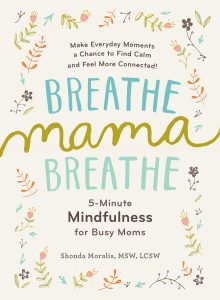
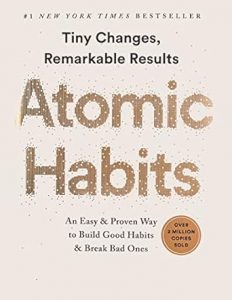


 All Ages
 Enjoy this FREE 23-page
 Grades 1st-5th
 All Ages
 This year’s Shark Week will include Aquaman himself, Jason Momoa, as host!
  Shark Week is an annual television event that celebrates all things shark-related and has helped educate people and increase conservation efforts of sharks.
 all the way down to a carbon atom
  We have something like this at our local science museum and my kids love it. All Ages