Blog ONLY

High School Electives for Homeschoolers


volleyball, ball, player-520093.jpg

High School Electives for Homeschoolers


Visit our HIGH SCHOOL SERIES for more guidance as you navigate homeschool for 9th-12th grades and prepare for college or the workforce:

When it comes to electives, your imagination is all that limits you! Typically, there will be one to three elective courses in each year of high school. Too many electives can overshadow the core academic courses, so you need to find a healthy balance.

Elective courses require less work from your student than core academic courses. While some electives fit within the core academic subjects of Math, Language Arts, History, Science, Foreign Language, others are not core subjects at all – for example, PE, Auto Maintenance, Theater, and Cooking.

You will be able to find existing curricula for many of the elective courses your student might want to take. However, you can easily design these courses yourself. This is the fun part, and the possibilities are endless!

Your student’s electives should reflect who they are and what they are all about.
Planning out your Core Subjects and Electives>>

When we think of electives, some things come to mind:

  • This is one of those places where you can incorporate their talents, interests, and achieve that stand out status.
  • Electives can allow them to explore career options.
  • Calls for authentic experiences- they can oversee their own education and incorporate many different ways of learning.
  • Electives leave room for unconventional experiences like internships and more.
  • They don’t have to require a lots of book work.

BTDT Homeschool was created with a heartfelt mission: to empower and give back to the secular homeschool community.

Through our informative podcasts, blog posts, daily inspiration, and a wide range of free printable tools, we aim to empower you on your homeschooling journey.

New to Homeschooling>>>

APPLESPOTIFYAMAZONYOUTUBE
This is by no means all the options, but this list may inspire you to think outside the box of possibilities:

Business

Accounting
Advertising
Business law
Business management
Consumer education
Business math
Entrepreneurial skills
Financial management
Intro to economics
Marketing

Language and Writing

Advanced composition
African literature
Asian literature
British literature
Cinema studies
Contemporary literature
Creative writing
Debate
Film study
Gothic literature
Humanities
Journalism
Poetry
Popular literature
Practical writing
Public speaking
Rhetoric
Yearbook
Works of Shakespeare
World literature

Family, Life Skills and Consumer Science

Chemistry of foods
CPR training
Culinary arts
First aid
Early childhood development
Early childhood education
Family studies
Fashion and merchandising
Fashion construction
Home economics
Nutrition
Auto mechanics
Driver’s ed
Speech/Communications
Financial management
Home economics and management
Industrial arts
Interior design
Electricity
Plumbing
Gardening

Office skills

Communication
Creative writing
Communication skills
Debate
Journalism
Public speaking
Research skills/writing
Speech
Study skills

Computer

Animation
App development
Audio production
Computer repair
Computer applications
Desktop publishing
Film production
Media technology
Music production
Typing
Video game development
Graphic design
Keyboarding/word processing
Computer Programming/Languages
Web design

Fine Arts

VISUAL ARTS:
3-D art
Architectural design
Art appreciation
Art history
Ceramics
Digital media
Drawing
Filmmaking
Jewelry design
Painting
Photography
Print making
Sculpture

PERFORMING ARTS:
Band
Choir
Dance
Drama/theatre
Guitar
Jazz band
Marching Band
Music theory
Percussion
Piano
Theater technology
World music
Instrument performance
Music appreciation/history
Orchestra
Voice performance

Physical Education

Aerobics
Volleyball
Track & Field
Fencing
Dance
Lifeguard training
Pilates
Tennis
Racquetball
Squash
Pickleball
Ice skating
Yoga
Individual sports
Gymnastics
Team sports
Weightlifting

Vocational Education

Auto body repair
Auto mechanics
Building construction
Cosmetology
Criminal justice
Electronics
FFA
Fire science
Heating and cooling systems
Hospitality and tourism
JROTC
Metalworking
Networking
Plumbing
Refrigeration technology
Robotics
Woodworking
Landscaping

Science

Agriculture
Astronomy
Biotechnology
Botany
Earth science
Environmental science
Forensic science
Geology
Horticulture
Human Physiology
Marine biology
Meteorology
Oceanography
Physics
Sound and acoustics
Zoology

Social Studies and History

African studies
Asian studies
Civics
Current events
Economics
European history
Human geography
Archeology
Anthropology
Critical thinking
International relations
Latin American studies
Middle East studies
Political studies
US government
Women’s studies
LGBTQ+ history
Logic
Philosophy
Psychology
Sociology
World culture
Comparative religion
Mythology

Foreign Language

American Sign Language
Ancient Greek
Arabic
Chinese
French
German
Hebrew
Italian
Japanese
Korean
Latin
Portuguese
Russian
Spanish
Hindi
Turkish
Tamil
Vietnamese
Thai
Romanian
Mandarin
Bengali
Lahnda
Urdu
Indonesian
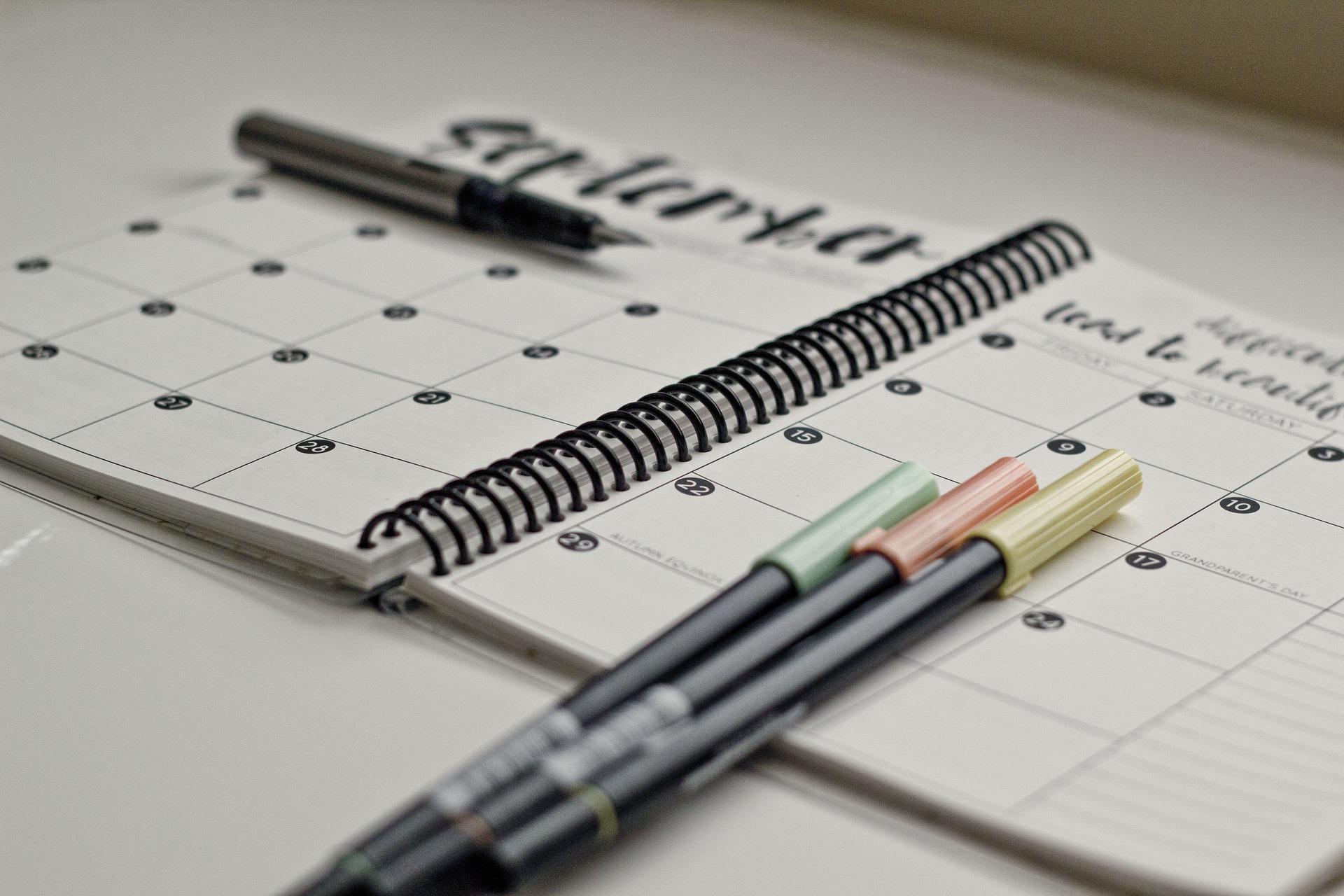
Top 15 Planner Strategies for Middle and High School Students

Top 15 Planner Strategies

For Middle and High School Students


planner
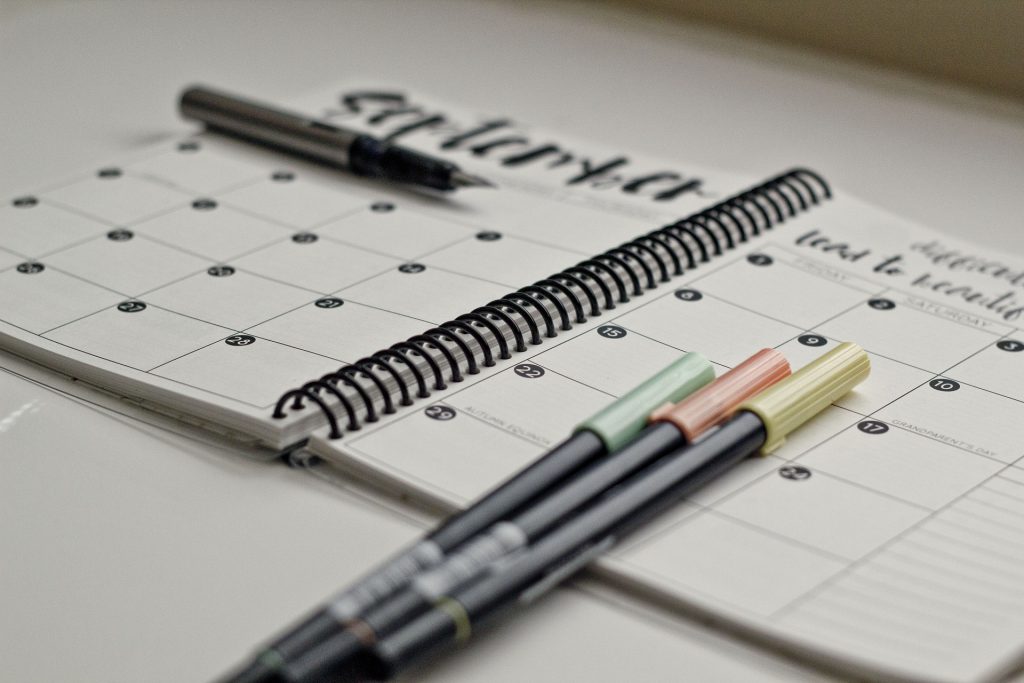
Staying Organized will set your child up for success. Help keep your homeschooler organized by teaching them how to plan out their day.
Get our FREE Student Study Planner

  1. Use a planner that is large enough to write in/on, that is portable and preferably not digital. The best planner is the one you will use!
  2. Add items to your planner when you know about them.  Example: add all soccer games to your planner for the season when you get the schedule, add all test dates from your syllabus to your assignment planner for a class, add a concert you bought tickets to that takes place in 2 months, etc.
  3. Sunday or Monday morning meeting with homeschool parent “What do you have scheduled for me this week?”
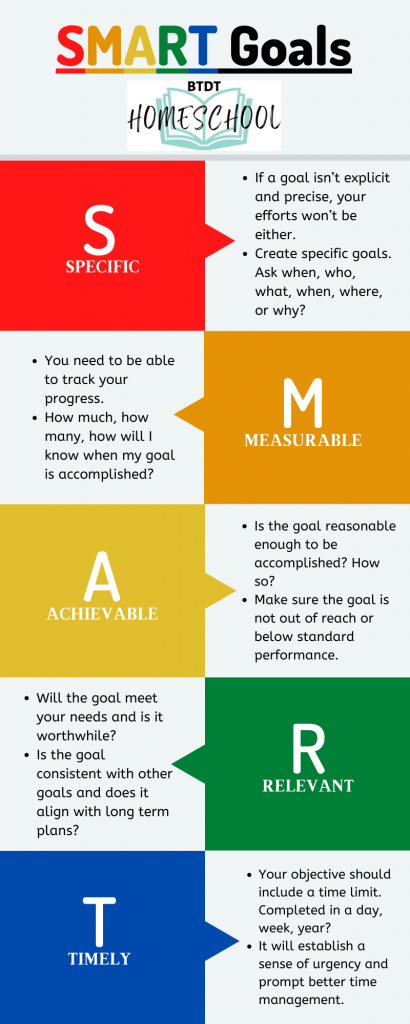
  4. Write down what you need and want to do this week, including steps in SMART goals and Rock priorities.
  5. In your planner, write down tasks with a specific time. Remember to include travel time!
  6. Add in tasks and activities (in priority order) that do not have a specific time. Write these on a specific day.
  7. Be sure to build in cushion time.
  8. Build in down time – during times with nothing planned. This is important to recharge!
  9. Schedule self-care time: exercise, journaling, long bubble bath, staring at the sky.
  10. Use color coding, symbols, geometric borders, underlining, stars to categorize activities/tasks.
  11. Add in reminders or tasks related to upcoming events.
  12. Write your weekly goals or focused priorities.
  13. Use your planner as a journal, diary, brainstorming or creativity space.
  14. Don’t forget to cross off tasks when complete.
  15. Use it! The best planner in the world won’t work unless you actually use it. Look at it at the beginning of each day, throughout the day and at night. Make adjustments to the next day’s plan if necessary.

BTDT Homeschool was created with a heartfelt mission: to empower and give back to the secular homeschool community.

Through our informative podcasts, blog posts, daily inspiration, and a wide range of free printable tools, we aim to empower you on your homeschooling journey.

New to Homeschooling>>>

APPLESPOTIFYAMAZONYOUTUBE

Are you just starting your homeschooling journey? We’re here to help! Begin with our Get Started in Homeschooling page and Homeschooling FAQ to make the transition smoother. If you’re guiding a young child, explore our How to Homeschool Kindergarten. to make those first steps special. For middle schoolers, don’t miss our Middle School page packed with tips and advice. And if you’re heading into the high school years, our Essential Steps to Homeschool High School will guide you every step of the way!

Once In a Lifetime Comet

Once In a Lifetime Comet

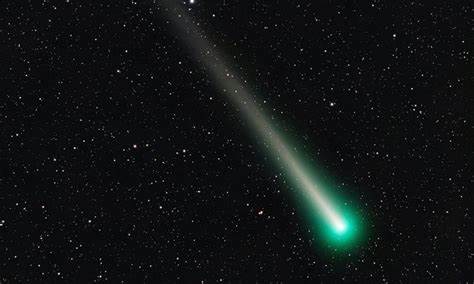
See Comet C/2022 E3 as it nears Earth!


Comet C/2022 E3
Get a once-in-a-lifetime chance to see a rare comet with a greenish hue.
Between Feb. 1 and Feb. 2, Comet C/2022 E3 will be 26.4 million miles away from Earth and the best chance to see the glow of with the naked eye.

Comet C/2022 E3 reached its closest proximity to the Sun on January 12, 2023. When comets come this close to the Sun, their ice turns into gas and this temporary atmosphere causes a glow that can be seen from Earth.

Astronomers in California first discovered Comet C/2022 E3 (ZTF) in March 2022 when it was inside Jupiter’s orbit. It is visible now with telescopes and binoculars, and projections determine the best chance of seeing it with the naked eye is in early February 1-2, 2023.

“If C/2022 E3 has ever passed through the solar system before, it would have last been seen in the sky more than 10,000 years ago,” says Jon Giorgini, a senior analyst at NASA’s Jet Propulsion Laboratory.

How do I see C/2022 E3 Comet?

If you live in the United States, or anywhere else in the northern hemisphere, the best time to look for the comet will be in the hours after midnight and before dawn. You can look to the north just after sunset and you just may see a faint greenish glow. There are some people have claimed they can already see it with the naked eye.

What is a comet?

BrainPOP is great for ages 5+
Crash Course is great for ages 10+

Comets are sometimes described as celestial “dirty snowballs” because they’re masses of ice, gases, rock, and dust that orbit the Sun. Melting ice gives the comet its tail that stretches away from the Sun for millions of miles. Comets don’t emit their own light. The ice reflects the sun’s light, which makes it appear to glow and when frozen, they are the size of a small town.

When a comet’s orbit brings it close to the Sun, it heats up and spews dust and gases into a giant glowing head larger than most planets. The dust and gases form a tail

There are likely billions of comets orbiting our Sun in the Kuiper Belt and even more distant Oort Cloud but there are currently only 3,743 known comets.

Read more about comets in Britannica

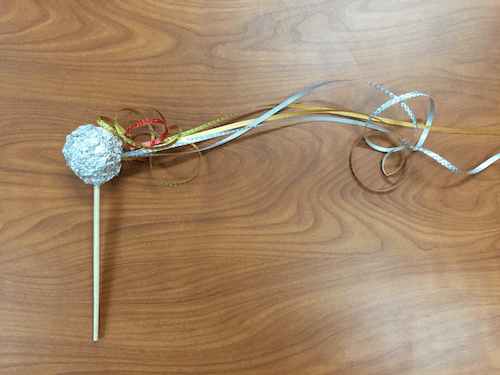
Make Your Own Comet Craft

Step by Step Instructions:

Comet on a Stick

Read further about Astronomy in this fantastic DK Eyewitness Astronomy book that we used in our homeschool:

error

Listen to our latest episode & follow us :)

Scroll to Top