Reading

024. Favorite Books For New Readers
Books for New Readers

024.

Favorite Books For New Readers

Books for New Readers

Episode 024:

Scroll Down for this week’s Freebie:
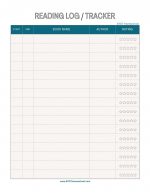
Reading Log with book 5-star rating (pdf)

Are you just starting your homeschooling journey? We’re here to help! Begin with our Get Started in Homeschooling page and Homeschooling FAQ to make the transition smoother. If you’re guiding a young child, explore our How to Homeschool Kindergarten. to make those first steps special. For middle schoolers, don’t miss our Middle School page packed with tips and advice. And if you’re heading into the high school years, our Essential Steps to Homeschool High School will guide you every step of the way!

Show Notes

In episode 15, We covered how to Teach your child to read– how to know when they are ready, we talked about curricula, and games for learning.  If you haven’t listened, you may want to revisit.

As we said in that episode, reading is fundamental and necessary for learning. And instilling a love of reading at an early age is the key that can unlock the door to lifelong learning. It’s the foundation that helps us learn and make sense of the world around us. Reading builds social and emotional skills and ignites imagination. Reading builds self-confidence, independence, and is a critical foundation for developing logic and problem-solving skills.  

Once you are past that very initial part of beginning to read, you may wonder where to go next and it can be confusing to see all the options and different terms and technical jargon out there describing various stages of reading. We see terms like Emergent, Early, Transitional, and Fluent, when referring to groups of reading levels. These might be where students may have different reading abilities, writing skills, and sight word proficiency. There is a range of terms to describe readers in the different stages of their literacy journeys. 

We LOVE Fred and Ted!
Fred and Ted Go Camping

When we talk about developing and emergent readers, we are really just talking about the same thing.  Technically, anyone who reads could be considered a developing reader, as we are all still strengthening our comprehension and writing skills into adulthood. But when we say that in relation to children, these are kiddos that are learning the basics of reading such as decoding, phonics, the alphabet, and sight words that are essential for long-term literacy. They may be making the transition to longer books with more complicated plotlines and they are just overall evolving into a more skilled and confident reader. They probably recognize high-frequency words, both in books and just things you see in daily life- while driving, in the kitchen, on TV.  Usually they show a strong desire to read and listen to others read

Sometimes we use the term  “Emergent” to emphasize these kids that are developing the foundational skills that will support lifelong literacy, and are truly emerging into a new territory of reading potential.  

When we talk about transitional readers, Transitional is that stage right before moving onto chapter books.  It’s totally ok to let your child decide when this is.  And then also, when we hear the terms Early or Easy readers, this often means the books, not the child.  They are books with age appropriate vocabulary and word usage, simple sentence construction, they can be utilitarian but they should also be rich and vibrant,  keep your interest,  keep the child motivated and able to decode words that are unfamiliar.

Remember how exciting reading was for you and you may rediscover your zest for reading alongside a child- it can be really refreshing for both of you.  Because language used to describe reading development can be complicated, we just encourage you to meet your reader where they are at. 

When our child first learns to read and they have begun their own unique reading journey, you may ask what kind of books should we be looking for? What books are going to continue to ignite their interest and encourage them to build upon those skills? So again, as you go looking for Early Readers or first step readers, sometimes it’s helpful to go to the library and see how they organize different level books- but remember you don’t have to stick to one level or kind. Some kids do like that or like to track their progress.  Some kids may just jump right in to full on chapter books and that’s ok, too.
Top 50 Books for New Readers
View the Complete List:
Top 50 Books for New Readers

One of the things we think about as a Charlotte Mason homeschooler is avoiding Twaddle. Twaddle is defined as books with lots of pictures and action but with short snippets of no sentences and little character.  They can sometimes talk down to children, or require little effort.  It doesn’t help to strengthen a child’s imagination. I always use the example of Winnie the Pooh, the original books by A.A. Milne. They are beautiful and deep stories full of adventure, humor, and lovely language.  And they are more than just funny- in fact, I often say to read these aloud to young kids, but also hand them off to older kids, because there are so many silly things in the ways the animals misspell things and use  puns that you almost have to see it rather than just hear it.  Now Disney Winnie the Pooh, is a whole other story- they are animated, and just really dumbed down.  There aren’t puns and deep jokes but surface level funnies and storylines.  Much of the very best things about the story aren’t even in those books/shows.

But also, consider that reading preference can come in many flavors and a reluctant reader may require other currency- graphic novels, for instance. Calvin and Hobbes and Far Side were favorites for our kids and their friends.

Favorite early picture books and readers:

Sandra Boynton

Dr. Suess

Ezra Jack Keats

PD Eastman 

Roxaboxen by  Alice McLerran

Kevin Henkes books: 

Lilly’s Purple Plastic Purse

Chrysanthemum 

Frog and Toad books by Arnold Lobel

Little bear books by Else Holmelund Minariik 

Henry and Mudge books are so funny and sweet!

Mr Putter and Tabby by Cynthia Rylant

Zoey and Sassafras by Asia Citro

Elephant and Piggie by Mo Willems 

Katie Woo Pedro book series by Fran Manushkin

Where the Wild Things are by Maurice Sendak 

Alexander and the no good very bad day  by  Judith Viorst

Shel Silverstein poetry books

While looking at lists to make sure we didn’t leave things off.  And by the way, we have left a lot off because there’s only so much episode time!  We probably could go on and on forever.  See the complete List of Top 50 beloved titles for new readers

We created our Top 50 books for new readers. We have enjoyed all of these books in our own homes with our own children. They have been beloved favorites throughout the years, and we really wanted to share all of them with you. This collection of early reading books has colorful illustrations, they have shorter lengths, clear formatting, and they’ve been picked with the readers in mind that are going to be bridging the gap between reading board books jumping into lengthier chapter books. 

The one thing that I really love about this list is that we really combined a mix of beloved classics with some newer titles, and I think we did a pretty good job of incorporating diverse voices and characters and things that we enjoyed in our own homeschool. Representation really does matter, and we really want kids to see themselves in the stories that they read so I think that we did a great job on combining that so make sure you check that out on our show notes we will have the entire Top 50 list and we actually wrote a very detailed description for each book so make sure you check that out.

As we’ve both mentioned many times on our podcast, we both love to (and sometimes still) Read aloud to our kids, even though they are high school level now.  But as younger kids this was definitely an every day, several times a day occurrence. And when we weren’t reading, we were often listening to audiobooks while we were driving.

Some favorite read-alouds or early chapter books:

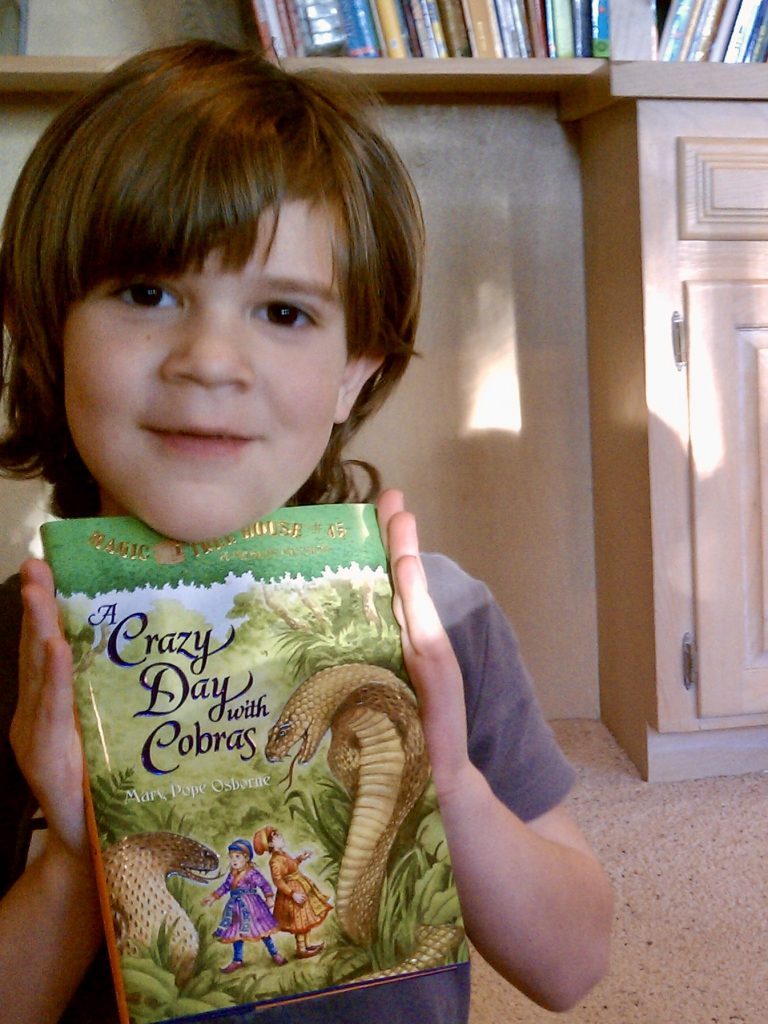
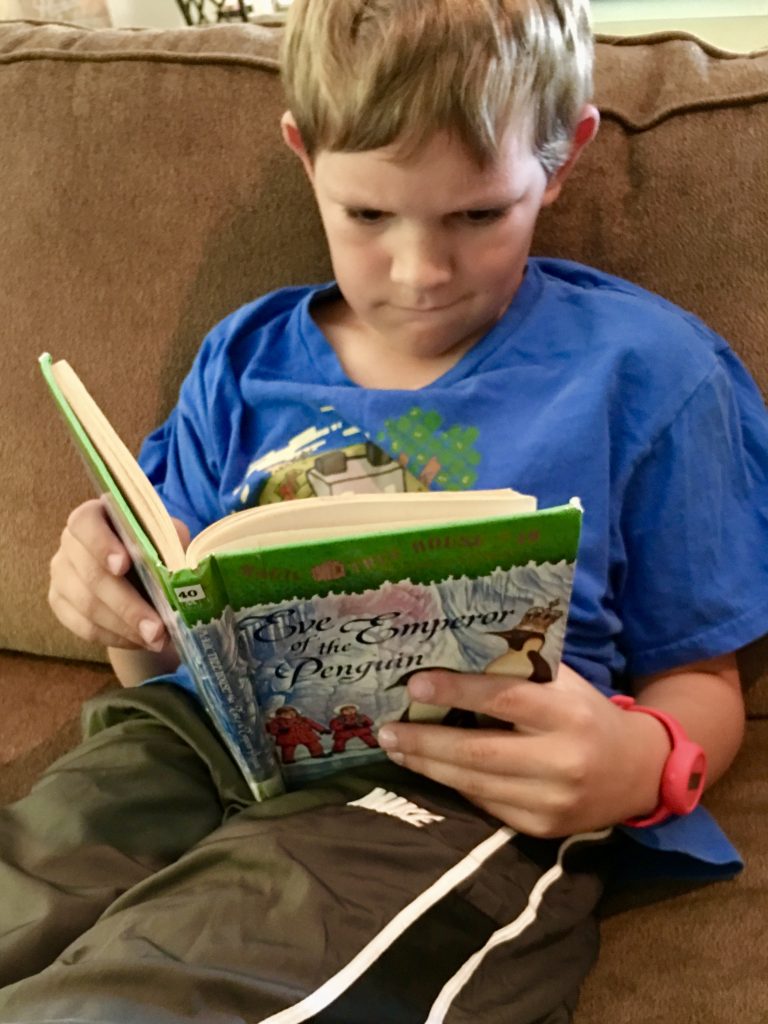
Magic Tree House by Mary Pope Osbourne– we’ve mentioned these before, too.  We both really liked them. These books are sometimes predictable and they are definitely formulaic, but it adds to their charm.  These siblings go on lots of adventures and introduce readers to a variety of real historical events and figures.  They are a great stepping stone into deep dives on topics and they even have accompanying reference guides if your kids want more after the story.  They are about 80 pages long.  You can easily read them in a sitting or at least in a day or so.

Magic Tree House by Mary Pope Osbourne

Ramona series by Beverly Cleary–  These were my favorite as a kid and I could not wait to introduce my kids.  We went through all 8 of the Ramona series and then the spin-off Henry Huggins series (her sister’s best friend). The author also has a series about Ralph S.Mouse that we loved- a mouse that befriends a boy on vacation.  

Geronimo Stilton books are really funny, have impactful illustrations and highlight new words. 

Winnie the Pooh by A. A. Milne-also big favorites that we talked about earlier.  There are 4 books in the series but really two of them are Winnie the Pooh focused, the others are poetry and story collections.   

The Wind in the Willows by Kenneth Grahame– another in the same vein as Winnie the Pooh.  Animal stories are full of adventure and really, really funny.

Some kids don’t really like books with characters that have a lot of sibling rivalry.  Not that we don’t deal with that in our homes, but there are books where that is the hallmark of the sibling relationship, and we just didn’t like it because they couldn’t always relate to kids that talked to each other like that.  Some kids also don’t like books with constant school settings- especially as homeschoolers.  So, one way we found our way around that was to search out older books.  

Books by Elizabeth Enright- “Gone Away Lake” and “Return to Gone Away Lake”. The Melendy family series that starts with the “Saturdays.”  These are older books that are about siblings or cousins and their adventures.

The Boxcar Children by Gertrude Warner– These books are a sweet series of about 160 titles and written by a first grade teacher about 4 orphaned children that create a home in an abandoned boxcar and encounter many adventures and mysteries.  There’s other adaptations of these including a version for younger kids even.  

Sometimes adaptations are good- maybe read an adaptation of Shakespeare when you need a better understanding of the story. We definitely recommend reading both though, so you don’t miss out on the language, but start with that so you don’t get caught up in figuring out what is going on. Some things I think lose the beauty of the language when you read an adaptation and some risk that dumbing down and twaddle we are trying to avoid.  

Swallows and Amazons” by Arthur Ransom- another older book about siblings or cousins that spend the summer camping out on an island across from their summer house and have a lot of adventures.  

Modern day versions of these kinds of stories would be “The Penderwicks.” Another sweet family that has their moments of rivalry or jerkiness but are otherwise loving and supportive.

Where the Mountain Meets the Moon by Grace Lin– this is a fantasy adventure novel inspired by Chinese folklore.  This particular book is about a girl from a poor village seeking good fortune for her people.  There is a sequel, but I haven;t read it.  It’s a beautiful story.

Very Very Far North by Dan Bar-el (series). Kind of Winnie the Pooh-ish and inquisitive bear befriends an array of animals.  This is also a series.

The Borrowers by Mary Norton

Half Magic series by Edgar Eager

Kate DiCamillo- I think her writing is just absolutely fantastic, people seem mixed on her sometimes.  Some of her stories are dark and dreary, but she always comes through with a happy ending, often a bit of a tear jerker.  The Tale of Despereaux, The Miraculous Journey of Edward Tulane, One and Only Ivan.

We really could go on and on all day about our favorite books.  We will continue sharing our favorites in a middle school favorite books episode coming in the near future.
This Week’s Freebie:

Top 50 Books for New Readers

Top 50 Books for New Readers

Top 50 Books for New Readers

Finding the right book is essential to ignite young readers’ passion for literature and set them up for a lifelong love of reading. We want to guide them successfully as they make the leap into their first chapter books. On this book list, we have selected a collection of short, illustrated books that were family favorites and are perfect for children beginning independent reading.

This collection of early reader books – featuring colorful illustrations, shorter lengths, and clear formatting – has been carefully chosen to bridge the gap between board books and longer chapter books.

We talk about all this wonderful literature in Episode 024. Favorite Books For New Readers. In episode 15, We covered how to Teach your child to read, we covered how to know when your child is ready, as well as curricula and games for learning. If you haven’t listened yet, you may want to revisit these episodes. Also, be sure to check out our list of Favorite Books for Middle Schoolers.

Download our FREE REVIEW and READING LOG SHEET

Some of these titles might be too advanced for your new reader. Reading skill development varies from child to child. For those titles, we encourage you to read them to your child. Reading rich stories to your children enriches their vocabulary and instills a lifelong love of literature. We have enjoyed all of these stories with our own children. Feel free to share reading time by alternating pages or have them read one page per chapter. Whatever works for you! If they are resistant, they may not be ready and just want to cuddle up and enjoy the story, which is perfectly okay too!
If you are struggling with a new reader or are new to teaching your child to read, be sure to check out Episode 015. How Do You Teach Your Child To Read? for tips and tricks to set your child up for success!

Click each title below to read reviews or add to your wish list:

1. Elephant & Piggie Series by Mo Williams

We love elephant and piggie. So funny! Lots of laughs for new readers, few difficult words, fun to read, and not so long that kids get burnt out from effort when starting to read. 

2. Go, Dog. Go! by P.D. Eastman

This is an awesome book for young readers. It is masterful at showing relationships that can be very abstract to little ones—in and out, up and down, over and under. The car goes on green and stops on red. Dogs play and dogs work. “It’s a dog party!

3. Fred and Ted Go Camping by Peter Eastman

Our family loves outdoors and camping! This book helps illustrate the concept of opposites and is great for children learning to read as well as toddlers that enjoy being read to. The word choices draw in their attention and gets them to rhyming and learning sounds and colors. Teach your child about sharing in camping and outdoor activities. An absolute favorite in our house!

4. Where the Wild Things Are by Maurice Sendak

A simple story, few characters, and a lot of imagination. You’ll love it so much you’ll want to eat it up!

BTDT Homeschool was created with a heartfelt mission: to empower and give back to the secular homeschool community.

Through our informative podcasts, blog posts, daily inspiration, and a wide range of free printable tools, we aim to empower you on your homeschooling journey.

New to Homeschooling>>>

APPLESPOTIFYAMAZONYOUTUBE

5. I am enough by Grace Byers

“Like the sun, I am here to shine”. This is such a beautiful book – from the beautiful black princess on the cover, to all the beautiful and colorful pictures inside. Grace Byers did an awesome job telling a story of being proud of who you are, respectful of others, and loving others as they are, and acceptance. Your budding reader will love the illustrations too!

6. Fred and Ted Like to Fly by Peter Eastman

Another adorable Fred and Ted book for new readers. I got this for my kids right before their first time to travel on an airplane. It was really cute, and we read it over and over again getting them ready for their big trip in the sky!

7. What Do People Do all Day by Richard Scarry

Fantastically detailed drawings & answers to many a child’s questions to how the world works. From building roads & houses, how trains and planes and the postal service works, electricity, paper-making, farming, and baking bread. It does have stereotyped gender roles, but it ignited conversations with my children about that topic. These are teaching moments!

8. Where the Sidewalk Ends by Shel Silverstein

Shel Silverstein is one of those rare and gifted children’s book authors who truly understands the odd, amazing and ever-so-fleeting world that children inhabit. His writing speaks directly to children with incredible wit, hilarity, wisdom and absurdity. You can’t go wrong with any of Silverstein’s books -his poems are so funny and entertaining for the entire family!

9. Magic Tree House Series by Mary Pope Osborne

This series is absolutely delightful! These stories are full of adventures with Jack and Annie, two siblings and likeable characters that kids can relate to. These books really ignited my children’s love of literature. They are also fun to read aloud with lots of description and dialogue. These are wonderful stories with real facts and bits of history woven into each one. Your children will learn about of all the places they visit and you can even get the non-fiction companion books to read more on each topic and make it a unit study. Mary Pope Osborne does a phenomenal job at keeping every book educational and yet magical!

10. Oh, the Thinks You Can Think! by Dr. Seuss

Fun read and keeps their attention and gets their thinkers thinking! This was a favorite in our house and always made us laugh. Who can forget the funny, “And you don’t have to stop. You can think about SCHLOPP. Schlopp. Schlopp. Beautiful schlopp. Beautiful schlopp with a cherry on top.”

11. Corduroy by Don Freeman

This is a classic heartwarming tale of finding your place, being broken and getting fixed, finding love and comfort. The story is adorable and filled with a little mystery and a very happy ending. The illustrations look vintage and beautiful which definitely add to the reading experience. Everyone in your family will fall in love with this sweet little bear!

12. The Snowy Day by Ezra Jack Keats

Wonderful story of a little boy who wakes up on a snow day and makes his first encounters with the snow, by creating different traces on the ground and keeping a snowball in his pocket to play with the next day. 

13. The Complete Tales of Winnie the Pooh by A.A. Milne

This is such a precious book! Full of adventure, humor, and lovely language. Not only is the story classic and wonderful, but this particular copy is also wonderful as a reprint first edition – just adorable. Winnie the Pooh is such a great classic piece of child-like innocence and sweet humor in literature. It isn’t just for young children to enjoy!

14. Frog and Toad Books by Arnold Lobel

Excellent stories with simple but powerful life lessons. Frog and Toad books are simple, gentle stories with just enough everyday mayhem to make kids laugh. Everyone will fall in love with these two silly characters. You cannot beat the simplistic friendship of Frog and Toad!

15. Buzzy The Bumblebee

My children and I absolutely love this book! It’s fun and sends a powerful message to children about trusting your heart and not letting fear get in the way of doing things you know in your heart you can do. The imagery is cute, the wording and length makes for perfect book for a new reader. We hope you and your family love Buzzy as much as we did!

16. But Not The Hippopotamus by Sandra Boynton

All Sandra Boynton books are so silly, cute and fun to read. These books aren’t just for babies, new readers will love to read them on their own. They are clever and adorably illustrated. Follow along as this shy hippo observes spirited animals cavort in a bog, try on new hats, and go for a jog, all while longing to join in the fun.

17. The Mitten by Jan Brett

This beautiful pictorial book is based on a Ukrainian folktale. It is a wondrous winter tale, and the story with delights your young reader. The text is written with almost a poetic cadence with lovely sounding words and the illustrations are so sweet. The story tickles the imaginations and offers a grand platform for talking about animals who might or might not fit into a mitten. My kids love to read this story during the cold winter days!

18. Roxaboxen by Alice McLerran

This is a very sweet story about the power of imagination and childhood. The children in this story find endless uses for what most people would call trash – and the story is told in such a way as to excite children to use their imaginations with the things they find lying around. I loved watching my kids mimicking the story while playing outside with their friends!

19. Lilly’s Purple Plastic Purse by Kevin Henkes

It’s a great story good for lots of laughs! Even though this is a story about going to school, we really enjoyed it in our homeschool. Teaches a great lesson but the main character Lilly maintains her strong personality throughout the highs and the lows. Lilly receives a purple plastic purse containing her many treasures from her grandmother and brings it to school to share with her teacher and her friends. It’s really adorable!

20. Chrysanthemum by Kevin Henkes

Chrysanthemum is a sweet and unforgettable story about mouse with, according to her parents, an absolutely perfect name. When she starts school however, she is teased about her long name. This book teaches kids about kindness and embracing everyone’s unique differences. Another one that the character goes to school but we still adored this book in our homeschool.

21. Little Bear Books by Else Homelund Minarik

Little Bear’s adventures with his various family members and friends are great fun and teach important lessons without being preachy. The stories are simple, easy to understand, and creatively illustrated. We have loved every single Little Bear book and your young reader will too!

22. Henry and Mudge by Cynthia Rylant

I’ve never met anyone who doesn’t love Henry and Mudge. Henry is a sweet kid from a nice family, and he has the kinds of interests and adventures you hope any kid might have. Mudge is his adorable 180lb English Mastiff dog. They do everything together – walking to school, exploring, and even sleeping.

23. Mr. Putter & Tabby Books by Cynthia Rylant

These books are so cute! Cynthia Rylant is a genius with these “easy reader” books—the words are relatively simple and few, but she weaves them in such a way that you are still completely drawn into the story. The accompanying illustrations are so charming, sweet and humorous–a perfect match to the text! Mr. Putter and Tabby the cat have great adventures together that will make you fall in love with them.

24. Geronimo Stilton Series by Geronimo Stilton

Geronimo, the mouse and newspaper reporter will have you giggling alongside your child. The Geronimo Stilton Series have fun illustrations, and the added graphic kick applied to the text throughout makes this a good choice for those transitioning from early chapter books to more advanced ones. The entire book series is full of tongue-in-cheek cheese humor with all the mouse and cheese puns!

25. Last Stop on Market Street by Matt De La Pena

Every week, CJ and his grandma ride the bus across town. But today, CJ wonders why they don’t own a car like his friend Colby. Why doesn’t he have an iPod like the boys on the bus? How come they always have to get off in the dirty part of town? Each question is met with an encouraging answer from grandma, who helps him see the beauty—and fun—in their routine and the world around them. It finds beauty in unexpected places, explores the difference between what’s fleeting and what lasts, acknowledges inequality, and testifies to the love shared a little boy and his grandmother.

26. Katie Woo and Pedro Mysteries by Fran Manushkin

These are adorable simple first chapter books with dialogue and a few sentences per page. The gorgeous illustrations bring this series to life and add to the storyline. They are so sweet with simple enough dialogue for a budding reader. Your child will fall in love with these kind characters and be so proud for reading a real chapter book!

27. Alexander and the Terrible, Horrible, No Good, Very Bad Day by Judith Viorst

A childhood classic that is fun to read and lets children know that not every day is going to be a perfect day. This is an excellent book that can be used as a springboard for discussions. This is a great book. Alexander definitely is NOT having a good day. It helps kids learn to laugh at misfortune, to know they’re not alone in feeling misunderstood and unfairly treated sometimes, and that running away from their problems to magical far-off places probably won’t solve anything, and sometimes you just have to get through the bad stuff and hope tomorrow will be better. It’s a cute, funny book!

28. Flat Stanley by Jeff Brown

This creative series follows Flat Stanley — a boy who was flattened when his bulletin board fell on him. In the set of four books, children will learn more about Stanley and read about his adventures with becoming invisible, catching bank robbers, traveling to space, and more.

29. Narwhal and Jelly Books by Ben Clanton

Narwhal and Jelly books introduce children to the fun and friendly characters as they go through various adventures under the sea. The books are laid out like a simple graphic novel, with multiple images and text boxes on each page. Your kids will be laughing at this one!

30. Diary of Pug Series by Kyla May

Diary of the Pug series follows Bub, formally known as Baron von Bubbles. The chapters were short, making it a good book for that in-between stage of being too old for picture books but not ready to read most chapter books alone yet. I love it because it is funny and also recommended for dog lovers!

31. Dragon Masters Series by Tracey West

Drake, an 8-year-old boy is taken from his home and trained to be a Dragon Master. During his training, he must learn about training his dragon and discovering his special powers!  The chapters are a manageable size and there isn’t too much text on each page so isn’t too intimidating for children who haven’t read a chapter book before. The story manages to be really engaging without using vocabulary that is beyond a 5-year old’s understanding. Let the adventure begin!

32. Nate The Great by Marjorie Weinman Sharmat

Join the world’s greatest detective, Nate the Great, as he solves the mystery of the lost picture! Perfect for beginning readers and the Common Core, this long-running chapter book series will encourage children to problem-solve with Nate, using logical thinking to solve mysteries! This is the first in this wonderful series.

33. The Berenstain Bears’ Big Book of Science and Nature by Stan Berenstain

I grew up reading these books – everyone loves the Berenstain Bears! In this treasure, your children can learn more about various scientific concepts. The collection includes an almanac, nature guide, story about the science fair, and more. It’s a great introduction to many science topics with a lot of good pictures.

34. Dreamers by Yuyi Morales

 In retelling her migration story, the Yuyi Morales celebrates the gifts immigrants bring to America and the wonder of public libraries. It’s a story to remind us that we are all dreamers, bringing our own strengths wherever we roam. Such a beautiful book and a great conversation starter for children.

35. Sulwe by Lupita Nyong’o

This is a beautiful book and story. Sulwe has skin the color of midnight. She is darker than everyone in her family. She is darker than anyone in her school. Sulwe just wants to be beautiful and bright, like her mother and sister. Then a magical journey in the night sky opens her eyes and changes everything. A welcome celebration of girls of color, an important lesson for all kids (and grownups), and a necessary message for any child who has been made to feel unworthy of love on account of their looks. It’s so heart felt and perfect for any new reader but especially those who can truly relate to the story.

36. The Ramona Collection by Beverly Clearly

The appeal of Beverly Cleary’s stories about the wonderful, blunderful Ramona Quimby has never faded. Ramona has a unique way of looking at the world as she tries to adjust to new teachers, feels jealous about Susan’s curls, and is secretly pleased by Yard Ape’s teasing. These books are funny and heartwarming, and sometimes embarrassing. No matter what, Ramona’s lively, curious spirit shines through!

37. The Proudest Blue by Ibtihaj Muhammad

With her new backpack and light-up shoes, Faizah knows the first day of school is going to be special. It’s the start of a brand-new year and, best of all, it’s her older sister Asiya’s first day of hijab–a hijab of beautiful blue fabric, like the ocean waving to the sky. But not everyone sees hijab as beautiful, and in the face of hurtful, confusing words, Faizah will find new ways to be strong. This is an inspiring story about identity, visibility, and confidence. This book warmed our hearts!

38. Hello Lighthouse by Sophie Blackall

Little ones who love Milne’s classic stories will be enchanted by this heartening account of the bear’s real-life origins. The story is full of wonderful Lighthouse facts as discussed briefly in the informative afterward. This book inspired me and my children to learn more about the history of lighthouses.

39. The Boxcar Children by Gertrude Chandler Warner

This is a heartwarming series about four siblings that are orphaned but looking for their grandfather. They are always loving and caring for each other and have a lot of adventures. They are perfect for children who are just beginning to show interest in reading chapter books, or for younger children who are being read toThere are a few topics within the books that may be culturally outdated, but that is a great opportunity to discuss these things with your kids. They are a very simple read but have more of a story than a typical level 1 or 2 books. My 6-year-old loved that he could read these almost independently!

40. Half Magic by Edward Eager

We love this series with the four children discovering the magic in the various places they find themselves, and then figuring out how to use it as they face various challenges. Fun and imaginative. A laugh a loud funny story that we all loved. The chapters are a bit long so it may be a good book to share reading with your young new reader.

41. The Gruffalo by Julia Donaldson

 It’s a wonderful story about a little brown Mouse taking a walk through a deep dark wood and not getting eaten by bigger animals by convincing them of the existence of a terrible creature, the Gruffalo. All is going well for our Mouse, until he meets the Gruffalo face to face! Then he has to convince the Gruffalo that he’s actually a big scary creature. We love this book because of the repetitive rhyming scheme and it’s easy to jump in words at the end of sentences for even your youngest pre-readers.

42. Bark, George by Jules Feiffer

Great illustrations and a funny take on the somewhat familiar story of an animal or animals who for some reason do not make the sounds they are supposed to make. So cleverly comical. A genuinely funny story that will have everyone if your family laughing out loud!

43. Ivy and Bean Book Series

The fun book series about 2 girls that are best friends and appeals to curious, adventurous, and imaginative spirits. This is not like other “girl-oriented” chapter books that focus on fairy bunnies, or the mystery of the disappearing dolls, or other really girly plotlines. Short chapters with simple illustrations. Let the adventure begin!

44. The Magic School Bus Series by Joanna Cole

The Magic School Bus books are filled with fun science facts inserted throughout the fictional stories. The details are great for kids that love science. Miss Frizz takes her class on a lot of adventures on the Magic School Bus. They are loaded with facts and information worked into an entertaining format. They often let to us learning more about the topic in each book. Every homeschooler needs these for budding scientists!

45. The Magic Rocket by Steven Kroll

This is the #1 book that we have loved and adored in our home. It was the first book that my preschooler read to the baby after he was born and unfortunately it is out of print. You can find used copies by clicking the picture. Having two children that were really into science, the toy magic rocket that grows and grows taking Felix on an adventure when his dog is captured by aliens is a fun adventure book that your new reader will love as much as we did!

46. Amelia Bedelia Series

We laughed through all of Amelia’s taking life literally. She is an endearing character and creates love and laughter everywhere she goes. They are perfect books for beginner readers. You may start to hear chuckling from the other room when your child gets a hold of these books!

47. Miss Rumphius by Barbara Cooney

The book has a rich storyline, and an uncle instructs her that it is important to do something to make the world a better place. She sows lupine seeds as she walks and her flowers dot the countryside. We need more stories about sweet, older people like Miss Rumphius. We love books that have a deeper meaning and something can be learned from them along side a beautiful (and true) story with lovely illustrations.

48. Annie and Snowball Series by Cynthia Rylant

The stories are simple but have developed and likable characters doing fun things together. The illustrations help tell the story and have their own humor. This Collector’s Set is a wonderful addition to your homeschool library! It comes in a sturdy, magnetic securing, container to help keep the collection together and organized! We all love this collection!

49. Strega Nona by Tomie dePaola

t is a wonderful charming little tale that is quirky and fun. Strega Nona has a magic pot that makes pasta. It starts with the magic words only she knows and it stops making pasta when she says the ending magic words. A favorite line is, “The pasta will cover our town!” Tomie DePaolo has the warmest and most charming illustrations to accompany this wonderful story. We highly recommend this book!

50. The New Kid on the Block

Jack Prelutsky is one of the best children’s poets out there. Teach your child in the joys of reading poetry. This poetry collection centers around problems children encounter, with a twist. Prelutsky writes amusing poems that still acknowledges how these issues can really affect kids’ lives. The poems vary in length and vocabulary, so your new reader will love to find the ones at their level!

015. How Do You Teach Your Child To Read?

Learn how to read

How Do You Teach Your Child To Read?

Listen to This Episode 015:

Scroll Down for this week’s FREEBIE!
Reading Log and Tracker with Book Rating (pdf)

Are you just starting your homeschooling journey? We’re here to help! Begin with our Get Started in Homeschooling page and Homeschooling FAQ to make the transition smoother. If you’re guiding a young child, explore our How to Homeschool Kindergarten. to make those first steps special. For middle schoolers, don’t miss our Middle School page packed with tips and advice. And if you’re heading into the high school years, our Essential Steps to Homeschool High School will guide you every step of the way!

Show Notes:

Reading is necessary for learning and instilling a love of reading at an early age is the key that can unlock the door to lifelong learning. It’s the foundation that helps us learn and make sense of the world around us. Reading builds social and emotional skills and ignites imagination. Reading builds self-confidence, independence, and is a critical foundation for developing logic and problem-solving skills.  

Learning to read

Reading Readiness

Is my child ready to read?

One of the biggest factors and obstacles in teaching a child to read is their pre-reading skills and reading readiness. These skills are essential for reading development. Trying to teach a child who has not demonstrated a grasp of these skills and is not ready for the next step can lead to frustration and anxiety for both you and your child. It is also not developmentally appropriate. A child who is ready to start learning to read will be much easier to teach than one who is not, and sometimes it can be difficult to determine readiness.

Even the best reading program cannot instill an interest in reading. So, what are some of the pre-reading skills that are essential for reading readiness? Many of these skills will naturally and organically develop during the toddler and pre-K years. If you have a preschooler, be sure to check out our Preschool Page with free Routine Charts

Essential Pre-Reading Skills

  • Rhyming: Rhyming is one of the first indicators of reading readiness because much of phonics instruction involves manipulating language, which is closely related to writing.
  • Matching/Sorting Items, Colors, and Shapes: Children love to organize and sort things, so it’s great to include these activities in daily life and normal conversations. While there are plenty of toys you can buy for this, you can also use items around your house like kitchen containers, plastic plates, Tupperware with lids, socks, shoes, or even setting the table with colored cups and plates.
  • Motor Skills: Developing motor skills is crucial. Activities like holding a pencil and drawing large shapes, making letters with a finger in a cake pan filled with rice, using a stick to write in the dirt, or using sidewalk chalk are all beneficial. Creating letter shapes with dough is another fun option. Remember, there are no rules that dictate you must use pencil and paper; these activities still teach the necessary skills.
  • Book/Print Awareness: Your child should know how to handle a book properly. This means that when offered a book, they can find the cover and hold it right-side-up. They should understand that books are read from left to right and that we turn one page at a time. This knowledge often comes naturally from cuddling up on the couch while you read to them.
  • Language Skills: Your child should be able to join in conversations and enjoy telling or retelling stories. Making up stories during pretend play or pretending to “read” a favorite book they’ve heard many times are also signs of readiness.

Signs of Reading Readiness

  • Hearing Parts of Words: Your child can hear parts of words (like syllables) and sounds in words (like /c/ /a/ /t/ in cat). Phonological awareness (such as clapping and counting syllables) and phonemic awareness (like hearing each sound in a word) are essential for when they begin to look at letters and sound out words.
  • Understanding Text Has Meaning: Your child understands that text has meaning and that the purpose of reading is to gain information. For example, if a child sees his name written out, he understands that name refers to him, not anything else.
  • Reciting the Alphabet: Whether it’s singing the ABC song or just saying each letter from memory, knowing the alphabet is an important step toward reading readiness.
  • Identifying Letters: Your child can identify and name some or all uppercase and lowercase letters. This is important because individual letters make up words to be read and written. They don’t need to know all of them but should see the differences.
  • Letter-Sound Correspondence: Your child can correspond some or all letters to their correct sounds. This skill is necessary for decoding, which is the act of sounding out words.
  • Echoing Simple Text: Your child can echo a simple text that is read to them, demonstrating an understanding of one-to-one correspondence in reading. This means that each word on a page corresponds to a word that is read.
Learning Letters

There is a very broad range of when a child learns to read, and it can be just as normal for a 4-year-old to be ready as it is for a child not to be ready until age 8. There is nothing wrong with listening and watching your child and determining the best pathway to take.  All children are different, and this is one of those great homeschooling benefits where you can go at your own pace and tailor this to your child and meet them where they are.

Other Developmental Signs

  • Social Development: Social development is important for reading because children need to know how to take turns, cooperate, and develop self-control before learning to read. Much of reading instruction involves activities and discussions where these skills are essential.
  • Emotional Development: Before learning to read, children need to have a good self-concept and an understanding of how they fit into their world.
  • Physical Development: Children need to have strong bodies that can support sitting, as this is often the preferred position for reading a book. They also need to have the fine motor skills necessary for writing and turning pages.
  • Cognitive Development: For reading readiness, children need to have the cognitive ability to visually and auditorily discriminate between letter shapes and sounds. Visual discrimination involves recognizing similarities and differences among letters, such as distinguishing between L and T, a and o, or 6 and 9. Auditory discrimination means that a child can hear the difference between sounds like /f/ and /v/, or the ending sounds in words like ‘cap’ and ‘cat’.

What Curriculum Should I Use?

Before we jump into curriculum options, let’s talk about the importance of being read to. As we discussed in another episode, reading to children is the single biggest predictor of high academic achievement and high ACT scores. A study from Ohio State University highlights the profound effects of reading on child development, showing that children who are read to in the first five years of life have a 1.4-million-word advantage over children who are not read to at home.

There is no ideal age range for reading aloud to your children, and there is no end range. Many families still enjoy read-aloud time with high schoolers and college students. “The Read-Aloud Handbook” by Jim Trelease discusses the benefits of reading aloud and offers great book suggestions for every age range.

Read Aloud Handbook

Benefits From Reading Together and Reading Aloud:

  • Vocabulary
  • Language patterns
  • Thinking skills
  • Writing skills
  • Encourages independent reading
  • Bonding time
  • Problem solving
  • Concentration
  • Memory work
  • Moral lessons and life skills

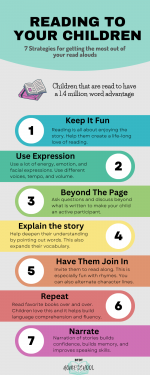
It’s not only about instruction; it is essential that your children learn to ENJOY THE STORY. Reading is challenging, and you don’t want to make it harder for them. Help them understand the reason for reading. Here are seven strategies for getting the most out of your read-alouds. 7 Strategies for getting the most out of your read alouds.

Books for New Readers
Episode 024: Favorite Books for New Readers.

Back to curriculum…

When choosing a curriculum, consider these Six important factors:

1. Understand the reading program parts. It should have at least two parts, but ideally will cover phonics, phonemic awareness, vocabulary, fluency, and comprehension.  These components work together to create reading abilities.

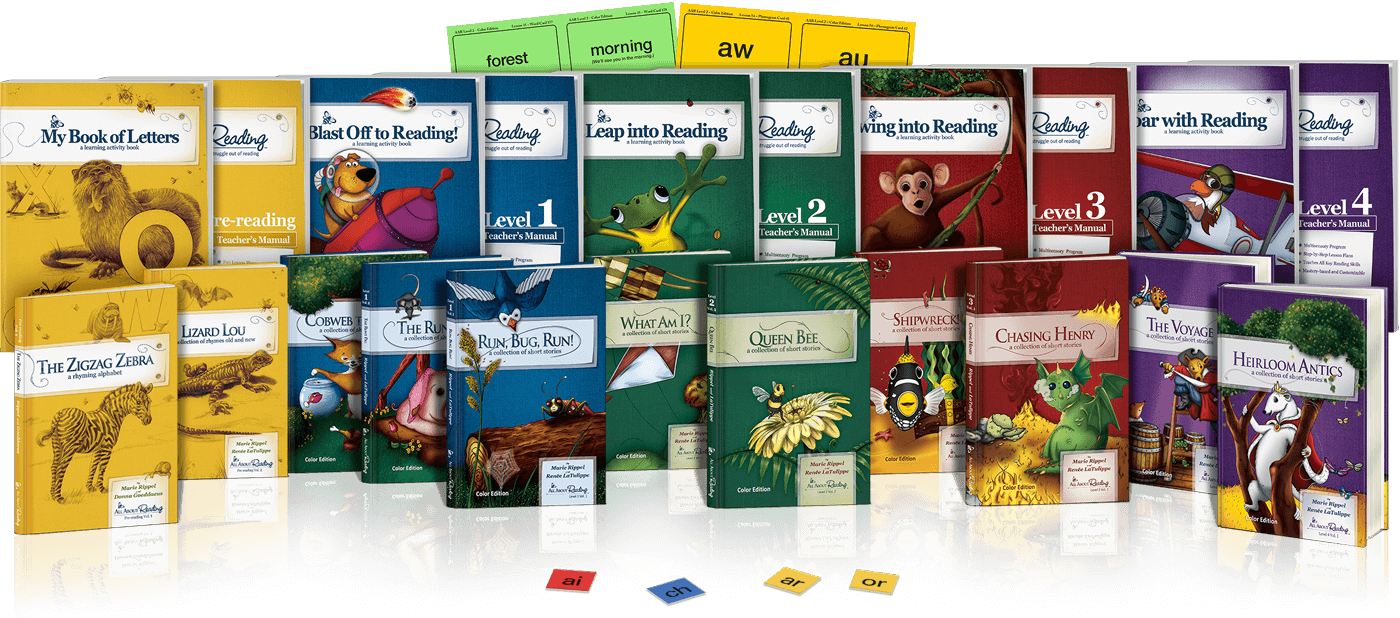
All About Reading is super easy to use and totally scripted, open-and-go. It uses the Orton-Gillingham instruction approach which not only helps kids with learning differences, but kids without learning differences find it’s a lot easier way to decipher the code.

2. Knowing the names of ALL the letters is not necessary.

3. Teach the sound the consonant represents; begin with the short sound for vowels.

4. Introduce consonants and vowels in a strategic order so a child reads sooner than later. Do not introduce letters in ABC order. 

5. Multiple letter sounds should be introduced at one time.

6. Search play vs. structured teaching approach for PreK and Kindergarten levels.

Check out our
Full Curriculum Guide>>

Teach Your Child to read in 100 Easy Lessons is a popular program. Critics say it can be dry or boring.  It also has a writing component and if you have a resistant writer, this can be a struggle, but you can skip the writing part, and you can also move on rather than cover it repetitively, if you feel you’ve mastered a concept.  It is totally ok to use curriculum as a guide and use the parts that work for you.  Don’t be afraid to adjust things like this.

Sometimes a child needs more phonics mastery after a reading program. Here are some to consider:

Phonics Pathways

Explode the Code– This program is silly and fun and the kids really liked it- it’s probably the only workbook they would do!

All About Reading

The Ordinary Parents Guide to Teaching Reading

Logic of English

Language Lessons for Little Ones by Sandy Queen an informal introduction to language arts with a Charlotte Mason flavor for preschool students.  

Your reading curriculum may have a follow up book list or recommendations for what complements their program or what they suggest students read next.

early reader recommendations

Top 50 Books for New Readers
View the complete list:
Top 50 Books for New Readers

Mo Willems Elephant and Piggie Series

Dick and Jane

MCGuffey Primer Reader

Dr. Suess Beginner Collection – perfect for rhyming fun!

Bob books

Leveled readers may also be something kids like to start with and progress through. (I can read series and I can read it series).  Your library probably has these books sectioned off in the children’s area and can be fun for kids to pick their own. Graphic novels-there are always internet arguments about whether graphic novels are really “reading.” Of course, they are! Anything that gets your child’s interest and helps them practice their newfound skill has value.  Many students have strengthened reading skills with comics like Calvin and Hobbs or the Far Side.

Graphic Novels are reading too!
Our favorite: Calvin and Hobbes

We are both Charlotte Mason style homeschoolers and this philosophy takes issue with what we call “Twaddle.”  The idea is that it is easy to find books that appeal to the eyes- lots of pictures, short sentence snippets, lots of action but not a lot of substance.  These books are entertaining but offer little substance and don’t require a lot of effort. Often parents think this is what young children need, but the Charlotte Mason approach would say this is not how you strengthen the mind and the imagination. We know kids have great imaginations because we can see it in their play and their drawings, and the stories they tell us.  When we give them less of a prefabricated story and idea and picture, they illustrate the rest in their mind.  So rather than giving them easy, thoughtless books, challenge them with quality, living books that will make them paint pictures in their own mind and words and strengthen their mind’s eye. We don’t need to spoon feed every scene of a story. Visual overload can squelch imagination rather than strengthen it.  

How do you do this without feeling like you are dictating your kids every reading move? Easy- when you go to the library, let them pick the things they want while also picking your own choices.  Fill your bookshelves at home with quality books.  Mix them all in.

Many find reading really takes off when you find that child’s “currency.”  Maybe a popular series that they hear people talk about often, or perhaps they want to teach themselves something.  A video game with lots of text may encourage reading- Animal Crossing was a game that encourages young readers if they want to play.

Best games for Learning How to Read

Hands-on, play based learning, especially for young children, is one of the best ways to learn.  So incorporating games and play into your reading instruction is going to be very helpful.  A really fun reading game is the app and computer game, Teach Your Monster to Read. This is a great option if you are looking for a free web-based reading game for kids.

This program has a bunch of fun reading games and built-in rewards to encourage your child to read and improve reading skills over 3 levels. They have both web browser-based and an app-based options. 

Peggy Kaye’s books are great options.  They had fun activities like this driveway chalk hopscotch game with letters, for instance.  They aren’t necessarily things you would do every day, but fun to break up a program when it gets boring, or if you are struggling and needed to do a walk away. Games for Reading– Playful Ways to help your child read. 

Extend your child’s learning and enjoyment of classic stories with Peggy Kaye’s Games with Books, featuring fun, educational games for reading, writing, and math skills.

Webkinz

Sequence Letters is a great board game for teaching both the letters and the sounds they make. It’s a great way to teach early phonics skills in a an interactive way and it’s a good way to include your preschooler in family game nights. 

Boggle JrWe loved this game! Grows with your child by introducing the ABC’s with many different ways to play as they learn

Reading Eggs and Starfall are excellent app programs for teaching children to read. When Starfall first launched, it was a free website designed to create a fun environment for children learning to read. Since then, it has evolved into a comprehensive program offering pre-K, kindergarten, first-grade, and second-grade curricula, with both paid and free options. Starfall is packed with great free online games for teaching your child to read. It is web-based and also has an app, making it a great option if you need to use screen time while on the go.

Reading Eggs
Reading Eggs
30 Day Free Trial for homeschoolers!

Tall Tails is a game that can boost your child’s literacy skills by encouraging them to build a creative story. This game is perfect for the entire family to play together, each adding the next twist to the tall tale. 

Scrabble Junior is letter-matching fun for your little one. It’s a great way for teaching sight words. On a more basic level, you can just hide the tiles around a room and then have kids identify the letter or sounds and make words. You can also do this with Bananagrams.

Karaoke– music is infectious! and children can’t help to watch the words dance by while they sing along. 

Reading games are fun and simple to do

These fun hands-on reading games can be incorporated into your homeschool life and the activities you are already doing:

  • Rhyming Games: Make up jingles with different rhyming words.
  • Making Silly Rhymes: Change words in rhymes, poems, songs, or short stories and see if your child can find out what you changed. For example, “Happy Birthday to shrews…”
  • Listening Games: Ask your child to close their eyes and identify various sounds (e.g., crumpling packaging, tapping with drumsticks, footsteps, opening a door, eating something crunchy). You can also create a sequence of sounds and have them remember the order.
  • Play “I Spy”: List objects you can see that start with certain sounds.
  • Take Out Sounds in Words: See if your child can identify what is wrong when you alter a word, such as saying, “Can you grab me a ‘flice’ of bread?”
  • Clap Syllables: Clap out the syllables in names, words, songs, and poems. Music is a wonderful way to engage young students.
  • Stamp or Dance to Poems and Songs: Encourage your child to stamp their foot or dance to the rhythm of poems and songs.
  • Alliteration: Make silly sentences with similar sounds about everyday objects, like “Sing a song with the sleepy sister.”
  • Play Bingo or Memory: Use flashcards showing capital letters, and have your child find the matching lowercase letter or sight word.
  • Library Story Time: Attend library story time sessions. Librarians can also help you find great books.
  • Sing the Alphabet Song: Sing the alphabet song while pointing out both capital and lowercase letters.

There are many choices and pathways for teaching your child to read, and it doesn’t have to be overwhelming. Take your time, be patient, and be willing to walk away for a little while if things get difficult. It’s crucial not to spend too much time trying to teach something to a preschooler that you could explain in five minutes to a second grader. Sometimes waiting for readiness makes all the difference, and stepping back for a bit can give your child the extra maturity needed to grasp a concept. It may seem counterintuitive, but it really works! Trust the process. You’ve got this!

This Week’s Freebies:

error

Listen to our latest episode & follow us :)

Scroll to Top